-
-
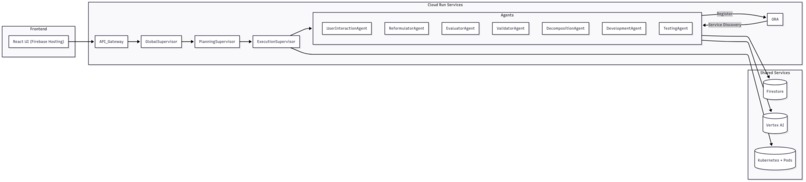
Orchestrai Architecture Diagrams
-
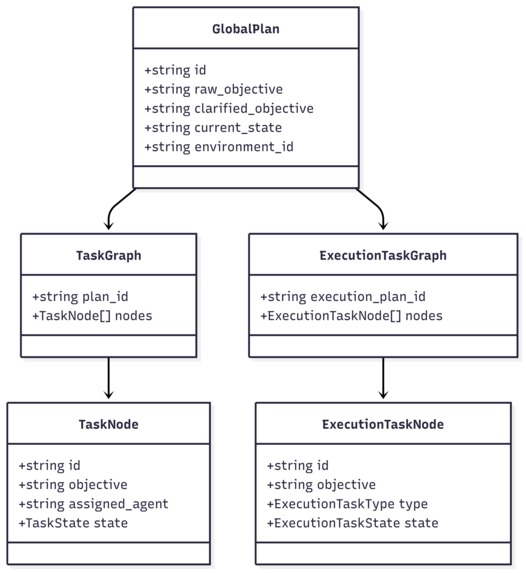
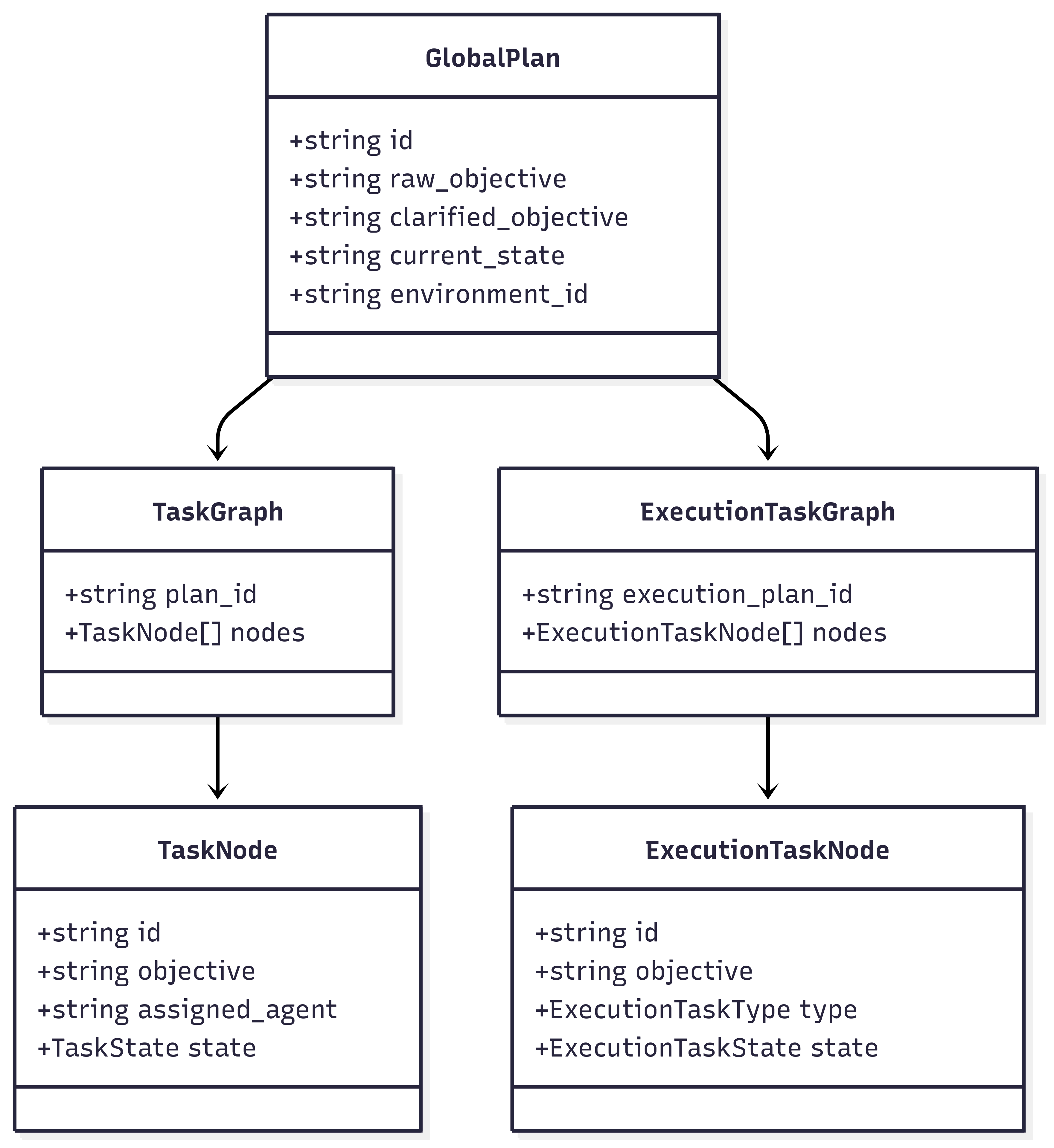
Class diagram
-
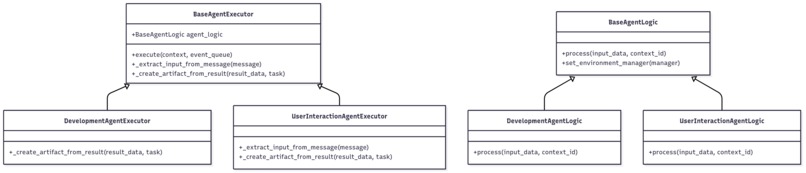
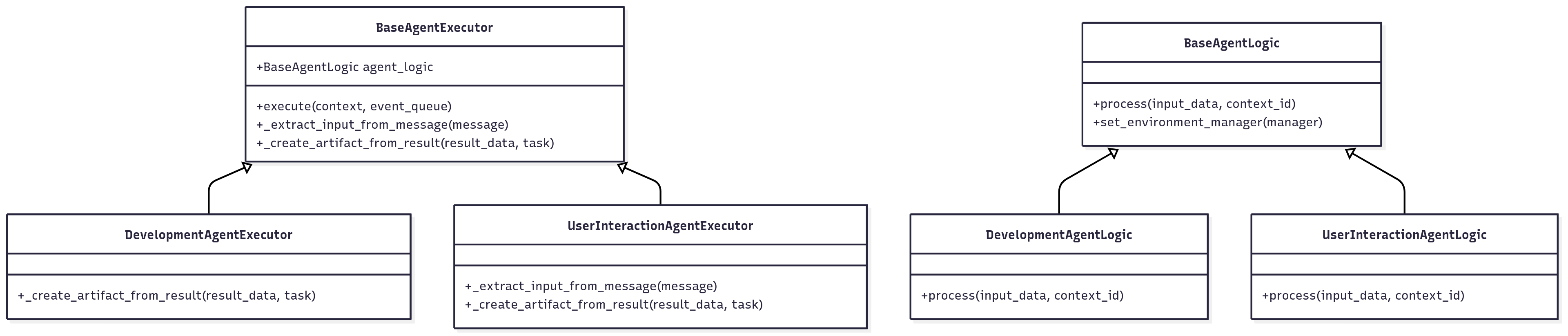
Class Diagram Agents
-
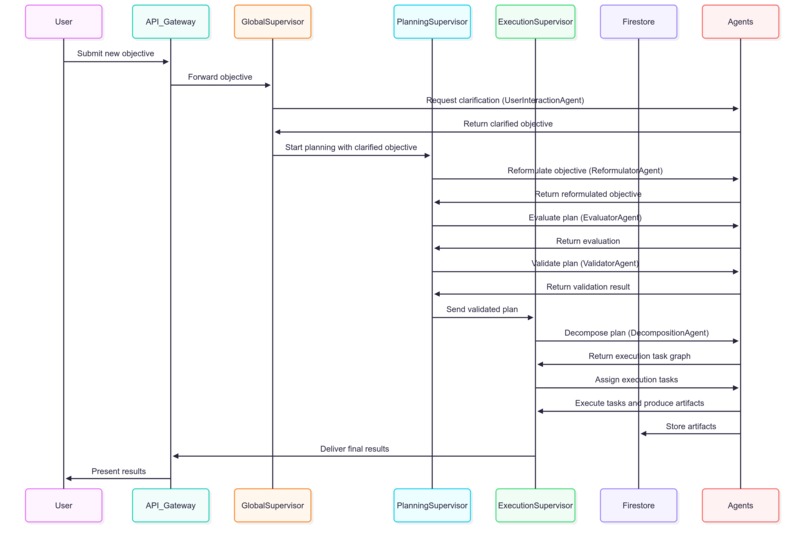
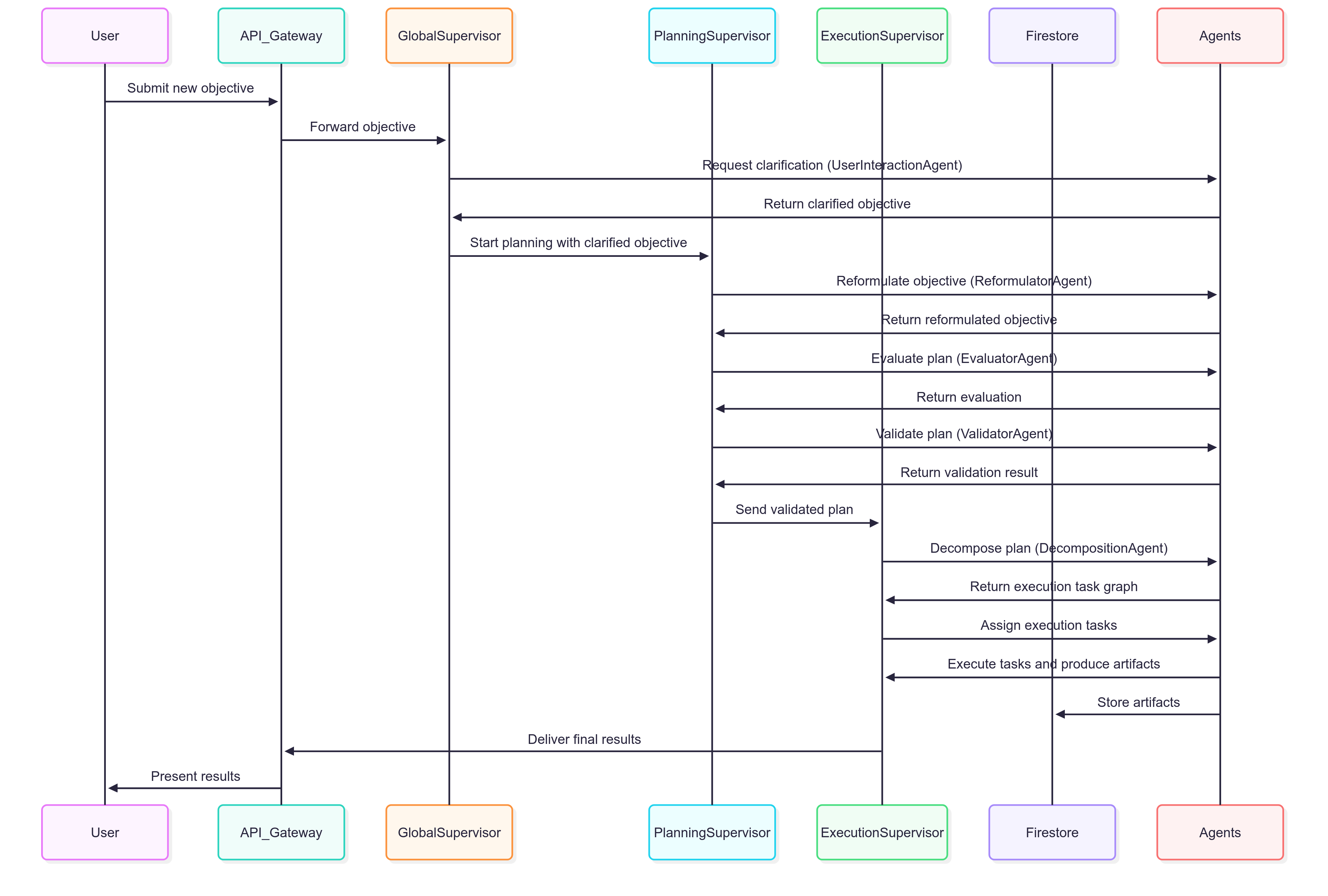
Sequence Diagram
-
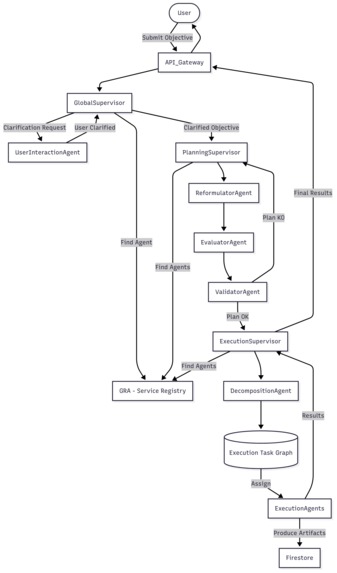
Phase 1
-
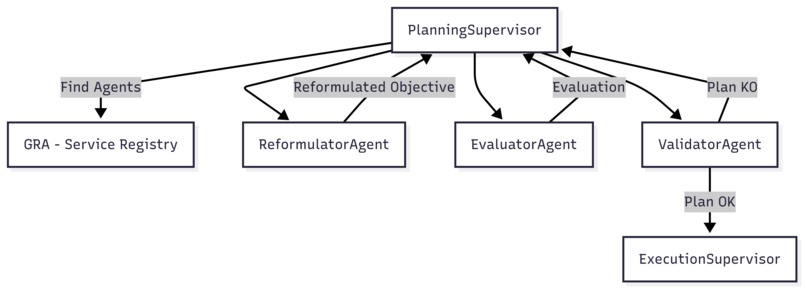
Phase 2
-
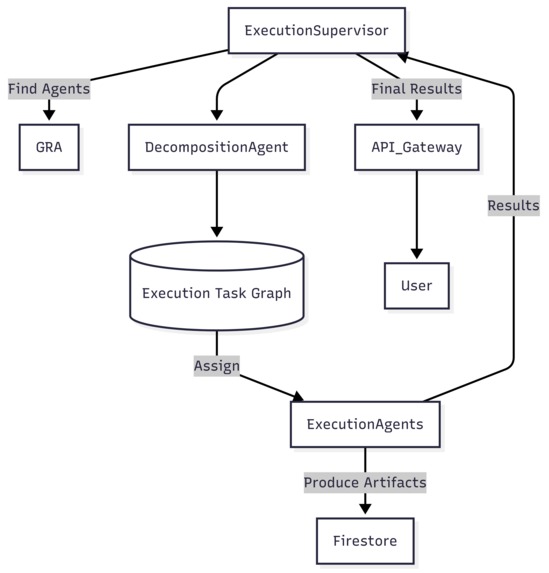
Phase 3
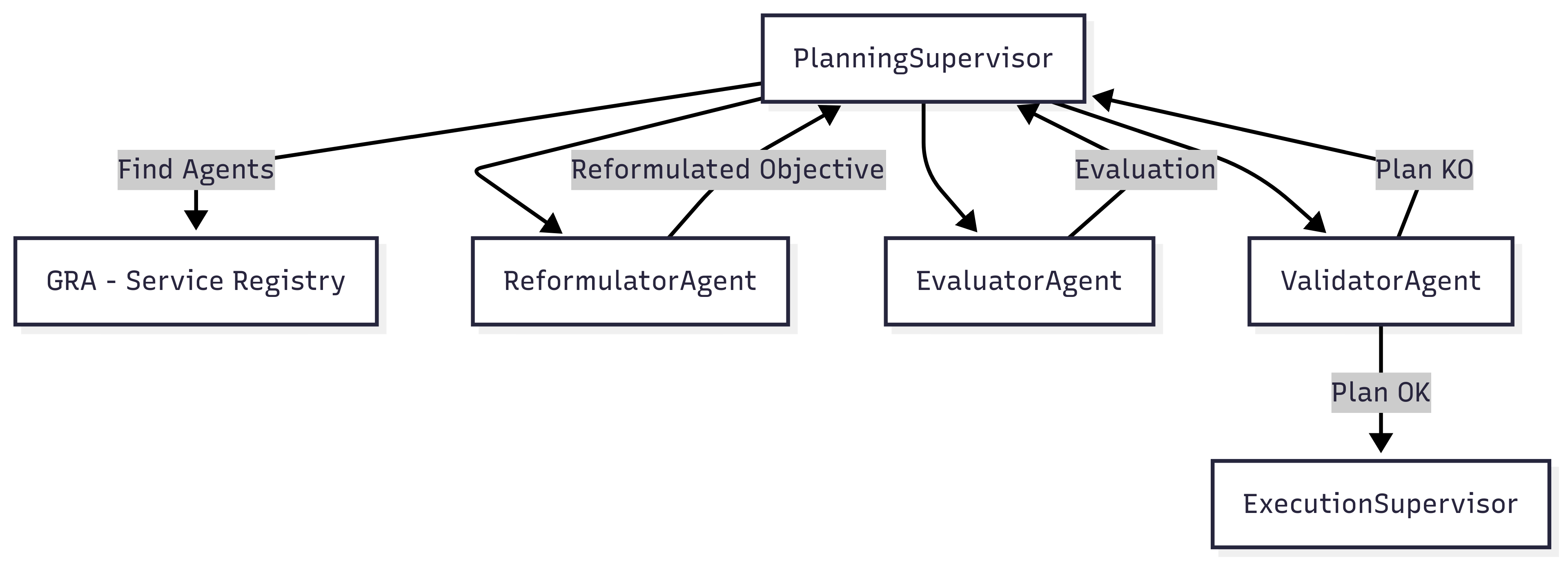
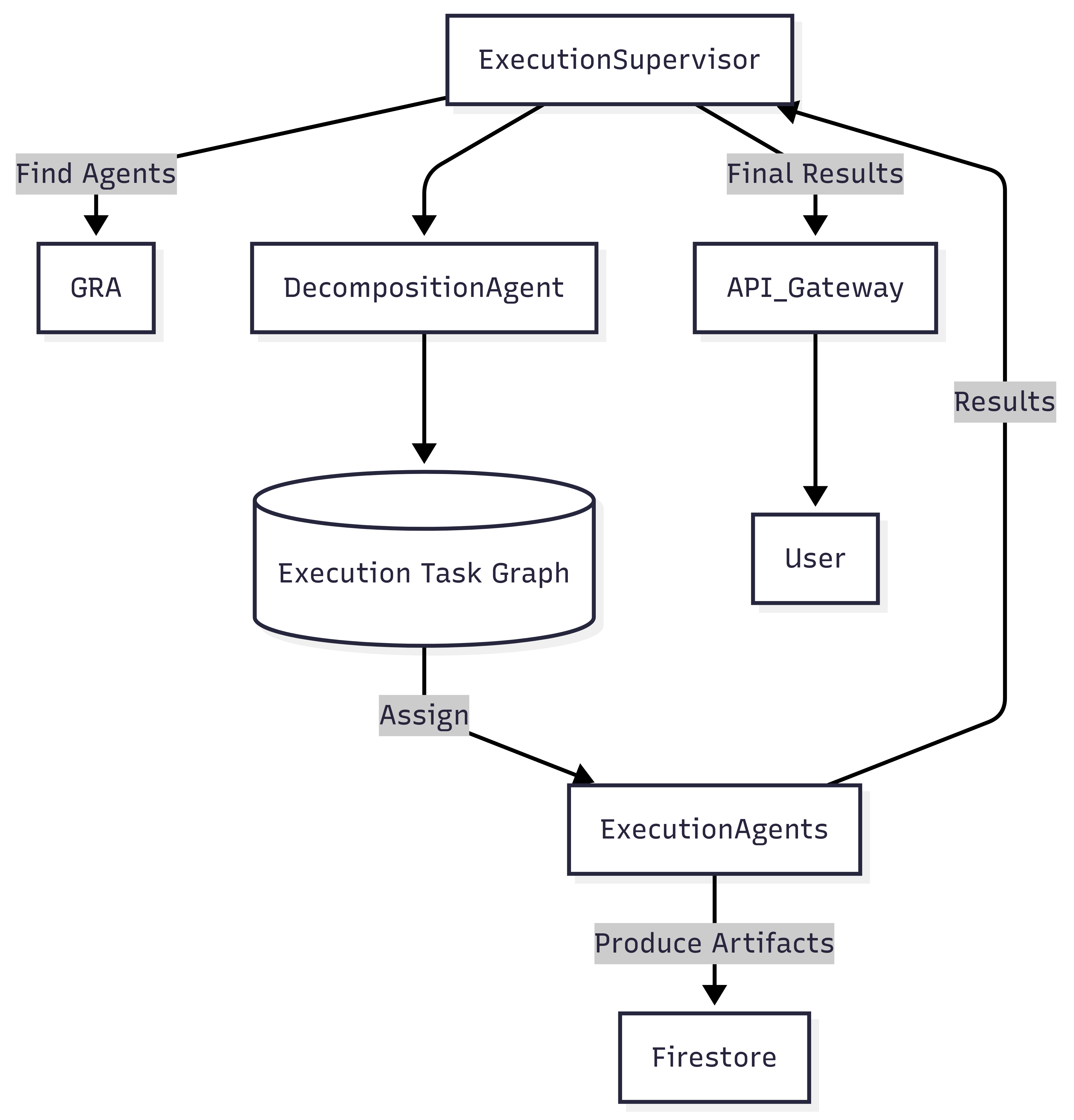
Go beyond simple automation, orchestrate success. OrchestrAI provides the strategic framework to guide AI agents through complex problems, from idea to reality.
What Inspired Us
OrchestrAI was born from a simple observation: in complex enterprise projects, success doesn’t come from individual skills alone, but from the art of turning uncertainty into a clear, actionable strategy. This mirrors both academic work on enterprise competence modeling and the real-world challenges of project management, where the ability to clarify goals, manage dependencies, and adapt to surprises is paramount. We saw a gap in today's AI platforms: they had competent agents, but they lacked a true, resilient orchestrator. Our inspiration was to build that orchestrator.
How We Built It: The OrchestrAI Framework
OrchestrAI is not just another agent system—it’s a strategic orchestration framework that transforms any vague user goal into a clear, validated, and iteratively improved action plan. Our architecture mirrors the workflow of a world-class project manager, ensuring every step is logical, traceable, and resilient.
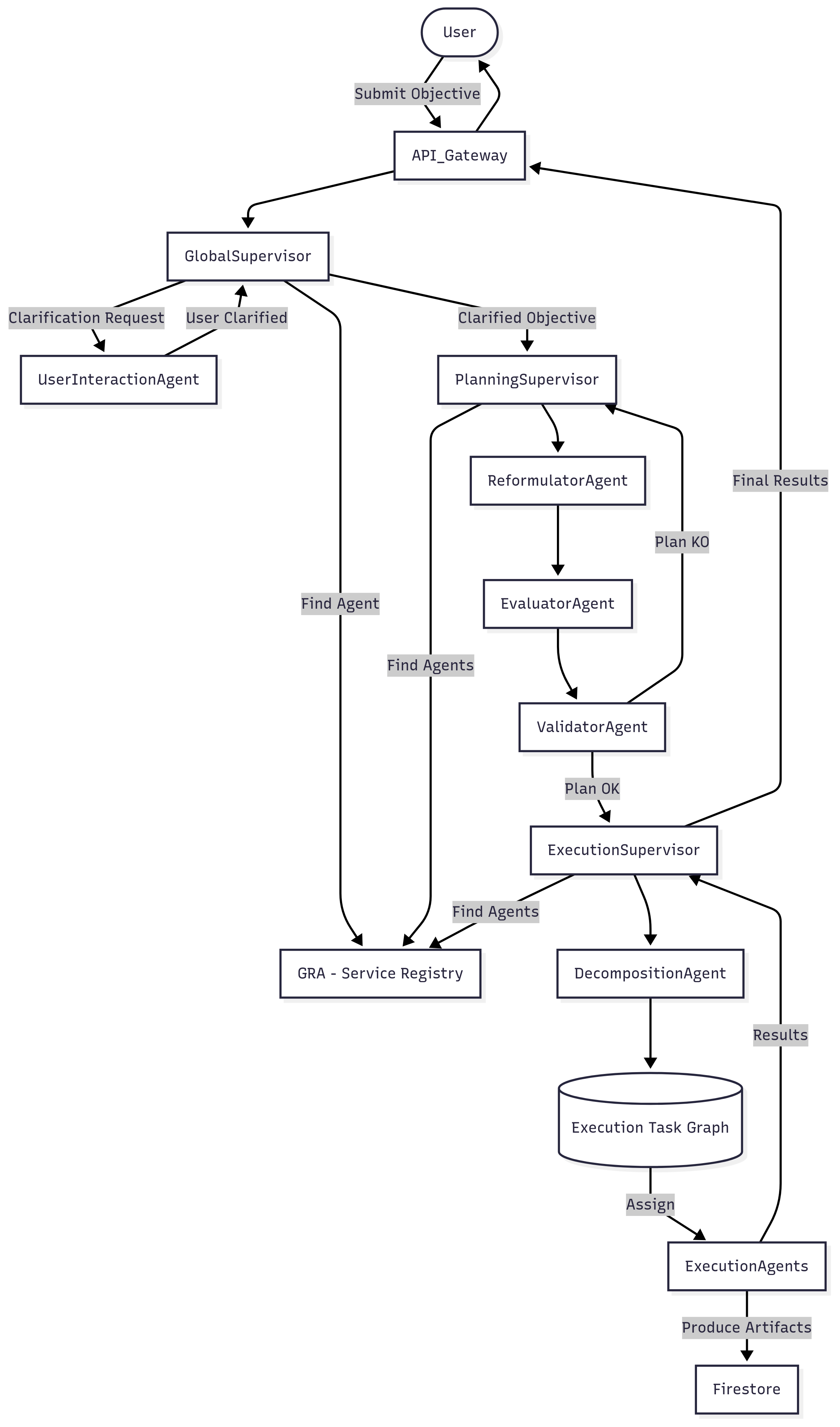
Functional Architecture Diagram [ICI, insérez le lien vers votre diagramme d'architecture fonctionnelle après l'avoir téléversé sur Devpost]
Our framework operates in distinct, managed phases:
- 1. Objective Clarification: The user’s raw idea is refined through a dialogue with a
UserInteractionAgent, ensuring the goal is well-defined and ready for planning. - 2. Strategic Planning & Validation: A dedicated team of planning agents (
Reformulator,Evaluator,Validator) collaborates to generate, analyze, and approve a robust plan. This loop ensures the strategy is sound before any execution begins. - 3. Adaptive Execution: Once approved, the plan is decomposed and dispatched to specialized execution agents (
Development,Research,Testing). TheExecutionSupervisormanages this process, enabling parallelization, error recovery, and real-time adaptation. - 4. Continuous Improvement & Auditability: Every action, decision, and artifact is persisted in Firestore, providing full traceability. Failures trigger targeted re-planning cycles, allowing the system to learn and adapt without starting from scratch.
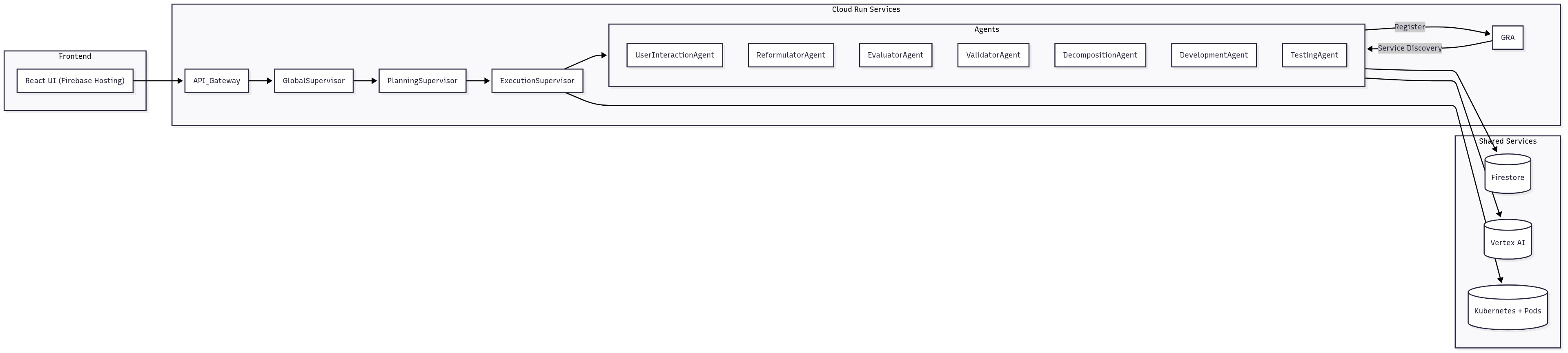
Technical Architecture Diagram [ICI, insérez le lien vers votre diagramme d'architecture technique après l'avoir téléversé sur Devpost]
Challenges We Faced
Building a truly resilient orchestration framework presented significant challenges that pushed us to innovate:
- Strategic Orchestration vs. Simple Chains: Designing the supervisor logic to handle asynchronous flows, iterative feedback loops (e.g., plan rejection), and complex dependency management was our biggest challenge and where we believe OrchestrAI brings unique value.
- Reliable Multi-Agent Communication: Building robust, asynchronous agent-to-agent communication and a dynamic service discovery mechanism (our GRA - Global Resource Arbitror) was key to achieving a modular and scalable system.
- Actionable AI Outputs: Extensive prompt engineering was required to ensure each agent, powered by Google's Gemini, produced reliable, well-structured JSON outputs that could be consumed by the next step in the process.
- Realistic Error Handling: We moved beyond simple "all or nothing" execution. We designed the system to recover from partial failures, isolate problems, and trigger intelligent recovery or re-planning logic.
What We Learned
This hackathon was an incredible learning experience, solidifying several key principles for us:
- Orchestration beats raw intelligence: A well-managed team of specialized agents will always outperform a single, monolithic "super-agent". Success lies in the strategy that connects them.
- Human-in-the-loop is a feature, not a bug: Involving the user in clarification and validation builds trust and leads to better, more aligned outcomes.
- Modularity = Scalability: A service-oriented, dynamically discovered architecture is naturally robust and extensible. Adding a new agent capability is simple and doesn't require rewriting the core logic.
- Auditability is essential for improvement: Persisting every plan, artifact, and decision was crucial for debugging and, more importantly, for enabling the system's own learning and recovery mechanisms.
OrchestrAI is our vision for the next wave of AI—where the focus shifts from smarter components to smarter orchestration, making human-machine collaboration truly scalable, trustworthy, and effective.
Built With
- a2a-sdk
- ai
- fastapi
- gemini
- google-cloud
- kubernetes
- llm
- python
- starlette-(underlying-a2a-sdk)-web-server:-uvicorn-database:-google-cloud-firestore-frontend:-streamlit-libraries:-httpx-(for-async-http-calls)


Log in or sign up for Devpost to join the conversation.