-
-
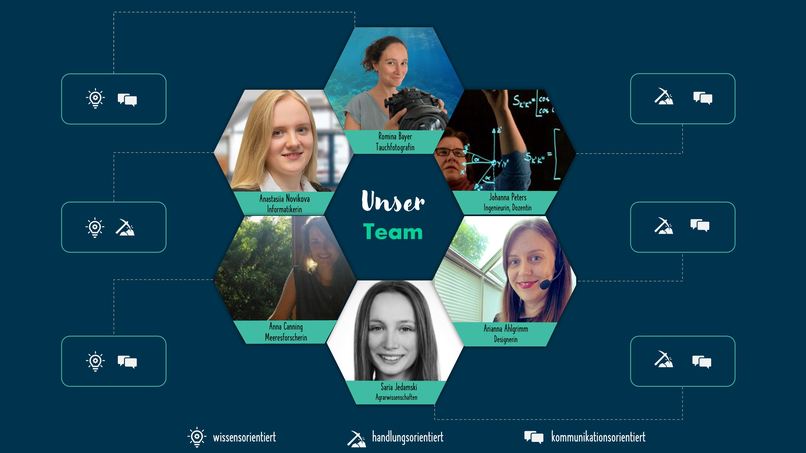
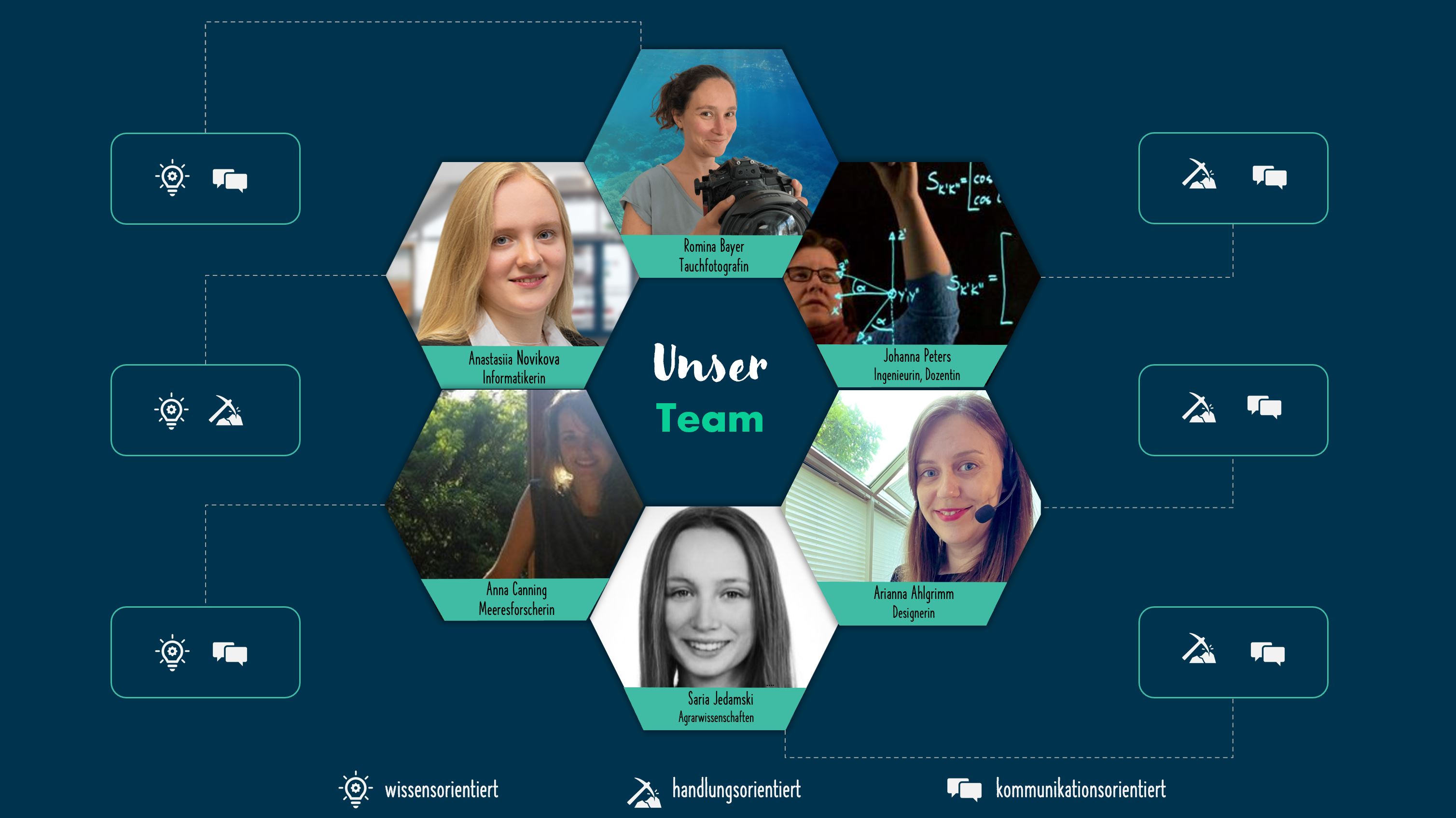
Our team and skills (by belbin)
-
Branding
-
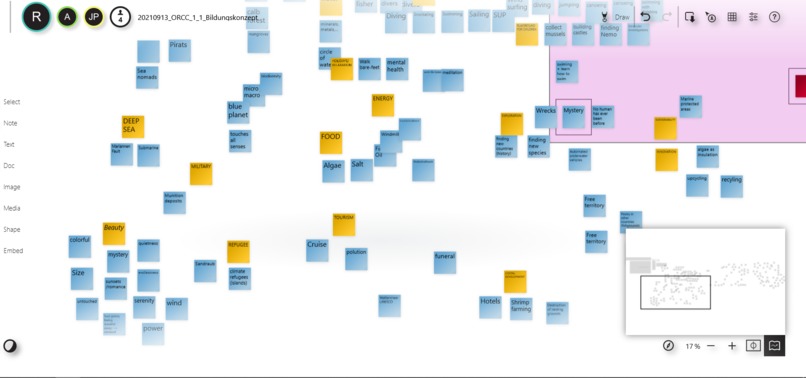
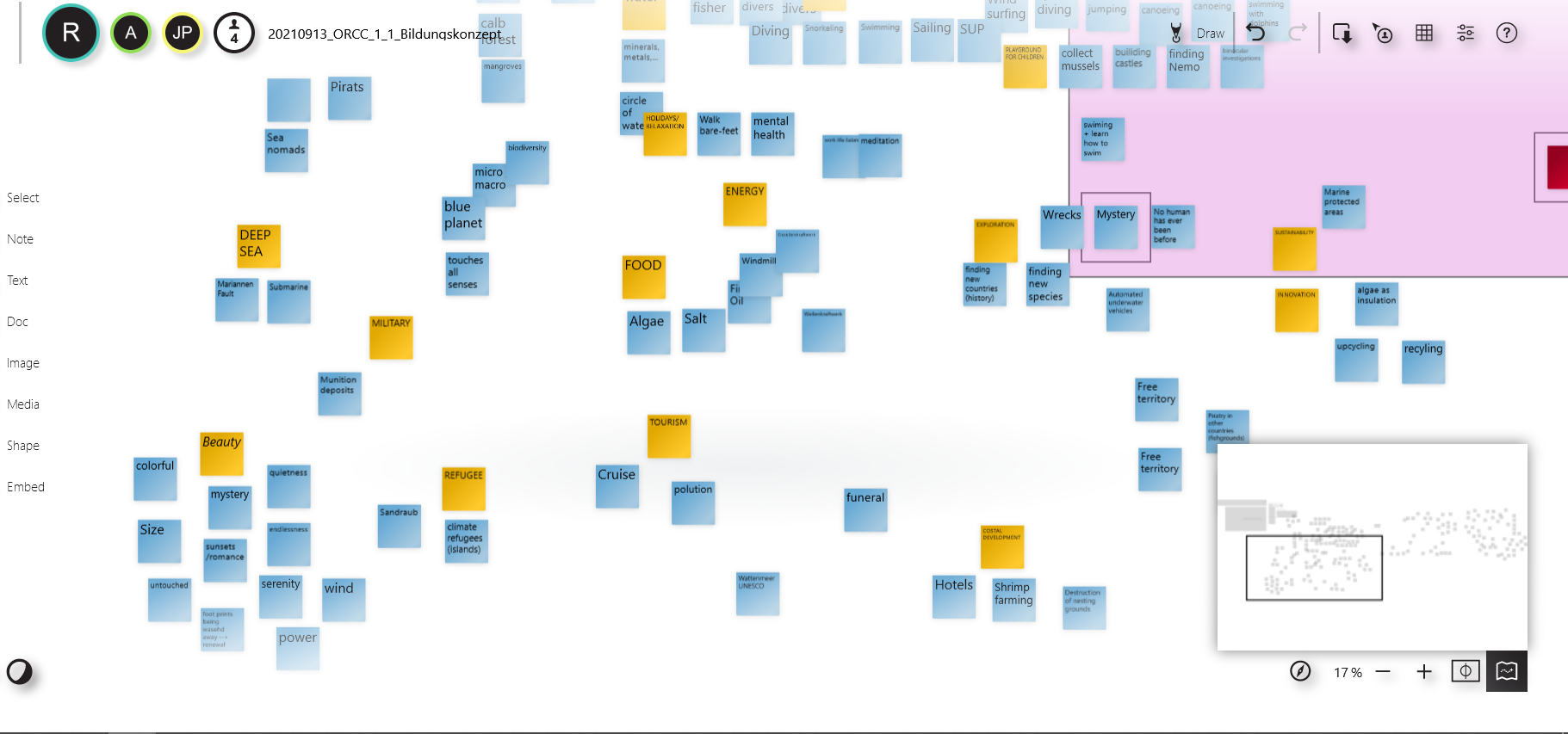
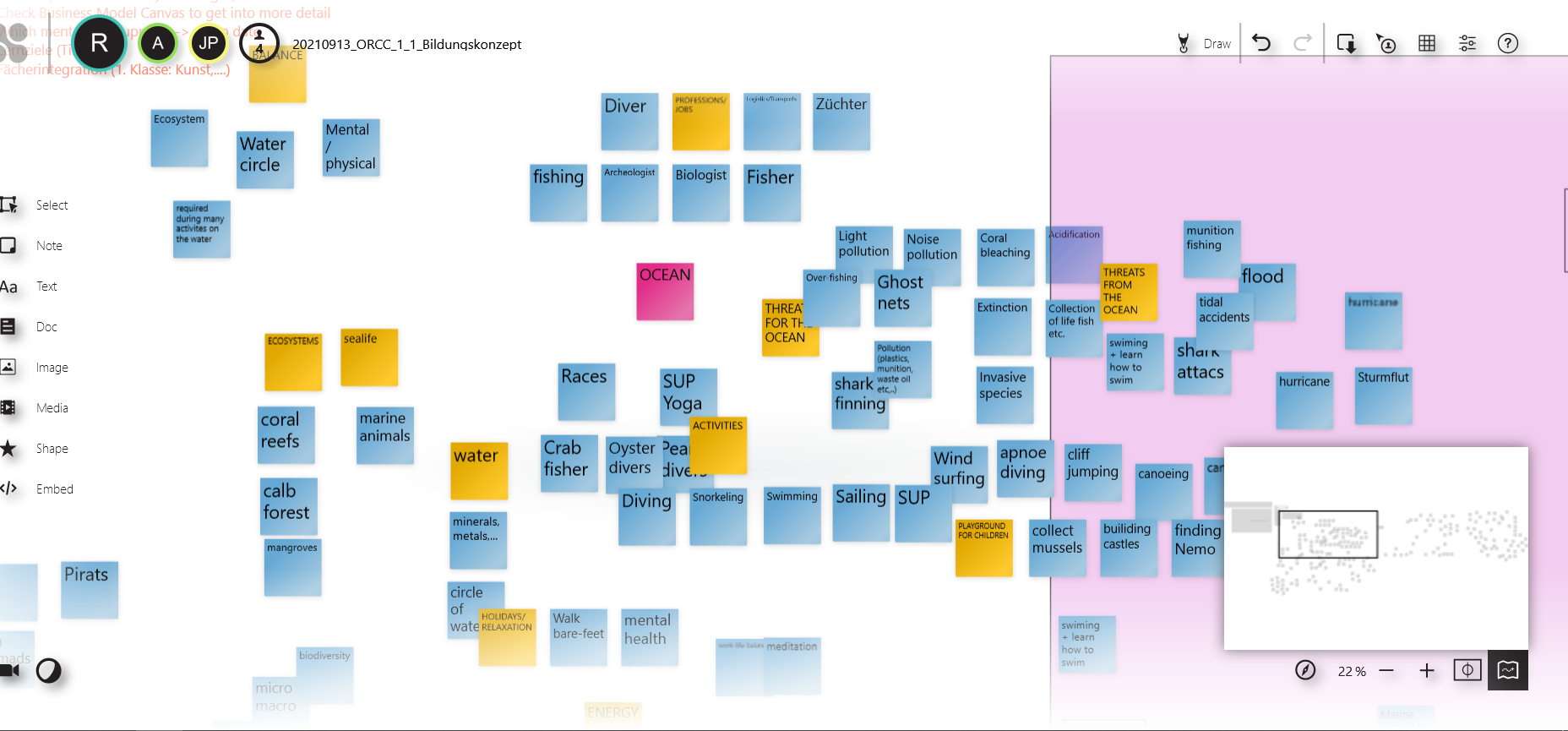
Brainstorm "Ocean"
-
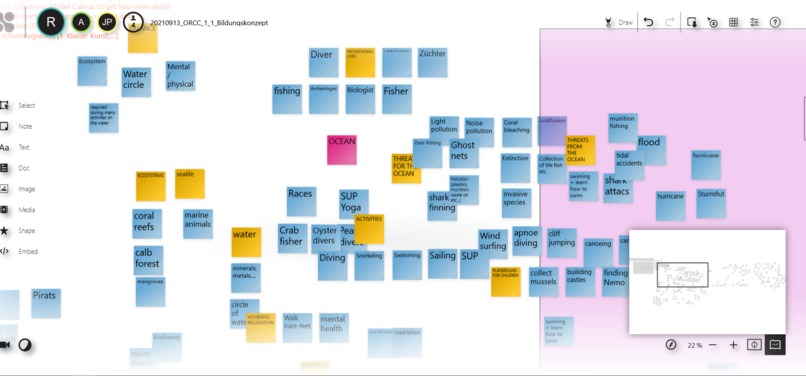
Brainstorm "Ocean" 2
-
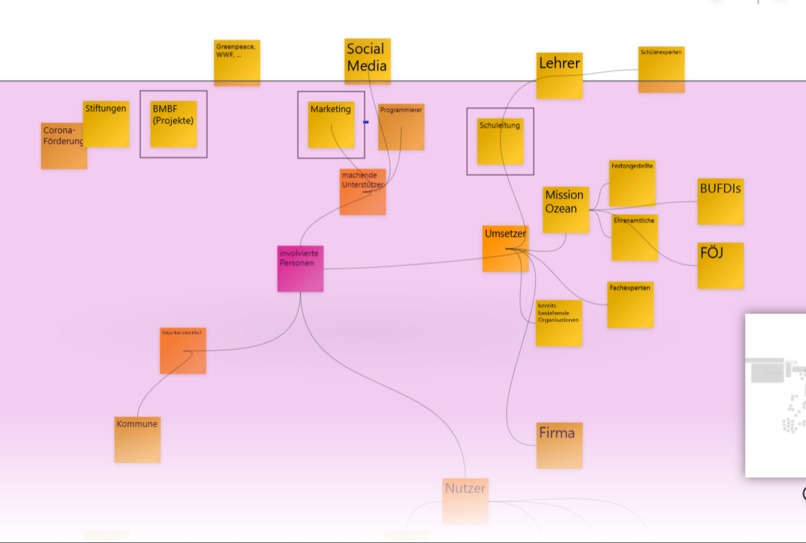
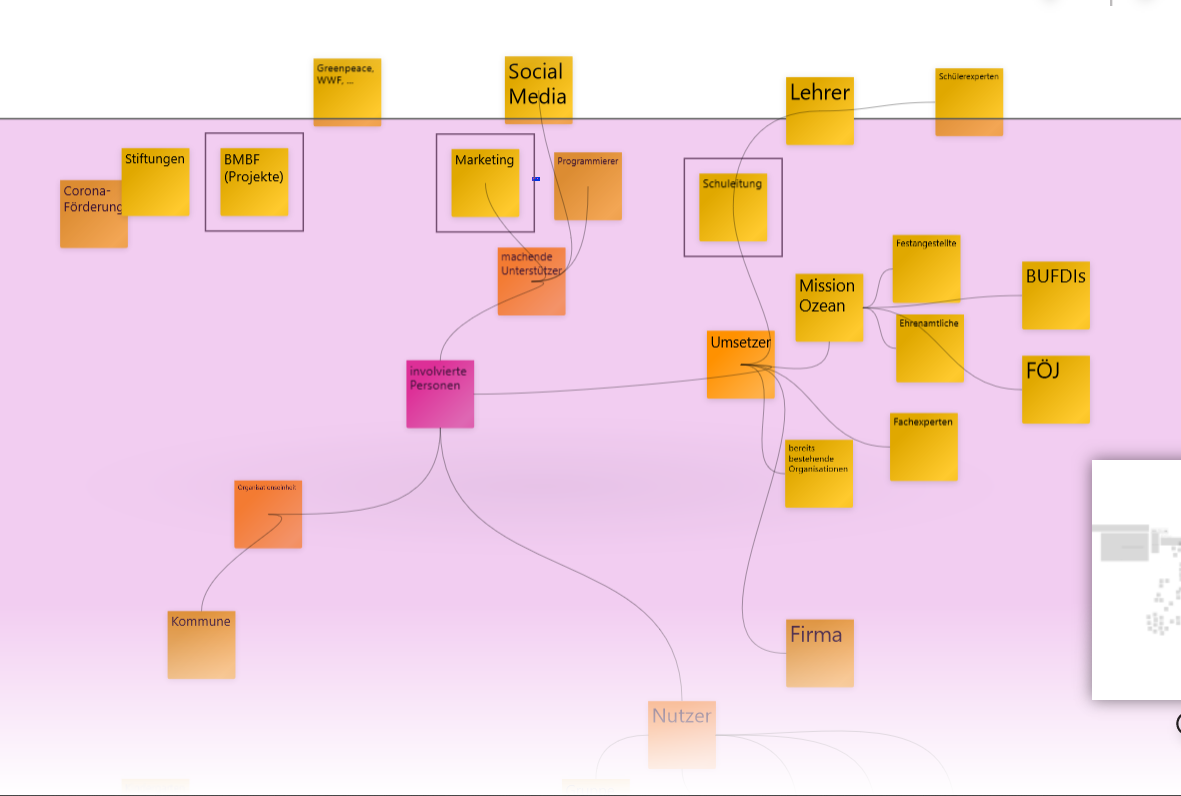
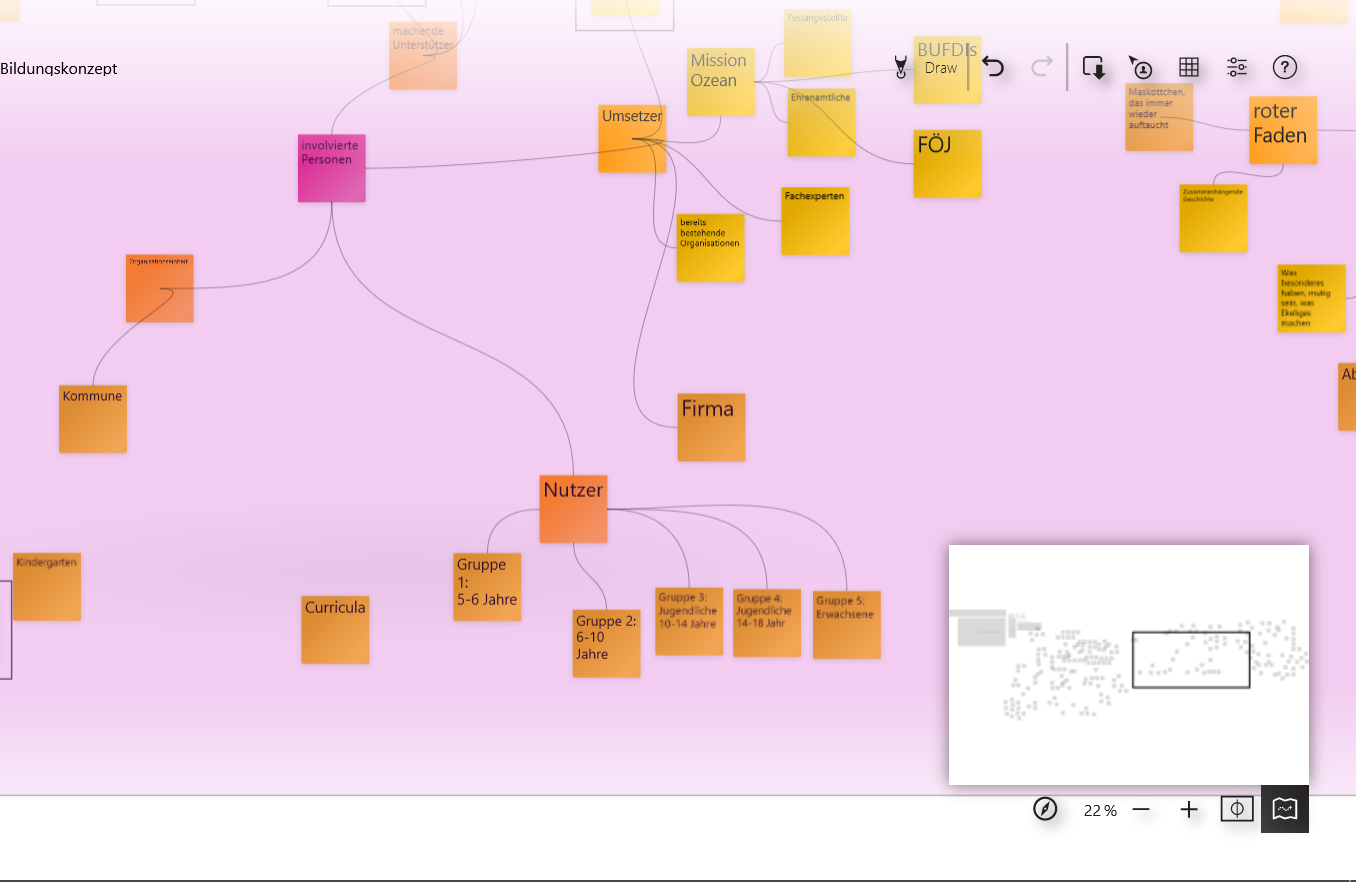
Brainstorm "Involvierte Personen" 1
-
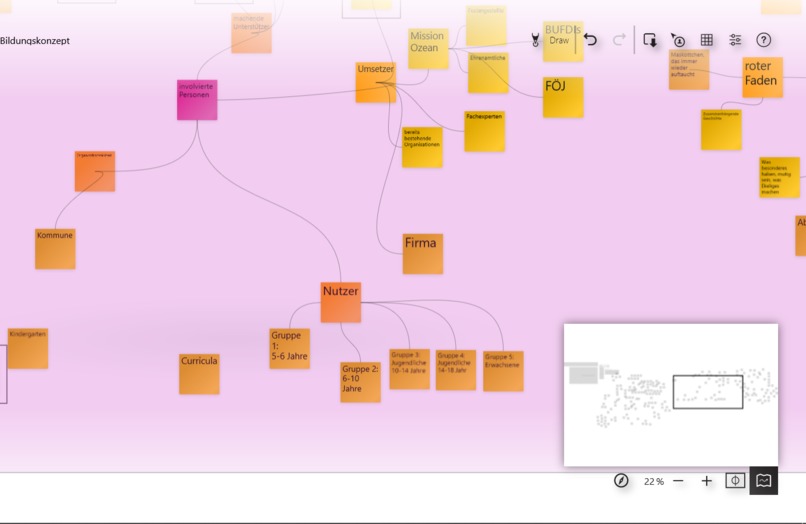
Brainstorm "Involvierte Personen" 2
-
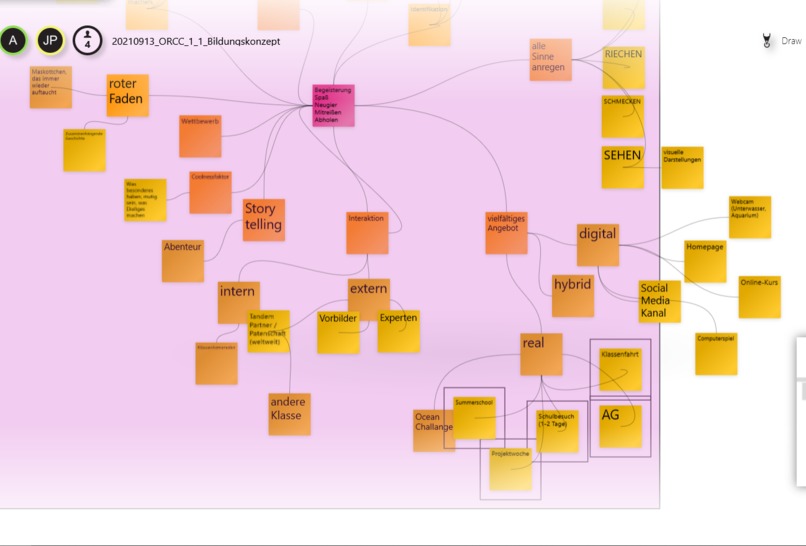
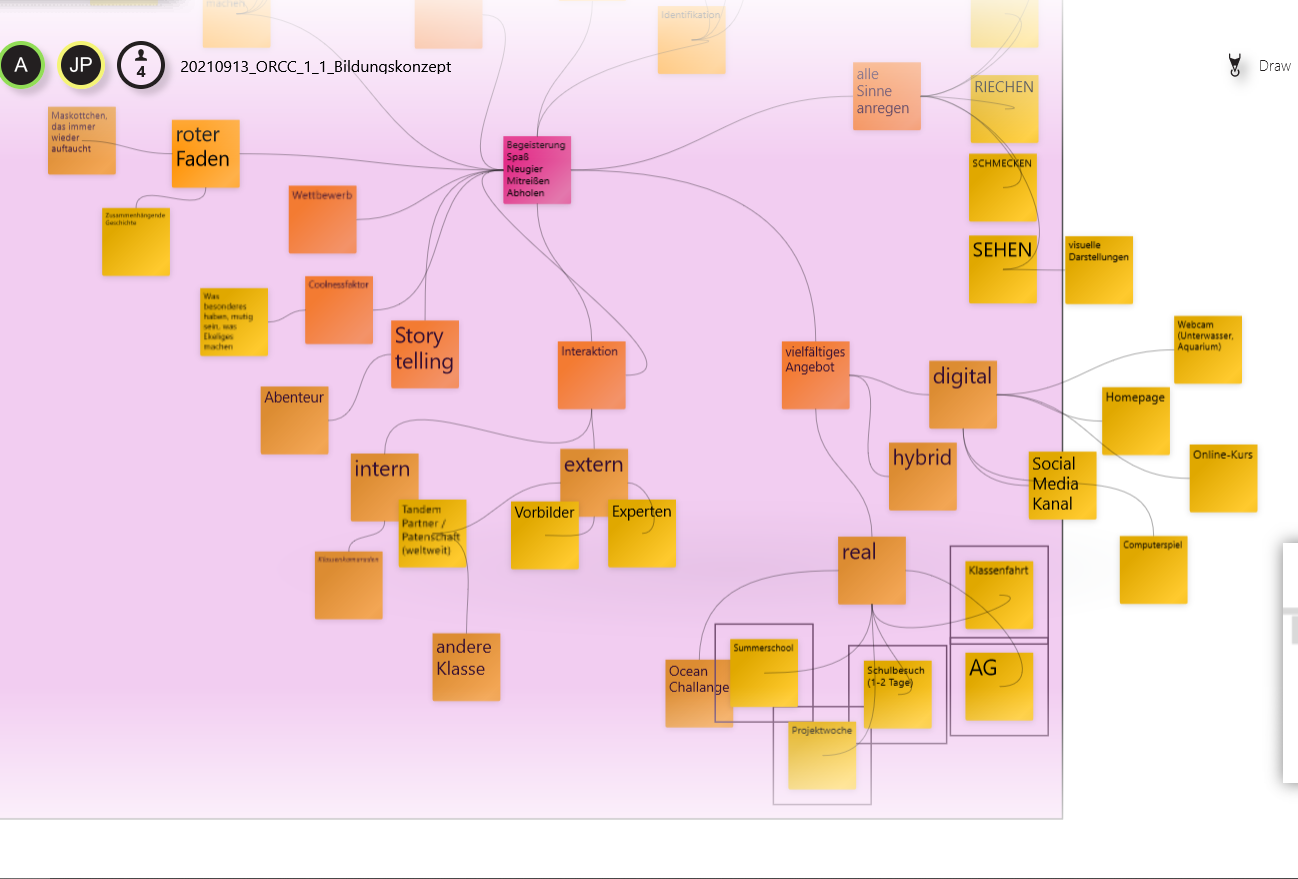
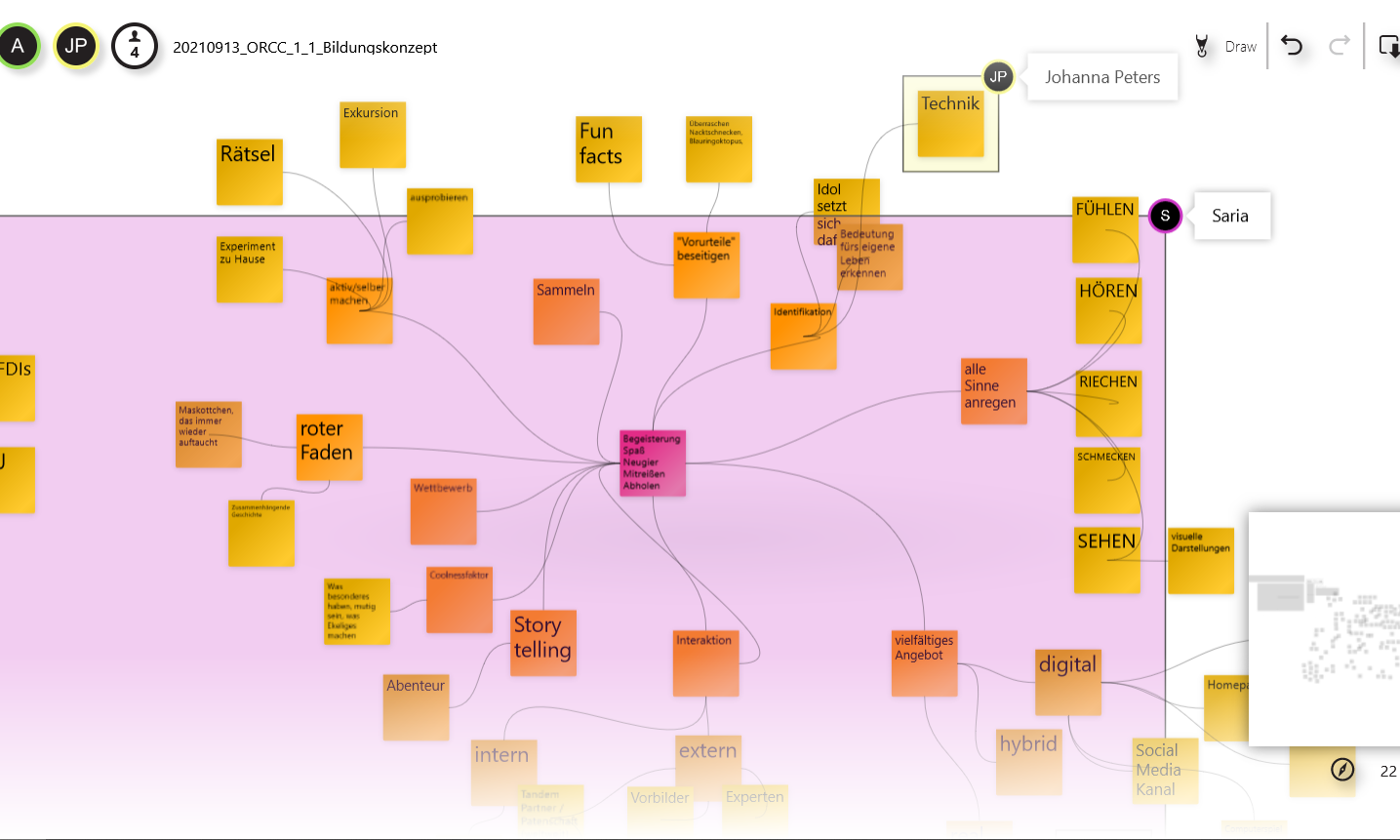
Brainstorm "Begeisterung" 1
-
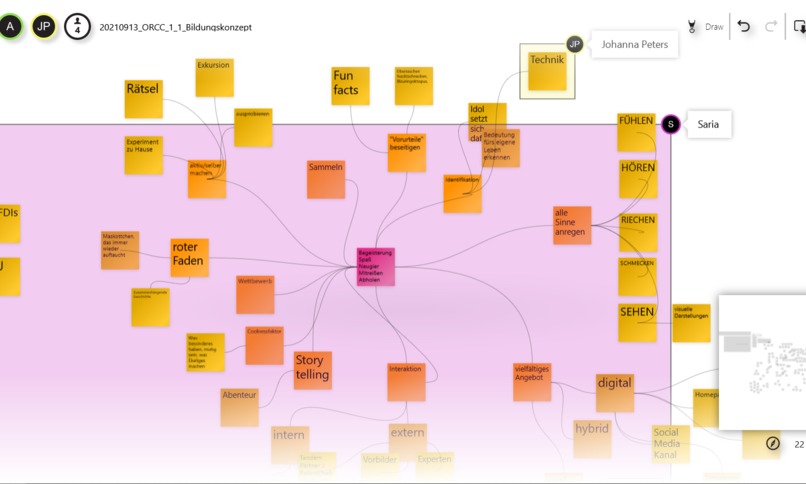
Brainstorm "Begeisterung" 2
-
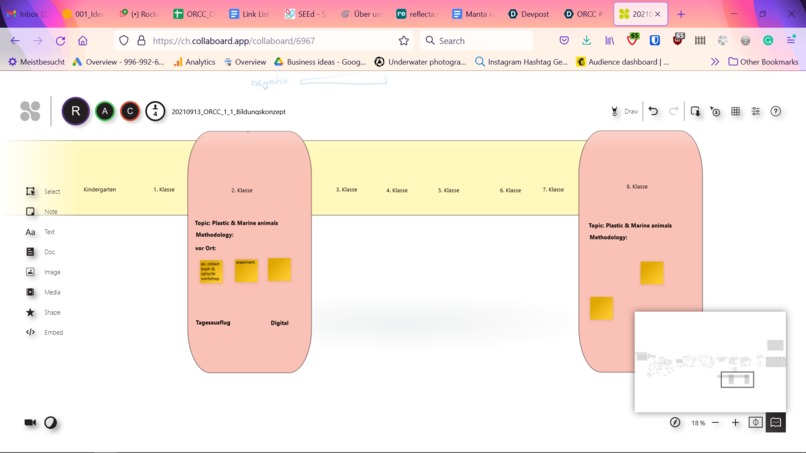
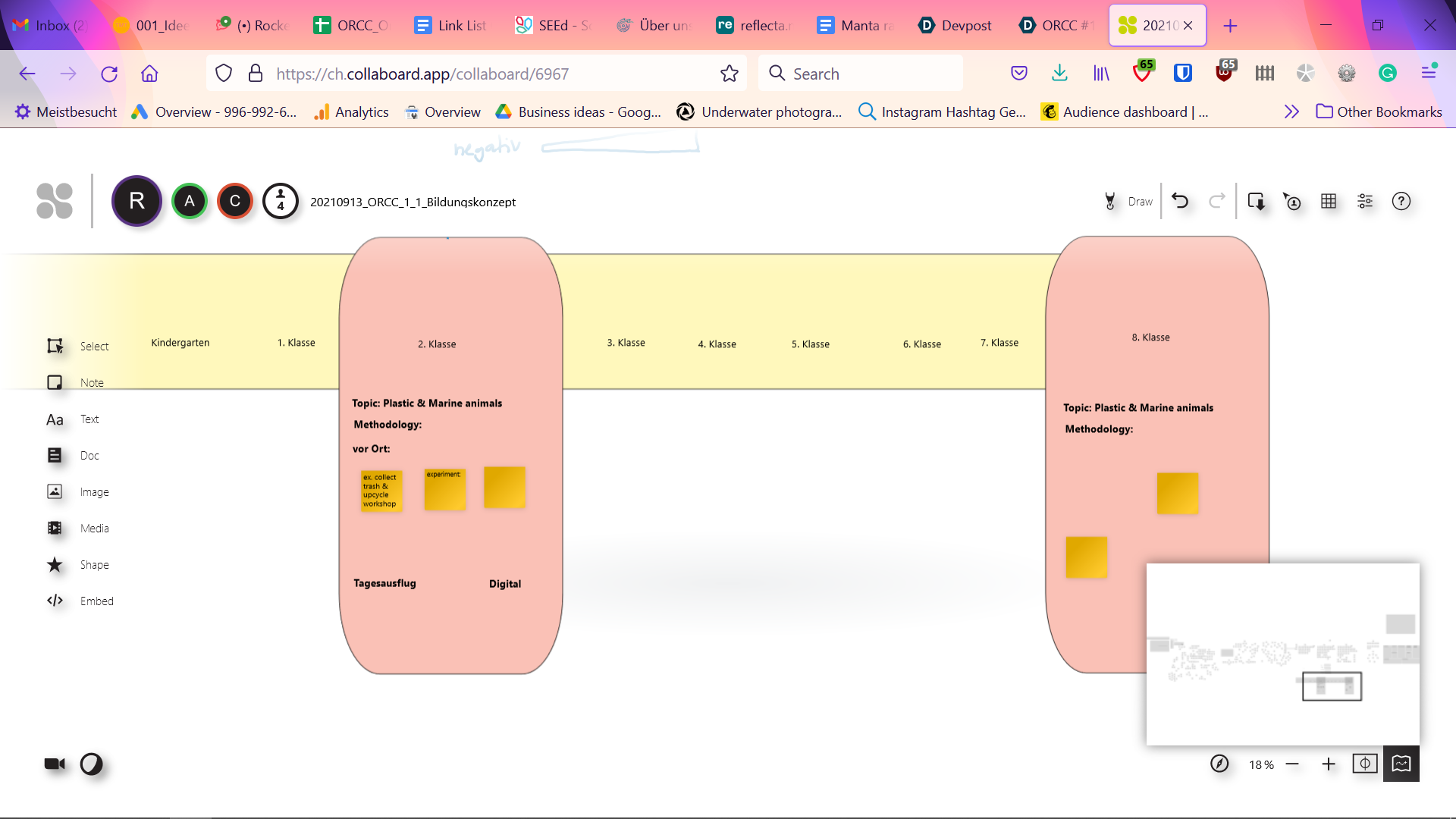
Focus: 2. Klasse & 8.Klasse (as example)
-
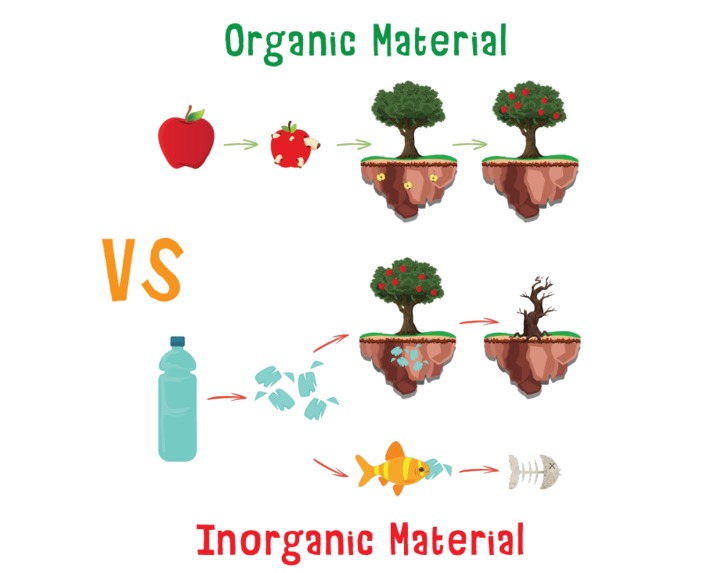
Ex. Lernmaterial 2.Klasse
-
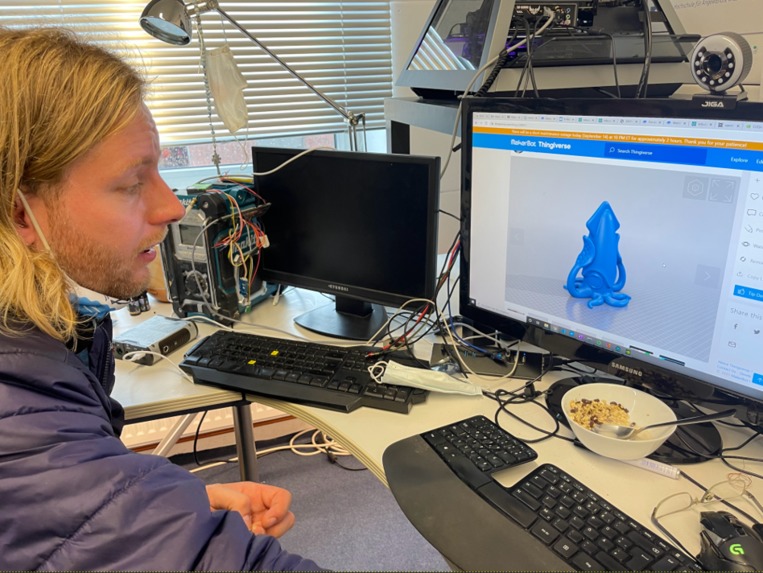
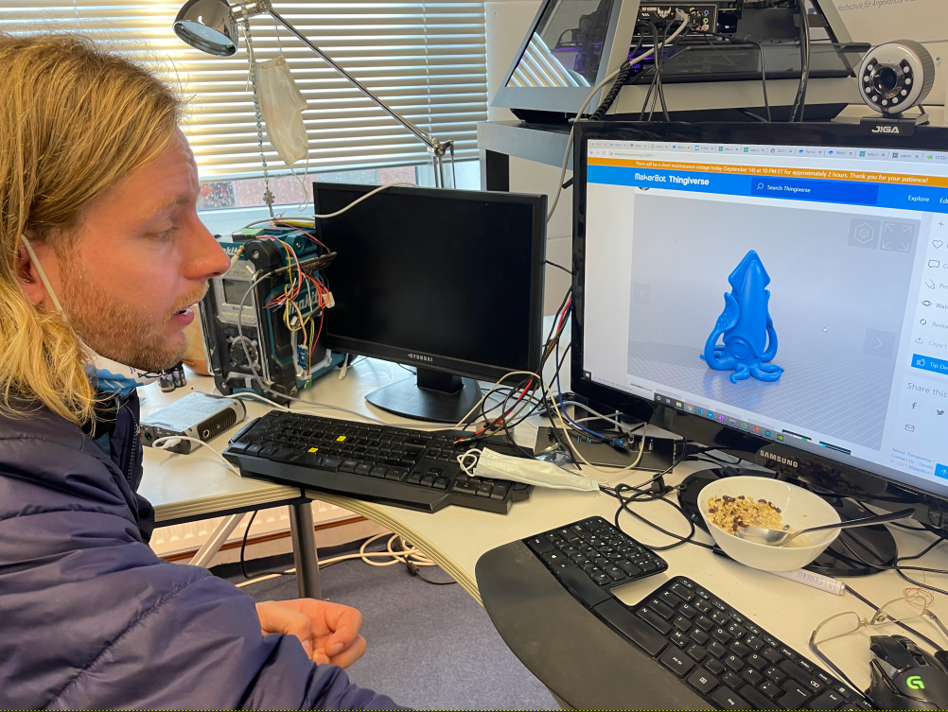
Checking out 3D-printing options with Tjark
-
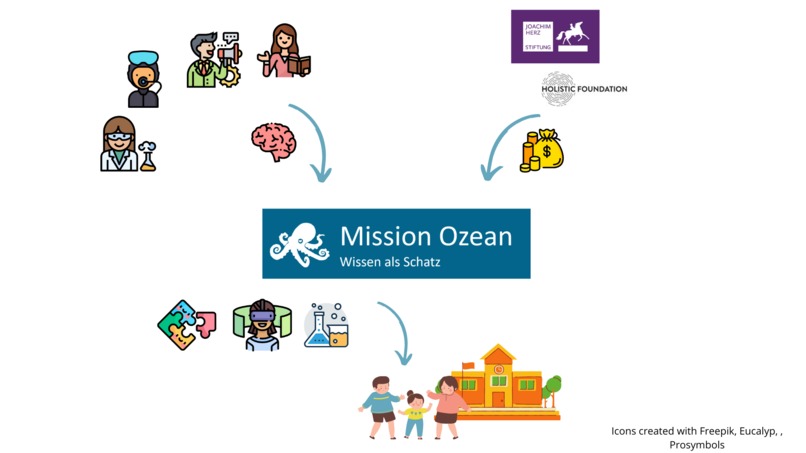
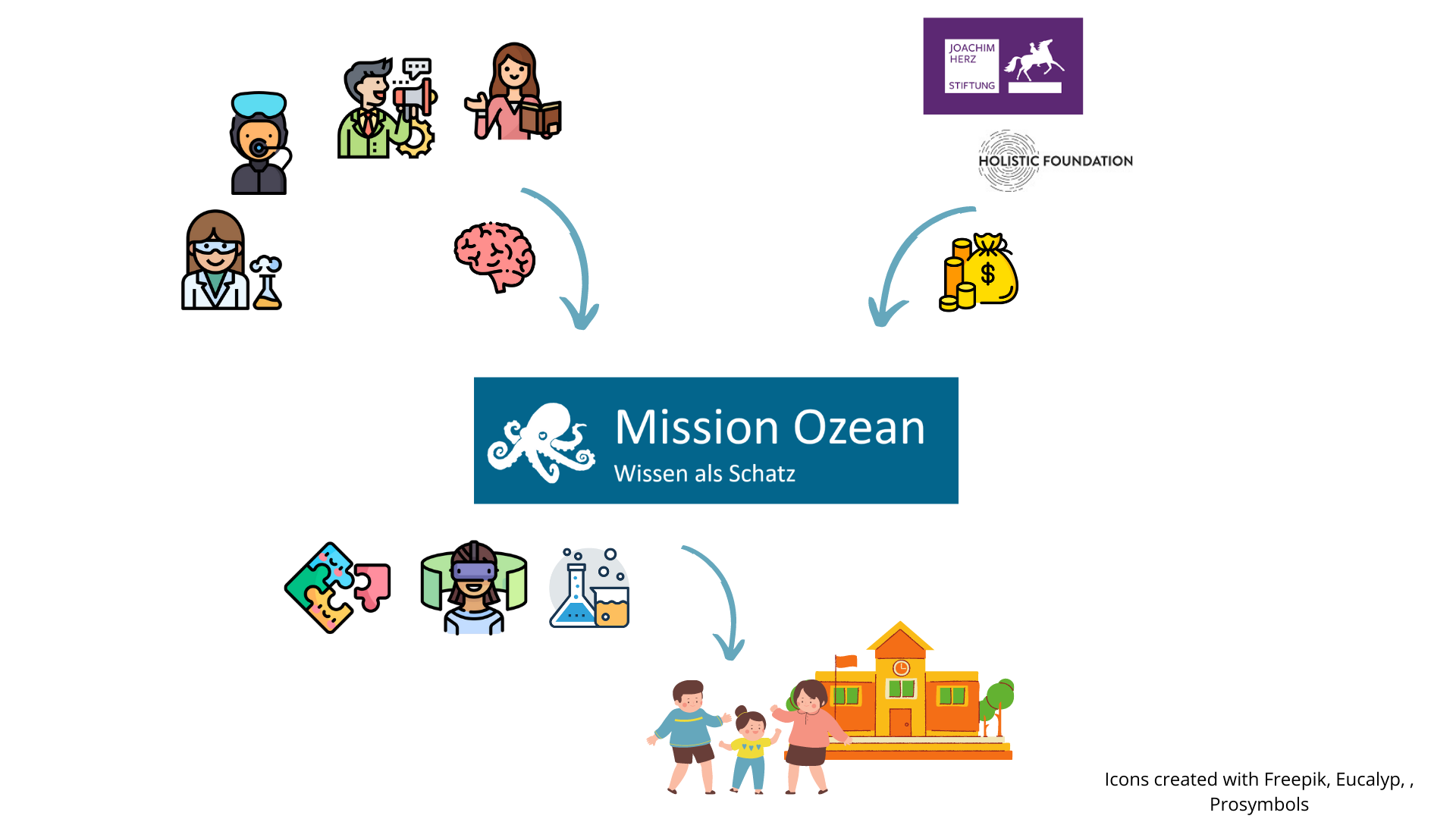
Mission Ozean: Financial support + brain juice from experts, spreading interactive and engaging ocean education.
-
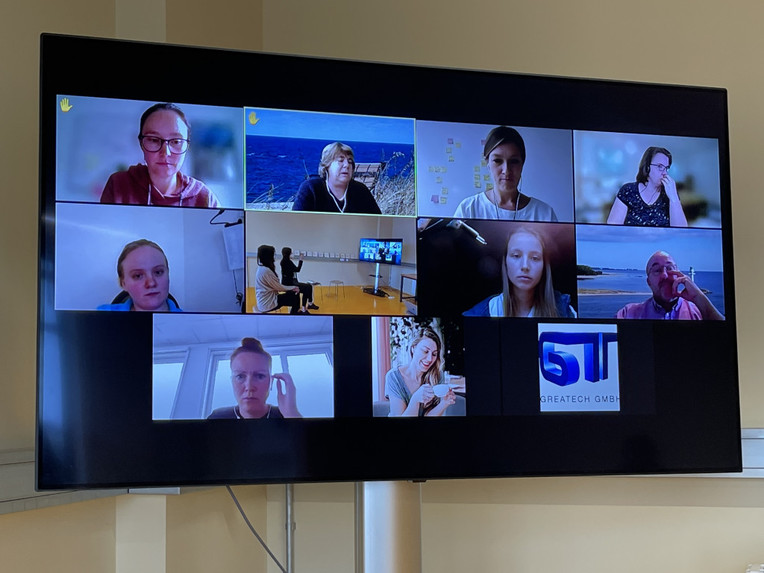
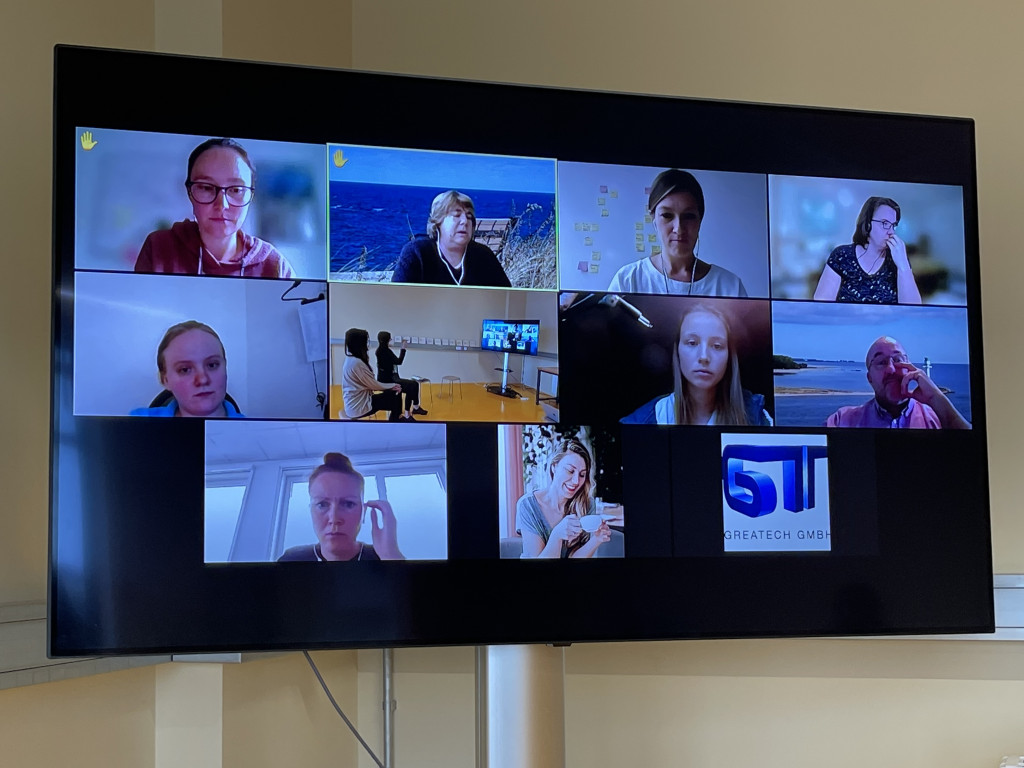
Getting feedback on our idea
-
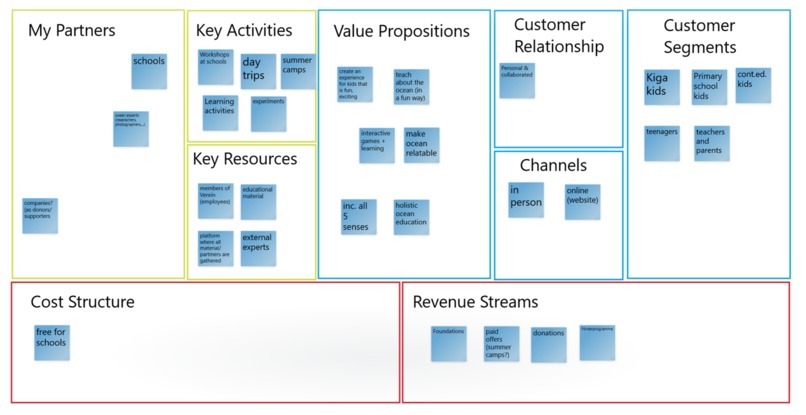
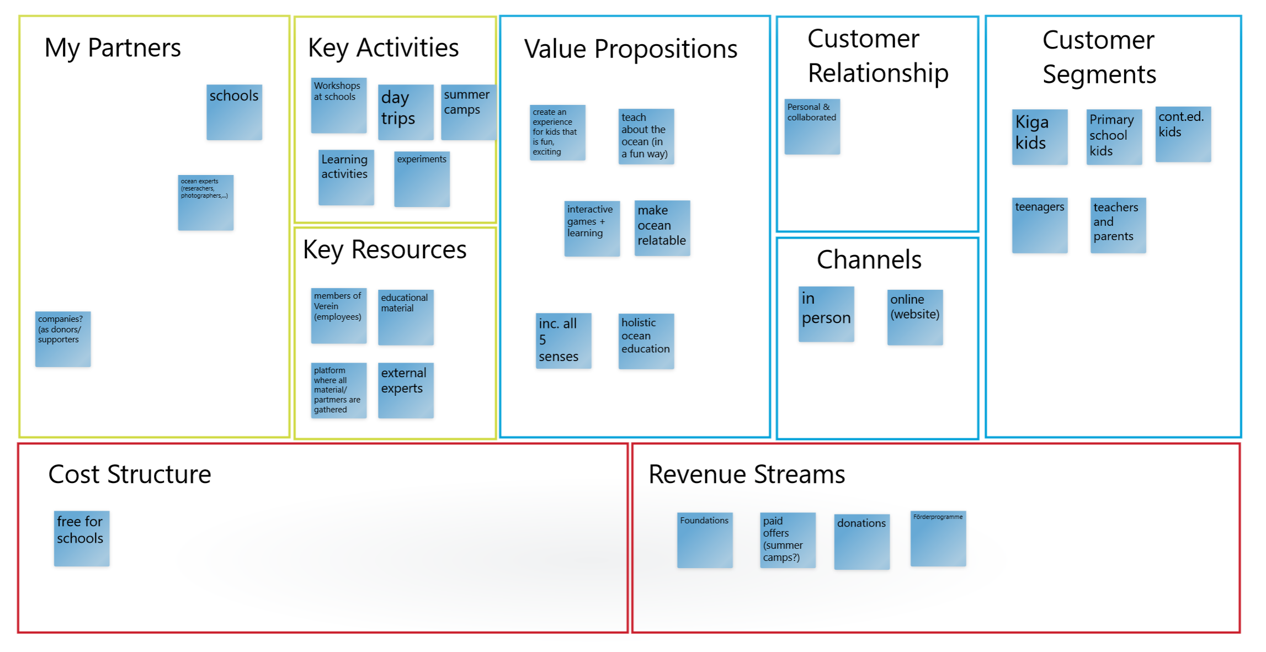
Business model canvas ... work in progress
-
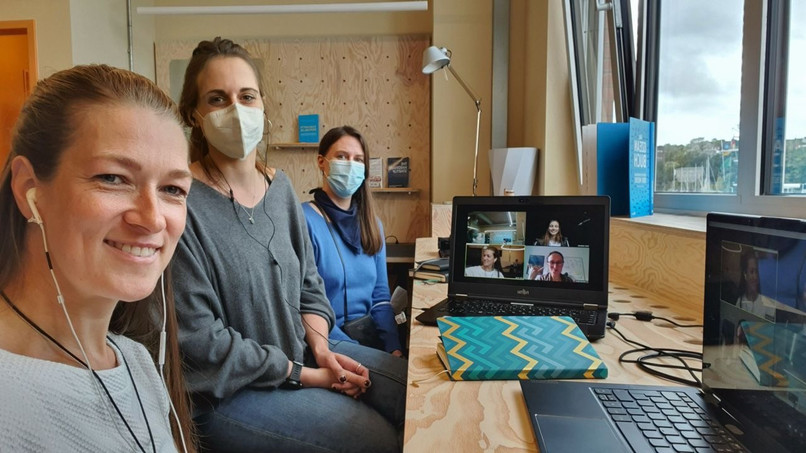
Pitch Training with Julia Lange
Bildung ist die mächtigste Waffe, die du verwenden kannst, um die Welt zu verändern
Education is the most powerful weapon you can use to change the world. (Nelson Mandela)
Was wir wissen, ist ein Tropfen, was wir nicht wissen, ein Ozean.
What we know is a drop. What we don't know is an ocean. (Isaac Newton)
KEY POINTS
1. Description of challenge and inspiration
Education is the key to start a change. And a change is neccessary ...now!
Claudia has the vision to educate and inspire children about the ocean..... by letting them experience the many facets of the ocean .... and by letting them know about the man-made problems to nudge them to get active.
All teammembers share a passion for the ocean, protecting our enviroment and spreading knowledge! This is what made us unite in Claudia's challenge and to bring in our diverse capabilities.
Mission Ozean e.V., a registered association, is about to be found and pick up educating.
2. The team (in alphabetical order)
Arianna Ahlgrimm
Arianna is specialized in design and visual communication. She works as a freelancer with a core area of experimental design. She has a lot of energy an is a very talkative.
If there is new contacts to be made: Arianna will automatically go for it. Arianna is based in Gelsenkirchen.
Romina Bayer
Romina is an underwater photographer, underwater photography coach, and the founder of OceanSnaps. As an underwater photography coach and scuba instructor, she deeply cares for the future of our oceans. And she believes that every one of us can make a difference. But together we are much stronger! She wants to inspire you to tell the stories of our oceans through stunning underwater pictures. Because the more people we can inspire to fall in love with our oceans, the more hands we have on deck to help protect them!
Romina is very enthusiastic and dynamic. But at the same time she can be very organized and keeps a level head. She loves working wiht people and can be very patient if required. Romina is based in Köln.
Anna Canning
did her BSc in Ocean Science, MSc in Marine Environmental Protection, then worked as a divemaster and coral reef ecology lecturer (also random stuff like climbing instructor - had to teach kids with this if applicable), then she did her PhD in Chemical Oceanography working on CO2 and CH4 in the ocean through geomar (in Kiel) and a marine sensor company, then a mini post-doc doing the same thing but in the an Arctic river in Northeast Siberia. Then she recently started her own company which is a research and outreach consultancy for local businesses and aquariums. Anna comes from the UK and is currently based in Kiel.
Saria Jedamski
Saria is a student at Kiel University. She is studying agricultural science with a strong interes in biological topics. She has a close relationship to Kindergarden as her Mom works there. So she has a deep insight into the current requirements especially in this field. Whenever you see Saria, she is smiling which automatically is transferred to other people. Her creativity is outstanding and she likes to make everything look pretty. Saria is based in Kiel.
Anastasiia Novikova
Anastasiia is a computer scientist. She is employed as a research assistant and does her PhD in informatics. The current projects are related to data/information visualisation field: interactive visualisation of microplastics project results (MicroCatch_Balt). Anastasiia is based in Rostock.
Dr. Johanna Peters
Johanna is a mechanical engineer. After her studies and PhD at Hamburg University of technology (TUHH), she has worked in industry as a project manager and sales coordinator for MAN Energy Solutions for eight years. She worked with customers all over Europe sometimes wearing a boiler suit, when investigating problems at a turbine in a power plant, and sometimes wearing a pantsuit when negotiating with CEOs about a longterm maintance contract. Johanna also is a business coach and has worked as a math and physics teacher for one year recently, resulting ini a solid pedagogical background as well. She has a lot of empathy and loves preparing information about difficult and complex topics such that the user to be addressed really grasps it, no matter what his background is. When working with Johanna, her internal nursery child is always active as well, resulting in the fact that she is very curious and loves to really understand what is going on. Currently, Johanna is employed at TUHH where she is fully involved in teaching, employing up-to-date technology for online as well as in-class-room teaching. For her personal efforts and teaching concept in a review course for mechanics she got awarded the Hamburg Teaching Award at TUHH 2021. Johanna is based in Rosengarten close to Hamburg.
3. What it does
Start small dream big: Our concept should inspire kids to help keeping the ocean healthy and inspire even more people to save the beautiful ocean world.
4. How we built it
There are many people among us with various backgrounds so we did a lot of brainstorming. Next to that we met many mentors who were able to give us advise on many topics (How to focus, financing, team building, marine biology, funding, pitching, getting attention).
For the collaboration and idea finding process we used various tools (Collaboard, googledocs, nextcloud, Zoom, RocketChat, drawboard pdf).
Mentors that supported us (in alphabetical order)
Claudia from @Viva Maris (Challenge Provider)
Elena from @Seed School
Florian from @Submaris
Jules from @Wissenschaftszentrum Kiel GmbH
Julia from @Transmartec
Mandy @freelancer
Mar from @Geomar Helmholtz-Zentrum
Sabine
Stefanie from @Fraunhofer
Stefanie from @Ocean Summit
Trysh from @akkalab
IN DETAIL
Detailled protocol as a little logbook, also to give an insight about elementary strategic agreements and as an digital team all over the country we use this sheet to work collaborative with each other (= every teammember has access to this devpost-sheet)
Log Day 1
Meeting the team
Log Day 2 Brainstorming »ocean« (see gallery → screenshots from Collaboard) Brainstorming »stakeholders« (see gallery → screenshots from Collaboard) Brainstorming »enthusiasm« (see gallery→ screenshots from Collaboard)
Log Day 3
Creating a »Timeline« to selecting topics and methodologies for different age groups (Kindergarden, primary school, and further classes (see → Collaboard)
Key findings from various mentor talks regarding funding and team discussions
Aspect of Finance
Who will finance our project?
We still need to discuss and research, maybe contact another mentor and teachers for this input
Involve all senses: make it relatable (e.g. experiments → see examples on Collaboard)
For Pilot project focus on 1 thing (either one topic or one age group, but narrow it down!)
Research
(still to be done) best practice, what are others doing, what is working
Create a vision for our future ocean create hope: Wir erschaffen eine Zukunft, in der sich jedes Kind mit dem Meer verbunden fühlt.
Who is going to conduct the workshops/teaching?
Use external experts to »spice up«, but can be difficult if they are not enthusiastic. Might be better to have paid members of the Verein (in german, english: club) who make sure the »base layer« is consistent
Log Day 4
Morning Team came up with the story line, intertwined with activities for grade 2 students. For 8th grade students, the decision was made to use "Underwater sex-life" as overall topic, catching students' in the midst of adolescence.
Key findings from various mentor talks regarding funding and team discussions
funding by foundations
→ Herz Stiftung (https://www.joachim-herz-stiftung.de/)
→ Claussen Simon Stiftung (https://www.claussen-simon-stiftung.de/de/)
→ PostCode Lotterie (https://www.postcode-lotterie.de/projekte)
→ Bingo Projektförderung Schleswig - Holstein (https://www.projektfoerderung.de/)
→ Holistic Foundation (https://holistic.foundation/front-page) (Janina Lin Otto)
→ Wirtschaftsförderung und Technologietransfer Schleswig-Holstein (WTHS) (
https://wtsh.de/de/foerderprogramme)
→ Deutsche Kinder- und Jugendstiftung (DKJS) (https://www.dkjs.de/)
→ Gateway49-Accelerator (https://www.gateway49.com/ )
Aspects to be considered:
Foundation is not foundation. They work very differently with respect to:
"How often can you apply during a year?"
"How long does it take, til a decision is made for funding?"
"How much funding in terms of money and other support is provided?"
"What is the (longest) period of funding?"
"How big is the equity ratio?"
"What counts towards the equity ration: 'just' money or also working hours put in?"
"Is it allowed to hve co-funding by other partners?"
"When is the funding being paid: at the start/middle/end of the funding period?"
"What phase of a project is being funded: only the start up phase or also the long term business?"
"How much money is being paid for personnel costs and how much for material etc?"
To give some examples: At Claussen Simon Stiftung applications are accepted throughout the year. Decisions are being made about every 6-8 weeks. Start-up projects only are funded. Typically, full-time funding of personnel is not possible while the limit for material etc. is high. At Bingo foundation on the other hand, applications are accepted four times per year. The maximum duration for funding is 2 years with a possibility of extension by 1 year. Additional funding is not accepted. There is no limit as to the amount of volunteer work that is being credited toward the equity ratio. The equity ratio is 25%. With PostCode foundation the equity ratio is 20%. Additional funding is accepted an appreciated. Application rules are very strict (very few possible dates) and decision making takes half a year. For start-up projects the maximum funding is 30.000EUR for one year. For established project know to the foundation limits are much higher. In any case, the money is granted at the beginning of the funding period.
other sources of fundings
→ money put in by team members
→ local banks/financial institutions (e.g. Sparkasse)
→ local grocery stores (e.g. Edeka)
→ crowdfunding (Startnext), esp. for financing an MVP platform
→ donations by individuals
→ donations by companies
→ sponsorships
→ booster club at individual schools
5. Challenges we ran into
Throughout the course of the Hackathon-week we were facing various challenges.
At first, the biggest challenge we came across was to decide what to focus on.
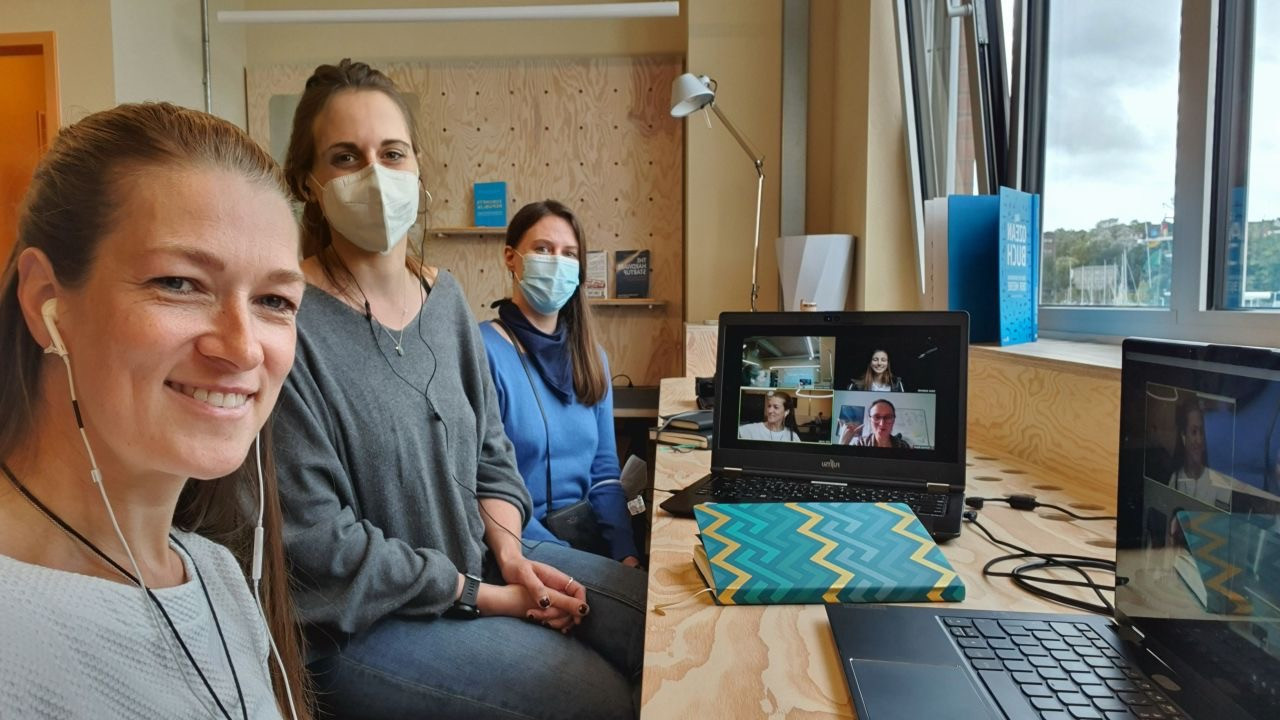
Integrating everybody into the team was also a task, as we are working in a hybrid format with two people on site in Kiel and four working online.
Language integration was also required as all of us are speaking English to soome extent but not everybody involved speaks German.
Most of the team members still had there "normal work" going on this week. So it was a challenge to manage resources wisely and setting up timeslots were the required people were available simultaneously. At the same time, we of course also had to take good care of our health.
The question of who could financially support starting up the educational concept of Mission Ozean e.V. in a first step and making it run over the long term seemed to be a big issue in the beginning. But at the end of the week after many insightful talks with mentors great support already has been offered regarding this issue. So at the current stage we are already very optimistic as for the financing.
6. Accomplishments that we're proud of
We are excited, that we found good and reliable solutions to all of the above mentioned challenges.
In the course of the week we managed to merge as a team step by step, learning from each other and with each other in so many different aspects. This was a big part of why we could keep a high level of motivation and readiness for action any time of the day.
And of course we are proud that we have managed to come up with such great output, which can be seen in our pitch video as well as the documentation her in devpost.
Thank you to all the people that believed in us and supported us.
7. What we learned
One week can be very very short .... stay focused on the goal .... while at the same time keep looking to the left and right .... it is amazing what can be accomplished, if skilled enthusiasts from different fields start working together.
IN GENERAL
→ it's best to have fix members of the Verein / employees, that are paid through the Verein (club) and conduct those workshops / classes
→ recruit and train-the-trainers that are sent out to conduct workshops at schools
→ finding Pilotprojekt Schulen (lighthouse projects): let them sign a letter of intent (saying that they would be interested in this offer if it was free for them to use)
→ this will help for getting funding
→ connecting possible schools in Kiel: Gymnasium Kunzhagen + RBZ Kiel)
→ find project partners (e.g. cooperate with seed schools: they are interested in cooperating with us and send us out to schools within their program »Schule macht Startup«)-more details on the »playbook« provided by Seed school (→ see information in our cloudbox)
Conducting the workshops and teachings
→ We want to have members of Missions Ozean (the Verein) go into schools and conduct the workshops. (see image gallery).
→ This will make it easy for teachers (they don't have extra work, don't need to prepare anything) and ensure that it is interesting for kids.
→ Considerations: »Train the Trainer«- seminars.
We want to train people who can go into schools and conduct the workshops. Possible trainers can be researchers, Ph.D. candidates, teachers, Asta members, scientists (...) It will be crucial to find many trainers, because of possible conflicting availabilities of schedules.
→ For teachers who don't want to have someone coming to them to conduct the teaching part, we are also planning on developing teaching materials, so they can conduct the workshops themselves.
→ For anyone interested in learning more about the ocean, we plan to develop a platform where they can get freely accesible information and learning materials.
FOR FUTURE STEPS
What's next for ORCC #1.1 Bildungskonzept "Mission Ozean: Wissen als Schatz"
→ planning structure for team-meetings from day to day
→ checking Business Model Canvas to get into more detail
→ organise huge collection of advices and in how way mentor can support
→ herefor is needed to setup dates
→ setting goals of learnings (Lernziele)
→ setting detailled timeline
→ thinking about the target group (first classes, art classes, MINT-classes to integrate concept)
IN THE END
..... it is time to say thank you. Thank you to everybody that believed in us and supported us.
Built With
- collaboard
- google-docs
- rocket
- zoom


Log in or sign up for Devpost to join the conversation.