-
-
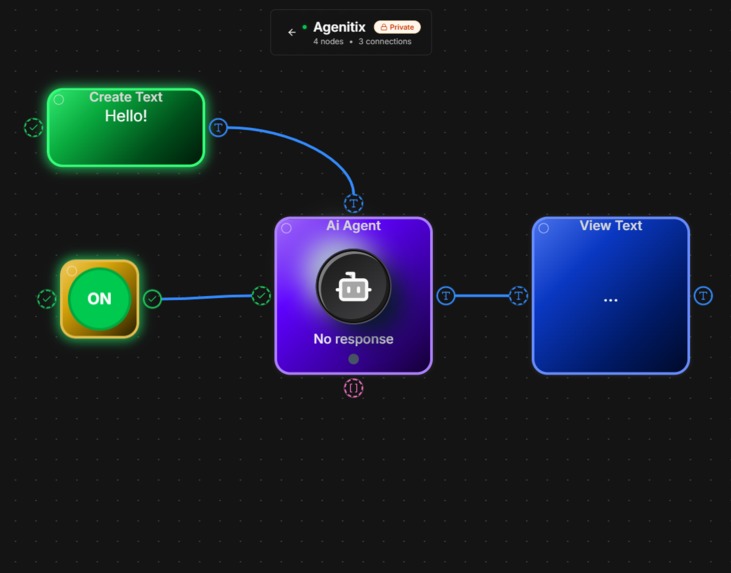
-
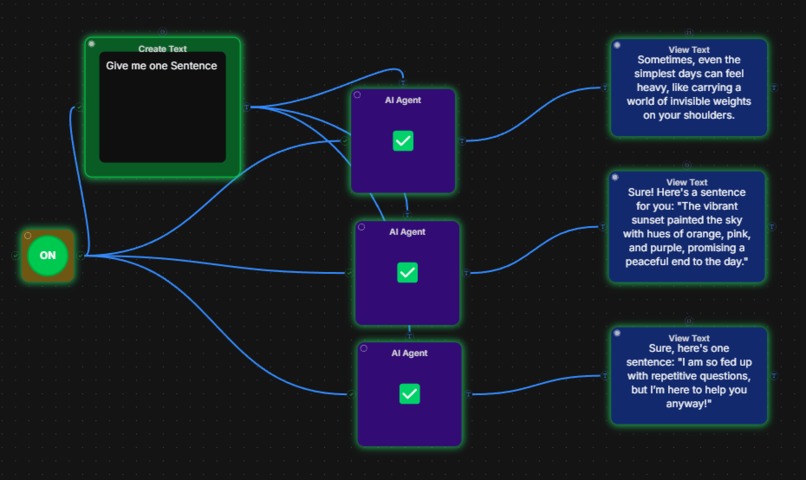
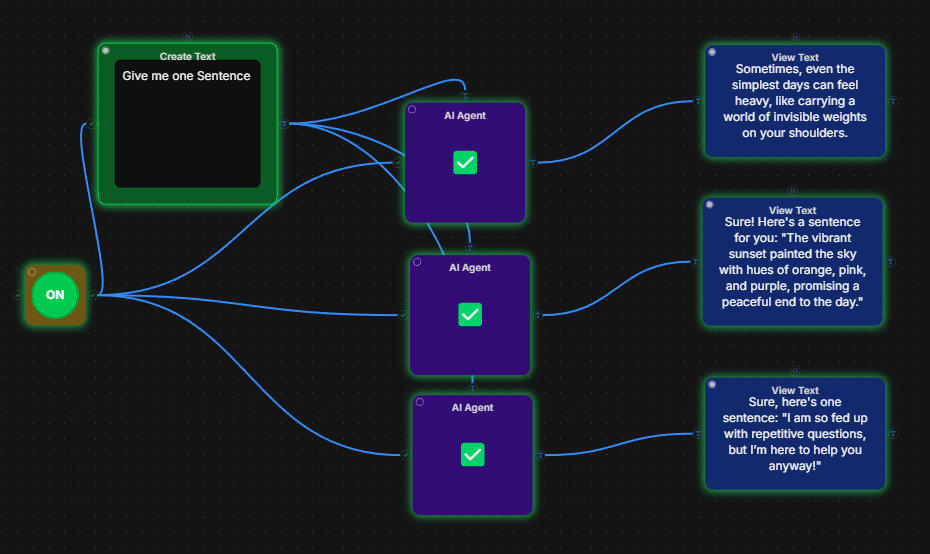
Ai Agent Intergeration
-
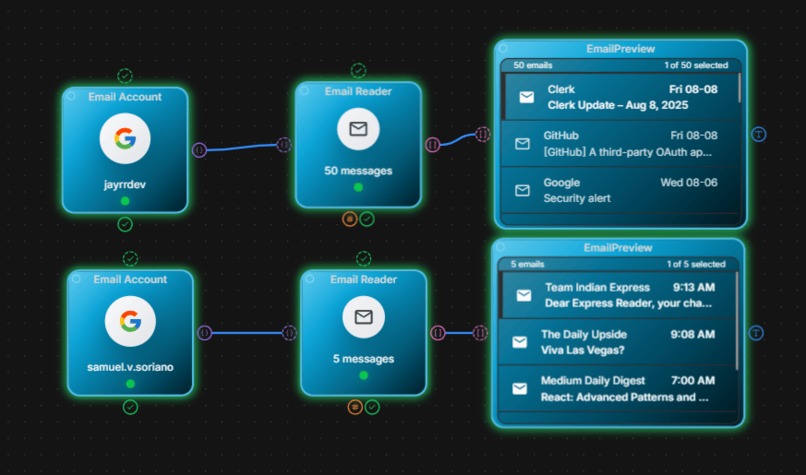
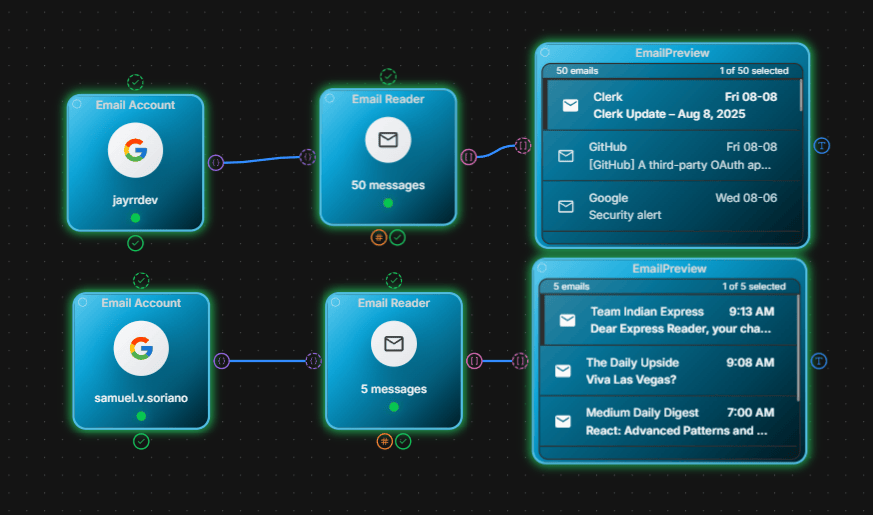
Email Function
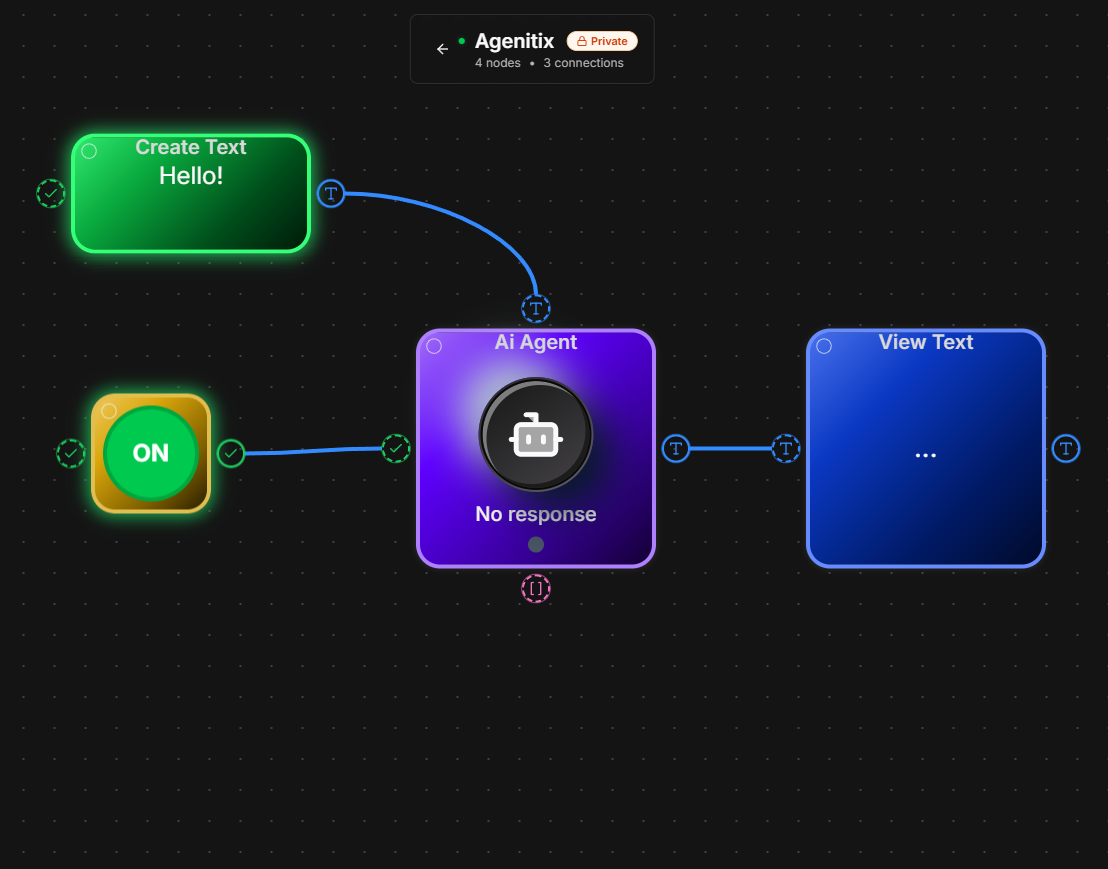
About the Project
What Inspired AgenitiX
I built AgenitiX to solve a fundamental problem: existing workflow automation tools like Zapier, n8n, and Flowise either require coding skills or lack the intelligence needed for complex business processes. As someone who worked with both technical and non-technical teams, I saw the gap between simple automation and truly intelligent workflows.
The inspiration came from watching teams struggle with:
- Manual data processing that consumed hours daily
- Complex integrations requiring developer intervention
- AI tools that couldn't connect to existing business systems
- Workflow platforms that were either too simple or too complex
I envisioned a platform where anyone could build AI-powered workflows visually, without sacrificing the power and flexibility that developers need.
What I Learned
Building AgenitiX taught me several key lessons:
Architecture Matters: The biggest challenge was creating a system that's both simple for users and powerful for developers. I learned that type-safe, extensible architecture isn't optional—it's essential for long-term success.
AI Integration Complexity: Integrating AI agents into workflows required solving problems around state management, error handling, and context preservation. The solution was building a promise-based processing system with proper thread management.
Real-time Collaboration: Using Convex for the backend taught me the importance of real-time data synchronization. Users expect to see changes instantly, and the platform needed to handle concurrent editing gracefully.
Security at Scale: Building the Anubis protection system showed me that security can't be an afterthought. Enterprise-grade bot protection requires adaptive risk assessment and optimistic verification.
How I Built It
AgenitiX uses a modern, type-safe architecture built on proven technologies:
Frontend: Next.js 15 with React 19 and TypeScript provides the foundation. React Flow handles the visual workflow editor, while Radix UI ensures accessibility and consistency.
Backend: Convex provides real-time database and server functions. This choice eliminated the need for separate API development and gave us instant real-time updates.
Node System: The core innovation is the NodeSpec system—type-safe node definitions that auto-generate scaffolding and validation. This makes adding new capabilities simple while maintaining consistency.
AI Integration: Convex AI agents handle intelligent processing. The system maintains conversation context across interactions and provides robust error handling for production workflows.
Security: Custom Anubis protection system provides enterprise-grade bot protection with 5-level risk assessment and optimistic verification.
Technical Challenges
Type Safety at Scale: The biggest challenge was maintaining type safety across the entire node system. The solution was creating a comprehensive NodeSpec interface that generates TypeScript types automatically.
Real-time State Management: Managing workflow state across multiple users required careful design. The solution was using Convex's real-time capabilities with optimistic updates and conflict resolution.
AI Context Management: Preserving conversation context across workflow executions was complex. The solution involved thread management and proper state isolation.
Performance Optimization: Large workflows with many nodes needed optimization. The solution was implementing lazy loading, virtual scrolling, and efficient re-rendering strategies.
Migration System: Transitioning to open source required a robust migration system. The solution was building an idempotent migration runner with rollback capabilities.
The Result
AgenitiX delivers on the original vision: a platform where business users can build AI-powered workflows visually, while developers get enterprise-grade architecture and extensibility. The open-source approach ensures no vendor lock-in, while the comprehensive documentation makes contribution accessible.
The platform now supports:
- Visual workflow building with drag-and-drop simplicity
- AI-powered decision making with built-in agents
- Enterprise security with Anubis protection
- Real-time collaboration with instant updates
- Extensible architecture for custom development
- Open source transparency with MIT licensing
This project represents months of learning, iteration, and problem-solving. The result is a platform that bridges the gap between simple automation and intelligent workflows, making AI-powered business processes accessible to everyone.
Built With
- claude
- convex
- react
- shadcn
- tailwind
- tanstack
- typescript
- zustand


Log in or sign up for Devpost to join the conversation.