-
-
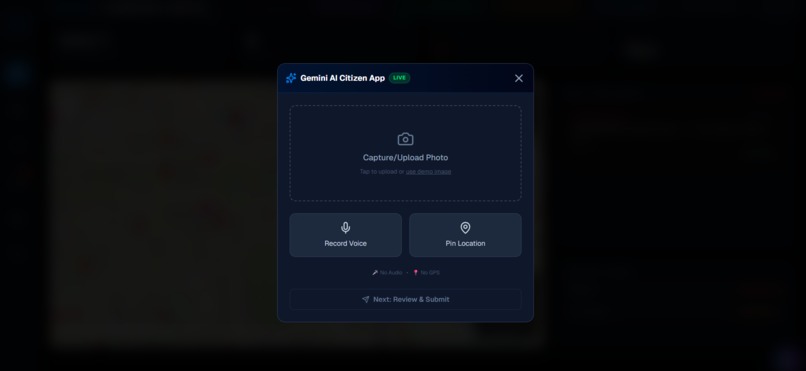
ai analysis using people problems
-
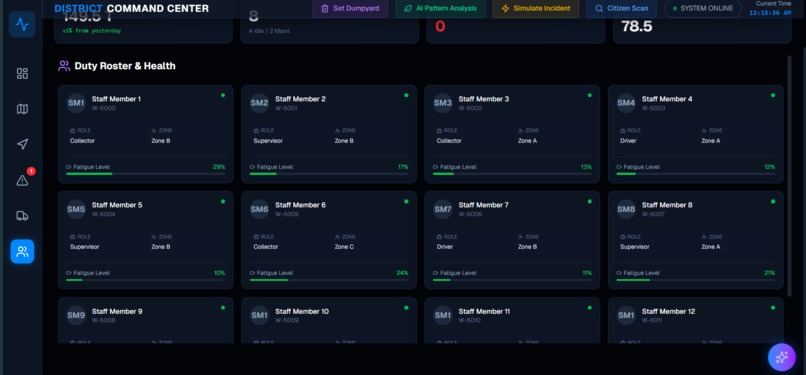
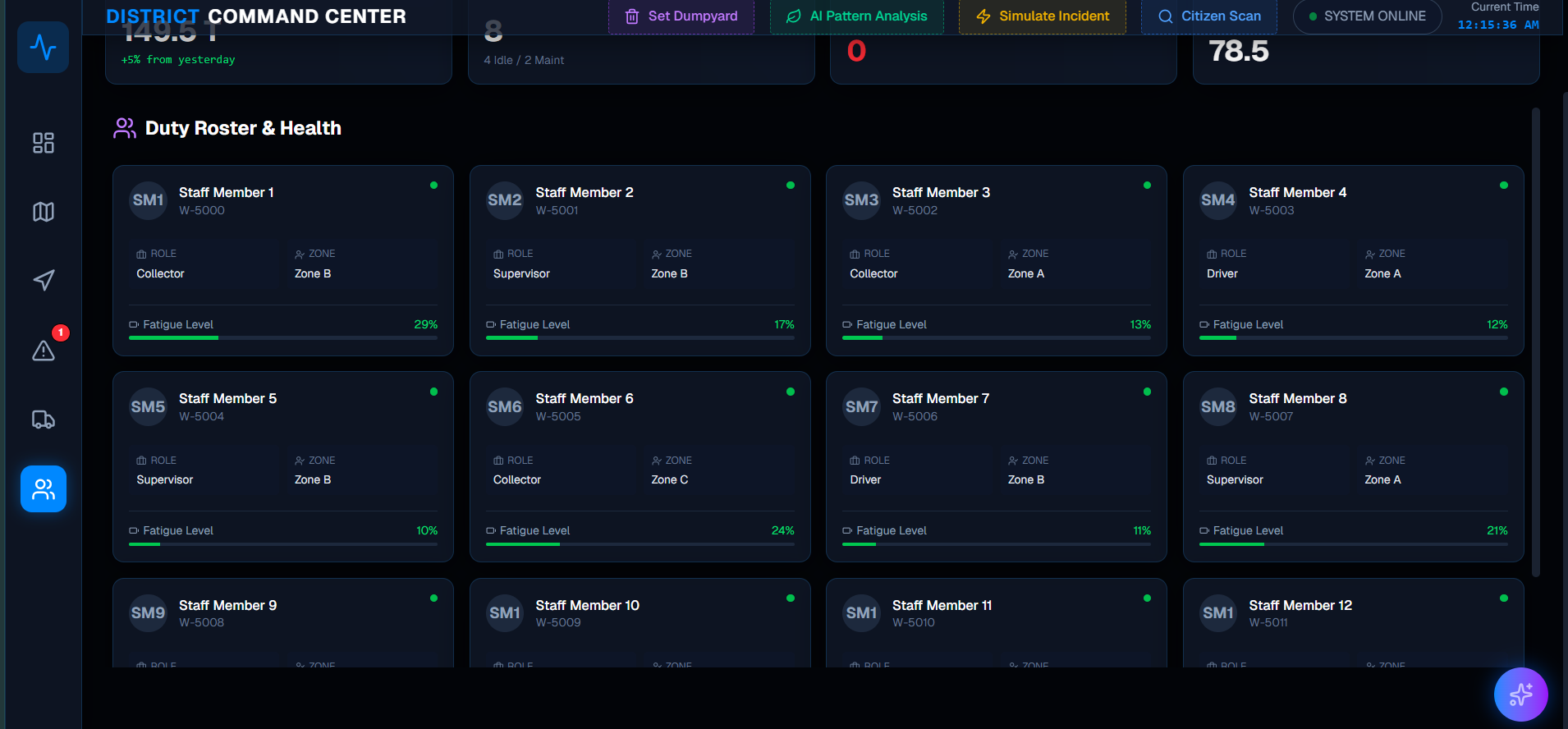
workers fatigue level
-
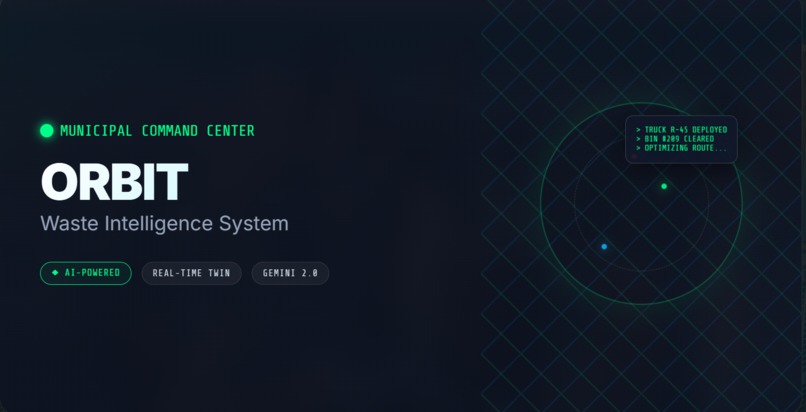
thumbnail
-
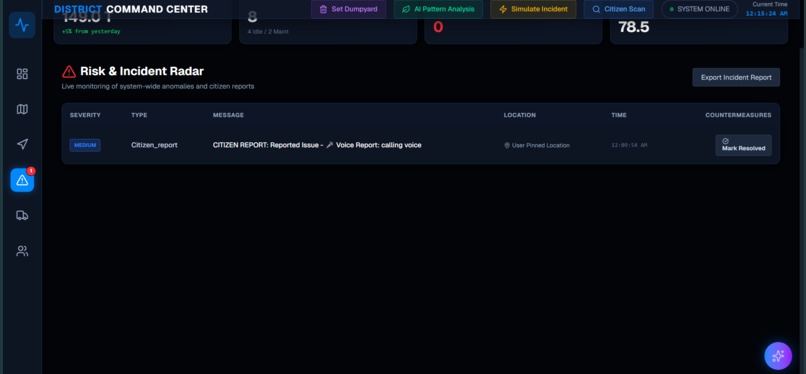
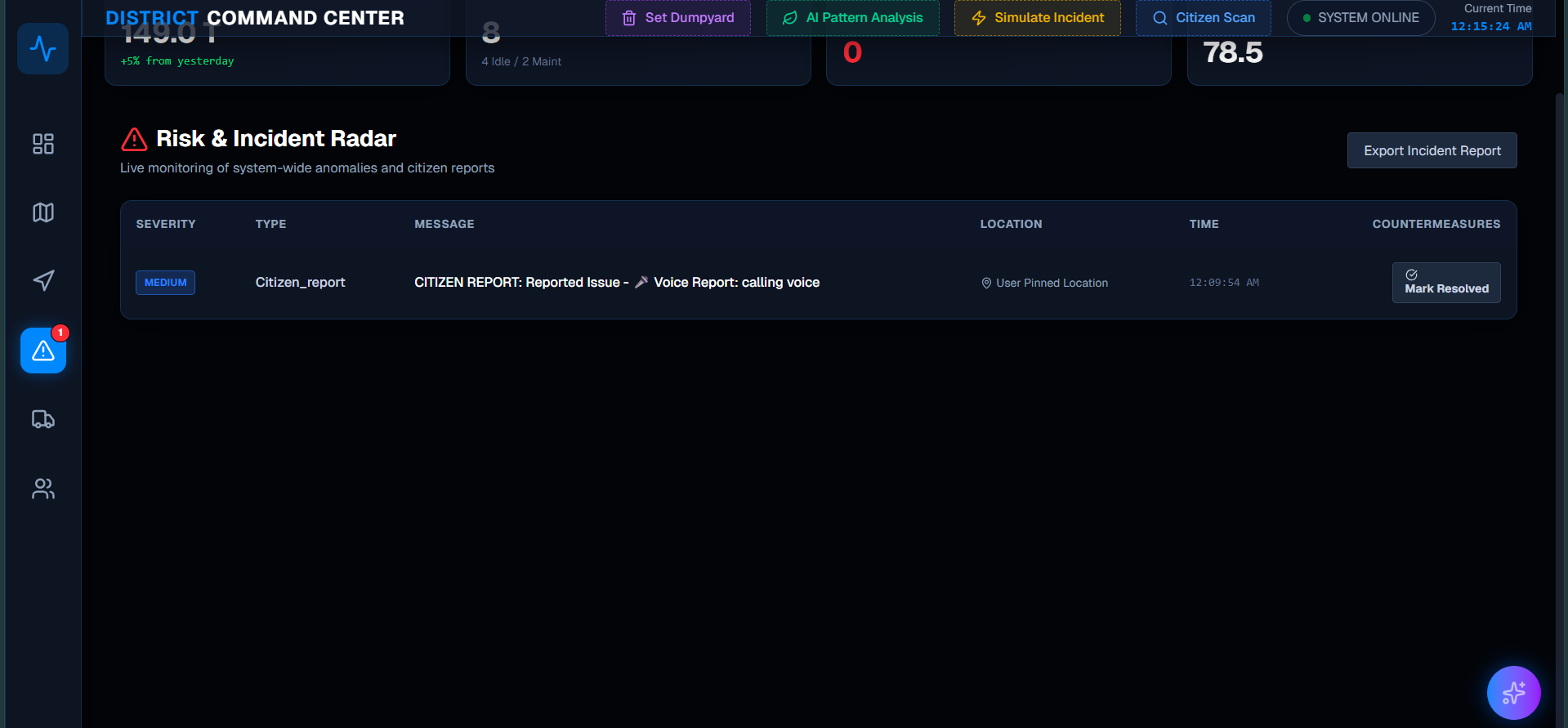
present risks
-
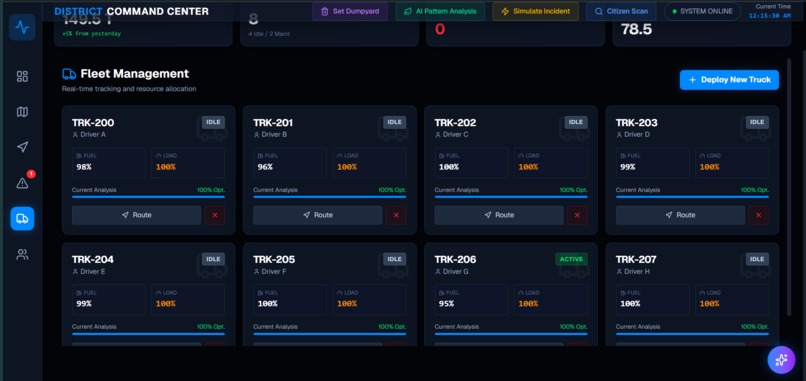
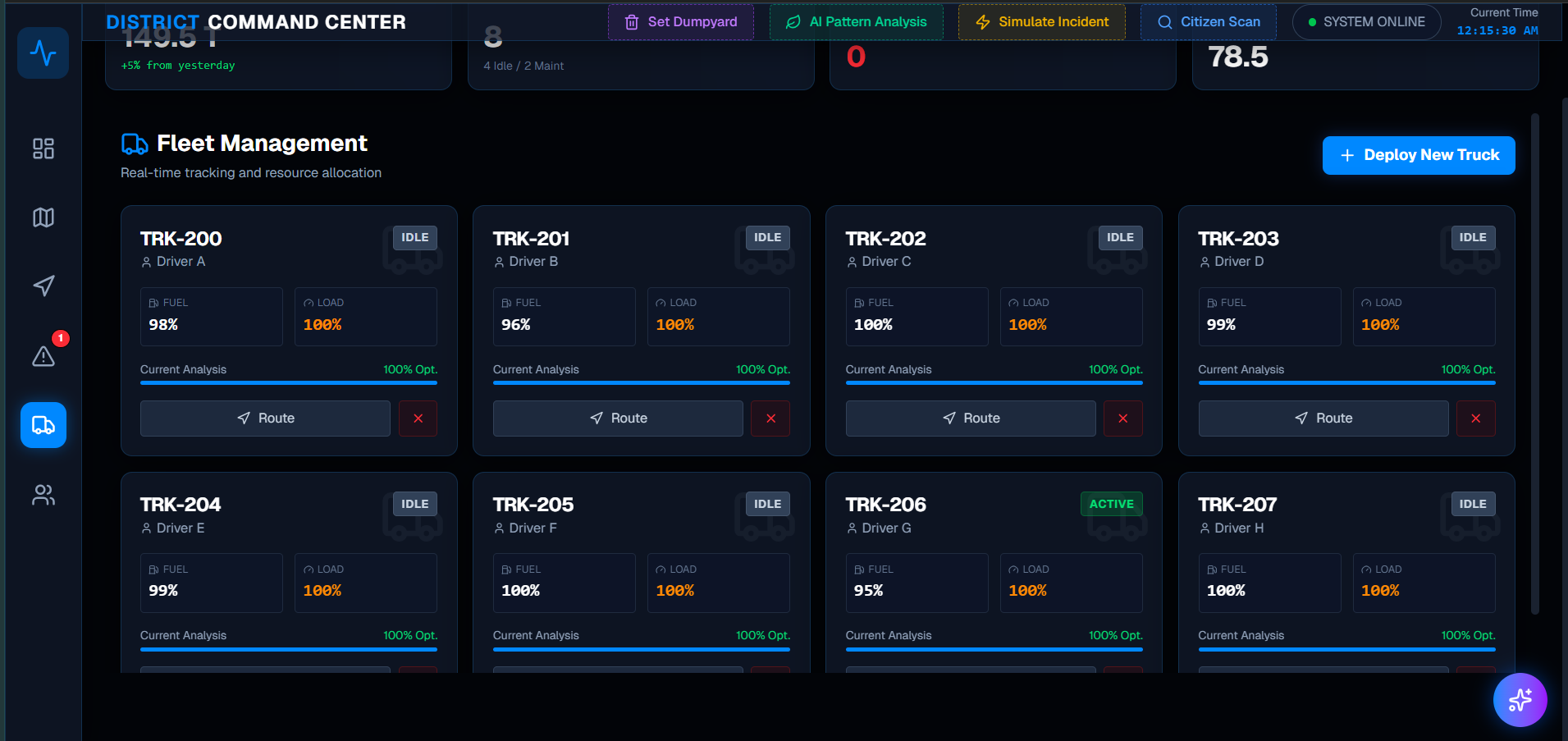
trucks route analysis,fuel,load
-
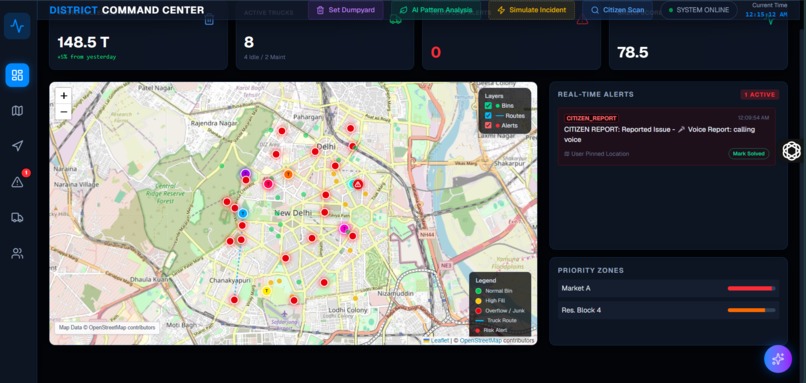
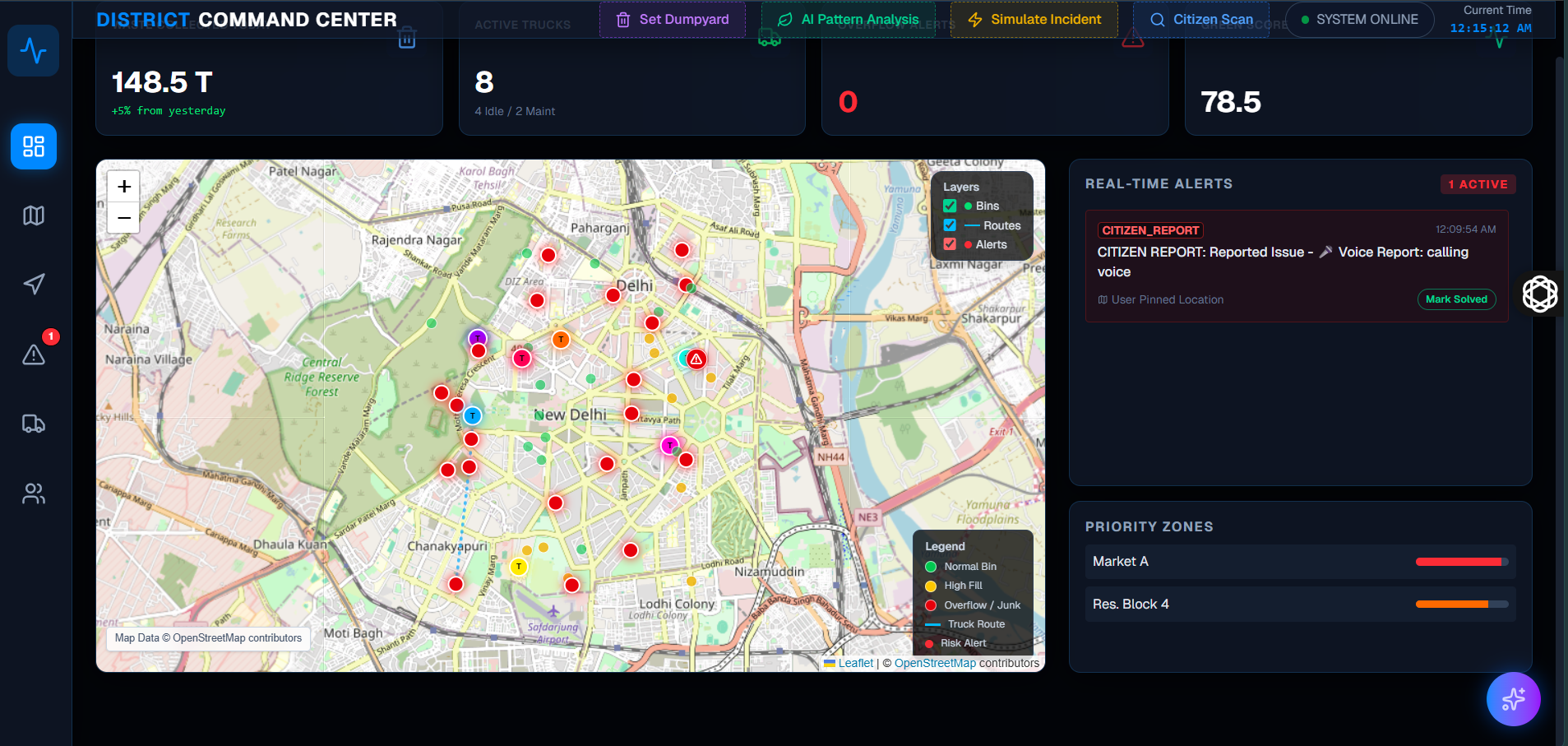
dashboard
Inspiration
It started with a simple, personal frustration. In my hometown, waste collection was unpredictable. My mother would scold me if I didn't take the trash out on time, but often the garbage truck wouldn't even show up. We were left with overflowing bins and no way to know when or if collection was coming.
I realized this wasn't just my problem—it was a systemic failure of "blind" waste management. The trucks were driving fixed routes without knowing which bins were actually full. I wanted to solve this by bringing intelligence to the process. I envisioned a system where AI makes the decisions—automatically routing trucks to where they are needed most—so that no household is left with uncollected waste again.
What it does
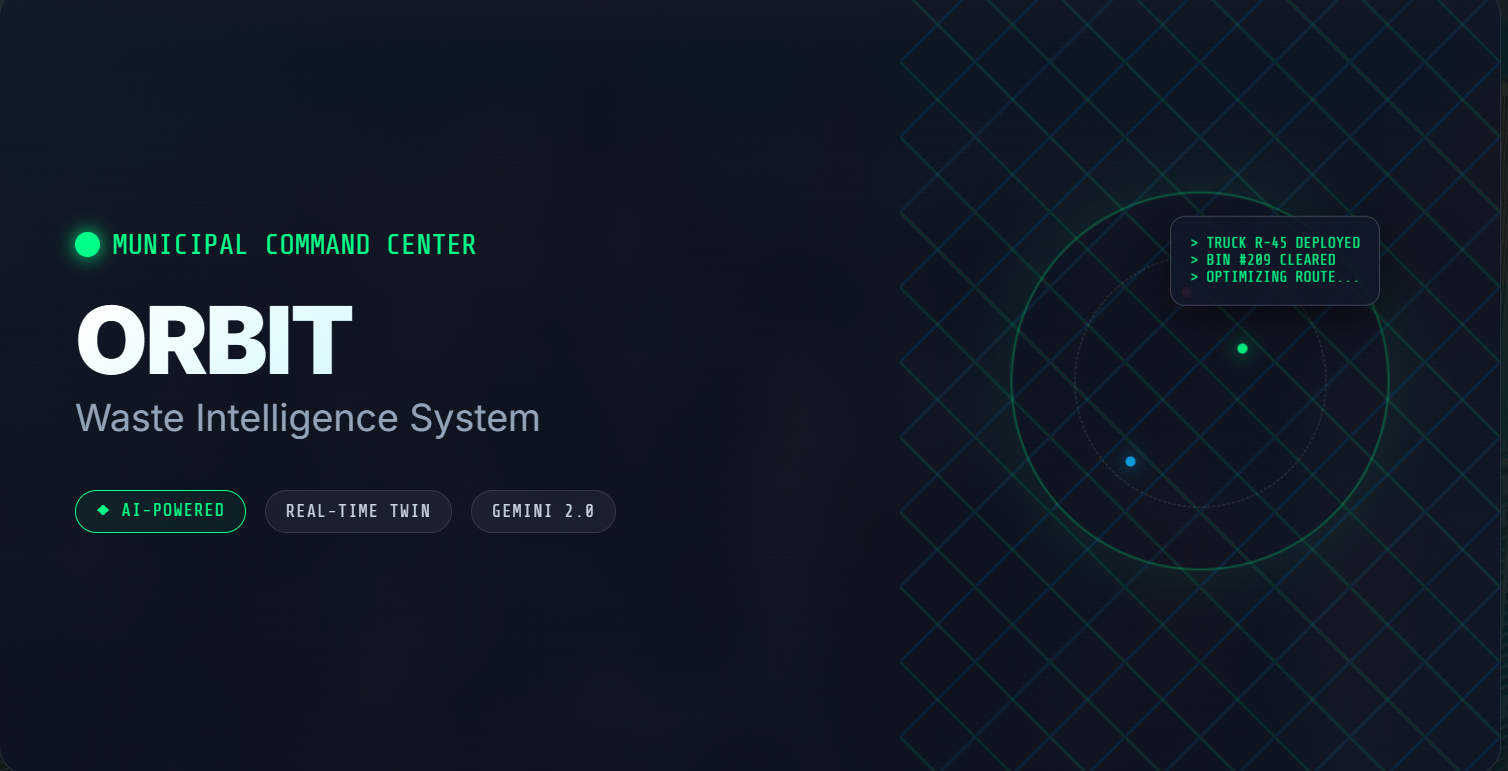
Orbit: Waste Intelligence is a comprehensive Municipal Command Center that serves as a "Digital Twin" for city sanitation.
- Real-Time Fleet Tracking: A live map visualizes every truck, bin, and route in the district.
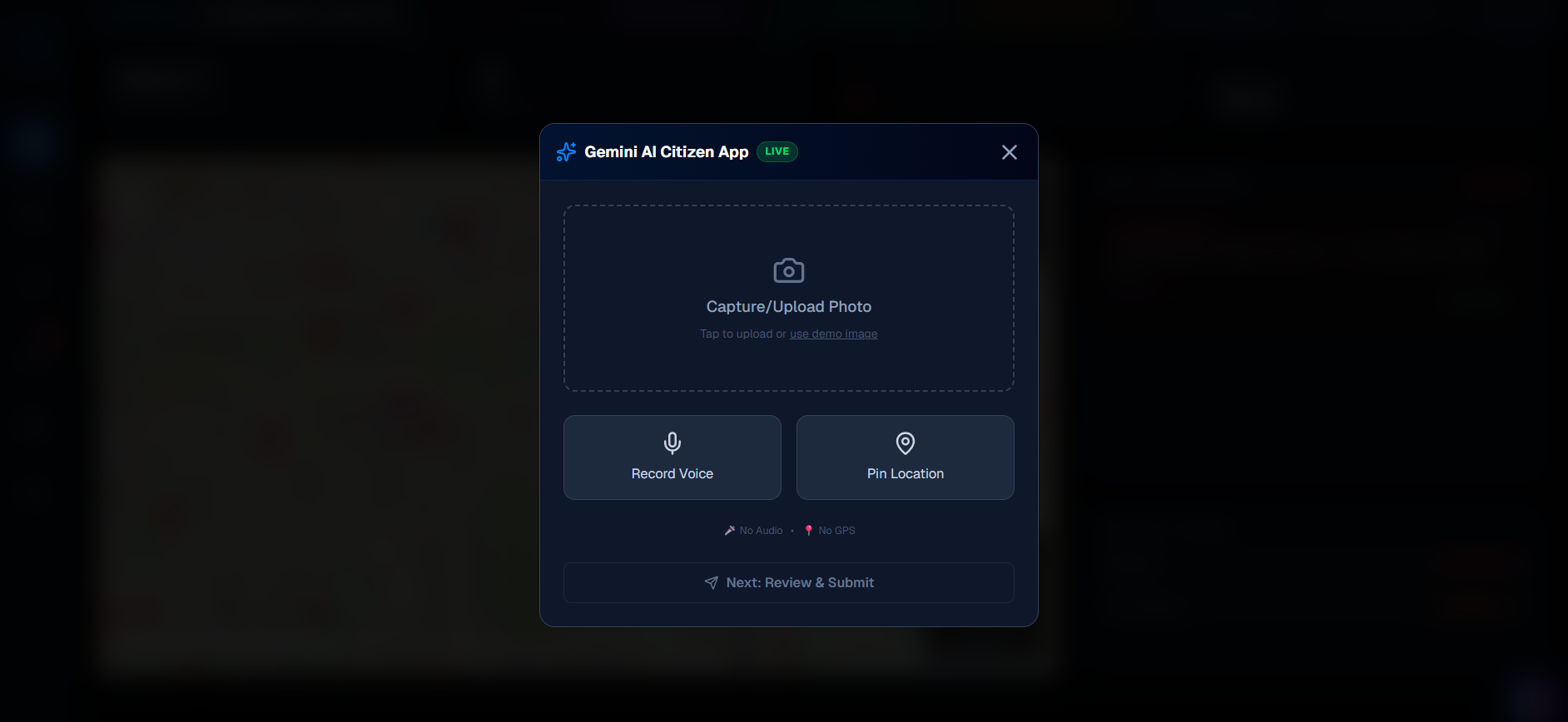
- AI-Powered Citizen Reporting: Citizens can upload photos or record voice complaints. We use Google Gemini to instantly analyze images (classifying waste type/severity) and transcribe audio reports into actionable data.
- Dynamic Route Optimization: The system automatically re-routes trucks to overflowing bins or emergency sites, saving fuel and time.
- Operational Chat Assistant: Authorities can query the system or issue commands (e.g., "Deploy truck to Sector 4") using natural language.
How we built it
- Frontend: Built with Next.js and TypeScript for a responsive, high-performance dashboard.
- Mapping: We integrated Leaflet.js to create an interactive "God View" of the city with custom dark-mode tiling.
- AI Engine: We leveraged Google Gemini 2.0 Flash for its multimodal capabilities. It handles both the Computer Vision (classifying waste images) and Natural Language Processing (transcribing voice notes and parsing commands).
- Simulation: We engineered a custom simulation backend that mimics real-world entropy—bins filling up, trucks moving, and fuel depleting—to demonstrate the system's responsiveness in real-time.
Challenges we ran into
- Map Integration: Implementing Leaflet in a Server-Side Rendered (Next.js) environment caused window object errors, which we solved with dynamic imports.
- AI Rate Limiting: We had to ensure the system didn't break if the AI API was unreachable. We built a robust "Simulation Fallback" mode that mimics AI responses, ensuring the demo never crashes.
- Coordinate Management: Syncing the movement of trucks along road paths with the real-time state of bins required complex state management logic.
Accomplishments that we're proud of
- The "Digital Twin" Aesthetic: The dashboard looks and feels like a sci-fi command center, providing immediate visual clarity.
- Seamless Multimodal AI: Successfully integrating both image analysis and voice-to-text in a single flow for citizen reports.
- Resilience: The system is "demo-proof"—it handles errors gracefully and keeps running.
What we learned
- We learned how to harness Multimodal AI not just for chatbots, but for operational decision-making.
- We gained deep insights into Geospatial Data handling and state management for real-time simulations.
- We realized that User Experience (UX) for municipal workers is just as critical as the backend tech—the tool must be intuitive to be effective.
What's next for Orbit: Waste Intelligence
- IoT Integration: Connecting real ultrasonic sensors in bins for live fill-level data.
- Predictive Analytics: Using historical data to predict when a bin will overflow before it happens.
- Driver Mobile App: A companion app for truck drivers to receive optimized routes turn-by-turn.
Built With
- css3-frameworks:-next.js
- framer-motion-(animation)
- github
- html5
- javascript
- languages:-typescript
- lucide-react-(icons)-ai-&-cloud:-google-gemini-api-(gemini-2.0-flash)
- react
- tailwind-css-libraries:-leaflet-(map)
- vercel-(deployment)-tools:-git
- vs-code


Log in or sign up for Devpost to join the conversation.