-
-
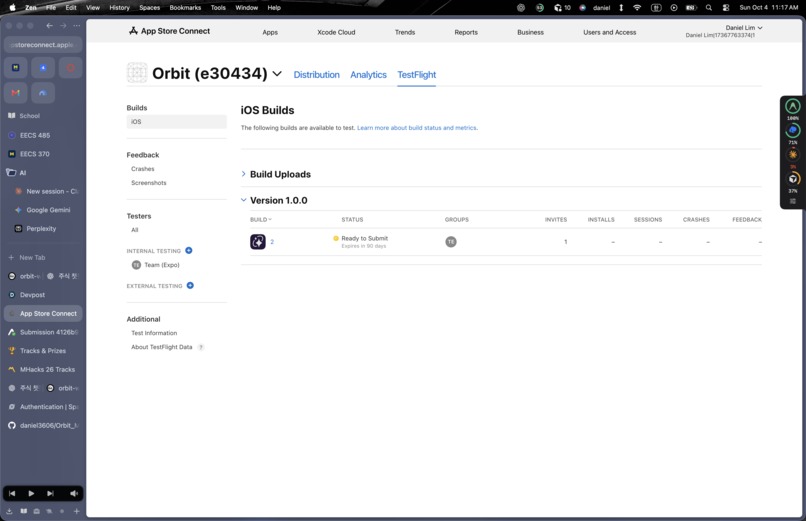
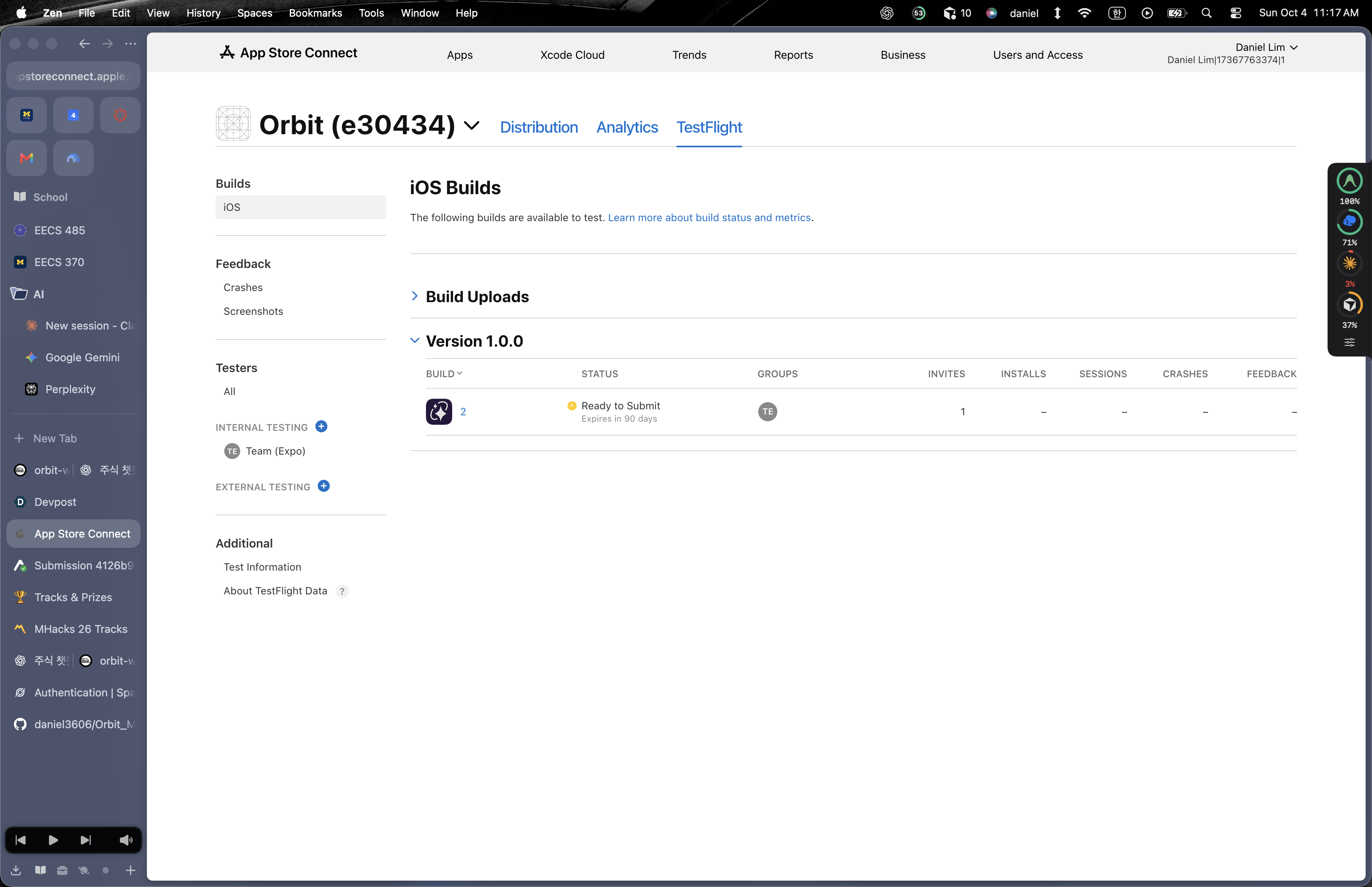
Testflight build on App Store Connect
-
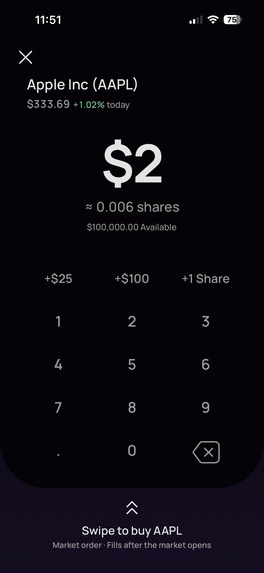
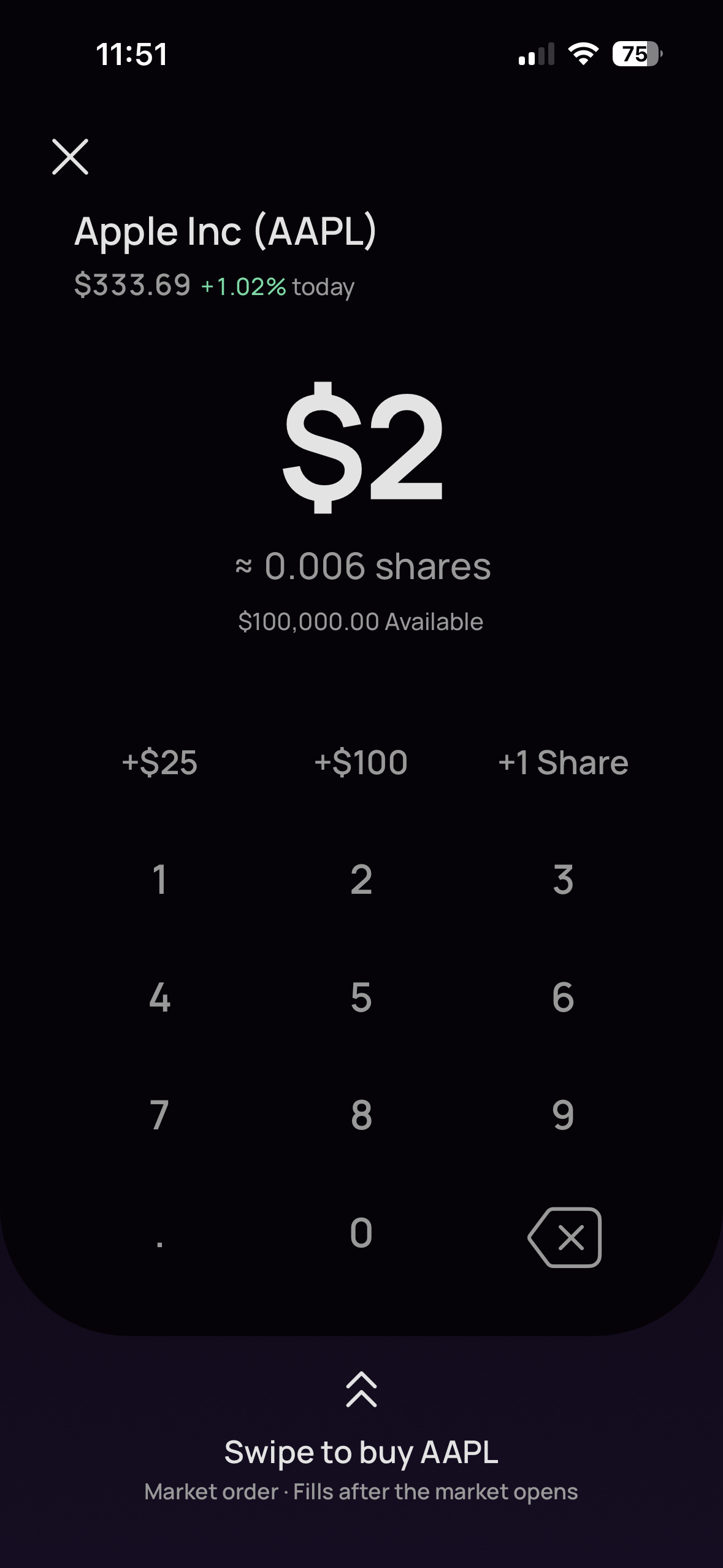
Buying Stocks
-
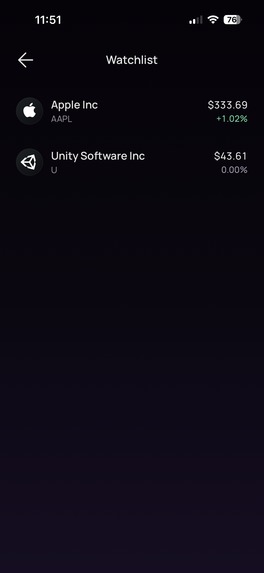
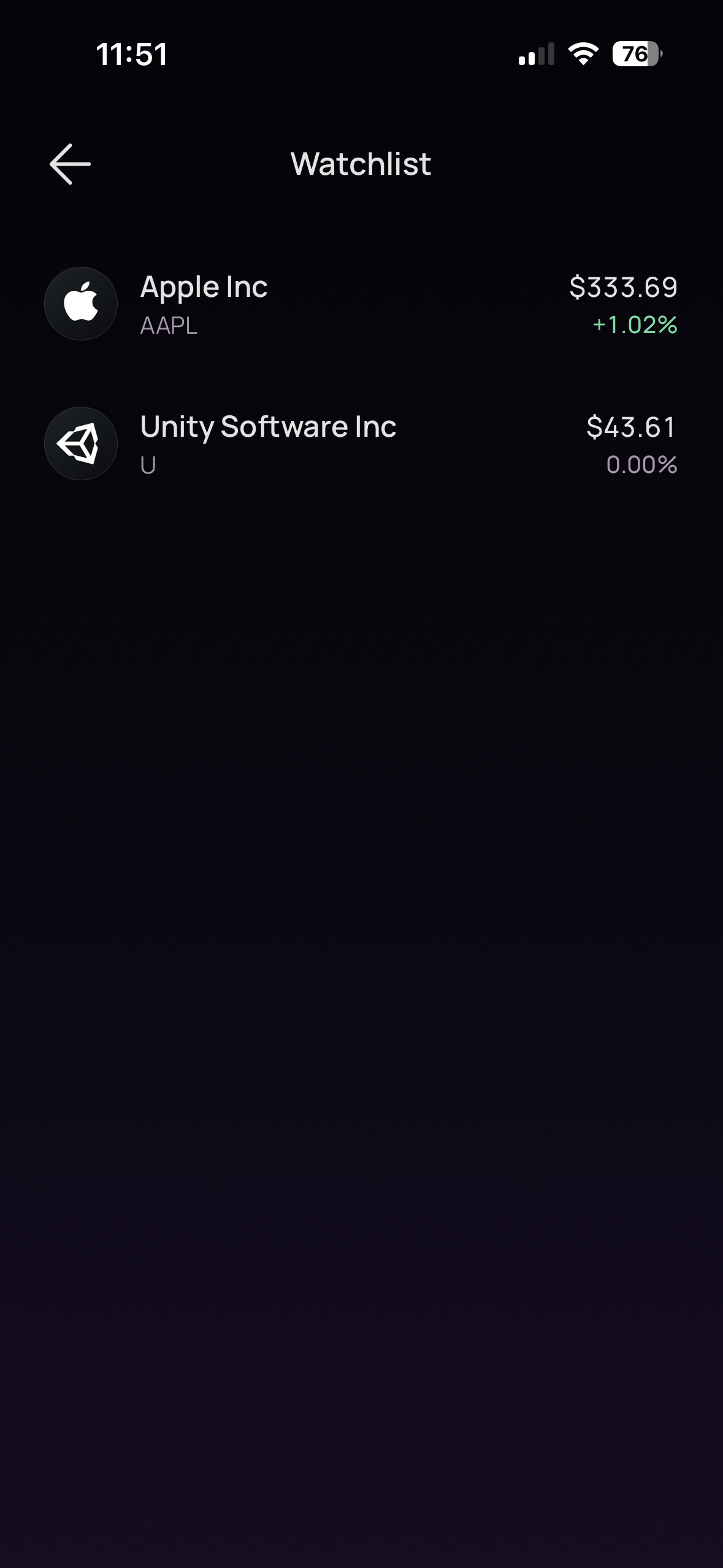
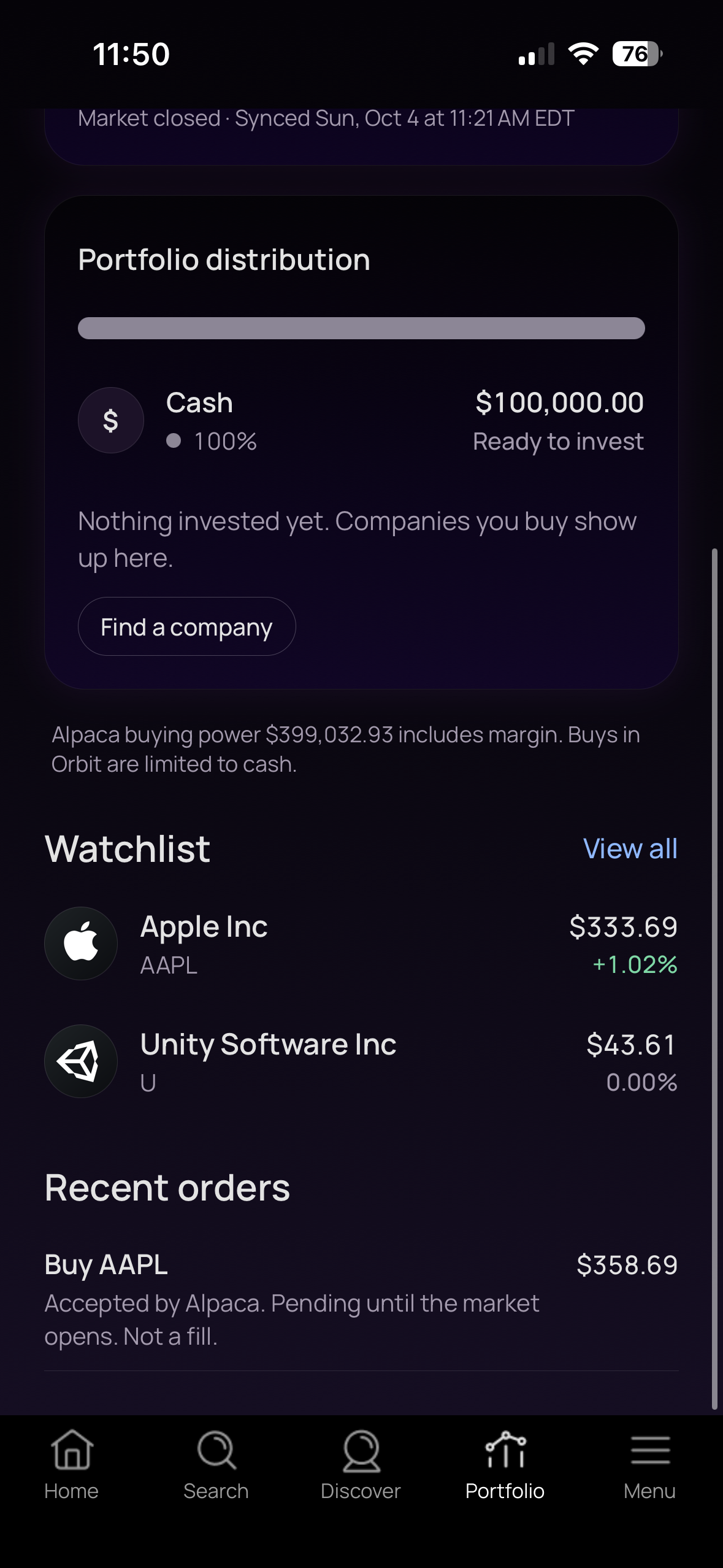
Watchlist
-
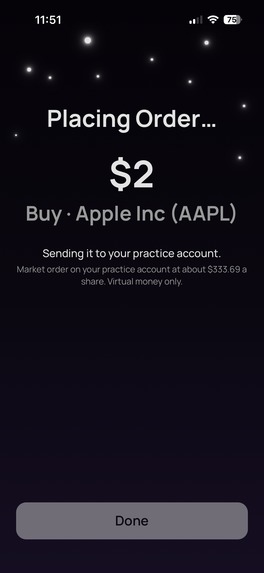
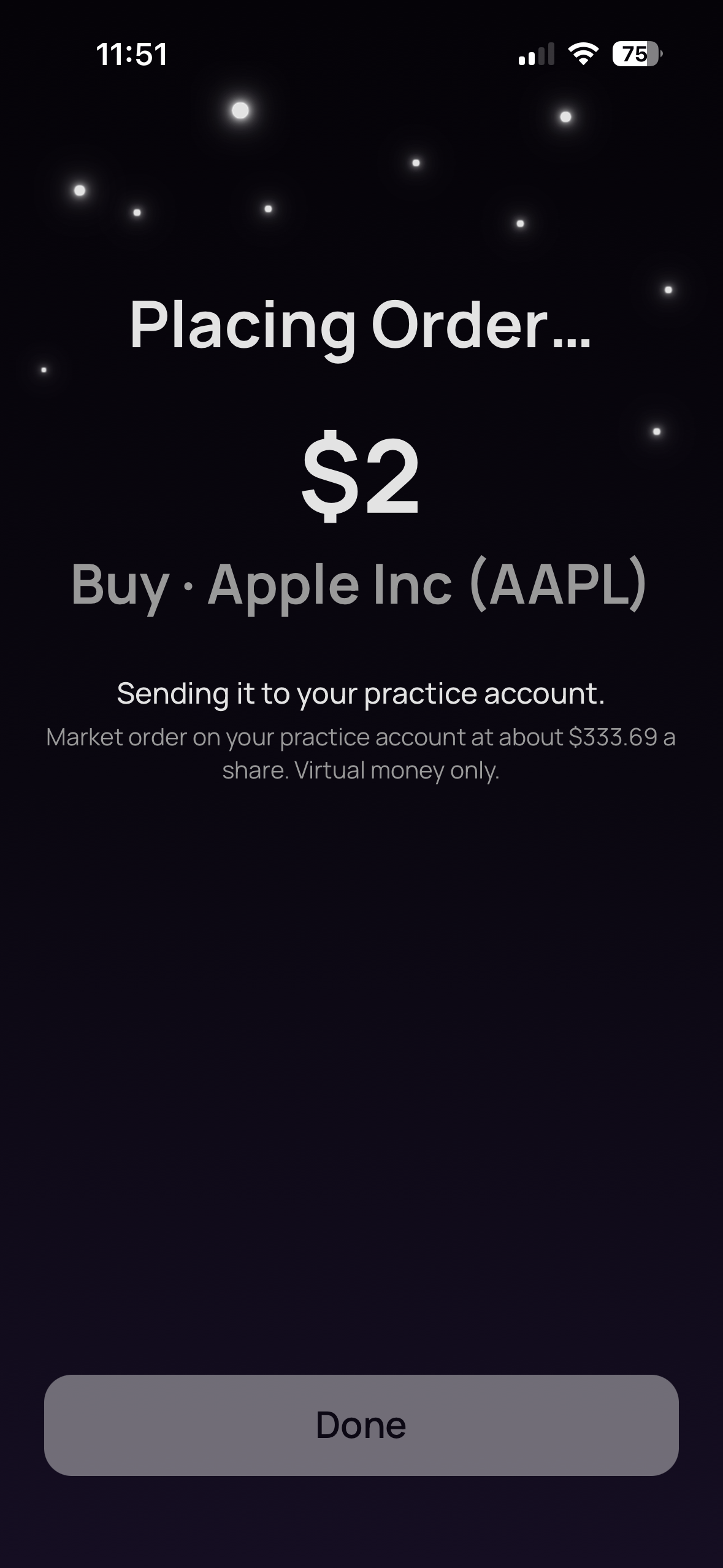
Placing Order
-
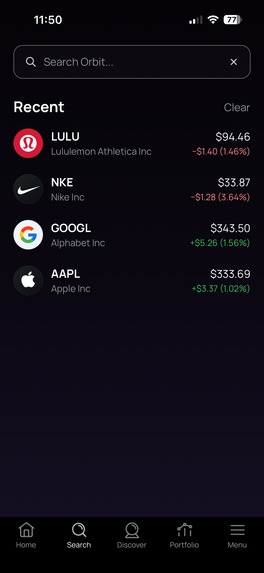
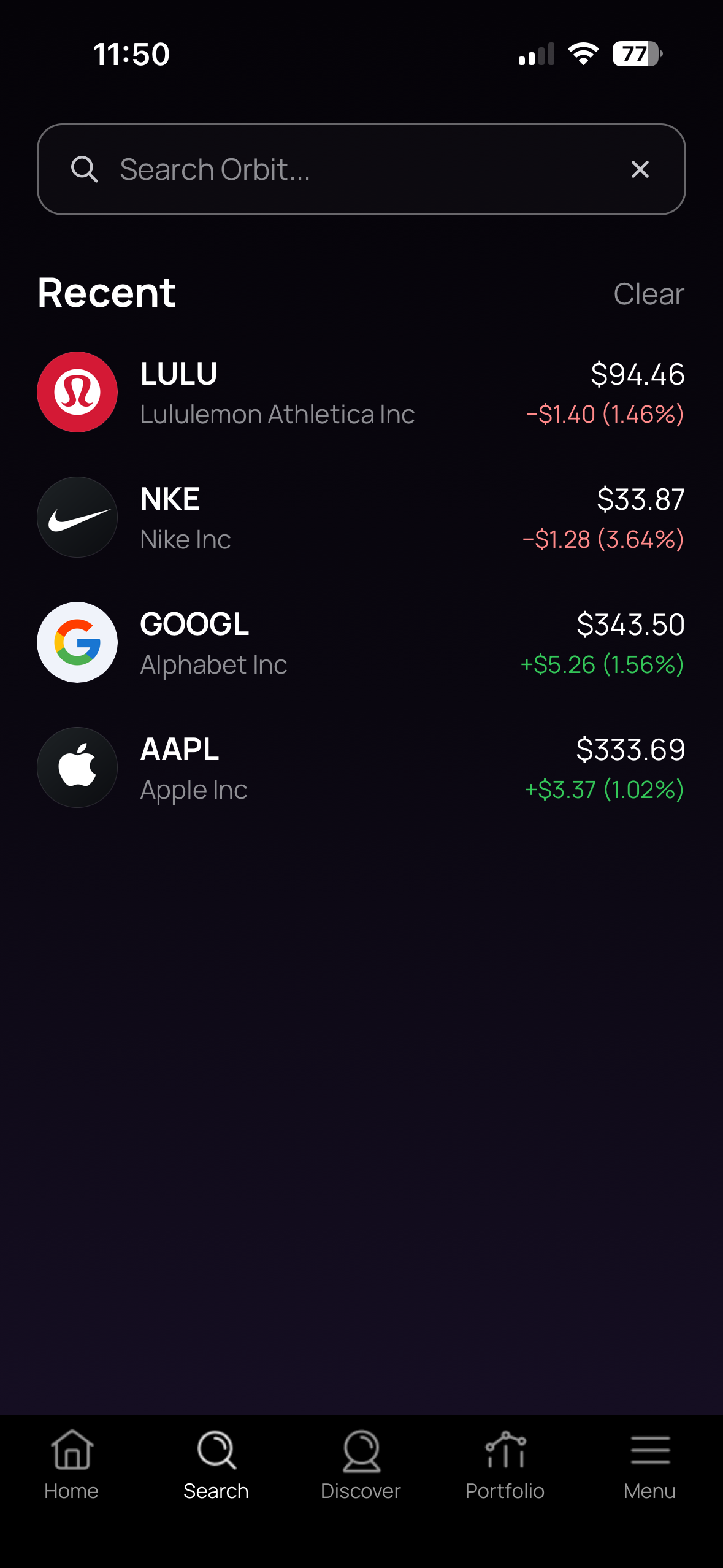
Search
-
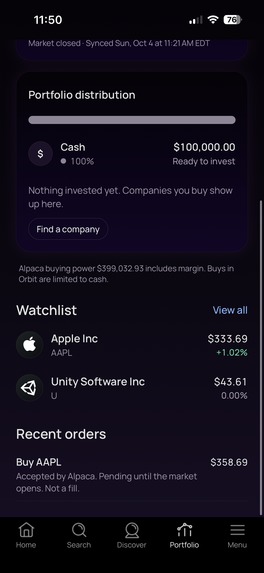
Stock Portfolio Continued
-
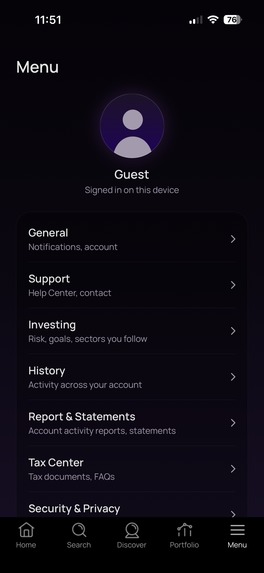
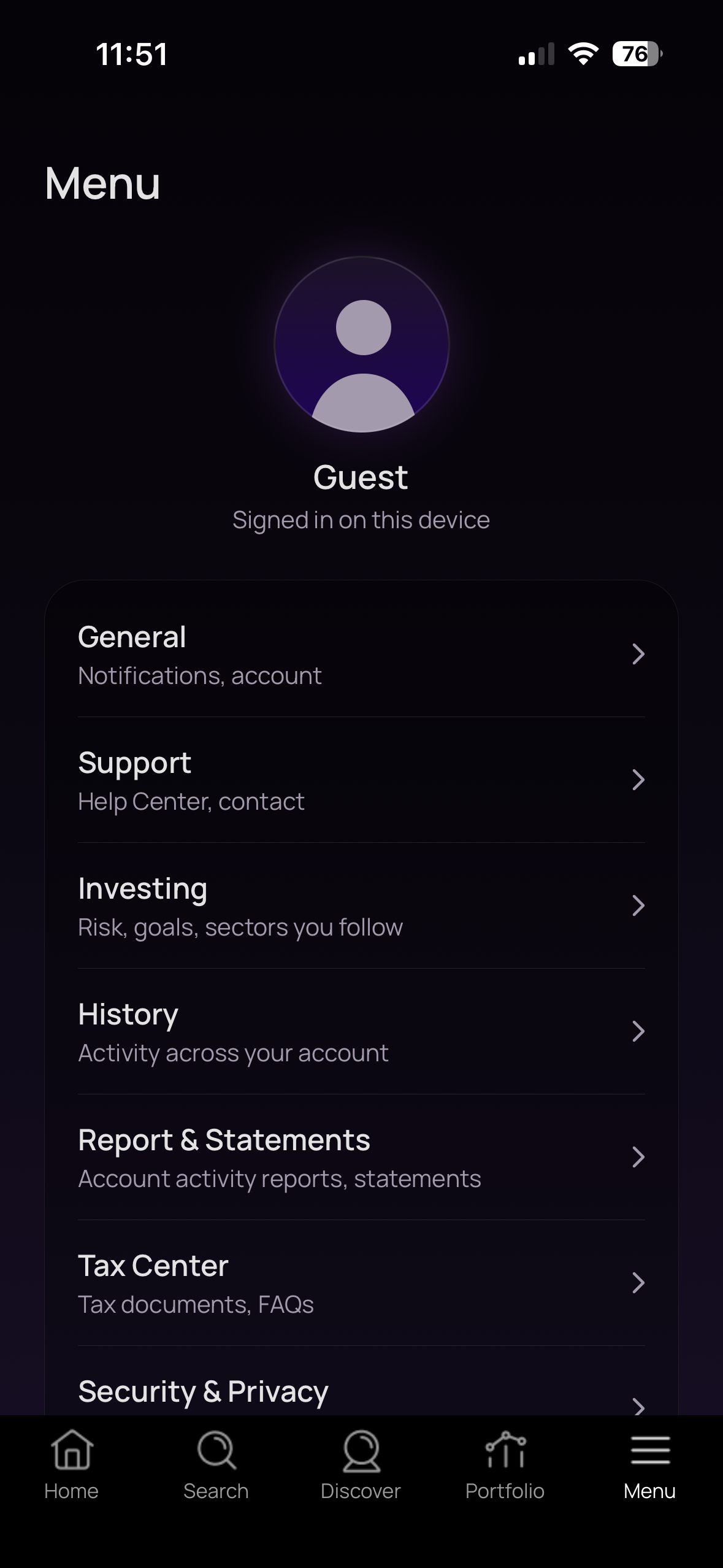
Menu for Settings
-
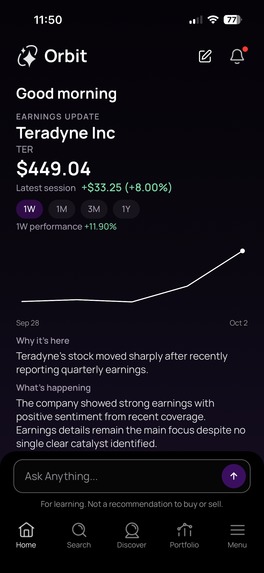
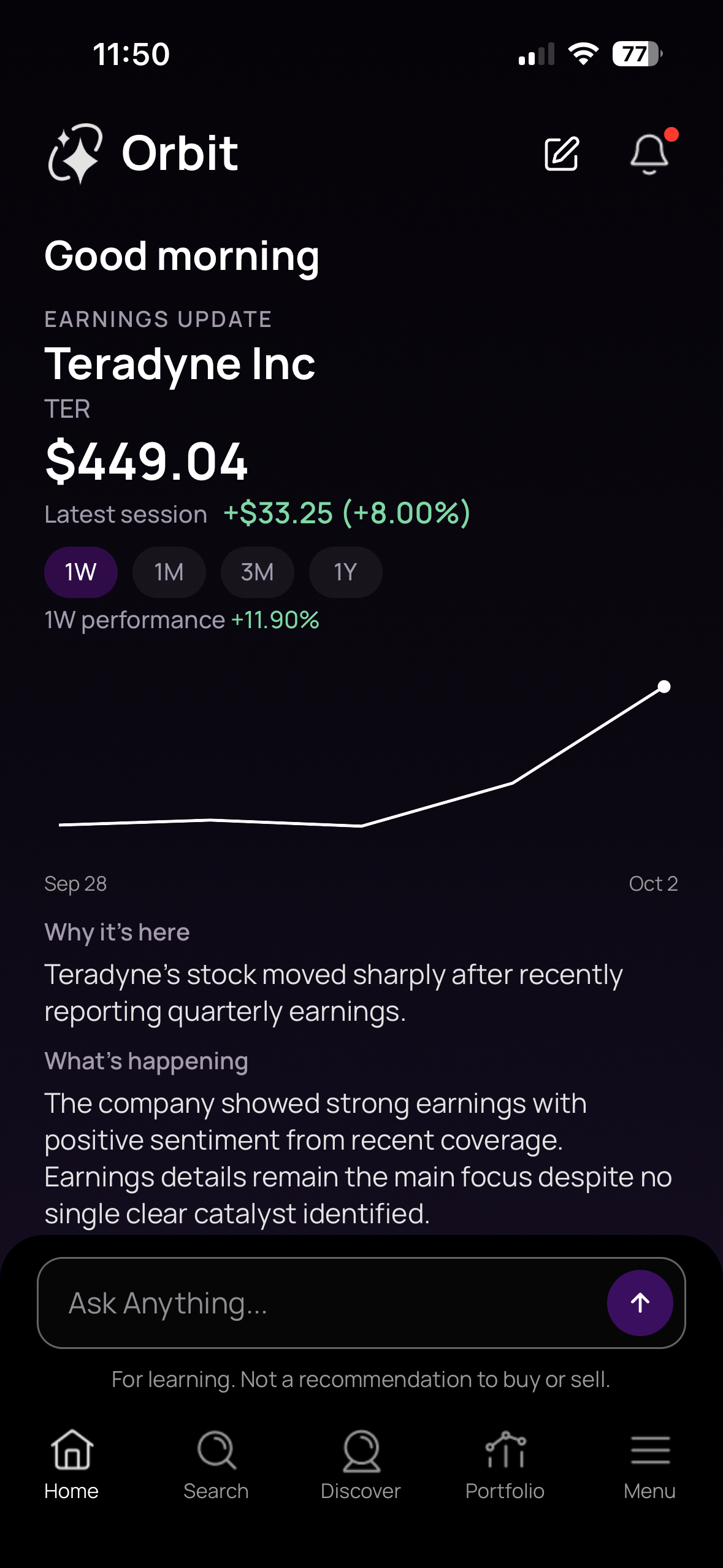
Home
-
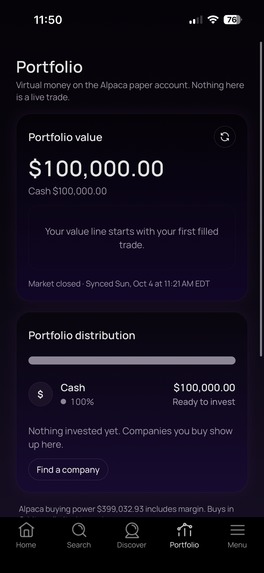
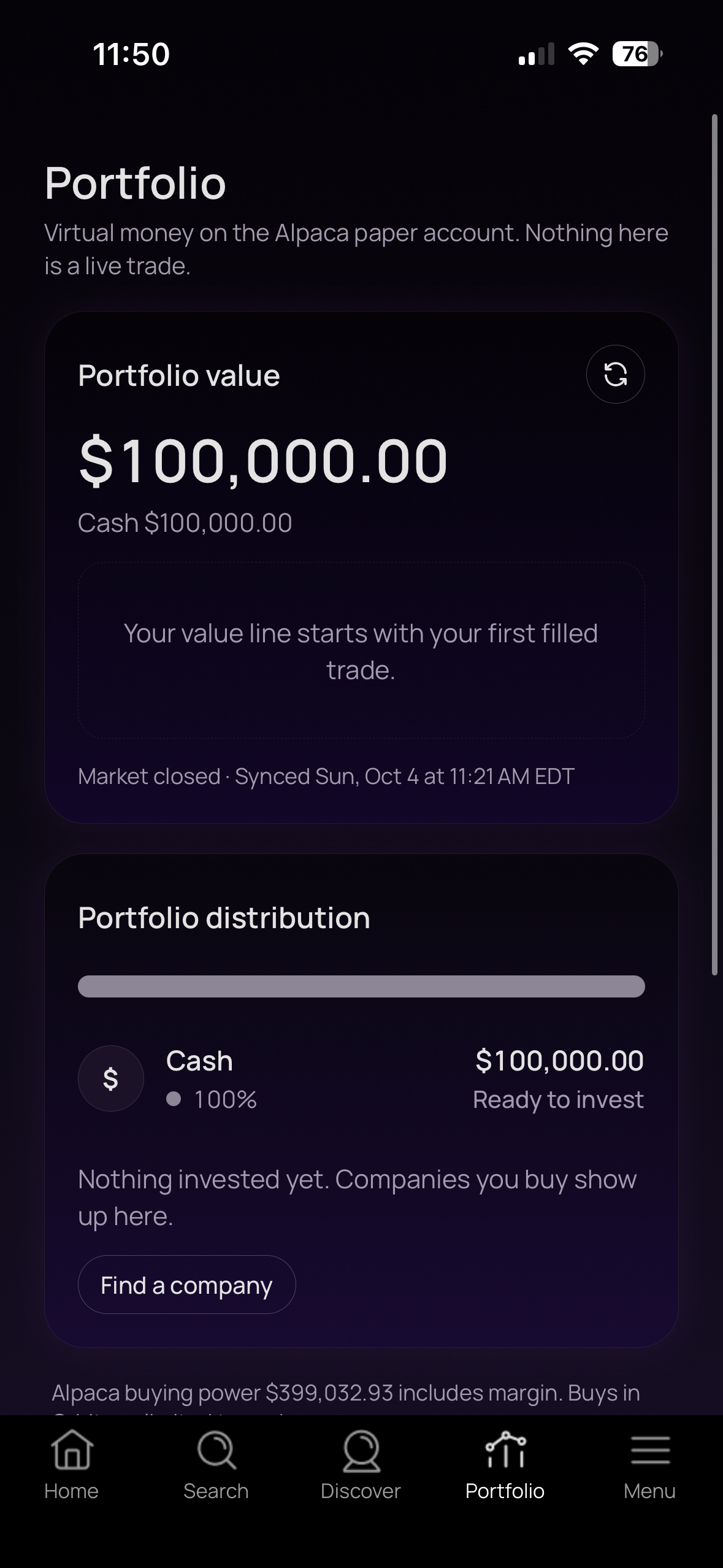
Stock Portfolio
-
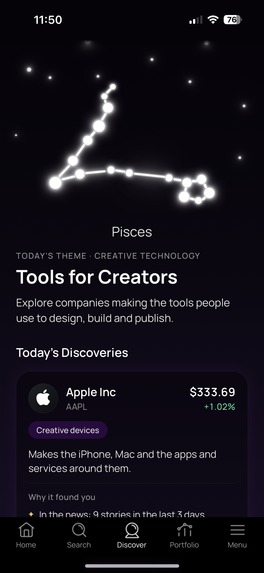
Discovery
-
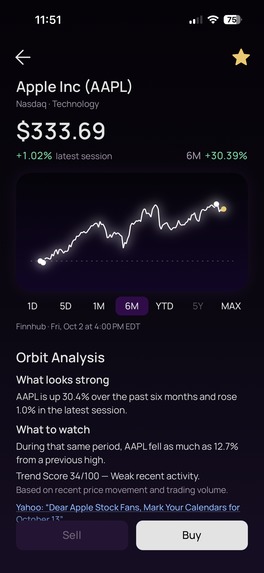
Each Stock Details
-
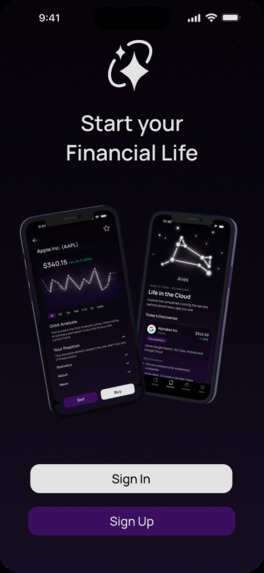
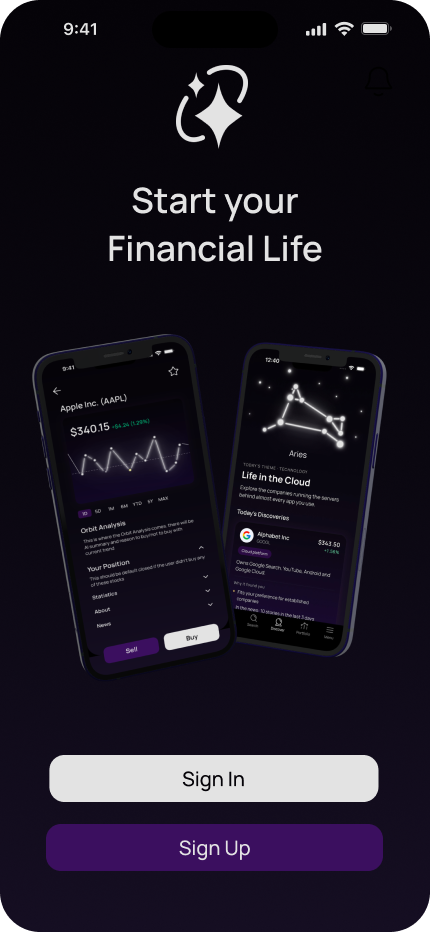
Welcome Screen
-
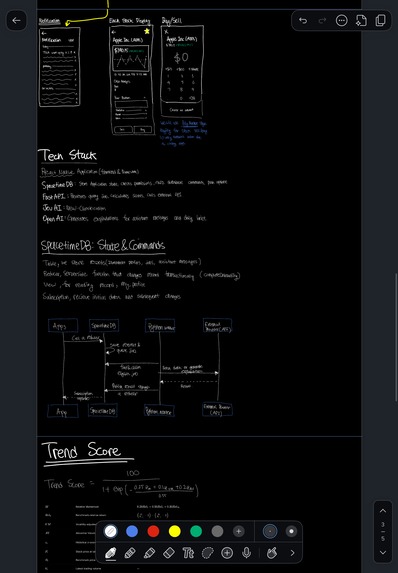
Noteability mockup 3
-
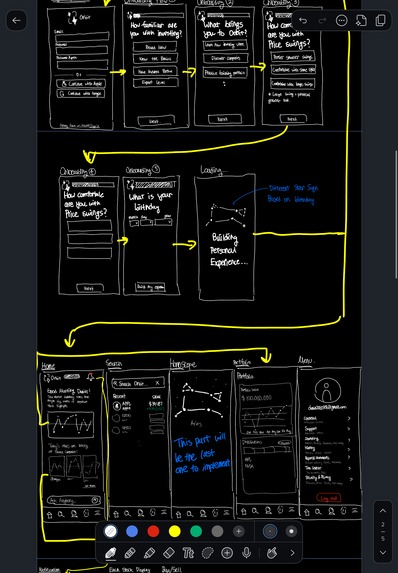
Noteability mockup 2
-
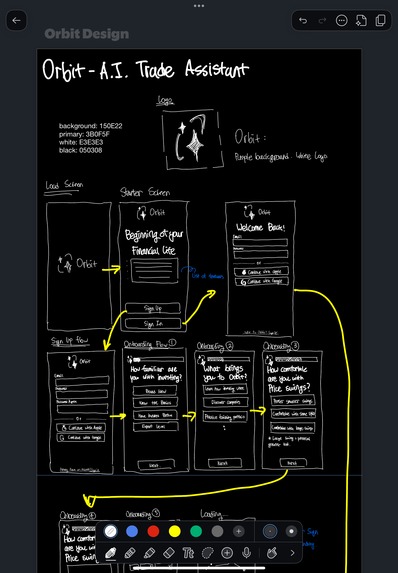
Noteability mockup 1
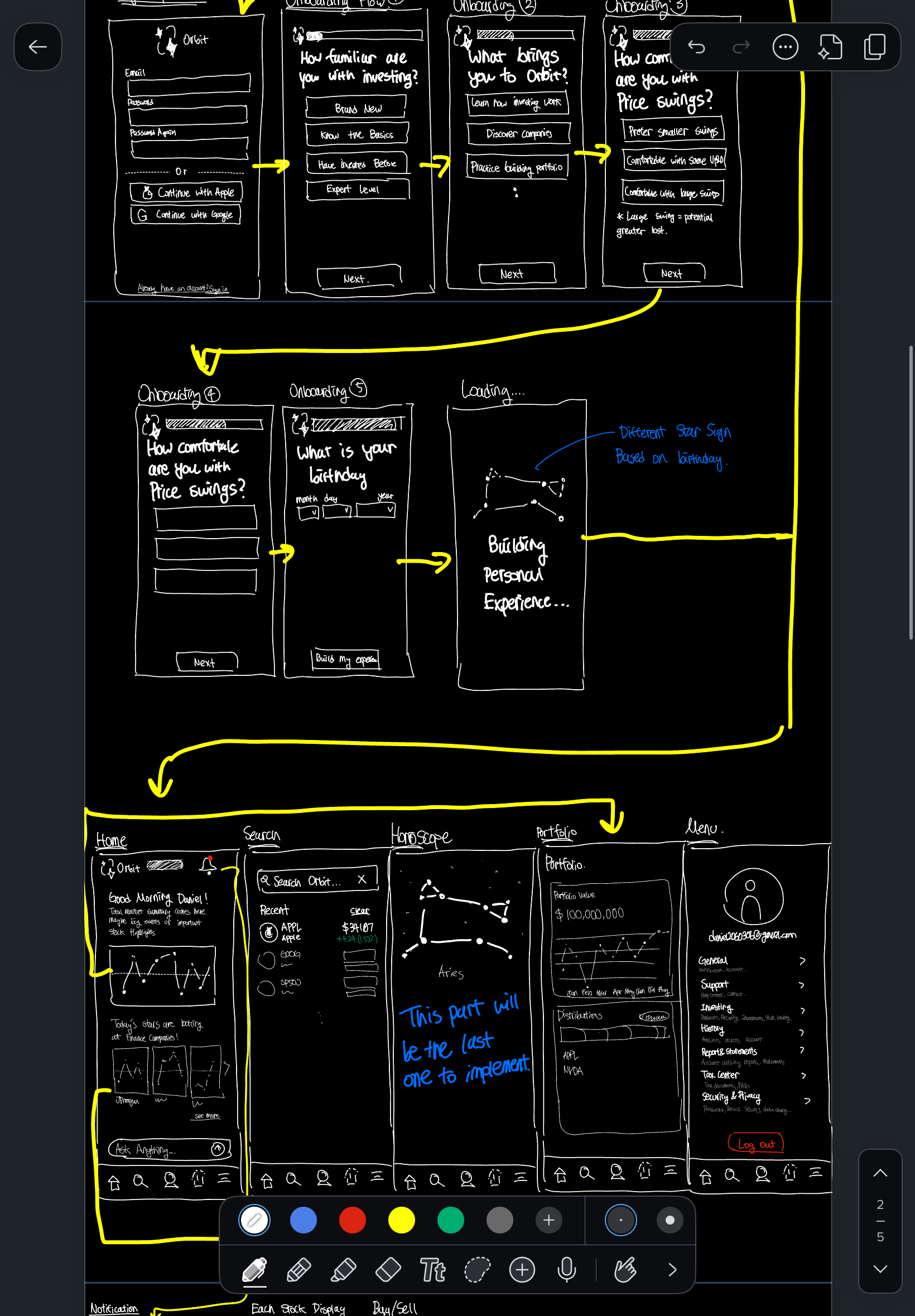
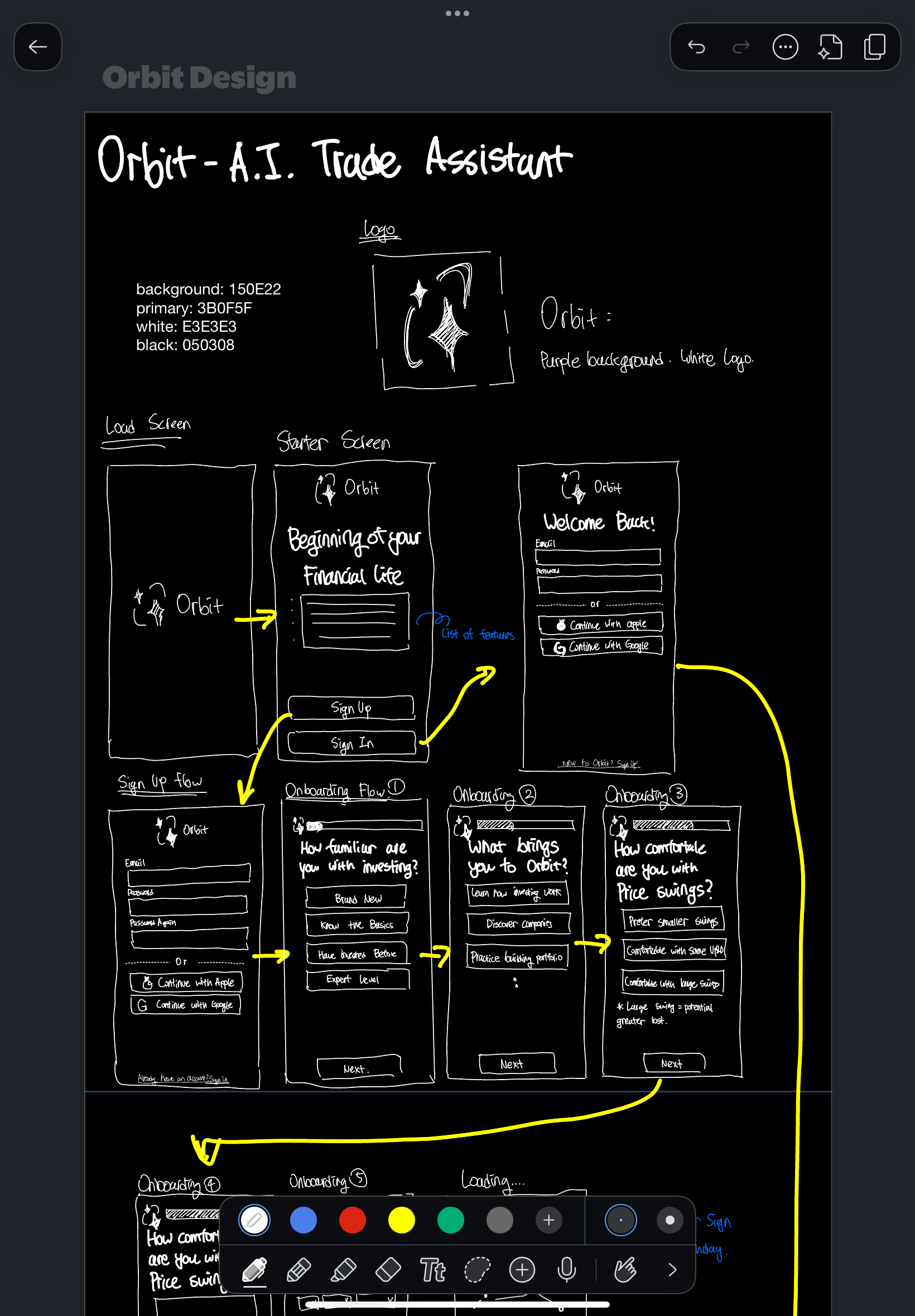
Inspiration
Getting into investing is harder than it needs to be.
Most finance apps assume you already know what companies to search for, how to interpret price movement, and which financial terms matter. For a first-time investor, even getting to the point of asking the right question can be overwhelming.
Orbit started with a different idea:
What if a stock app helped you discover something interesting first, explained why it mattered in plain English, let you ask questions about it, and then gave you a safe place to practice?
That became Orbit’s core loop:
Discover → Understand → Ask → Practice
What it does
Orbit is an AI-powered stock discovery and paper-trading app designed for people who are new to investing.
Discover
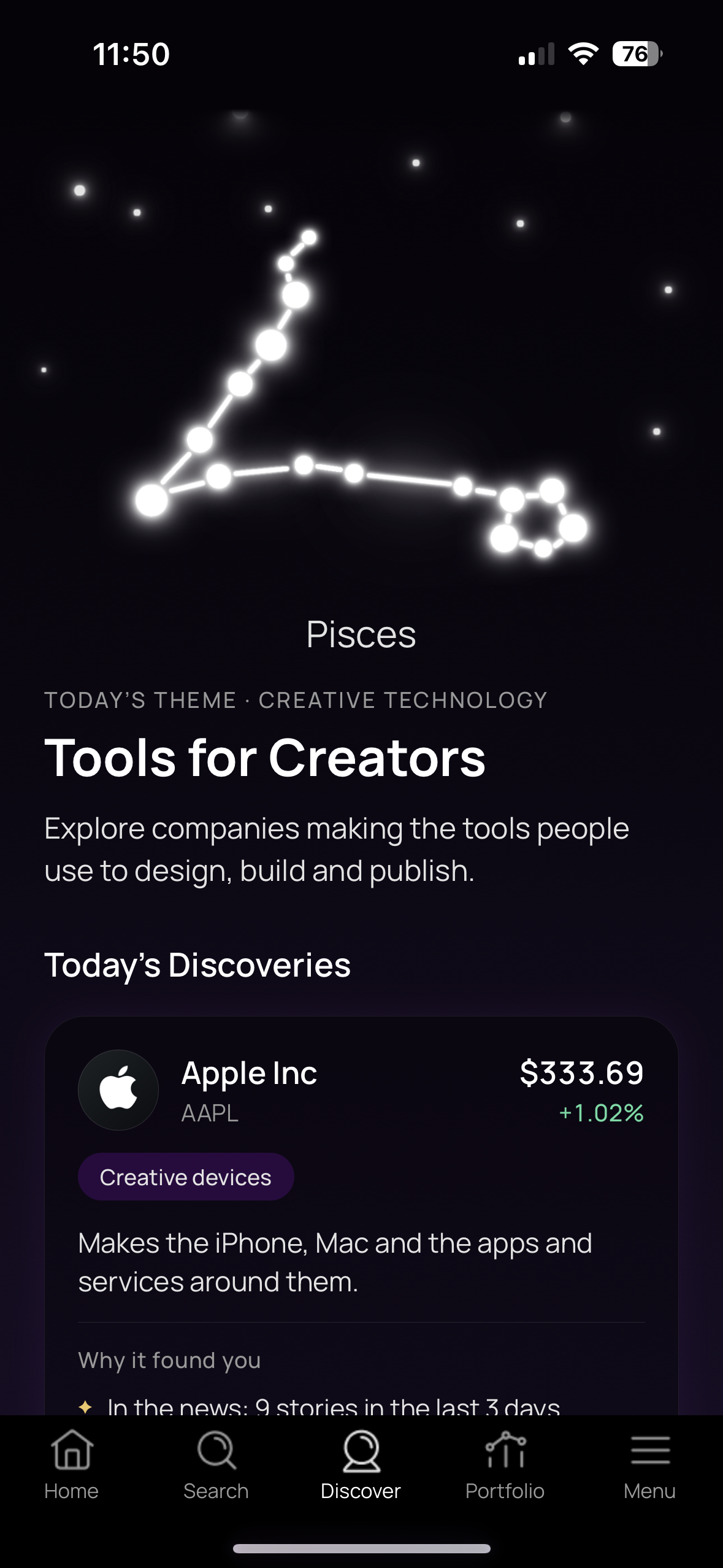
Instead of starting with an empty search bar, Orbit gives users companies to explore through a daily discovery experience.
The discovery system combines user preferences with market activity to surface companies that are worth learning about. Orbit can also use a user's zodiac sign as a lightweight, fun starting point for rotating through different industries and themes.
Understand
Every stock has real market context behind it:
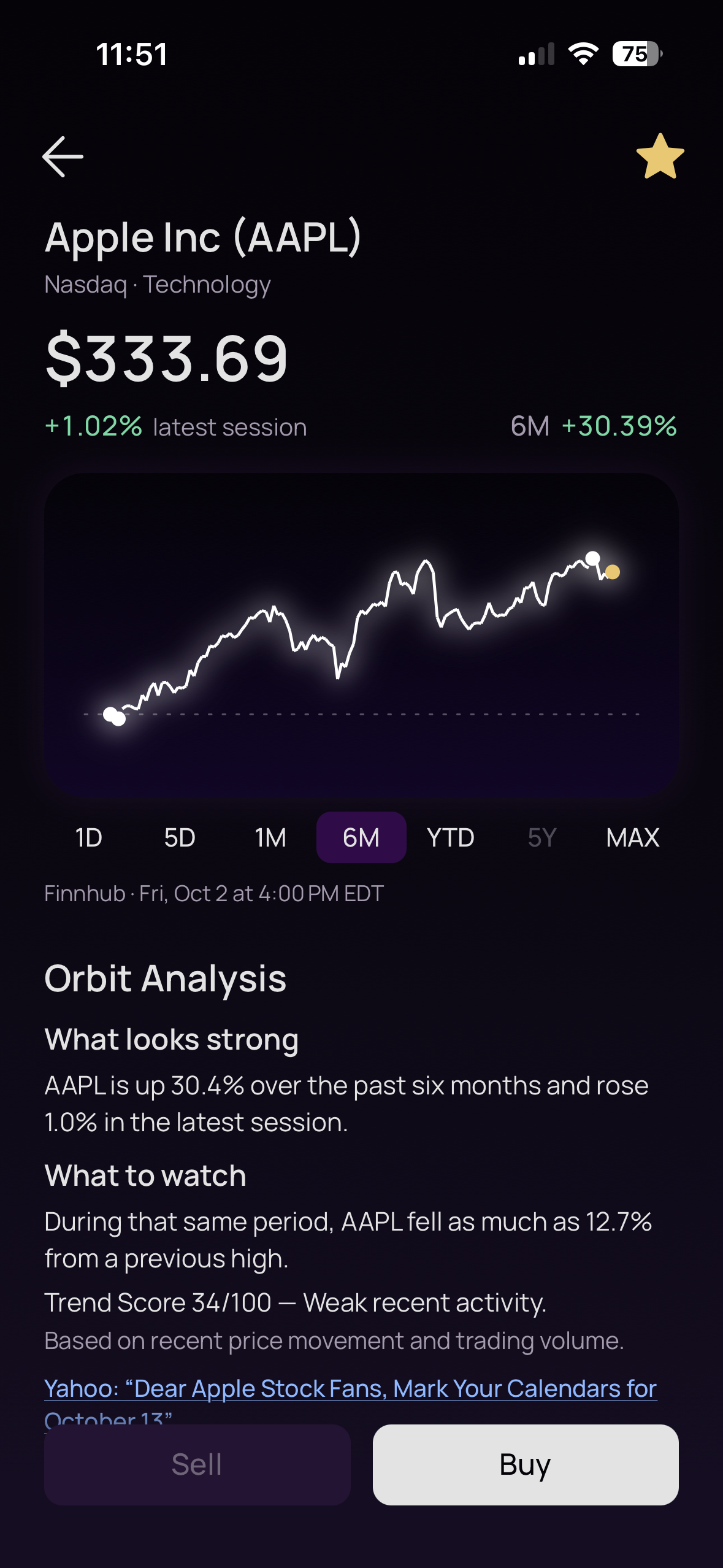
- Current price and latest session movement
- Historical price charts
- A descriptive Trend Score
- Relevant company news
- Plain-English explanations of what may be happening
Orbit follows one important rule:
Data determines the facts. AI explains the facts.
Prices, historical data, portfolio state, and market signals come from structured financial data sources. AI is used to explain, summarize, compare, and teach rather than inventing market information.
Ask
Orbit includes an AI research assistant that understands the stock or topic being discussed.
Users can ask questions such as:
- Why did this stock move?
- What does this company do?
- What does Trend Score mean?
- How does a stock split work?
- What should I look at before researching this company further?
The assistant distinguishes between education, company research, market movement, comparisons, predictions, portfolio questions, and paper-trading questions so responses can use the right context instead of treating every message like a generic chatbot prompt.
Practice
Users can practice buying and tracking stocks through an Alpaca paper-trading account without using real money.
This turns learning into an interactive loop: discover a company, understand it, ask questions, and then practice making a decision.
How we built it
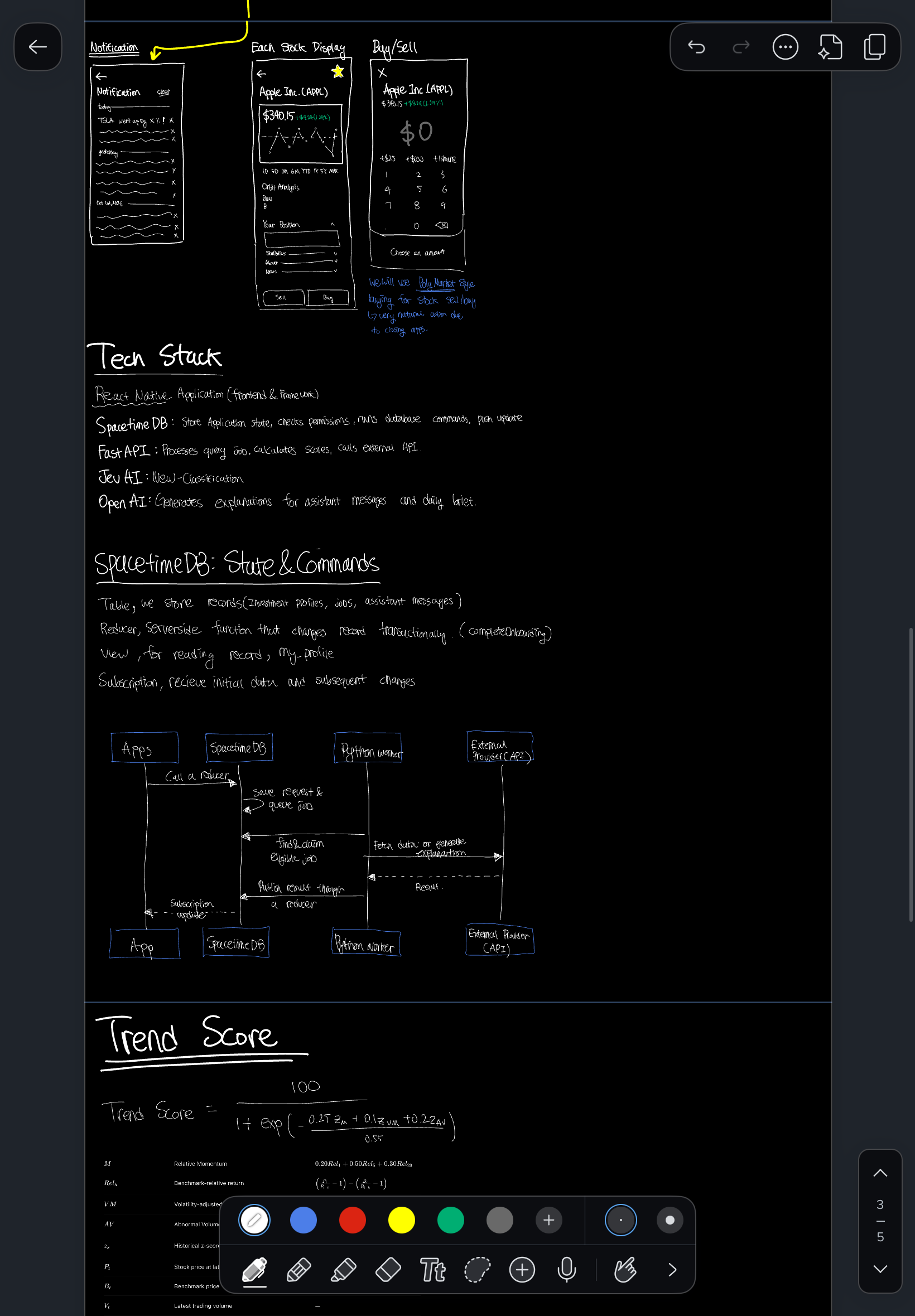
Orbit is a React Native + Expo mobile application connected directly to a public SpacetimeDB instance for realtime application state.
The production architecture looks roughly like this:
iPhone / TestFlight → SpacetimeDB Maincloud ← Railway Worker
The Railway worker handles trusted backend operations such as:
- Fetching market quotes from Finnhub
- Loading historical market data from Alpaca
- Generating AI explanations with OpenAI
- Filtering and classifying relevant news with Jev
- Processing paper trades through Alpaca
- Computing and publishing market signals
- Creating personalized discovery results
A lightweight FastAPI service provides backend health and readiness checks.
Market ingestion is shared across users instead of fetching the same stock separately for every person. The worker periodically creates coherent market snapshots containing quotes, historical bars, company information, and derived signals.
For news, Finnhub provides the source articles while Jev classifies their relevance, event type, sentiment, and materiality before they reach the UI or AI assistant.
Challenges we ran into
Building AI that does not invent financial facts
A financial assistant becomes much less useful if it confidently creates a catalyst, price, or market explanation that is not supported by data.
We separated deterministic market data from AI-generated language. The server builds an evidence packet first, and the model explains only what is available in that packet.
When Orbit cannot identify a reliable catalyst, it says so instead of creating one.
Making the assistant understand intent
A surprisingly difficult problem was distinguishing normal language from ticker symbols.
For example, a question beginning with "Can you explain..." should not interpret CAN as a company ticker.
We moved intent classification before entity resolution and added contextual company resolution so follow-up questions can refer naturally to the company already being discussed.
Moving from a laptop demo to a real cloud deployment
During development, Orbit originally depended on local services.
For the hackathon demo, we moved the system to:
- SpacetimeDB Maincloud
- A continuously running Railway worker
- Cloud-hosted backend health checks
- An EAS production build distributed through TestFlight
This introduced challenges around service identities, cloud authorization, environment variables, initial market-data backfills, and securely binding the paper-trading demo account to the correct device identity.
Getting the app running independently of the development laptop was one of the biggest engineering milestones of the project.
Historical market ingestion
A new cloud database starts with no historical market data.
Instead of publishing an enormous dataset in one transaction, Orbit progressively backfills historical bars across the stock universe while keeping each publication small enough for reliable realtime updates.
What we learned
The biggest lesson was that building an AI product is often less about adding more AI and more about deciding where AI should not be trusted.
For Orbit, the strongest architecture was:
- Financial APIs provide facts
- Deterministic code computes metrics
- Jev decides which news is relevant
- SpacetimeDB holds shared realtime state
- AI turns that evidence into understandable language
We also learned a lot about deploying a realtime mobile application across TestFlight, SpacetimeDB, Railway, Alpaca, Finnhub, and multiple AI services while keeping secrets entirely off the client.
What's next
Orbit can grow beyond a hackathon prototype into a complete learning environment for first-time investors.
Next steps include:
- Better personalization from user behavior
- More sophisticated discovery themes
- Expanded financial fundamentals
- Richer portfolio explanations
- Longer-term news and sentiment baselines
- Improved Trend Score coverage
- Social discovery and learning features
- More guided investing lessons for complete beginners
The long-term goal is simple:
Make learning about the market feel less like reading a financial terminal and more like exploring something you actually understand.
Built With
- alpaca
- eas
- expo.io
- fastapi
- finnhub
- jev
- native
- openai
- openrouter
- python
- railway
- react
- spacetimedb
- typescript

Log in or sign up for Devpost to join the conversation.