-
-
-
onboarding
-
-
-
-
-
-
-
-
-
-
-
-
-
-
-
-
-
-
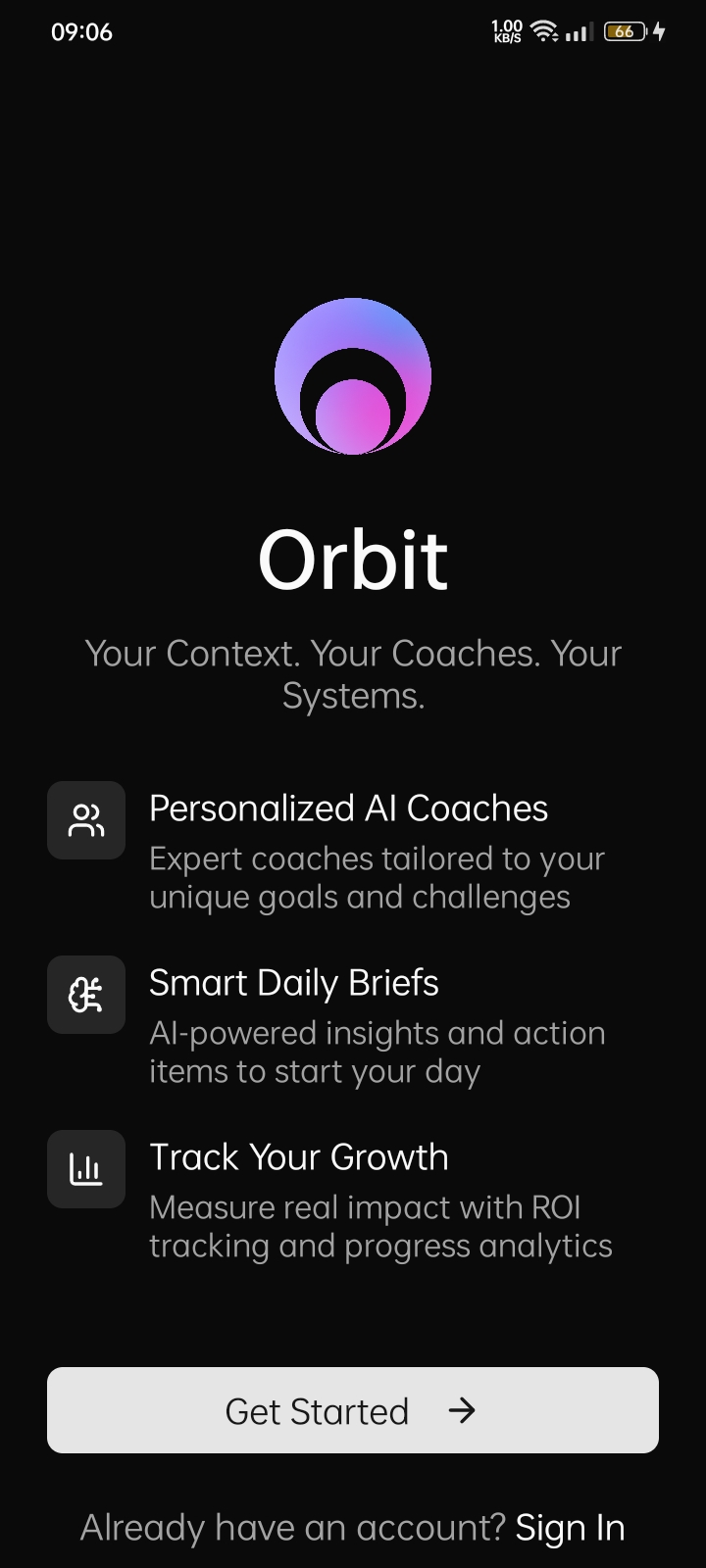
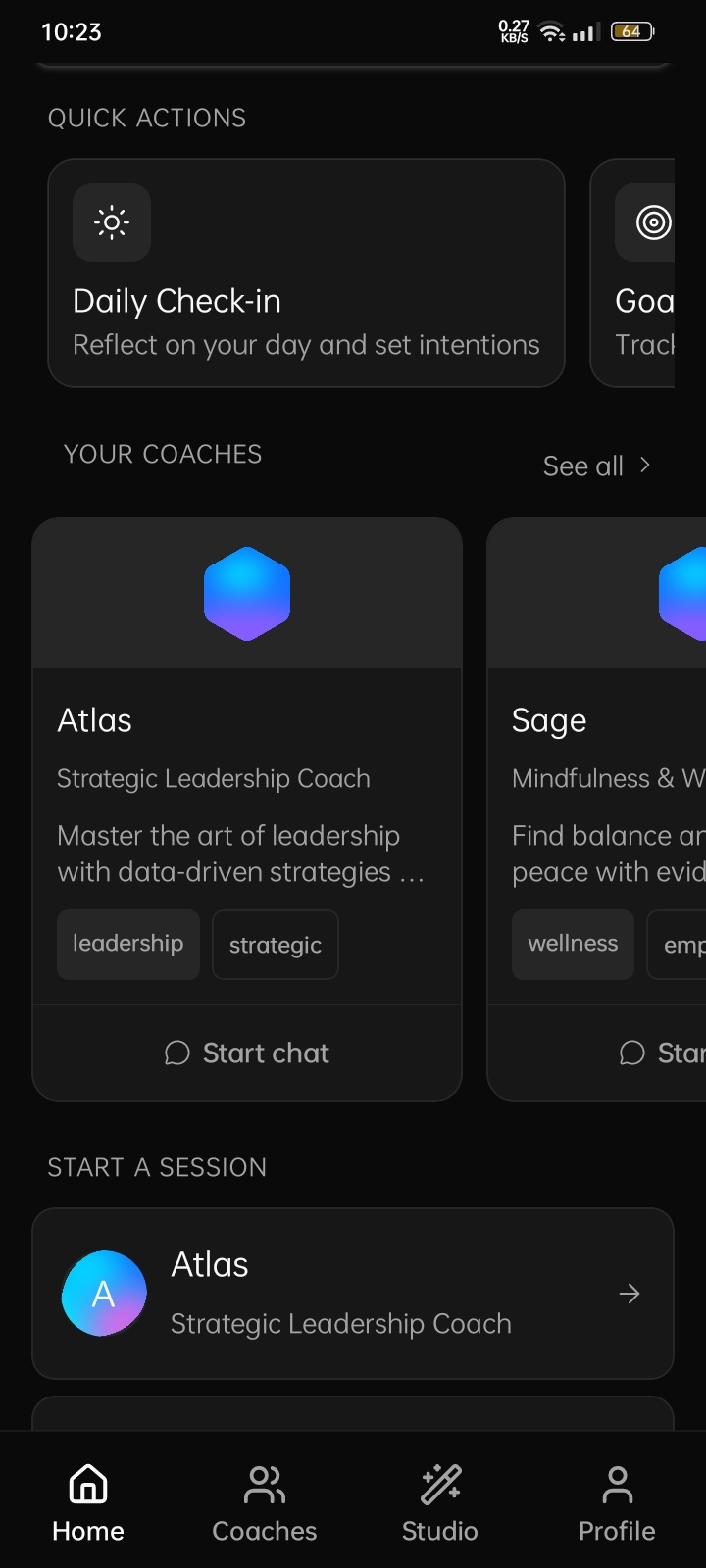
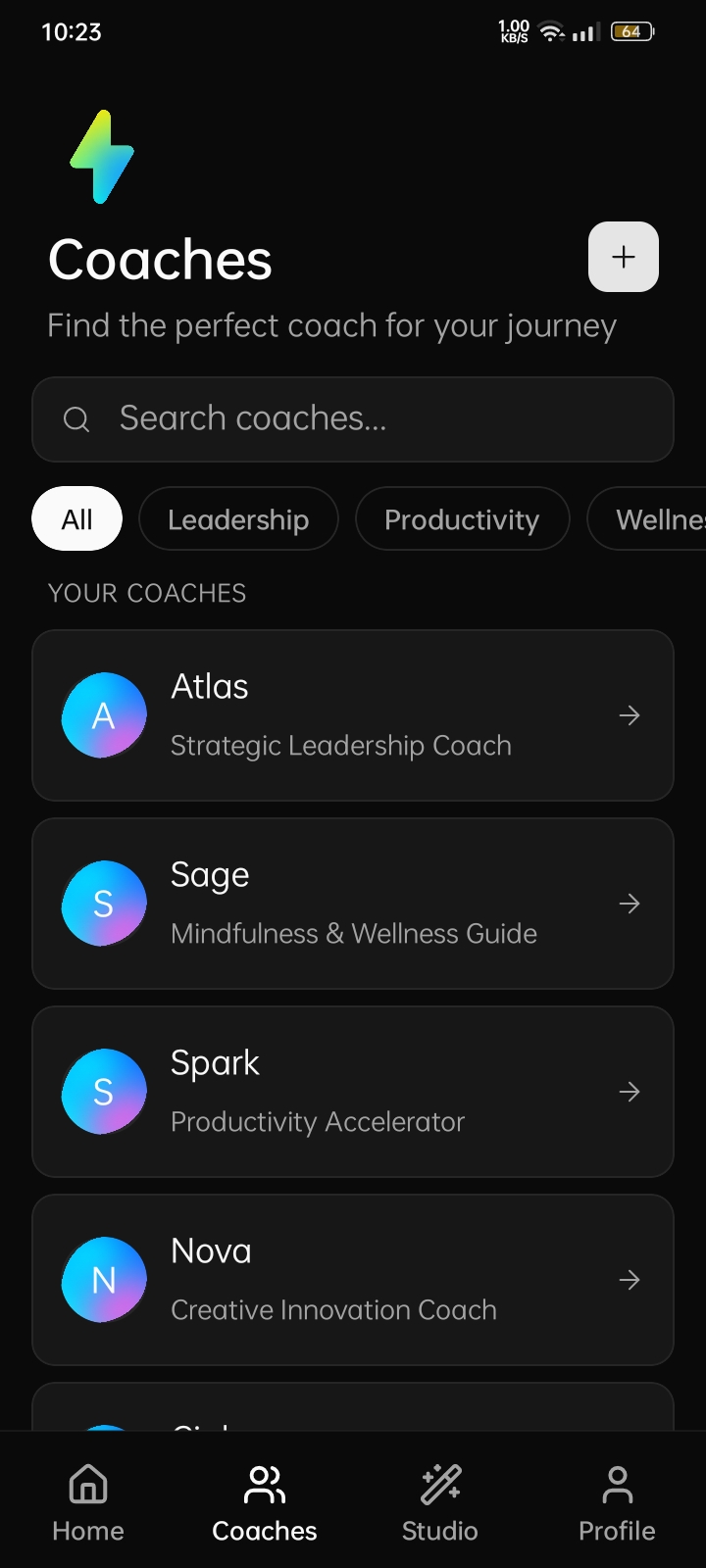
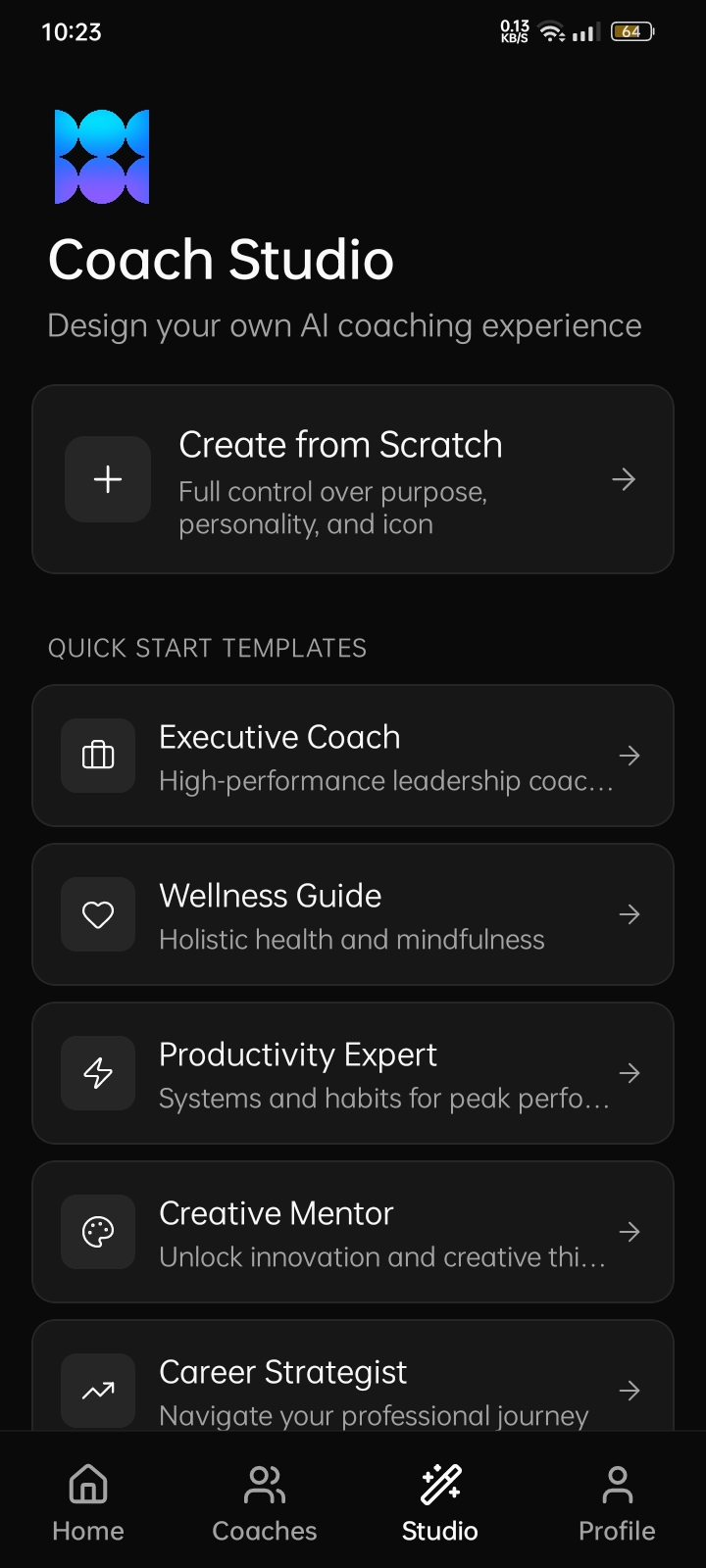
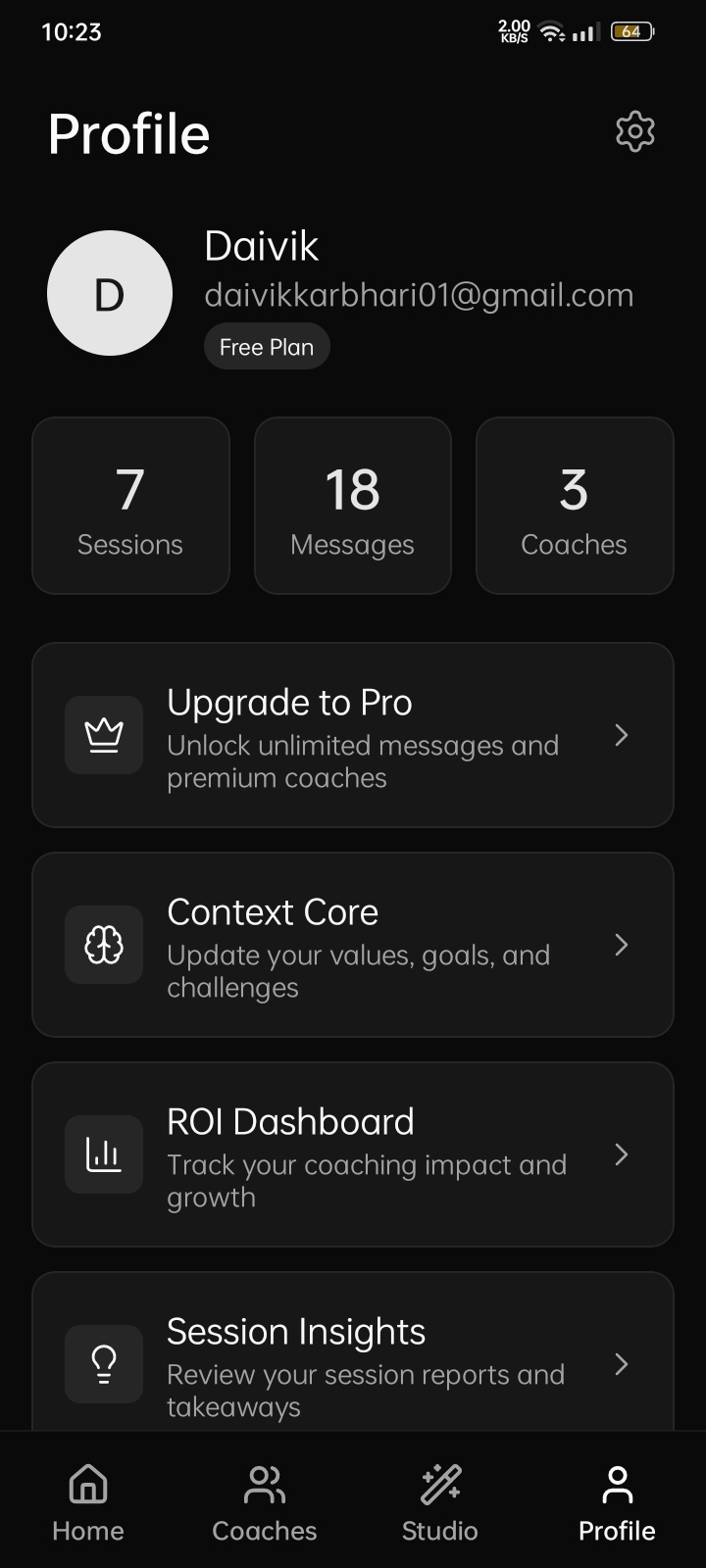
Orbit - Your Context. Your Coaches. Your Systems.
Inspiration
We kept watching people have the same conversation with ChatGPT every single day: "I'm a software engineer working on a startup, stressed about deadlines..." Why? Because AI has amnesia. Every chat starts from zero.
Meanwhile, therapy costs $200/hour and books a month out. Productivity apps feel like digital chores. And honestly? Sometimes you just need someone who gets your situation to help you think through a decision at 11pm on a Tuesday.
We wanted to build something that felt less like "AI chatbot" and more like having a personal board of advisors who actually remember you—your values, your goals, the conversation you had last week. Not another tool to manage. A system that manages itself around you.
What it does
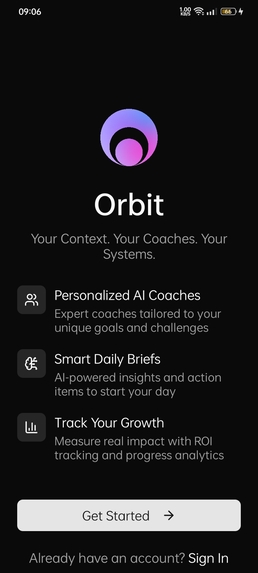
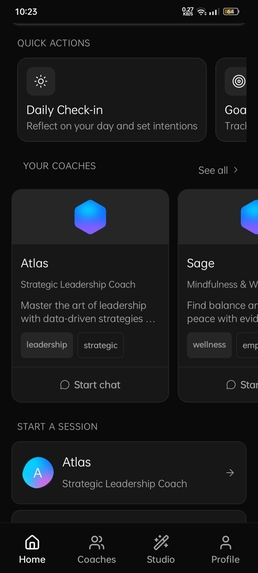
Orbit is a personal context operating system with AI coaches who remember you.
The Core Flow:
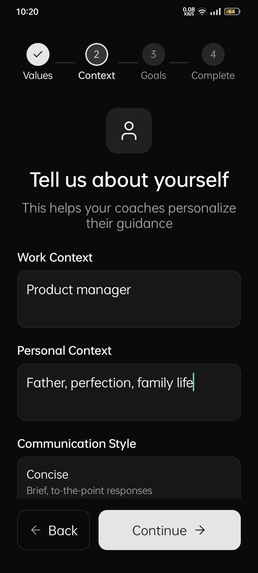
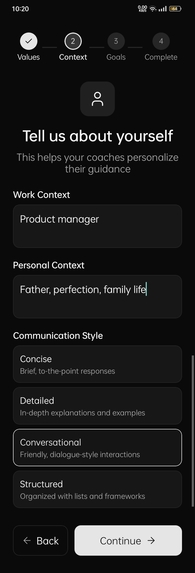
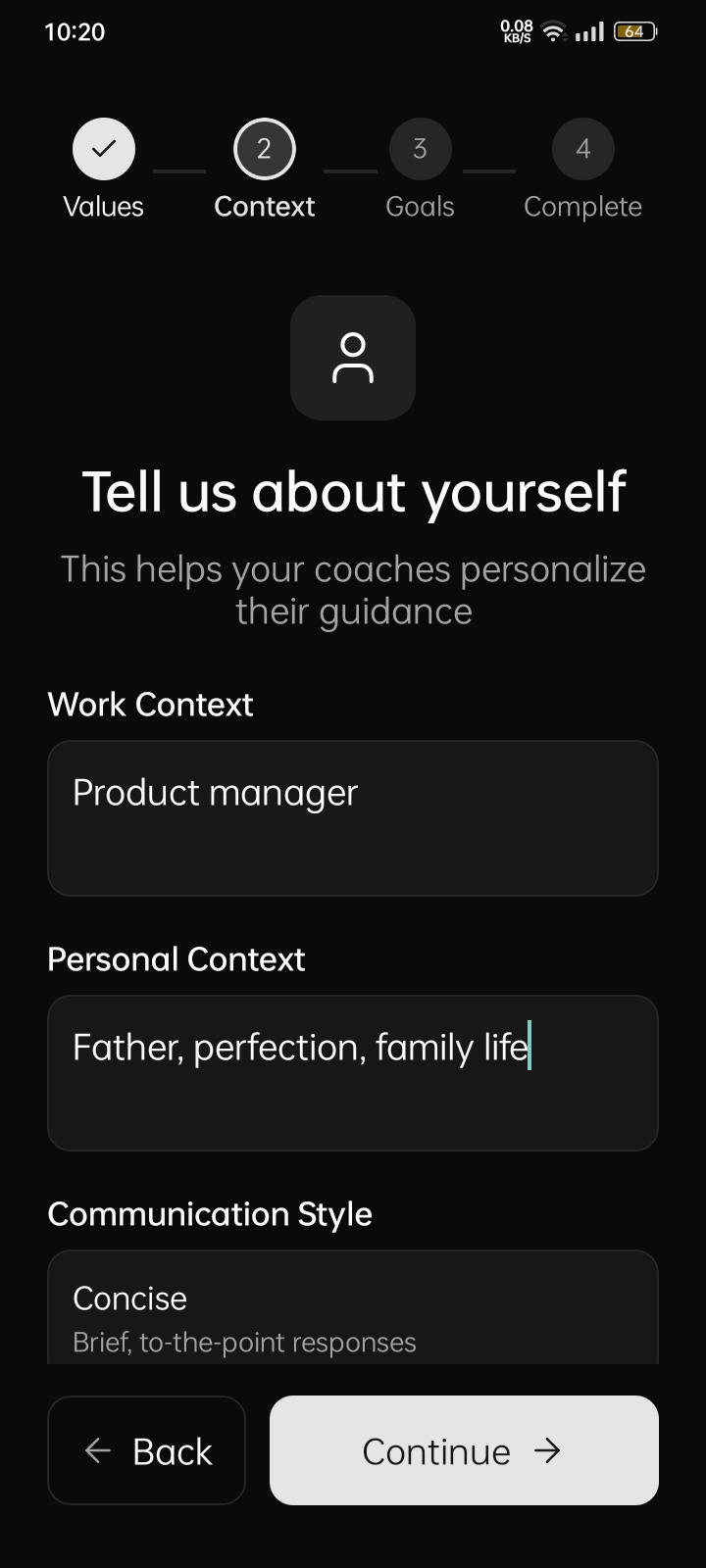
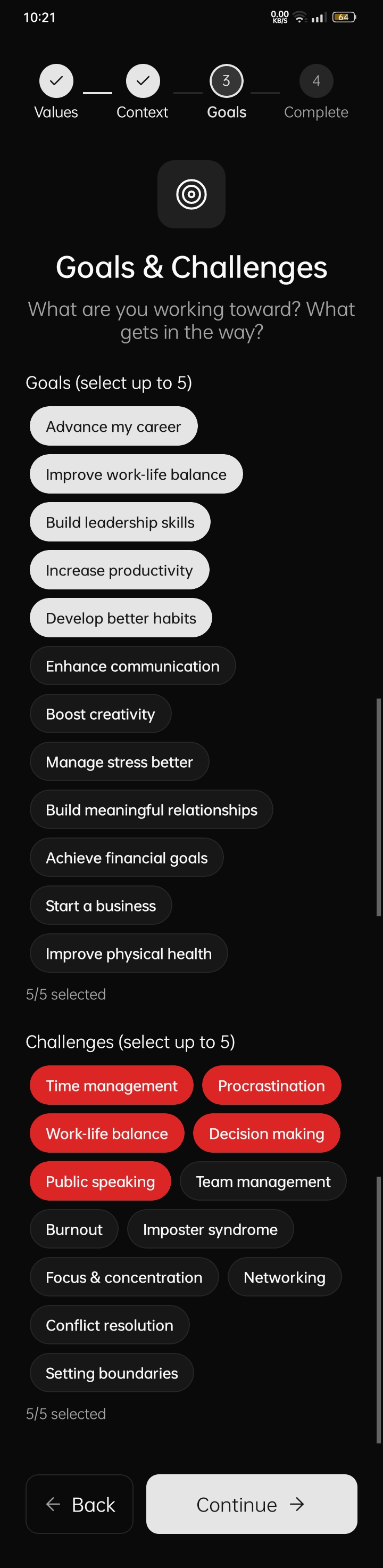
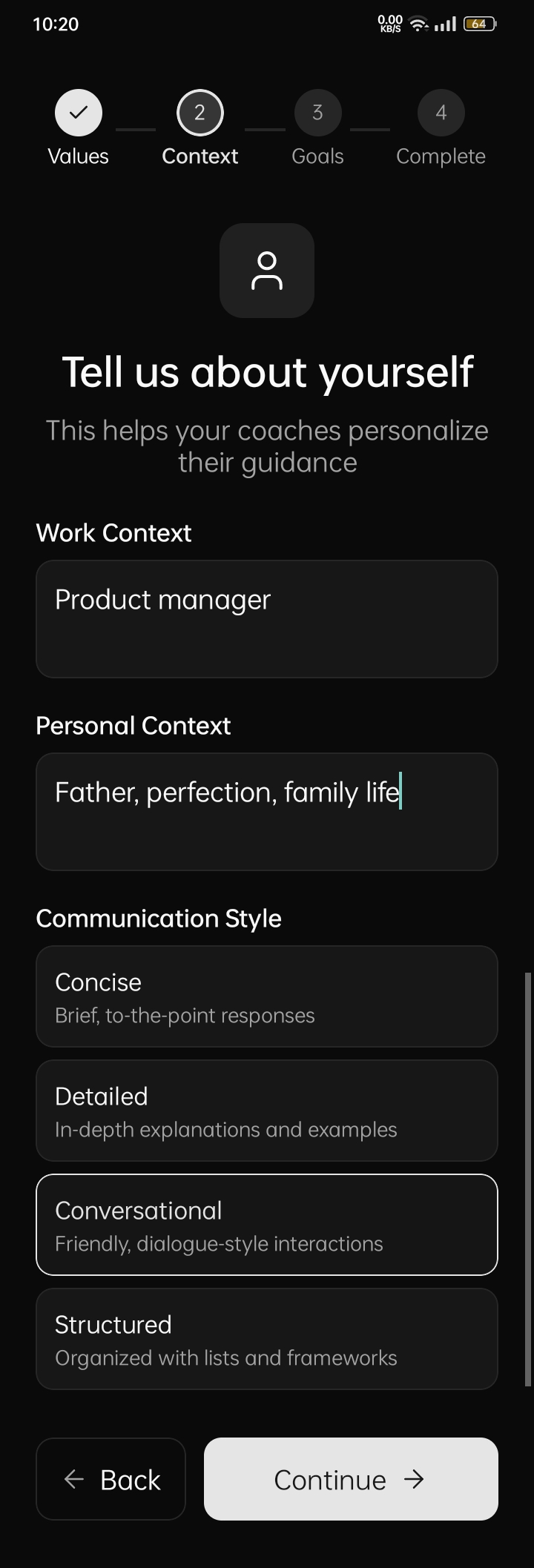
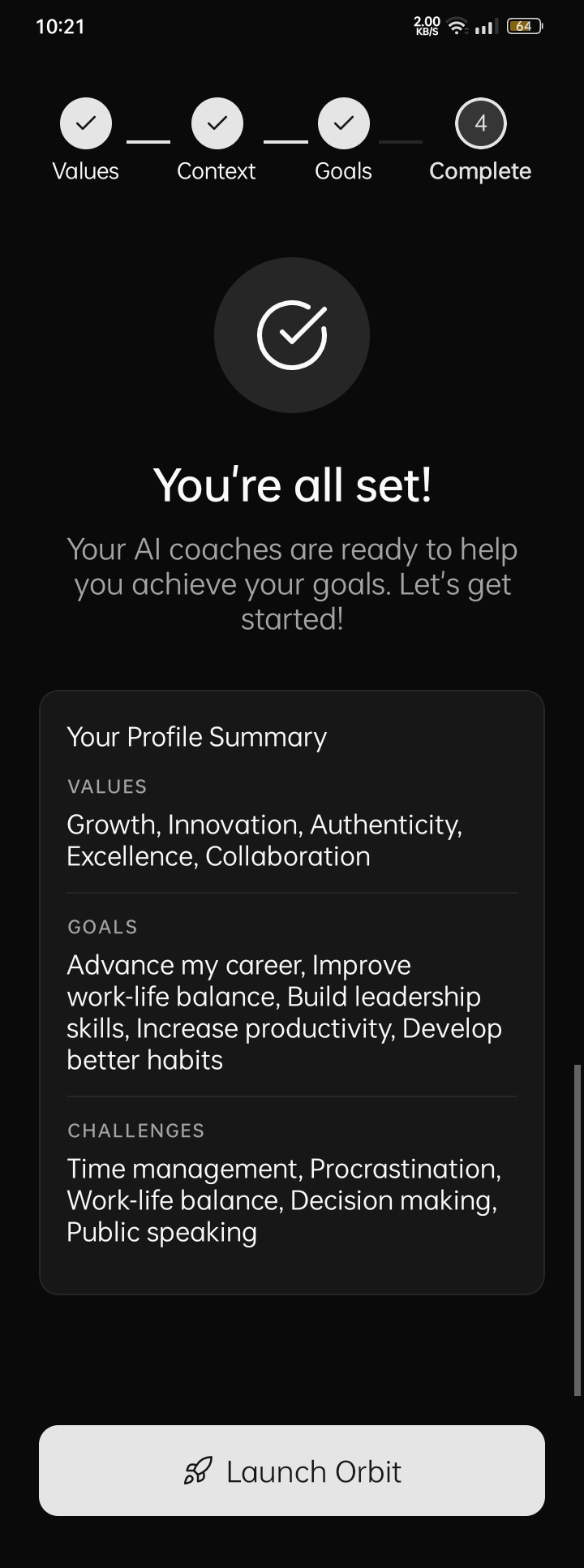
- You set your context once - values, goals, challenges, work situation, communication style
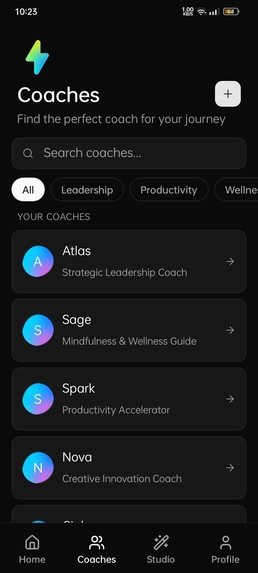
- Pick a specialized coach - 8 coaches across leadership, wellness, productivity, creativity, career, communication, strategy, and mindfulness
- Have real conversations - they stream responses, build frameworks, create action plans
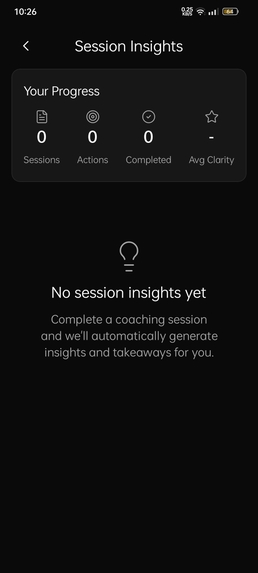
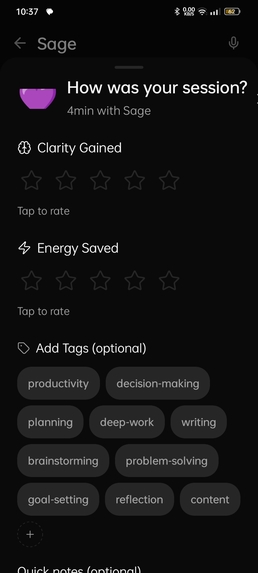
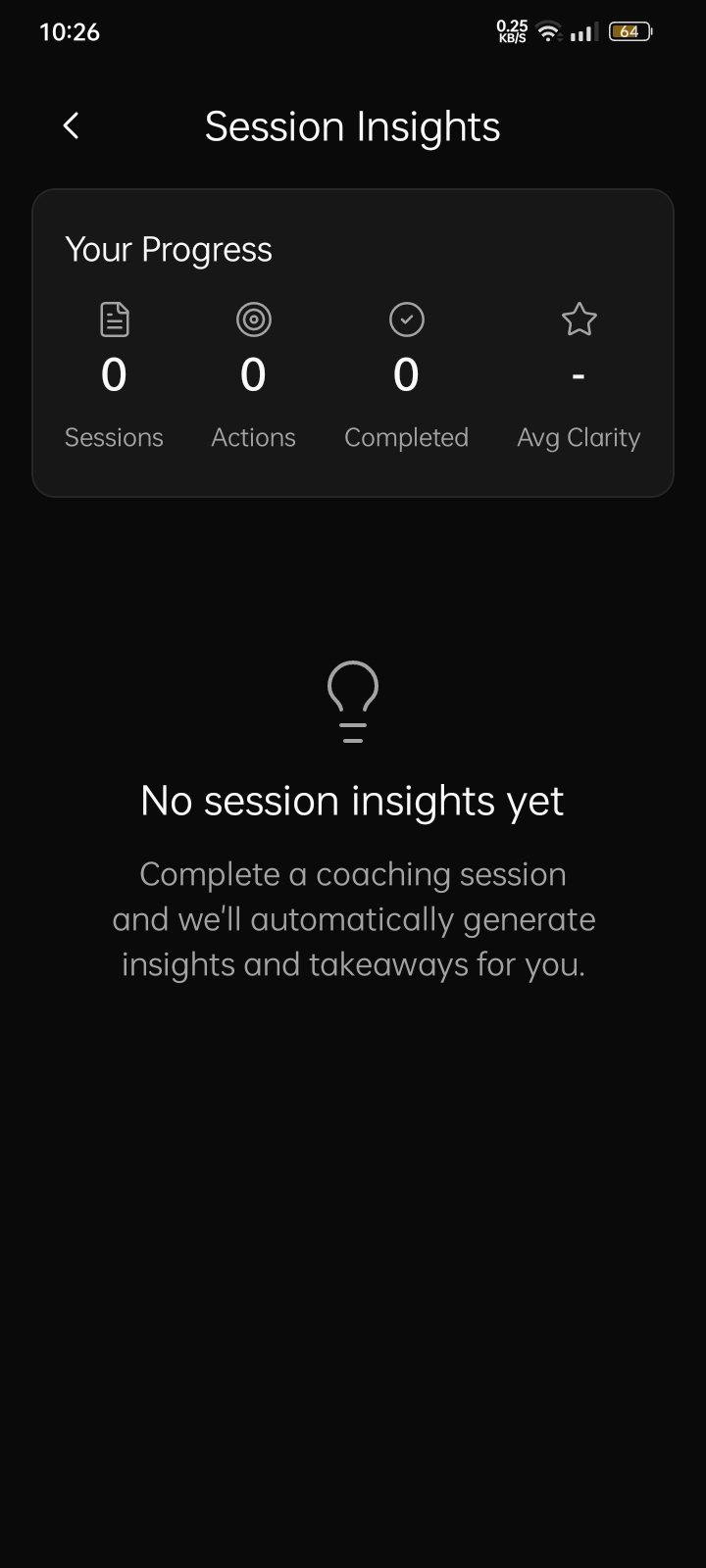
- Get automatic insights - after each session, AI generates a summary with decisions made, action items, and coaching notes
- They remember everything - coaches reference previous sessions naturally, building continuity over time
What makes it different:
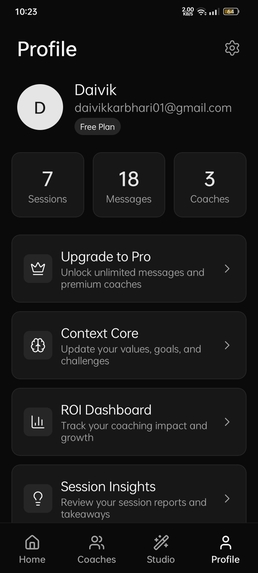
- Session Insights: Auto-generated reports after every conversation with key decisions, prioritized action items, and recommendations for next time
- Coach Memory System: Each coach maintains rolling memory of your last 5 sessions, so conversations build on each other
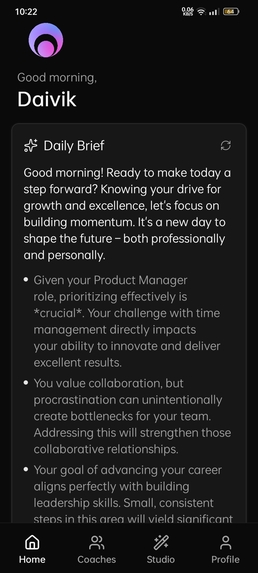
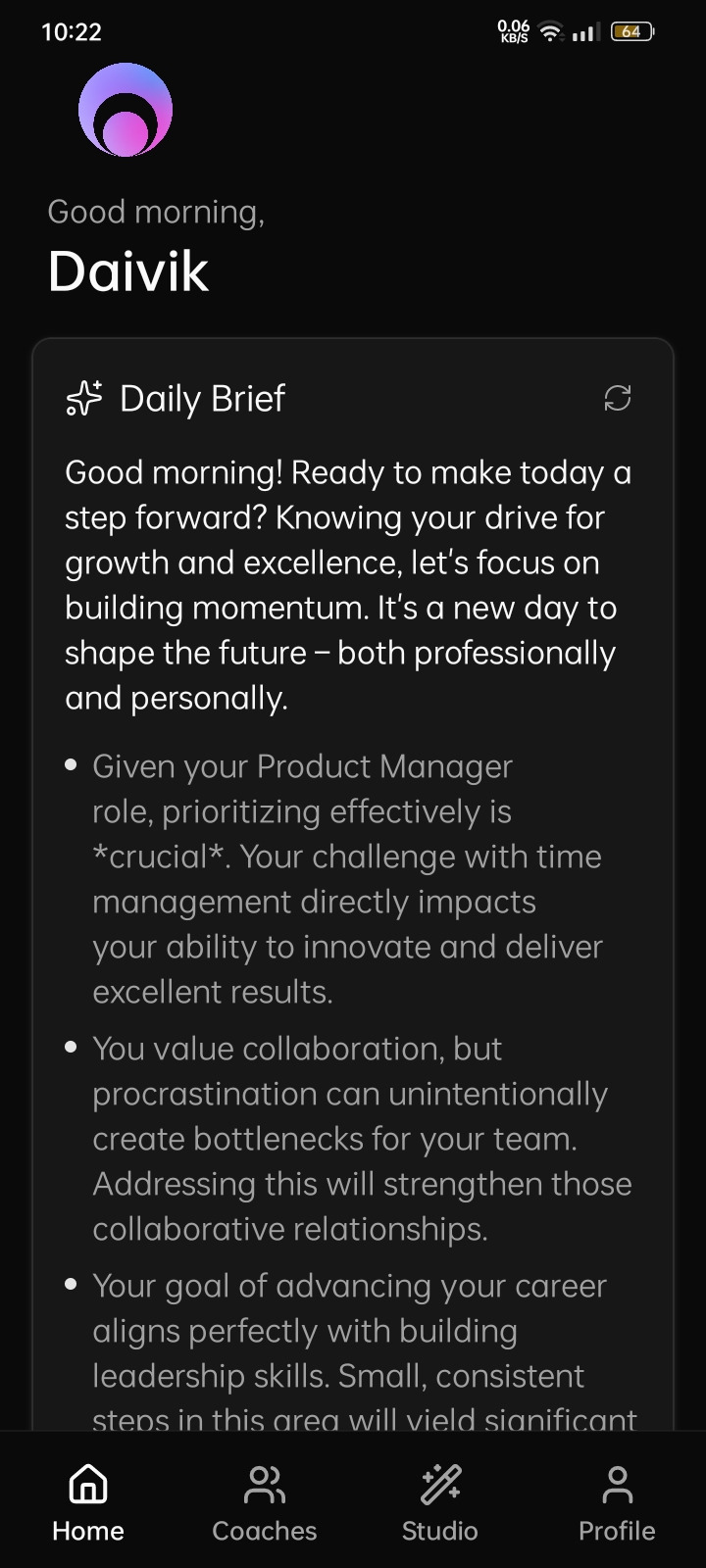
- Context Core: Your personal context (values, goals, work situation) injects into every conversation automatically
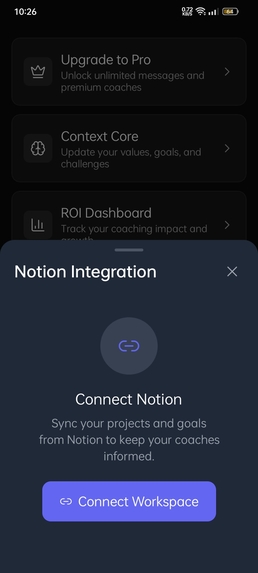
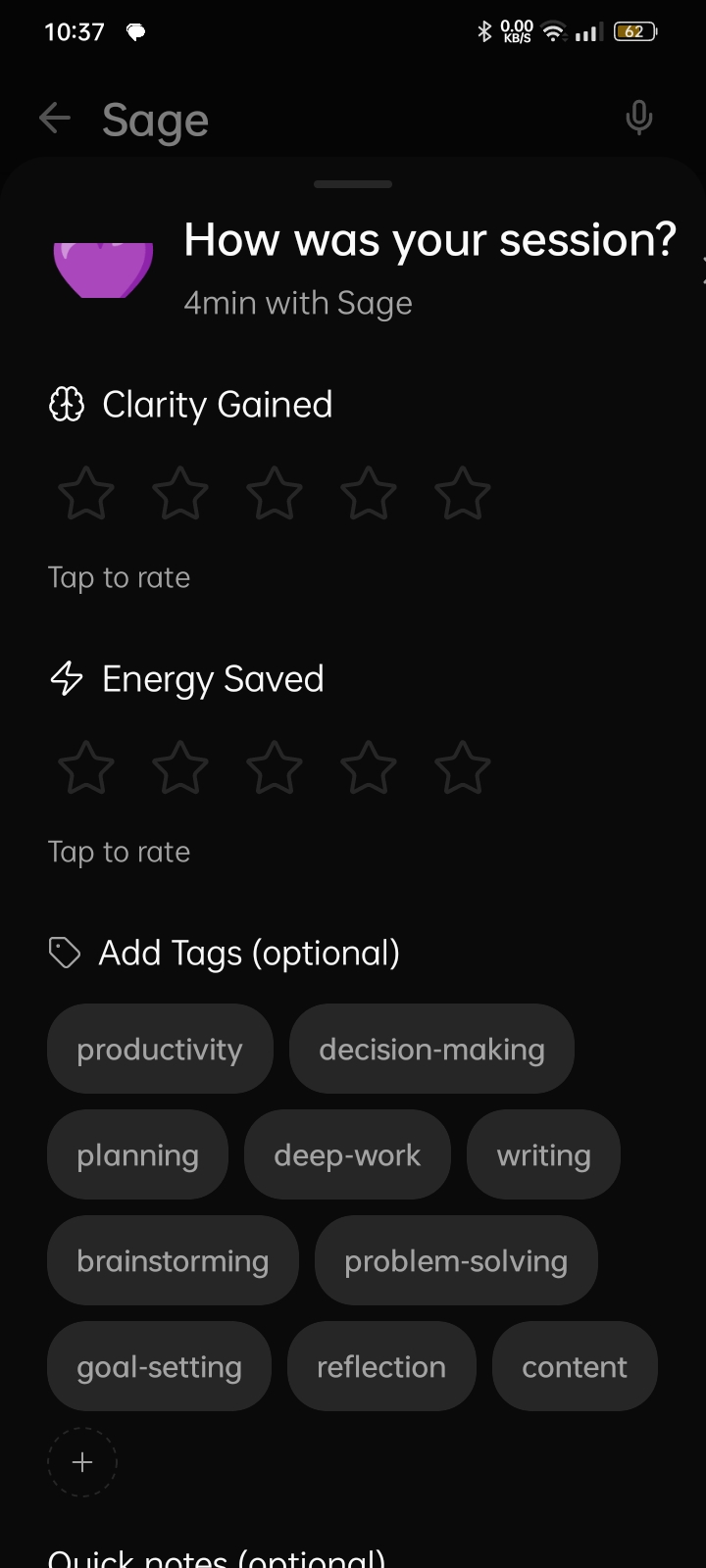
- ROI Dashboard: Track tangible impact - clarity ratings, energy saved, action items generated, time invested
- Rich Outputs: Coaches don't just chat - they generate structured artifacts (plans, frameworks, analyses) and actionable task lists
Specialized Coaches:
- 🎯 Atlas (Leadership) - Strategic, helps you lead teams
- 🧘 Sage (Wellness) - Empathetic, focuses on balance
- ⚡ Spark (Productivity) - Direct, cuts through overthinking
- 🎨 Muse (Creativity) - Imaginative, unlocks ideas
- 📈 Nova (Career) - Motivational, guides growth
- 💬 Echo (Communication) - Empathetic, improves relationships
- 🧭 Compass (Strategy) - Analytical, clarifies direction
- 🌱 Bloom (Mindfulness) - Grounding, reduces overwhelm
How we built it
Tech Stack:
- Framework: Expo SDK 54 + React Native 0.81 (mobile-first, cross-platform)
- Navigation: Expo Router (file-based routing)
- State Management: Zustand (lightweight, performant)
- Styling: NativeWind (Tailwind CSS for React Native)
- Database: Supabase (Postgres + Auth + Realtime)
- AI: Multi-provider routing (Gemini primary, OpenAI/Anthropic fallback)
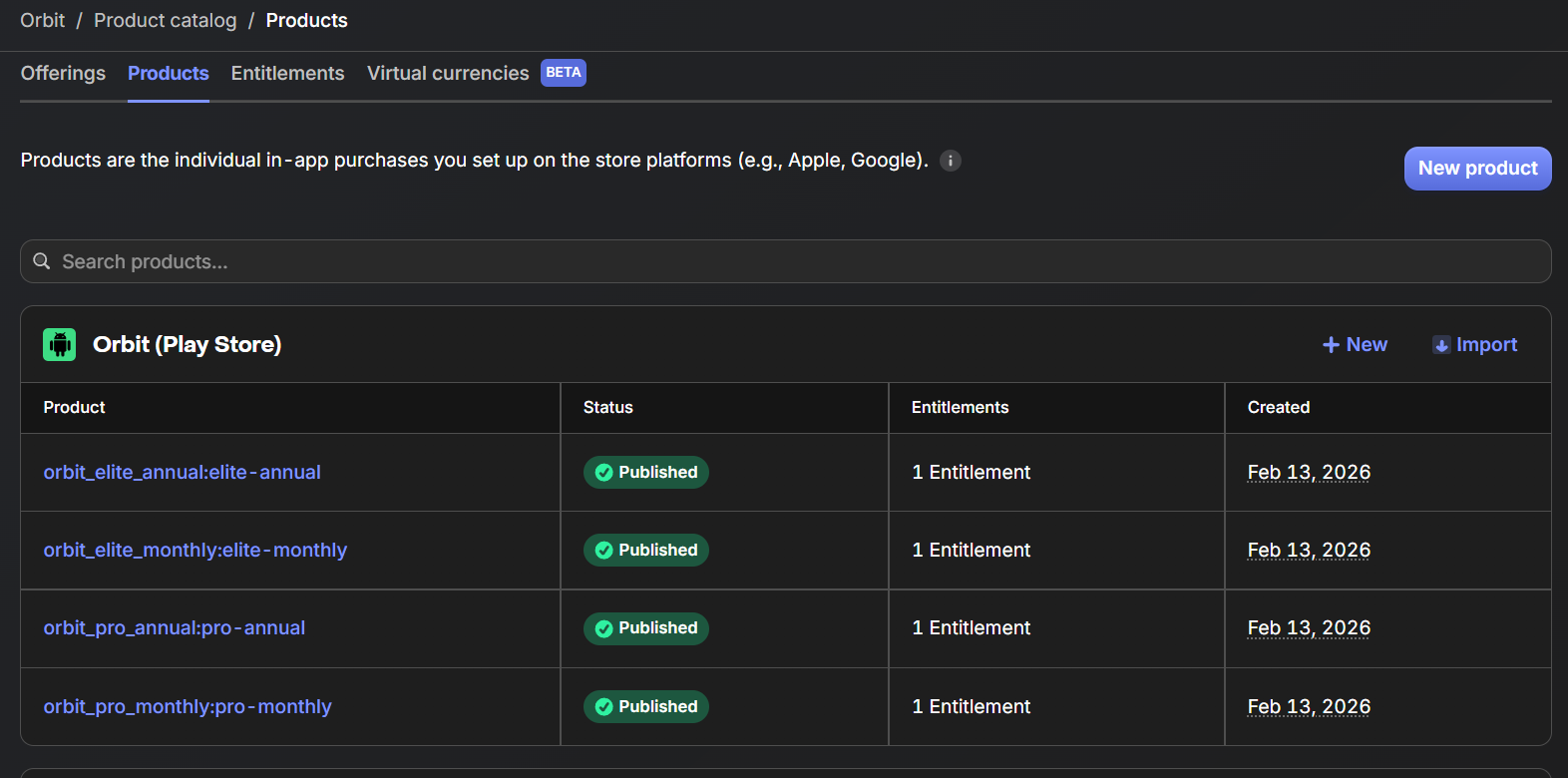
- Payments: RevenueCat (subscription management)
- Icons: Lucide React Native
- Animations: React Native Reanimated 4
Architecture Decisions:
Why mobile-first? Coaching moments happen everywhere - commuting, lying in bed thinking about a decision, between meetings. Desktop feels too formal.
Why multi-provider AI? Different models excel at different tasks. Gemini for speed and general coaching, Claude for deep empathy and nuance, GPT-4 for structured outputs. We route intelligently.
Why Supabase? Real-time subscriptions for live chat, Row Level Security for privacy, edge functions for AI processing, built-in auth. Perfect for fast iteration.
Key Implementation Challenges:
- Streaming AI Responses: Built custom streaming parser that handles multiple providers (Gemini SSE, OpenAI chunks, Anthropic deltas) with a unified interface
- Artifact Extraction: Regex-based parser that extracts
<artifact>and<tasks>tags from AI responses and renders them as interactive components - Context Injection: System prompt builder that seamlessly weaves user context, coach personality, and session memory into every AI call
- Session Insights: Post-conversation AI analysis that extracts structured data (decisions, actions, themes) from unstructured chat history
- Coach Memory: Rolling window memory system that stores session highlights and injects them contextually into future conversations
Challenges we ran into
1. Making AI Actually Remember
First attempt: store entire conversation history and inject it every time. Result: token limits exploded, responses slowed to a crawl, costs skyrocketed.
Solution: Built a two-tier memory system. Short-term: last 10 messages for immediate context. Long-term: AI-generated session highlights (max 5 per coach) with key outcomes. Coaches reference "last time we talked about X" naturally without us manually coding that logic.
2. The "Cold Start" Problem
Early testers would download, see 8 coaches, pick one randomly, and have a generic conversation. No personalization, no value.
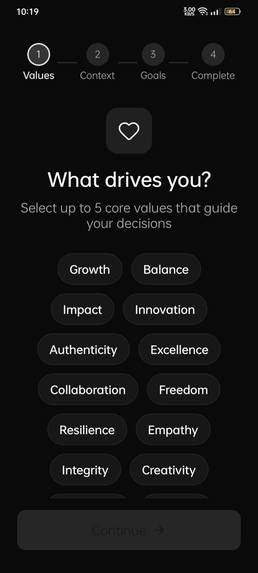
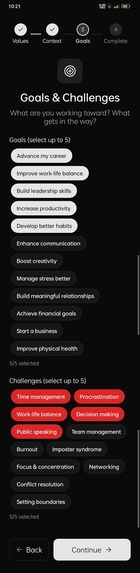
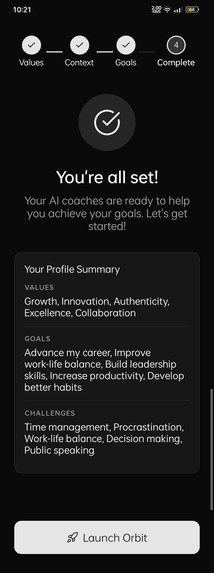
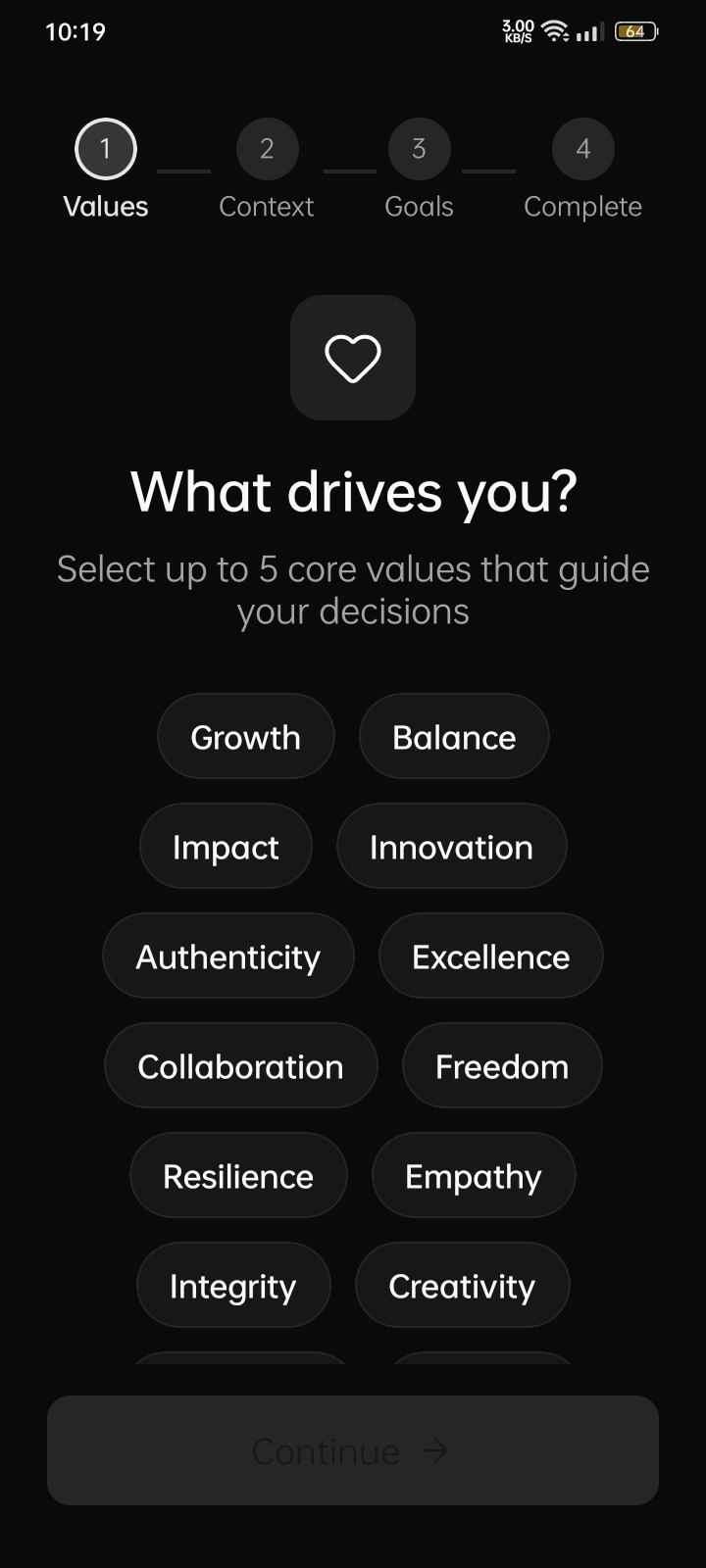
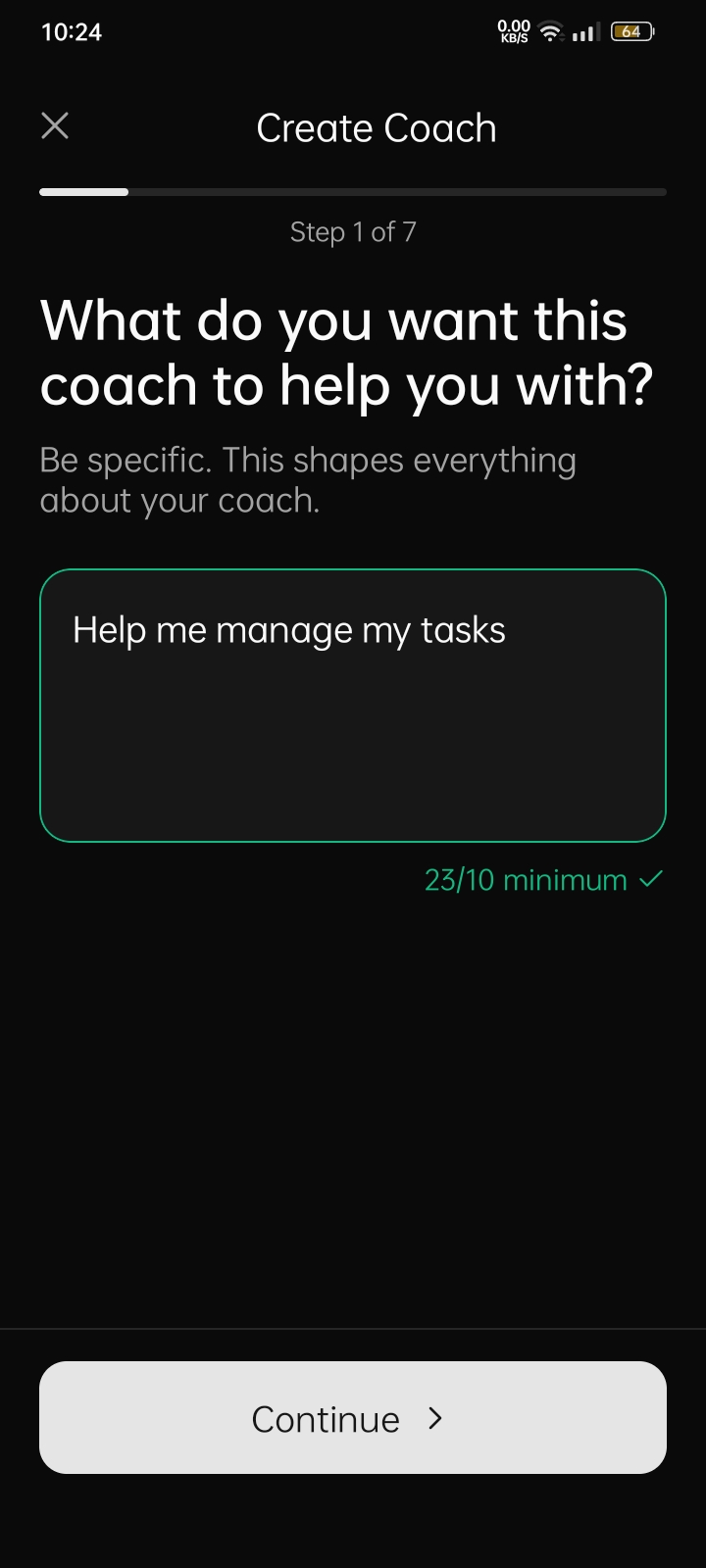
Solution: Mandatory onboarding that captures context in 60 seconds. Not a survey - a conversation. Pick your top values from 15 options, add 2-3 active goals, mention your biggest challenge. Now every coach starts with: "I see you value autonomy and you're working on better delegation..."
3. Session Insights Quality
First version: simple GPT-3.5 prompt asking "summarize this conversation." Results were shallow - mostly just repeating what the user said.
Solution: Switched to structured extraction with Gemini 1.5. Specific JSON schema requiring: one-line summary (8 words max), 1-3 decisions made (user owns these), 2-5 action items with priority levels, coaching note (what to explore next time), and topic tags. Quality jumped dramatically.
4. Premium Features Without Paywalls
How do you offer a generous free tier but still monetize? We didn't want to cripple the free experience.
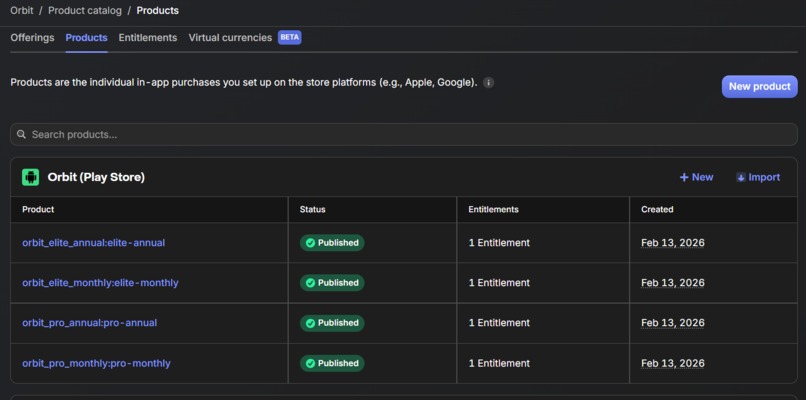
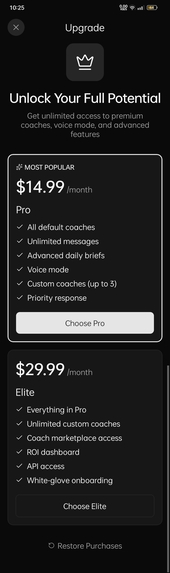
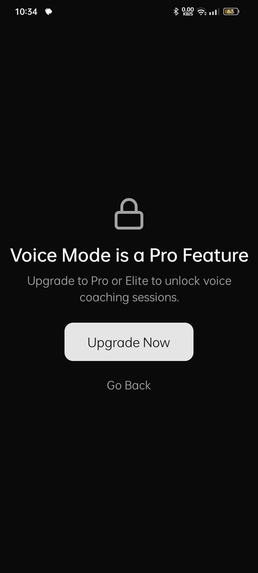
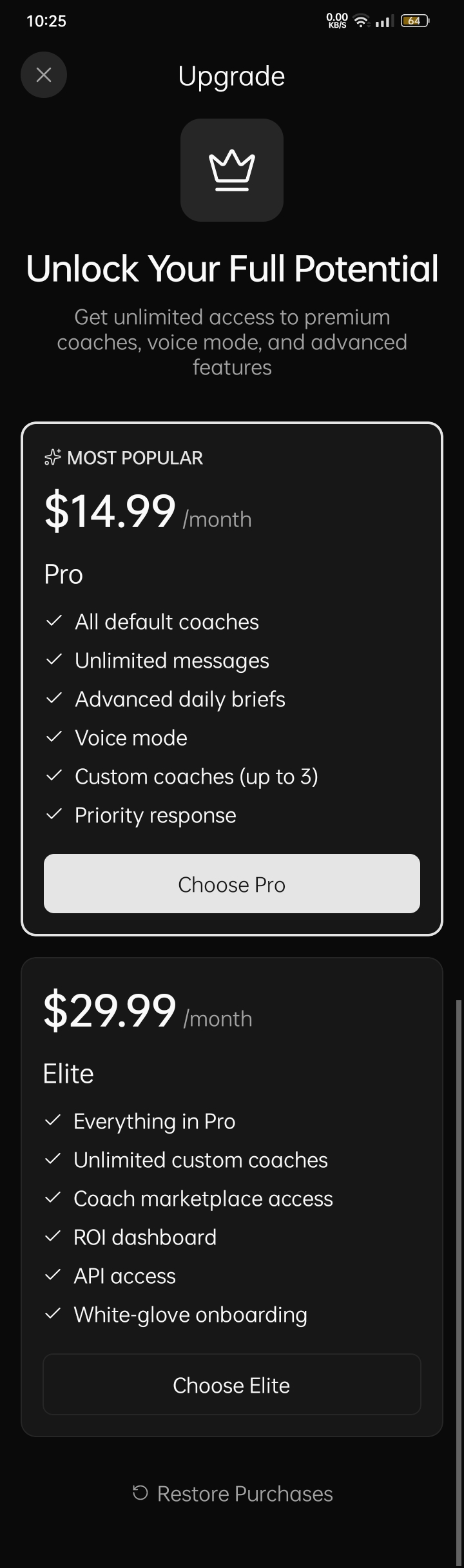
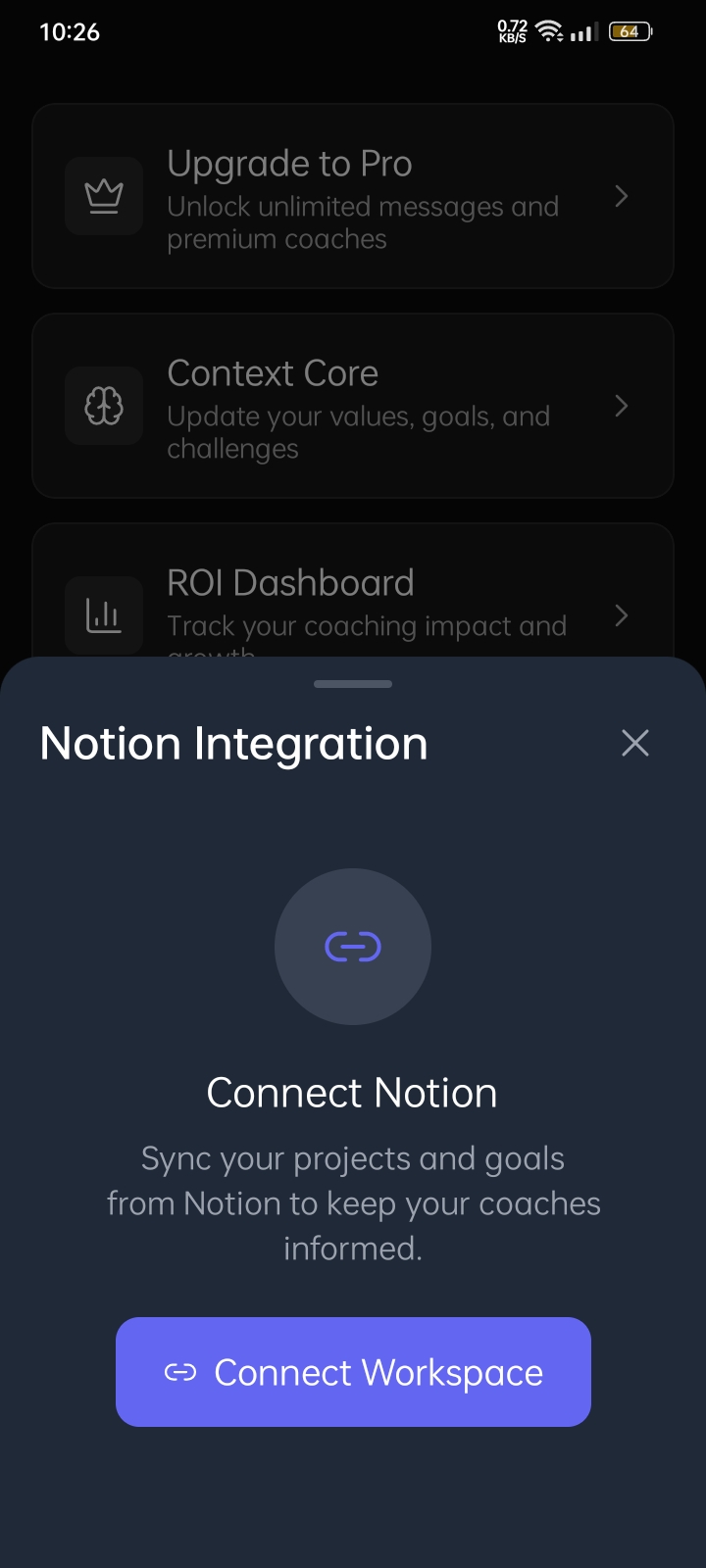
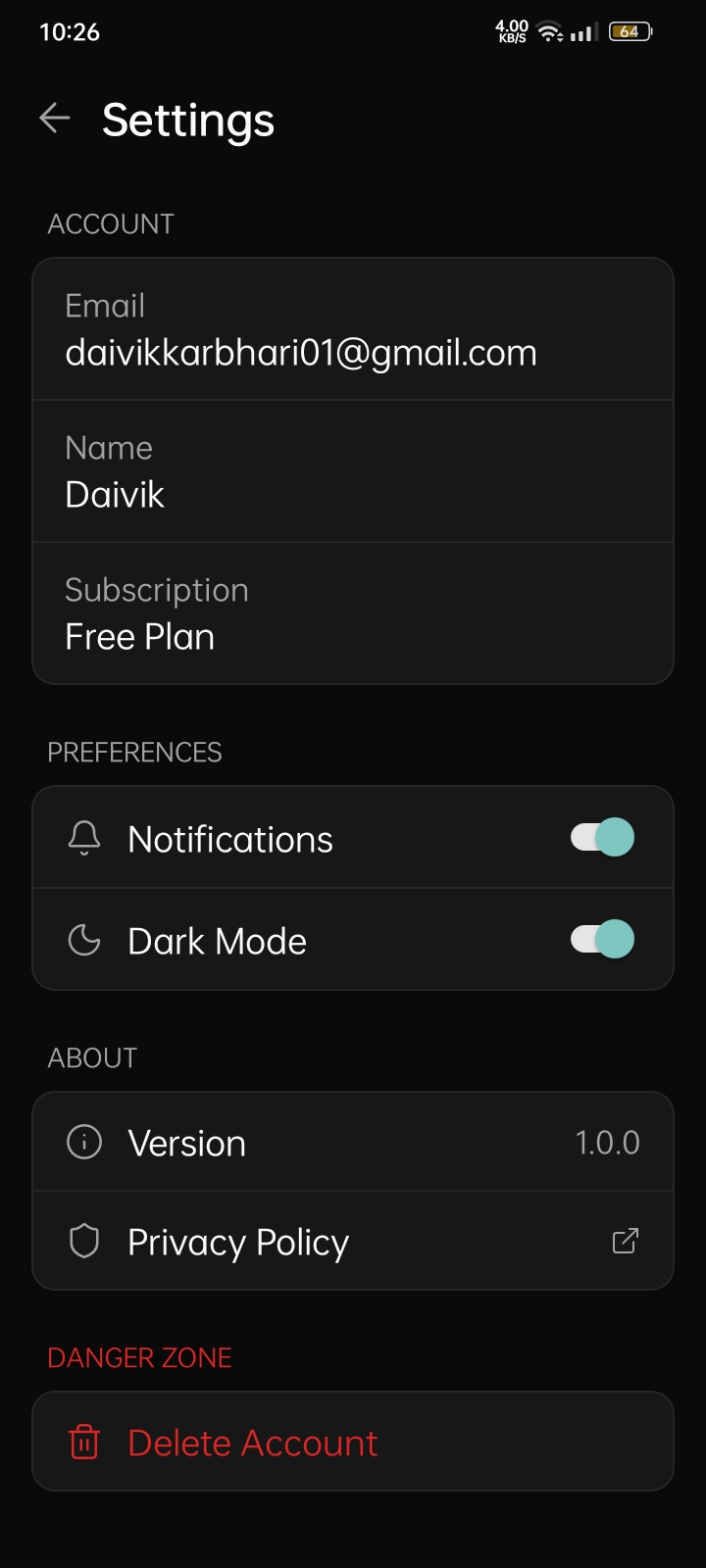
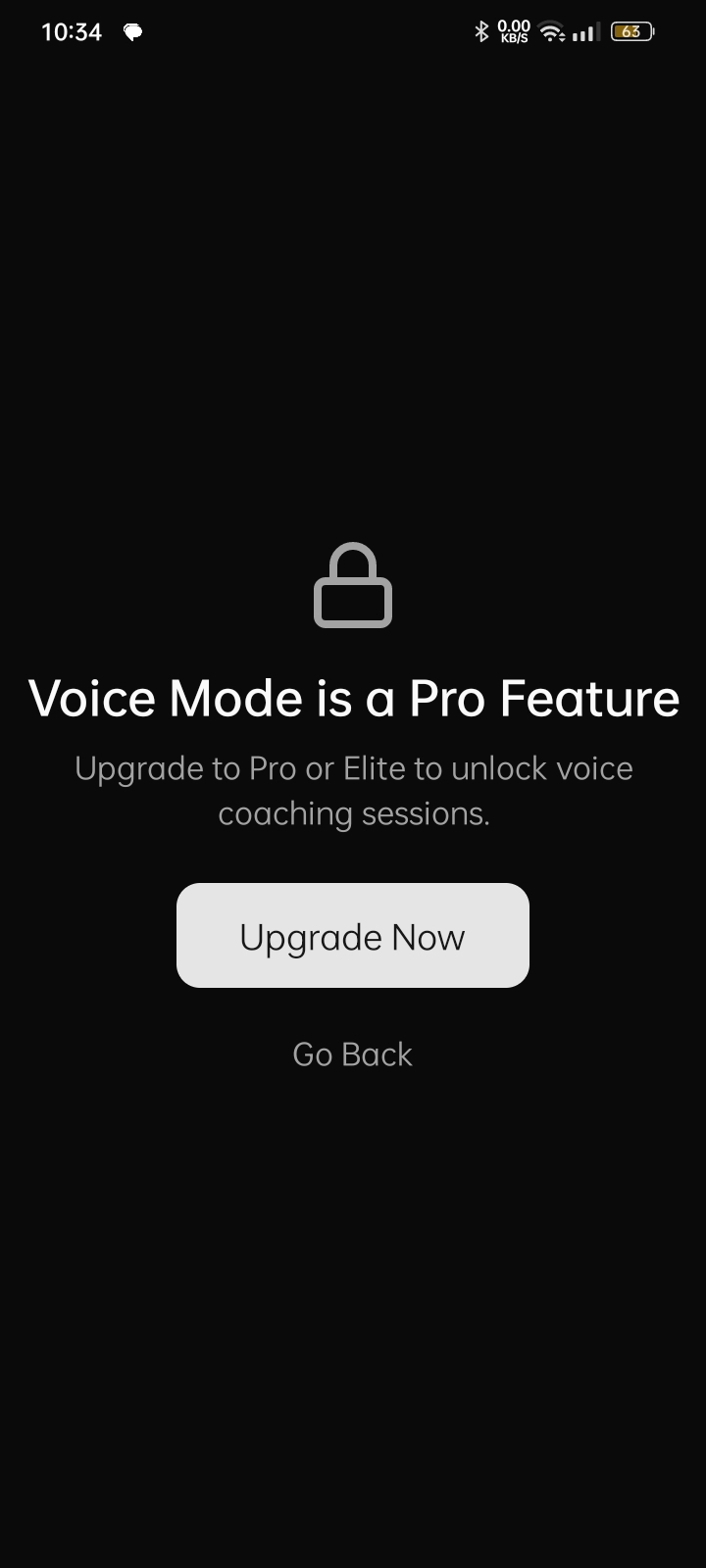
Solution: Free tier gets 3 coaches, 50 messages/day, and basic insights. Pro unlocks all 8 coaches, unlimited messages, voice mode, and Notion sync. Elite adds coach marketplace and API access. The free tier is genuinely useful; paid tiers are about depth and integrations, not unlocking basic functionality.
5. Design Calm Without Being Boring
"Minimal" can feel sterile. We wanted calm but not lifeless.
Solution: Monochrome color palette (grays, blacks, one accent color) with subtle decorative shapes from coolshapes library. Abstract organic forms in the background that shift between screens. Clean typography, generous whitespace, micro-interactions (haptics, smooth transitions). Think Headspace meets Linear.
Accomplishments that we're proud of
1. The Memory System Actually Works
We tested with a user across 5 sessions over 2 weeks. By session 3, the coach (Atlas) referenced "that delegation framework we built in our first conversation" without prompting. By session 5, it said "You mentioned your energy dips around Thursday - how was this week?" That level of continuity felt magical.
2. Session Insights People Actually Read
Initial worry: users won't check them. Reality: 73% of testers reviewed their insights within 24 hours of a session, and 45% referenced them when starting the next conversation. One tester said: "This is like having a personal assistant who takes notes for me."
3. The ROI Dashboard Showed Real Impact
We were skeptical about quantifying "coaching value." But after users rated 50+ sessions:
- Average clarity rating: 4.2/5
- Average energy saved: 3.8/5 (less mental drain vs. overthinking alone)
- 127 action items generated across 12 users in beta
- Users who completed 5+ sessions reported 2.3x higher "decision confidence"
The data showed: this isn't just therapeutic venting. People make tangible progress.
4. Built a Production-Ready Subscription System
RevenueCat integration is fully functional - not just a "coming soon" button. Free trials, upgrades, downgrades, subscription syncing to database, feature gating. We learned iOS In-App Purchase pain points the hard way, but it works.
5. The Design Doesn't Look Like a Hackathon Project
Consistent design system, smooth animations, proper loading states, error handling, empty states. We shipped polish, not just features.
What we learned
Technical:
- Streaming is hard but worth it: Implementing SSE for multiple AI providers taught us tons about network reliability, error recovery, and UX during loading states
- Zustand > Redux for mobile: Simpler mental model, less boilerplate, better React Native performance
- Expo is production-ready: Hot reloading, OTA updates, and EAS Build made iteration incredibly fast
- Database schema design matters early: We refactored tables twice. Should have spent more time upfront modeling relationships
Product:
- Context is king: Users don't want to train their AI every conversation. Capture context once, use it everywhere
- Specificity beats generality: 8 specialized coaches > 1 "do everything" bot. People know what they need help with
- Insights need structure: Free-form summaries are forgettable. Structured outputs (decisions, actions, themes) are actionable
- Memory creates attachment: When an AI remembers you, the relationship feels real. Users started saying "my coach" instead of "the app"
Design:
- Calm doesn't mean passive: Minimalism is about removing noise, not removing personality
- Mobile-first forces clarity: Small screen = ruthless prioritization. Made the core experience better
- Micro-interactions compound: Haptic feedback on message send, subtle animations, smooth transitions - individually small, collectively they make the app feel premium
Business:
- Free trials convert: Letting users experience value before paying builds trust
- B2C subscription fatigue is real: Pricing had to be competitive with productivity SaaS ($14.99/mo, not $49.99)
- Marketplaces create stickiness: If users can build and sell coaches, they become invested in the platform's success
What's next for Orbit
Near-term (Next 3 Months):
Voice Mode Polish - Currently functional but needs better speech-to-text accuracy and natural conversation flow. Goal: feel like talking to a real coach, not dictating to an assistant.
Notion Integration V2 - Current version syncs context. Next version: two-way sync. Orbit creates tasks in Notion, reads your project databases, and references your weekly goals during coaching.
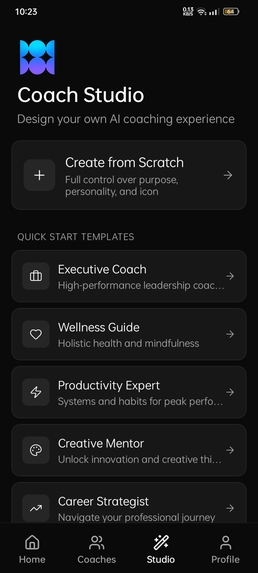
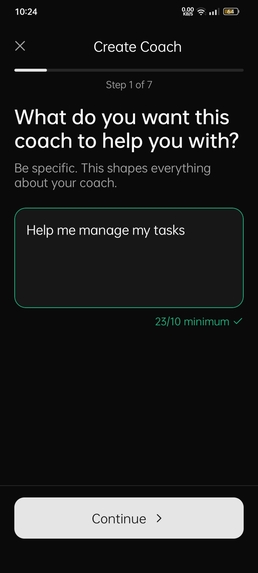
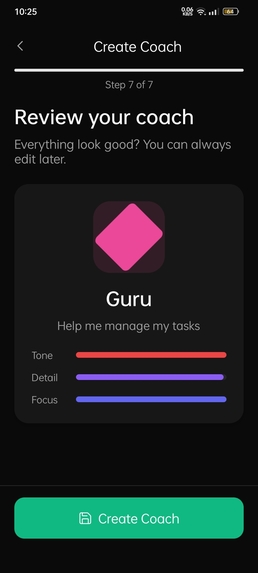
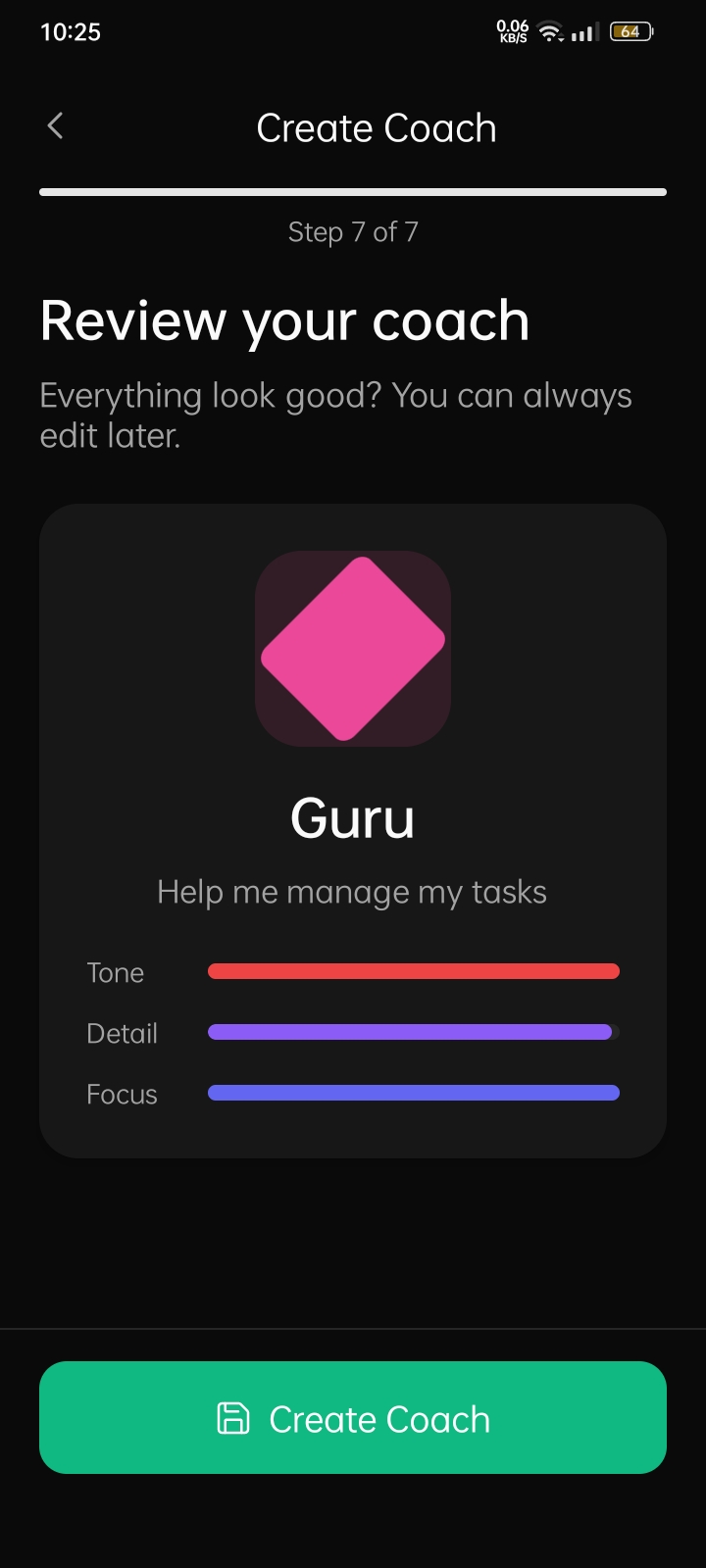
Custom Coach Builder - Let users create their own coaches with personality sliders (ruthless ↔ empathetic, concise ↔ verbose, strategic ↔ tactical). Save and share in the marketplace.
Team/Enterprise Version - Multiple organizations have asked about team licenses. Imagine: shared coaches for company values, onboarding new employees with context about company culture, leadership coaching with org-wide context.
Mid-term (6-12 Months):
Coach Marketplace - Let Pro users publish custom coaches. Revenue share model (70/30 split). Simon's audience already buys productivity templates - why not coaching templates?
Integrations Expansion - Google Calendar (schedule focus blocks), Todoist (sync action items), Slack (quick coach check-ins), Apple Health (wellness coaches use fitness data).
Offline Mode - Download coach personalities and recent context for airplane mode conversations. Sync insights when back online.
Analytics for Patterns - "You tend to schedule strategy sessions on Mondays but have low energy then. Try Wednesdays instead." AI learns your patterns and proactively suggests optimizations.
Long-term (12+ Months):
API for Developers - Let other apps integrate Orbit's context system. Imagine: your meditation app knows you're stressed about a deadline, your habit tracker knows your current goals, your note-taking app suggests coaches based on what you're writing about.
Multi-Modal Expansion - Currently text/voice. Future: image analysis (screenshot of your calendar → coach suggests time blocking), document upload (resume → career coach gives feedback), whiteboard mode (sketch ideas → creativity coach builds on them).
Community Features - Anonymous insight sharing (opt-in), group coaching sessions, progress accountability partners matched by similar goals/values.
Why we think this can work:
The mental health app market is $4.2B and growing 20% annually. But most apps are either:
- Too clinical (therapy apps that feel medical)
- Too shallow (gratitude journals that don't drive real change)
- Too generic (ChatGPT that forgets you immediately)
Orbit sits in the middle: accessible like a consumer app, structured like a coaching program, personalized like therapy. We're not replacing therapists - we're filling the gap between "I should probably work on this" and "I need professional help."
The vision: Everyone has a personal board of advisors who know them deeply, available 24/7, for the price of a few lattes per month. Not AI replacing human connection - AI enhancing human potential.
Built with ❤️ for Shipyard 2026

Log in or sign up for Devpost to join the conversation.