-
-
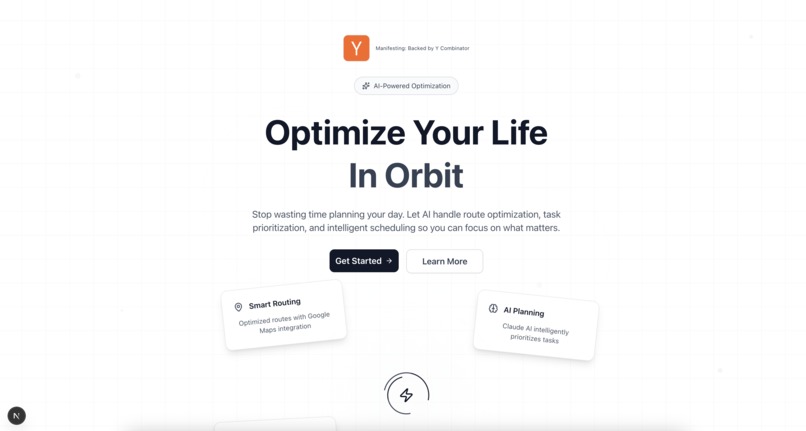
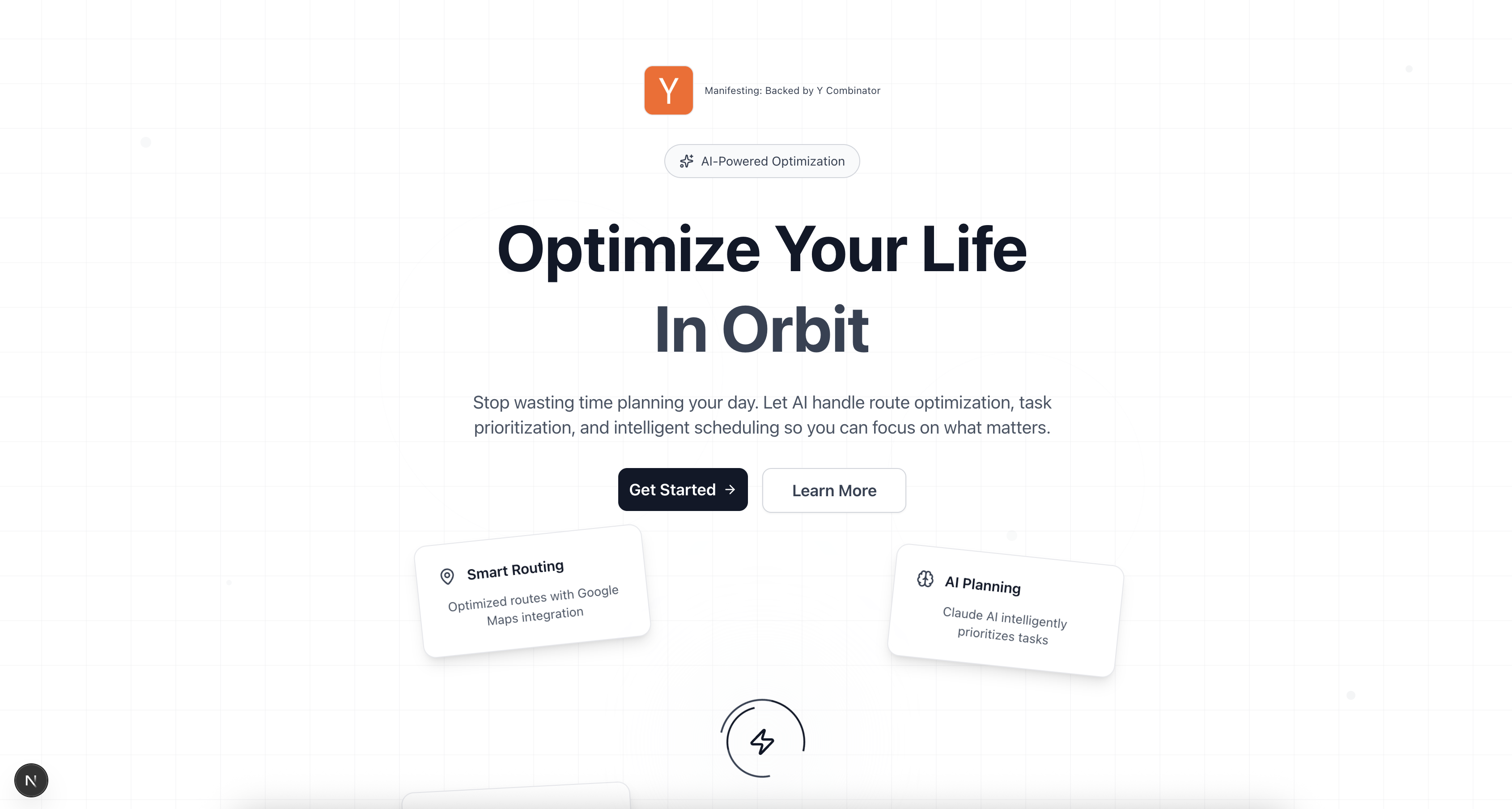
Landing Page
-
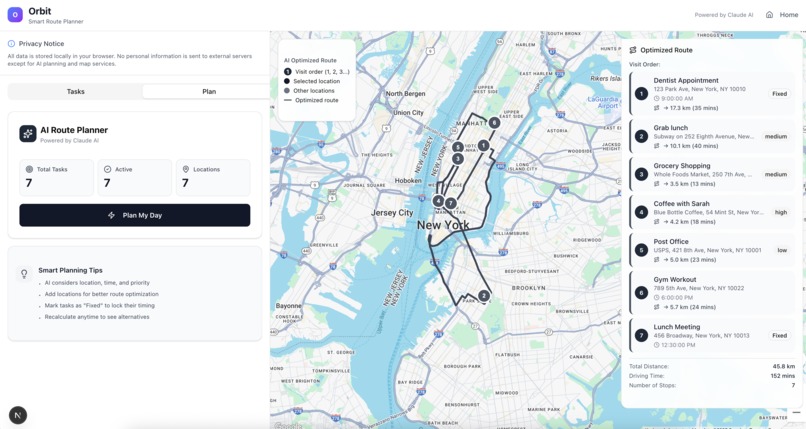
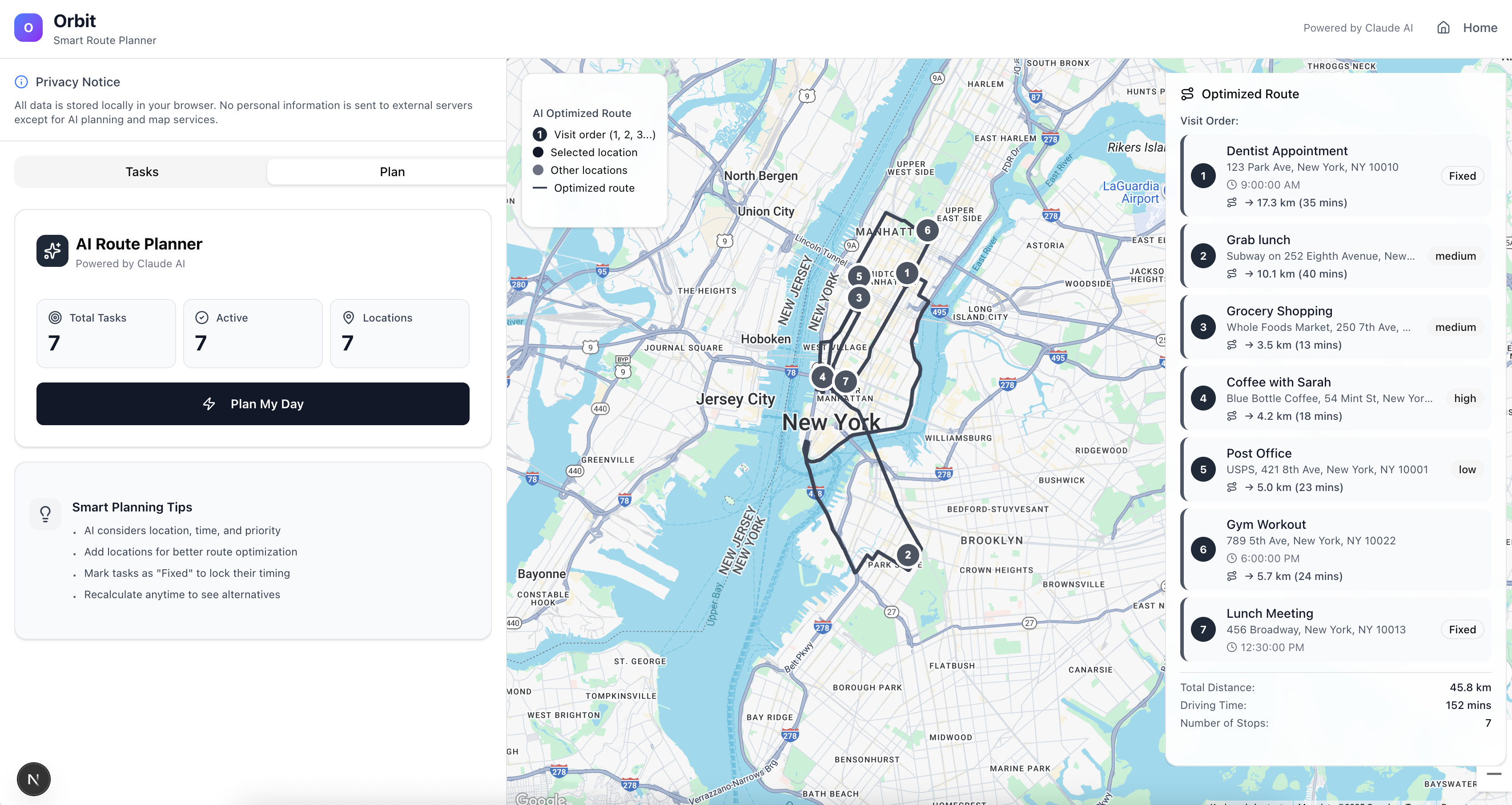
Ai planning the Optmised route
-
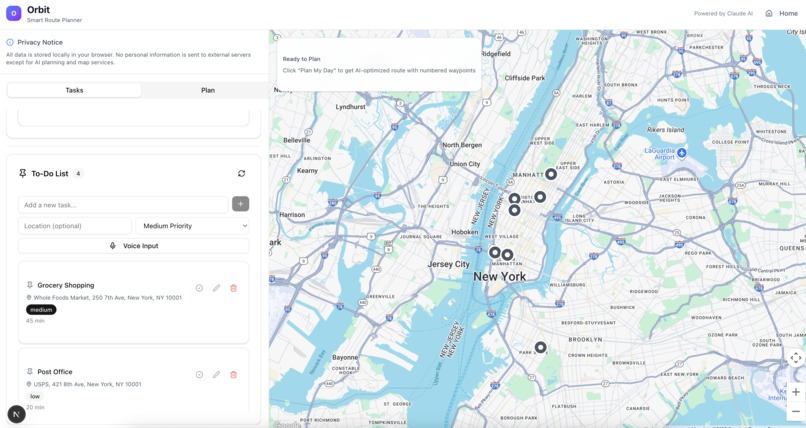
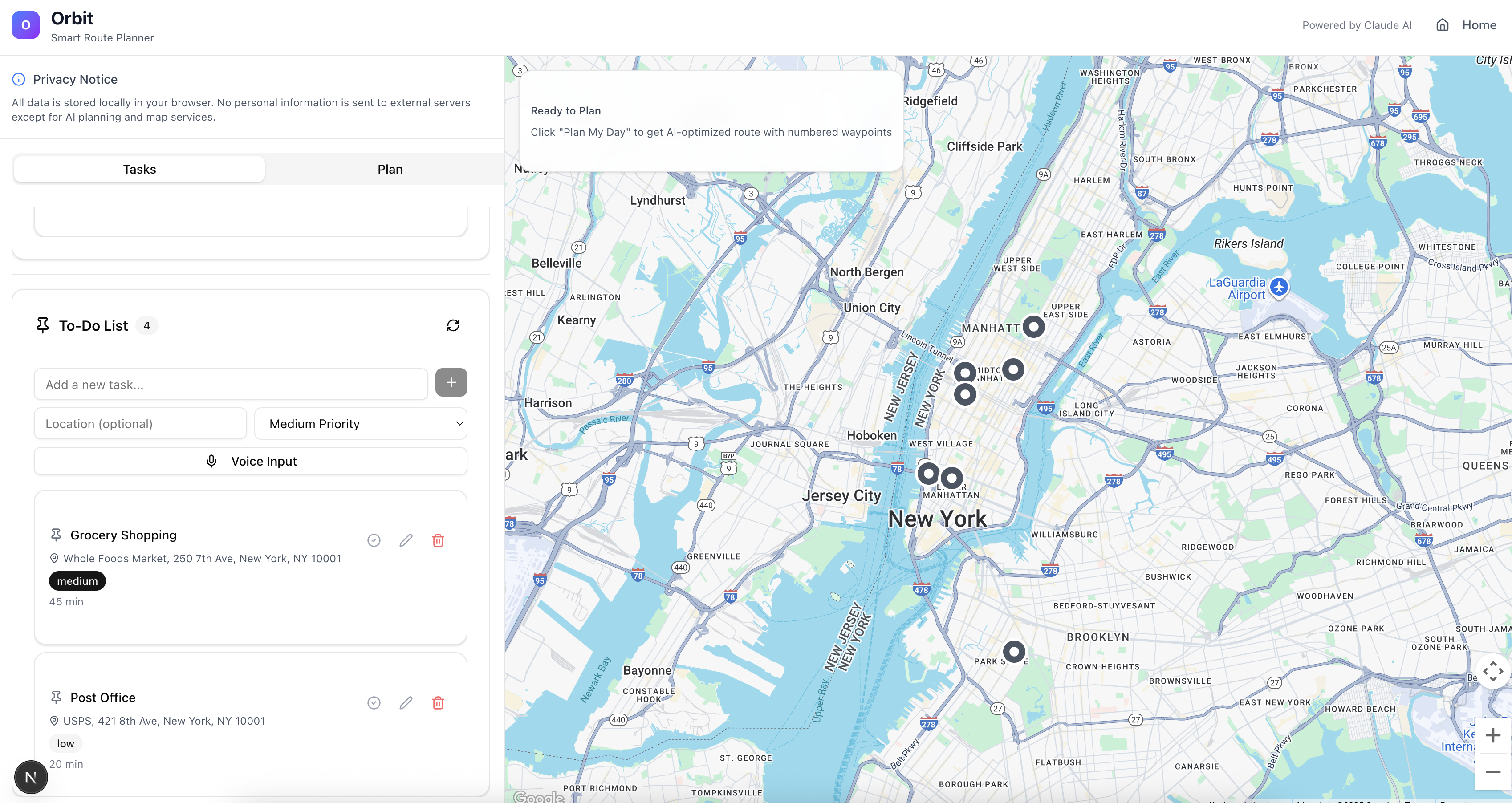
Dashboard with Calendar sync and todos
-
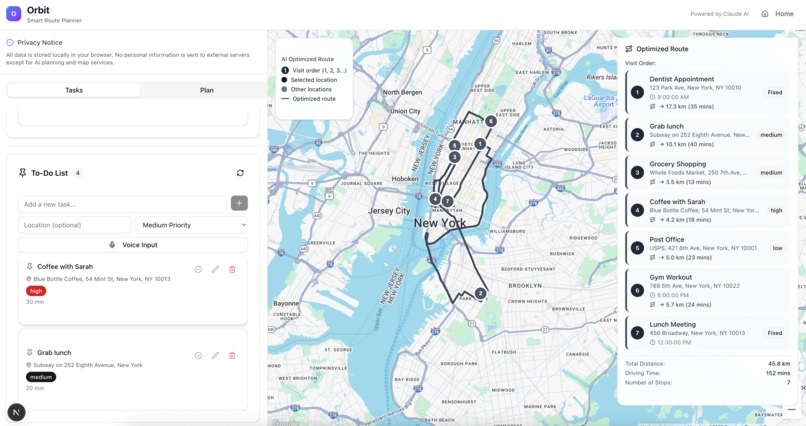
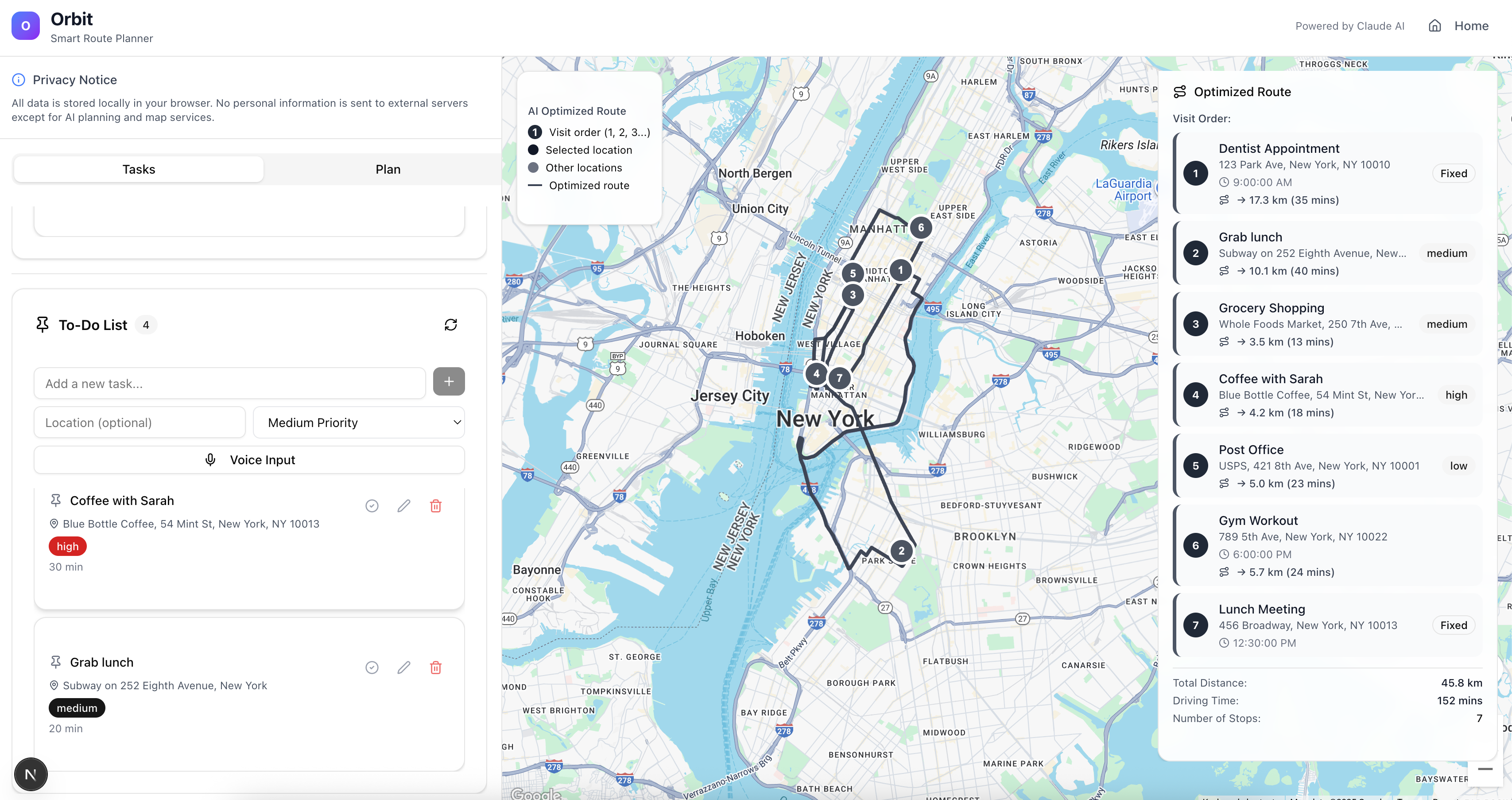
Optimised Path
Orbit: AI-Powered Daily Route Optimization
Inspiration
The inspiration for Orbit came from a simple frustration we all face daily: wasting time planning our day. Whether it's figuring out the optimal order to run errands, scheduling meetings around travel time, or coordinating multiple tasks across different locations, manual planning is inefficient and time-consuming.
The vision was to create something as simple as adding tasks and locations, then letting AI handle the rest - from intelligent prioritization to actual driving route optimization using real Google Maps data.
What We Learned
Technical Insights
- Google Routes API v2 provides incredibly detailed route data with actual driving distances, traffic-aware routing, and precise polyline data
- Claude AI excels at understanding context and constraints when planning tasks, considering factors like priority, location proximity, and time dependencies
- Voice input integration with Deepgram + Claude creates a seamless natural language interface for task creation
- GeoJSON LineString format provides the most accurate polyline rendering for complex routes
How We Built It
Architecture
Frontend: Next.js 16 with React 19, Tailwind CSS, and shadcn/ui components Maps: Google Maps JavaScript API with Routes API v2 integration AI: Anthropic Claude API for intelligent task planning and voice parsing Voice: Deepgram Speech-to-Text API for natural language input Storage: Browser session storage
Key Features Built
Smart Task Management
- Voice input with AI parsing (Deepgram → Claude)
- Location-aware task creation
- Priority and duration settings
AI Route Planning
- Claude AI analyzes tasks and creates optimal visit order
- Considers location proximity, priorities, and time constraints
- Provides reasoning for planning decisions
Real Driving Routes
- Google Routes API v2 for accurate driving distances
- Traffic-aware routing with
TRAFFIC_AWARE_OPTIMAL - GeoJSON LineString polylines for precise route visualization
- Individual leg-by-leg route breakdown
Interactive Map Visualization
- Real-time route rendering with numbered waypoints
- Detailed route statistics (distance, duration, stops)
- Responsive design with mobile support
Challenges We Faced
1. Google Routes API Migration
Challenge: Migrating from Directions API to Routes API v2 required complete restructuring of request/response handling.
Solution:
- Implemented geocoding preprocessing to convert addresses to coordinates
- Updated field names (
waypoints→intermediates) - Handled GeoJSON LineString format conversion
- Added comprehensive error handling for API limitations
2. Polyline Rendering Complexity
Challenge: Routes API returns polylines in different formats (encoded strings vs GeoJSON arrays), causing rendering issues.
Solution:
- Created robust polyline detection and conversion logic
- Implemented fallback rendering for different data formats
- Added extensive debugging logs to trace data flow
- Ensured coordinate format consistency (
[lng, lat]→{lat, lng})
3. Real-time Map Updates
Challenge: New tasks weren't appearing on the map until page refresh.
Solution:
- Implemented proper state management with
onItemAddcallbacks - Created reactive map updates triggered by task changes
- Added loading states and error handling for async operations
4. Voice Input Integration
Challenge: Converting speech to structured task data required multiple API calls and error handling.
Solution:
- Built a pipeline: Deepgram (speech → text) → Claude (text → structured data)
- Added loading states for each step
- Implemented fallback mechanisms for API failures
- Created intuitive UI feedback for voice input status
5. Performance Optimization
Challenge: Multiple API calls and complex route calculations could cause UI lag.
Solution:
- Implemented React
useMemofor expensive calculations - Added loading states and skeleton screens
- Optimized API calls with proper error boundaries
- Used session storage for data persistence
Impact
Orbit transforms daily planning from a time-consuming manual process into an intelligent, automated system. Users can:
- Save 2-3 hours per week on route planning and task organization
- Reduce travel time by 15-25% through AI-optimized routing
- Focus on execution rather than planning
- Make data-driven decisions about task prioritization
Built with ❤️ for the calhacks. Stop planning. Start optimizing.
Built With
- claude
- deepgram
- geocoding
- google-maps
- react


Log in or sign up for Devpost to join the conversation.