Inspiration
The idea for Orbisol was born out of a growing concern for the safety and sustainability of space missions. As space becomes more accessible, the risk posed by orbital debris has never been higher. We realized that existing solutions were insufficient for the complex and dynamic nature of space debris and decided to take matters into our own hands.
What it does
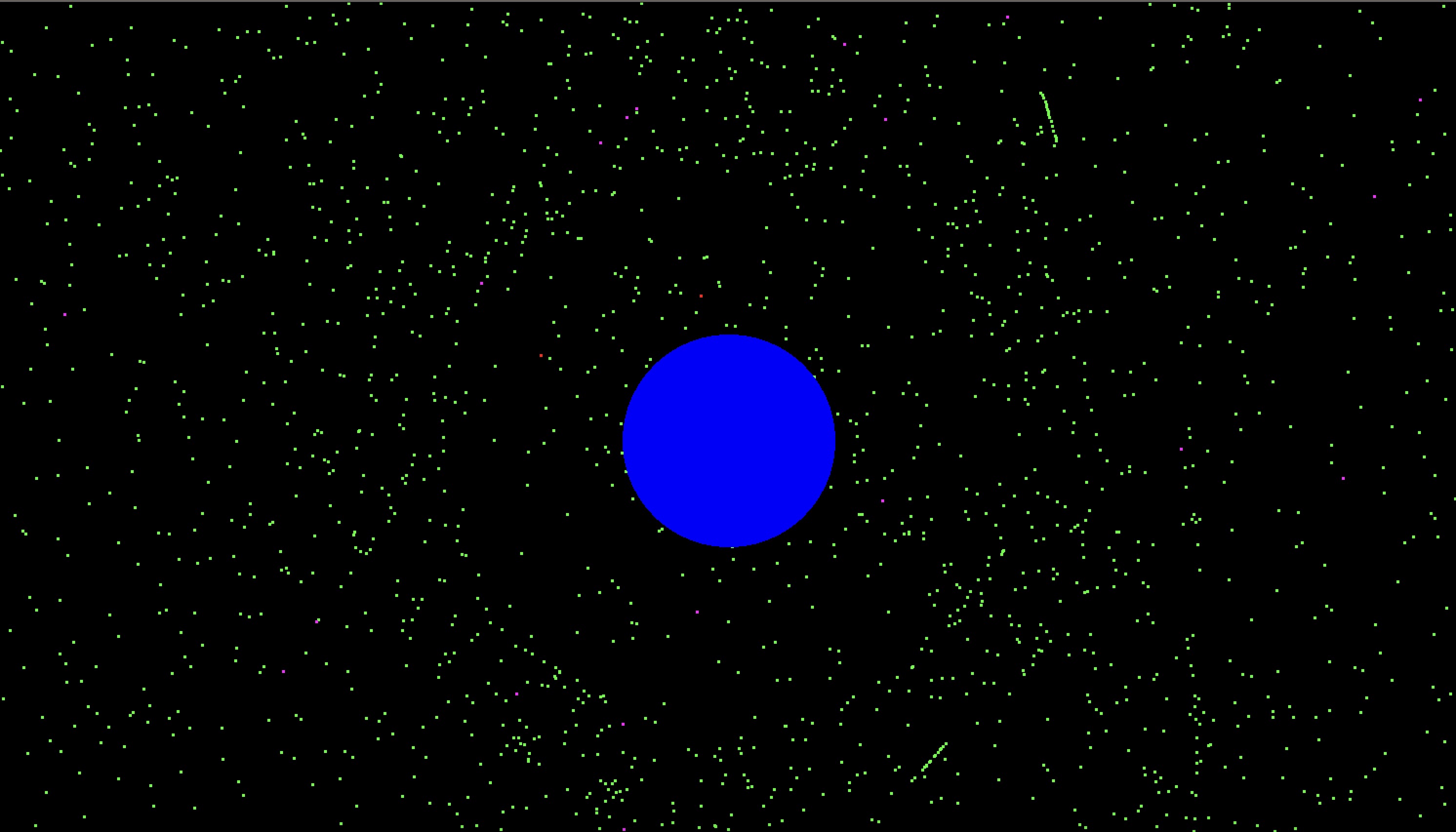
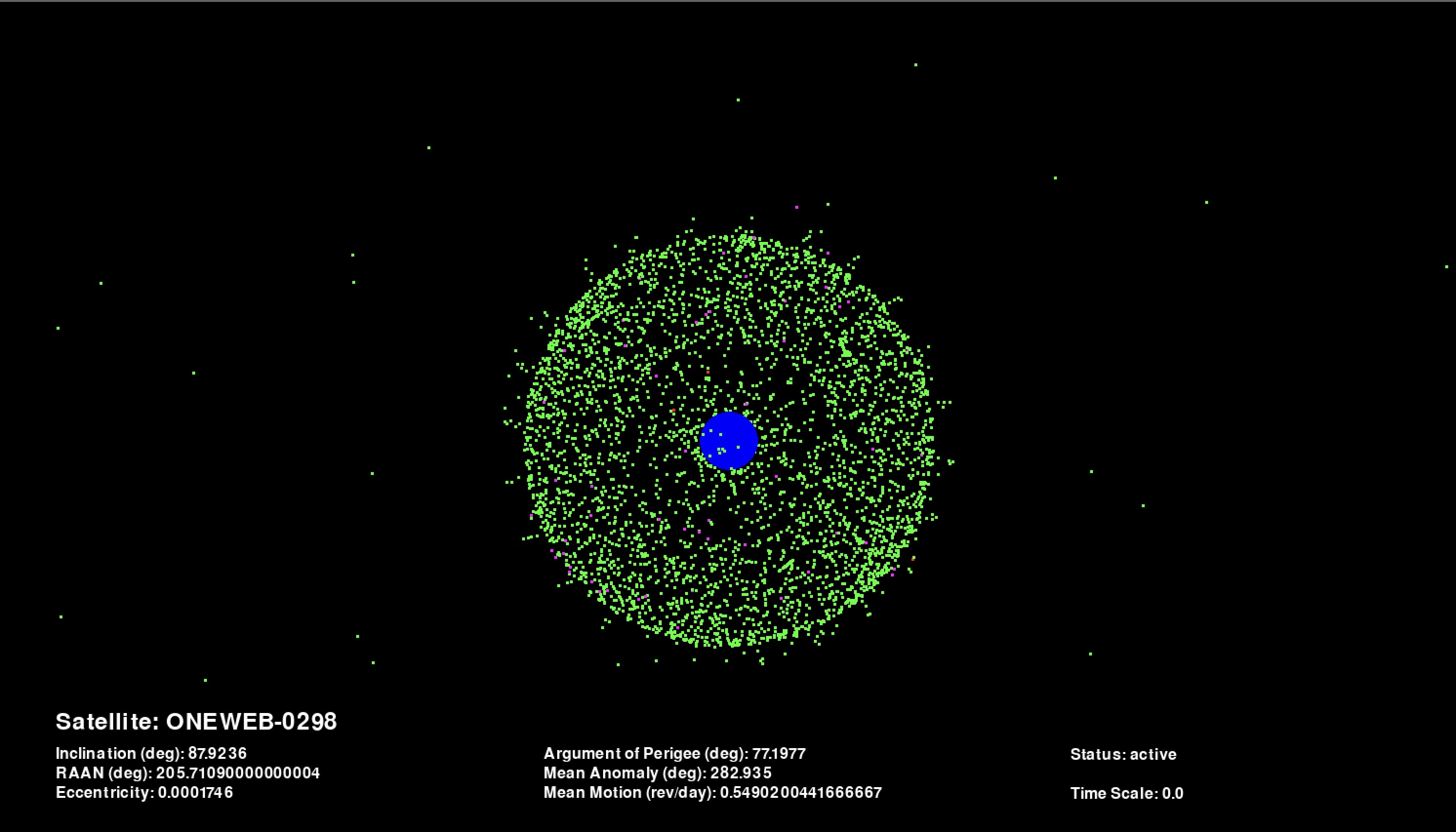
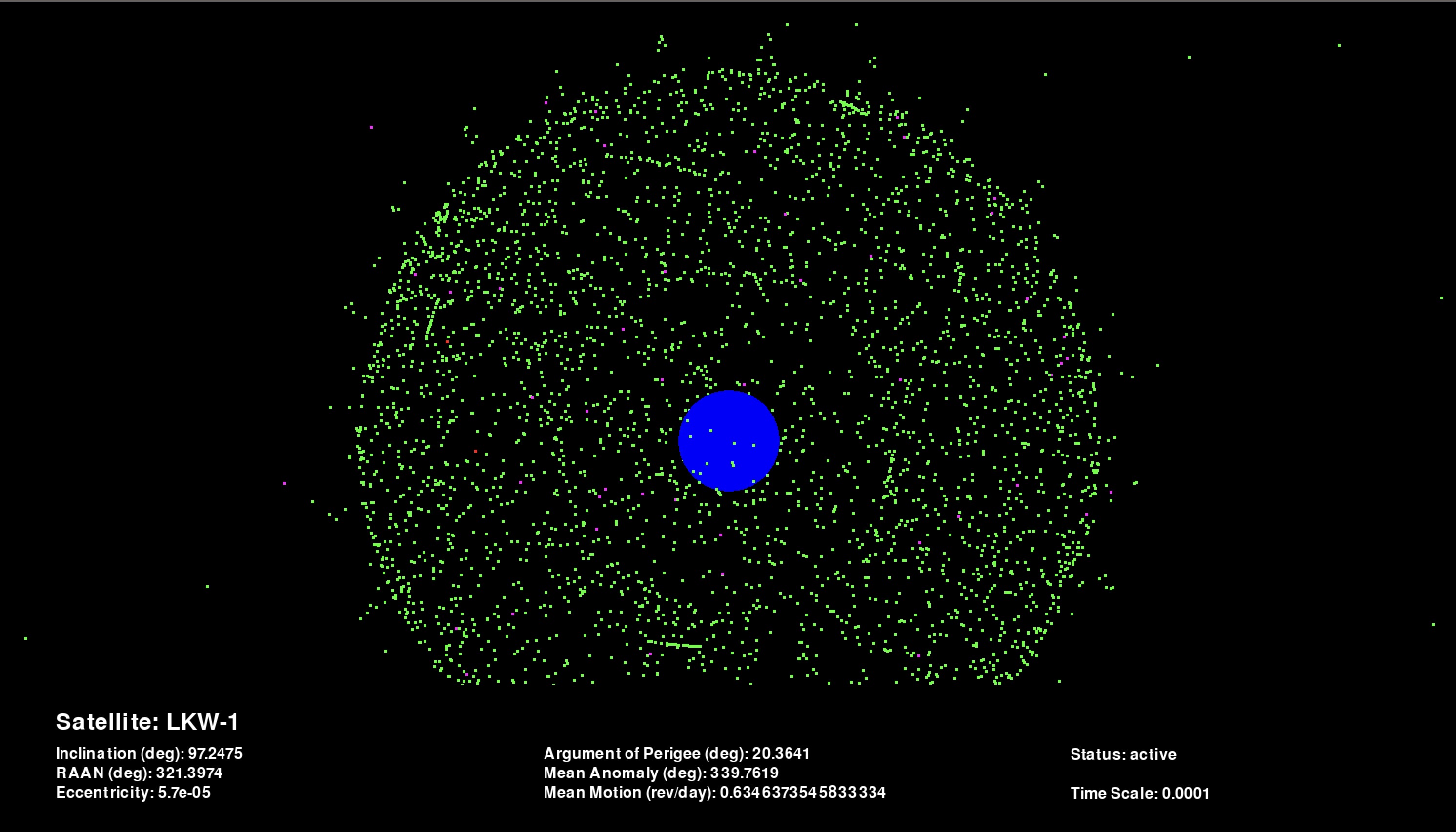
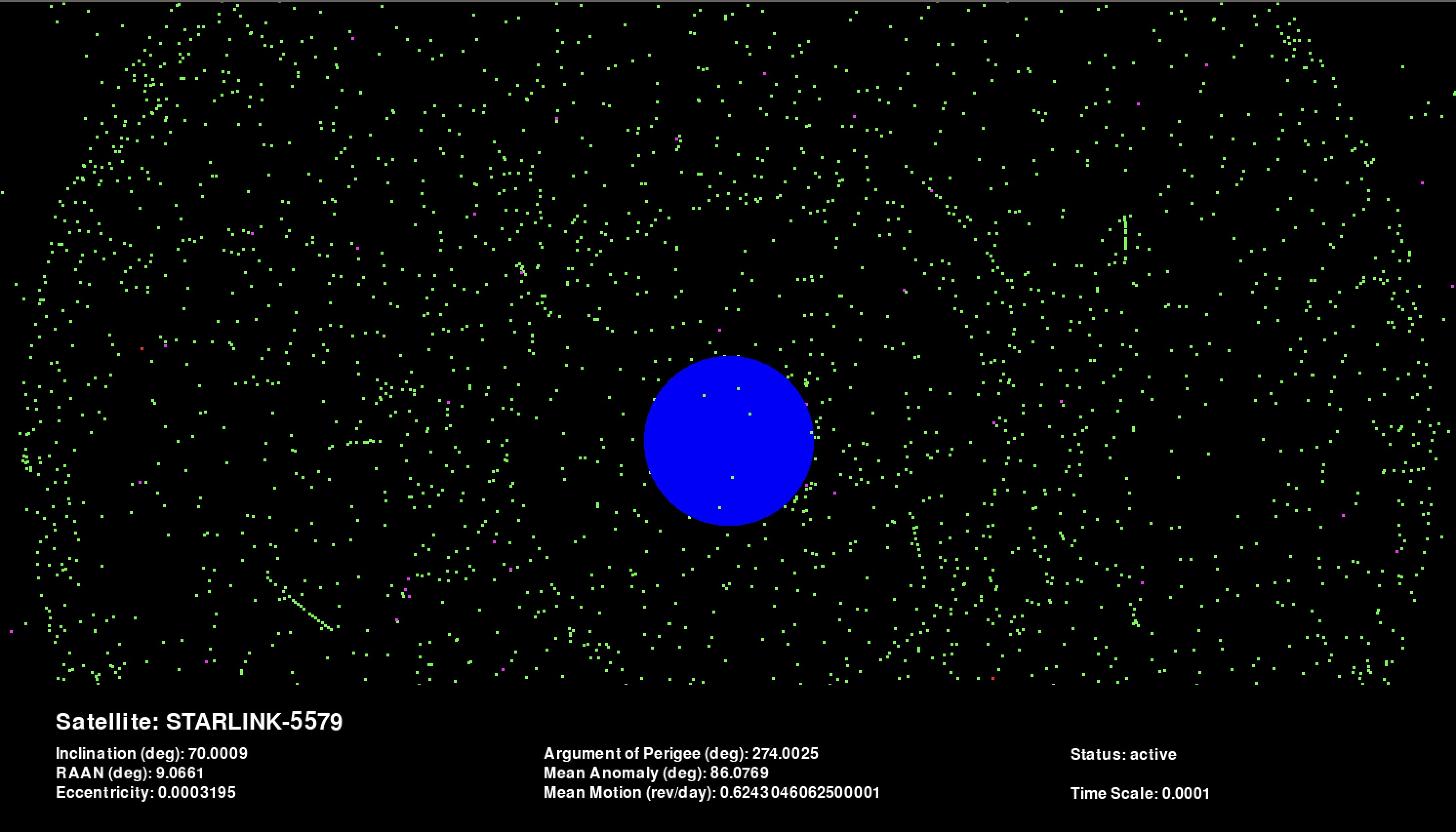
Orbisol is a specialized platform for orbital debris tracking and risk assessment. It provides real-time data and analytics to safeguard both manned and unmanned space missions. The platform helps in understanding the immediate risks associated with specific debris and informs decision-making for evasive maneuvers or mission planning.
How we built it
Leveraging a diverse skill set within our team, we tackled the project from multiple angles:
- Mathematics & Functional Programming: Used to track orbits and perform complex calculations necessary for accurate debris tracking.
- Data Structure Design & Optimization: Implemented Octrees to efficiently handle and query the massive dataset involved in space debris tracking. We combined these elements to create a robust, scalable, and highly accurate tracking system.
Challenges we ran into
- Data Volume: The sheer amount of data involved was overwhelming initially.
- Real-Time Requirements: Ensuring real-time analytics and tracking capabilities presented a technical hurdle.
- Mathematical Complexity: The calculations required for accurate orbit prediction were mathematically intensive and demanded a high level of precision.
Accomplishments that we're proud of
- Real-Time Analytics: Achieving real-time capabilities for such a complex system.
- Accuracy: Our mathematical models and algorithms have proven to be highly accurate in simulations.
- Optimized Performance: Utilizing Octrees led to significant performance gains in data querying and manipulation.
What we learned
- Teamwork: The value of a diverse skill set in solving complex problems.
- Technical Skills: Gained deep insights into orbital mechanics, data structures, and real-time analytics.
- Project Management: Learned the importance of setting milestones and adapting to challenges quickly.
What's next for Orbisol
- Expansion: Adding more features like collision prediction and AI-based risk assesments.
- Partnerships: Collaborate with space agencies and private companies to integrate Orbisol into existing infrastructures.
- Public Awareness: Educate the public and stakeholders about the importance of orbital debris management and how Orbisol can be a part of the solution.


Log in or sign up for Devpost to join the conversation.