-
-
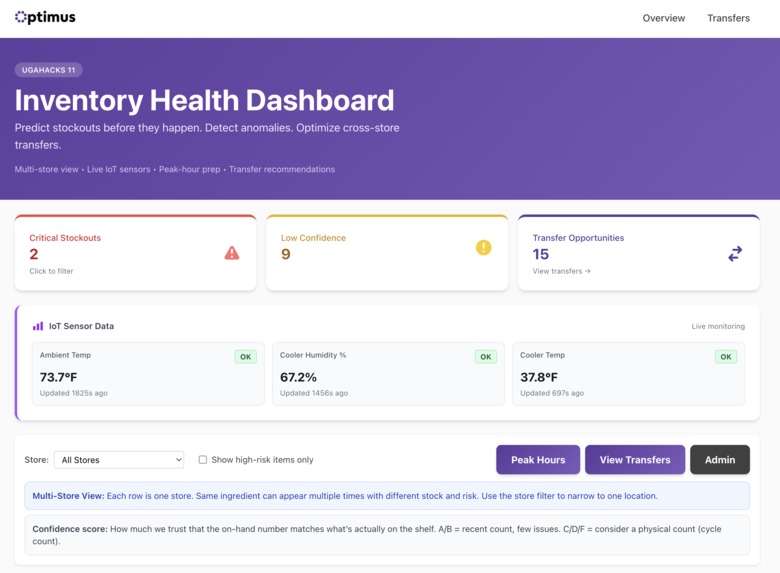
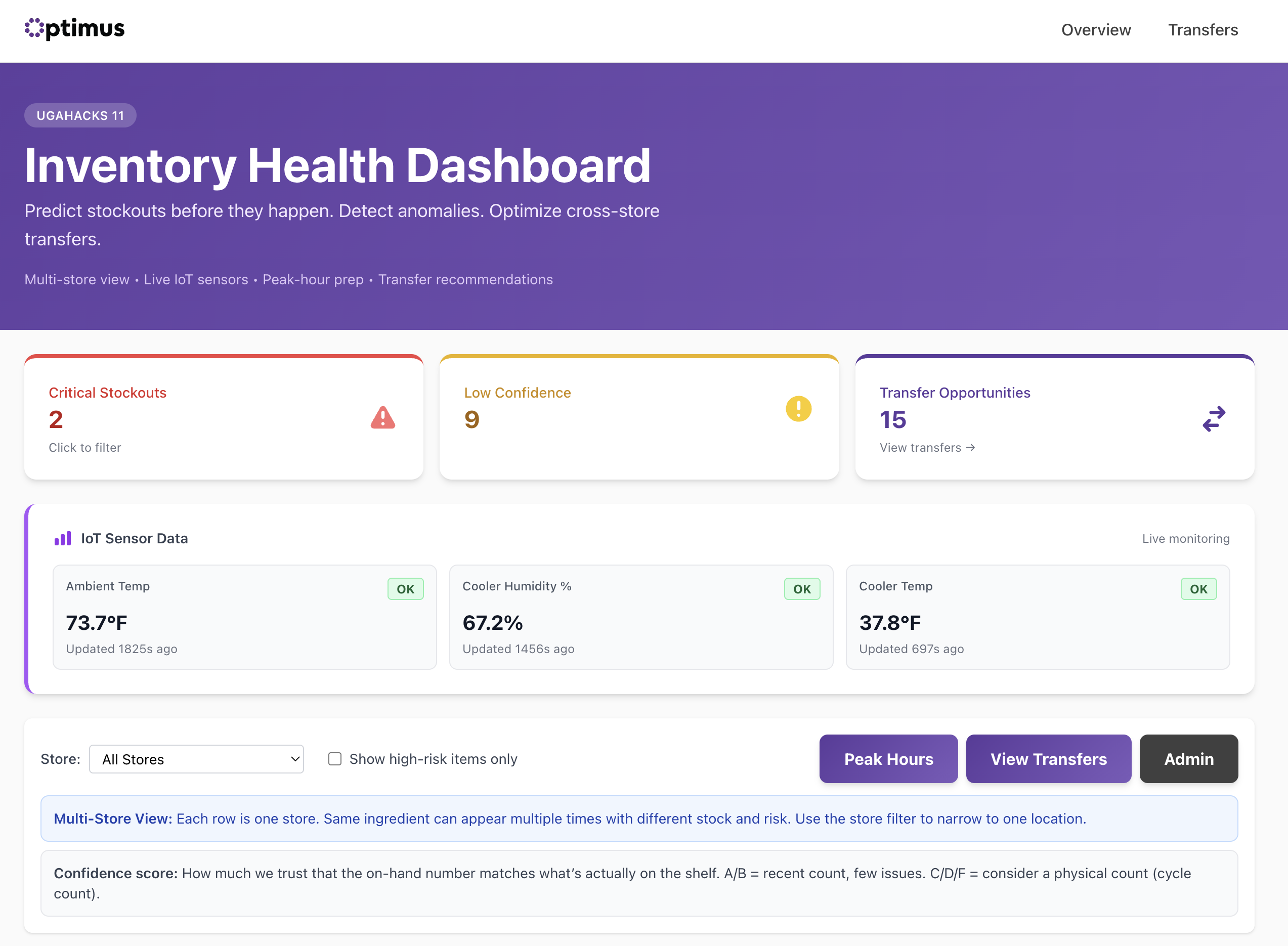
Homepage
-
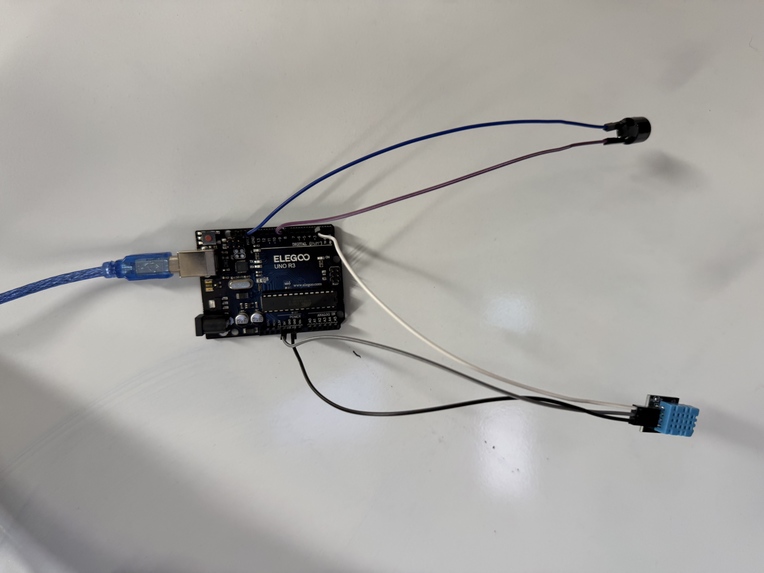
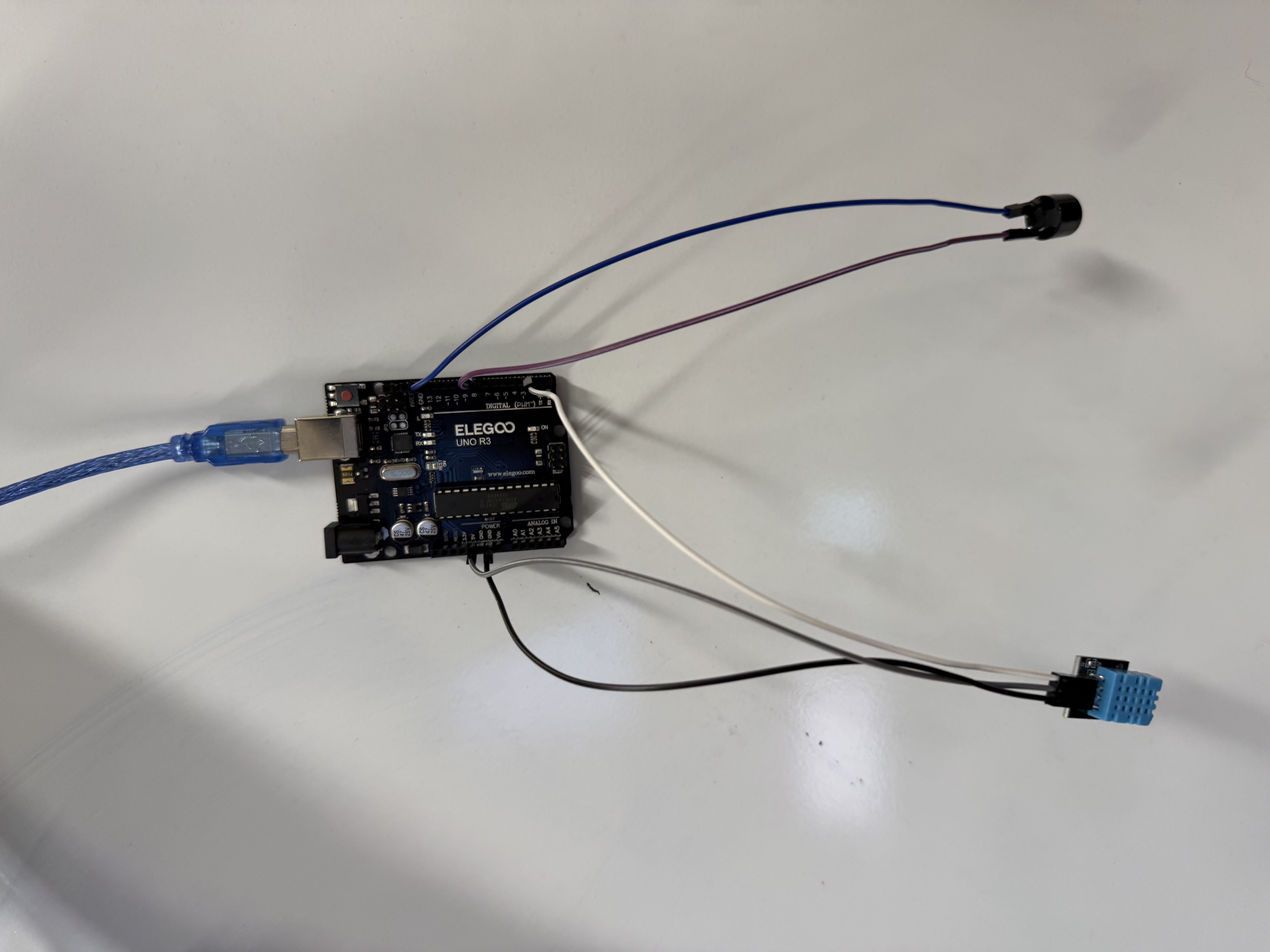
Arduino
-
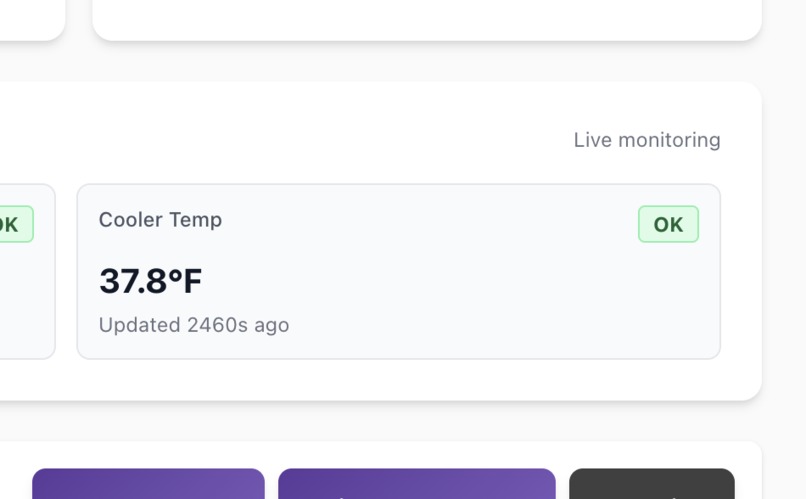
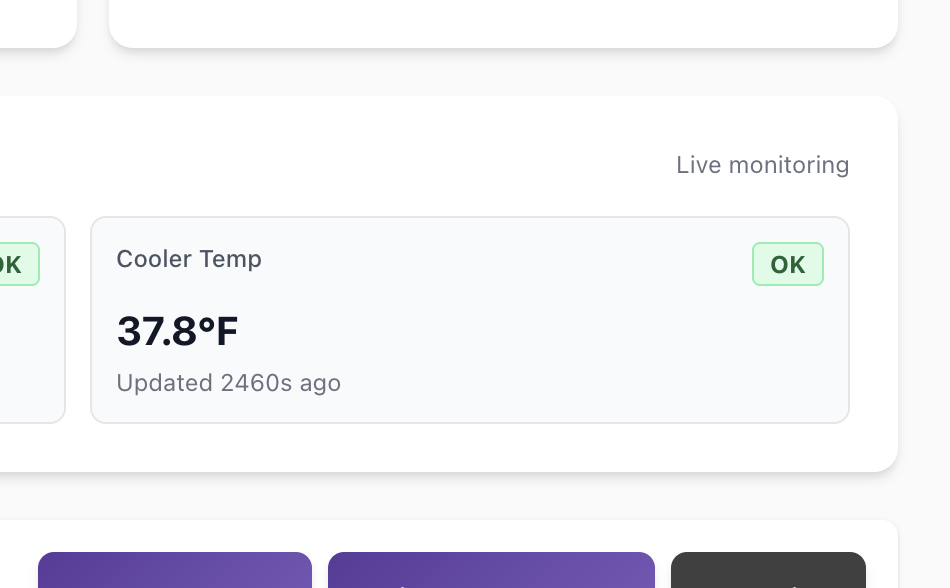
Live Temperature Sensor
-
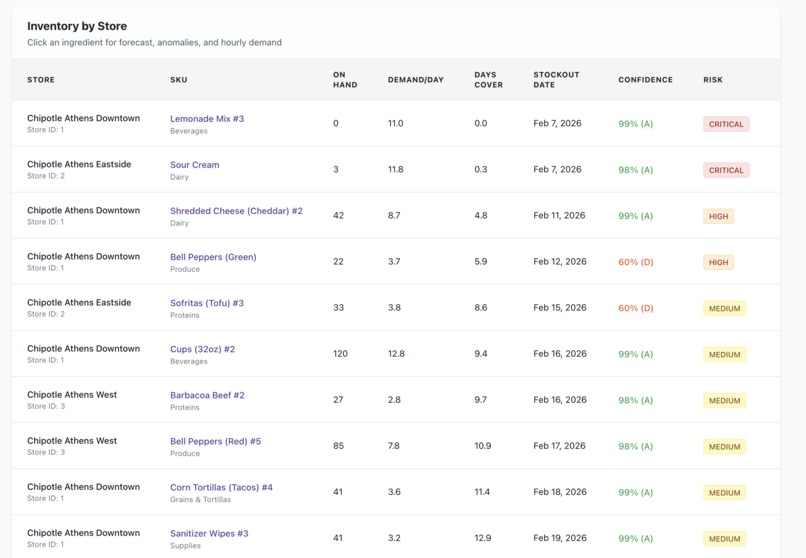
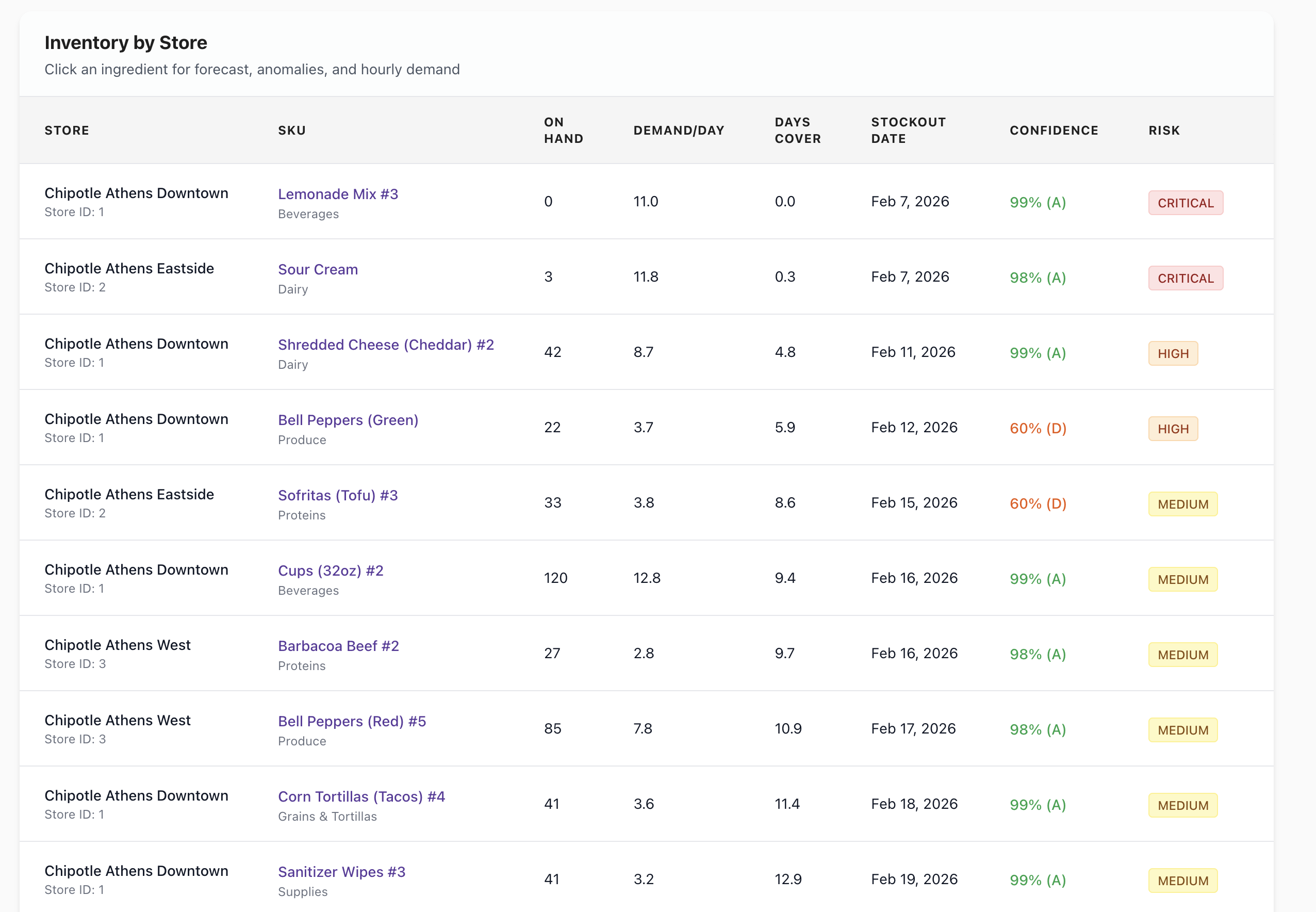
Database
-
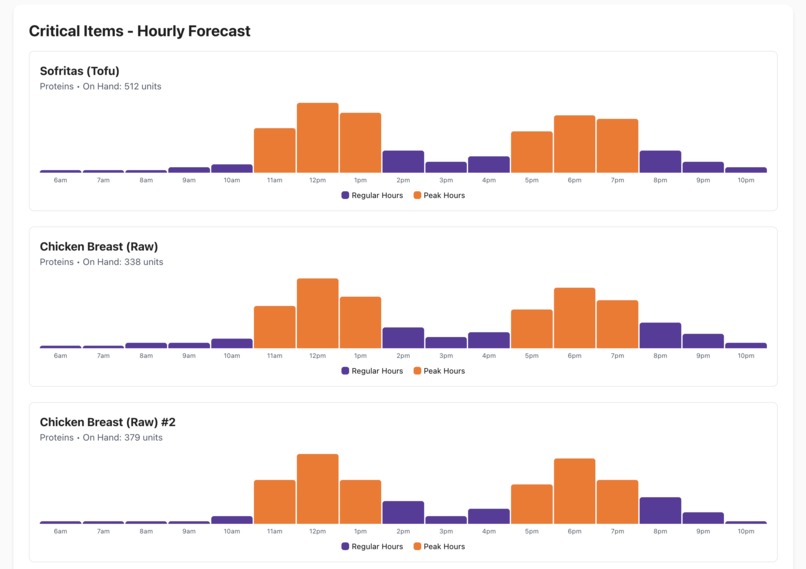
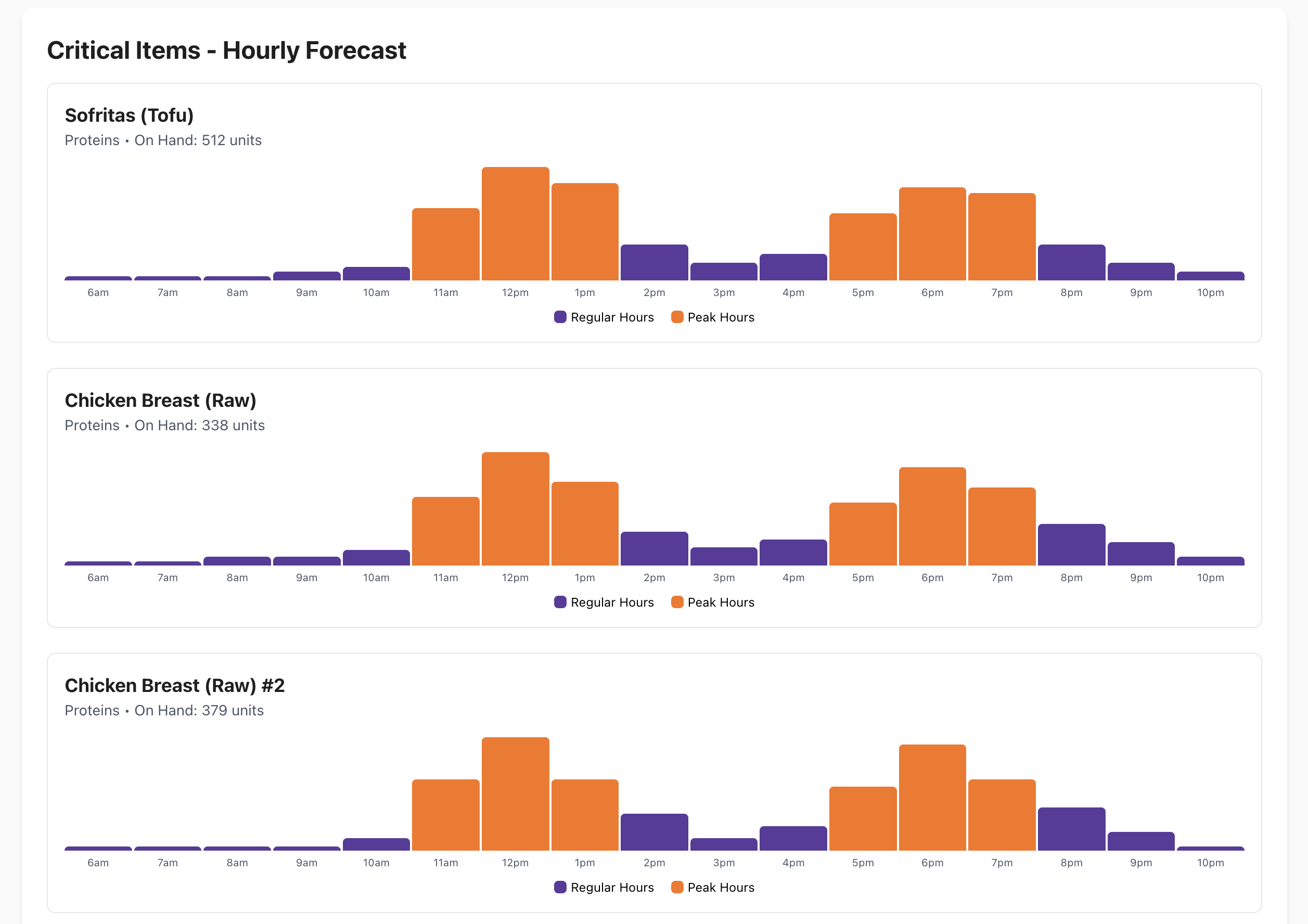
Charts
-
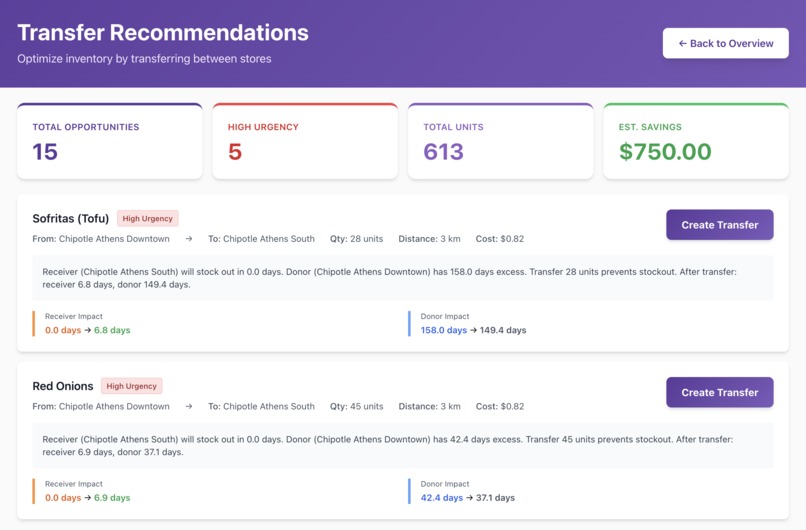
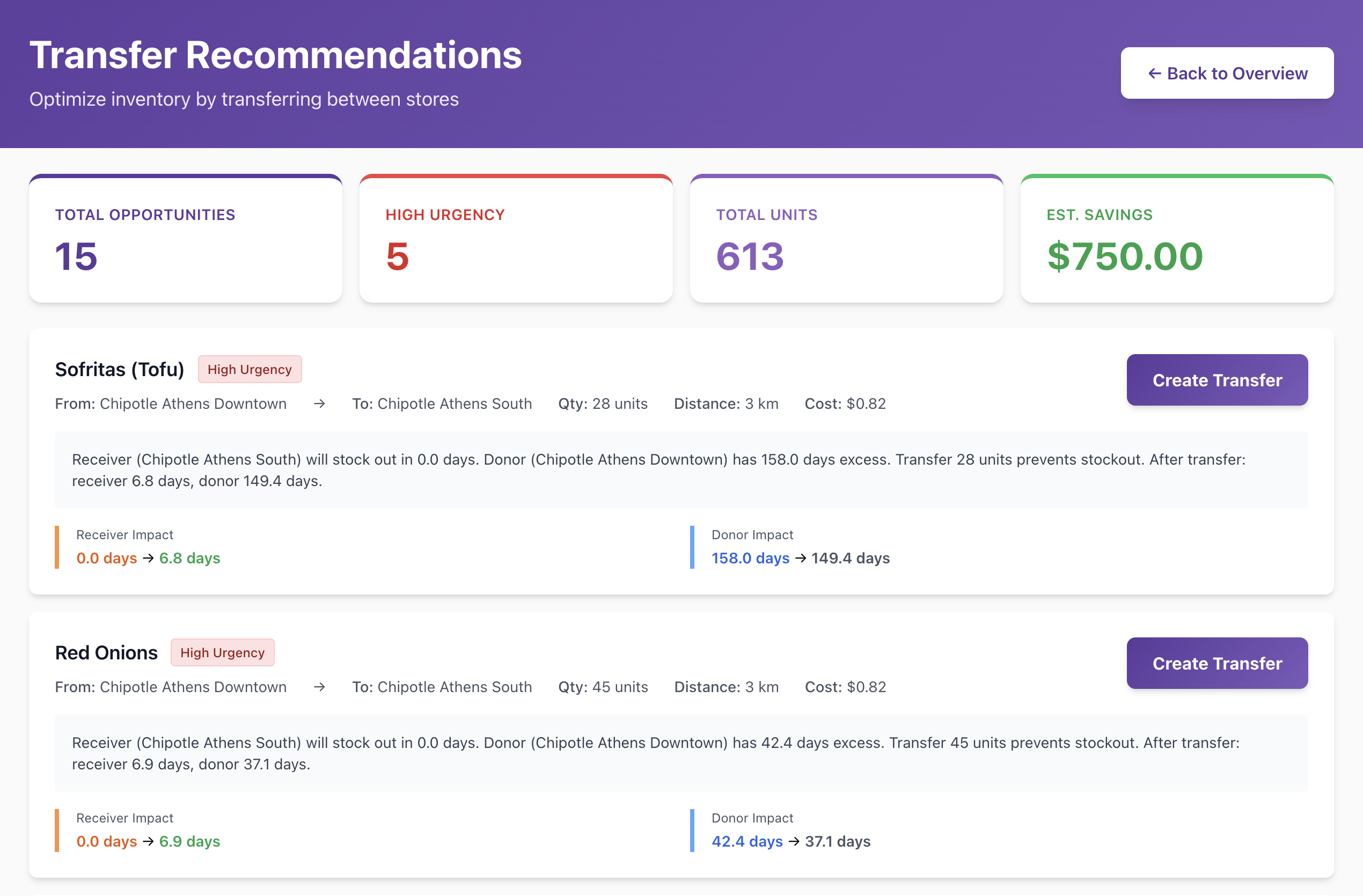
Transfers
Optimus helps restaurants stop running out of ingredients at the worst times. As UGA students, we see Bolton and O-House dining halls throw away tons of food while running out of popular items during lunch rush. You know the drill: menu items unavailable because nobody realized the tomatoes were running low, or inventory numbers that just don't add up because of mis-scans and forgotten deliveries.
We built a dashboard that actually helps. It tells you when you'll run out of each ingredient based on how fast you're using it, flags weird drops in stock, gives each inventory count a trust score (A through F) so you know what to double-check, suggests moving surplus from stores with extra to stores running low, and predicts your busiest hours so you can prep the right amount.
We built this with Next.js and TypeScript on the frontend, FastAPI and SQLite on the backend. We even made a fake multi-store setup that generates realistic sales, receipts, and inventory issues so we could test everything.
The hard parts were mimicking real data by using real-world Kaggle datasets, keeping the math simple enough that a restaurant manager would trust it, and designing something that feels like a tool you'd actually use instead of just charts. The part we're proudest of is that the recommendations do something: approve a transfer and it gets recorded and tracked.
What's next: connect to real POS systems, build out the full transfer workflow so stores can confirm shipments, and improve predictions by learning from more data.


Log in or sign up for Devpost to join the conversation.