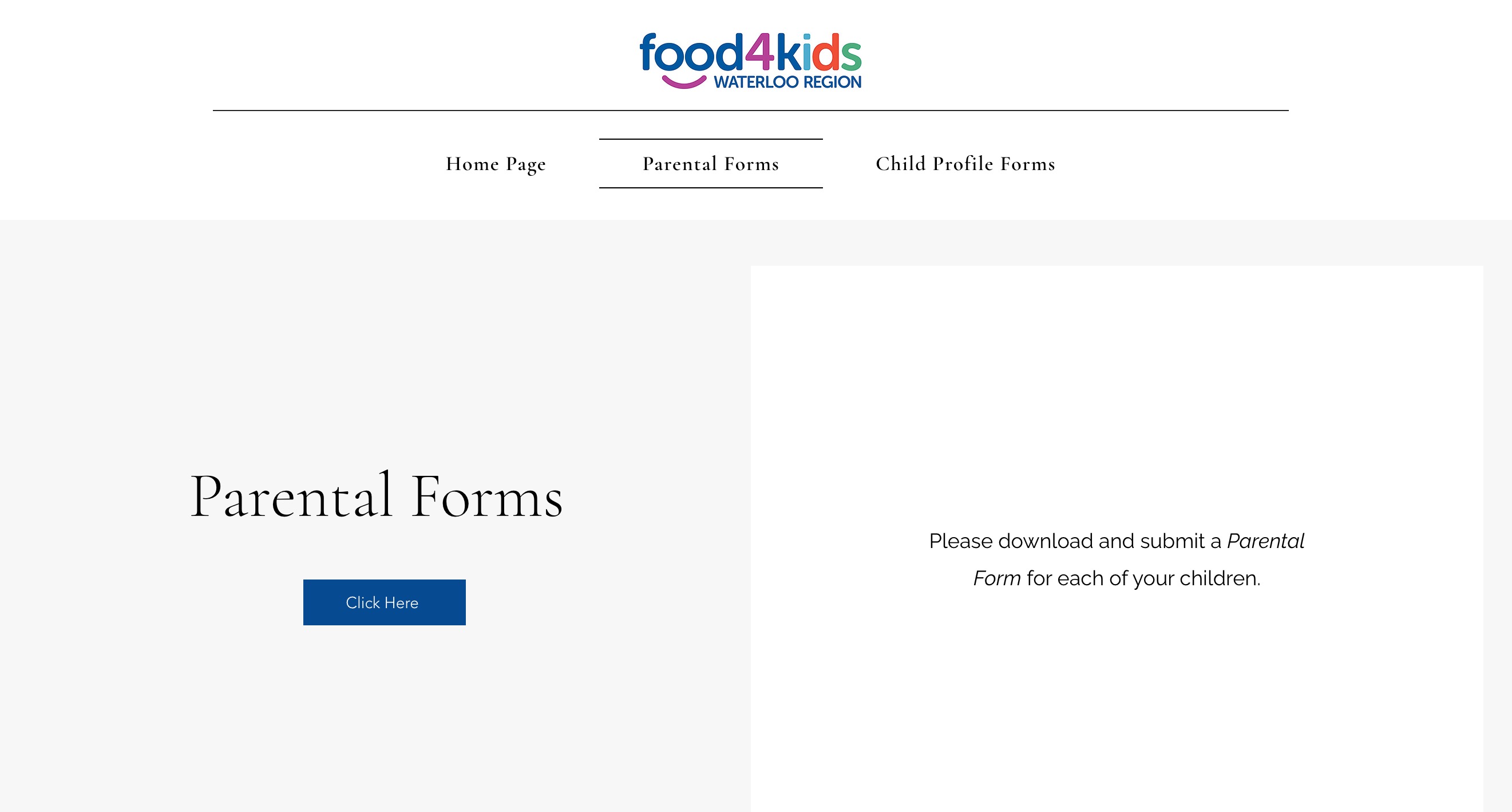
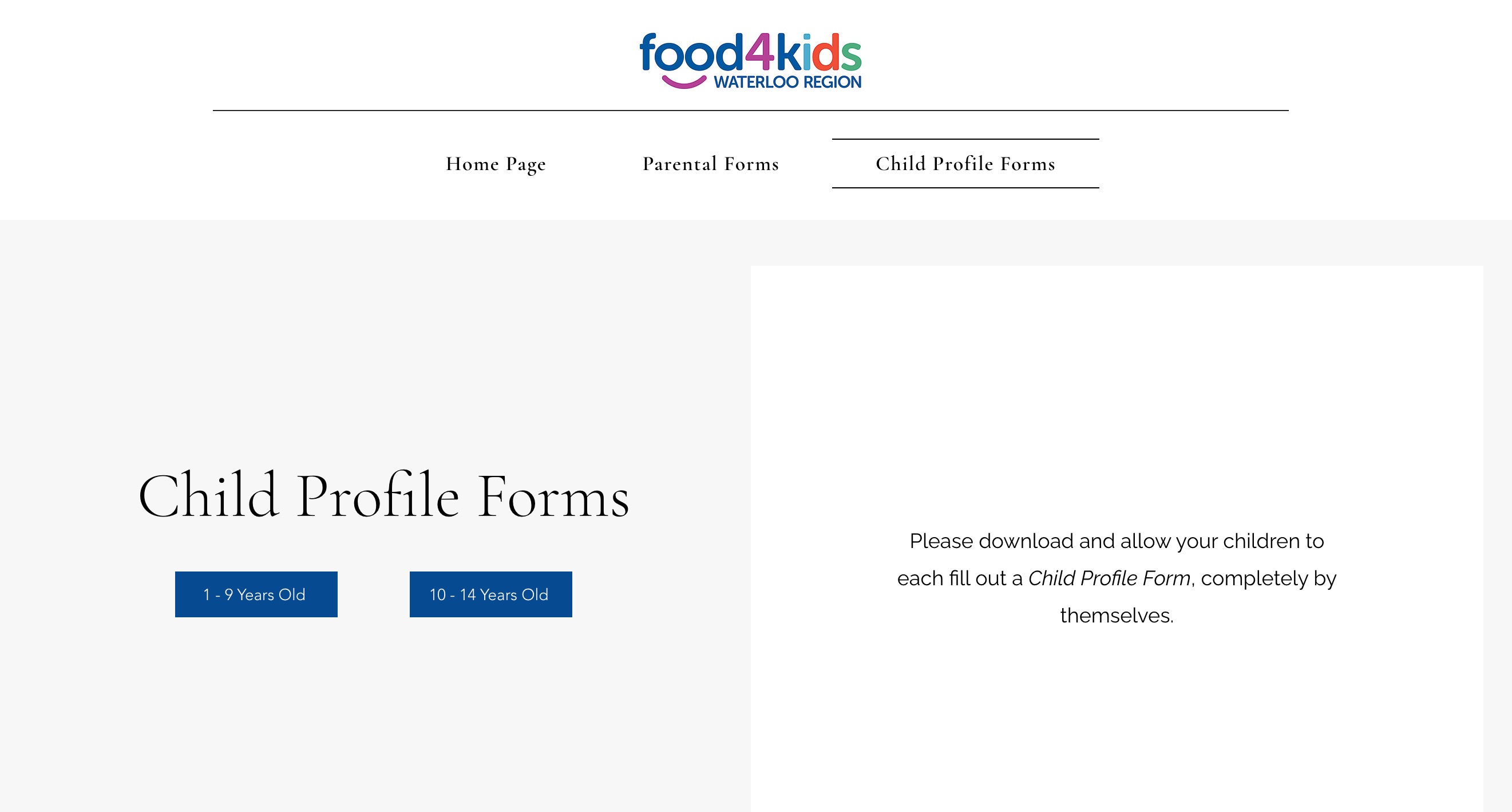
In the Waterloo Region, there is limited funding and resources for young students seeking food assistance. Families with varying needs applied for support, yet there was a lack of a fair and efficient system for prioritizing assistance. The existing process was subjective and didn't make the best use of available resources. This situation sparked the idea of creating a sorting algorithm that could objectively determine who should receive food assistance first. This would be user-friendly that the parents, children, teachers and Food4Kids staff.
This project had several educational benefits. By incorporating household income and average severity data, we could make more objective and informed decisions about assistance allocation. Implementing a systematic approach was crucial as it introduced consistency and standardization to the decision-making process, enhancing transparency and accountability.
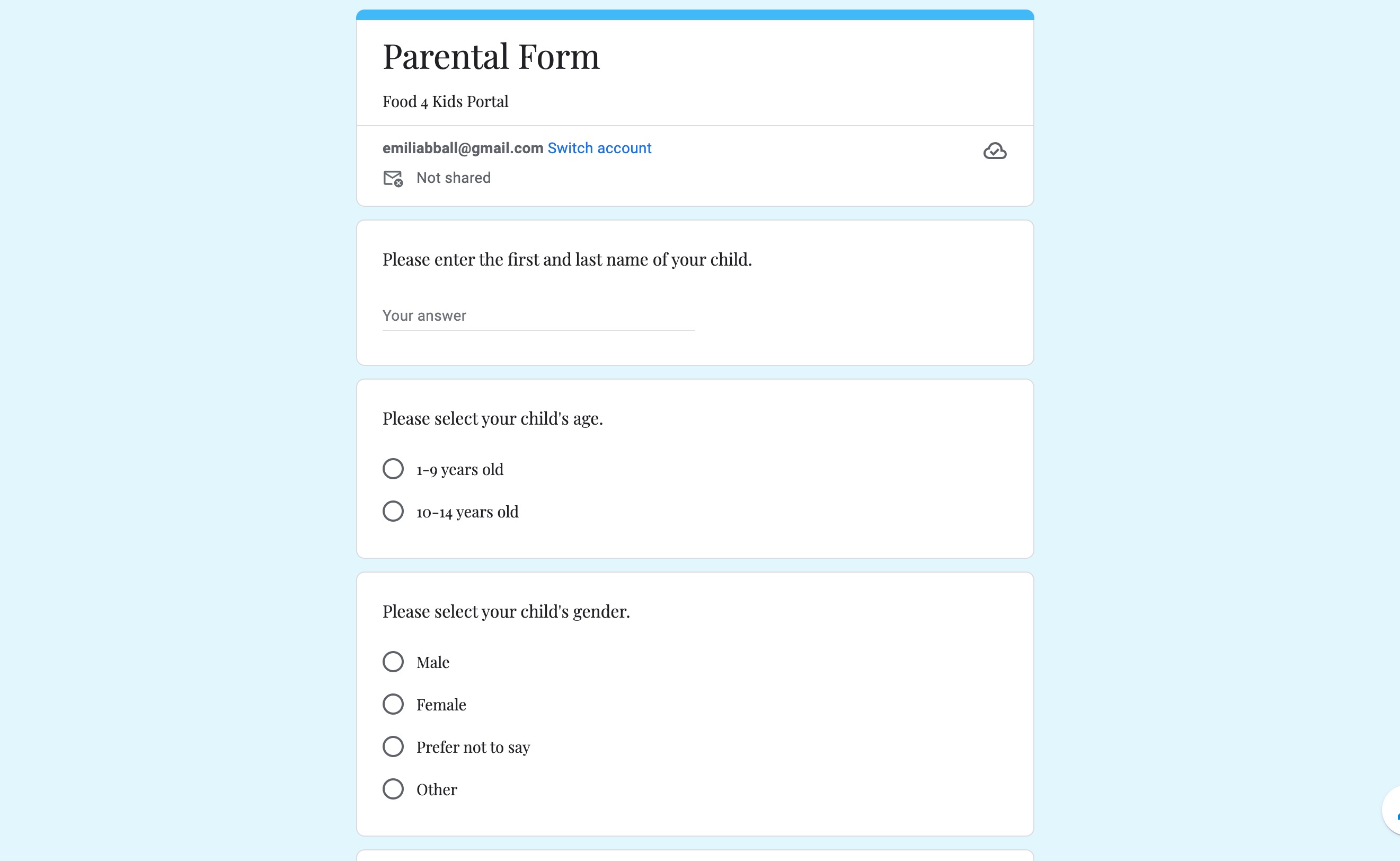
To begin our solution, we researched our problem including household income and dietary restrictions, and integrated this data into the system. A user-friendly platform was created for a way for the data collection process to be successful. We then collaborated to design the sorting algorithm based on the criticality score, calculate by multiplying the severity by household income value, using a FMECA approach.
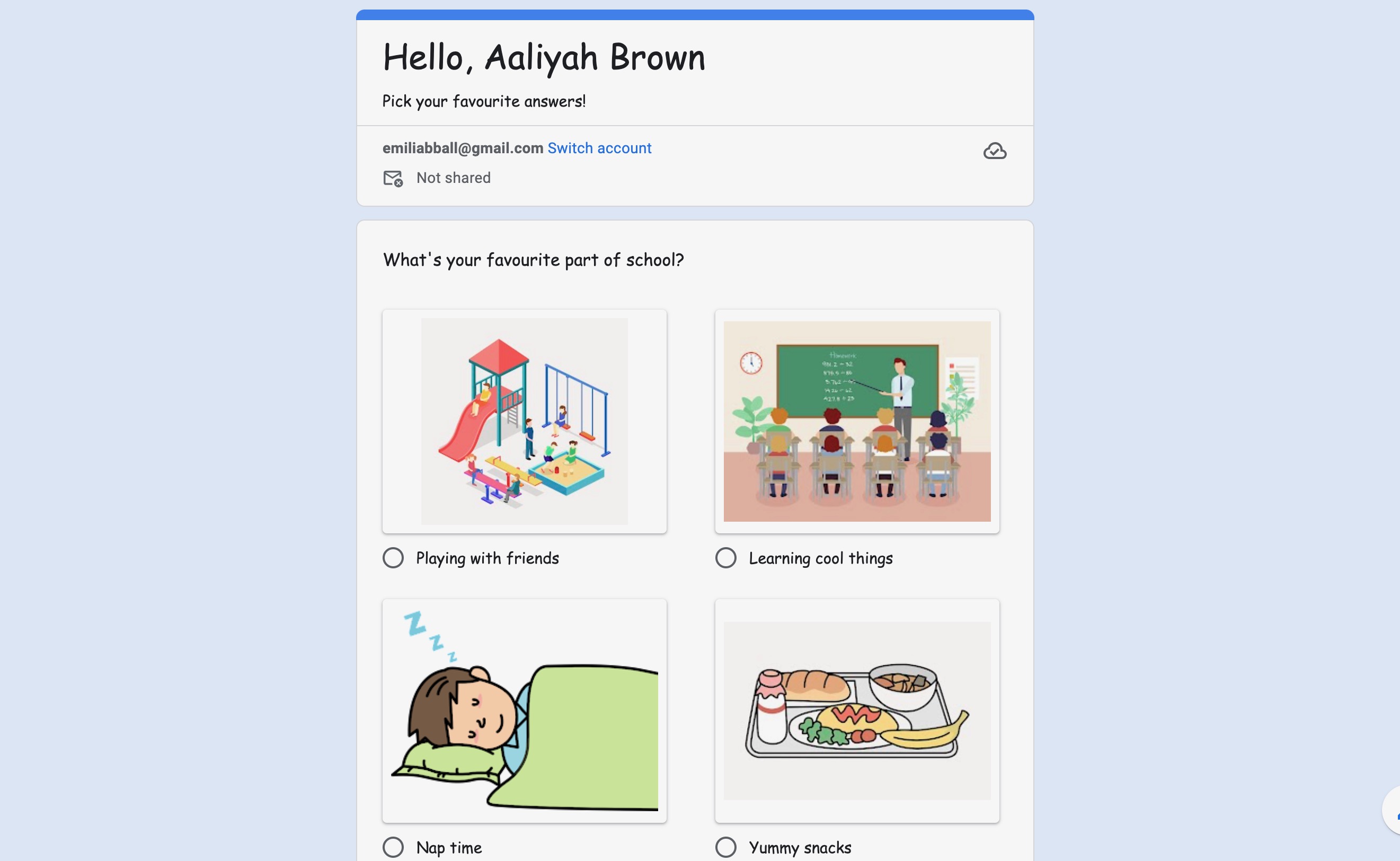
Adapting the system to changing needs and evolving circumstances was challenging, requiring a robust and flexible code. The code must be able to incorporate all the data provided through the forms, completed by both parents and children, and give a quantified criticality score. Such score is then used to determine the order that food should be delivered, with a limited amount of resources.

Log in or sign up for Devpost to join the conversation.