Inspiration
We saw supply chain operations stuck in chaos: long truck queues, workers wandering warehouses, dispatchers juggling whiteboards, and customers waiting blindly. The idea emerged to orchestrate logistics like a coordinated system rather than a noisy mess, using algorithms, real time data and open protocols.
What it does
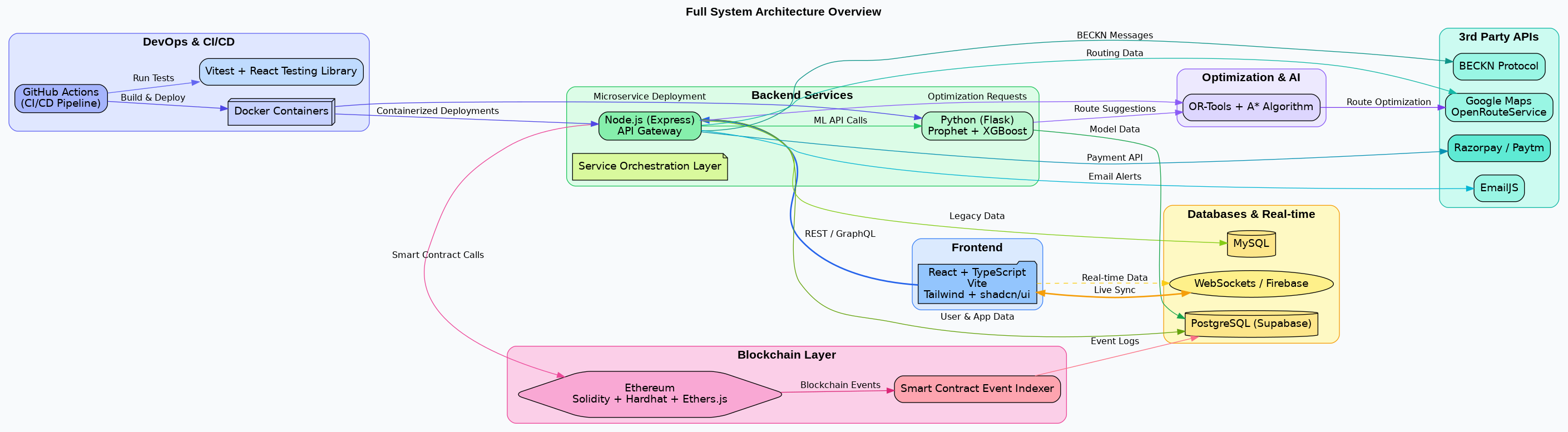
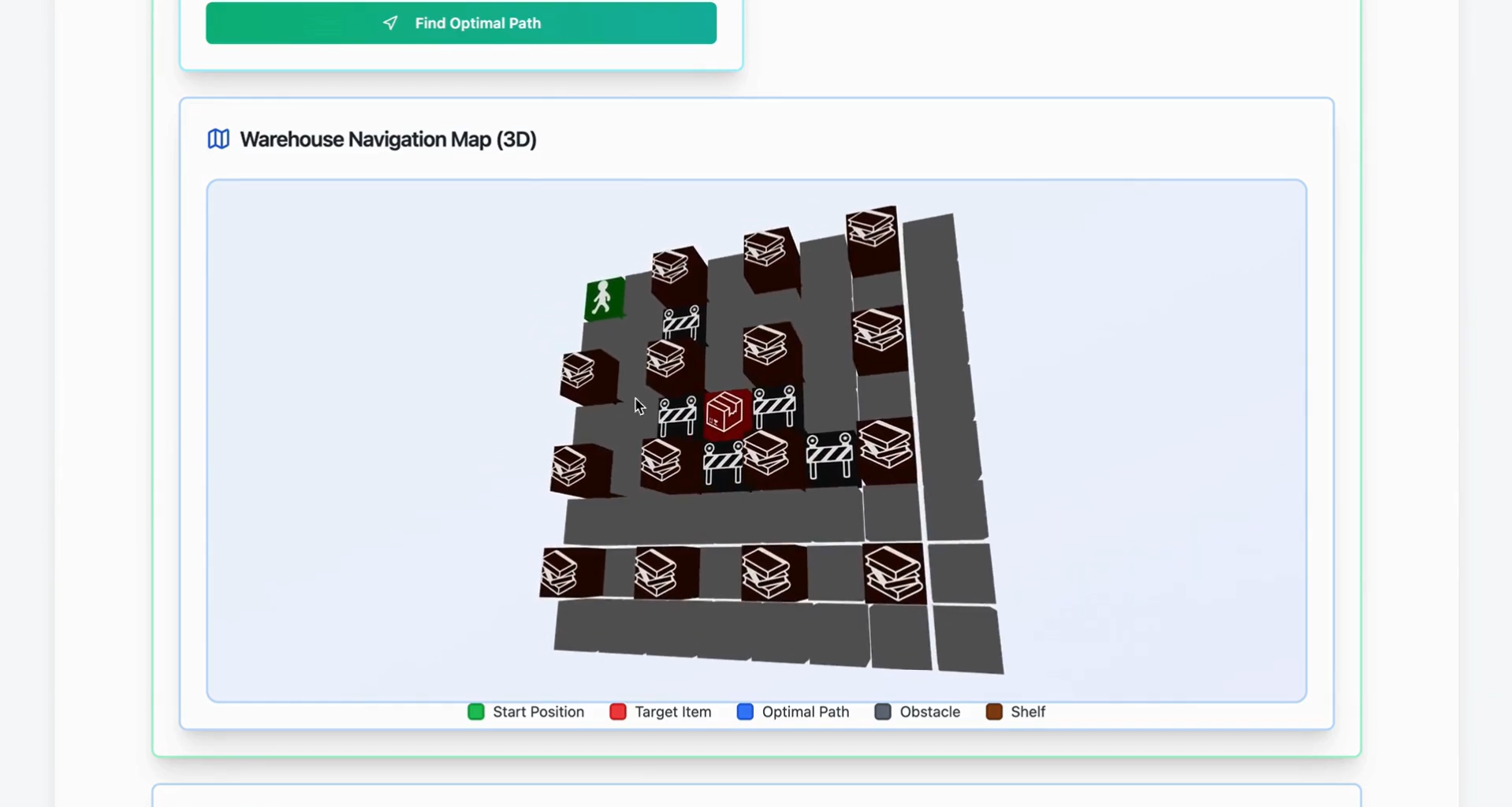
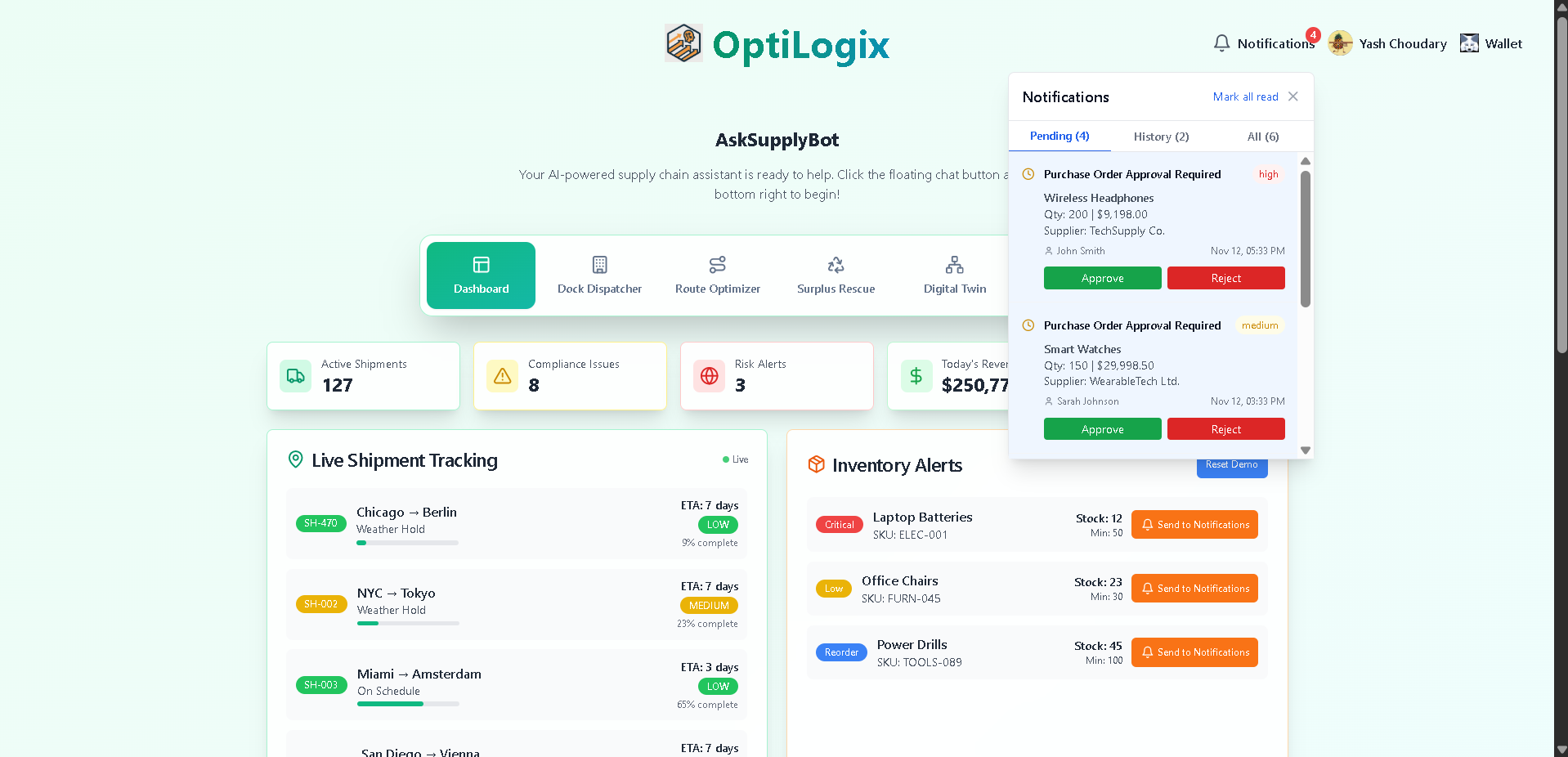
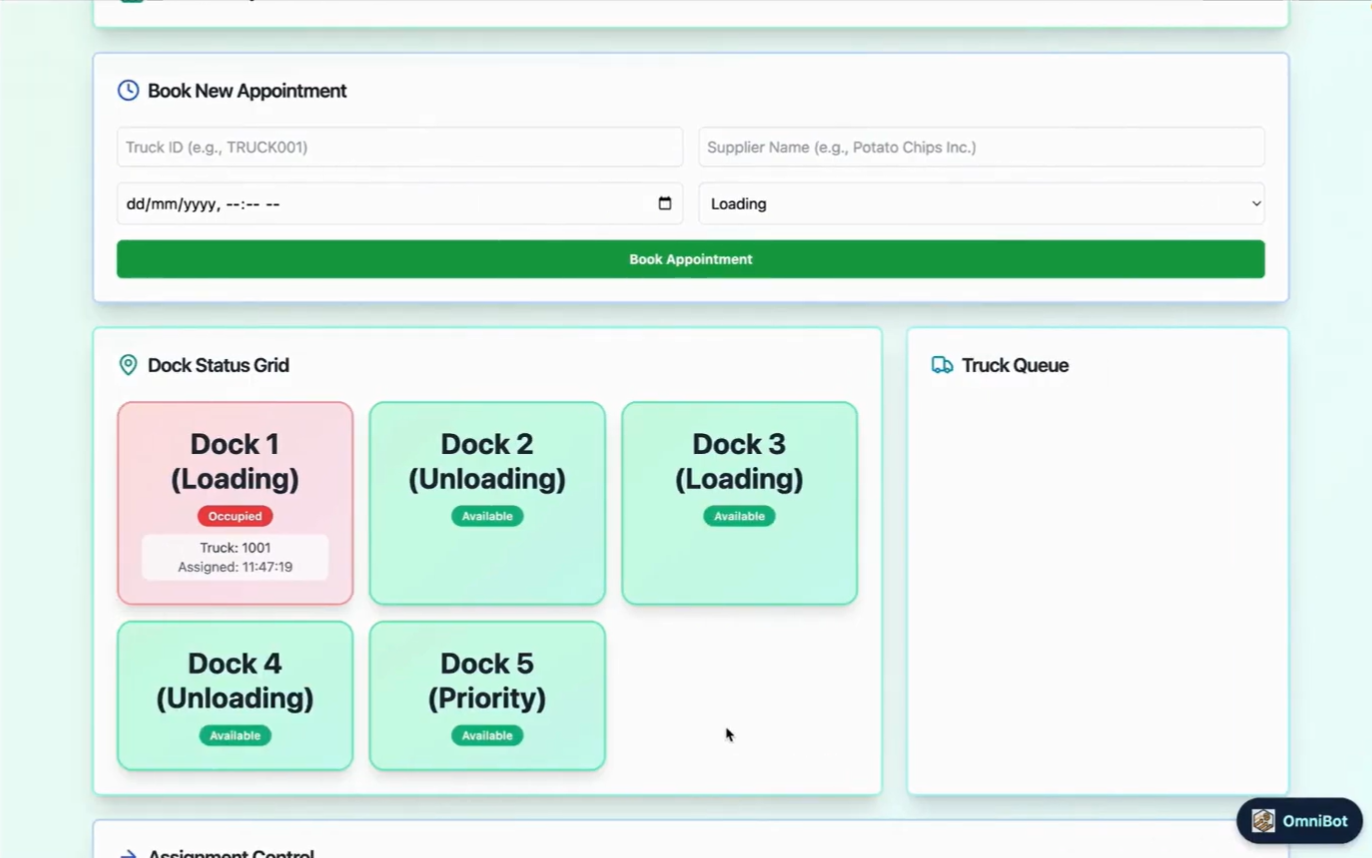
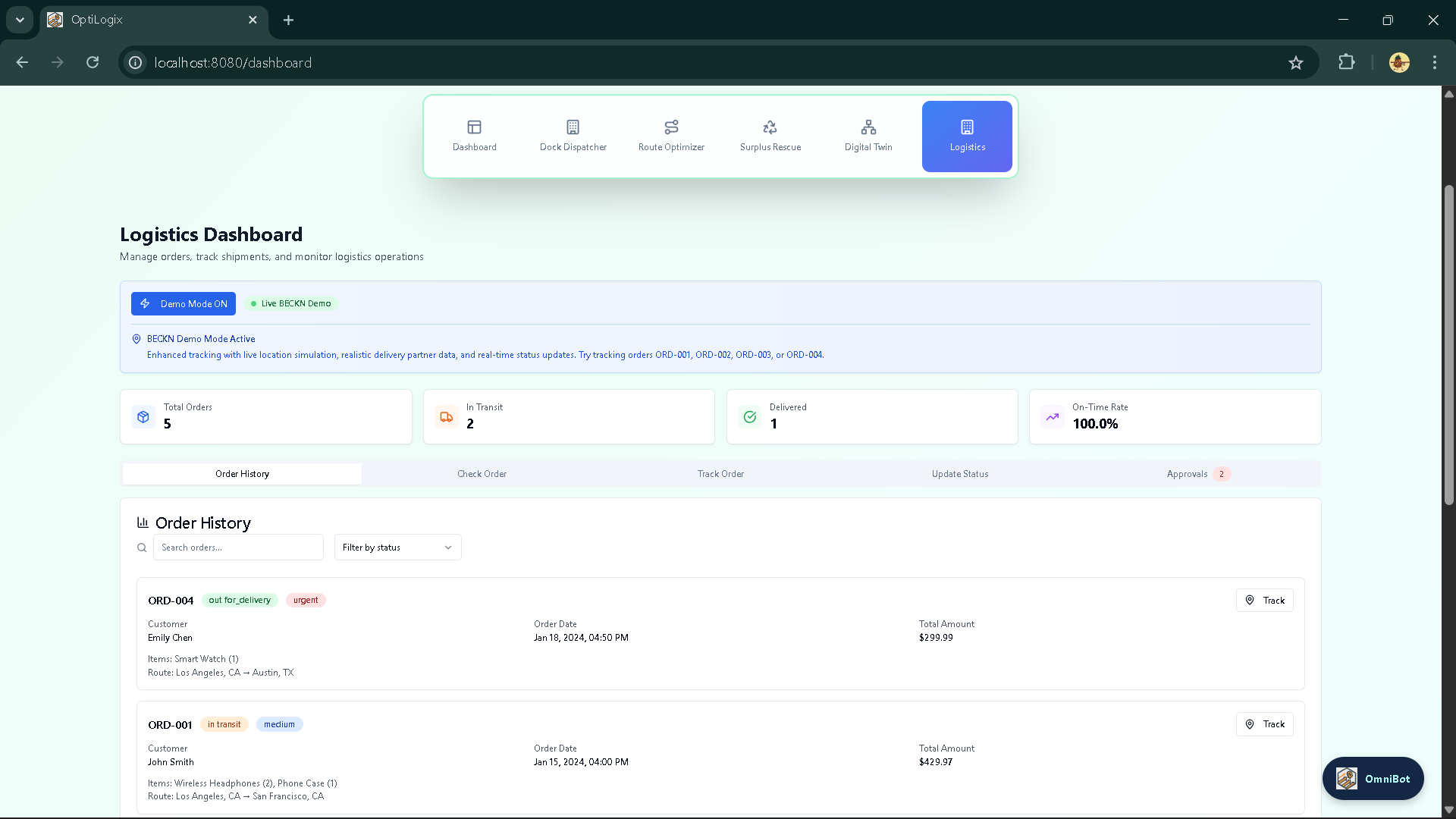
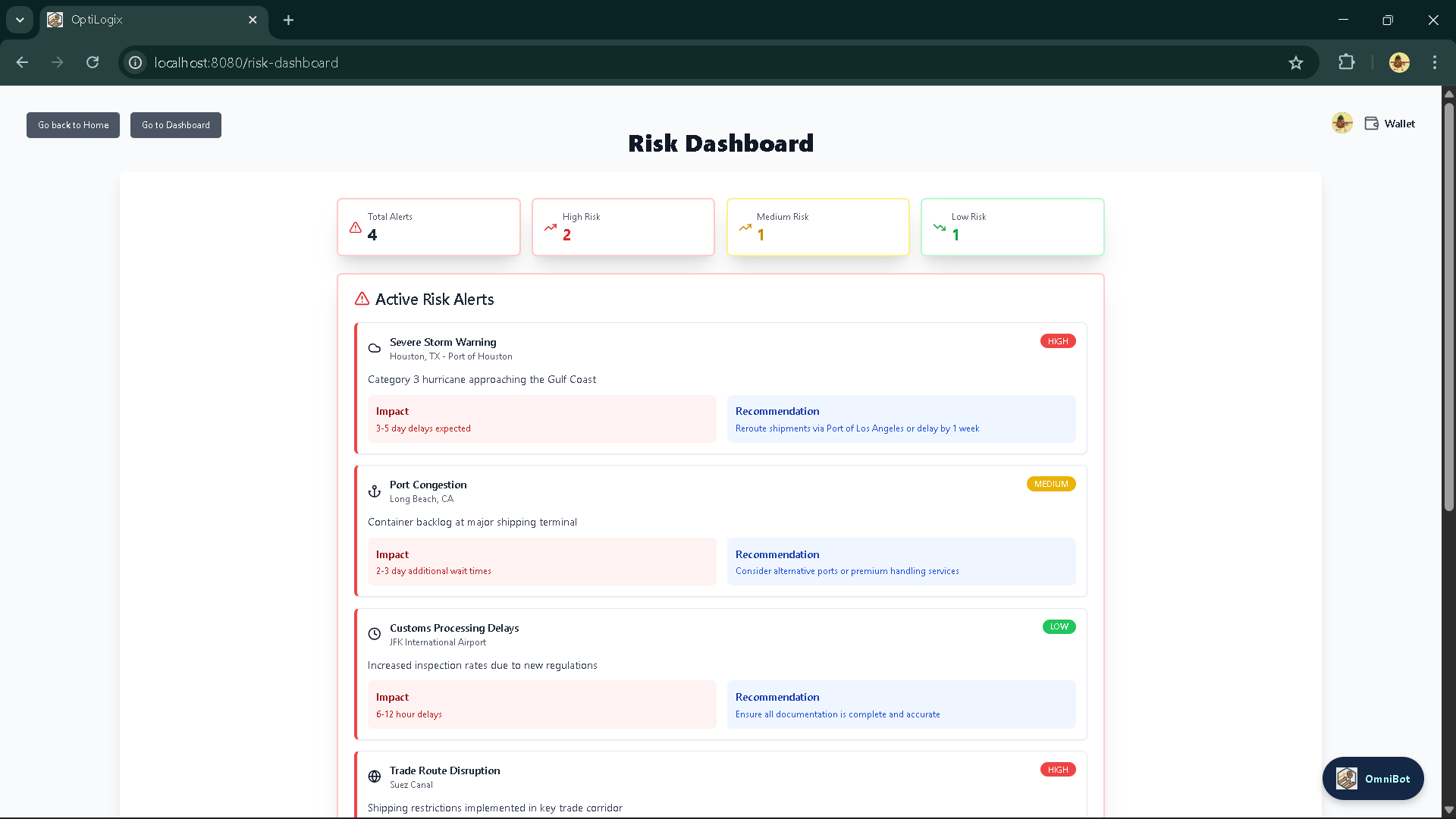
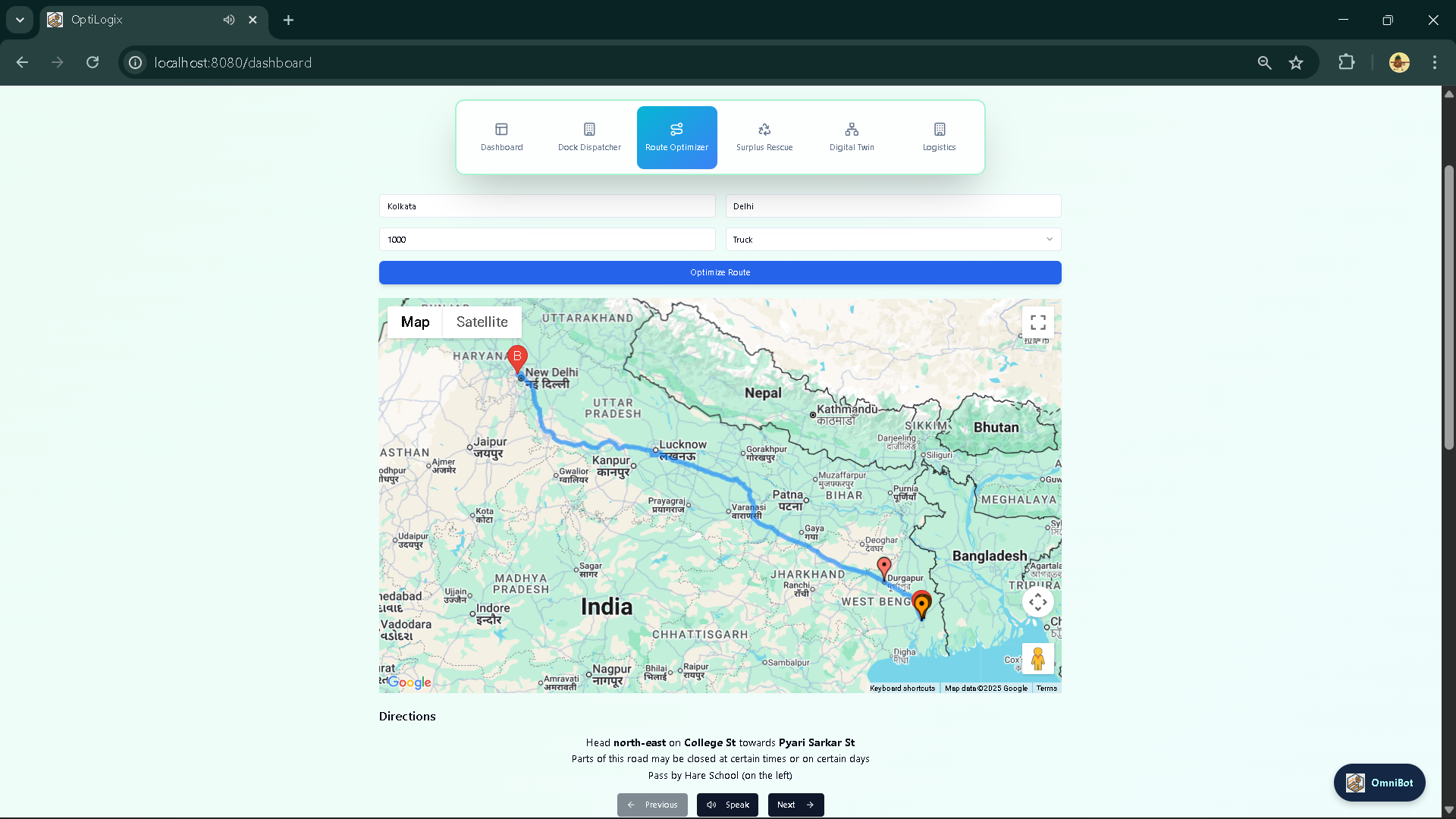
OptiLogix is an end to end logistics platform that streamlines warehouse navigation, dock dispatching, tracking and provenance. It offers intelligent dock scheduling that cuts truck wait time, A* based warehouse navigation that reduces search time, BECKN powered interoperability for freight discovery and booking, blockchain backed audit trails, and a real time dashboard built on a microservice ecosystem.
How we built it
We used a multi service architecture with Node and Python backends, React TypeScript frontend and Docker based deployments. The platform includes a dock dispatcher backend, an A* pathfinding engine with obstacle avoidance, BECKN compliant APIs, Ethereum smart contracts for provenance, a payment backend with Razorpay, an AI assistant and a dedicated notification service. We integrated everything through REST APIs, WebSockets and shared contracts, and tested workflows using Postman, sandbox environments and e2e validation.
Challenges we ran into
Coordinating multiple backends with different tech stacks, scaling A* for large warehouse grids, handling real time race conditions in dispatcher assignments, managing the complexity of BECKN payload formats, optimizing blockchain gas costs and deploying heterogeneous services across multiple platforms.
Accomplishments that we're proud of
A production ready A* navigation system for warehouse workers, a dock scheduling algorithm that sharply reduces delays, full BECKN integration, a secure and verified payment system, a clean microservice architecture and a transparent blockchain provenance layer.
What we learned
Algorithms deliver real operational gains when adapted to real world constraints. Microservices require strict contracts and disciplined design. Real time systems need careful synchronization. Blockchain works best for auditability rather than heavy data. UX improvements often matter as much as backend sophistication.
What's next for OptiLogix
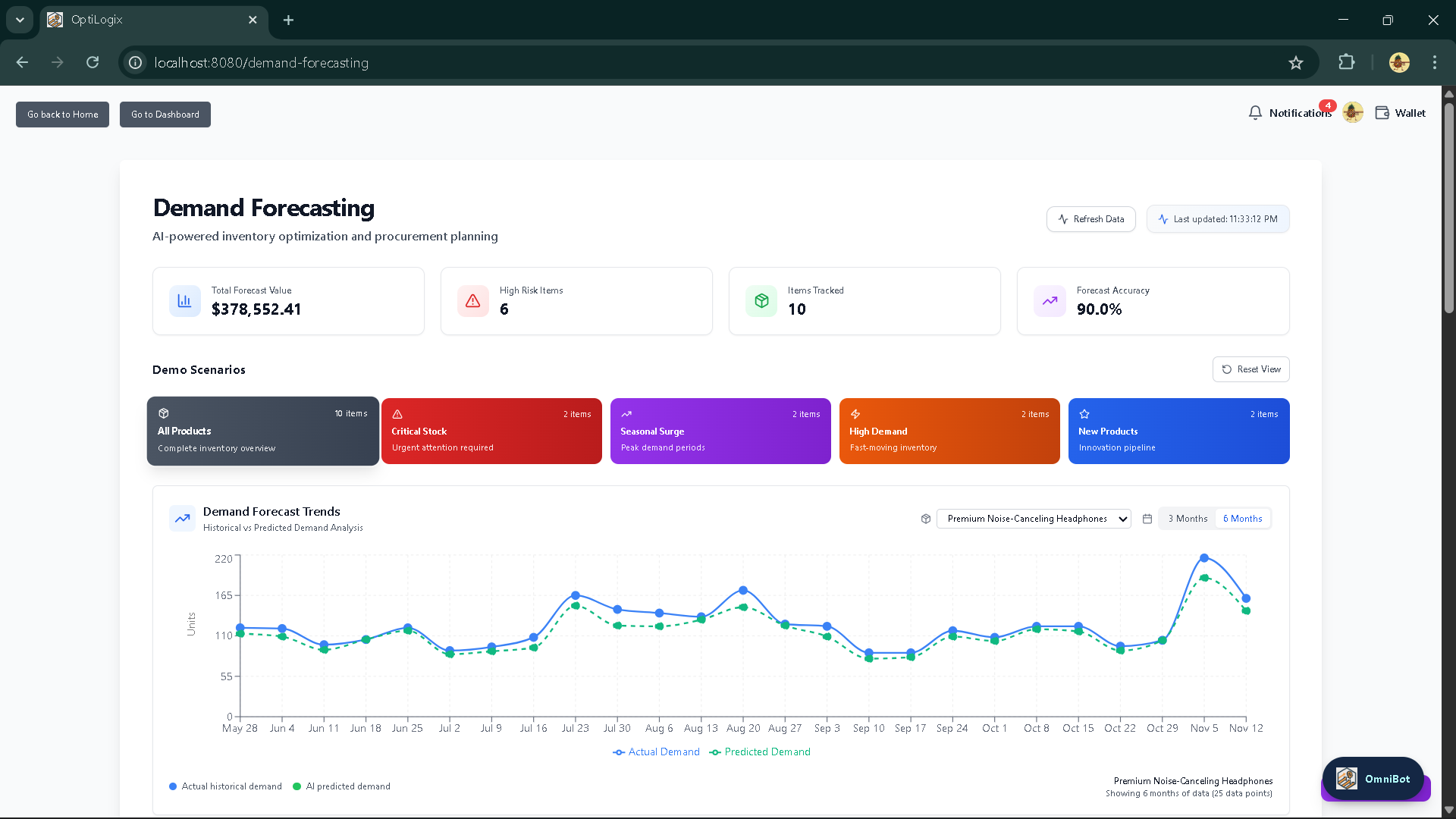
Future steps include machine learning for forecasting and route optimization, IoT sensor and RFID integration, mobile apps for workers and drivers, richer analytics and dashboards and full multi tenant support for enterprise deployments.
Built With
- express.js
- firebase
- node.js
- python
- razorpay
- react
- shadcn-ui
- solidity
- typescript
- vite

Log in or sign up for Devpost to join the conversation.