-
-
-
-
-
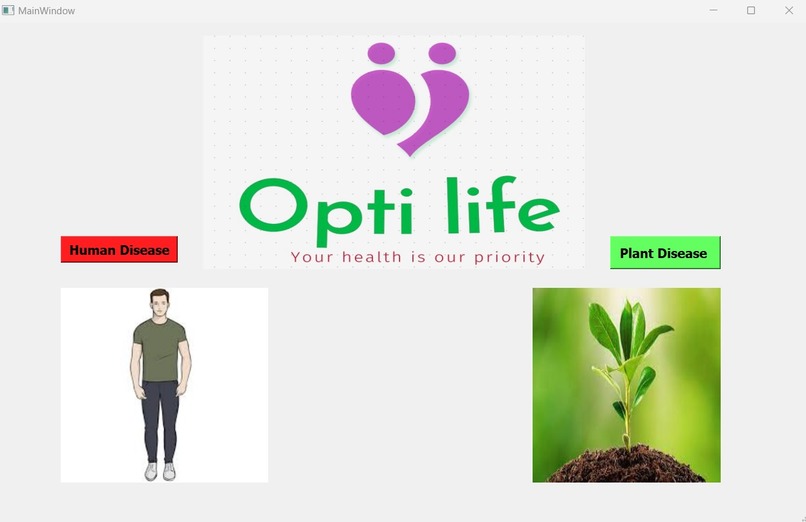
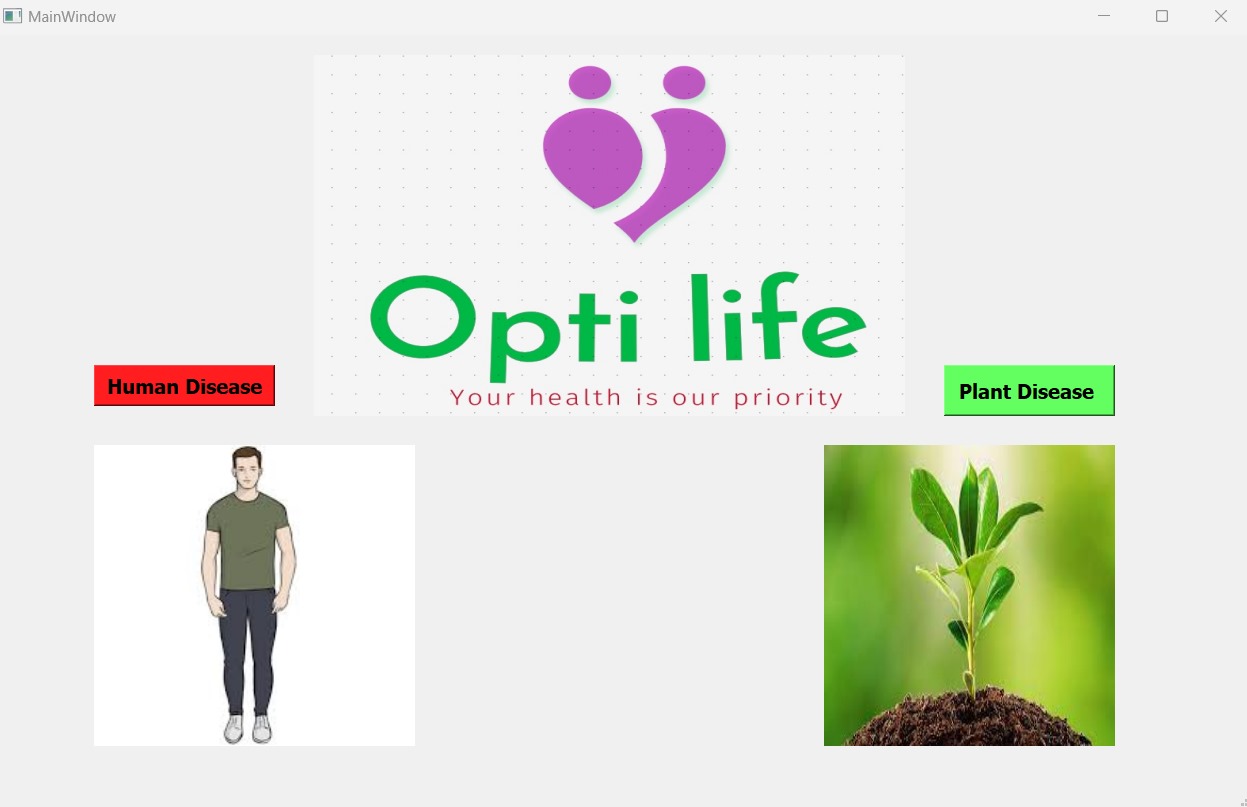
Home Page
-
-
-
-
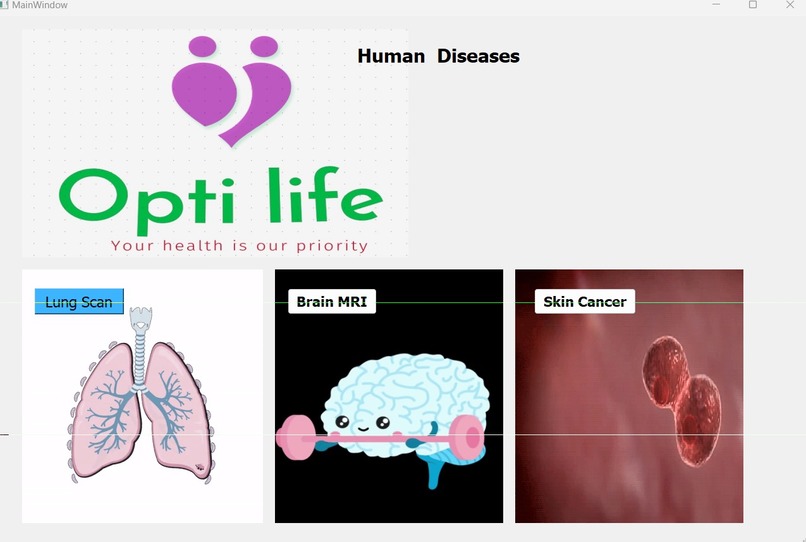
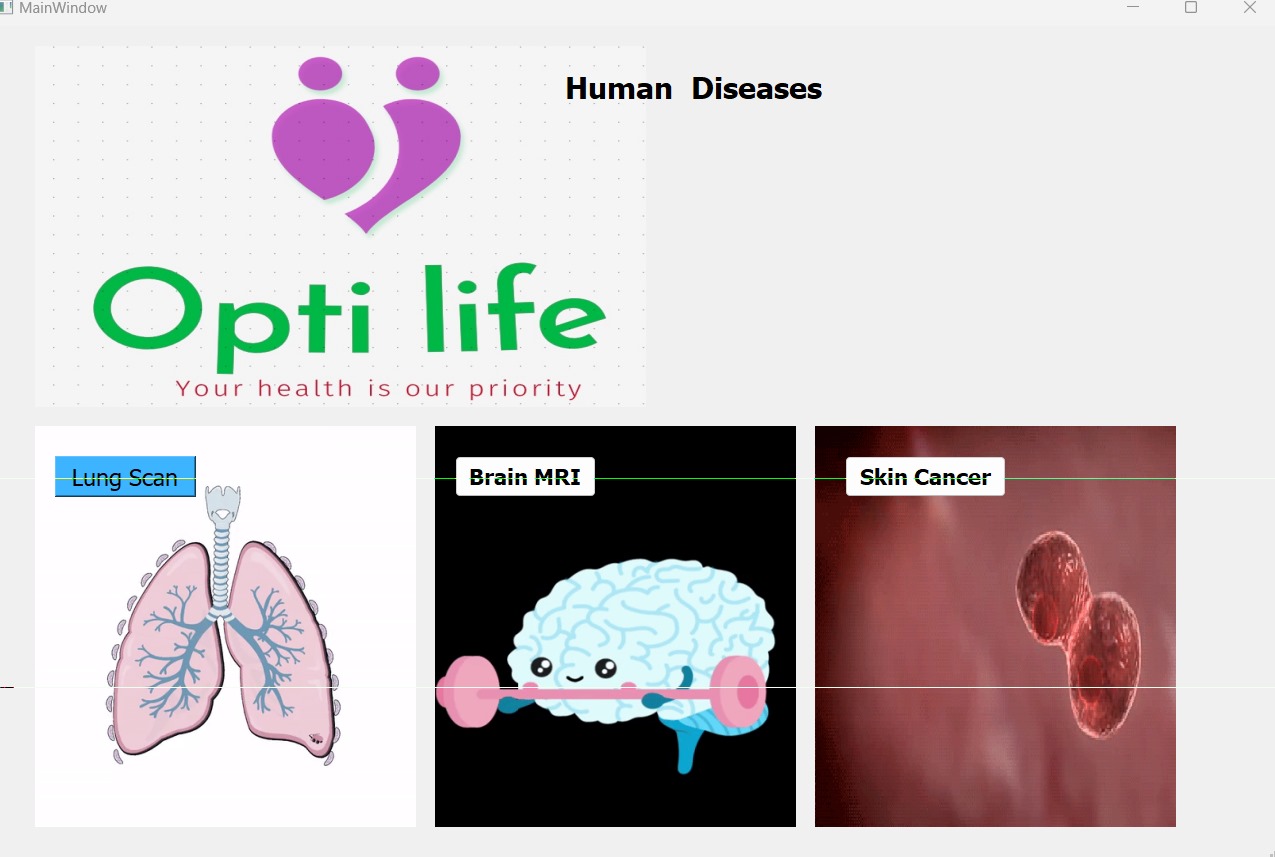
Human Diseases Page
-
-
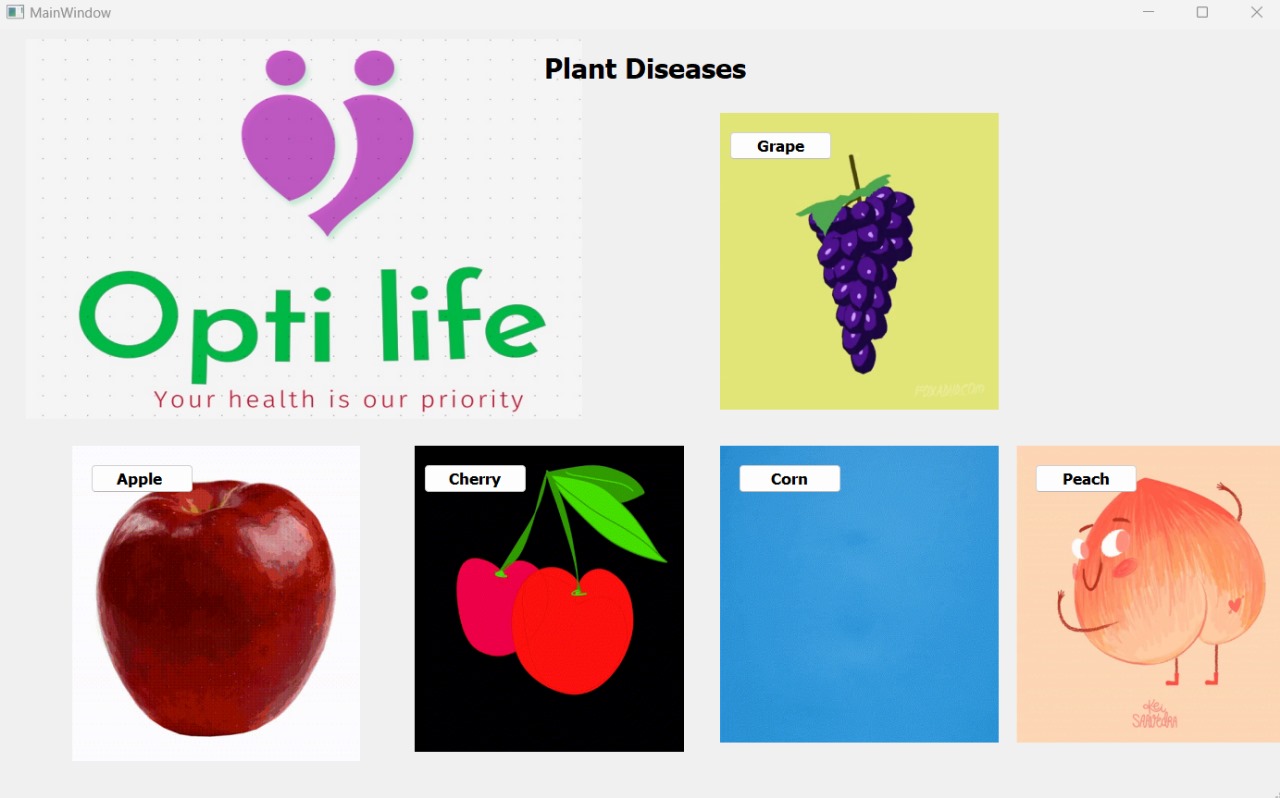
Plant Diseases Page
-
-
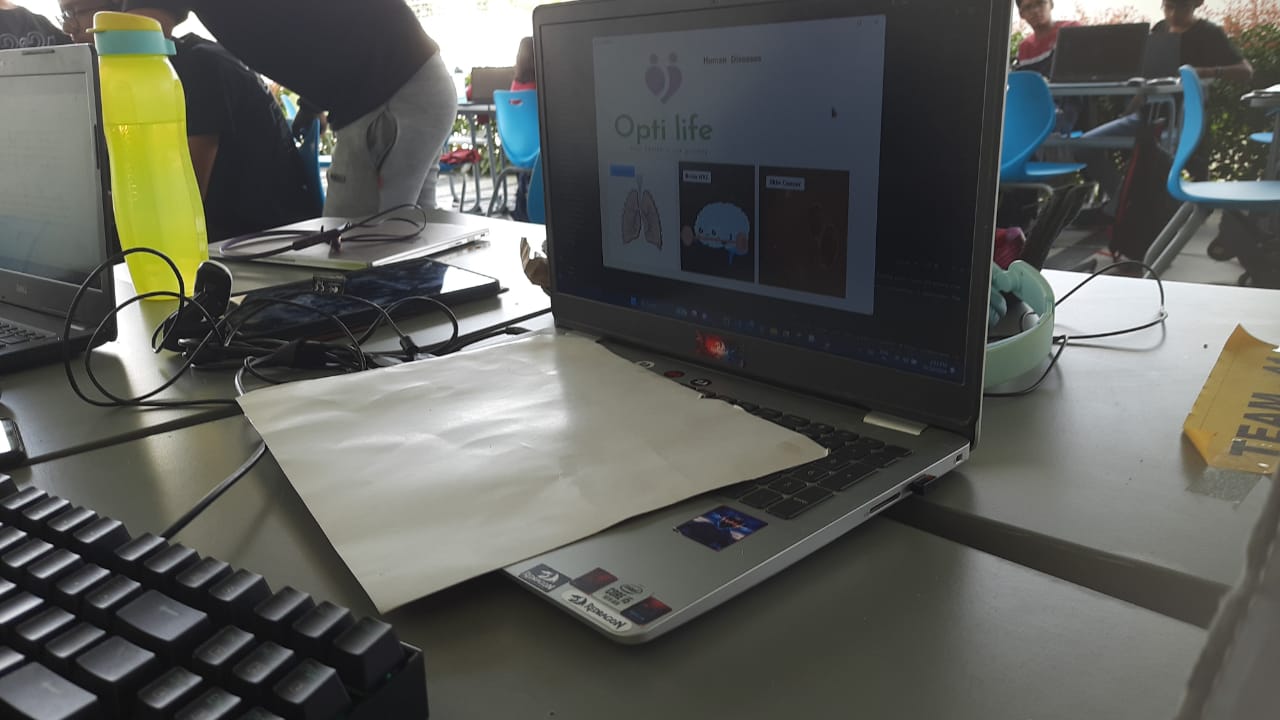
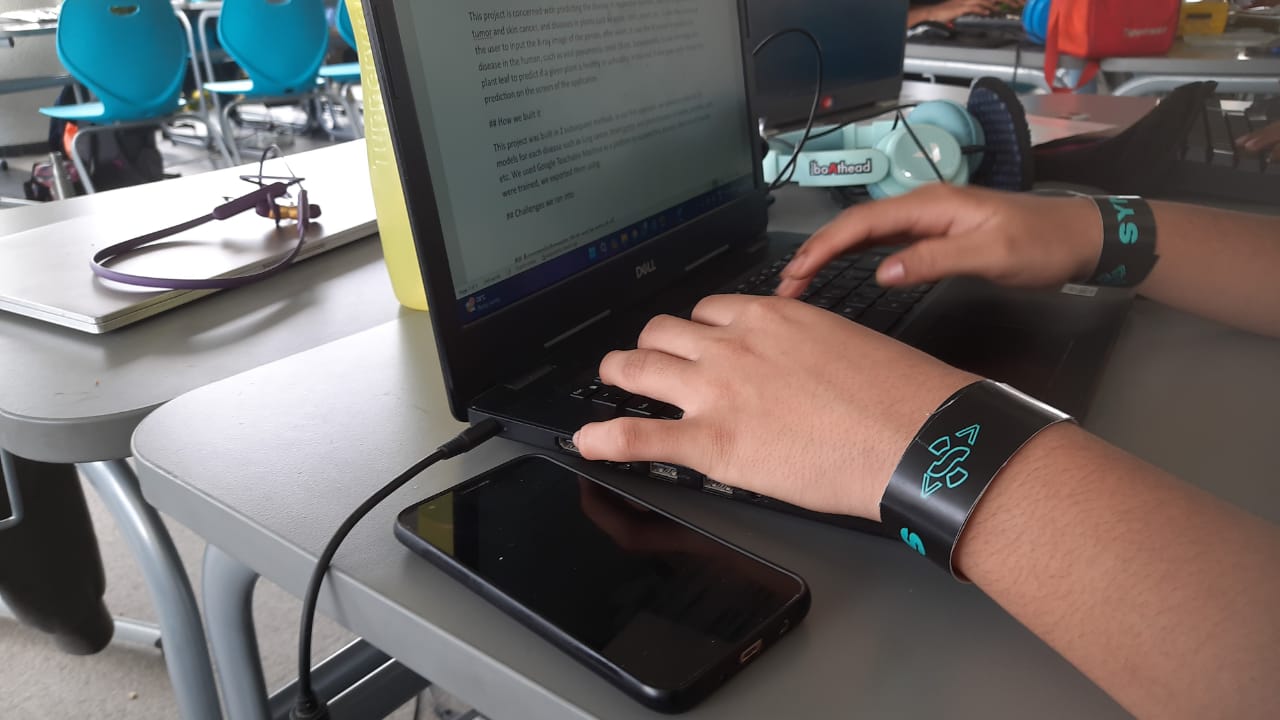
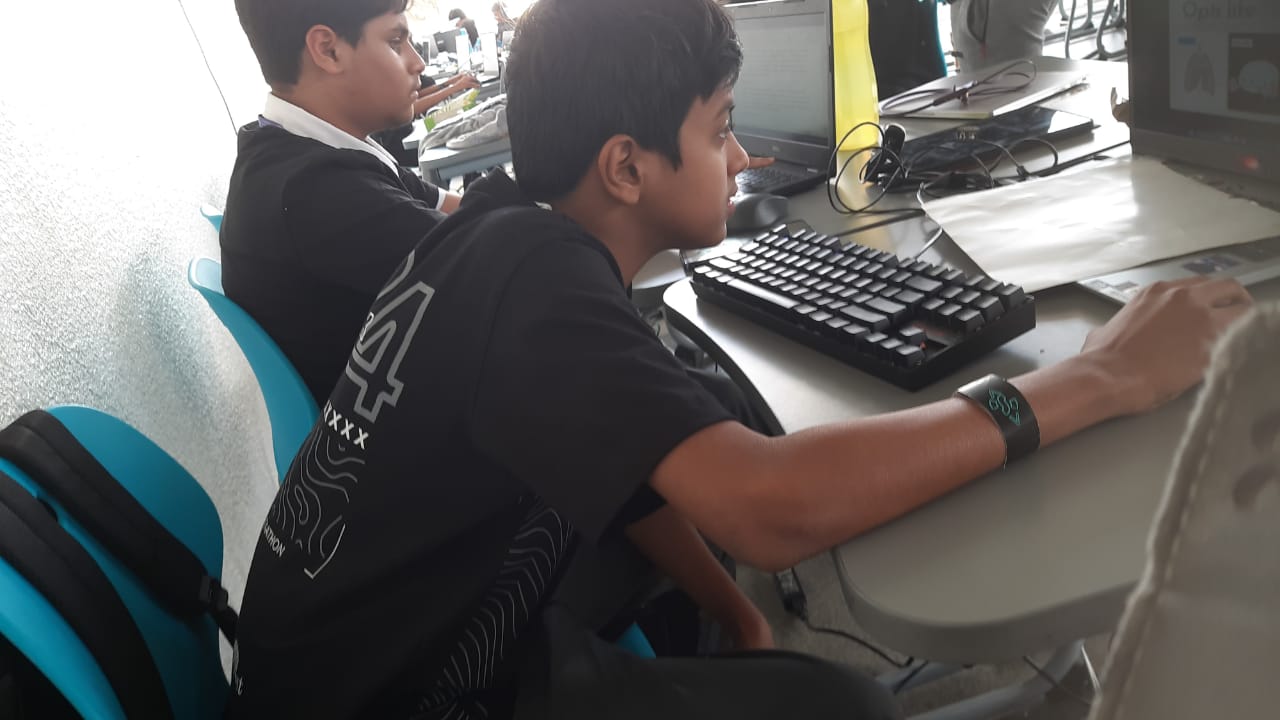
Inspiration
Real-life stories are what inspired us to do our best in this hackathon and make our project. Many of our relatives as well as friends have died due to many life-threatening diseases such as lung cancer, brain tumor, and skin cancer. Also, many plants die due to diseases which is remained unidentified by humans, until the loss. This emotional loss of our close ones and plants triggered us to collaborate and get this project up and running.
What it does
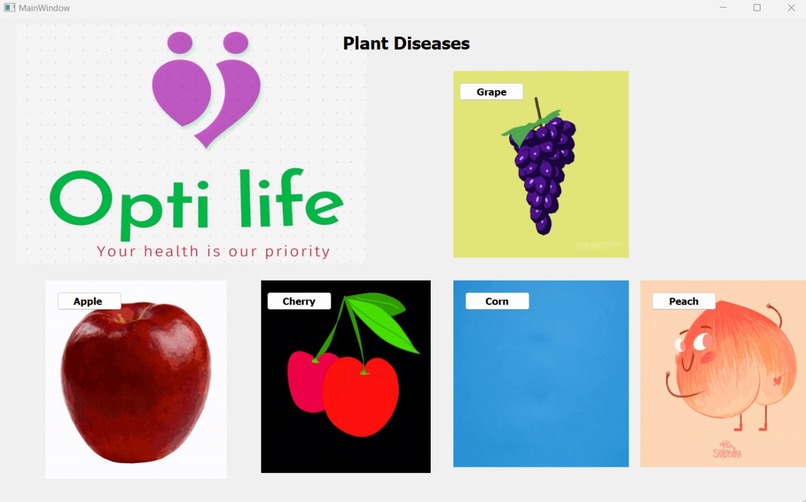
This project is concerned with predicting diseases in respective humans, such as lung cancer, brain tumor, and skin cancer, and diseases in plants such as apples, corn, peaches, etc. It uses the camera of the user to input the X-ray image of the person, after which, it uses the AI model to predict the disease in the human, such as viral pneumonia, COVID-19, etc. Subsequently, it uses the image of a plant leaf to predict if a given plant is healthy or unhealthy. In the end, it also goes on to display the prediction on the screen of the application.
How we built it
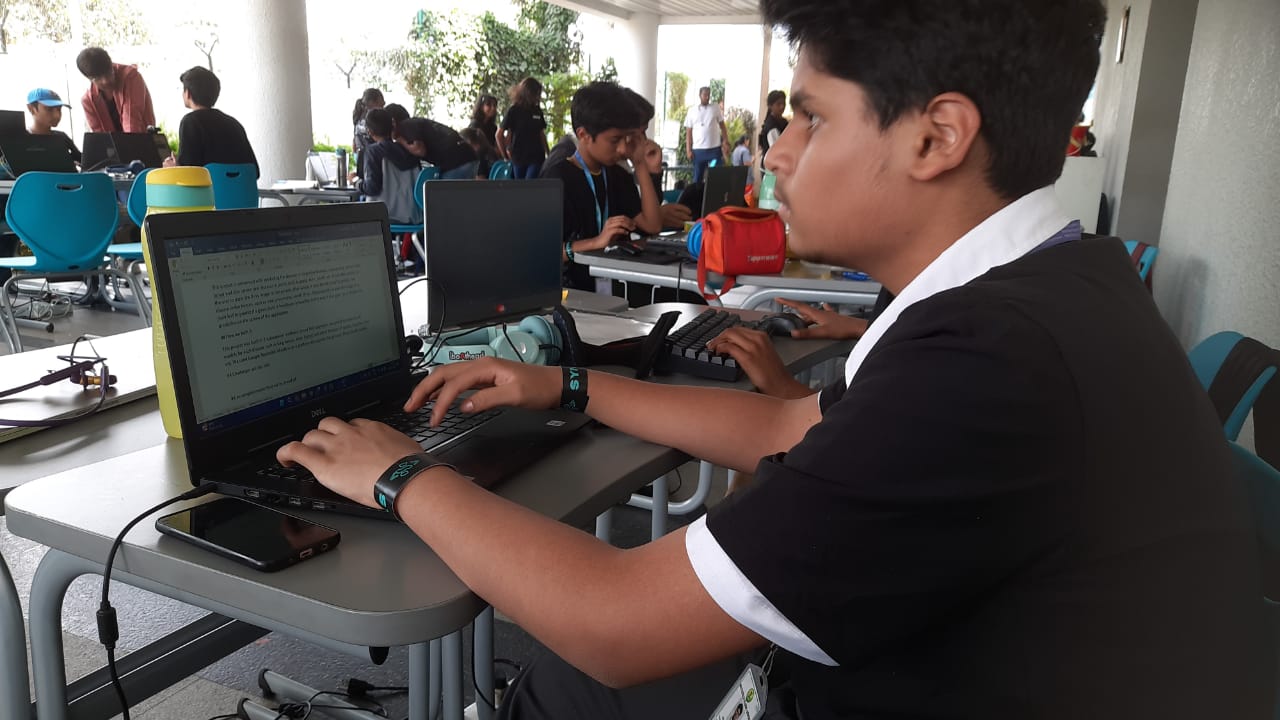
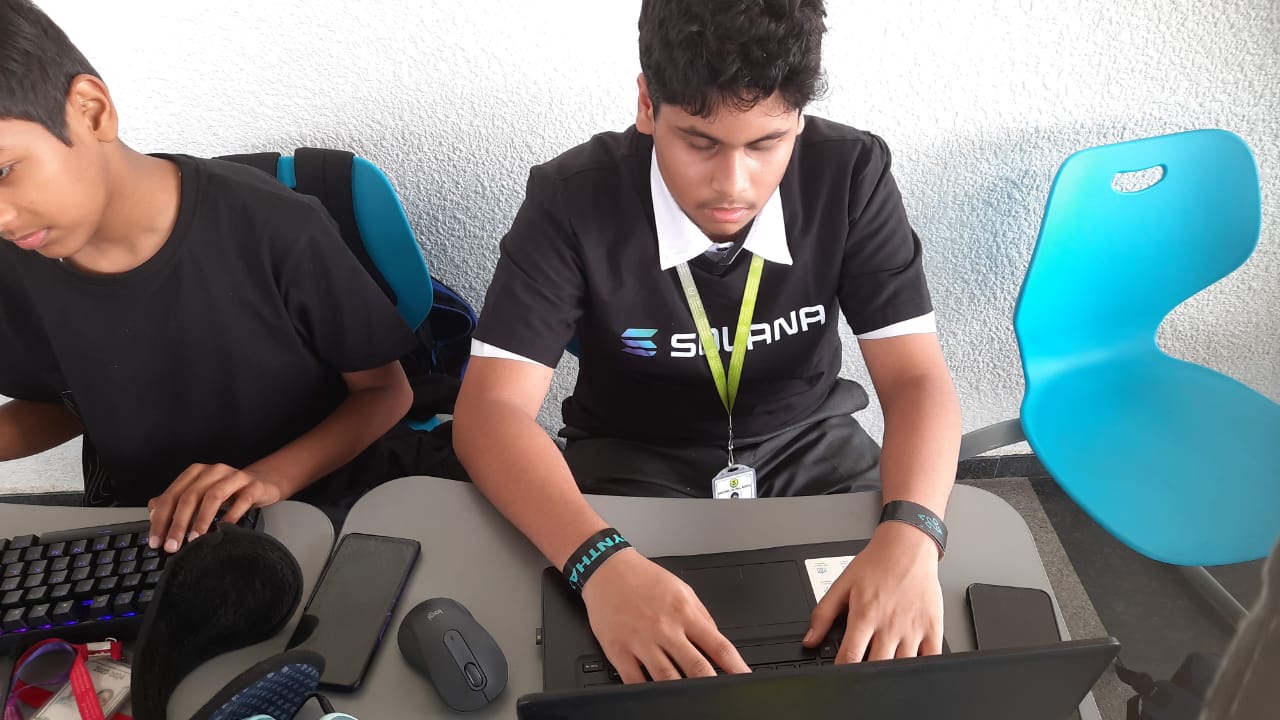
This project was built in 2 subsequent methods. In our first approach, we aimed to make AI models for each disease such as lung cancer, brain tumor, and plant diseases of apples, peaches, corn, etc. We used Google Teachable Machine as a platform to succeed in this process. Once the AI models were trained, we exported them using TensorFlow. We, then, programmed a simple application of CV2 to implement our models. In our second approach, we were concerned with making our GUI (Graphical User Interface) through the platform QT Designer. This allowed our project to be more user-friendly and visually appealing. In the end, we linked our AI models along with the GUI made which enabled us to make our project functional
Challenges we ran into
- We faced challenges while organizing and segregating the vast amount of files, folders, and photos that we had to deal with.
- We faced many setbacks while training our models and still maintaining the accuracy of prediction.
- While coding for our lung cancer model, we faced an error of our list index being out of range.
- This was our first time working with many models and windows in the same project, and hence, we faced many problems while multi-threading the different windows for easier navigation. However, the mentors were extremely helpful in troubleshooting our errors. ## Accomplishments that we're proud of
- We’re proud of being able to represent our school at such a large platform.
- We were able to fully express our hidden talents through this prestigious hackathon.
- We’re proud of being able to work with such large amounts of files and photos and being able to manage all of them in the same project.
- Lastly, we are proud of being able to multi-task, finish the project at a must faster rate and use less energy by dividing work among our team. ## What we learned
- We learned about the various features of the platforms we worked on, such as Pycharm, VS Code, and Google Teachable Machine.
- We expanded our knowledge of Python as well as working with Computer Vision, CV Zone, and Tensorflow.
- We learned various skills such as managing large datasets, photos, and files.
- At the end of the day, we improved overall development skills such as confidence, analyzing code, and troubleshooting errors.
What's Next for OptiLife: Your Perfect Healthcare App
There are various future scopes of our project, which include:
- Associating our software with respective hardware components, will make our project more intuitive, engaging, and available to all.
- Improving accuracy to ensure no chances of misdiagnosis that could lead to more and more problems.
- Adding more diseases and a personal assistant that can help you with all medical-related issues.


Log in or sign up for Devpost to join the conversation.