-
-
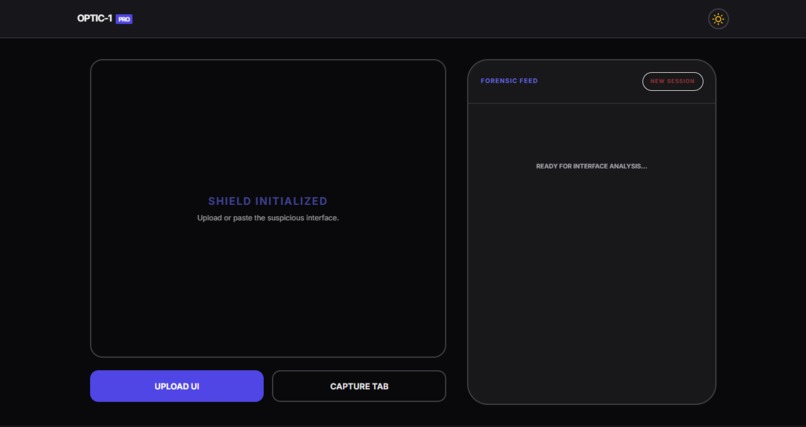
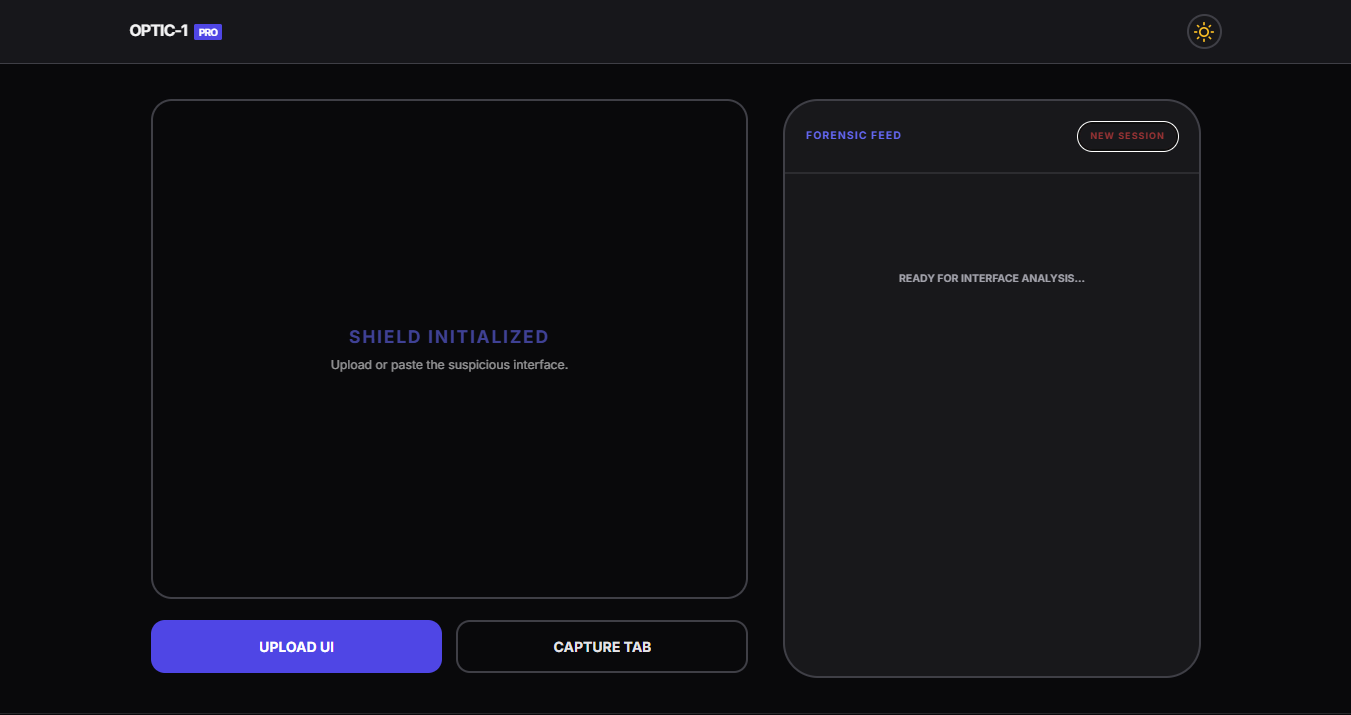
[dark mode] UI
-
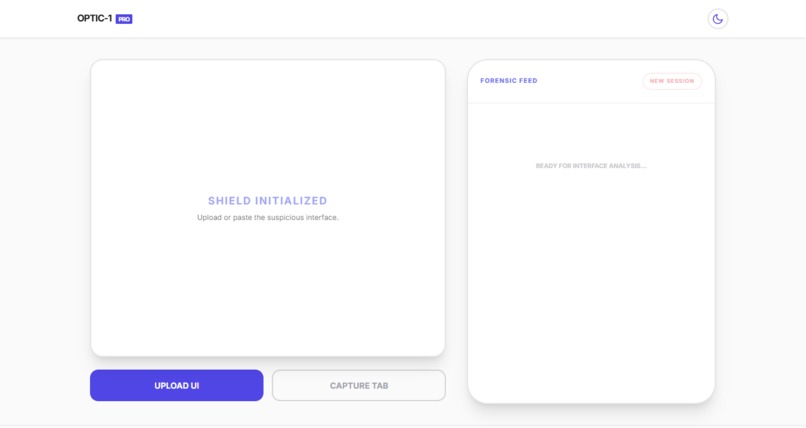
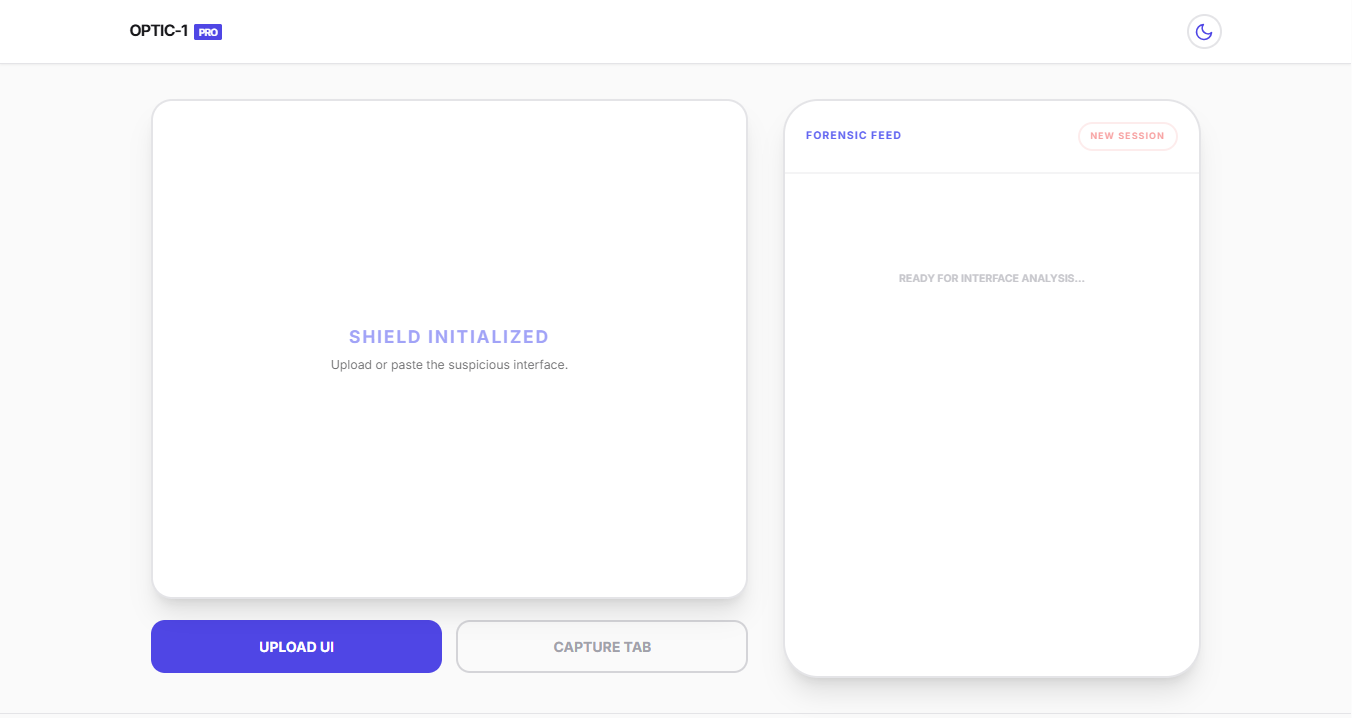
[light mode] UI
Have you ever noticed that feeling of urgency every time you try to check out an exclusive deal?
You’ve probably felt this yourself…
Remember the time you were trying to cancel a subscription you didn’t even realize you’d signed up for in the first place.
You're looking for the "Exit."
But it’s beginning to feel like you’re being forced through a maze.
Easy to get in.
Hard to get out.
You and I are part of over 5.5 billion internet users just trying to buy groceries, book a flight, or manage our bank accounts.
Yet we’re being hunted by interfaces designed to trick our brains.
It definitely seems as if the internet has turned into a massive psychological experiment.
One that absolutely none of us signed up for.
Deceptive Web Design (aka Dark Patterns)
You see, it isn't just your imagination.
Researchers from Princeton University crawled 11,000 shopping sites and discovered 1,818 instances of dark patterns.
Their study found that these patterns are designed to steer users into making decisions that are often "unintended and potentially harmful".
Now, really think about this.
You can almost hear the countdown clock ticking in your head when those red "Only 2 left!" alerts flash.
You know, it’s this tight feeling in your chest that makes you feel rushed.
And you’re surely not the only one feeling this way.
You’re just getting pushed by high-level traps designed to make you panic.
To force you to hand over your credit card info before your brain can even register the hidden surcharges.
But what if you could easily see the catch truth before you even move your mouse?
What if you were finally let in on the secret logic hidden in plain sight?
And what if you could clearly see through the tricks?
A Shield for Your Sovereignty
I built Optic-1 to be a forensic layer for your screen.
And I want you to have total control over your privacy, so it only watches what you tell it to.
You can Ctrl+V a screenshot, drag and drop/upload an image, or use the Capture Tab to snap a frame of your current window.
Now, you might start to think, "Is this just another AI wrapper?"
Really great question.
The short answer is "No."
Because you see, other tools only touch the surface.
But to actually protect you, we’re using Gemini 3’s Multimodal vision to understand the cause and effect of how a UI tries to lead you down a path.
Because we're now moving from a simple vision analyzer…
… to seeing the psychological journey the site is trying to force you onto.
The Technical Stuff
Look, it’s hard to win a fight when the other side has spent billions to figure out exactly how your brain works.
So to stand a chance, you need a tool that can see what they’re trying to pull.
And to give you a heads-up before you click.
Here’s the "under the hood" logic of Optic-1:
The Cognitive Logic Gate: To move beyond simple surface-level recognition, I’m using the
thinkingConfigto force Gemini into "System 2" reasoning. It basically checks if the UI element is deceptive pattern or not.The Stateful Vision Engine: APIs are stateless, so they "forget" the top of the page by the time you scroll to the bottom. To solve this, I built an engine that slices the screen into
1,536pxtiles and passes a contextual state from one tile to the next.Deterministic Price Validation: Optic-1 uses AI to find the price, but TypeScript takes over for the math. If the
cleanPricefunction got a discrepancy of even 0.01, the code overrides the AI and triggers a High Severity Violation.Active Guidance: Optic-1 provides tactical advice. If it detects Visual Interference, it gives you tips to bypass the decoy and find the hidden "Cancel" link.
For Your Freedom
What would you feel if you could browse any site…
… knowing that the "hidden" fees would be dragged into the light before they could touch your wallet?
Imagine moving through the web with the lens of an insider.
The feeling of urgency disappears because you’re finally the one who knows what’s really going on.
No more feeling like you're being steered into doing stuff you don't want.
You're back in control.
Wouldn't it feel great to finally hit "Checkout" without the nagging doubt that you’re being tricked?
Now, it’s possible.
Research Foundation: Arunesh Mathur, Gunes Acar, Michael J. Friedman, Elena Lucherini, Jonathan Mayer, Marshini Chetty, and Arvind Narayanan. 2019. Dark Patterns at Scale: Findings from a Crawl of 11K Shopping Websites. Proc. ACM Hum.-Comput. Interact. 3, CSCW, Article 81 (November 2019), 32 pages. https://doi.org/10.1145/3359183
Built With
- gemini-3-pro
- google-gen-ai
- html5-canvas-api
- react
- typescript

Log in or sign up for Devpost to join the conversation.