-
-
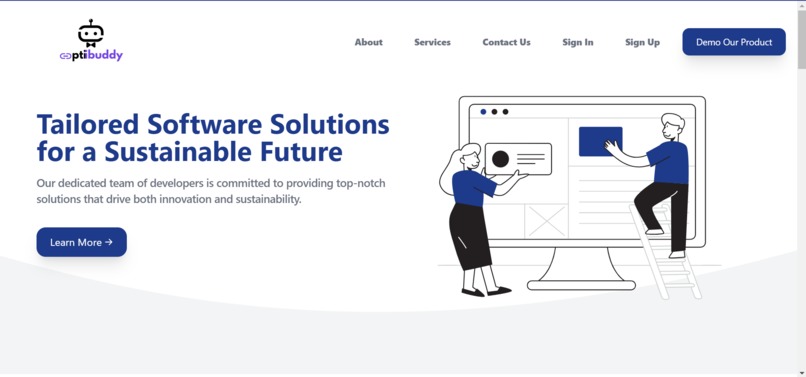
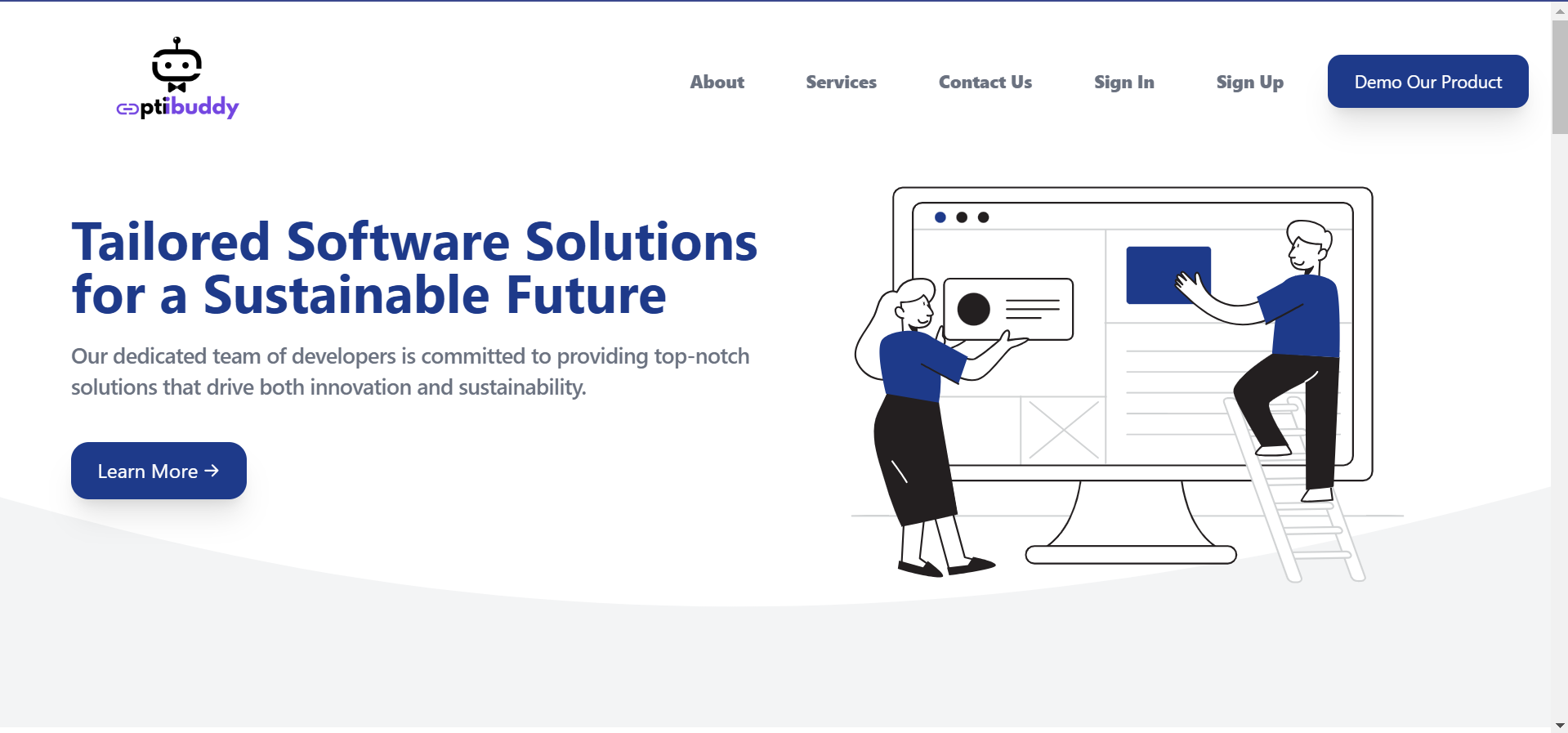
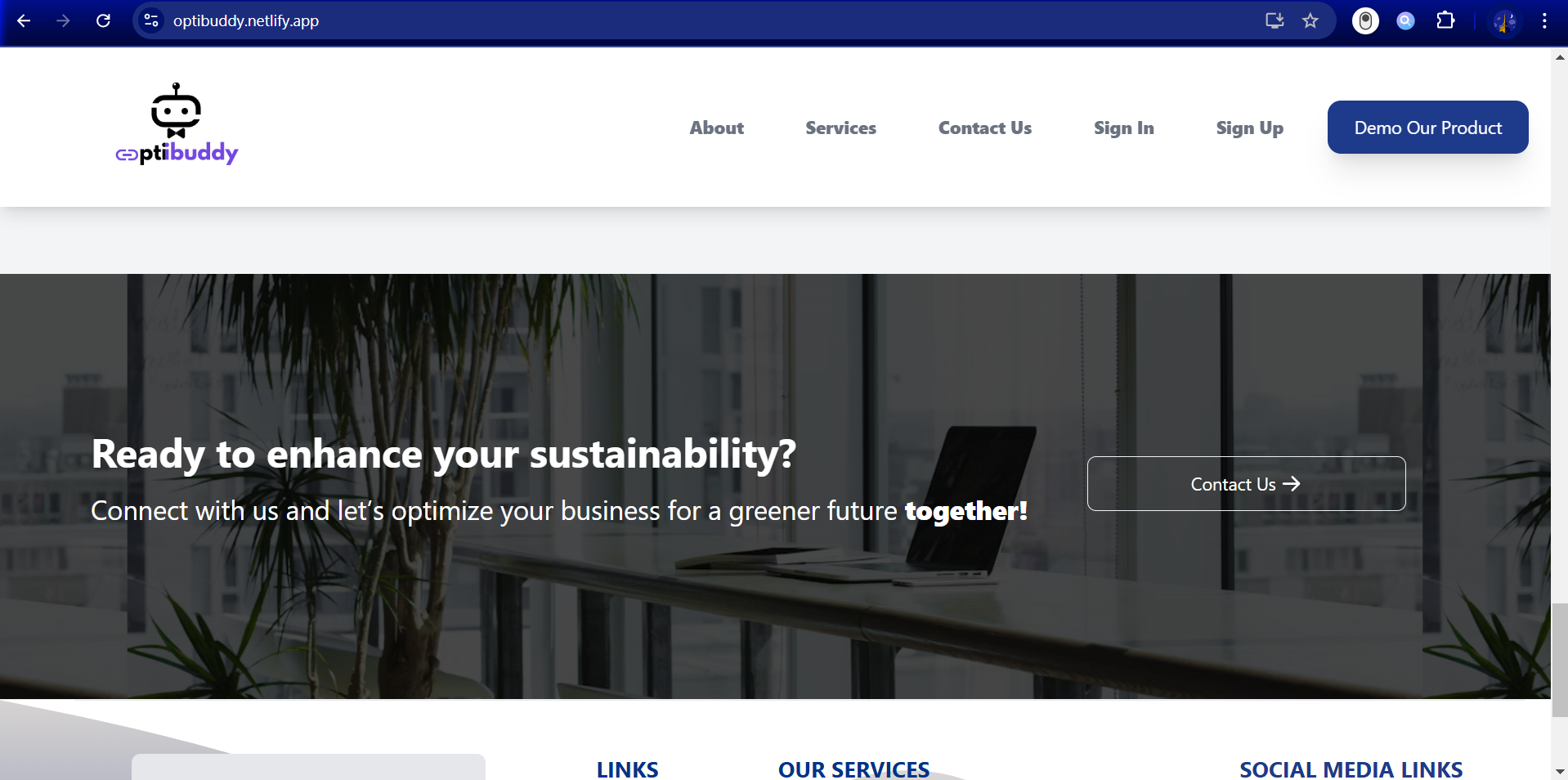
Web app home
-
-
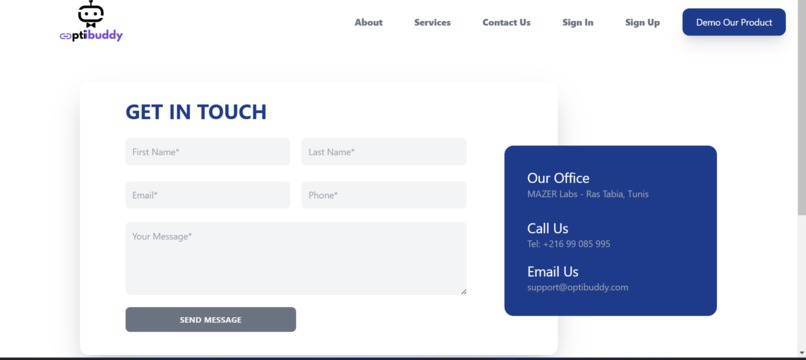
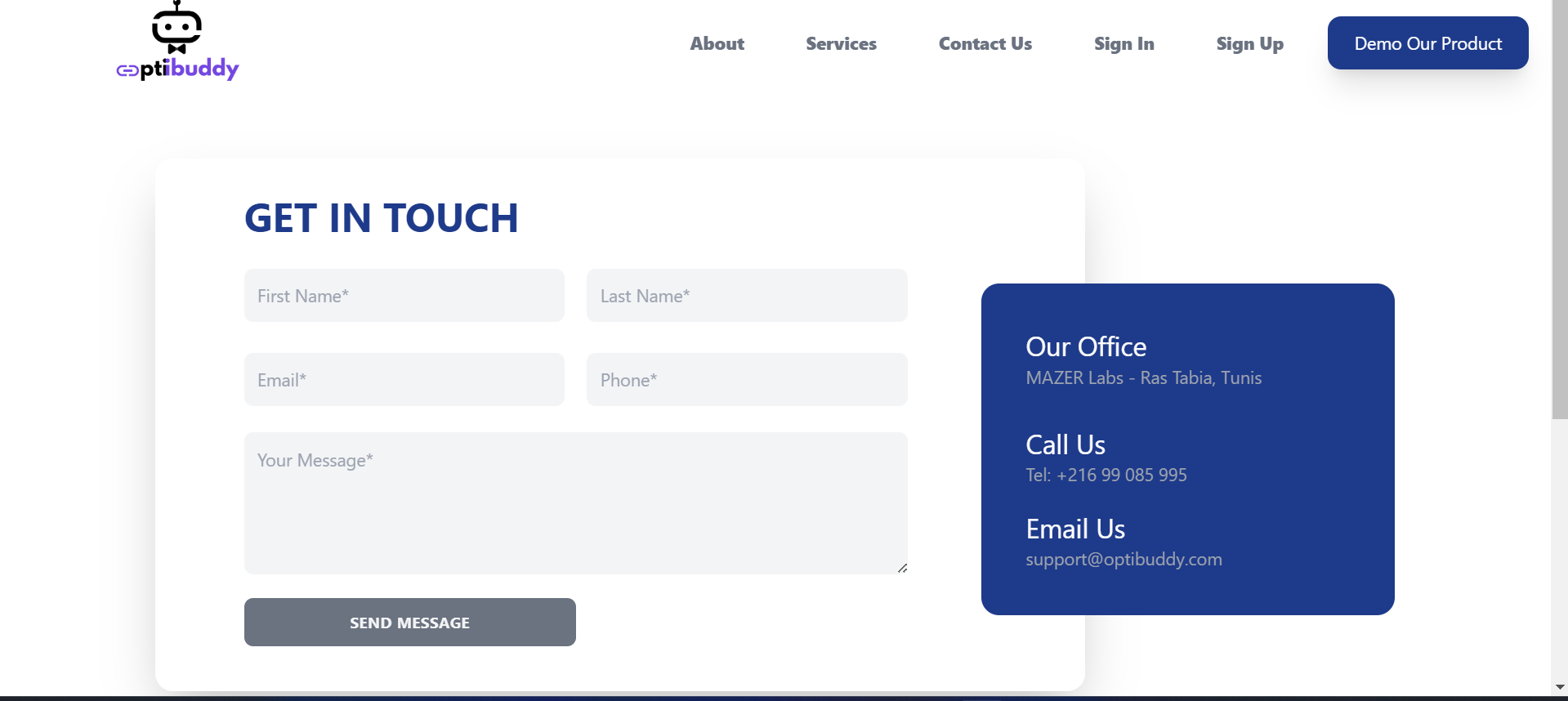
Contact us
-
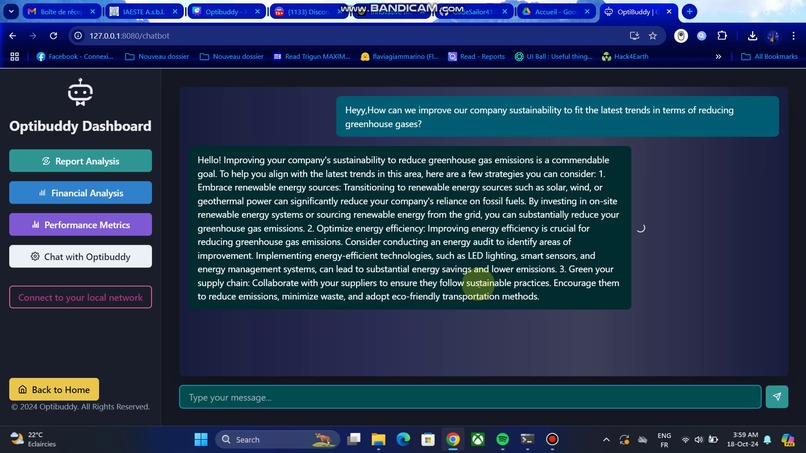
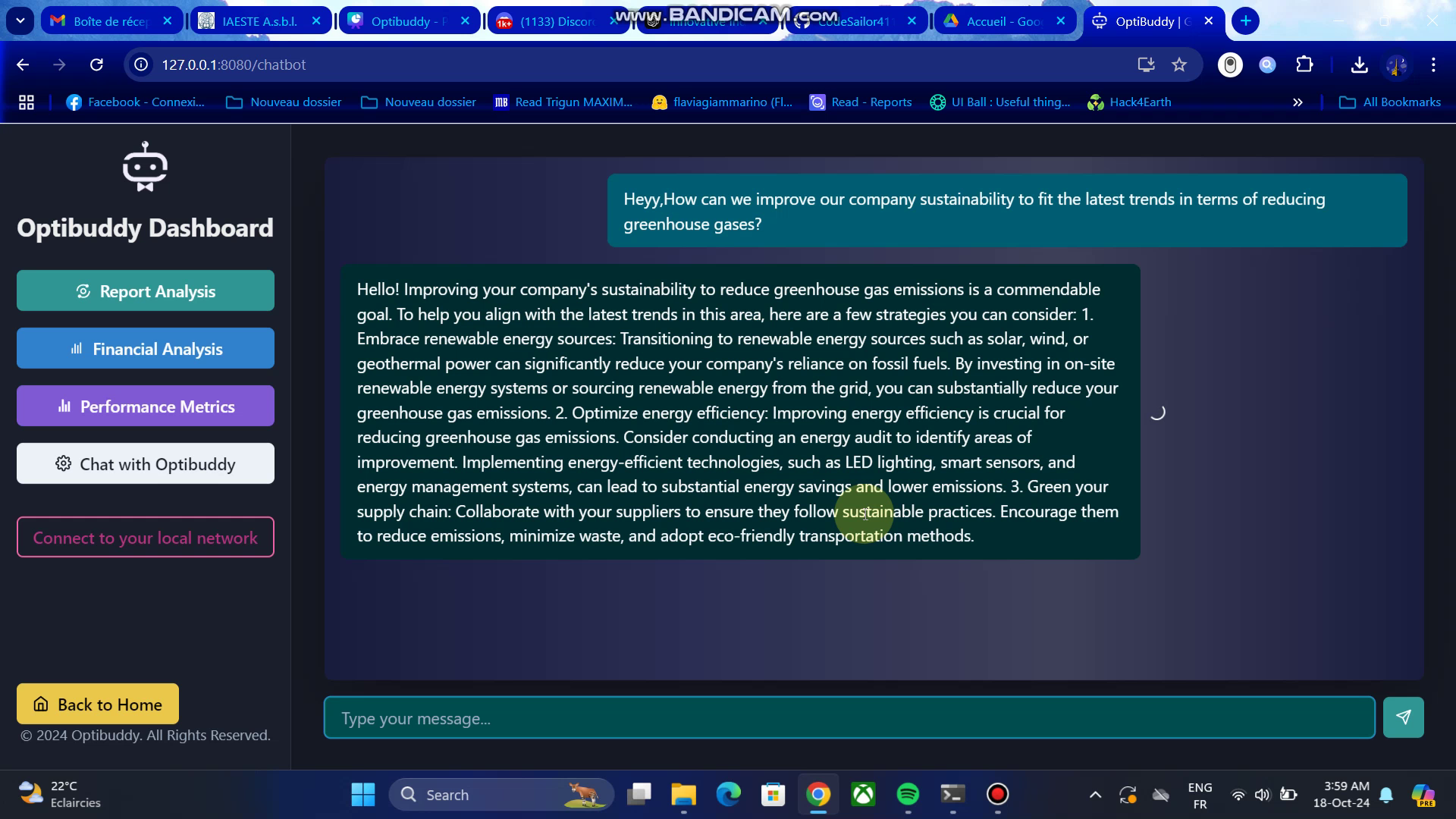
Chatbot virtual assisstant
-
-
-
About the Project
Inspiration
In recent years, we've seen the remarkable evolution of Large Language Models (LLMs) being applied across various fields, from healthcare to coding, where chatbots can analyze and process massive amounts of data to provide personalized solutions. This sparked our curiosity, especially after my brother and I witnessed the powerful capabilities of LLMs in managing and extracting insights from complex data. We began thinking about how these AI technologies could be applied to optimize industrial processes and drive sustainability efforts. Industries, like healthcare, generate enormous amounts of data, and we realized that using LLMs in combination with IoT could offer real-time, actionable recommendations to reduce energy use, minimize waste, and ensure compliance with sustainability goals.This initiative addresses a critical issue, as industries are responsible for 76% of total greenhouse gas emissions as of 2024, making it an essential area for impactful change.
What it does
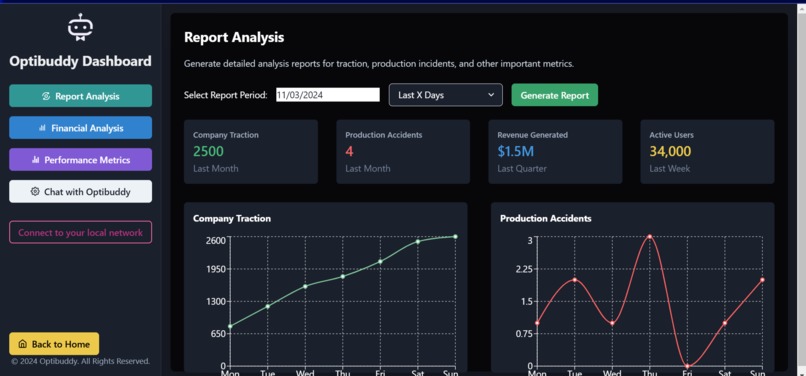
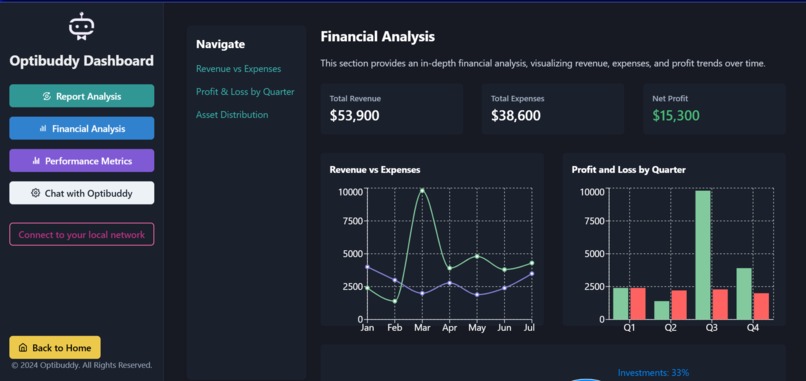
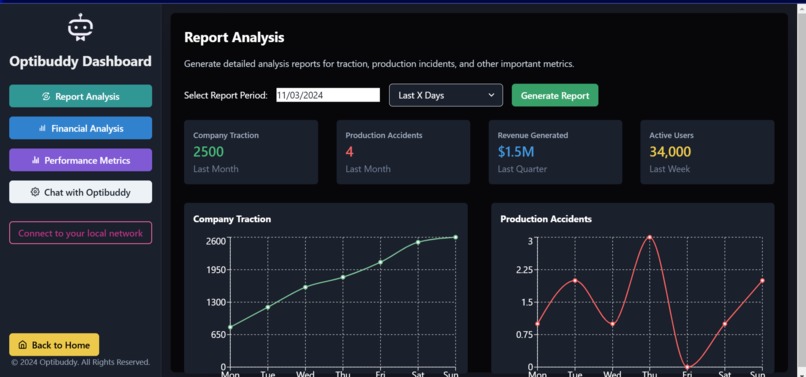
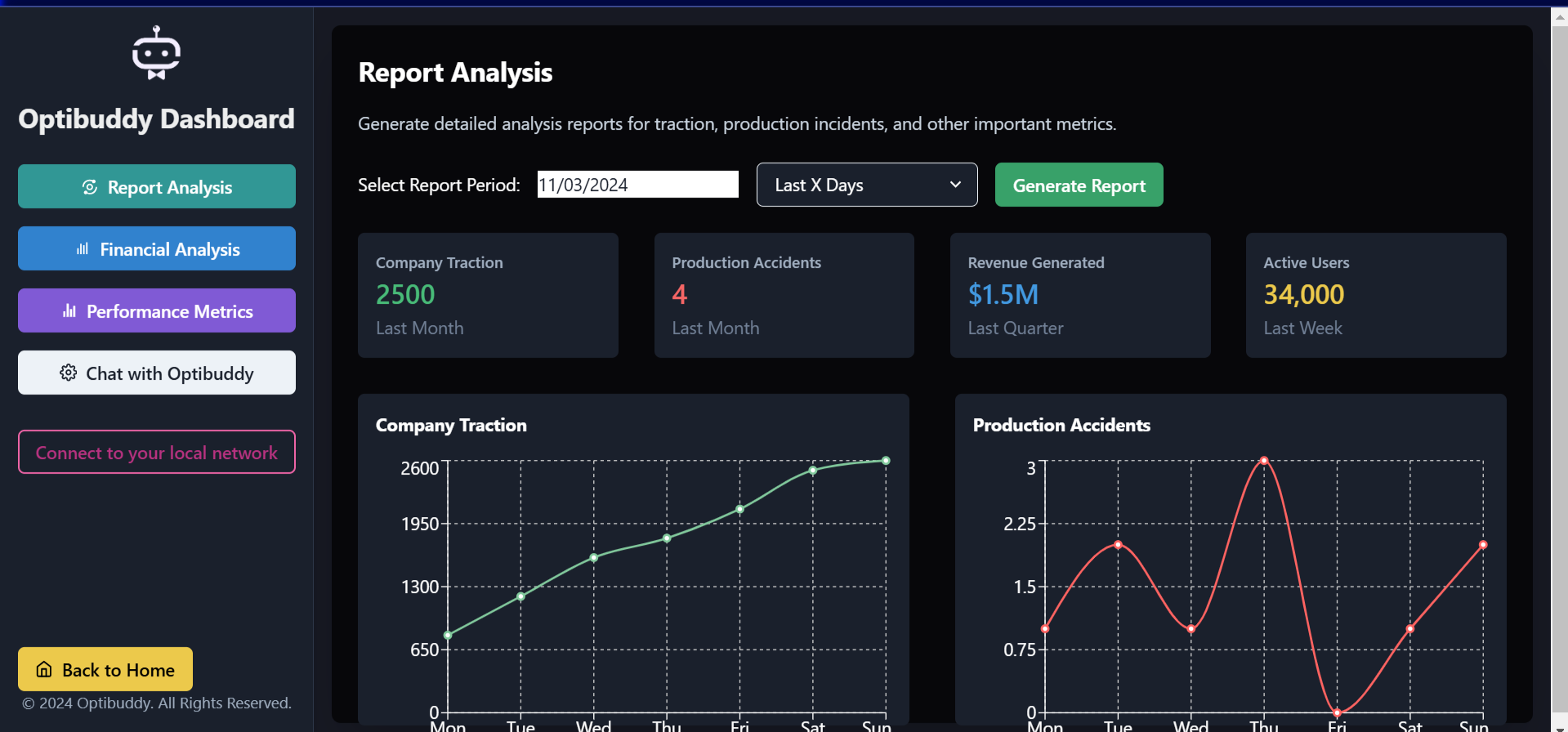
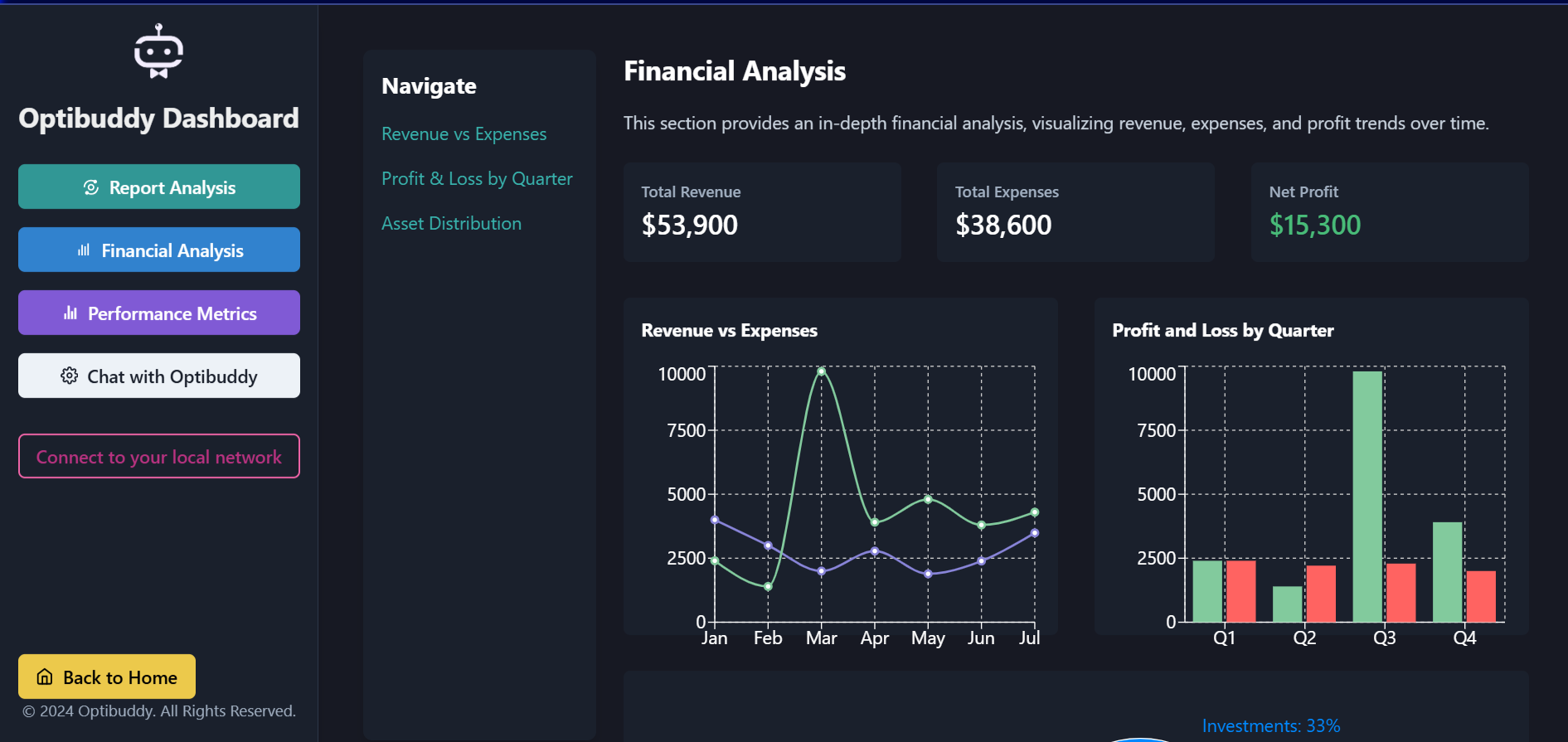
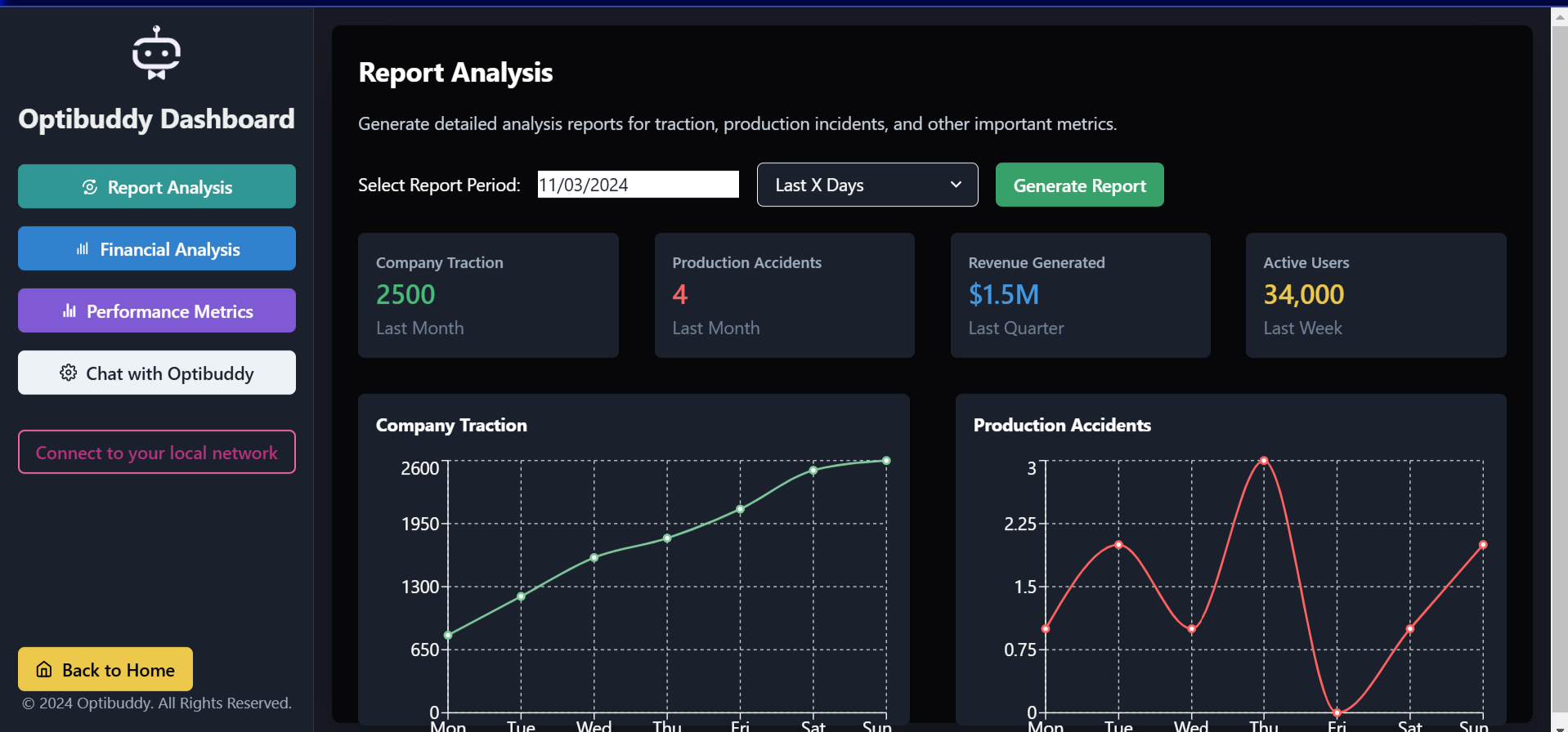
Optibuddy is an AI-powered chatbot designed to help industries achieve sustainable operations by providing real-time insights based on IoT data. It analyzes performance metrics, optimizes resource usage, and ensures compliance with environmental standards. The system allows businesses to balance operational efficiency with sustainability, reducing their environmental footprint while improving productivity.
How we built it
We built Optibuddy by combining fine-tuned language models with industrial IoT data streams and ESG data we have gathered online. Our AI analyzes sensor data to offer real-time suggestions for energy optimization, waste reduction, and resource efficiency. The backend leverages cloud infrastructure(Microsoft Azure) for data processing and AI deployment, while the frontend is developed with ReactJS, offering a smooth user experience. Our team split responsibilities: One member focused on the LLM integration and pretraining LLama 3.2 to industrial data, while the remaining two worked on developing the web interface and backend.
Challenges we ran into
We faced several challenges, including:
- Efficiently processing and analyzing large IoT datasets to ensure real-time recommendations.
- Fine-tuning the LLM to handle diverse industrial environments and data sources.
- Managing communication and task coordination across the AI and web development teams.
- Overcoming computational resource limitations during model training and testing phases.
Accomplishments that we're proud of
- Successfully deploying an AI system that integrates real-time IoT data to offer sustainability insights.
- Completing the essential core of the project within time constraints , despite the complexity of the tasks.
- Creating a user-friendly platform that allows industries to monitor sustainability metrics and receive actionable feedback.
What we learned
Throughout the development of Optibuddy, we learned the importance of cross-functional teamwork, especially when working with different technologies such as AI, IoT, and web development. We also gained a deeper understanding of how LLMs can be adapted to handle real-time data in industrial settings, as well as the challenges of fine-tuning these models for specific use cases.
What's next for Optibuddy
Our next step is to enhance Optibuddy by expanding its capabilities to support more industries and integrate predictive analytics for better decision-making. We aim to further improve the accuracy of the AI's recommendations and explore the potential for applying machine learning models to forecast sustainability trends, helping businesses stay ahead of environmental challenges.

Log in or sign up for Devpost to join the conversation.