-
-
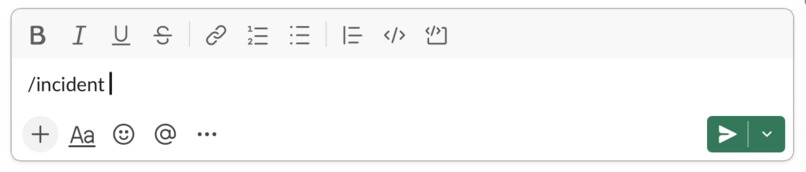
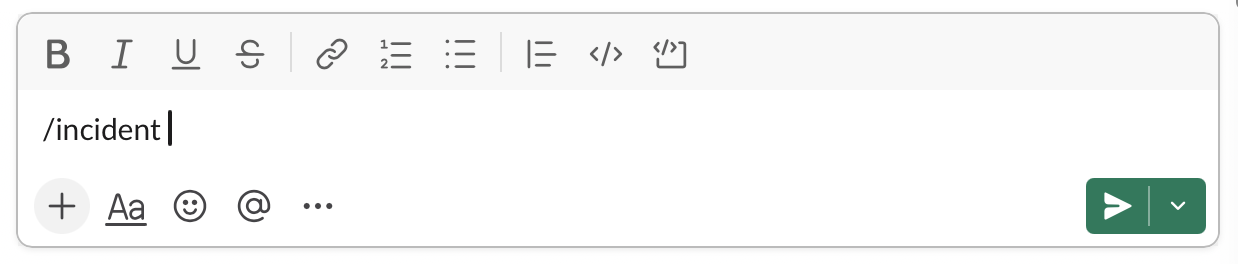
/incident model
-
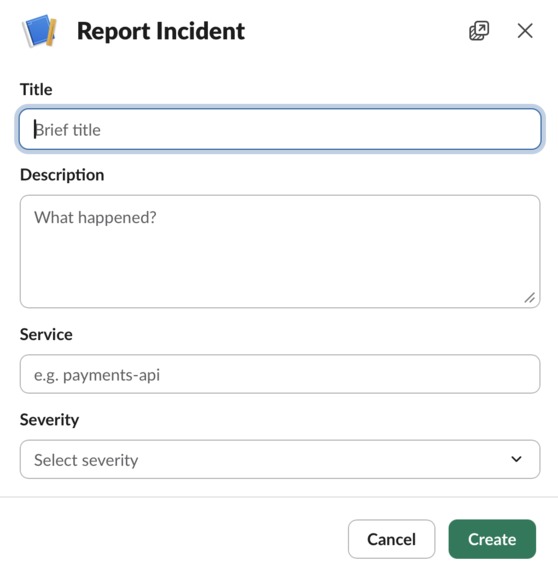
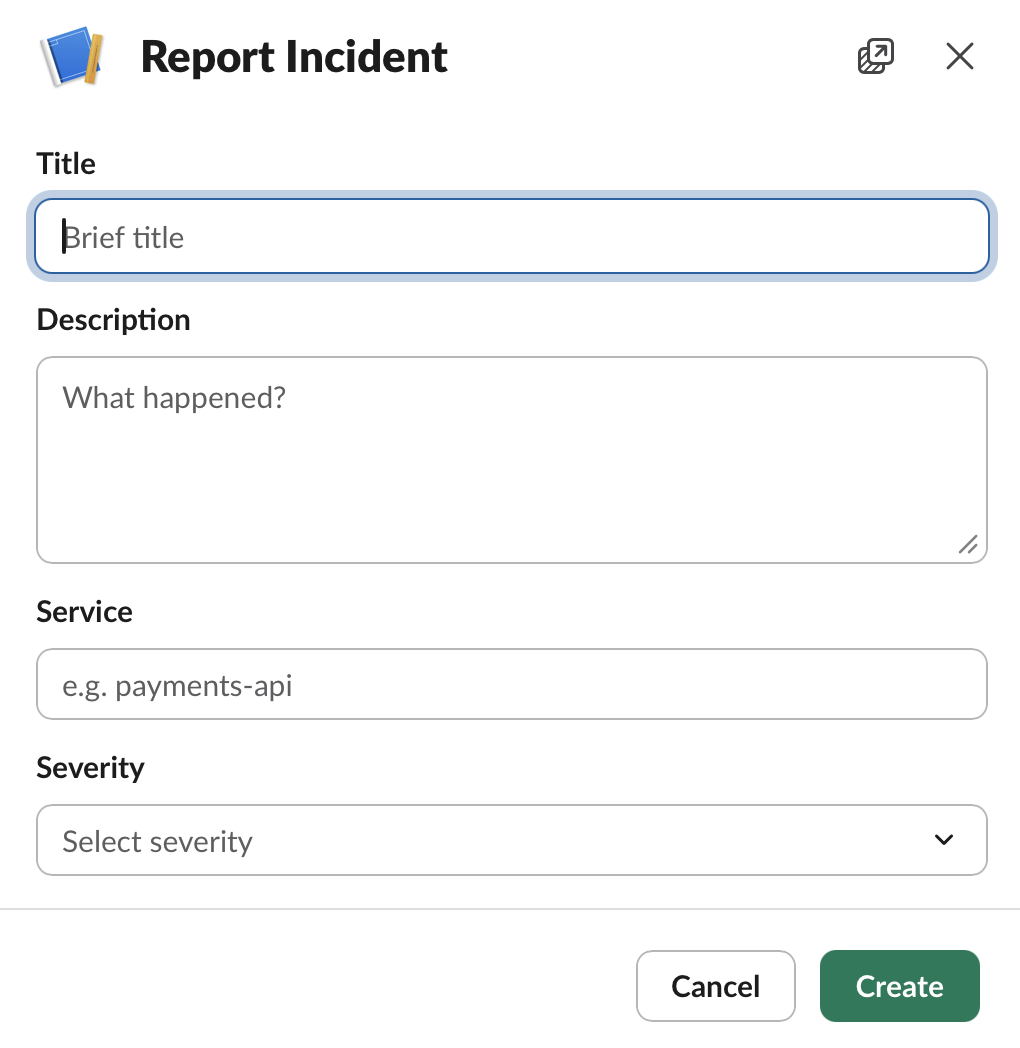
Report Incident
-
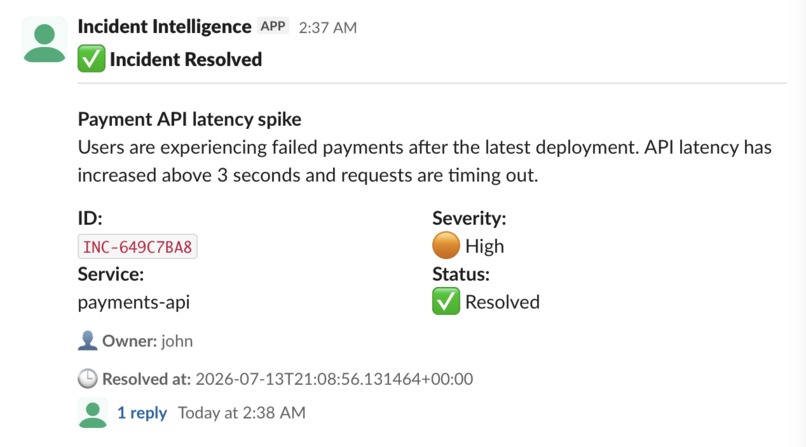
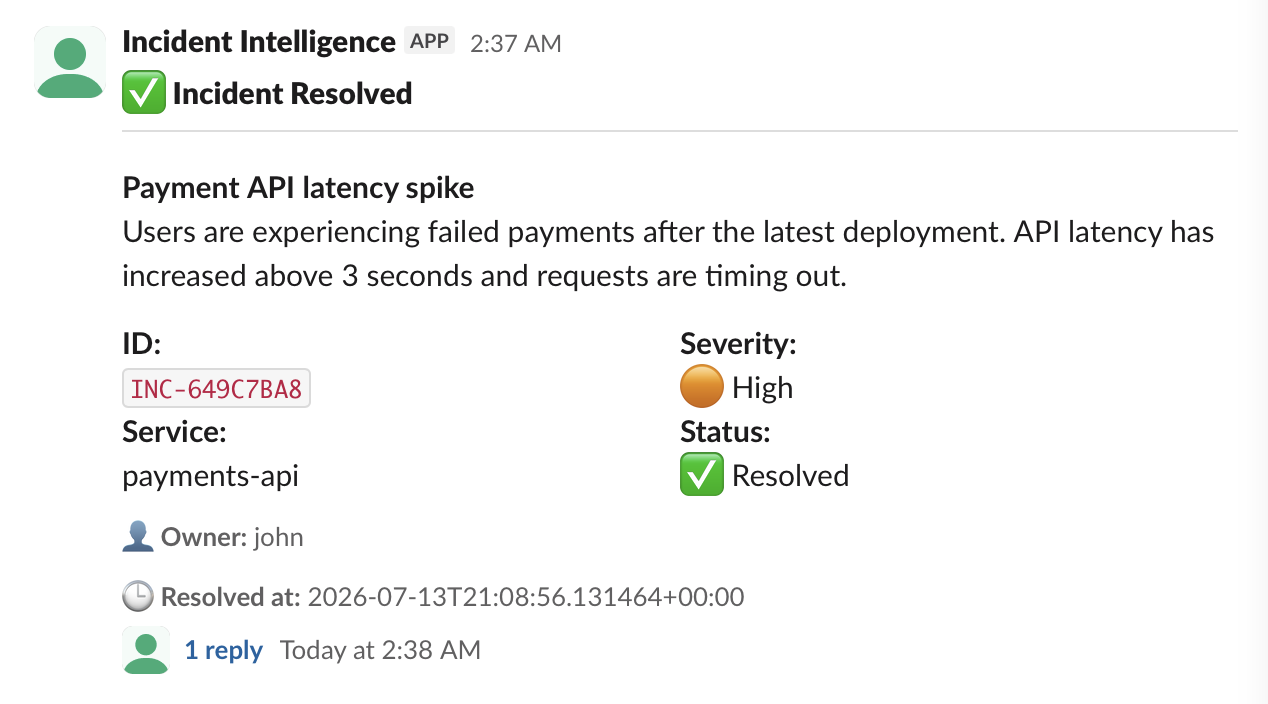
Resolved Incident
-
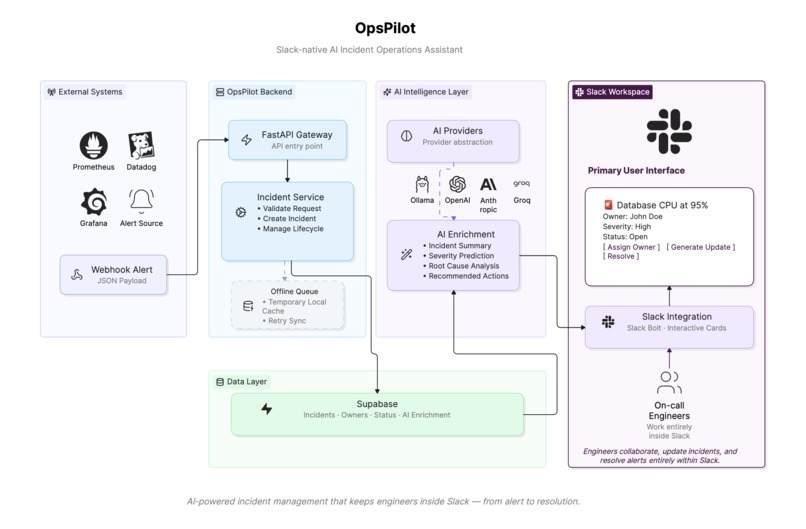
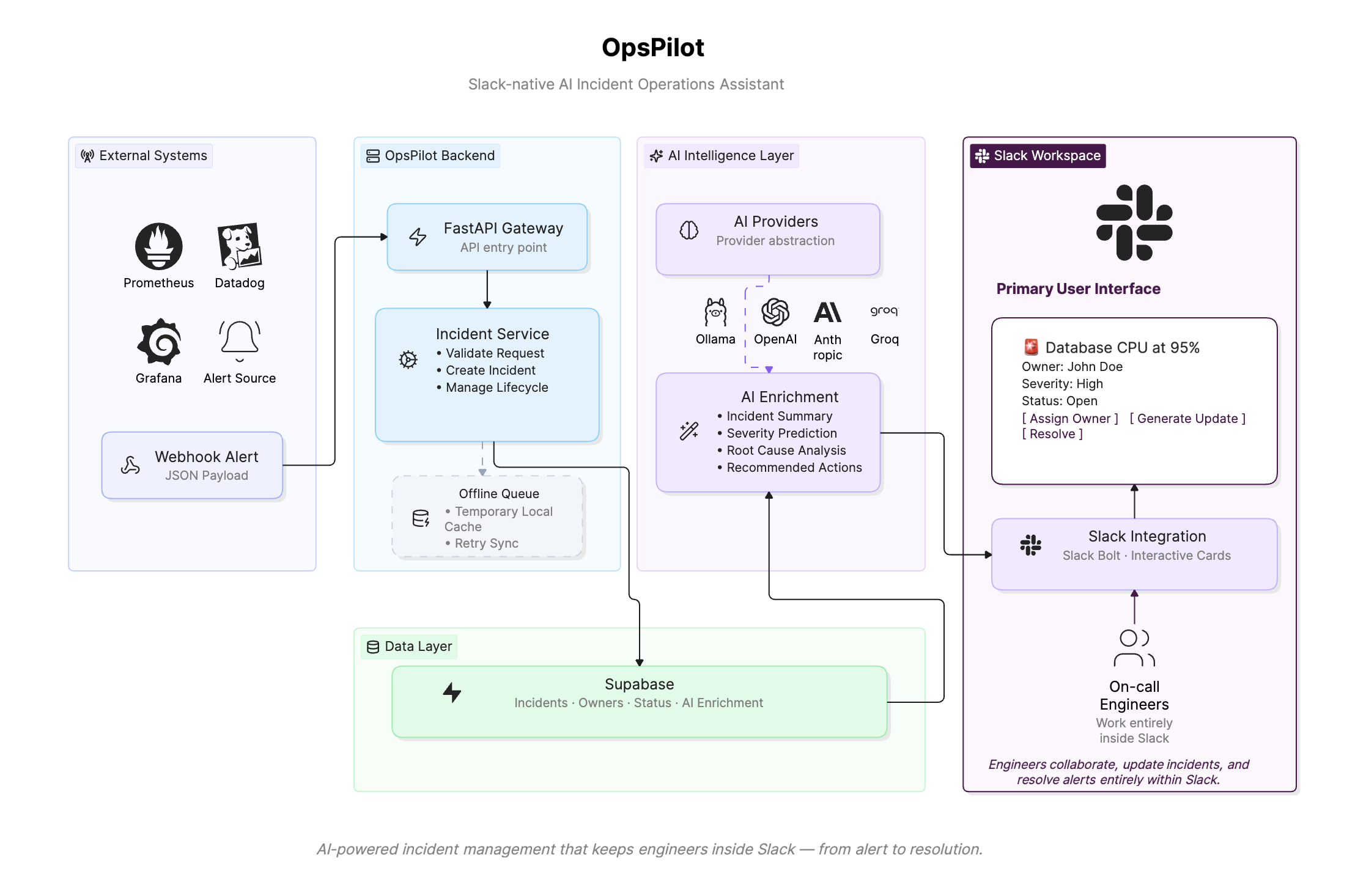
Architecture Diagram
OpsPilot
Inspiration
Modern incident response is often slowed down by context switching. Engineers jump between monitoring dashboards, documentation, ticketing systems, and communication tools before they can even begin solving the problem. We wanted to explore how Slack could become the central workspace for incident management by combining AI-powered analysis with collaborative workflows.
What We Built
OpsPilot is a Slack-native AI incident operations assistant that streamlines the complete incident lifecycle. Engineers can create incidents directly from Slack, where the system automatically enriches alerts with AI-generated summaries, severity predictions, probable root causes, and recommended actions. Teams can then assign ownership, generate stakeholder updates, and resolve incidents without leaving Slack.
Our solution integrates FastAPI, Slack Bolt, Supabase, and multiple AI providers through a modular backend architecture designed for extensibility and reliability.
How We Built It
We built OpsPilot using a Python-based backend powered by FastAPI and Slack Bolt. Incident data is stored in Supabase, while an AI abstraction layer supports multiple providers including Ollama, OpenAI, Anthropic, and Groq. The backend processes incoming incidents, enriches them using AI, and generates interactive Slack Block Kit messages that enable engineers to collaborate directly within Slack.
To improve resilience, we also implemented an offline queue that prevents incidents from being lost during temporary connectivity or database failures.
Challenges We Faced
The biggest challenge was orchestrating multiple services into a seamless workflow. Integrating Slack interactions, AI enrichment, database operations, and asynchronous updates required careful handling of state transitions and error scenarios. We also focused on creating a modular architecture while keeping the implementation lightweight enough for a hackathon.
Another challenge was ensuring the AI added meaningful operational context rather than simply summarizing alerts. We refined the enrichment pipeline to produce concise, actionable information that supports faster incident response.
What We Learned
Throughout this project, we gained practical experience building production-style Slack applications, integrating AI into real operational workflows, designing resilient backend services, and creating user experiences that prioritize collaboration over complexity.
More importantly, we learned that successful AI products are not just about generating intelligent responses, but about fitting naturally into existing workflows and helping users make faster, better decisions.
Looking Ahead
We see OpsPilot evolving into a comprehensive incident operations platform with deeper integrations for monitoring systems, runbook retrieval, historical incident analysis, intelligent routing, and enterprise collaboration tools. Our goal is to make incident response faster, smarter, and entirely Slack-native.

Log in or sign up for Devpost to join the conversation.