-
-
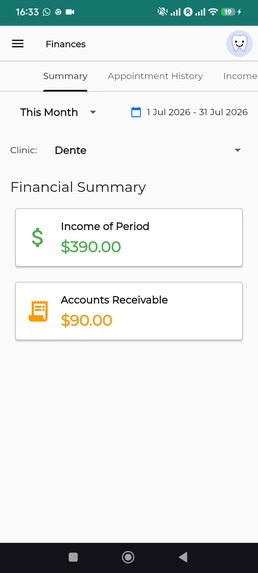
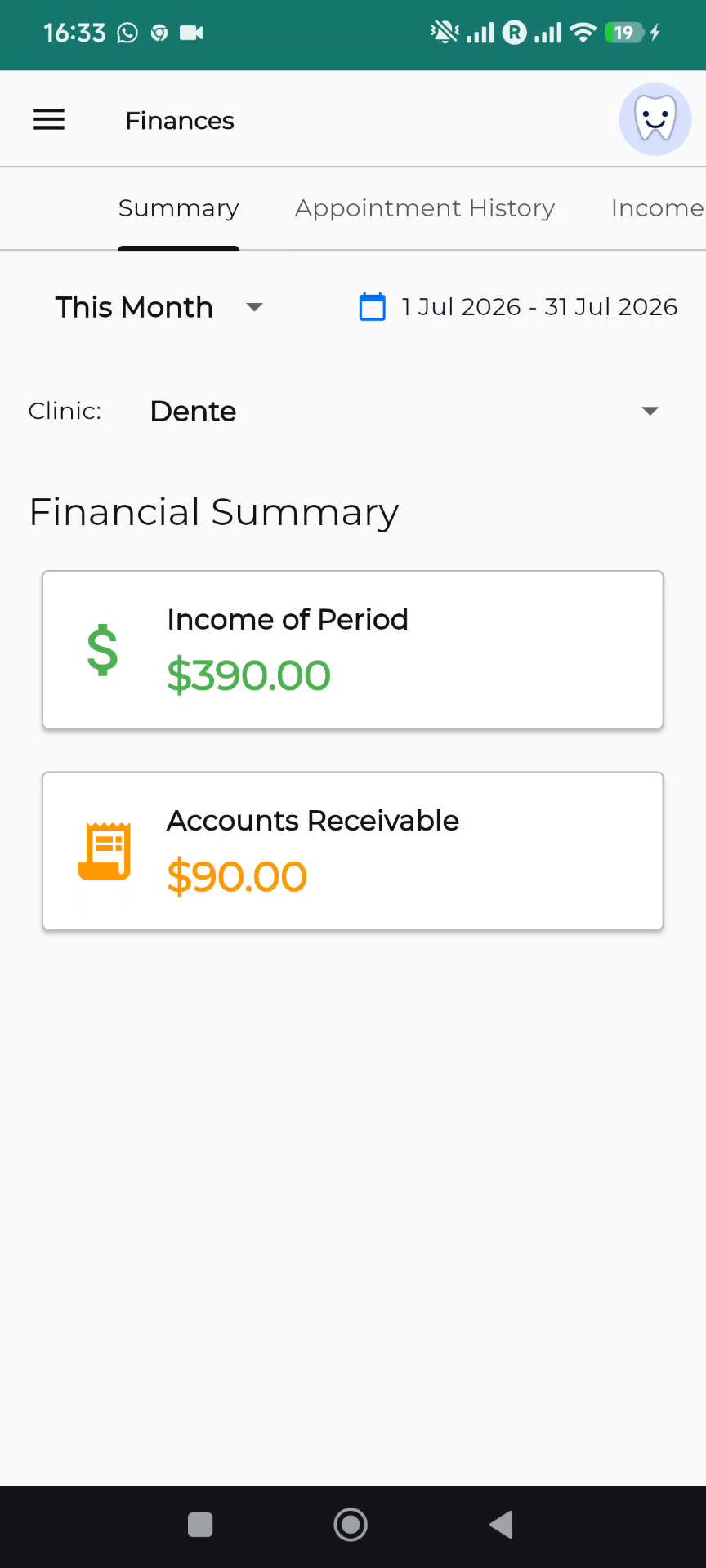
Finances
-
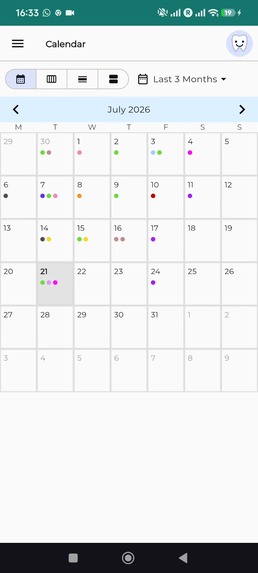
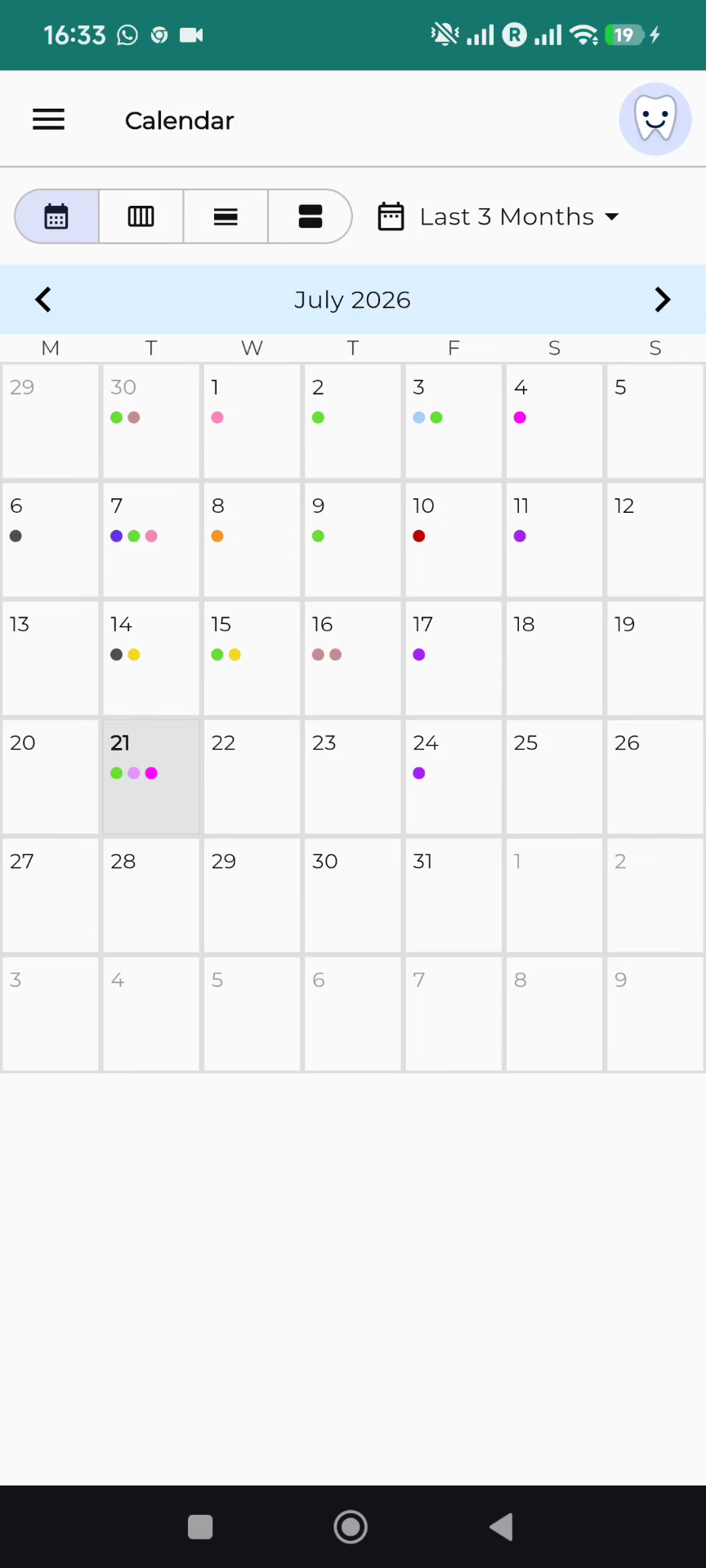
Calendar
-
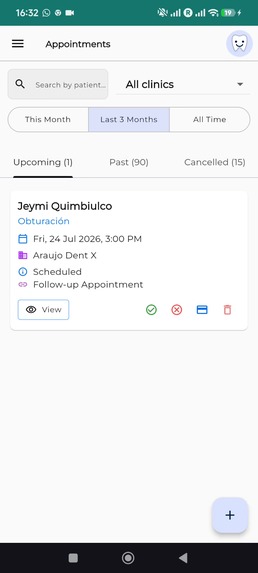
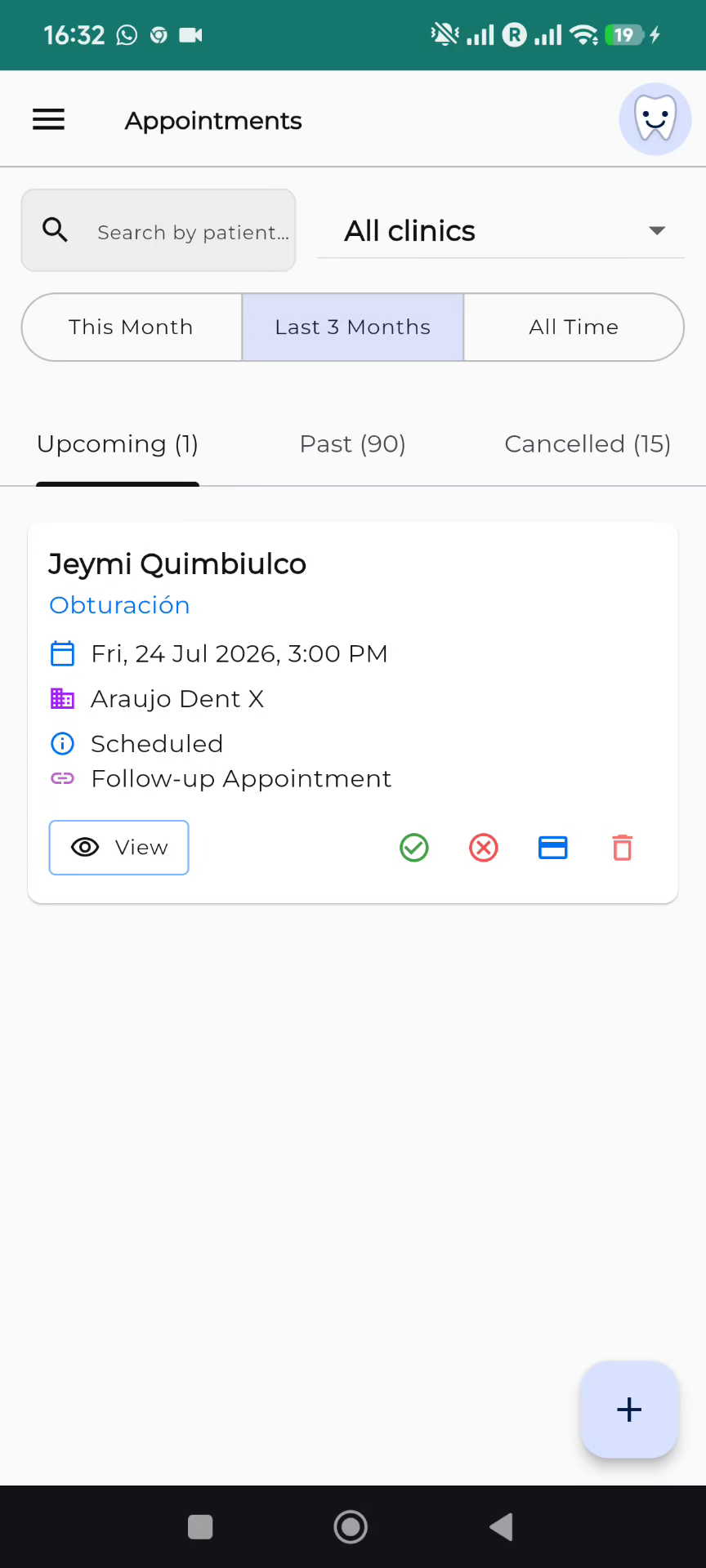
Appointments Manager
-
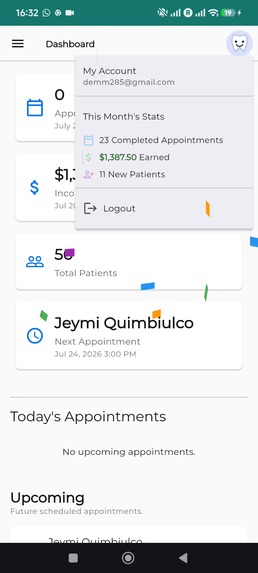
Monthly Overview
-
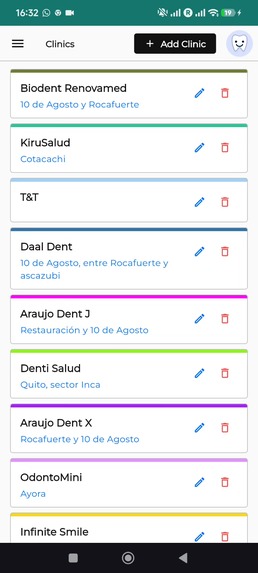
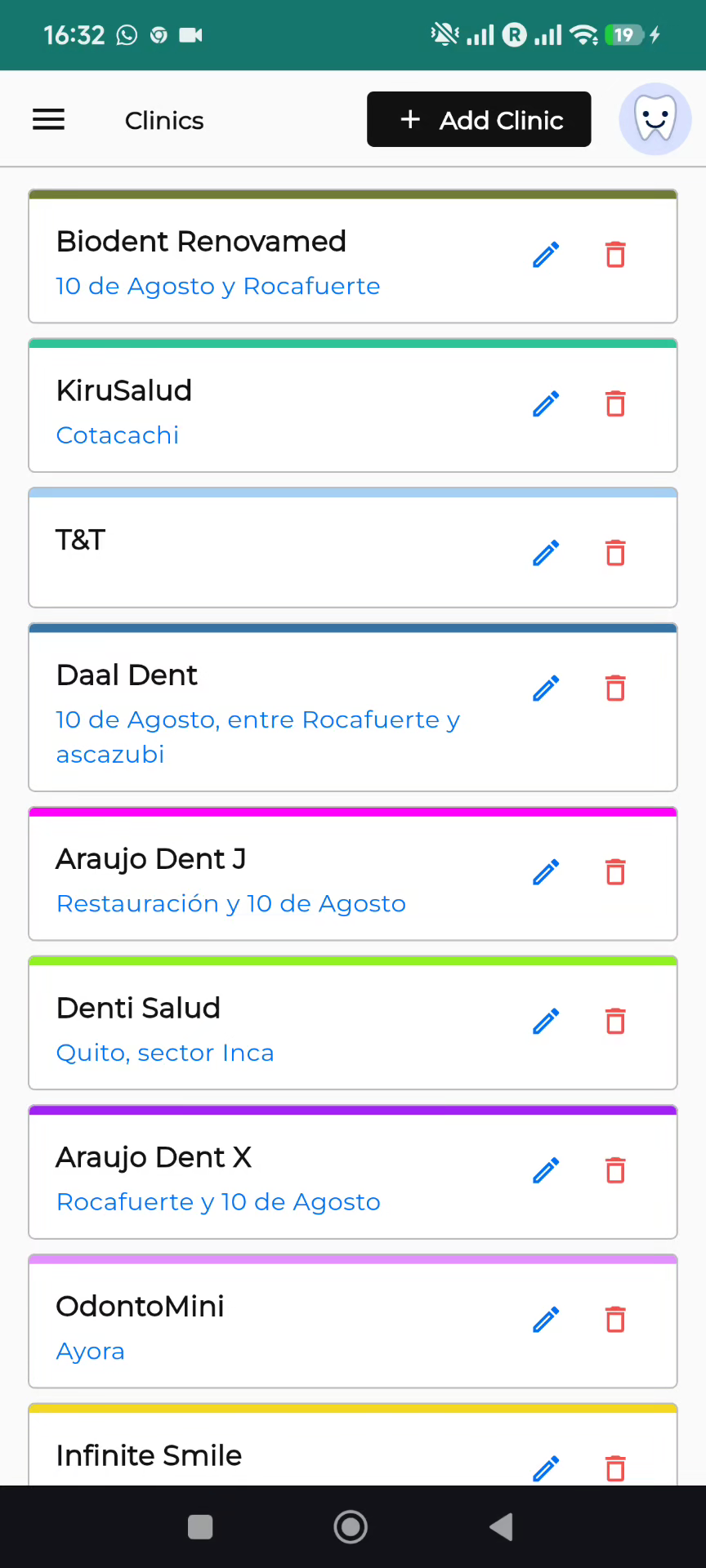
Color coded clinics
Inspiration
My wife is a dentist specialized in endodontics, and she is constantly on the move. She sees patients in different cities, works from several clinics in our hometown, and somehow manages to keep everything running.
The problem appeared at the end of every month.
She had to figure out which patients belonged to which clinic, where each payment came from, what was still pending, and which invoices needed to be prepared. Her system involved a combination of paper notes, conversations, memory, and Apple Notes.
I love Apple products, but I did not trust Apple Notes to become the financial source of truth for a dental practice.
One day she simply said:
"Help me organize this."
So I took matters into my own hands and started building an app for her.
That app became Oplanner.
A very unlikely developer story
I am not a software engineer. I am an environmental engineer who has always been fascinated by technology, but for a long time the thing holding me back was simple: I did not know how to program.
I had ideas, problems I wanted to solve, and plenty of curiosity, but I did not know how to turn those ideas into a real application.
This project changed that.
During this journey with Codex, I have learned more practical software development than I expected to learn during years at university. I have learned how applications are structured, how databases work, how to think through edge cases, how to test code, how to debug problems, and how small technical decisions can affect real people using a product.
I am still learning every day, but Oplanner has shown me that not knowing how to program is not necessarily the end of the story. Sometimes it is just the beginning of a very long, very educational, and occasionally sleep-deprived journey.
What Oplanner does
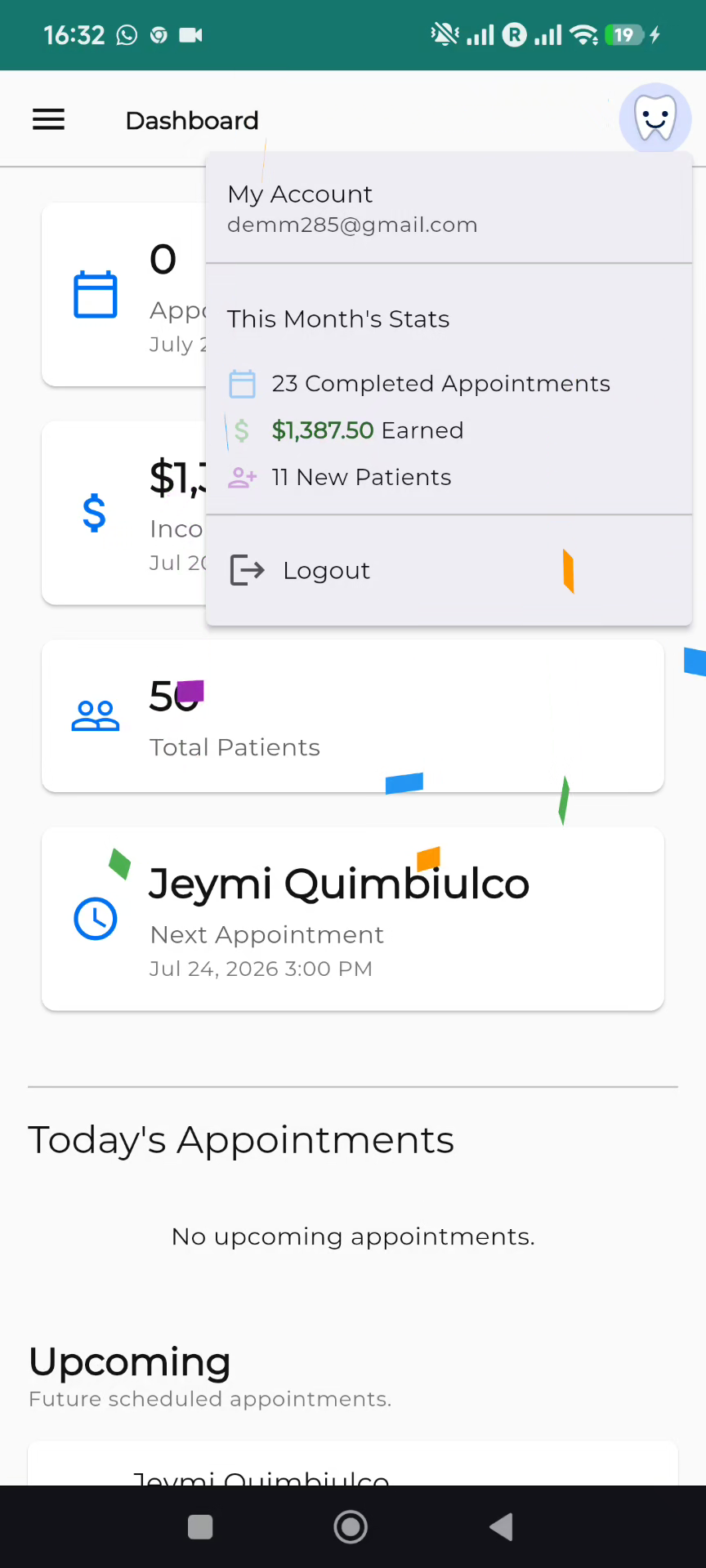
Oplanner is a clinic-management platform designed around the reality of a traveling dental specialist.
It brings together:
- Patient records and treatment history
- Dental appointments and follow-ups
- Multiple clinic locations
- Digital odontograms
- Payment tracking
- Income reports by clinic and date
- Accounts receivable
- Google Calendar synchronization
- Appointment reminders
- Ecuadorian electronic invoicing
The goal is to make it easy to answer questions that used to require detective work:
- Which clinic generated this income?
- Which patients still have pending payments?
- Which appointments belong to the same treatment?
- What needs to be invoiced at the end of the month?
How I built it
Oplanner is built with Flutter and Dart so it can support multiple platforms from one codebase.
Firebase Authentication and Cloud Firestore handle authentication, data storage, and synchronization. Provider manages application state, while packages such as calendar_view and fl_chart support the calendar and financial dashboards.
For Ecuadorian electronic invoicing, I built a TypeScript backend hosted on Vercel. It handles invoice drafts, digital certificate validation, XML signing, submission to the SRI, authorization status, retries, and credit notes.
I have also been working on offline reliability, calendar synchronization, pagination, security rules, and production hardening so the app can be trusted with real clinical and financial information.
Making it professional without making it boring
I wanted Oplanner to feel professional enough for a real clinic, but not like another lifeless administrative system.
That is why I added small details such as animations, sound effects, visual feedback, progress goals, friendly reactions, and playful empty states. They are not there to distract from the work; they are there to make repetitive administrative tasks feel a little more human.
A dental clinic can be serious without being boring.
Challenges
The hardest part was not building forms or screens. It was understanding the real relationships between clinics, patients, treatments, appointments, follow-ups, and payments.
A follow-up appointment may belong to an original treatment. A payment may need to be attributed to that treatment rather than to the follow-up visit. Income reports need to remain accurate even when the same patient is seen in different locations.
Electronic invoicing added another layer of complexity because certificates, signed XML documents, SRI authorization, security, and failed requests all have to be handled carefully.
I have also spent many late nights improving the app, fixing edge cases, strengthening security, and preparing it for production. The app is still evolving, but every improvement is guided by a real person who uses it in her daily work.
What I learned
Oplanner taught me that the best product ideas do not always start with a business plan. Sometimes they start with someone you love asking for help.
I learned how to design around a real professional workflow, how to build software that connects clinical and financial information, and how much detail is required to make an application reliable in the real world.
Most importantly, I learned that building an app for one very specific person can uncover a problem shared by many others.
Oplanner started as a way to help my wife stop calculating everything at the end of the month.
It became my attempt to give traveling dental professionals a calmer, clearer, and slightly more enjoyable way to run their practice.
The future of Oplanner
Oplanner started with dentistry, but the problem it solves is not exclusive to dentists.
There are doctors, veterinarians, therapists, consultants, and other healthcare professionals who move between clinics, offices, cities, and temporary workspaces. They face many of the same challenges: keeping track of patients, appointments, payments, income sources, follow-up care, and paperwork across multiple locations.
In the future, Oplanner could evolve into a flexible operations platform for mobile healthcare professionals. The clinical details would change depending on the profession, but the core idea would remain the same: one organized place to manage the people, appointments, finances, and administrative work that follow a professional wherever they practice.
The dental version is the beginning. The larger vision is to help any professional with a multi-location lifestyle spend less time searching through notes and more time doing the work they are trained to do.
Built With
- api
- cloud-firestore
- dart
- firebase
- firebase-authentication
- firebase-cloud-functions
- flutter
- google-calendar
- node.js
- typescript
- vercel


Log in or sign up for Devpost to join the conversation.