
💡 Inspiration
Managing operations or tasks manually can become messy, especially when multiple schedules overlap. We wanted to create a simple and modern system that helps users organize and track operations easily. The idea behind Operation Scheduler was to build a tool where operations can be booked, edited, and managed in one place with a clean interface and reliable backend.
⚙️ What it does
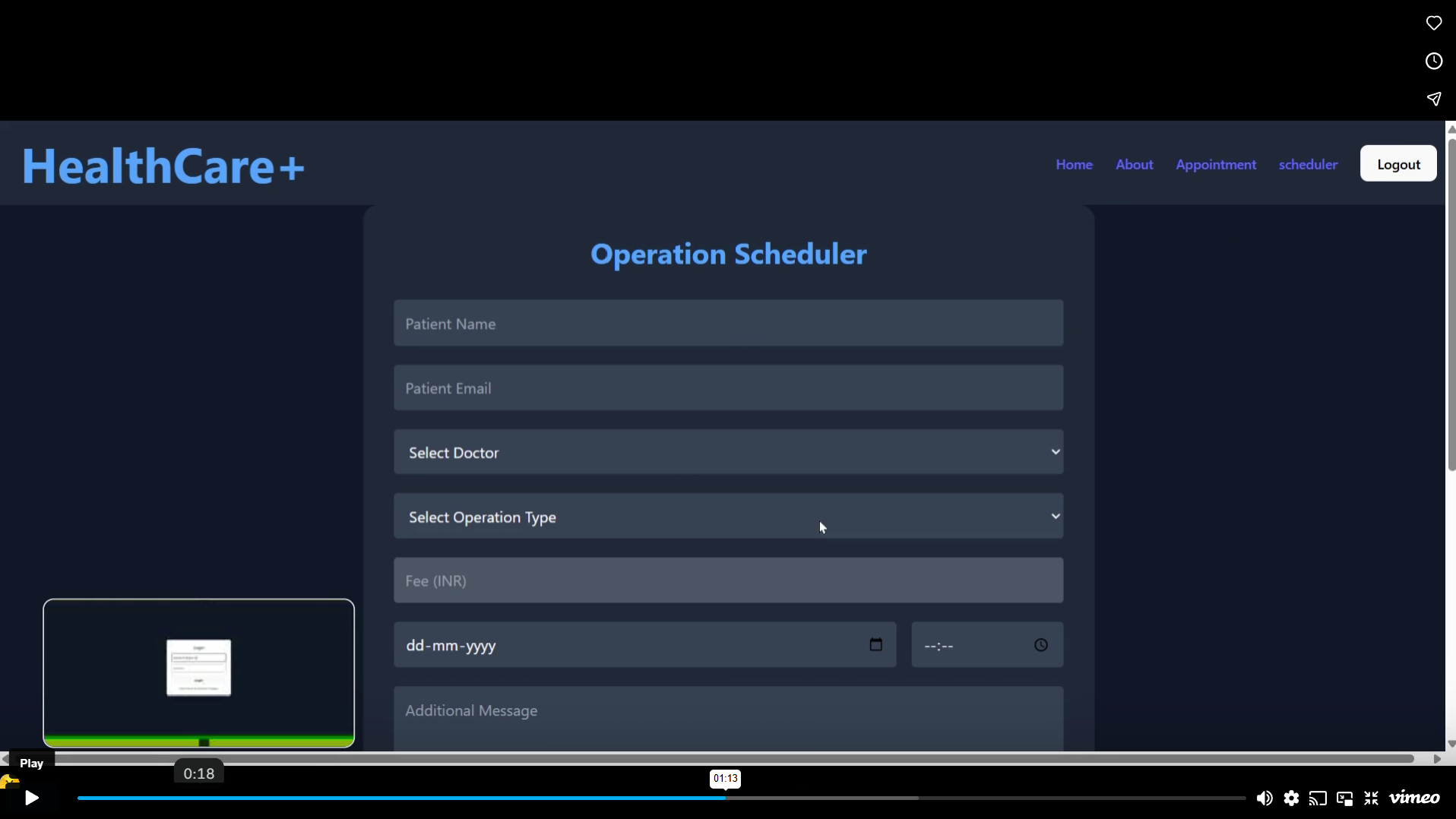
Operation Scheduler is a web application that allows users to book and manage operations efficiently.
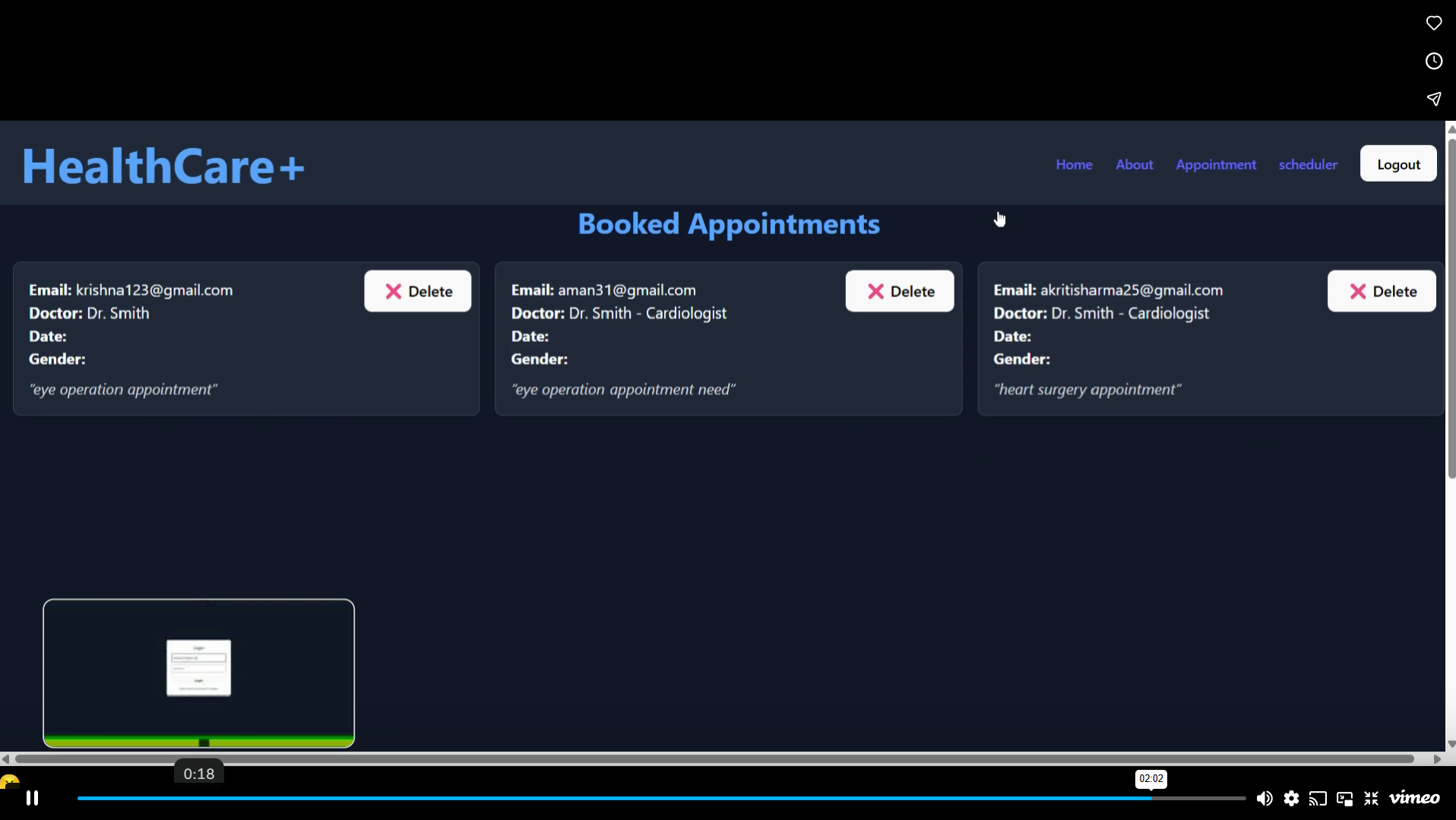
Users can add new operations with details like title, description, date, and time. The dashboard displays all scheduled operations in an organized view so users can easily track them.
Users can also edit or cancel operations anytime, making the scheduling process flexible and easy to manage.
🛠️ How we built it
The project was built using a full-stack JavaScript architecture.
The frontend was developed with React and styled using Tailwind CSS to create a modern and responsive UI.
The backend was built using Node.js with Express.js to handle API routes and server logic.
For data storage, we integrated MongoDB with Mongoose to store operation details persistently.
Version control and collaboration were managed using GitHub.
This architecture allowed us to create a scalable and maintainable scheduling system.
⚡ Challenges we ran into
One of the main challenges was managing the communication between the frontend and backend APIs. Handling real-time updates for scheduling data and ensuring that operations were correctly updated or deleted required careful API design.
Another challenge was structuring the database schema in a way that keeps operation data organized while allowing easy updates and retrieval.
🏆 Accomplishments that we're proud of
We successfully built a complete full-stack application with a clean user interface and working scheduling functionality.
The project demonstrates the ability to integrate frontend, backend, and database technologies together into a functional system.
We are especially proud of building a responsive dashboard where users can easily manage operations in a simple and efficient way.
📚 What we learned
Through this project, we gained hands-on experience in building full-stack applications.
We learned how to connect a React frontend with backend APIs, manage server logic, and store structured data in a database.
We also improved our understanding of project structure, API design, and version control using Git.


Log in or sign up for Devpost to join the conversation.