-
-
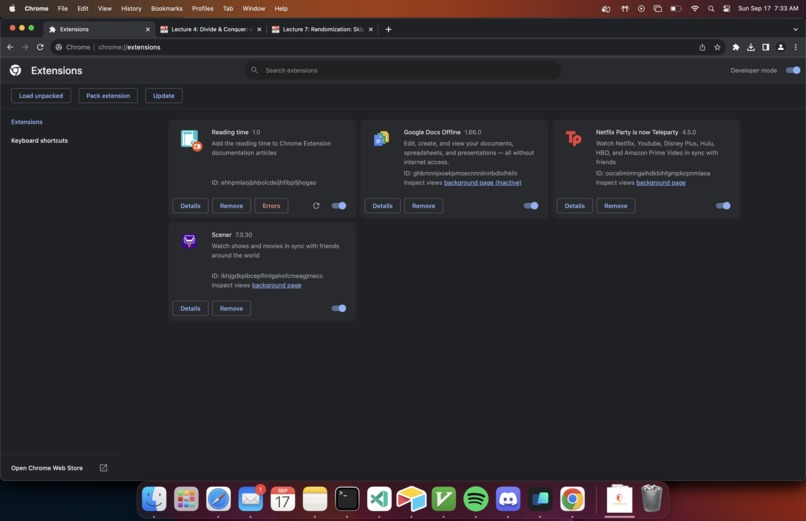
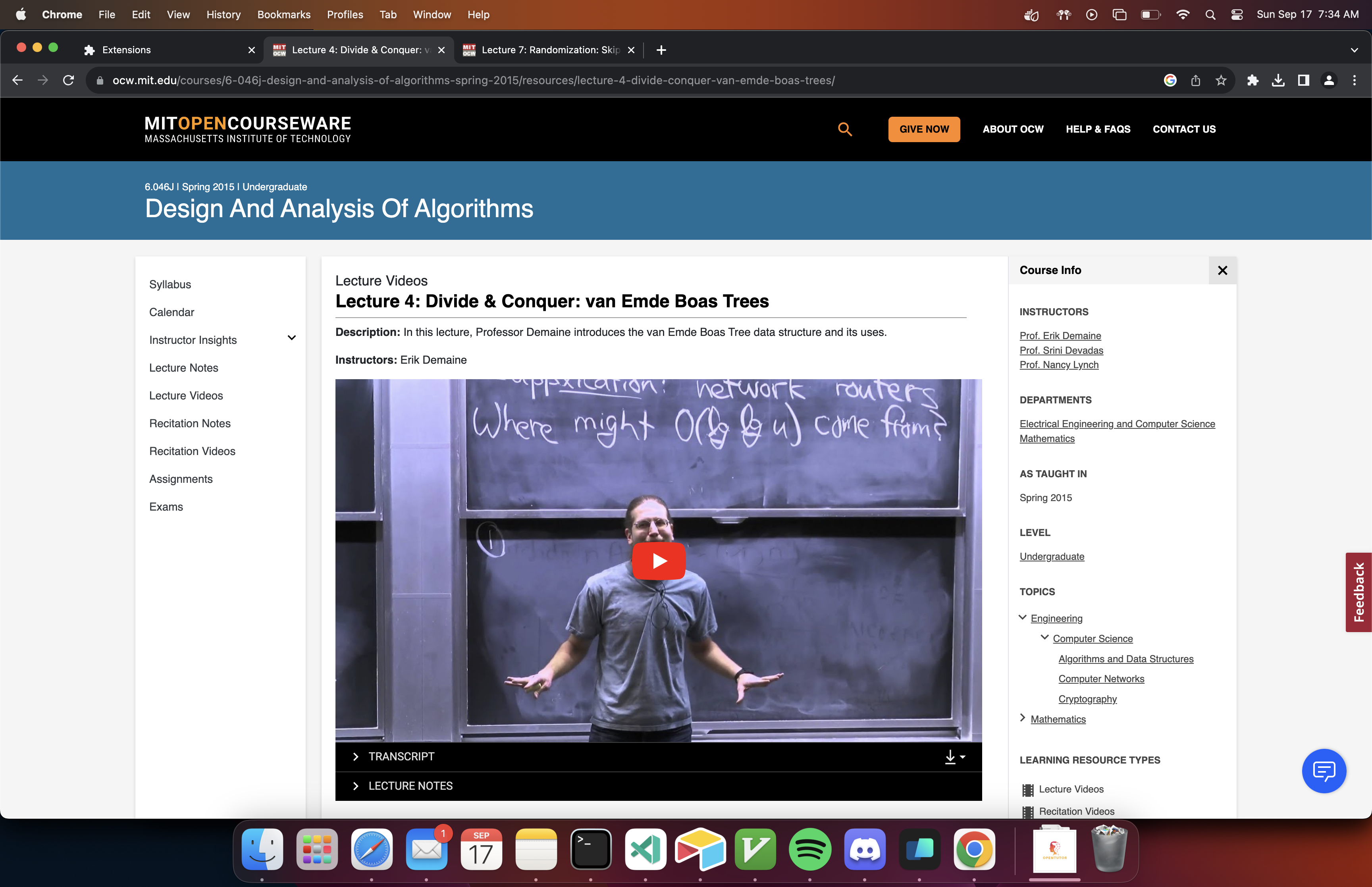
Chrome Extension
-
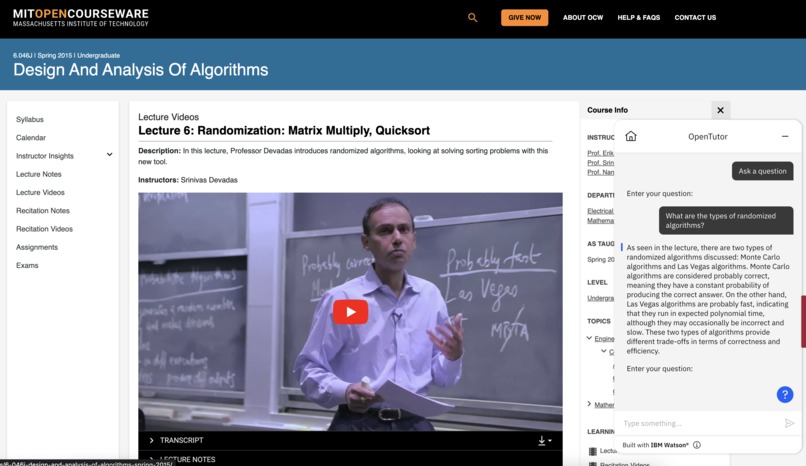
Chatbot in OCW
-
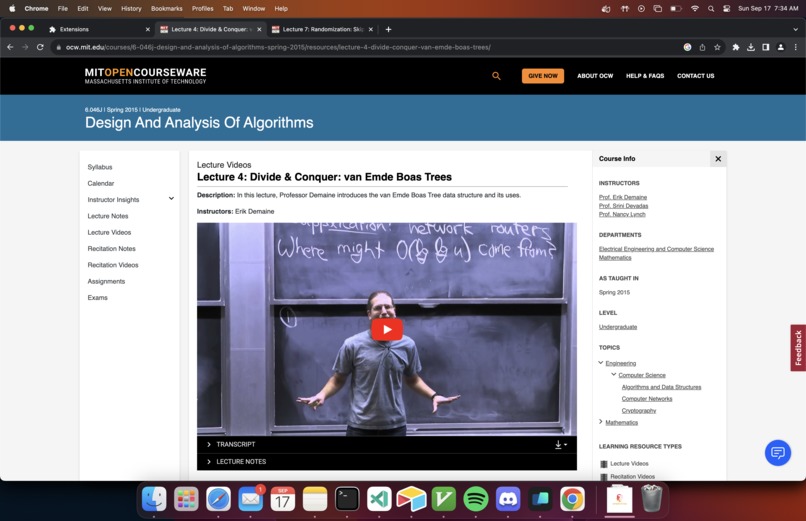
Chatbot icon in OCW
Inspiration
As students, we constantly need online education, not only for our career and professional development but also for curiosity and exploration. Nevertheless, online learning has many drawbacks to live education, primarily not being able to ask the teacher questions or have any interaction at all. Many times they are forced to learn online as they do not have the resources to do so any other way and struggle to find useful information while reading obscure papers. More specifically, we as MIT students, use OCW constantly to fill in gaps in our education and gain a more comprehensive understanding of the topics we are interested in, so we felt this was a place where many members of our community could benefit from a more interactive experience. We are also aware that thousands of students across the globe use MIT OCW to advance their education, so the implementation of a feature that would make this platform more accessible would greatly advance MITs goals of increasing education equity.
What it does
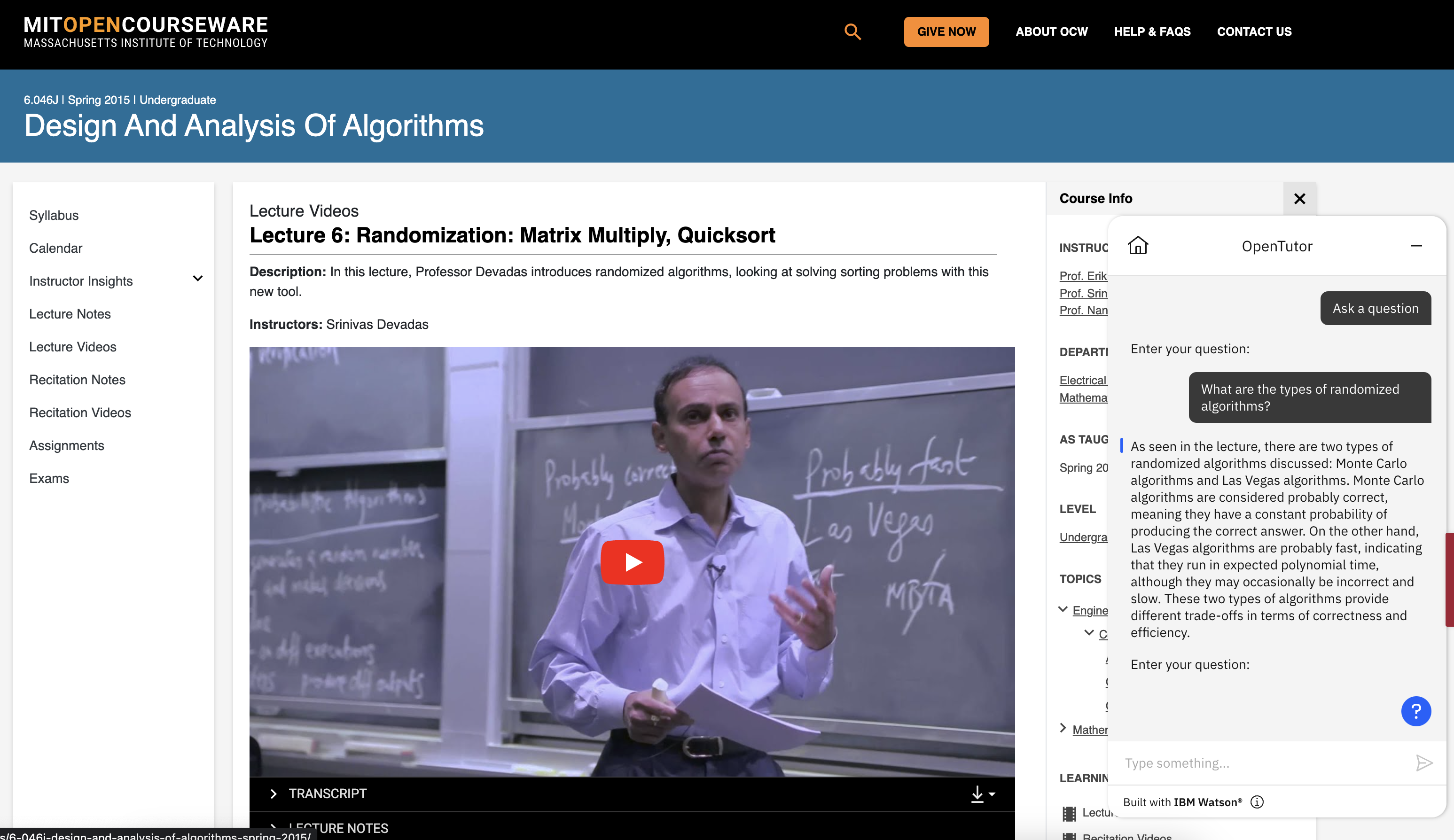
OpenTutor is a Google-extension chatbot tailored to integrate seamlessly with MITs Open Courseware website (its Open Source Learning Platform). OpenTutor is meant to be a resource for students taking the OCW courses online as they encounter problems and have questions about the material. This service parses the relevant information of the course the student is taking and using NLP, is able to generate an answer tailored to the context of the course.
How we built it
Using the Lantern platform, we created a database that stores lecture information in different categories to be parsed later. Then, we used IBM Watson Assistant to interphase between the intended content, the user, and the database to send a query through Modal and G-Cloud to our Lantern database. The database then takes the questions asked by the user, finds the relevant information, and feeds them to a GPT model. This model then uses only the information provided to reconstruct an answer that is uniquely tailored to the course and returns it to the student through the Watson Assistant.
Challenges we ran into
We had a lot of problems with system integration because all the platforms we used were so vastly different. We also saw difficulties in web embedding because of specific Google security measures that prevent HTML injections into dynamic websites.
Accomplishments that we're proud of
We are really proud of the back-end programming of this project because it is able to parse 30+ pages of dense academic material and use it to concisely and clearly answer student questions about the material itself as if the model were teaching the material itself.
What we learned
We gained a lot of knowledge in AI platforms including databases, UI interfaces, and web protocols. We also got to work with really cool products such as Lantern and Modal.
What's next for OpenTutor
The next steps for OpenTutor include data collection automation so that it can be used on all OCW courses. We also want to be able to use it on any online learning platform. Some new features we plan on adding include practice test generation and concept checks that can be requested by topic. With more training, the service would be able to provide a more personalized learning experience. We also would be willing to create a higher quality premium version for companies and universities.
Built With
- flask
- g-cloud
- ibm-watson
- javascript
- lantern
- modal
- openai
- python


Log in or sign up for Devpost to join the conversation.