-
-
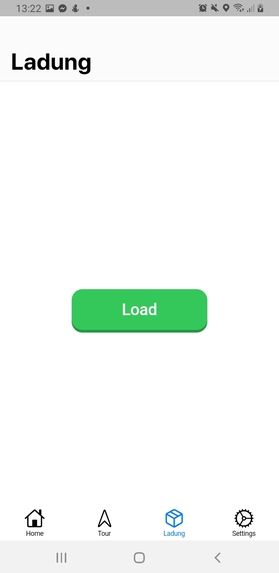
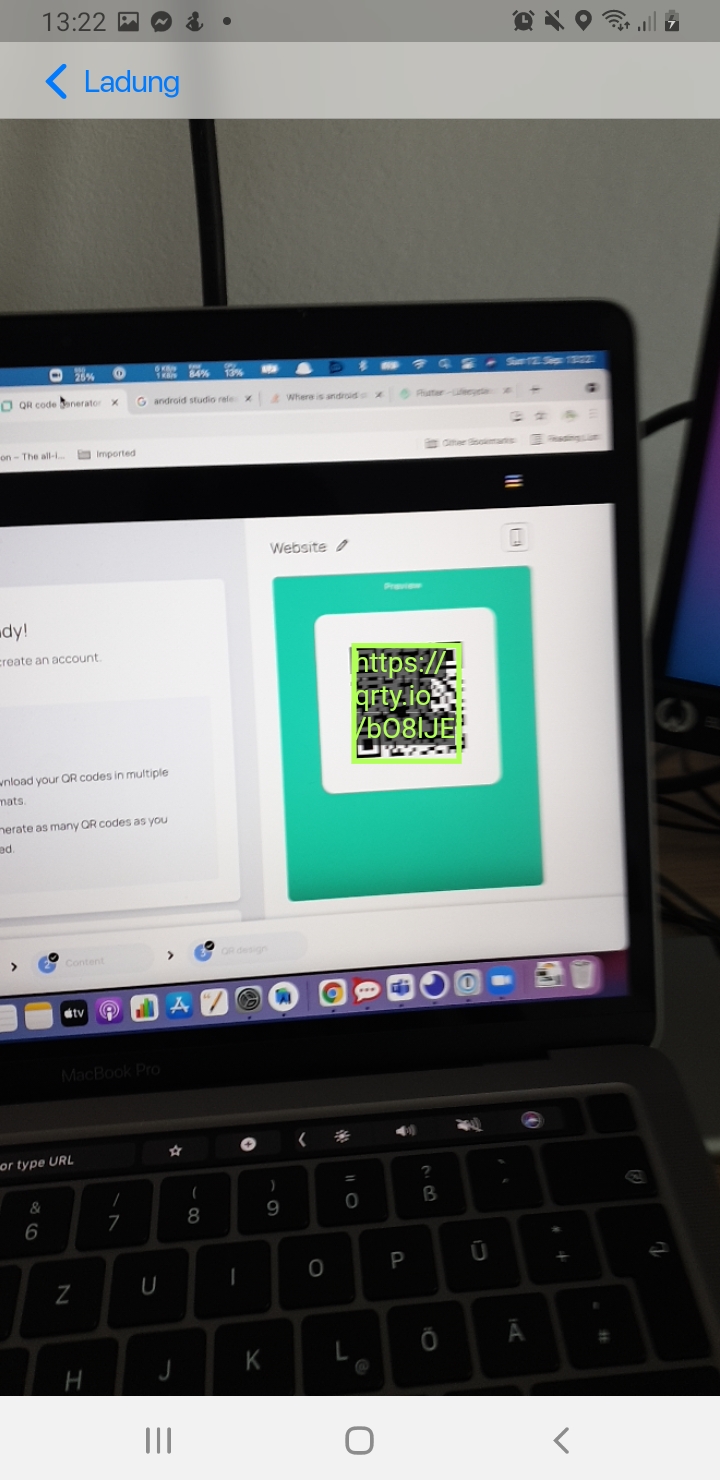
Booking a piece on the truck
-
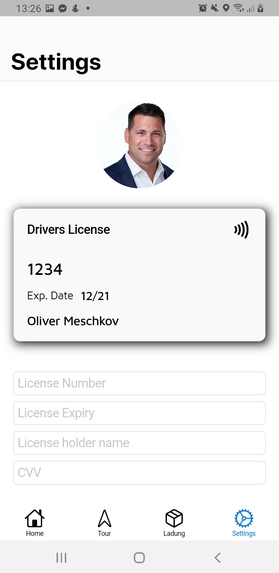
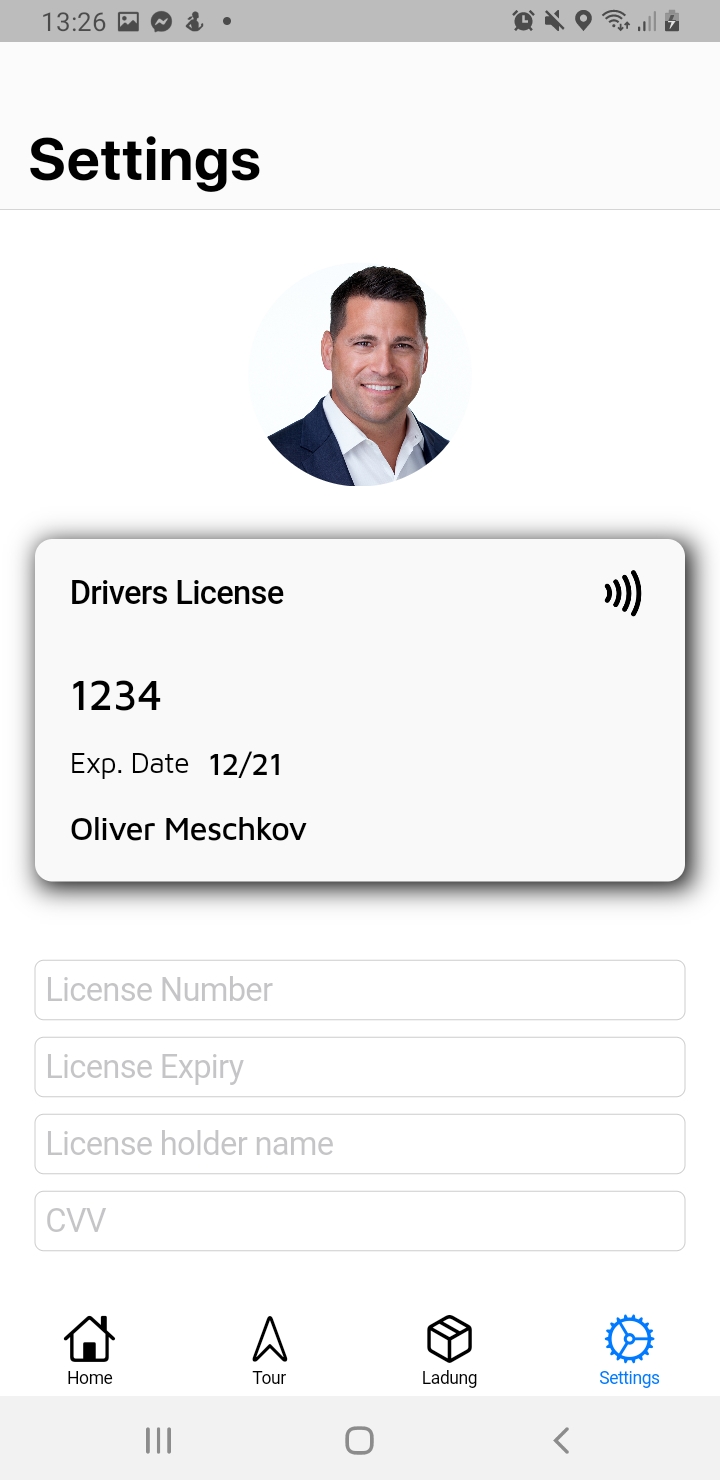
Putting personal driver´s details in the app
-
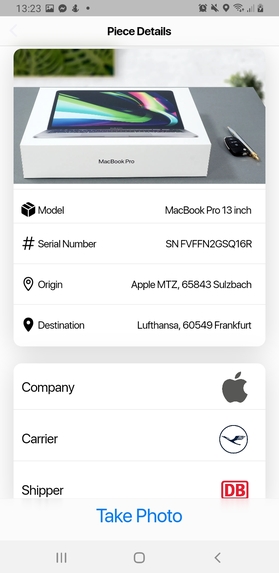
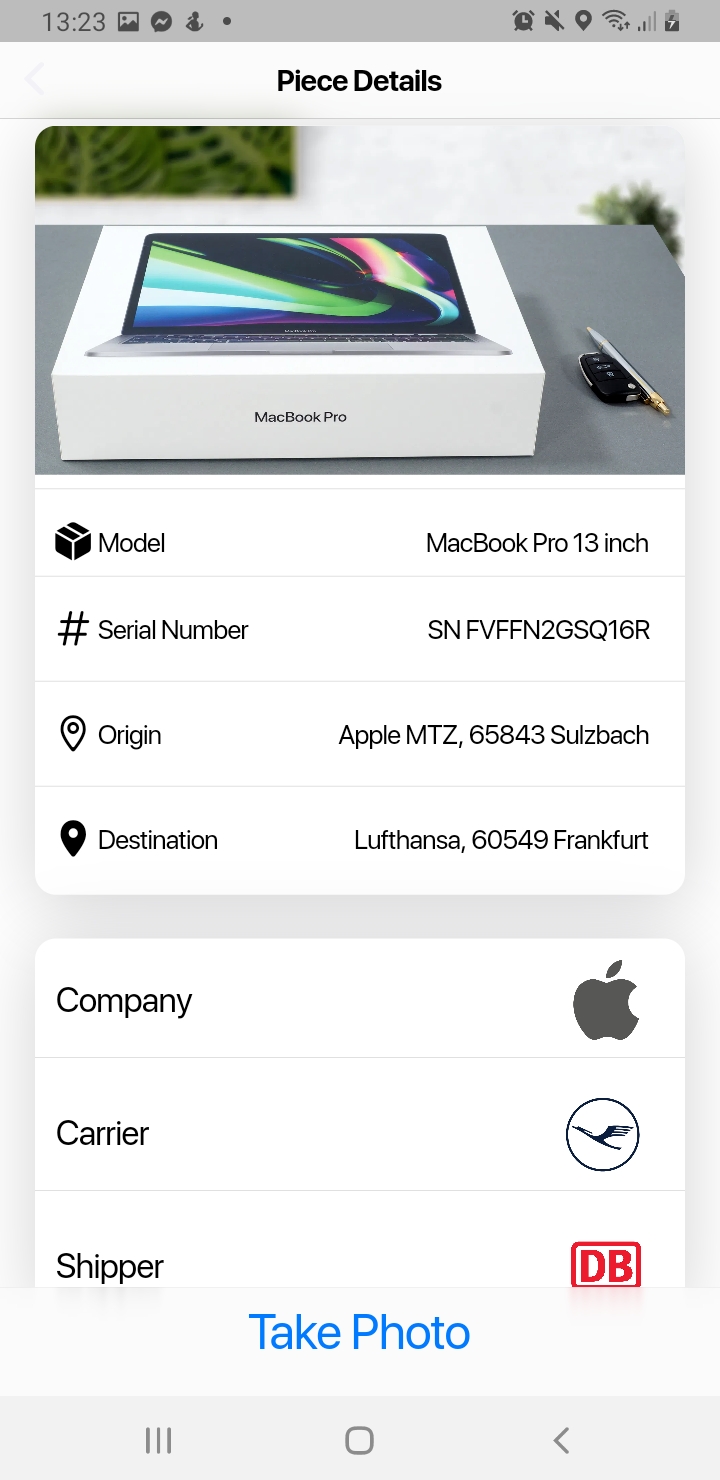
Retrieving Piece Information
-
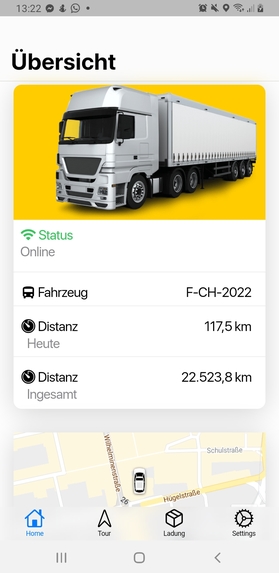
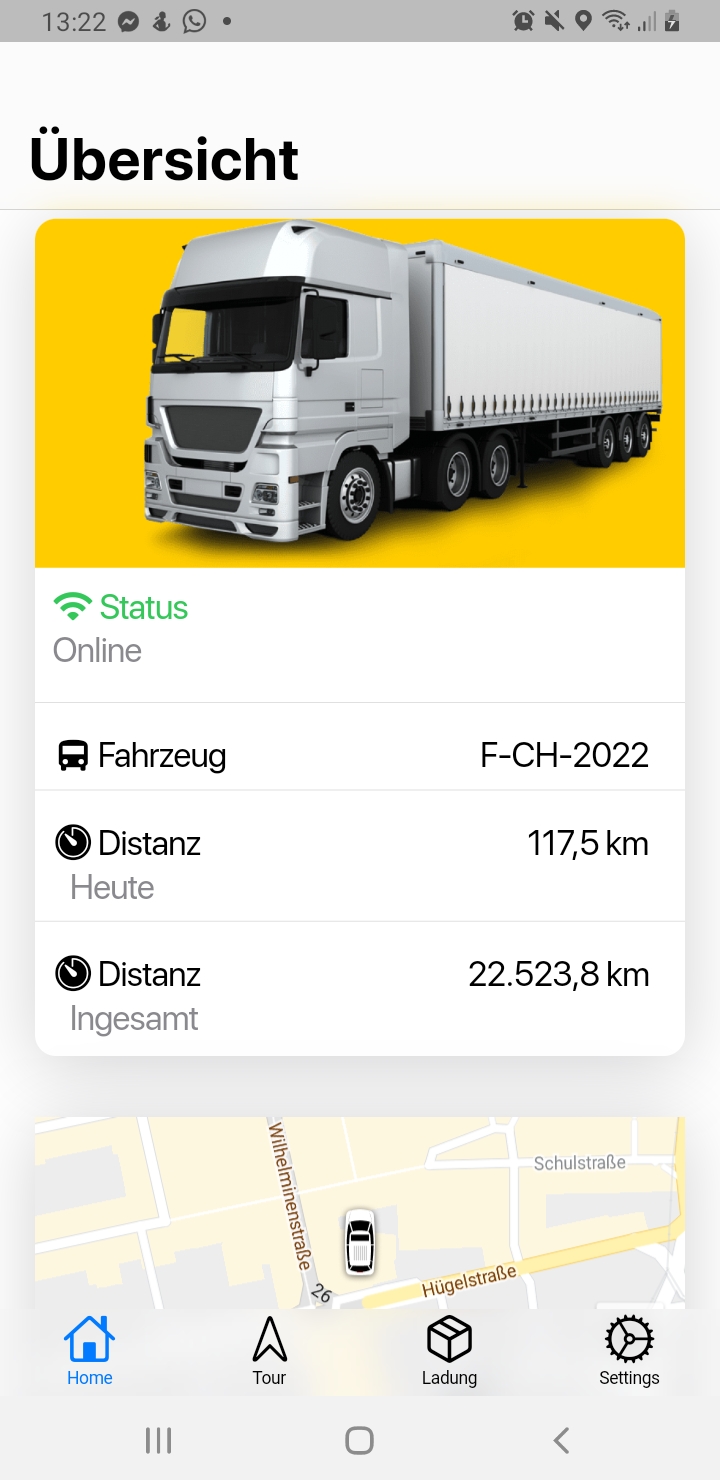
Main App Screen
-
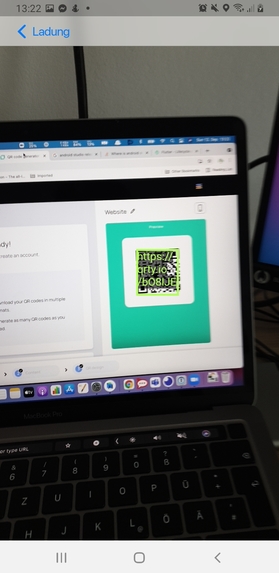
Screenshot from using the app to scan a ONE Record Piece URI to book a piece on a truck
-
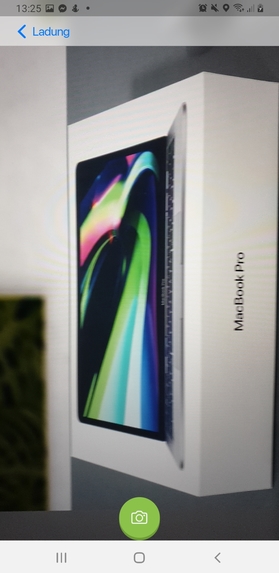
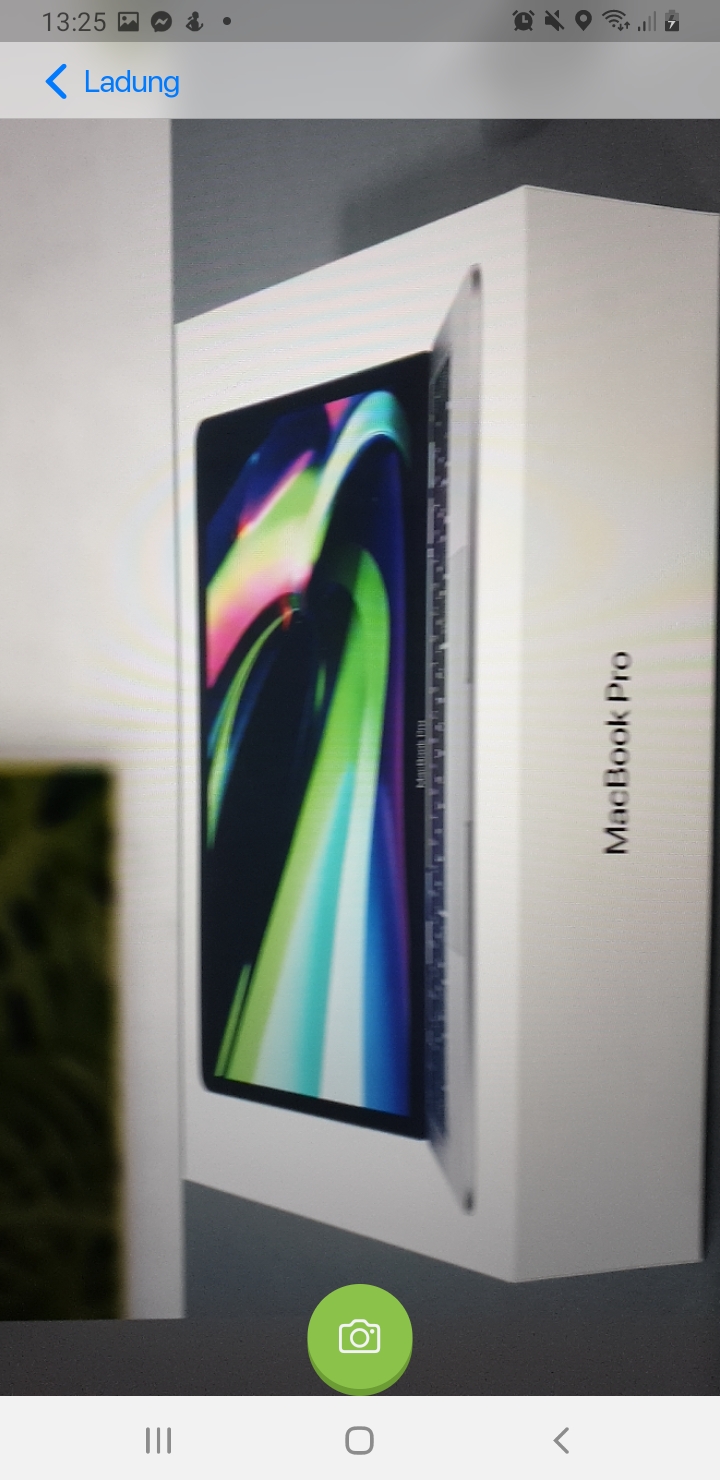
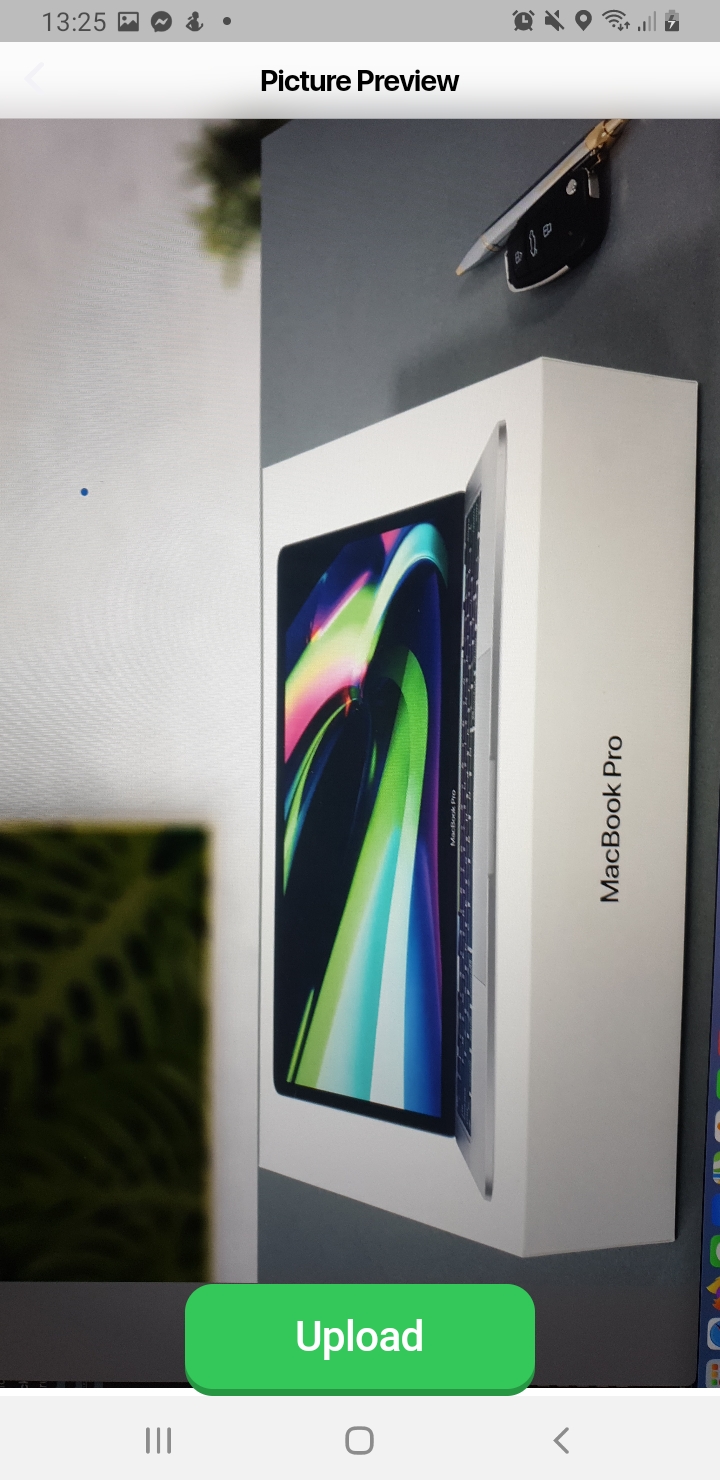
Taking a photo of the piece
-
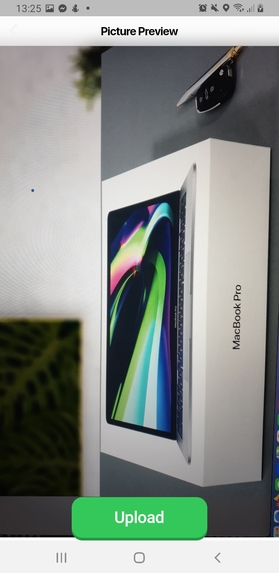
Sharing a photo of the piece
-
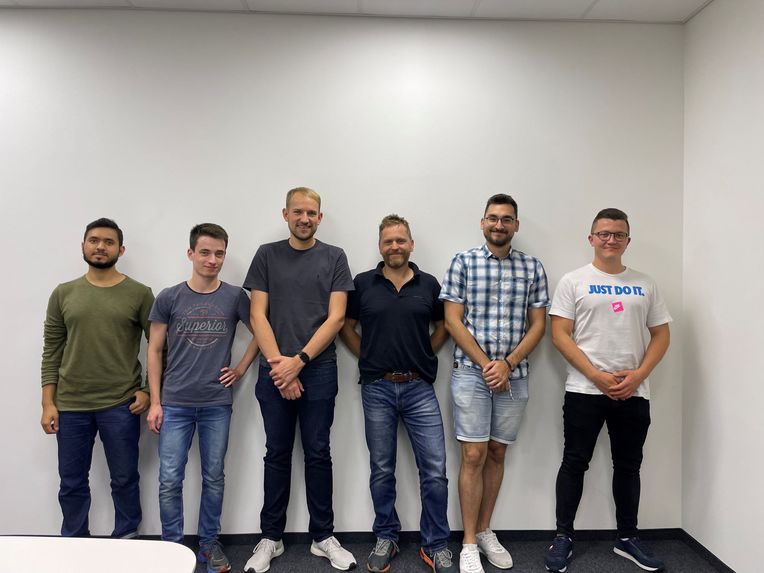
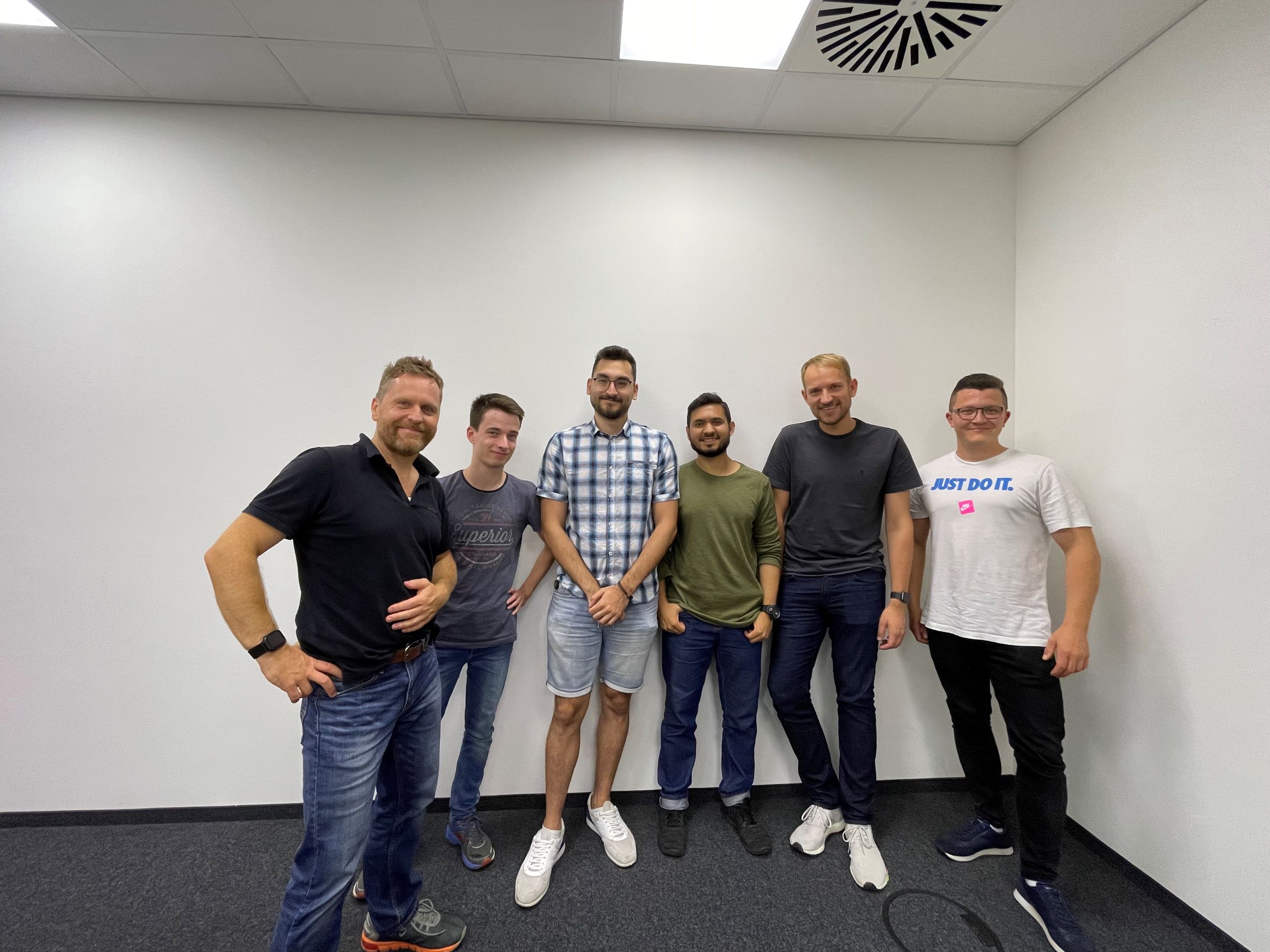
Our Team
-
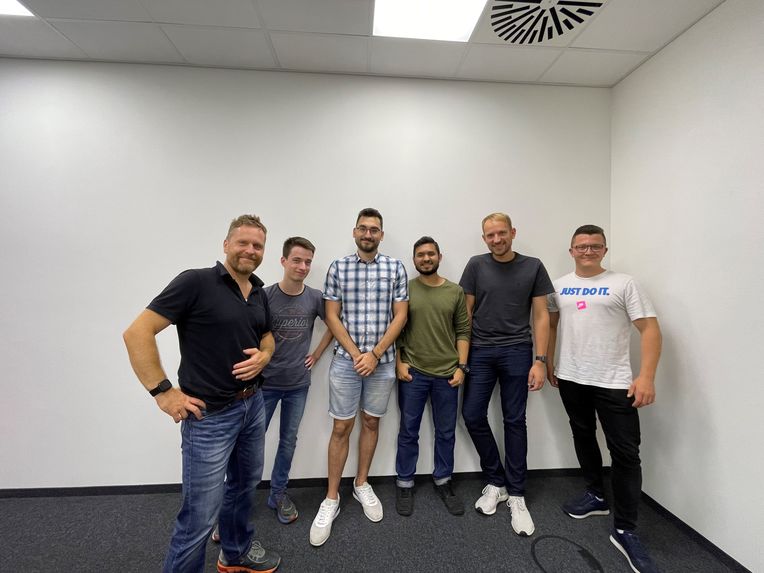
Our Team
-
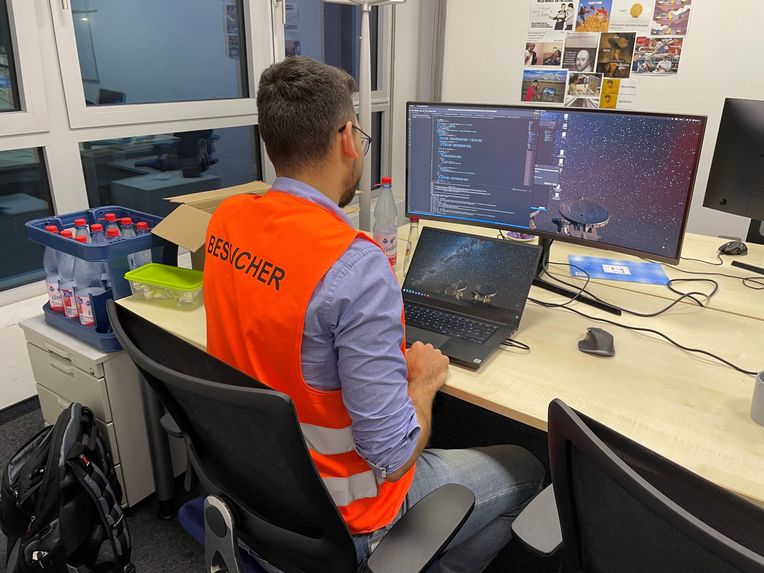
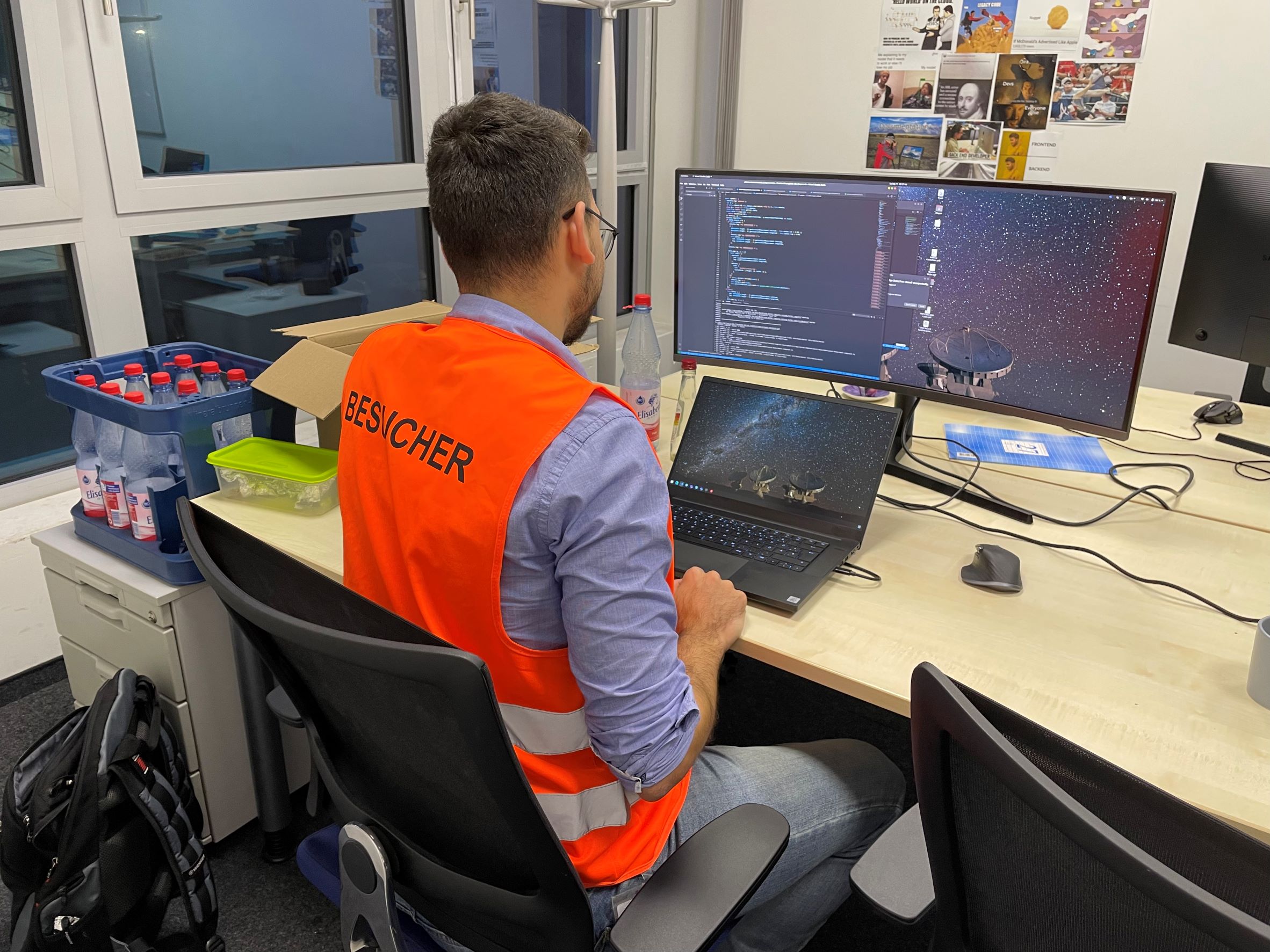
Coding all night!

Inspiration
- How come we have not optimized the full supply chain yet?
- Why couldn´t we digitize end2end until now?
If we want to get faster, safer and more CO2-efficient, we need to have transparency at any time on status and location of the freight. We need to be able to steer the shipment flow, no matter if it is on a truck, a flight, or a boat.
The trucking segment often is a huge gap in the information flow. As soon as the truck leaves, we lose contact. We don´t know where the freight is and when it will arrive. On the other side, the trucker only has his paper, no way to update his documents. In this setting, a digital process optimization is not possible.
We addresse the following challenges:
- IoT - Unleash the Power of the Internet of Things (IoT)
- Open Challenge
What it does
To solve the problem of intransparency in trucking, we created a ONE Record based Open Source Trucking app, called “OpenTruck”. It enables data sharing for and by the trucker. The application of ONE Record ensures that data is available for all stakeholders, no matter if it is the shipper, the forwarder, the carrier, or any other party.
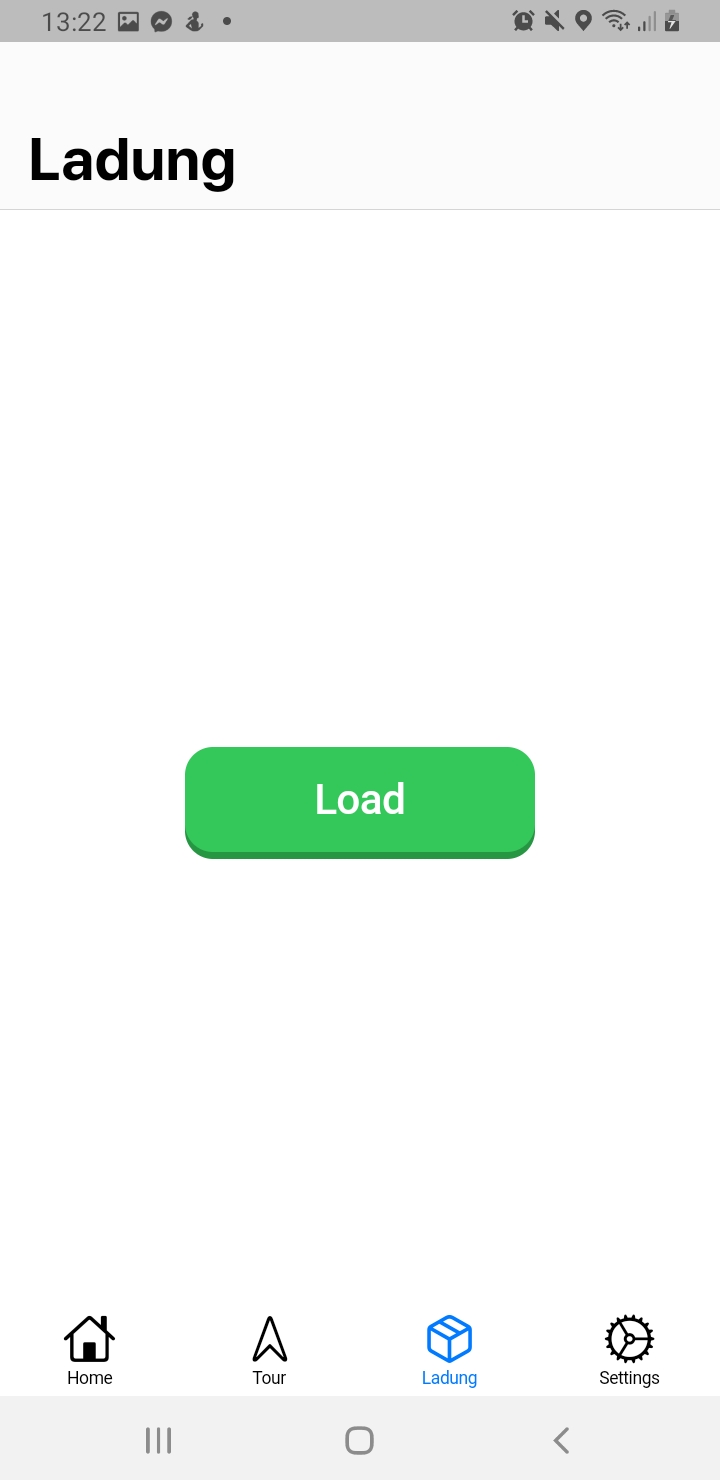
Central feature is the **assignment of pieces to a truck//. This step is easy. The driver simply scans the piece label containing the ONE Record URI and thus assigns the piece to the truck.
After this, the trucker can access ANY linked data. This can be the traditional shipment record and any other linked data objects of any type, but PDFs and image files (photos) are expected to be used most frequently. This function is especially helpful for road documents, like the truck manifest or the ADR. It makes the trucker´s life easier, as he cannot lose his document pouch anymore.
With OpenTruck, the trucker can take and share photos. He simply makes the shot and assigns it to a piece, and the photo will be globally available for example for the shipper. Giving him a good time seeing that his piece is in great shape.
When the trucker moves the freight, the geolocation is automatically shared; As the data comes structured and linked in ONE Record it can be integrated into any system to use Geofencing, arrival prediction or any other form of process optimization. So the forwarder can lean back and switch from proactive phone calls to management on exception.
Another feature: When the driver uses the app, his personal data can be linked and shared as well. His driving license and other personal details can be provided and checked ahead by downstream process parties. The trucker will love this, as he can directly proceed to the ramp without filling paper forms with his personal data.
How we built it
We have built up a development / testing environment with following components:
- OpenTruck: Android App to enable data sharing for truckers
- ONE Record servers for Shipper / Forwarder and Carrier to provide basic shipment data
- ONE Record dashboard to show the ONE Record API calls and data flow to illustrate the full use of ONE Record
The Open Source cross-platform app “OpenTruck” (Android / iOS) was build using the following technologies:
- Development Framework: Flutter (https://flutter.dev/)
- Programming language: Dart (https://dart.dev/)
- API used for GeoLocation: Google Maps API (https://developers.google.com/maps)
- Design philosophy applied: Cupertino (https://developer.apple.com/design/)
- QR-Code detection: Vision API of the Google Machine Learning Kit (https://developers.google.com/ml-kit)
- ONE Record Backend framework: Python Flask (https://flask.palletsprojects.com/en/2.0.x/); This component is also published as Open Source!
- Database: MongoDB (https://www.mongodb.com/)
- Infrastructure by Google Cloud Service (https://cloud.google.com/)
The ONE Record dashboard was build using the following technologies:
- Development Framework: Angular (https://angular.io/)
- Programming Language: TypeScript (https://www.typescriptlang.org/)
- API used for GeoLocation: Google Maps API (https://developers.google.com/maps)
- Design philosophy applied: Material Design (https://material.io/design)
The ONE Record Server representing shipper, forwarder and carrier was build using the following technologies:
- IATA ONE Record Java Server (https://github.com/IATA-Cargo/one-record-server-java)
- Development Framework: Java Spring Boot (https://spring.io/projects/spring-boot)
- Programming language: Java (https://www.java.com/de/)
- Database: MongoDB (https://www.mongodb.com/)
- Secured by JWT-Bearer Token (https://jwt.io/)
Challenges we ran into
- We had to rely on ONE Record to work - as different components were programmed by different team members, we relied on ONE Record for internal communication between the components. Thank god it worked!!!
- IP trouble of different servers communicating
- Power cut off at night (but at least announced, our batteries were full)
- Taking and cutting a video takes time, but if you can safe time on sleeping, it can work ;-) Great job, Oliver Meschkov!!!!
- Taking videos at the airport is not allowed; Driving around with a camera on a gimbal has caught some attention by security and truckers... then we drove away so no one could stop us... ;-)
Accomplishments that we're proud of
We are proud of building a solution completely based on ONE Record, including applying linked data principles to the full extent; ONE Record is not an additional format or messaging channel here, but core of the solution.
Being able to demonstrate the potential of data sharing throughout the supply chain, especially in regards of the trucking segment, a “weaker” link in the supply chain without a lobby; showing the great effects of the “Single Source of Truth”-approach
Most members of this mixed team never met before – *from foreigners to a great team in 48 hours ;-) *
Learning how to use a Gimbal in one day AND still finishing the Hackathon even after discovering its great features ;-)
Real-time IOT updates and a de-centralized server approach; easy to use interfaces, great UX, fluent and responsive; Added fixes to the ONE Record server (we patched the patch-function ;-) ); applying the Open Source principles – open, transparent and secure for everyone to use.
What we learned
- We learned that collaboration and data exchange are the most powerful tools for improving. The trucking leg has traditionally not been in the focus of the supply chain digitization - but enabling data sharing in this will boost efficiency and quality.
What's next for OpenTruck by the Trucking Data Supernova Team
We are aiming for a stronger collaboration in Frankfurt – and the app and ONE Record will be a central component; Thus, the app is a ONE Record Lighthouse implementation for a stronger interlinking of partners to raise efficiency and thus contribute to the reduction of the CO2 footprint
Next planned step: rolling out the app in CHI Trucking Ops and providing the generated data to the community
--
- In case Oliver Meschkov didn´t find the time to answer to the link: He is the 6th member of our team!!
Built With
- angular.js
- cupertino
- dart
- flask
- flutter
- google-maps
- googlemachinelearning-visionapi
- iataonerecordjavaserver
- java
- javaspringboot
- materialdesign
- mongodb
- onerecord
- typescript


Log in or sign up for Devpost to join the conversation.