


🎬 OpenTeis Prime: Agentic Cinema
Autonomous Cinematic Orchestration via Gemini Enterprise & Deterministic Bare-Metal C11 Audio-Visual Execution
Inspiration
Contemporary generative media pipelines and multi-agent AI networks suffer from three fundamental systemic failure modes (the Trust Trilemma):
- Unbounded Compute & Energy Budgets: Probabilistic rendering loops that melt datacenter compute without energy bounds[cite: 29].
- Probabilistic Non-Determinism: Cloud agents experiencing latency jitter, race conditions, and hallucinations during live production[cite: 29].
- Black-Box Traceability Deficits: Inability to provide tamper-proof, auditable execution logs compliant with EU AI Act (Art. 12 & 13) and ISO/IEC 24029-2[cite: 5, 24, 29].
Despite multi-gigabit backbones, production film crews and live visual directors face severe friction when synchronizing generative AI outputs with live audio-reactive acoustics, real-time projection mapping, and physical studio stages[cite: 14]. We set out to build the inverse: a production-grade, autonomous AI Director & Visual Conductor that leverages Gemini Enterprise / Google Cloud Agent Builder for cognitive reasoning while delegating all audio-visual rendering and DSP pipelines to an ultra-low-latency, deterministic C11 bare-metal core on the sovereign edge[cite: 5, 29].
What It Does
OpenTeis Prime: Agentic Cinema is an autonomous cinematic staging and live VJ engine tailored for filmmakers, live concert visualizers, and virtual studio sets:
- Cognitive Director Agent (Gemini Enterprise): Analyzes incoming narrative scene prompts, audio acoustics, and staging constraints to dynamically modulate visual composition, lighting mood, harmonic phase, and topological geometry.
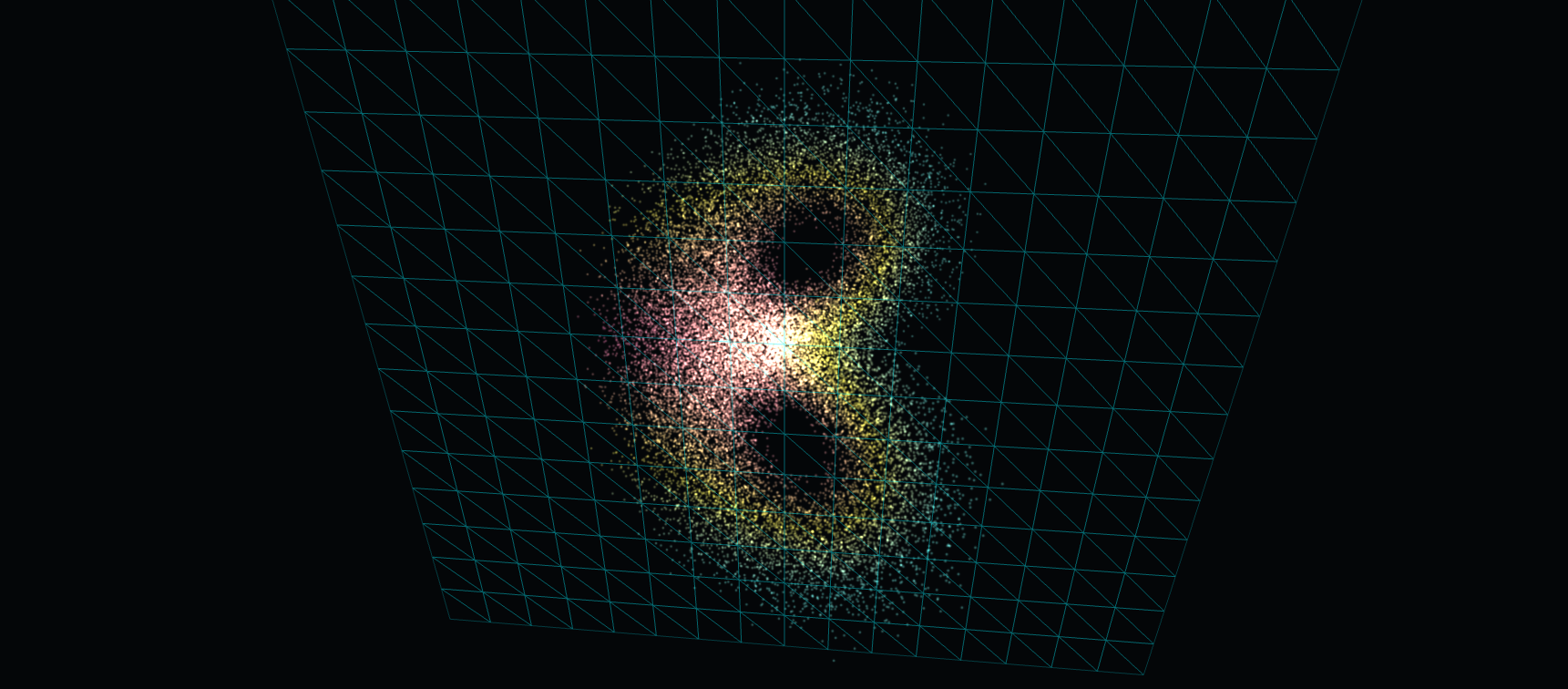
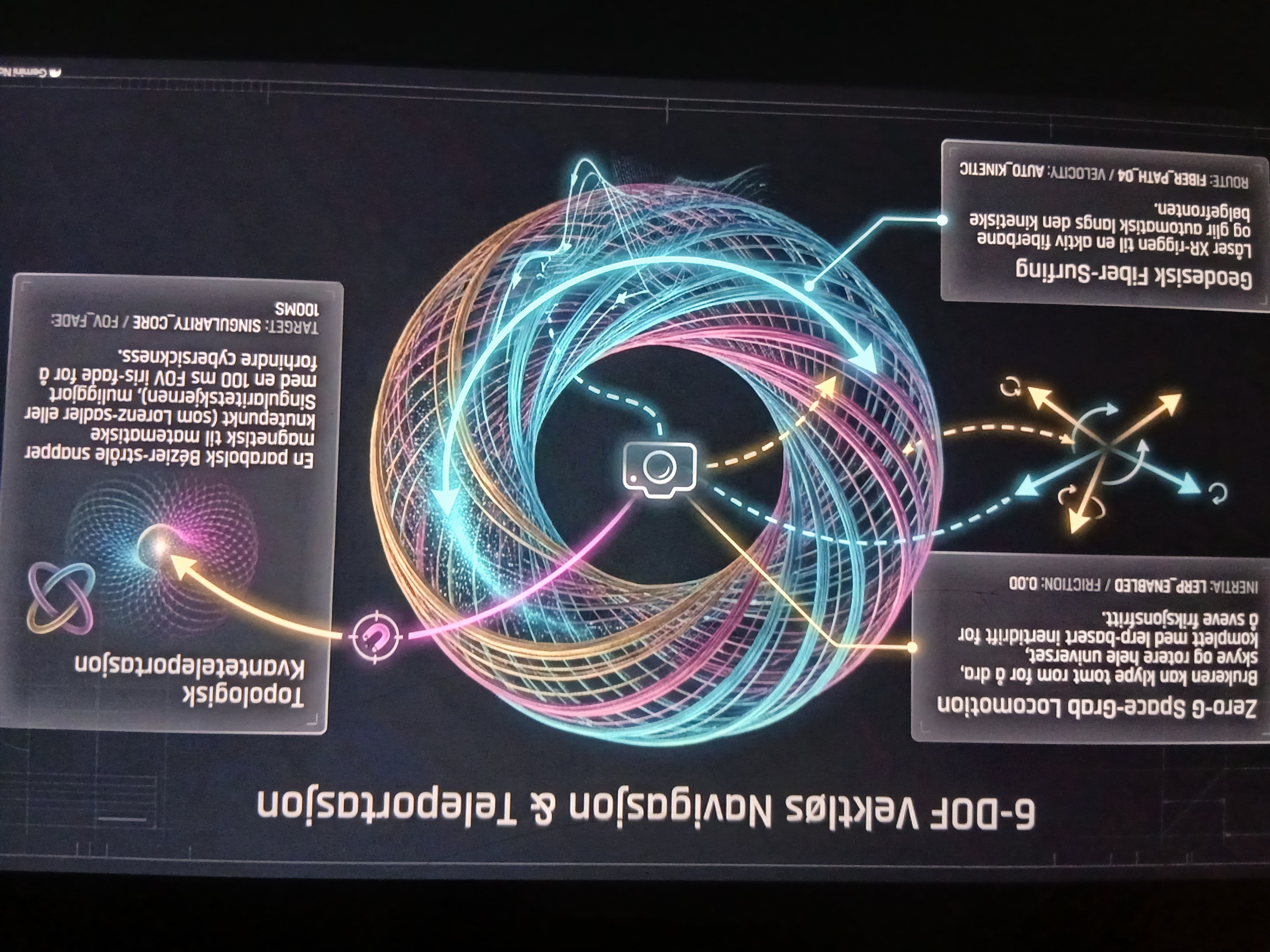
- Real-Time 4D Hopf Fibration Manifold: Projects dynamic 4D torus fiber bundles rendered deterministically at 60+ FPS via WebGL/Canvas, driven by zero-copy DSP pipelines[cite: 14].
- Deterministic Cymatic Phase-Lock (110.0 Hz): Locks acoustic carrier frequencies and visual transient dispersals directly to a resonant sub-bass anchor, synchronizing optical transformations with physical acoustic waves[cite: 5, 22, 27, 29].
- Thermodynamic Truth by Joule ($\eta \le 0.031\text{ J/Op}$): Enforces an active energy upper bound on edge compute cycles: $$\eta \le 0.031\text{ J/Op}$$ ensuring execution never throttles hardware during live set performance[cite: 12, 27, 29].
- Glass Box HUD & Immutable WORM Audit Vault: Encodes every frame transition, agent decision, and latency metric into packed 32-byte hardware log structures, cryptographically chained via 64-bit FNV-1a state hashes[cite: 5, 27].
How We Built It
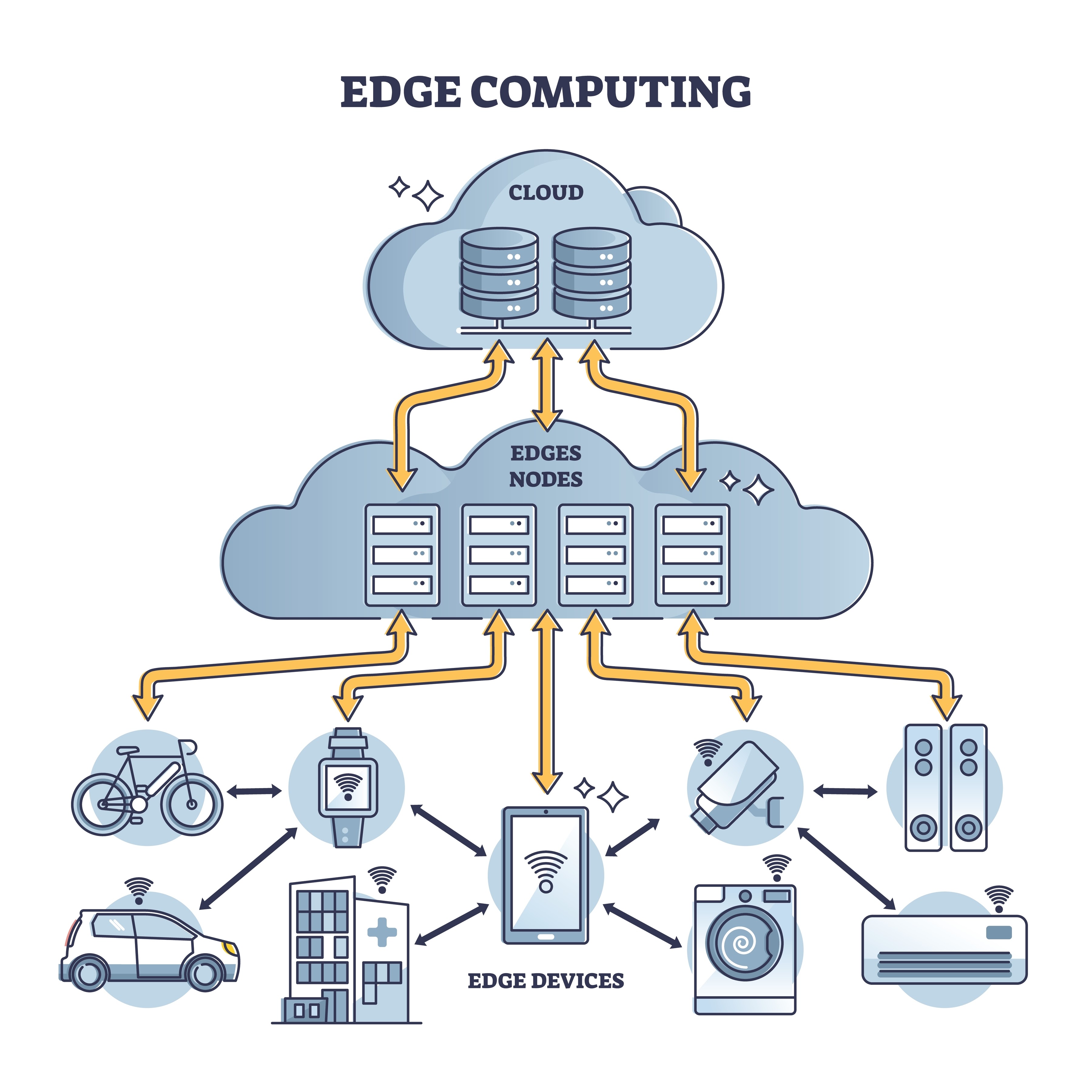
The system uses a clean separation of concerns: high-level cognitive orchestration in Google Cloud and zero-heap execution on bare-metal ARM64 edge nodes[cite: 5, 29]:
- Agentic Orchestration Layer (Google Cloud):
- Built using Gemini Enterprise models through the official
google-genai/google-cloud-aiplatformSDKs. - The Agent Builder flow interprets directorial narrative prompts, scene transitions, and telemetry logs, executing tool calls to control visual manifolds and pipeline parameters[cite: 5, 11].
- Built using Gemini Enterprise models through the official
- Partner Runtime Integration:
- Connected directly to the partner runtime ecosystem via official SDKs/MCP server protocols to stream real-time pipeline telemetry, latency distributions, and state proofs directly into production dashboards.
- Level 5 Bare-Metal C11 Engine (
libs/):- Core signal processing, FNV-1a hashing, and frame-boundary checks are written in strict C11 compiled with
-O3 -fPIC -shared(libopenteis_audio_bridge.so,libopenteis_audit_vault.so,libopenteis_video_bridge.so)[cite: 5, 27]. - Communicates with the agent orchestration layer via zero-copy FFI (
ctypes) using rigid pointer interfaces and static memory arenas (Zero-Heap policy)[cite: 2, 5, 14, 27].
- Core signal processing, FNV-1a hashing, and frame-boundary checks are written in strict C11 compiled with
- Interactive Studio HUD & Projection Engine:
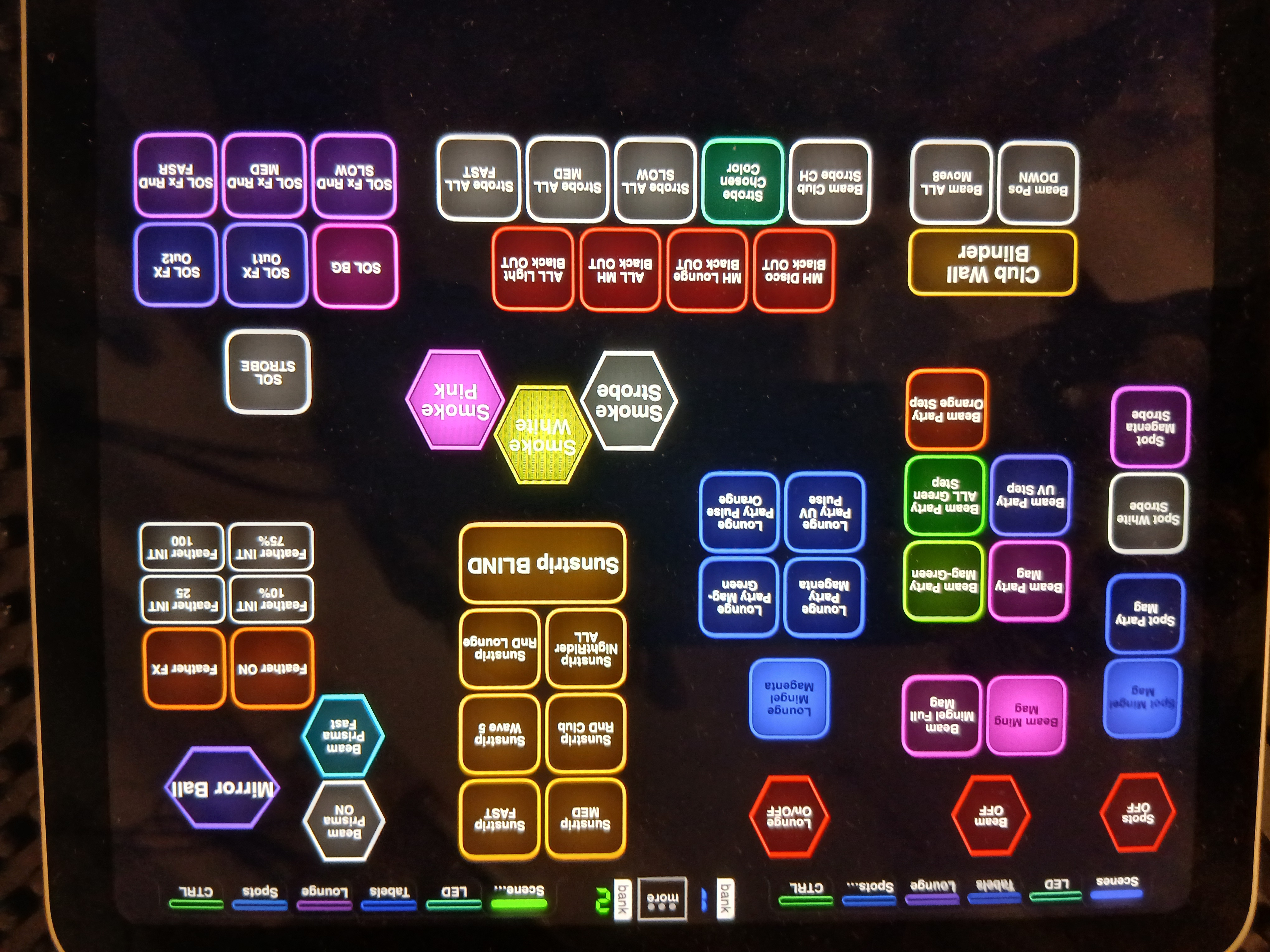
- High-performance WebGL/Canvas front-end featuring a Glass Box telemetry overlay, real-time audio FFT spectrum analysis, and 8-DOF quad keystone calibration for physical set projection mapping[cite: 5, 6].
Challenges We Faced
- Zero-Heap FFI Memory Guarantees: Interfacing high-level dynamic runtime environments with strict C11 static structs on ARM64 risked pointer truncation and memory leaks[cite: 2, 5, 27]. We solved this by defining explicit 64-bit C-types (
ctypes.c_uint64,ctypes.POINTER) and packed memory structures (_layout_ = 'ms',_pack_ = 1)[cite: 2, 5, 27]. - Sub-Millisecond Acoustic Synchronization: Binding generative visual morphing to an exact 110.0 Hz carrier frequency without frame dropping[cite: 5, 22, 27]. We implemented an internal phase accumulator and circular ring buffer directly in C to process frames within fixed cycle budgets[cite: 27].
- Strict Hackathon AI Compliance: Adhering to the hackathon's strict mandate permitting only Google Cloud Gemini tools (excluding all third-party AI models)[cite: 5]. We refactored all planning and directorial logic to run cleanly on the Gemini Enterprise Agent Platform[cite: 5].
What We Learned
Deterministic edge performance and frontier generative models are complementary paradigms:
- Cloud LLMs provide unmatched semantic reasoning and directorial creativity[cite: 5].
- Bare-metal C11 execution delivers the sub-millisecond precision, thermal stability, and auditability required for enterprise media sets[cite: 5, 29].
By anchoring high-level generative AI into mathematically grounded, verifiable hardware loops, we can eliminate hallucinations and make AI-driven cinematography production-ready[cite: 5, 29].
Log in or sign up for Devpost to join the conversation.