Inspiration
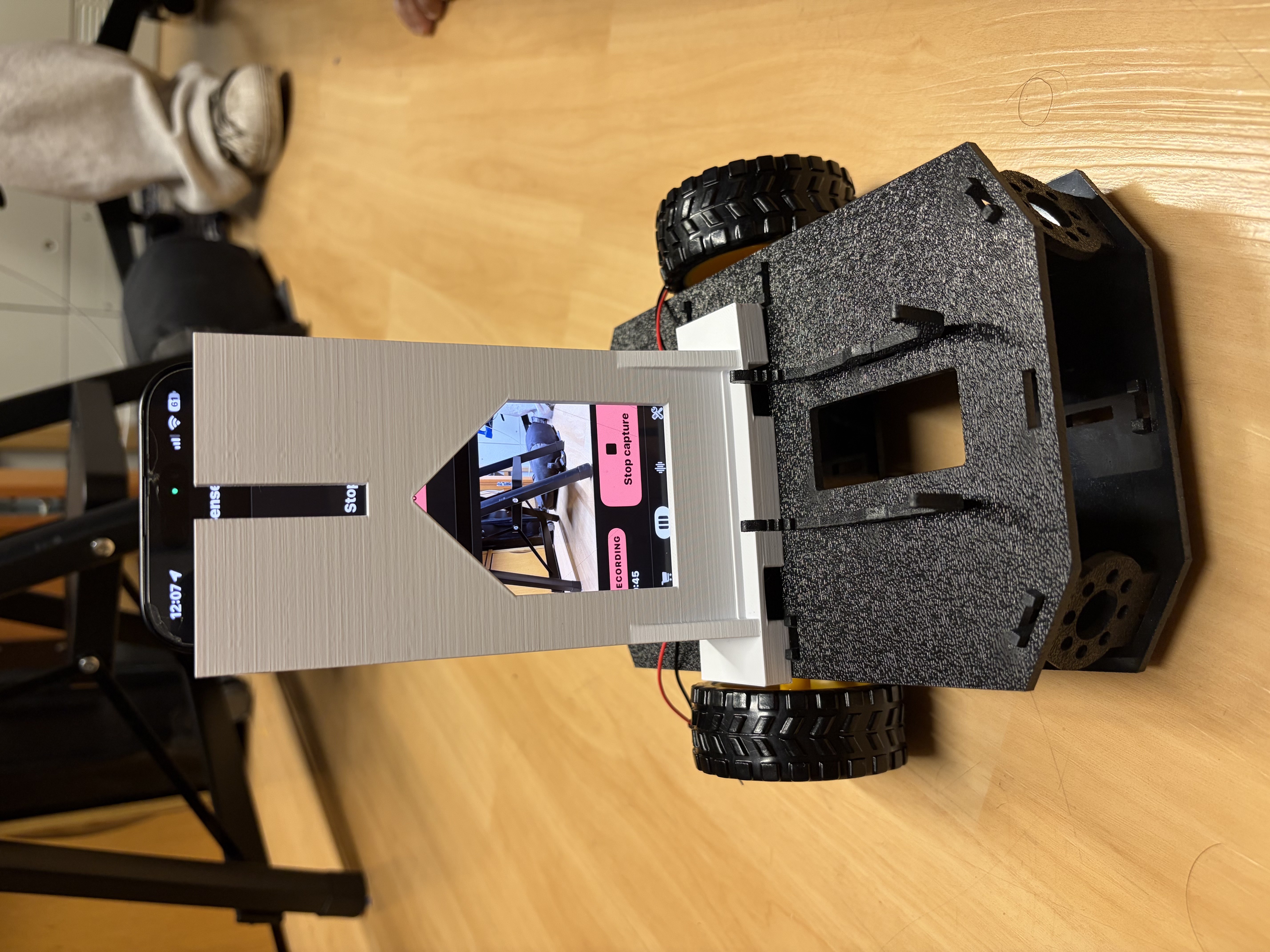
Small farms often grow many crops in narrow rows, where treating a whole area for one pest can mean spraying more than needed. Research in under-canopy robot navigation and hotspot mapping inspired us to ask: could a phone help a small rover identify a likely pest target and treat just that plant?
What it does
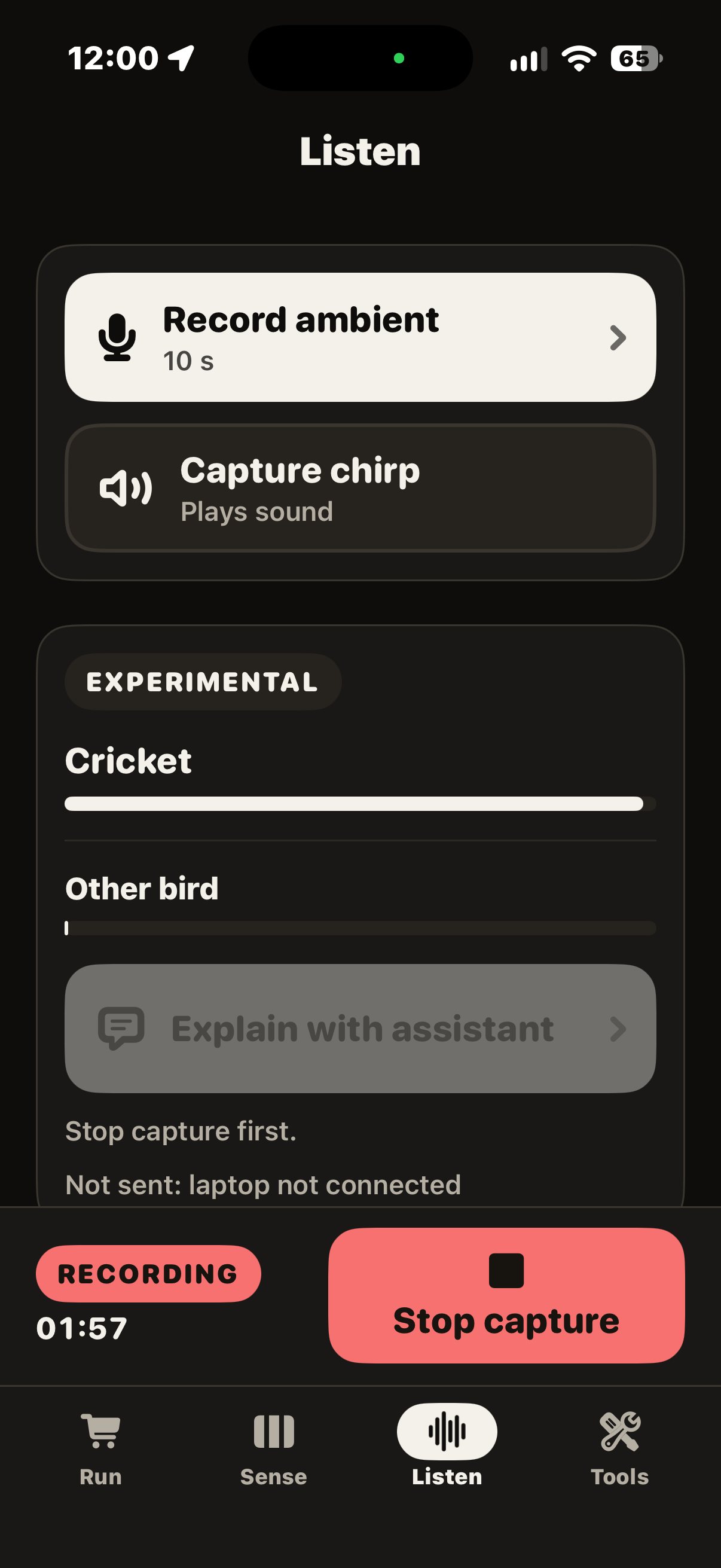
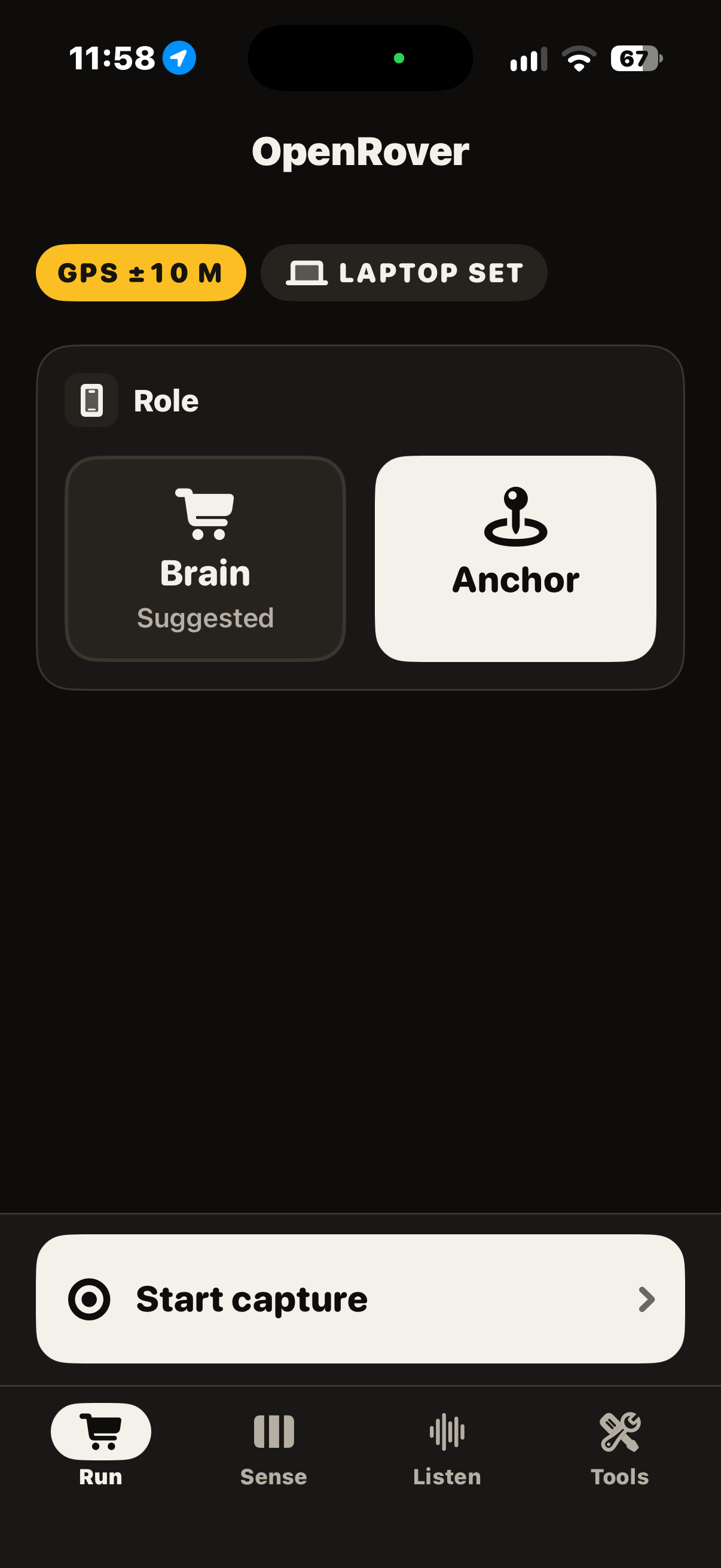
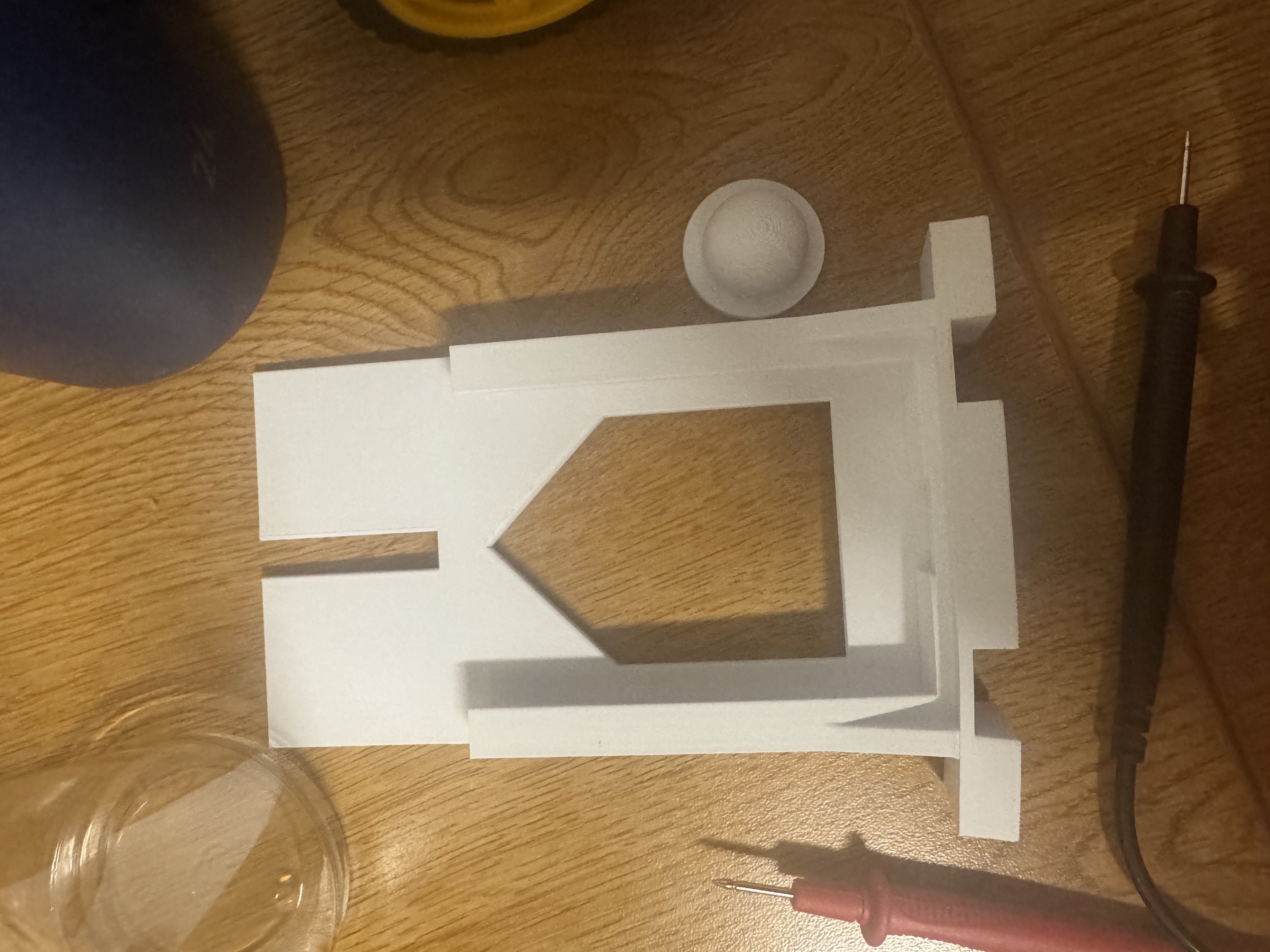
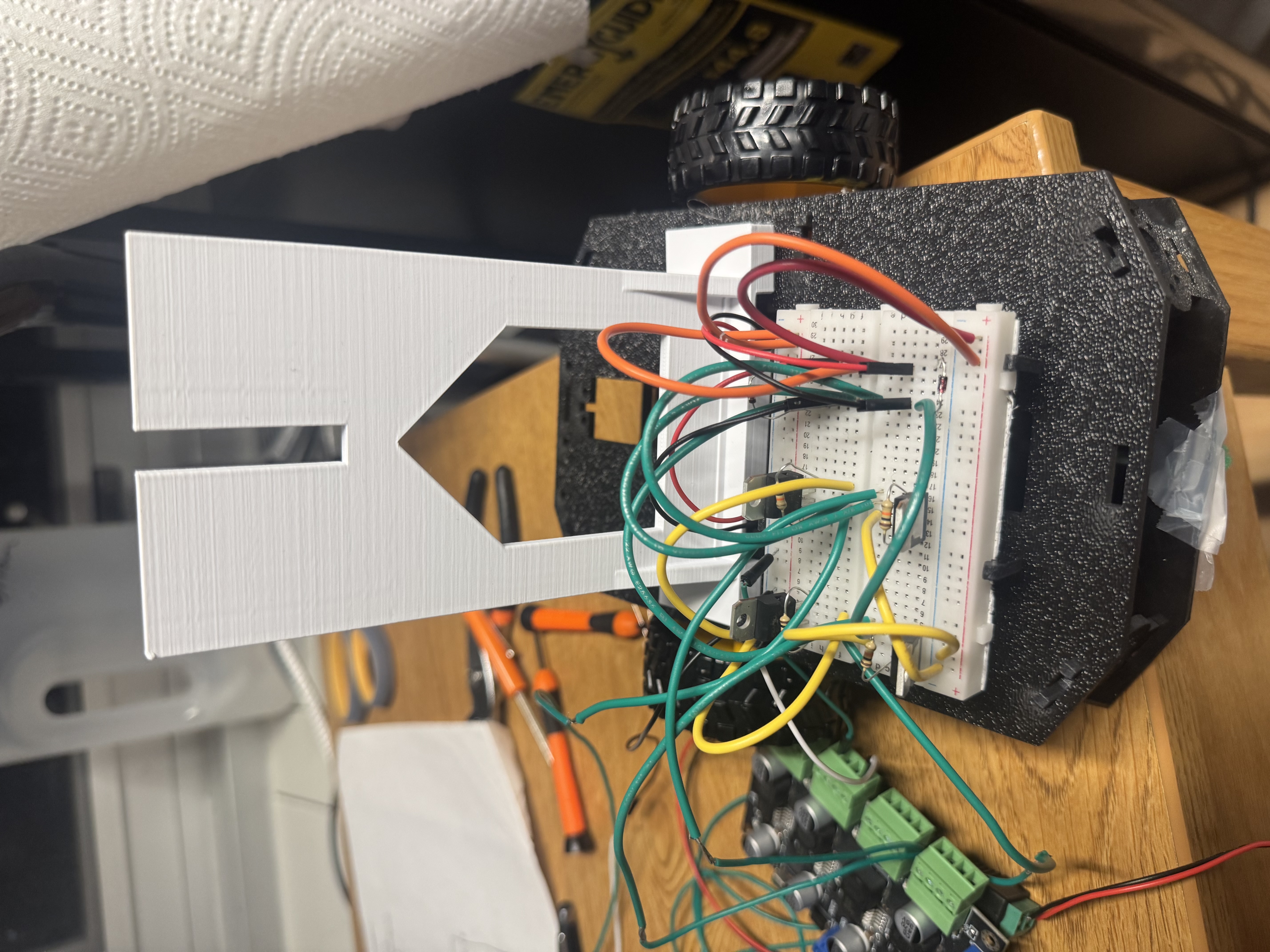
OpenRover uses a phone to listen for target pest sounds. A local audio model scores each clip, and a rover treats the target plant only if it can confirm it is in the right spot. If it can’t verify the location, it holds.
How we built it
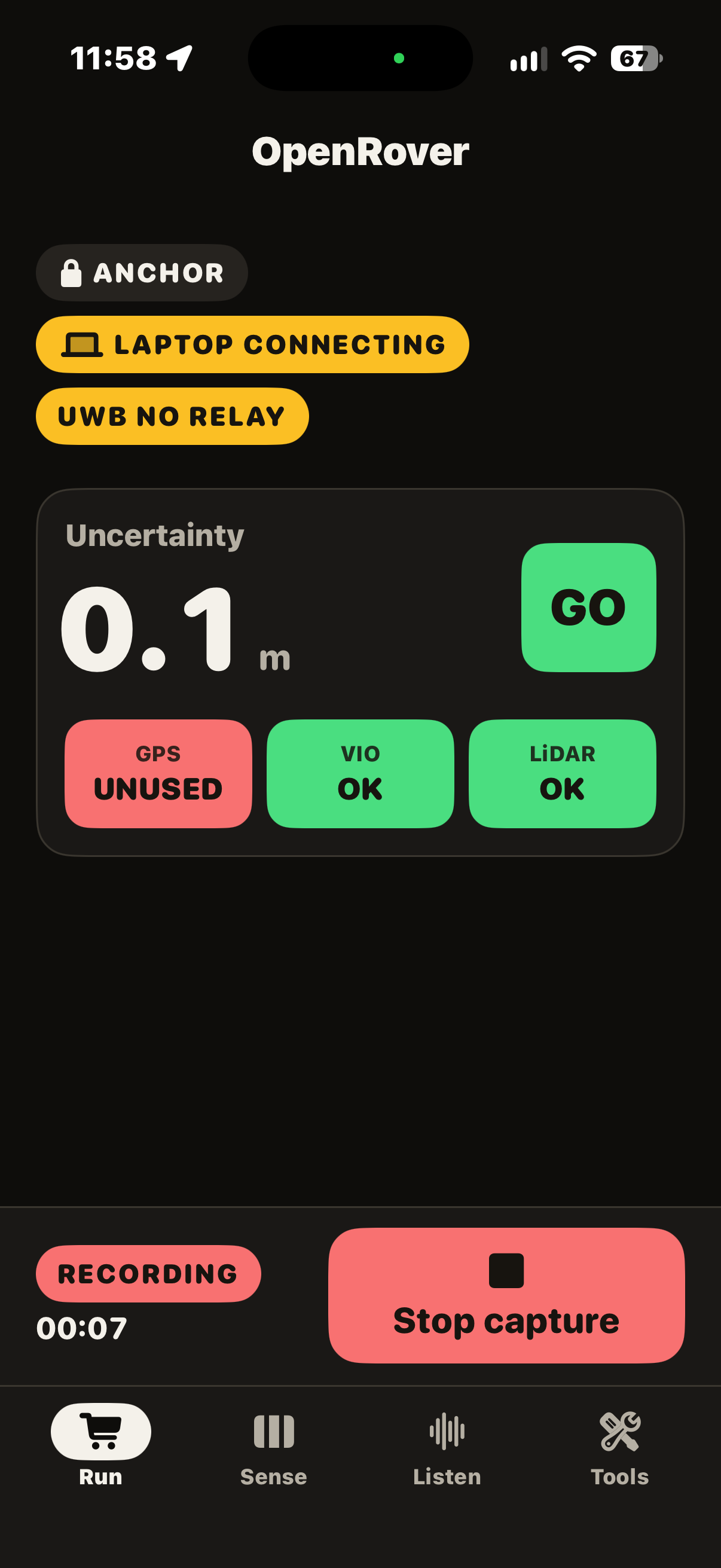
We built a local audio model to score clips for the target sound, then paired that listening step with a rover treatment rule. The two checks stay separate: the audio model flags a likely target, and the rover must confirm its position before treatment is allowed.
Challenges we ran into
We haven’t hit a major build blocker yet. The main constraint we designed around is uncertainty: field noise can affect sound scores, and the rover needs to confirm the right spot among closely spaced plants. We made the rover hold when it can’t verify its location.
Accomplishments that we're proud of
We brought pest-sound detection and a plant-level treatment rule into one prototype. We’re especially proud that uncertainty leads to a hold, not an unnecessary spray.
What we learned
A useful sound detection is only half the job. The system also needs to know where the rover is before it acts. Reliable spot treatment depends on both checks working together.
What's next for OpenRover
We want to try OpenRover in real crop rows, gather pest and background audio, and see how reliably the rover confirms the target plant. Then we can tune the sound threshold and measure when the system treats or holds.
