-
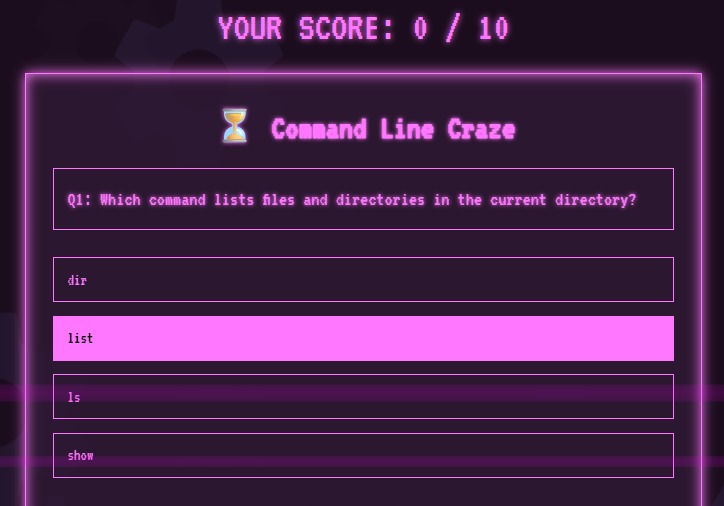
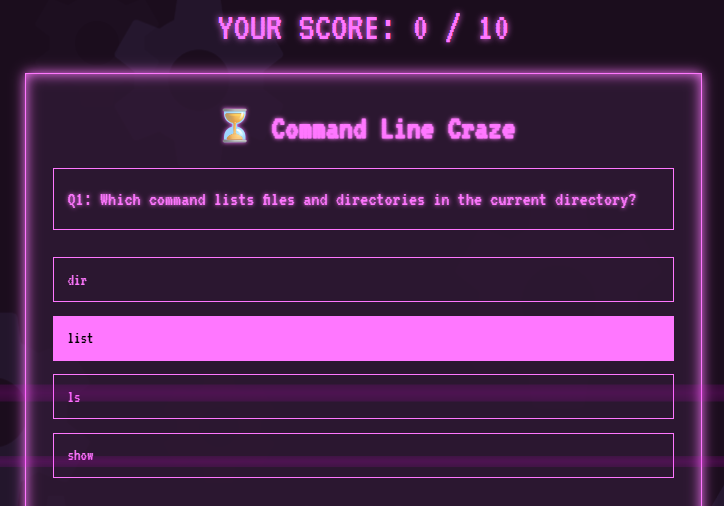
Quiz
-
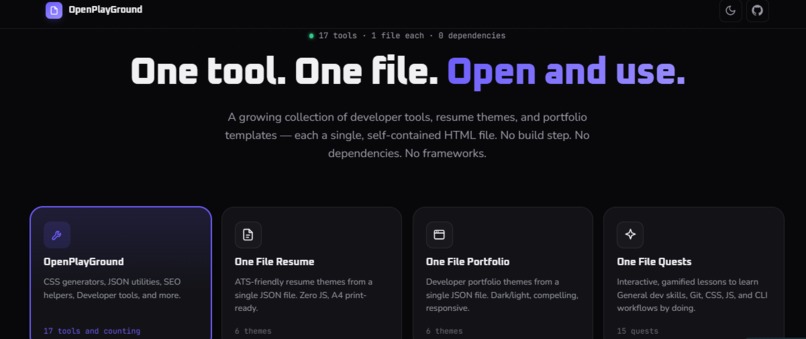
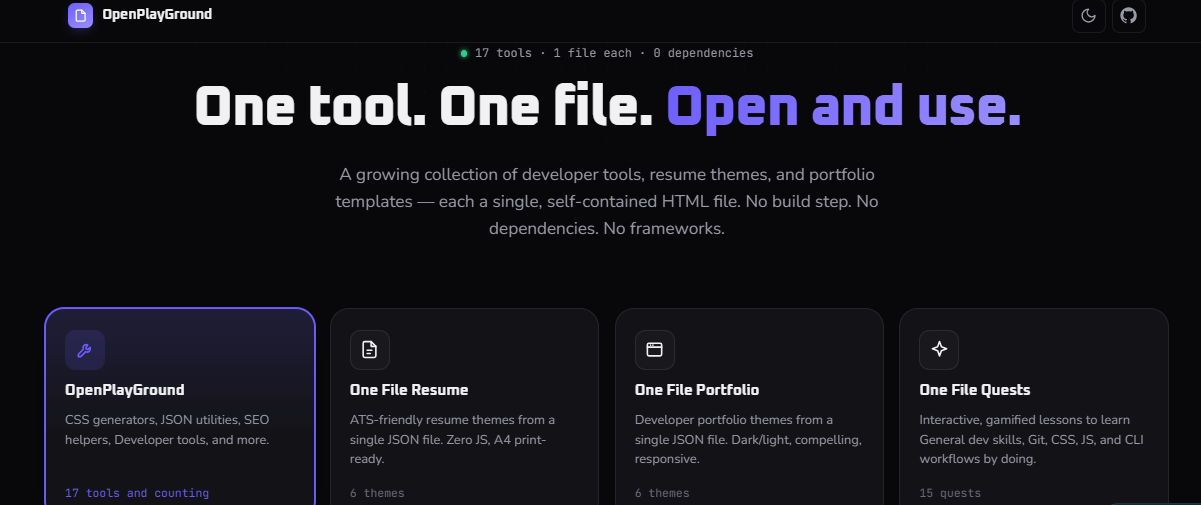
Home page
-
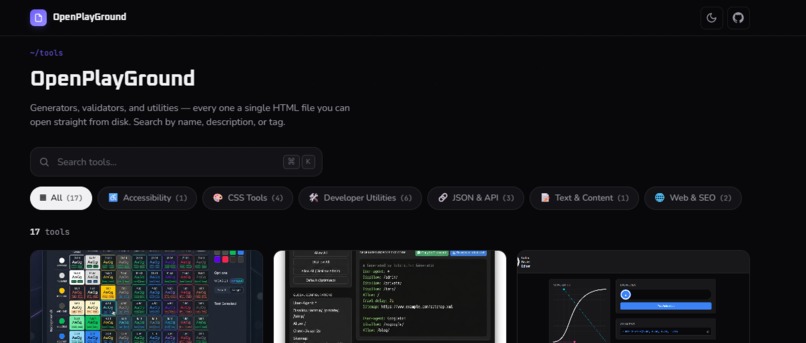
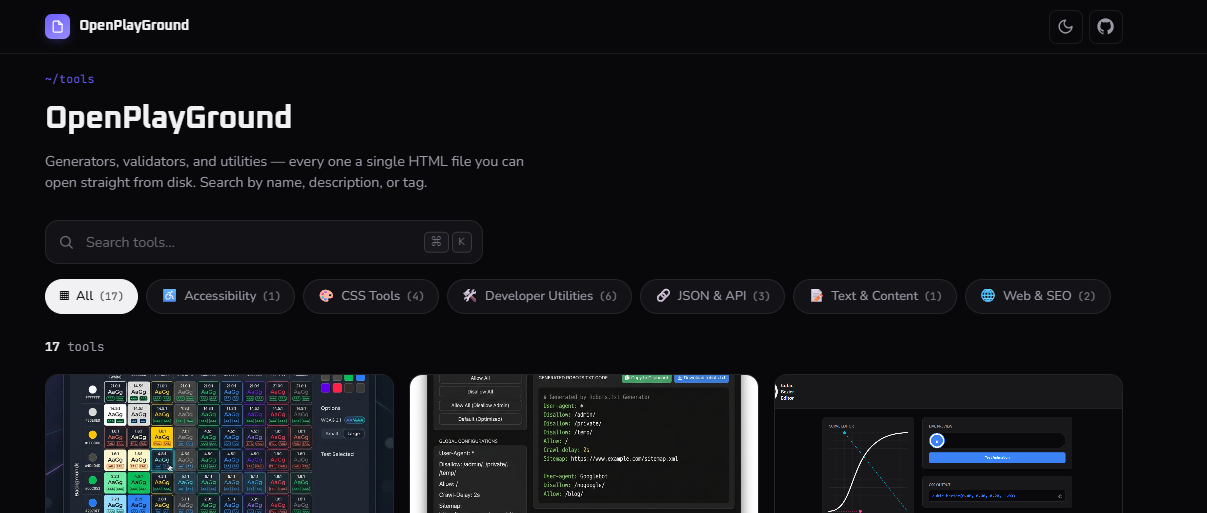
One file tools
-
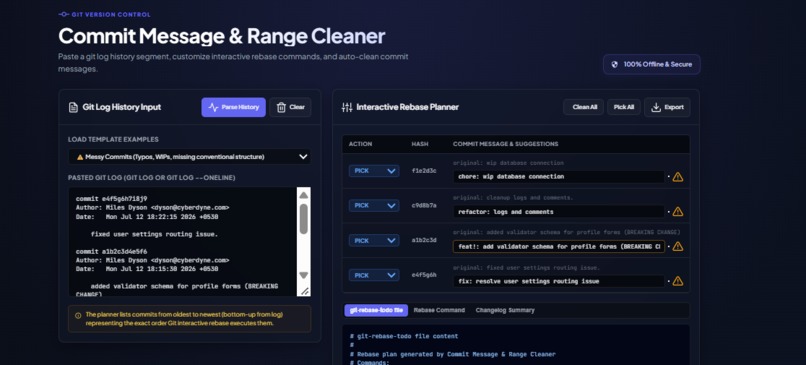
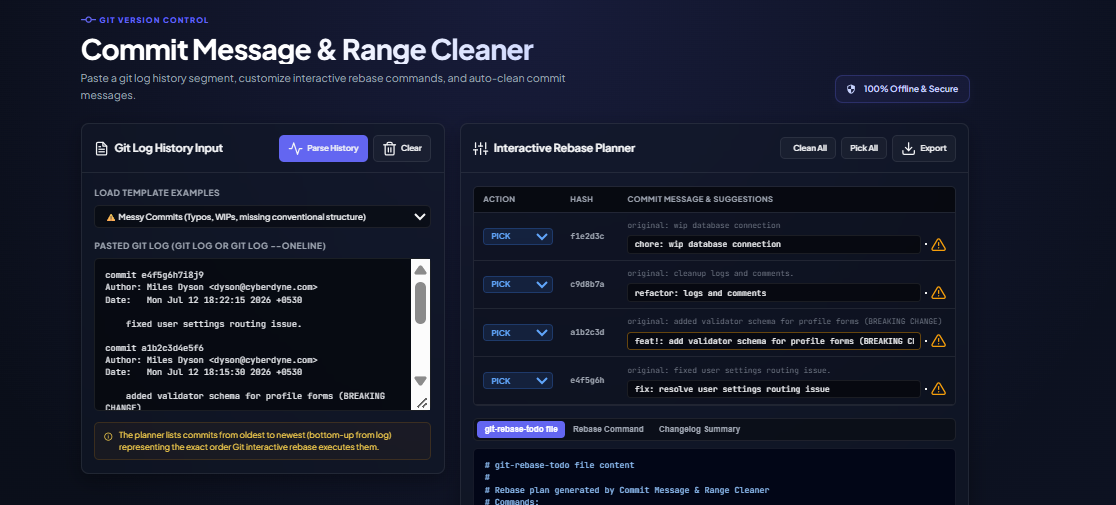
Quest
Inspiration
I noticed that developers, especially students and early-career engineers, often struggle to find a lightweight, unified environment to test ideas, share snippets, and collaborate on small projects. Setting up local environments for every new idea creates friction. OpenPlayGround was inspired by the need for a seamless, open-source hub where creativity meets code—a space where anyone can jump in, experiment, and showcase their work instantly.
What it does
OpenPlayGround is an interactive, community-driven platform that allows users to write, execute, and share code in a browser-based sandbox. It acts as a digital portfolio and collaborative workspace where developers can publish interactive web components, scripts, and mini-projects. Users can browse creations from others, fork projects to build upon them, and easily share their coding experiments with the world.
How I built it
I architected the platform to be fast and scalable. The frontend was crafted using modern JavaScript for a highly responsive, interactive user interface. For the backend, I utilized scalable server technologies (such as Node.js or Python) and integrated a robust SQL database to securely manage user authentication, store project files, and maintain the community feed. I also focused heavily on creating a modular architecture to make future open-source contributions straightforward.
Challenges I ran into
One of the most significant hurdles was designing a secure and efficient way to handle user-generated code without compromising the platform's stability. Ensuring that the code execution environment was properly isolated (sandboxing) took multiple iterations. Additionally, optimizing our SQL database schema to quickly load and render the community feed without latency—especially as the number of shared projects grew—was a complex but rewarding challenge.
Accomplishments that I'am proud of
I am incredibly proud of building a fully functional, real-time interactive environment from scratch. Successfully implementing the code-sharing ecosystem and seeing the initial projects run smoothly in the browser was a huge milestone. I'am also proud of the clean, intuitive user interface that lowers the barrier to entry, making it easy for both beginners and experienced developers to jump right in.
What I learned
Building OpenPlayGround pushed us to deepen our understanding of full-stack development and system architecture. I learned a great deal about secure code execution, advanced SQL database optimization, and managing state in complex JavaScript applications. It also reinforced the importance of writing clean, documented code to encourage future open-source collaboration.
What's next for OpenPlayGround
I plan to expand the platform by adding support for more backend programming languages like Java and Python directly in the sandbox. I are also looking into integrating AI-assisted code suggestions, adding a collaborative real-time multiplayer coding feature (like Google Docs for code), and launching community challenges to encourage developers to build and learn together.


Log in or sign up for Devpost to join the conversation.