-
-
TypeTalk
Inspiration
Public access points like library terminals and community centers provide vital internet access for individuals who lack personal devices, yet they completely isolate users from traditional communication networks. When someone needs to make an essential phone call to an employer, schedule a public service appointment, or coordinate with a business, they hit a brick wall—standard browsers cannot interface with voice networks, and public computers leave no safe space for private, personal messaging.
Even more challenging is the fragmentation of modern communication: businesses and services operate across voice, SMS, WhatsApp, and Rich Communication Services (RCS), leaving users without a unified way to reach them from a shared computer.
OpenLine was inspired by the urgent need to bridge this divide. By requiring users to securely log into their own personal accounts at a public terminal, OpenLine transforms any web browser into a secure, portable, and intelligent communication hub. It ensures that whether an individual is calling via browser-to-phone voice translation or messaging across WhatsApp, SMS, and RCS, they have a secure, private, and AI-assisted lifeline to the rest of the world.
What it does
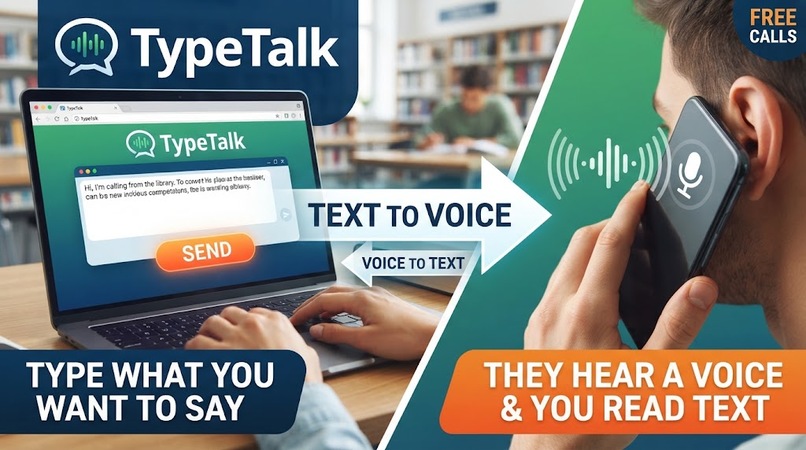
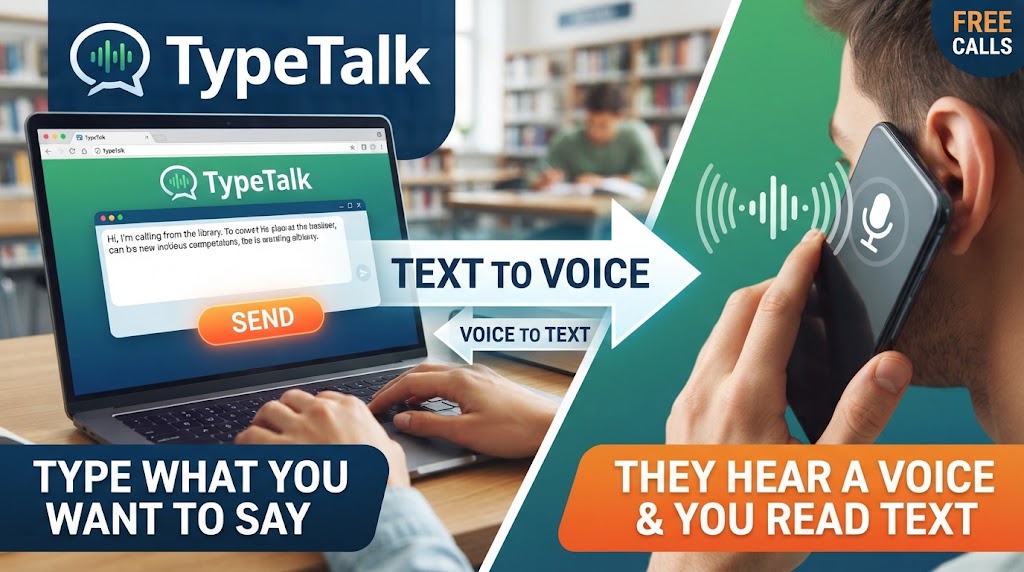
OpenLine is an agentic, omnichannel communication platform that transforms any web browser into a secure, portable communications hub. Designed specifically for users at public access points, OpenLine bridges web browsers directly to traditional phone networks, WhatsApp, and Rich Communication Services (RCS).
How we built it
Communications Backbone: Built on AWS Communication Developer Services (CDS), leveraging enterprise-grade APIs and messaging infrastructure to handle robust, scalable routing.
Intelligent & Agentic Core: Integrated advanced AI models (such as Amazon Bedrock AgentCore integration pathways) to power real-time context tracking, smart reply generation, and post-call analysis.
Frontend & WebRTC Layer: Developed a lightweight, responsive browser interface using modern JavaScript and WebAudio APIs to securely manage microphone permissions, audio streams, and browser-to-phone webhooks.
Challenges we ran into
Dual-Direction Voice Latency: Balancing real-time speech-to-text transcription and text-to-speech audio synthesis over browser-based WebRTC streams introduced initial lag, requiring careful optimization of audio chunking and processing pipelines to keep conversations natural.
Omnichannel State Management: Keeping conversation context synchronized seamlessly across entirely different mediums—translating an interactive web session into voice calls, WhatsApp chat streams, and Rich Communication Services (RCS) messages—required robust event handling via Amazon EventBridge and AWS Lambda webhooks.
Public Terminal Security & Session Hygiene: Designing for shared library computers meant preventing data leakage. We had to ensure that Amazon Cognito session tokens, AI post-call summaries, and chat histories were strictly isolated per user and completely purged upon logout to prevent cross-user exposure.
Handling Rich Messaging Constraints & Fallbacks: Managing varied carrier compatibility for RCS required configuring automated SMS fallbacks and designing adaptive payload schemas so rich media cards and suggestion chips gracefully degrade to standard text when necessary.
What we learned
The Power of Unified CPaaS Architectures: Consolidating voice, SMS, WhatsApp, and RCS under the AWS Communication Developer Services ecosystem streamlined development, proving that complex omnichannel pipelines can be orchestrated smoothly without stitching together fragmented third-party APIs.
Security-First Design for Public Terminals: Designing for public access environments taught us that user authentication (via Amazon Cognito) and strict session lifecycle hygiene are mandatory to ensure absolute data privacy and protect user transcripts from subsequent terminal users.
Bridging Real-Time Voice and Messaging State: Maintaining consistent conversation context across completely different modalities—translating a live browser voice session into real-time text logs, smart AI suggestions, and asynchronous mobile messaging channels—required mastering event-driven routing patterns using AWS Lambda and serverless event handlers.
What's next for OpenLine
Multi-Language Real-Time Voice Translation: Integrating dynamic translation pipelines so users can type or speak in their local language while OpenLine automatically translates and synthesizes speech into the recipient's native tongue in real time.Expanded RCS Interactive Cards & Carousels: Leveraging advanced AWS End User Messaging RCS features to deploy interactive rich media cards, appointment picker carousels, and verified brand logos directly inside mobile messaging apps.
Built With
- css3
- express.js
- html5
- javascript
- node.js
- speech-to-text
- text-to-speech
- uikit
- ux
- voip

Log in or sign up for Devpost to join the conversation.