-
-
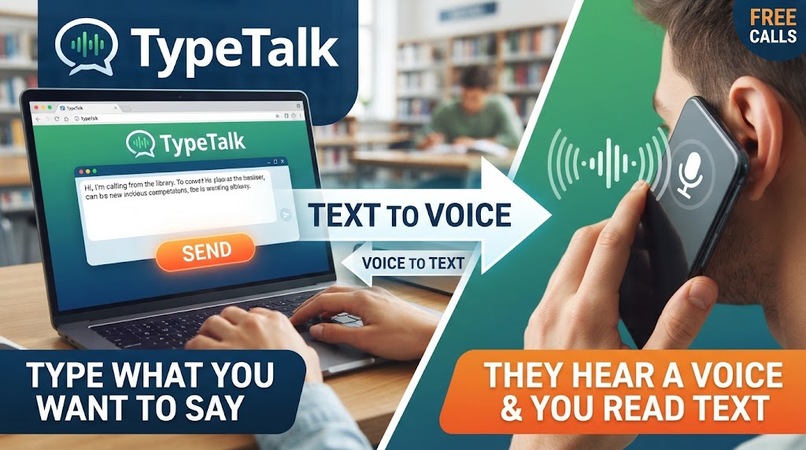
An exact picture of my creation.
Inspiration
Many people encounter situations where they need to make an important phone call—such as contacting an employer, service provider, or family member—without having a personal phone or mobile data available. Public internet access points, like library computers, are common, but they rarely provide a way to place traditional voice calls. This project was inspired by the need to bridge the gap between web browsers and the public telephone network, ensuring that anyone with internet access can communicate freely, regardless of whether they own a phone.
What it does
OpenLine (previously styled around TypeTalk) is a web-based communication tool that acts as a browser softphone with real-time text-to-speech and speech-to-text translation.
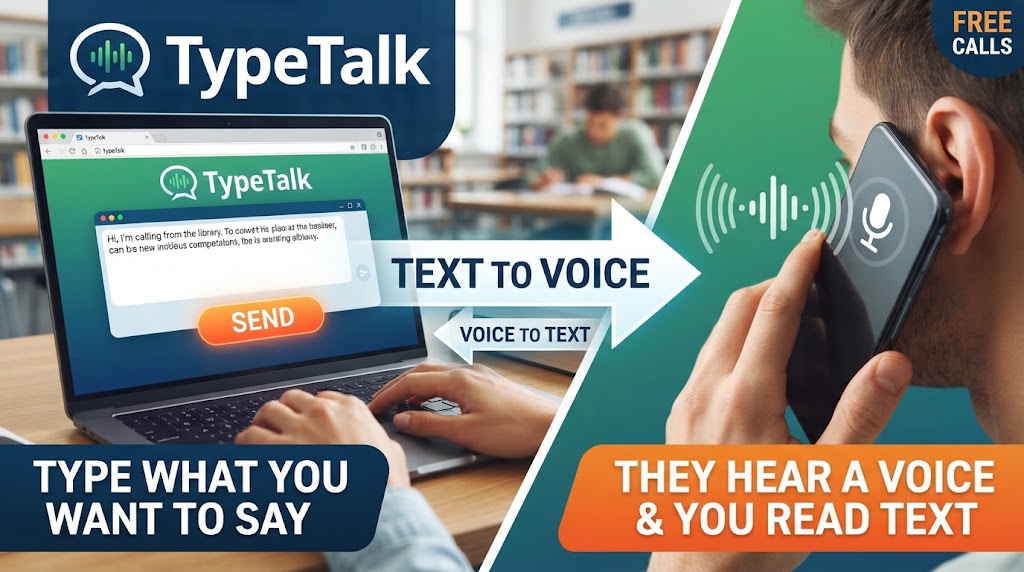
Type-to-Speech: Users type their messages into a clean web interface, which instantly converts the text into a natural voice stream heard by the person on the other end of the line.

Speech-to-Text: The spoken responses from the phone call recipient are instantly transcribed in real-time, appearing as live text on the user's browser screen like a chat log.
How we built it
Frontend: Built using modern HTML5, CSS, and JavaScript, featuring a clean chat-style UI and a dial pad interface.
Telecom & WebRTC Layer: Integrated cloud communication APIs (such as Twilio Voice SDK) to establish secure browser-to-phone connections and manage call routing over the public switched telephone network (PSTN).
Audio Processing: Utilized low-latency text-to-speech engines for synthetic voice output and real-time speech-to-text transcription models to instantly parse incoming call audio into readable text.
Challenges we ran into
Managing ultra-low latency for real-time text-to-speech and speech-to-text conversion to ensure the conversation flows naturally without awkward pauses.
Handling audio permissions and browser constraints seamlessly within shared or public computing environments.
Accomplishments that we're proud of
Successfully bridging the gap between a standard web browser interface and a traditional phone call without requiring any mobile hardware.
Creating an accessible, dual-direction communication loop where typing becomes talking and talking becomes reading.
What we learned
Gained deep insights into WebRTC protocols, VoIP architecture, and real-time audio streaming webhooks.
Recognized the immense value of designing communication tools with accessibility and resource-constrained users in mind.
What's next for OpenLine
Multi-Language Support: Adding real-time translation so users can type in one language and have it spoken in another over the phone.
AI-Assisted Smart Replies: Integrating quick AI-suggested responses to help users speed up common phone interactions (like booking appointments or customer service inquiries).
Enhanced Offline Capabilities: Exploring lightweight on-device processing models to reduce latency and server dependency further.
Built With
- api
- audio
- css3
- html5
- javascript
- sdk
- telephony
- telephony-intelligence-data-services
- twilio
- web
- webrtc

Log in or sign up for Devpost to join the conversation.