-
-

App Icon
-
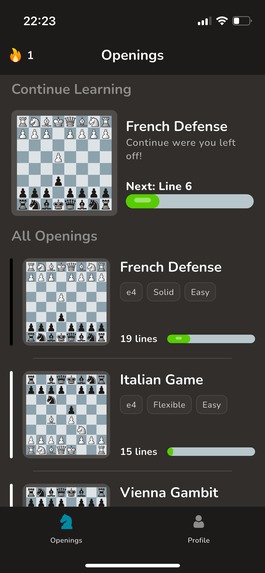
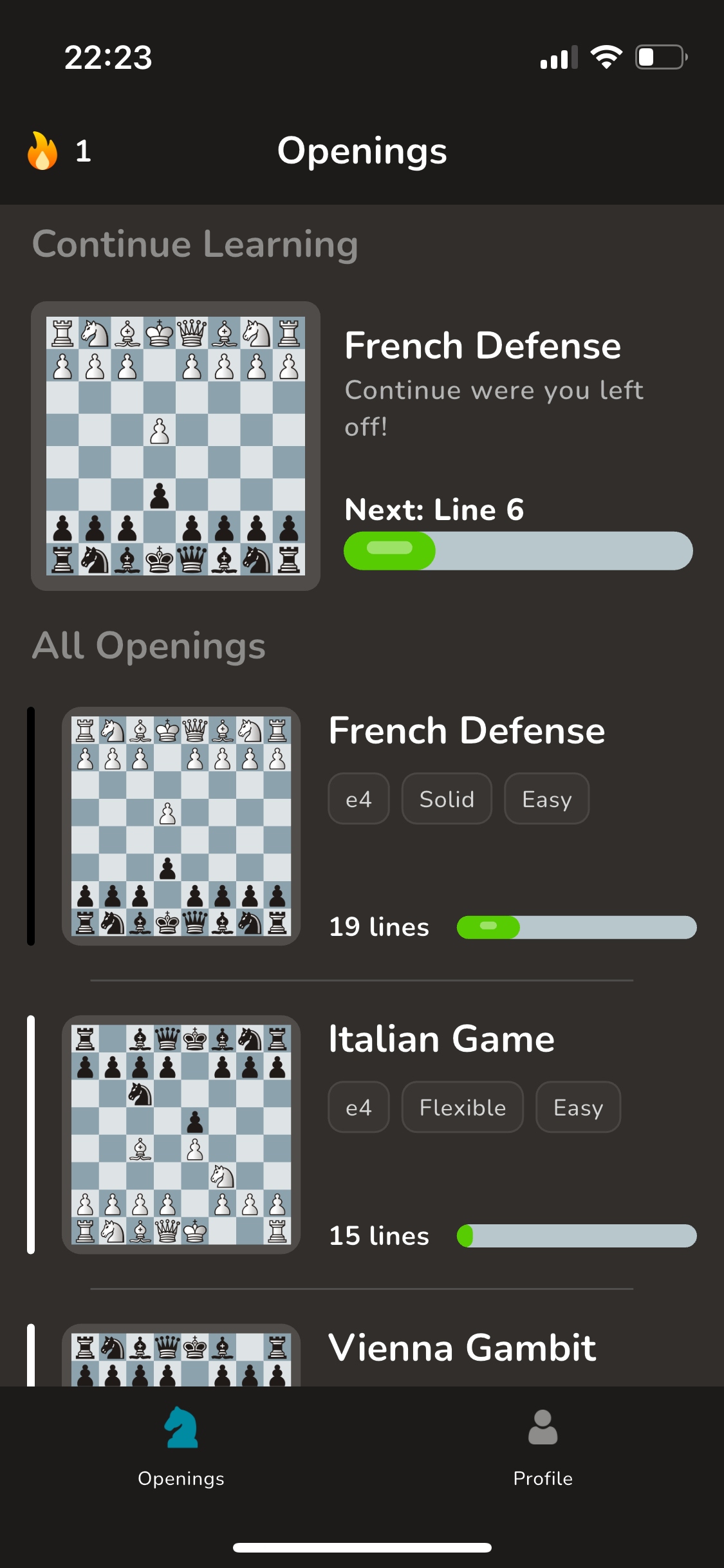
Home
-
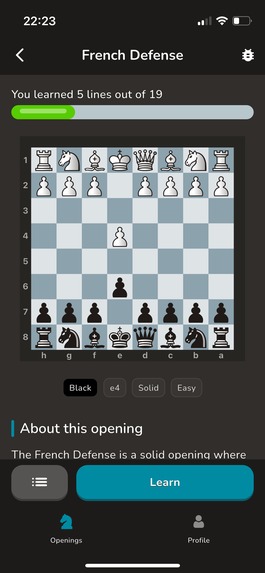
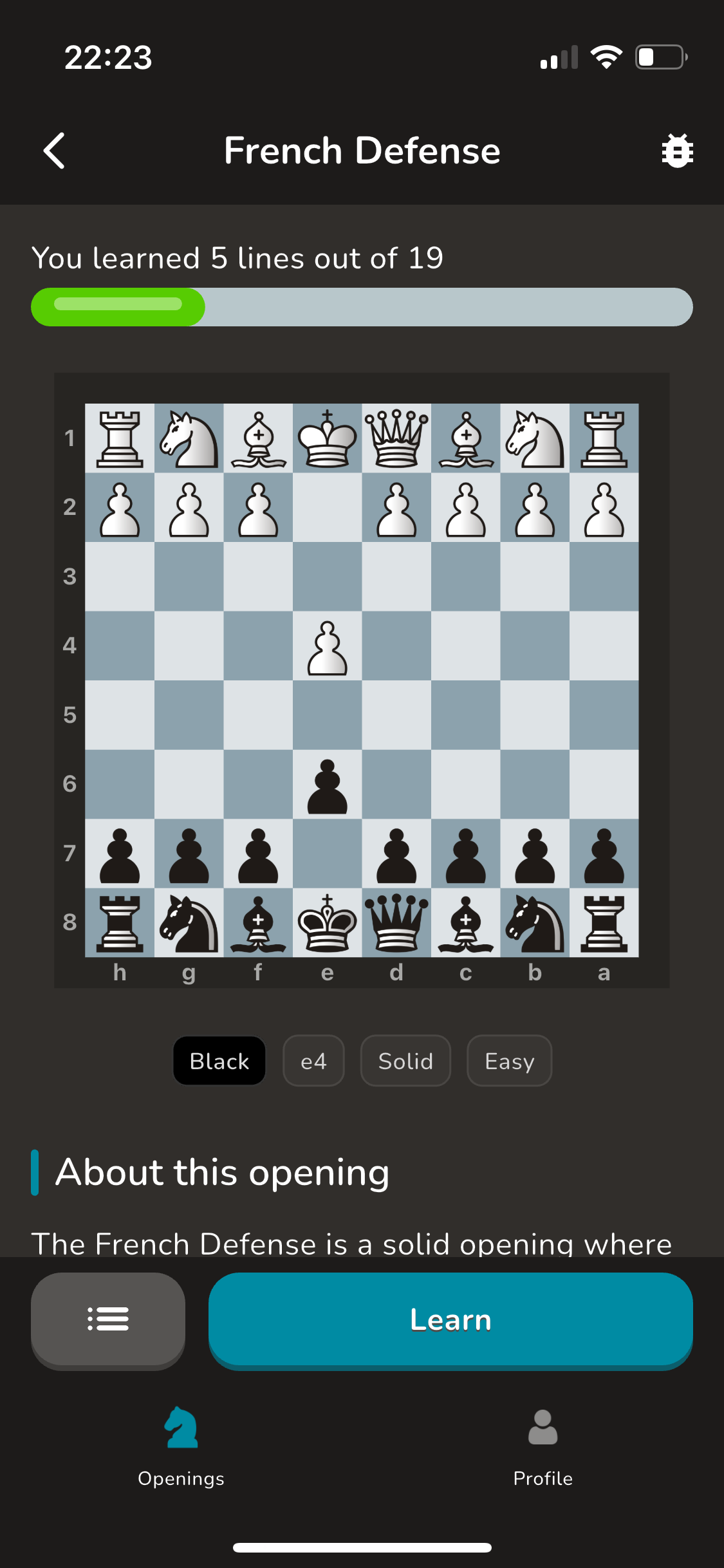
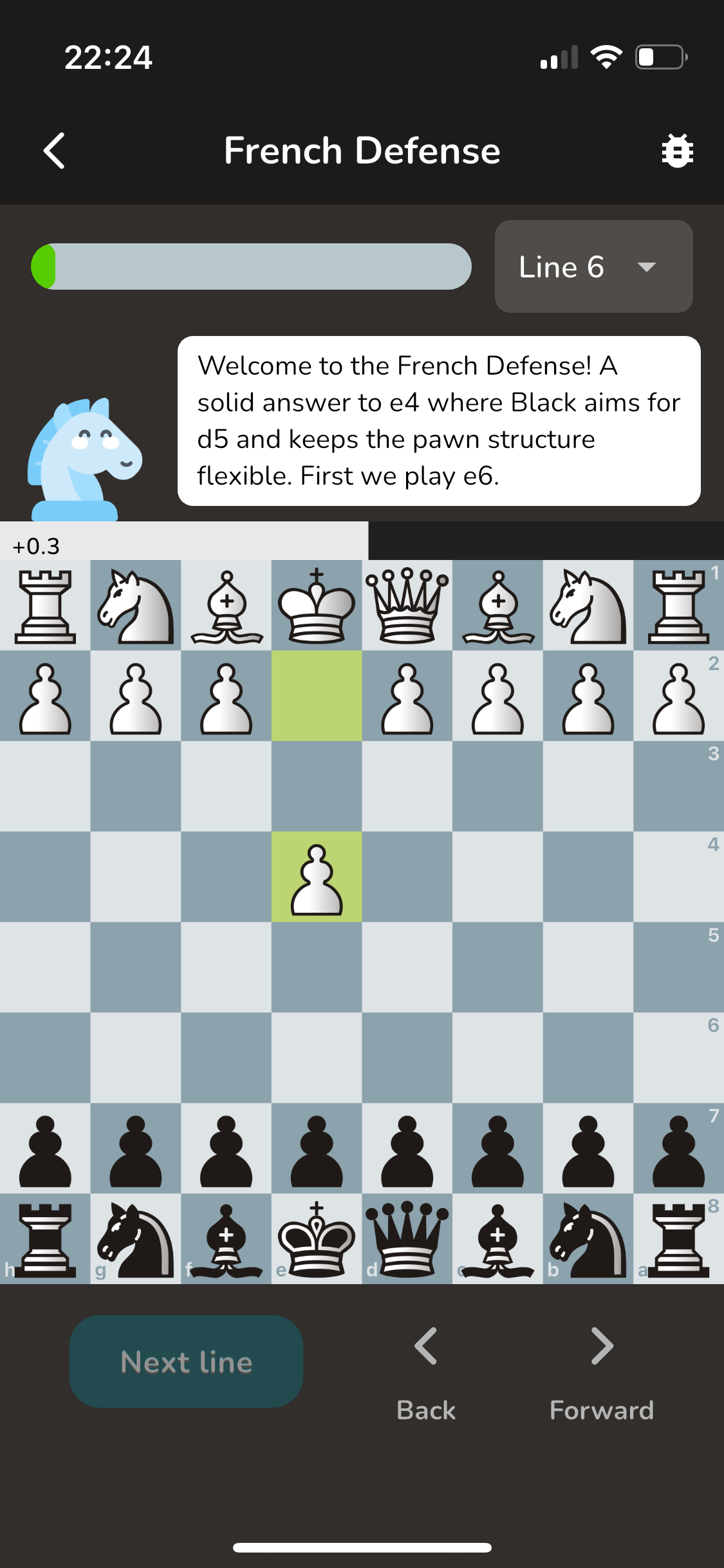
Opening page
-
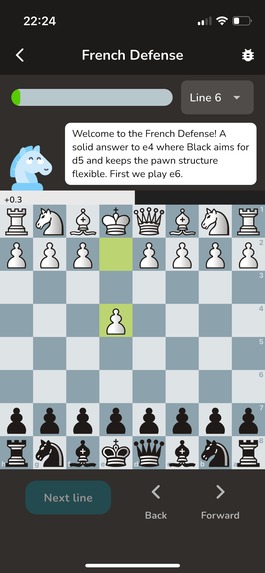
Learning a line
-
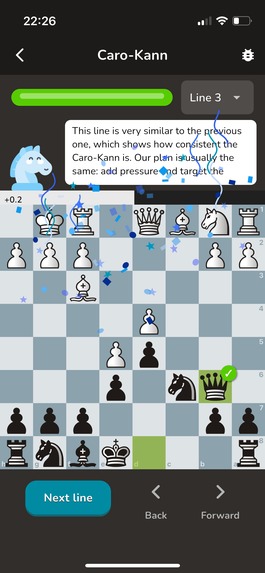
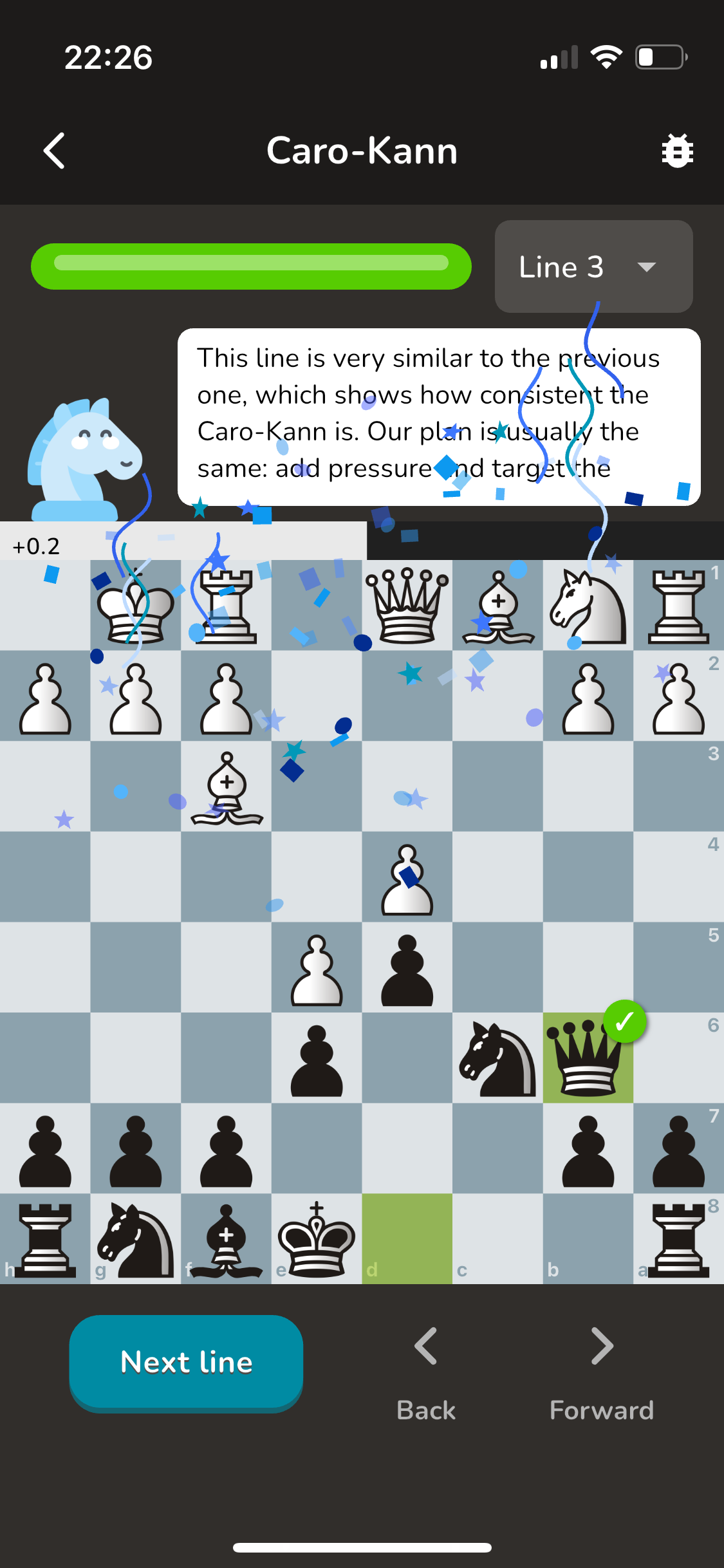
Line completed
-
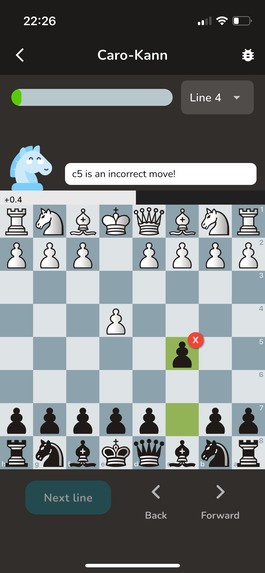
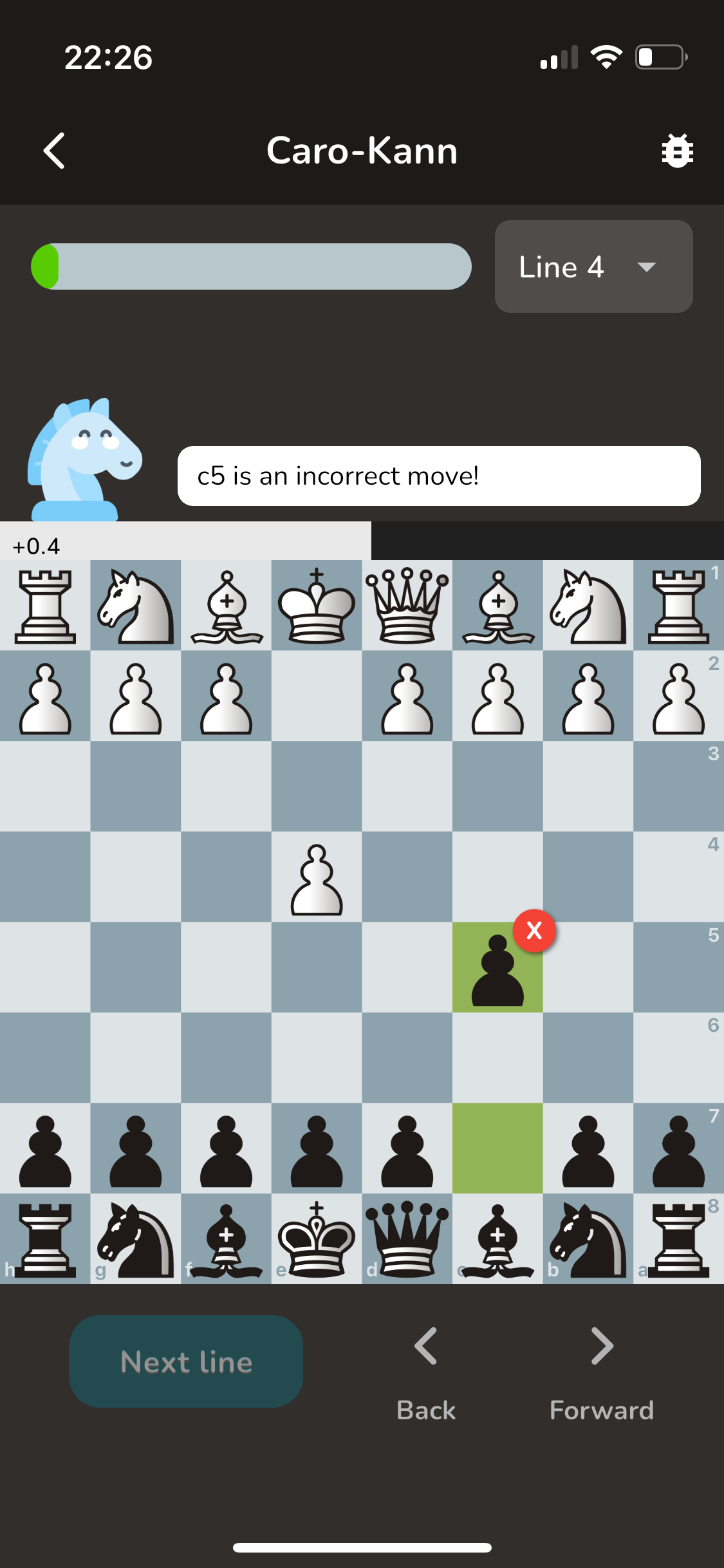
Mistake
-
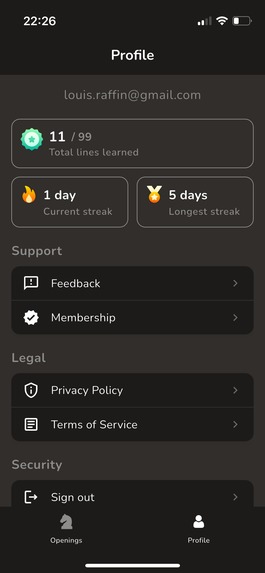
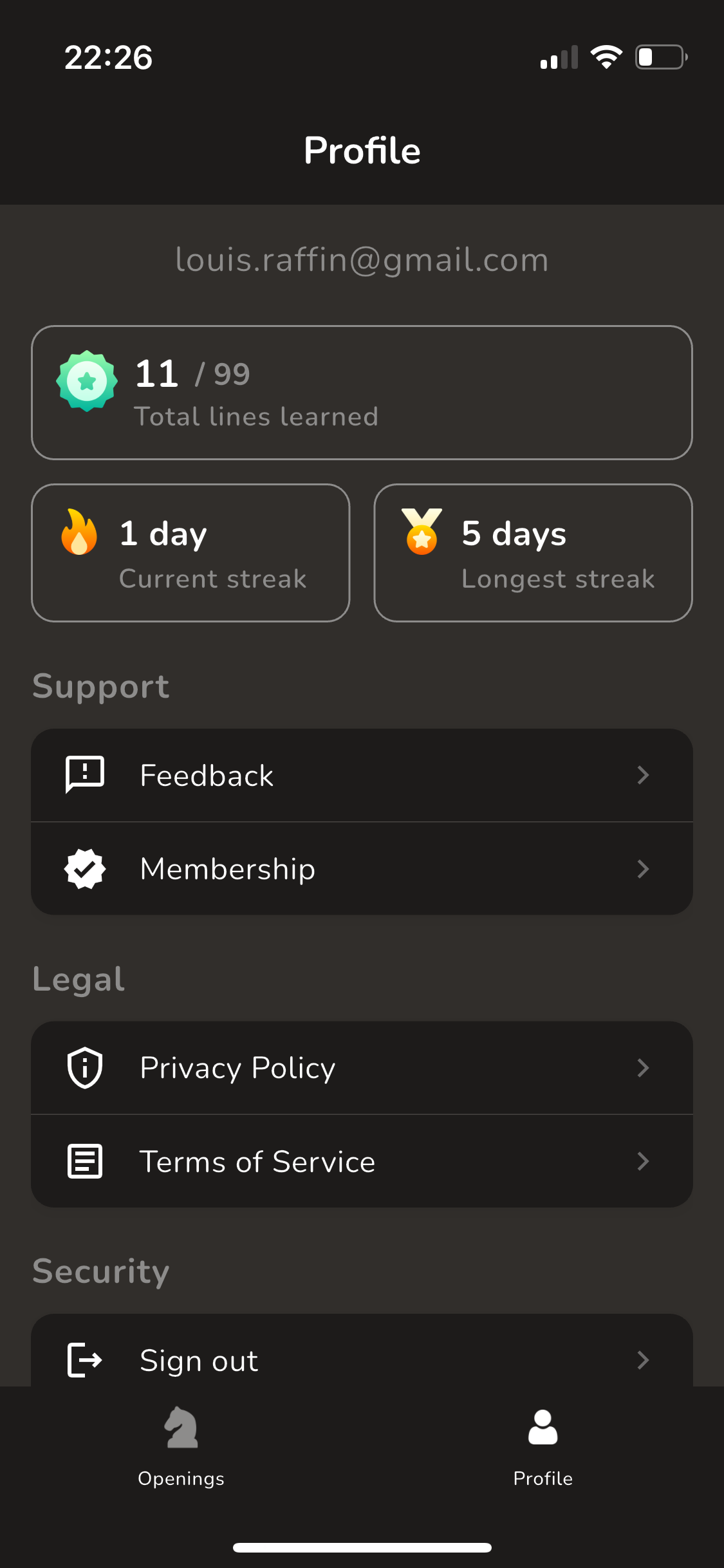
Stats & Settings

Inspiration
I’ve always struggled to improve at chess because openings felt like a wall. I didn’t want to spend hours reading courses or watching long videos, hoping I could somehow memorize the moves. What I really wanted was to play and learn at the same time.
I tried some tools that let you practice openings by playing them, but most of the time they just tell you the moves without explaining anything. You end up knowing what to play, but not why. That’s where the idea for Openit came in: a mix between practice and lessons, where you play the moves and a simple coach explains the reasoning behind them so it actually sticks.
Funny enough, I was about to start coding around July 14th when I discovered the Shipathon. It immediately felt obvious to merge the two: build the app I had in mind and join my very first hackathon at the same time. It gave me extra motivation and a chance to discover the world of hackathons.
What it does
Openit helps beginners and intermediates learn and practice chess openings. You pick an opening, play through its lines, and get guided explanations of each move and the ideas behind them. All explanations are written by me, not AI, to keep them clear, simple, and human.
How I built it
I built Openit in Flutter. I launched a v1 very early (August 13th), then iterated quickly with 8 updates in the following weeks. I also shared my progress on Twitter with a brand new account, documenting the journey and collecting small but meaningful feedback. The app’s name even came from a reply to one of my tweets.
Challenges I ran into
The hardest part was balancing speed and quality. I wanted to ship fast but still give real value to players. Another challenge was dividing my time between coding new features and fixes, and also creating the opening content myself. Writing the explanations takes time because I want each opening to be accurate and well presented.
I also chose to focus my time on building and iterating the product instead of marketing. I wanted the app to feel clean and valuable before pushing for visibility. Even with no marketing, the app still got organic traction with reviews, a first paying user, and thousands of impressions.
Accomplishments that I'm proud of
- Released a working v1 only two weeks after the start
- 8 updates during Shipathon
- Built an internal admin tool to create openings with lines, comments, and manage the database
- First paying user
- 2 user reviews (both 4★). One user originally rated 3★ and later updated to 4★ after improvements
- Grew from 0 to 16 followers on Twitter, reached around 3k impressions, and was surprised by the genuine enthusiasm from some people
- A community member suggested the app’s name
What I learned
Shipping early and iterating is more powerful than waiting for perfection. I also learned the value of building in public: even with a tiny audience, sharing the journey brought feedback, motivation, and early traction. Most importantly, I realized that if I put in the effort, people are actually willing to pay for the value I create, something that felt almost impossible before.
What's next for Openit
The story of Openit is definitely not over. I already have so many ideas I want to bring in.
- I want to add an explore mode, where you can play moves freely and see if they match an opening.
- I also imagine new training modes, like playing against an opening to learn how to avoid its traps.
- Another big step will be better progress tracking, so players can clearly see how they improve over time.
Openit started as a small MVP, but I see it growing step by step into a fun and useful tool for anyone who wants to get better at chess openings.
And beyond features, I also plan to start working on marketing, ASO, so I can slowly reach more players who might like it.


Log in or sign up for Devpost to join the conversation.