-
-
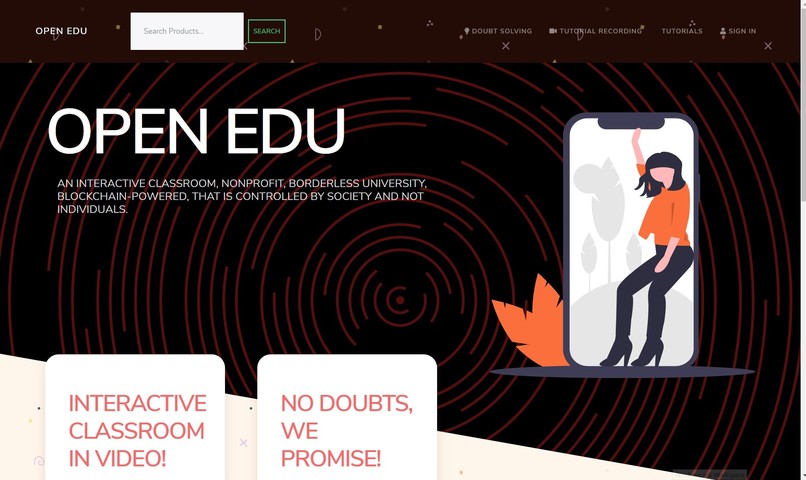
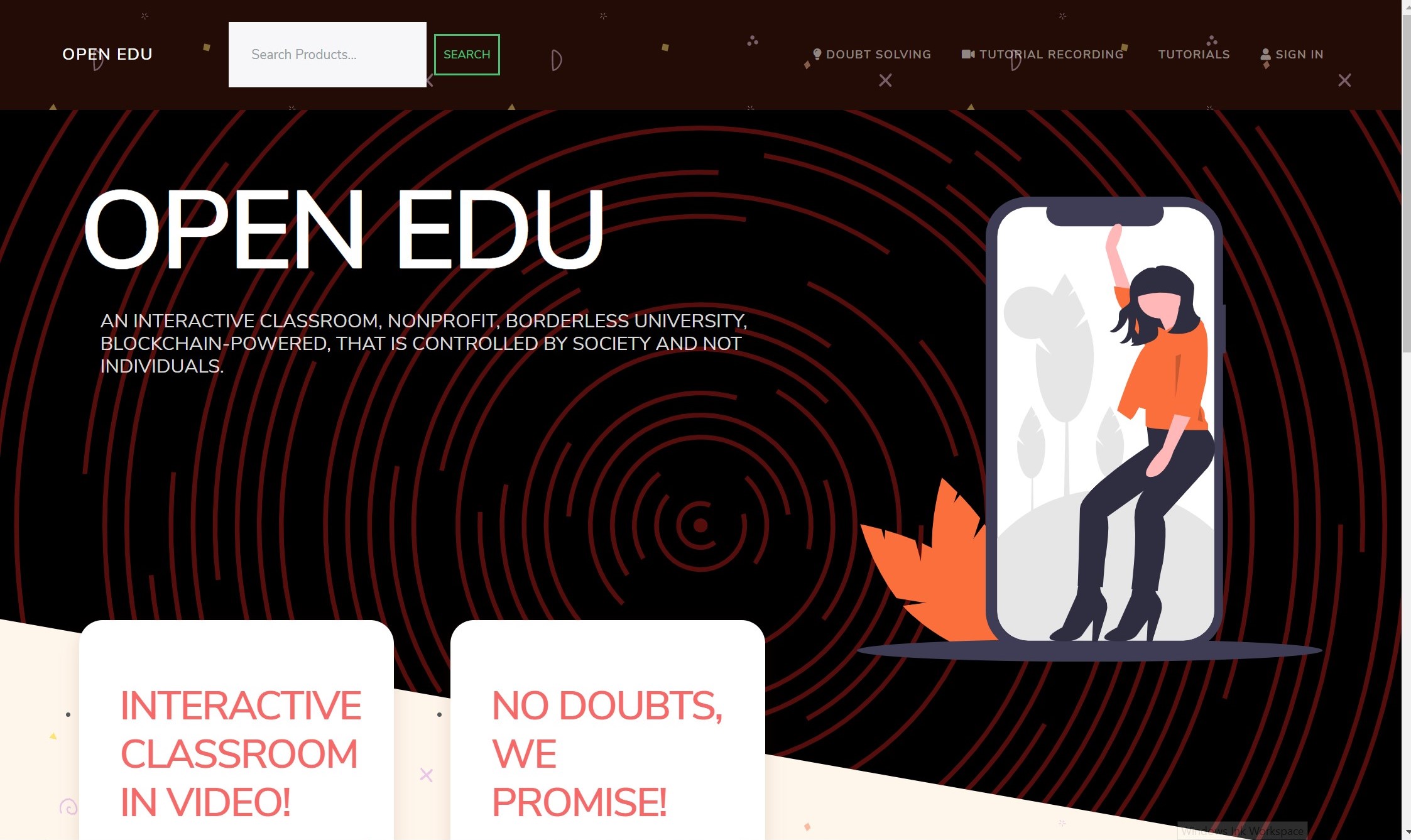
Landing Page
-
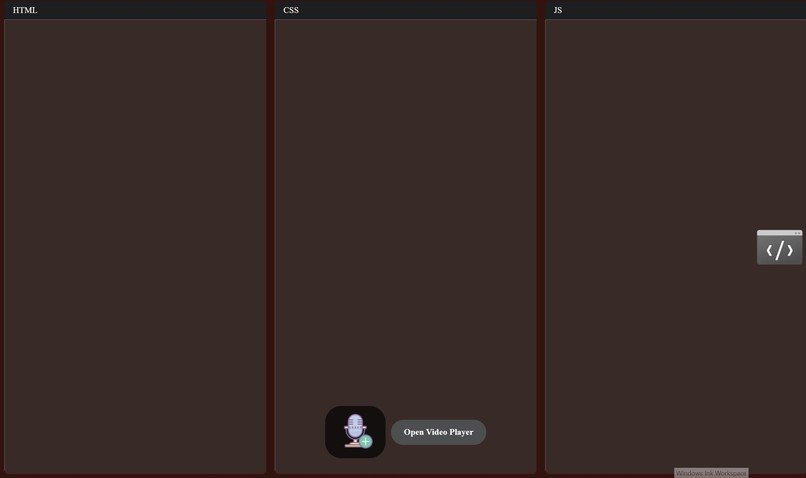
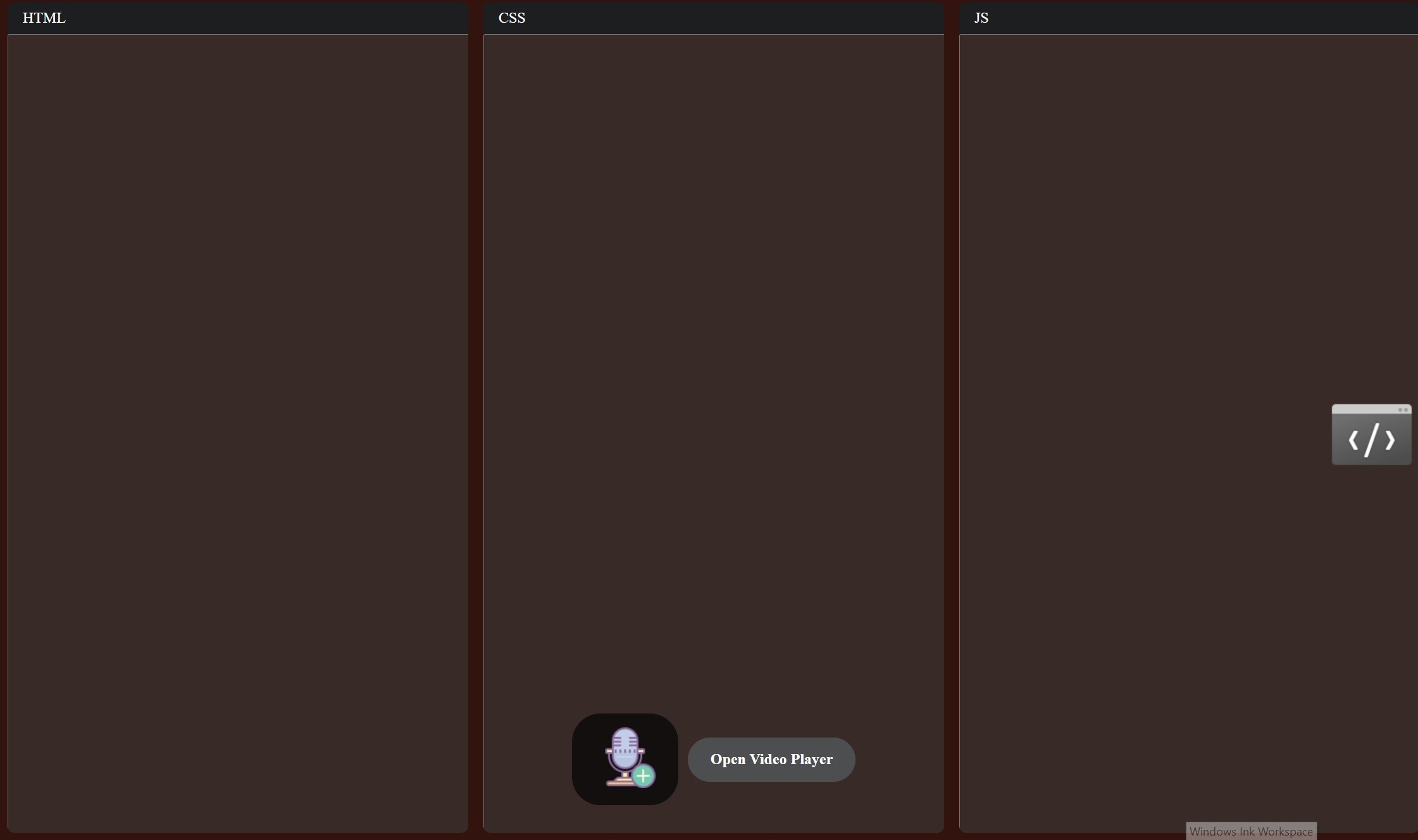
Tutorial Recording Page
-
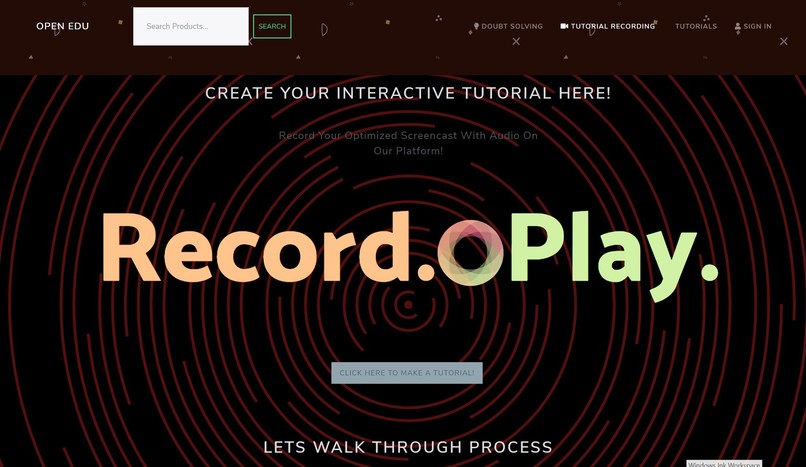
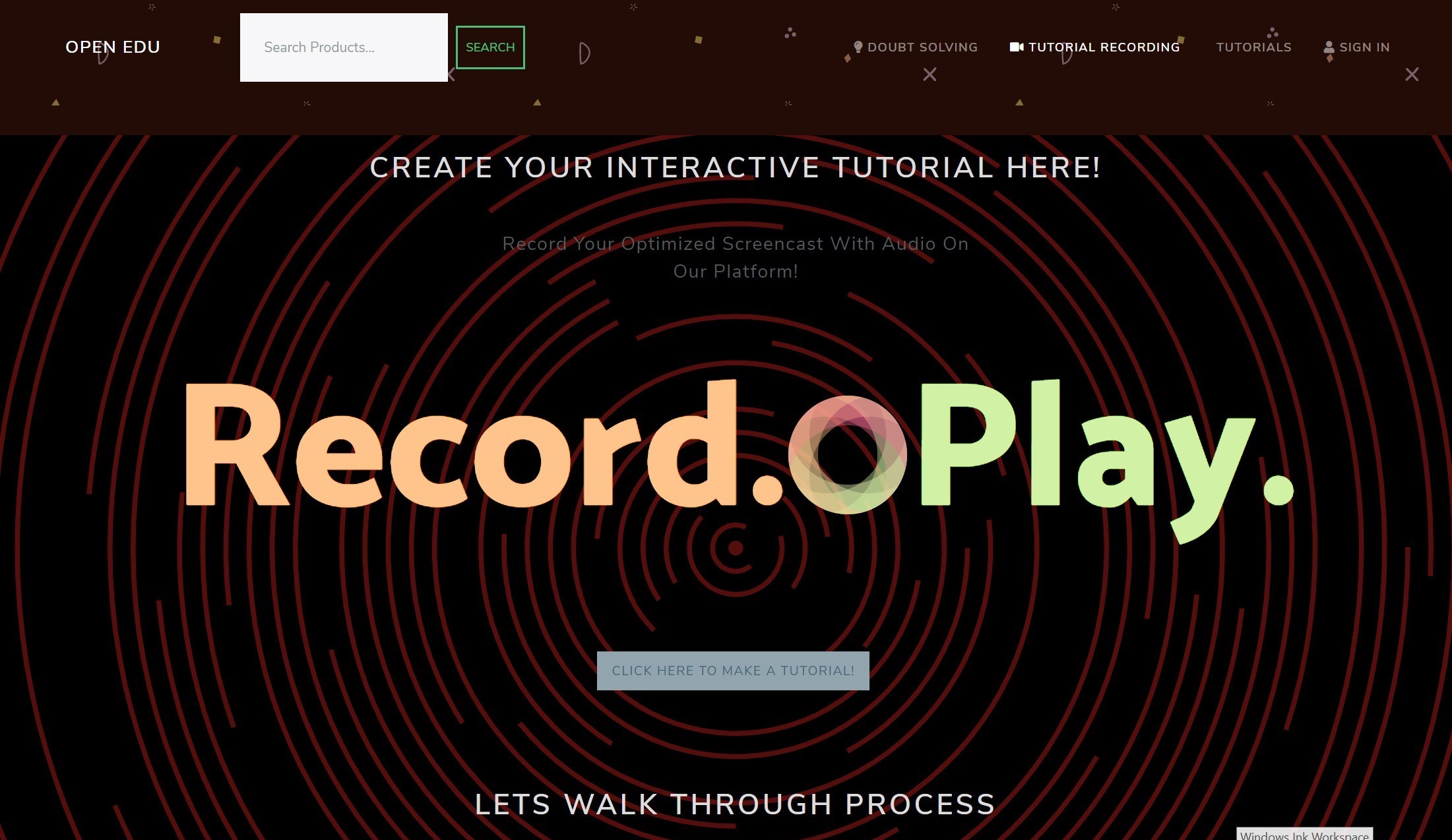
Tutorial Recording Instruction
-
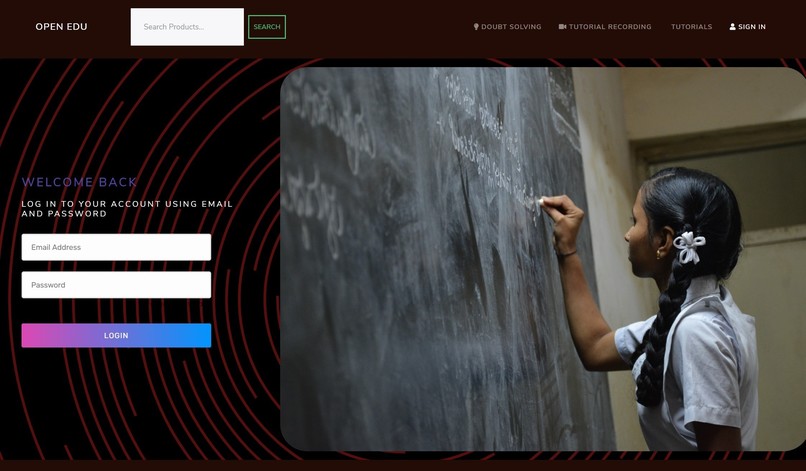
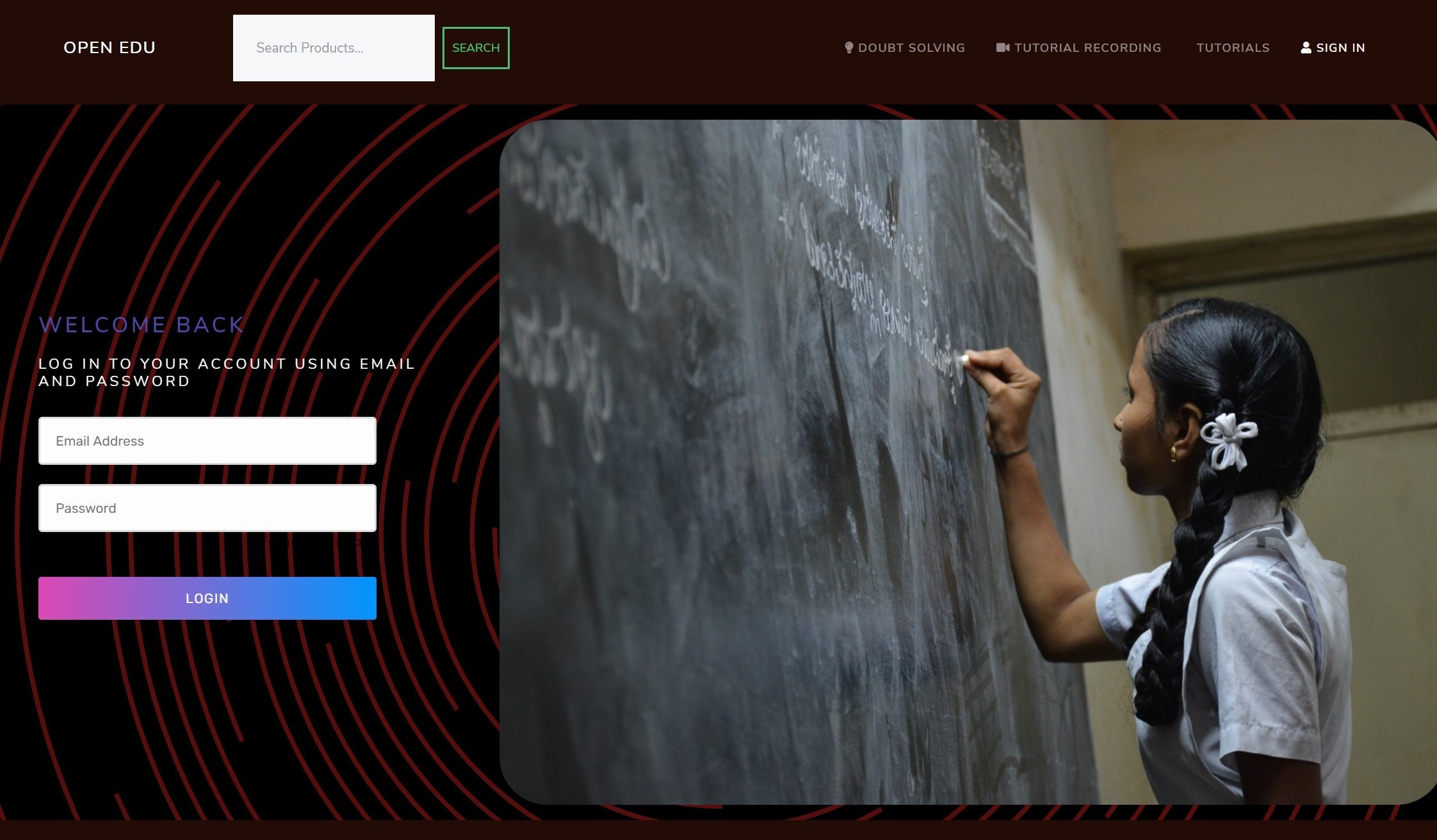
Login Screen
Problem statement
Online video has been around since 2005, and it has grown exponentially. For the most, this growth is a good thing, as video works well in many areas. But it has also eaten its way into spaces where it’s not as well suited, like the learn to code space, where it has become the dominant tool for tutorials (all the biggest online learning platforms are based on video). This is sad because the video is actually a big step backward if you compare it to an in-person learning experience.
*Video tutorials kill interactivity * The first big problem with video is that it destroys all possibilities for interactivity, as the code is reduced to dead pixels. This means you can neither copy, edit or run the code. All you can do is watch it.
*Video tutorials are a hassle to create * The second problem with video is the frustrating creation process. Explaining code through screencasts is a lot more hassle than doing it in person because you have to go through a bunch of steps in order to create the video.
As a result, what would have taken you five minutes to explain in-person, can often take an hour to explain online.
Even if these problems were not enough, most educational platforms are controlled by private organizations and hence create certain problems - The certificate can easily be faked or edited,or don't hold much meaning. Certificates hold only value if the platform providing it holds reputation(meaning expensive).
Brief Solution
1 . We want to reinvent the video format for explaining code, where users can actually interact with the video, that is like a video game and not just see it like a movie. The concept can be a bit tricky to understand at once or seem impossible. But bare with us! It's very much possible. If we look into the basics of video of any format, they record pixels and then render them. but if we record events (mouse move, click, scroll) instead of pixels.. and instead of drawing each pixel we can on any hardware,we actually redo those events making. we can make an interactive video.. where students can actually change the things that the instructor is doing and see different outcomes or run the instructor's code in the video itself. 2 . Creating a video will be super easy. There’s no downloading, exporting or uploading involved. You simply open our web-based editor, click RECORD, and start talking while you code. When someone watches your screencast, we recreate exactly what you did when you recorded it (in the same environment). This enables the viewer to copy, edit or run the code, in the way they want.
- After completion of course we will provide a certificate that will be hashed in blockchain,so making completely immutable and authentic universally.
We aspires to become the interactive video, blockchain-powered, nonprofit, borderless university, that is controlled by society and not individuals.
We are recording a 10 min long 4k video in just 400kb (without audio), so saving bandwidth.
## Advantages it’s about improving online knowledge sharing bandwidth. The global scale of the web is a fantastic enabler for teaching and learning, however, the in-person learning experience got lost in the transition from the classroom to the web. So our goal is to make online learning better than in-person learning. This simply won’t be possible if we stick with the traditional video format, due to the problems we described above. If done right, this can make it easier for millions of people to learn new skills.
“Tell me i will forget, Teach me i will remember, Involve me i will learn”
So, making videos which involve learners will surely lead to great addon to their skill-set. Besides learning they will also get a certificate which has some value and put a star on your resume. This motivates the students to complete their courses and help them to explore their creative minds.
##Challenges we ran into We were trying to virtulize the DOM of react which requires lot of understanding of the concepts. even when we were able to records the DOM events saving it in the data Base was a challenge since we DOM event JSON object was changing everytime user does something, so defining its schema in the backend was hectic.
The Audio and syncing it with DOM was a challenge, since we needed to save the timestamp of the event.
Now even after these, replying those events in virtual DOM was tough,since we needed to virtulize each events with user interaction. then pausing and playing the events.
Coming to the live classroom, here needed to transit the x and y co ordinate of the user on drawing board, at the same time transmit his video and audio, using low bandwidth. we were able to use webrtc for the same.


Log in or sign up for Devpost to join the conversation.