Inspiration
My main inspiration was to create a better environment for the ELD (English Language Development) department and its students at my job. I’ve been working as a middle school aide for almost three years now and have loved the experience. However, there is always a need for school aides, and I noticed that no one filled my position when I took a year off. This made me realize that the ELD department has been struggling to find classroom support. I believe my project can help both teachers and students by introducing more personalized and efficient learning tools. It would allow students to engage with content in a way that suits their needs, while also giving teachers more space to focus on their lesson plans and maintain a consistent classroom pace.
What it does
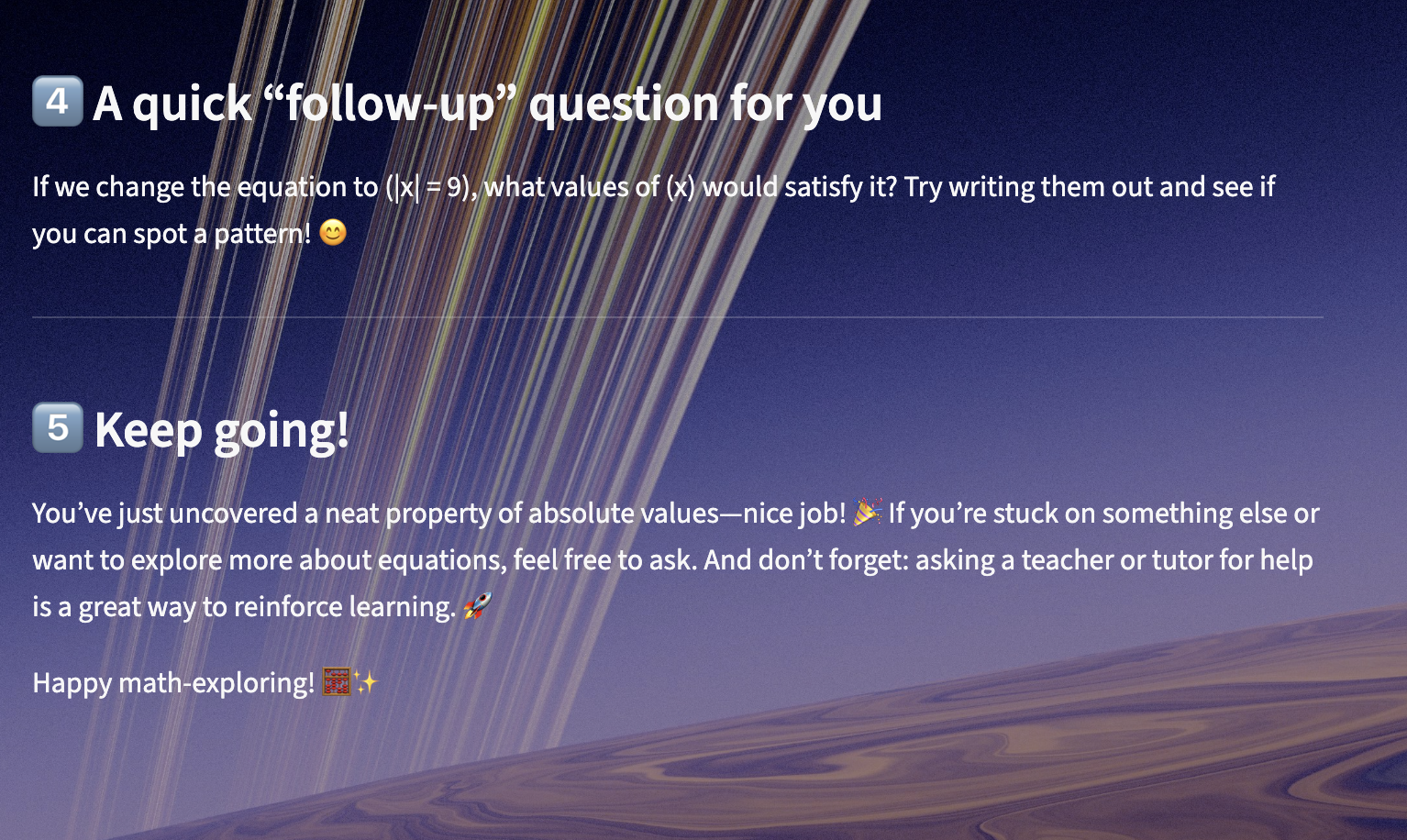
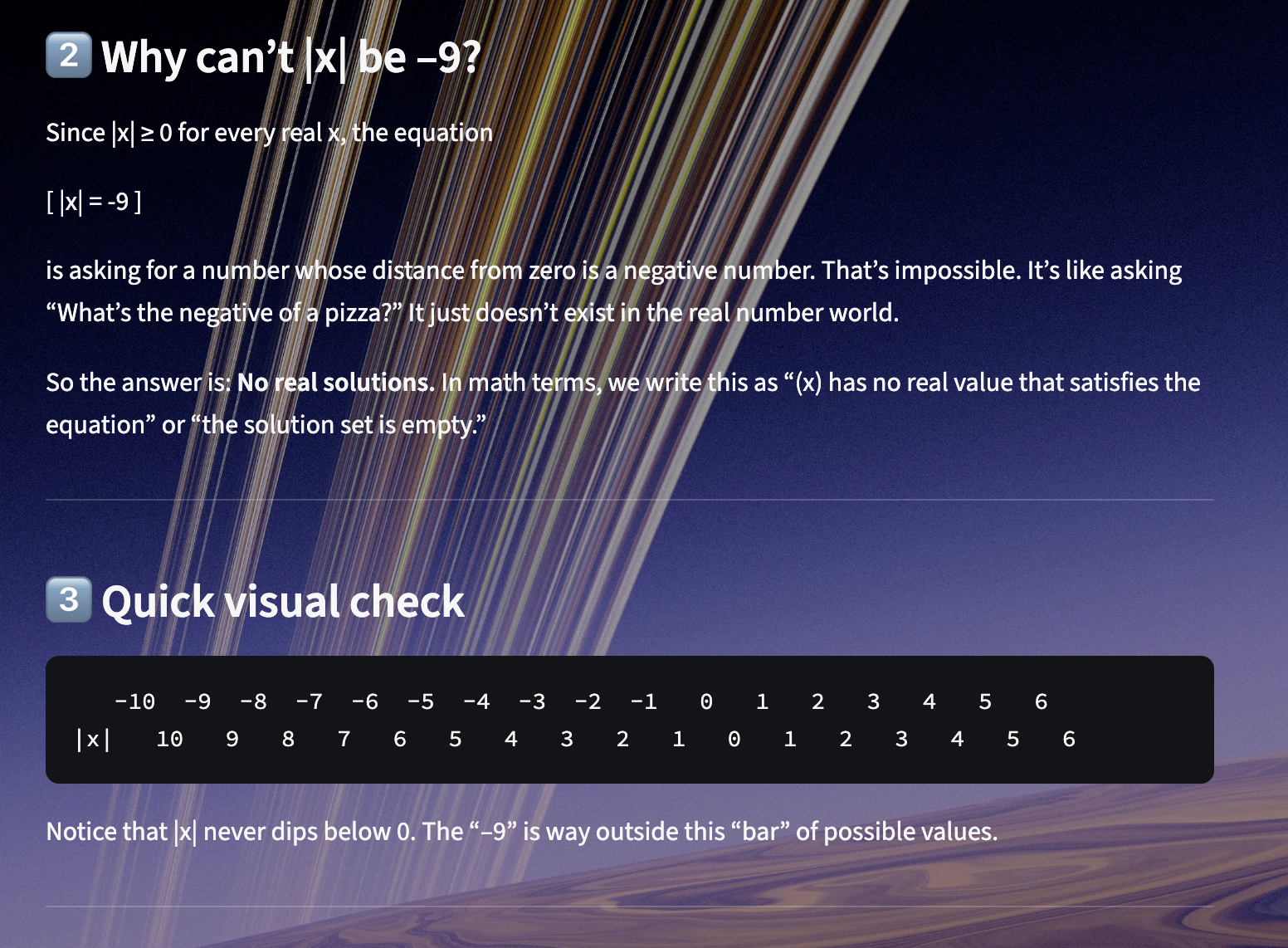
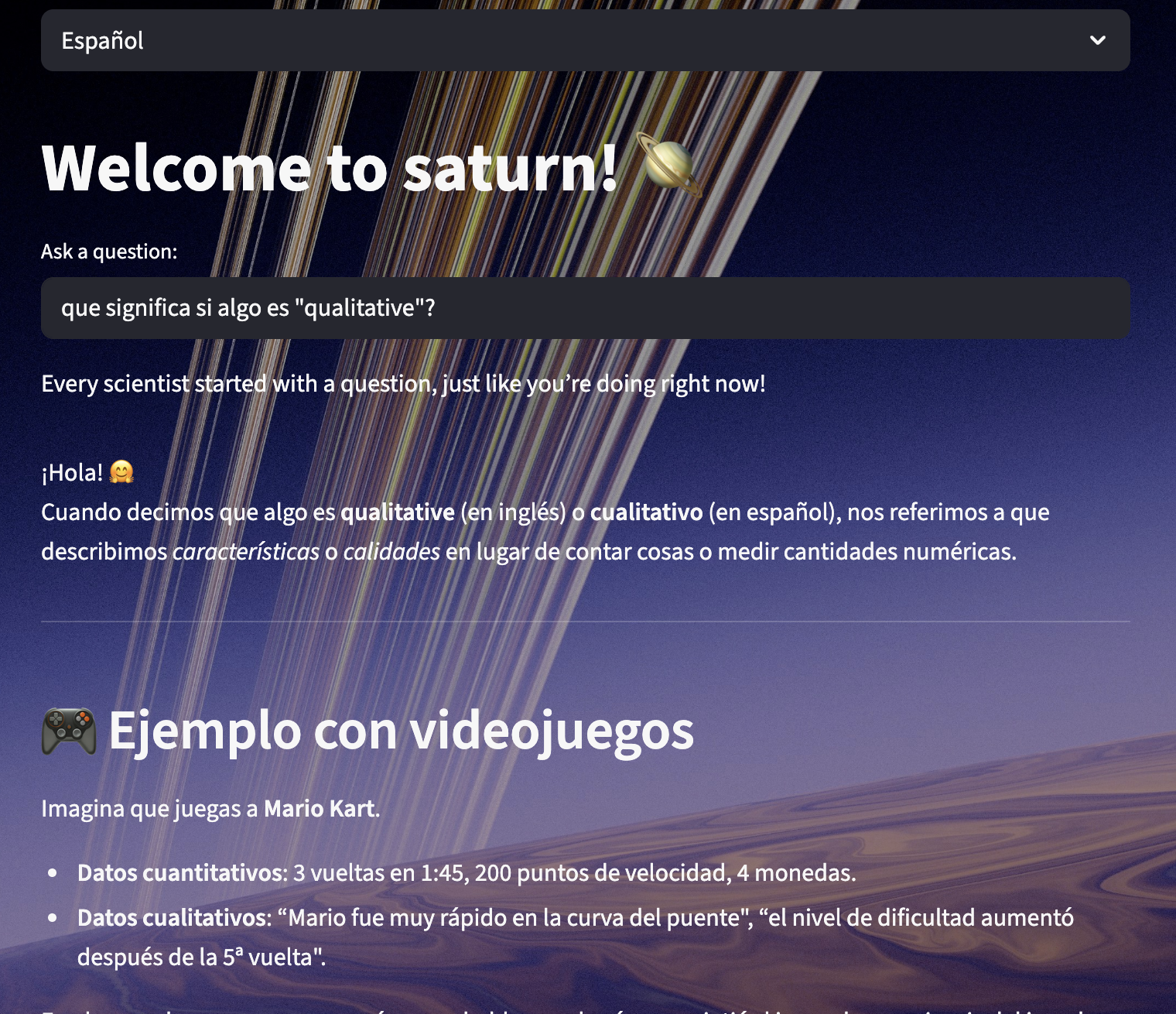
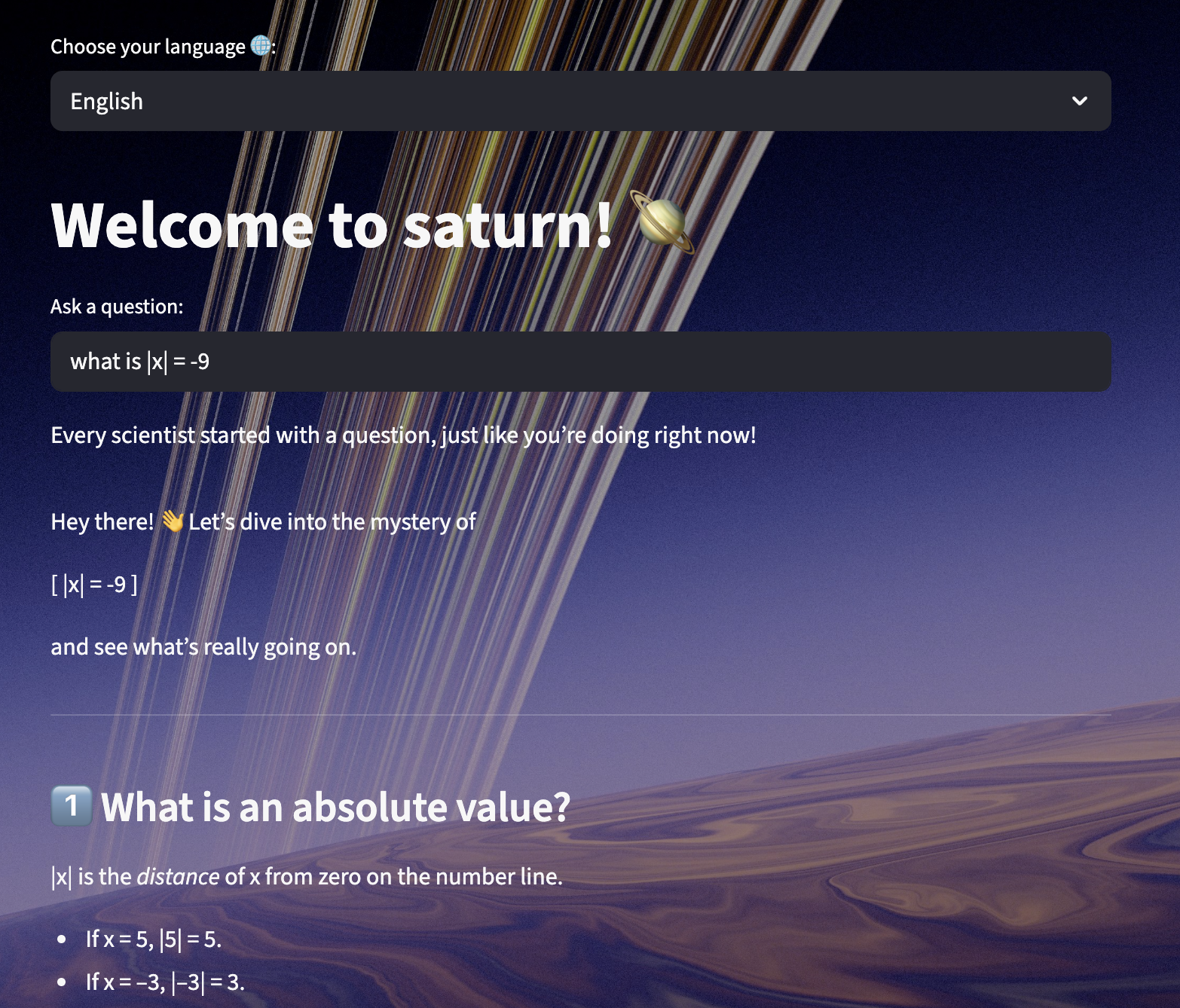
The main purpose of this program is to support the ELD department, although it can also be used throughout my local middle school. The AI model is designed to assist students across various subjects (science, math, history, etc). A potential concern is that students often use AI tools at home to “cheat” on homework, since that usage is harder to control. What I’m proposing is different: a more structured, helpful, and ethical way to integrate AI into learning. This tool will be available through their Canvas or Echo pages, where it will help students understand problems and guide them to reason through their work—instead of just giving them answers. Because it will be used regularly during class time, it will hopefully boost student confidence and encourage proper use, rather than relying on shortcuts at home.
How we built it
We had to use the latest GPT-OSS 20B model and used the streamlit library for a simple and interactive user experience. I imported the model and downloaded Ollama, read through the documentation and decided on the idea.
Challenges we ran into
This was my first time working on a coding and AI project, so reading and understanding the documentation—especially for Python, Torch, and Accelerate—was a big challenge. Another major hurdle was trying to run the model on my Linux machine, as I initially wanted to use a more affordable GPU (a 2060). Ultimately, I had to switch to my MacBook, which could handle the project better, though still with limitations.
Accomplishments that we're proud of
I introduced it in the middle school as a small assignment and the kids thought it was interesting (definitely a bit slow due to my macbook not being able to handle the model as quick as their attention span!) I got some feedback and decided to implement what they told me and apply a little bit more to make it appealing. I also have great hopes for this project since it can be run locally and is very secure since nobody can access their data, it would also be great to implement locally since it can help students who do not have an internet connection or maybe implementing a better computer lab or server, I guess it depends on the budget and needs of the school.
What we learned
Running AI models is very resource intensive, I found that it was easier to run a lower end model like the 7B but I loved using the 20B version-it offers a much-detailed explanation even if it takes a minute or two to answer I also learned the documentation and libraries used. lastly, I started my first hackathon and thought it was an amazing experience (albeit working and going to my university was still stressful(this project was basically fueled by passion at this point).
What's next for OpenAI model Hackathon, Santos Soto
I plan to refine this with a bit more time and resources, my ultimate goal would be to implement this inside of their canvas page or ma standalone application that is always there for them, the model could still use a bit of tweaks, and lastly I would like to tailor an experience even further by being able to add customizable aspects to the UI.
Built With
- gpt-oss
- imagination
- ollama
- python
- streamlit


Log in or sign up for Devpost to join the conversation.