-
Open Health: health consultancy, a gym, and clinic in the palm of your head.
-
-
-
-
-
-

-
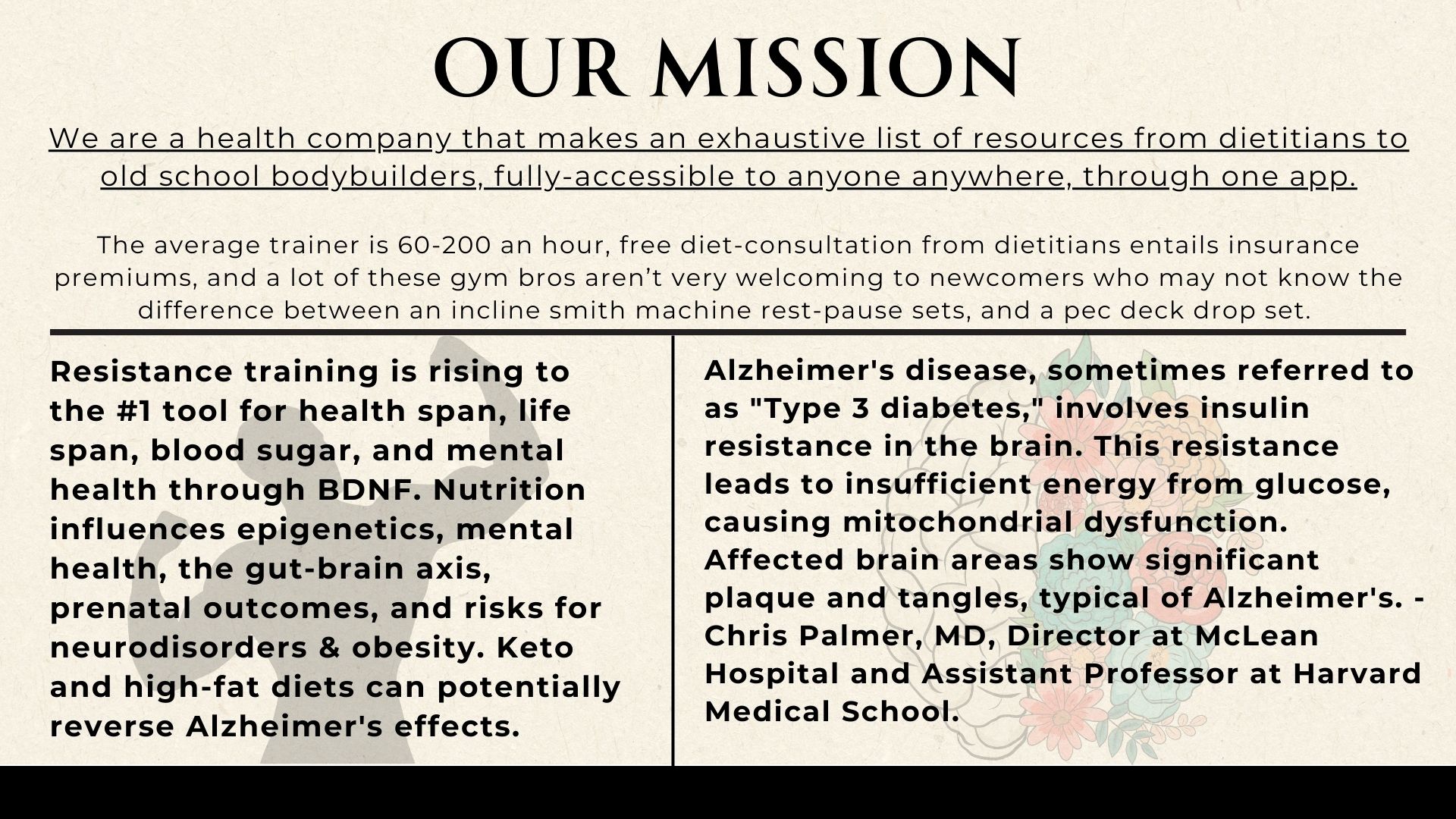

Inspiration
Ethan: I have a fiery passion for the fields of AI, Nutrition, and Neuroscience, which led to an attempt to work together to create a tool for those who may not share the same passion, but share the same, well... anatomy & biology who can also benefit. I brought my expertise from my current work as a Science Research Fellow @ CUNY Research Foundation, neuroscience lab Research Assistant @ SUNY Downstate (where we are running clinical trials on a vitamin medical therapy for Autism), and Nutrition lab Research Assistant @ Brooklyn College (where we do research on the epigenetic effects of prenatal and postnatal Choline supplementation & diet).
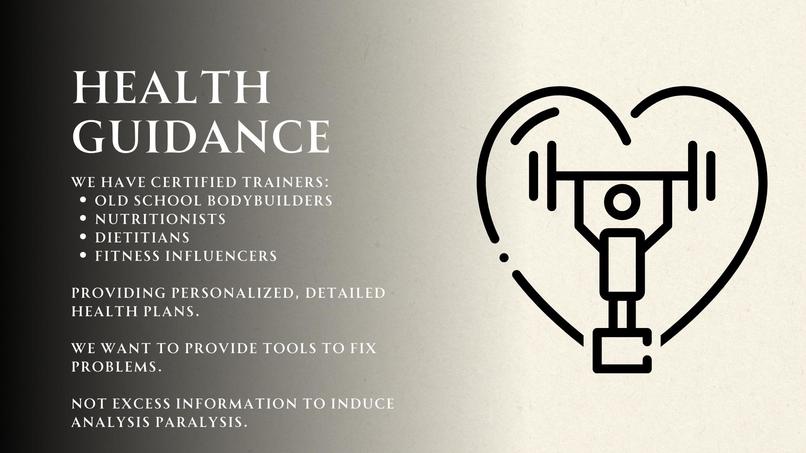
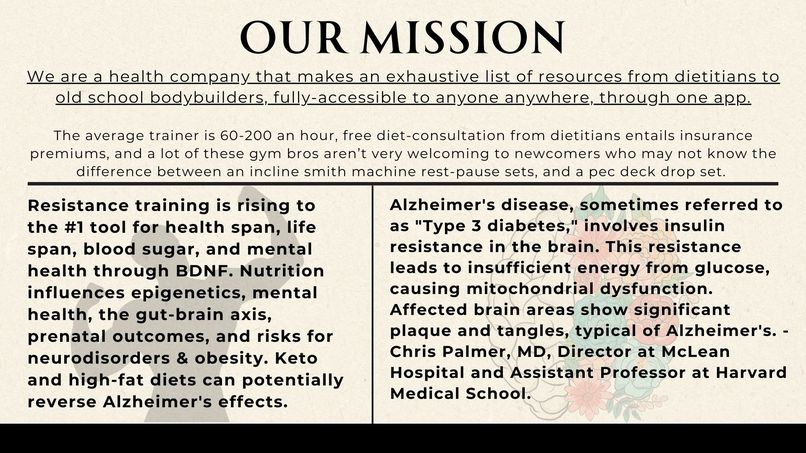
Problem Personal Trainers: 60-120$ / hr Dietitians: Insurance + can be upwards of $1,000 Appointment with Doctor to discuss diagnosis: Not accessible to all & wait times are insane.
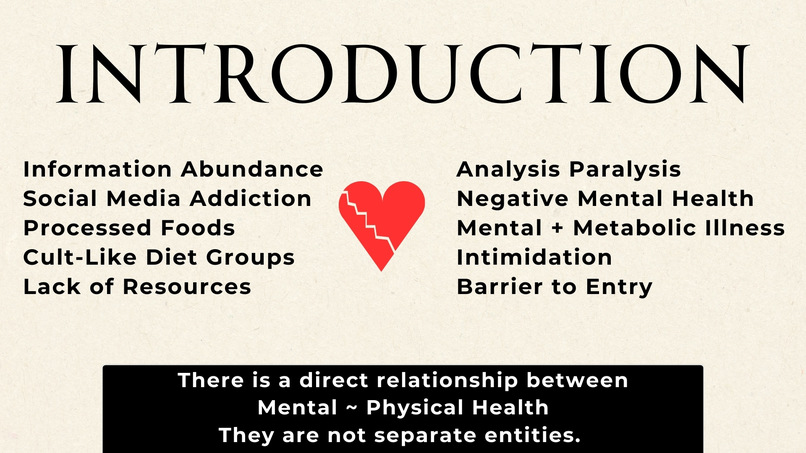
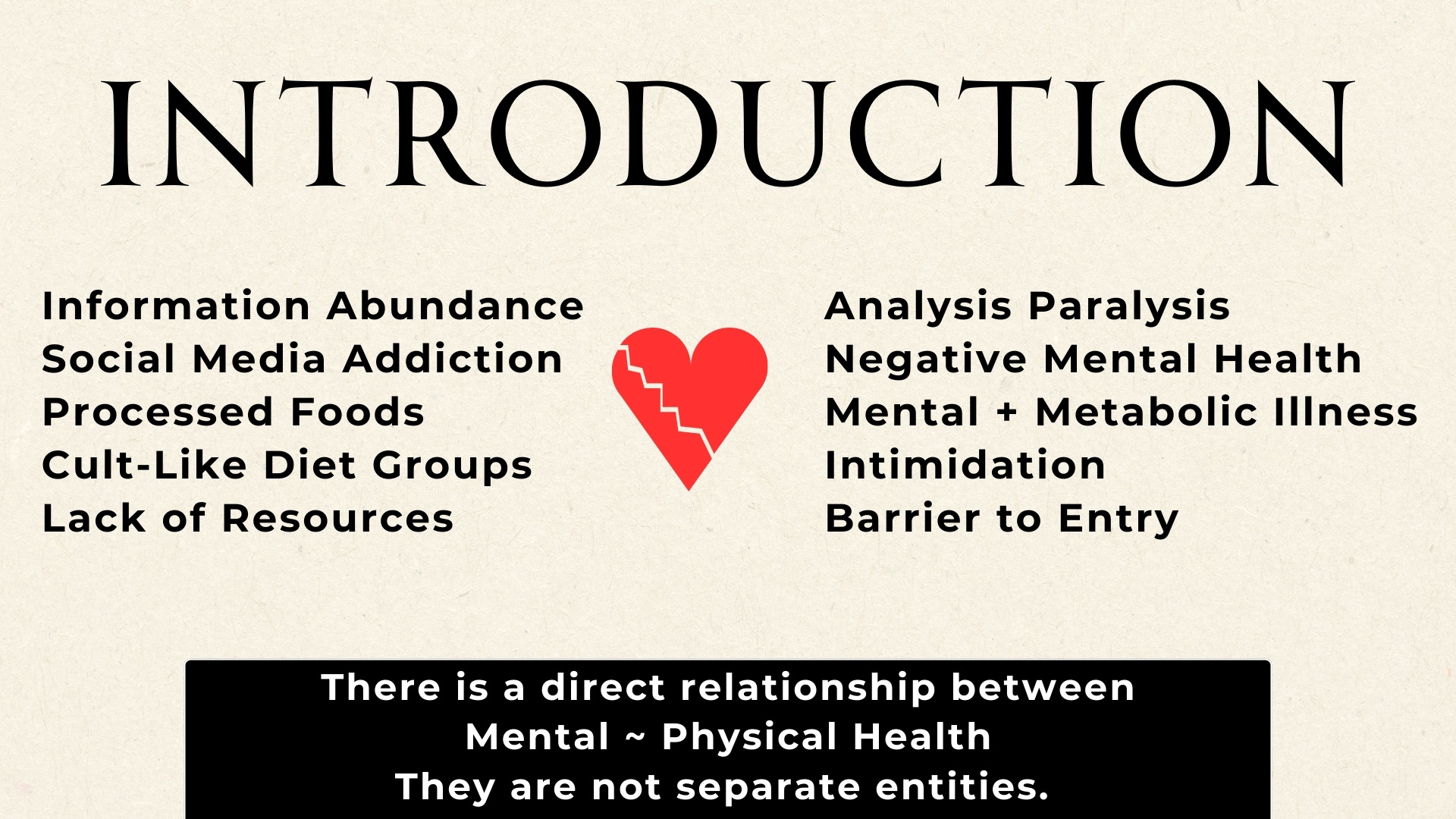
Common Issue A common reservation everyone in the group has was the current culture of referees vs do'ers. More people are willing to post/tell you what needs to be done, but they are not providing something the average busy American with a family can actually implement. This leads to guilt, analysis paralysis, and self-pity. This is why we created a toolbox, rather than a booklet.
Another common experience was a lack of education in the fields of nutrition, fitness, and neuroscience. Without great knowledge, comes great levels of powerlessness; we've all spent countless hours looking up the right diet/routine, just to get sucked into the vortex of online fitness influencers providing unsound advice.
Ethan: The gut-brain axis, epigenetics, nutritional psychiatry, and healthspan are some of the main drivers of much of what I do, and it was an honor to have an amazing team that ran with the idea and built something of substantial value that anyone can use.
What it does
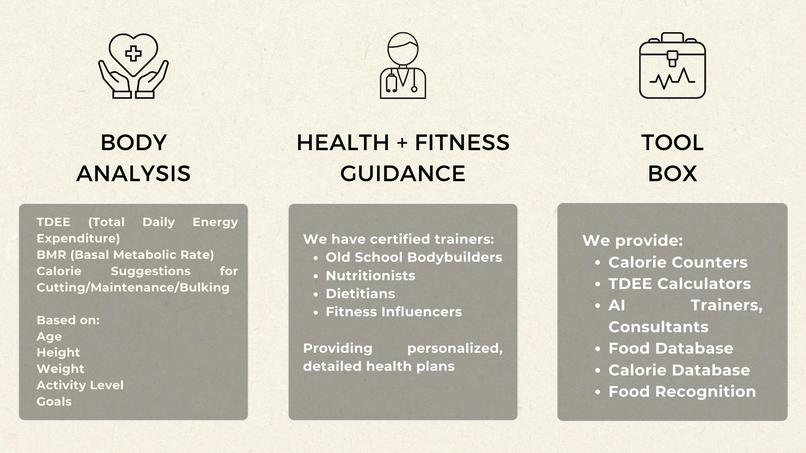
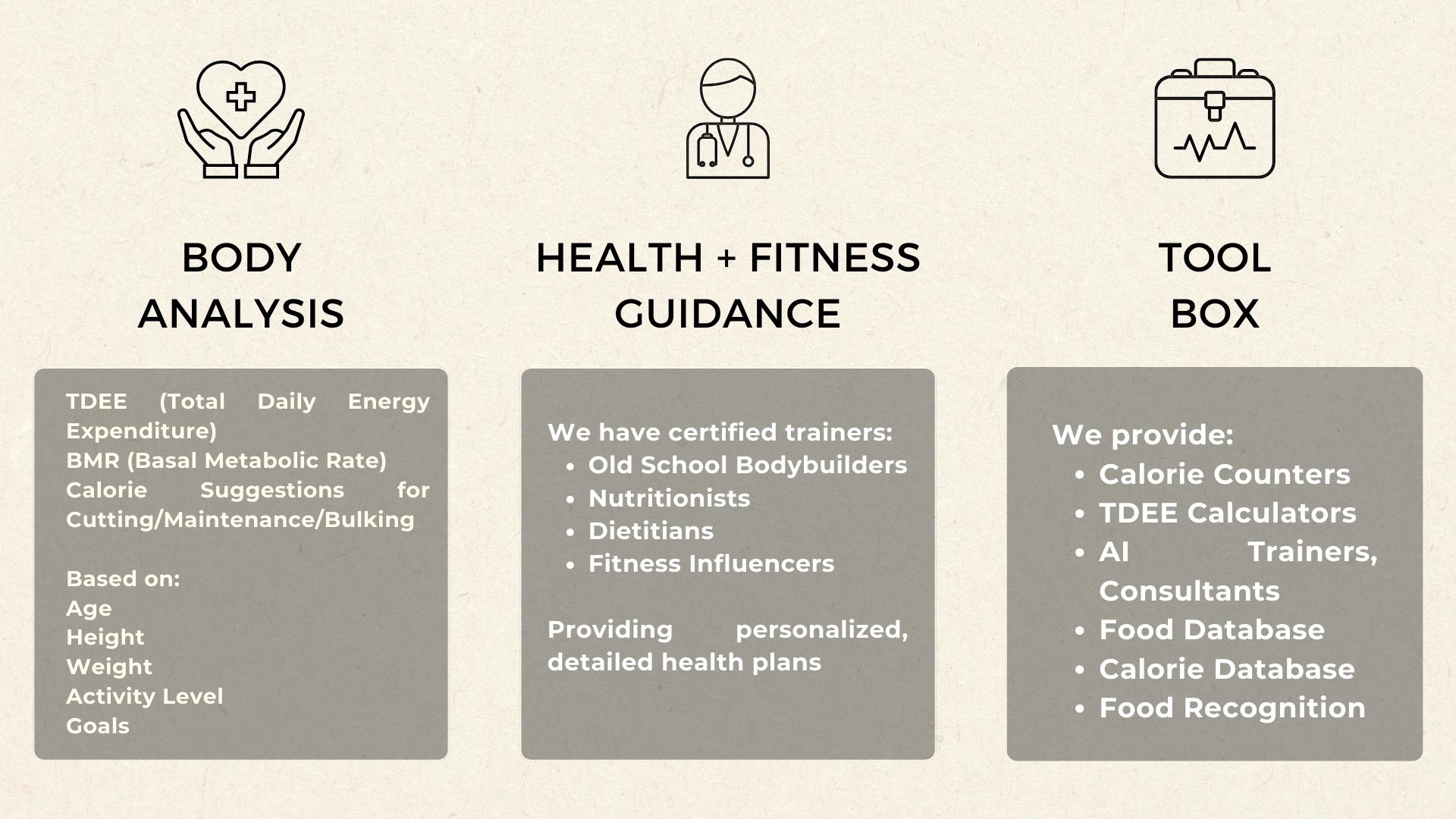
TheOpen Health app calculates your:
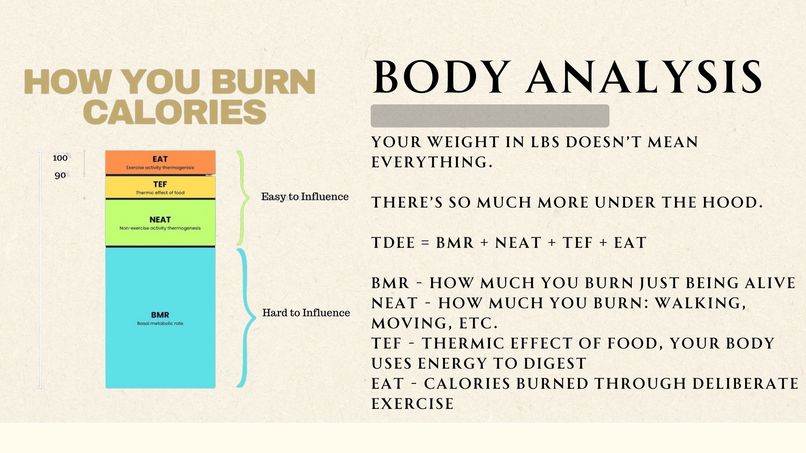
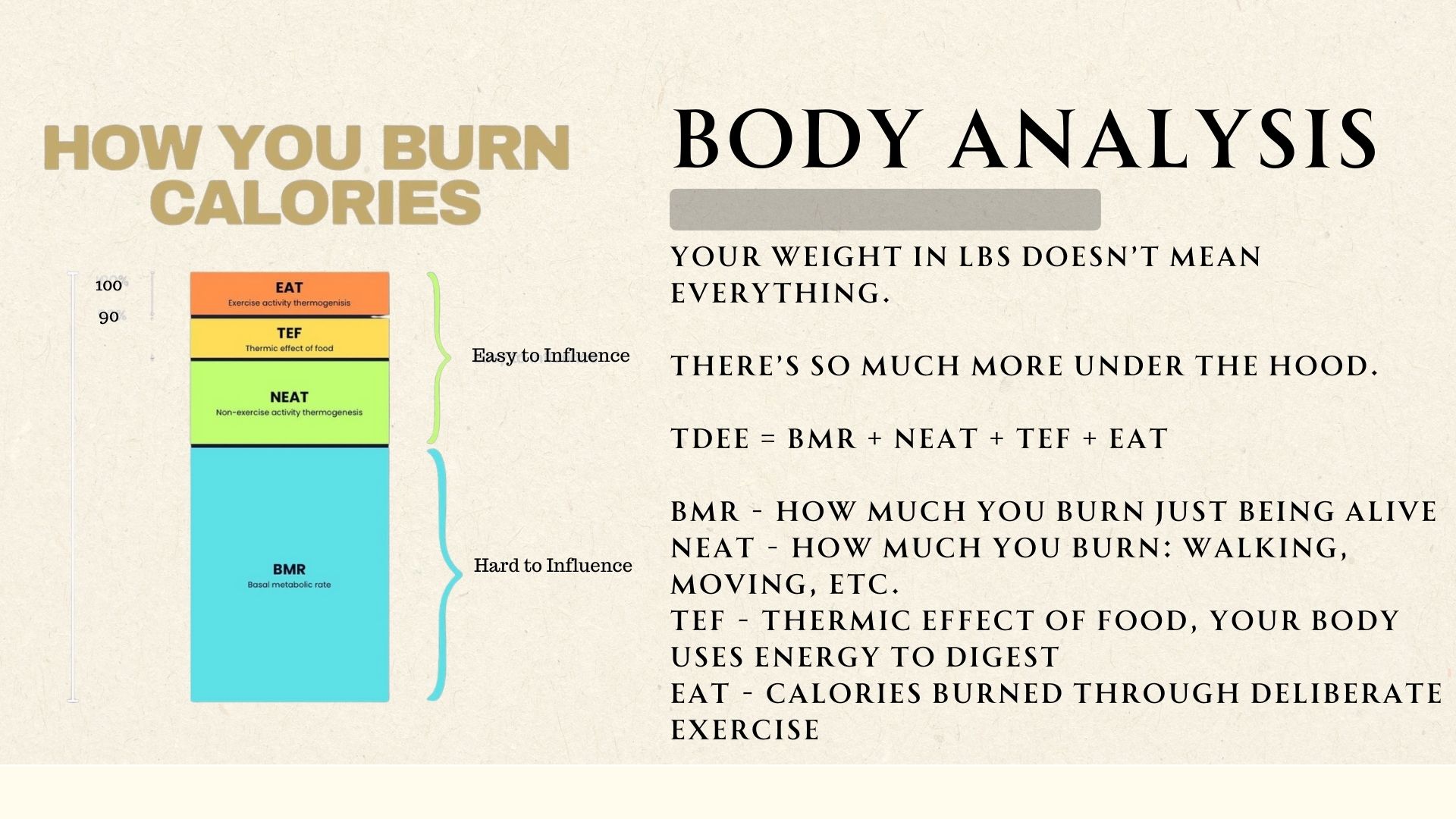
- TDEE - Total Daily Energy Expenditure. This is the total amount of calories you burn on a daily basis, based on your height, weight, age, sex, bodyfat, and activity level.
- BMR - Basal Metabolic Rate. This is the total amount of calories you burn by simply being alive based on your height, weight, age, sex, and body fat.
- BMI - Body Mass Index.
- Calorie Deficit or Surplus Suggestions based on your stated goal.
The Open Health app provides:
- an AI Computer Vision feature that allows you to do 2 big things:
- Track your reps without thinking
- Track your calories by simply TAKING A PICTURE OF YOUR FOOD
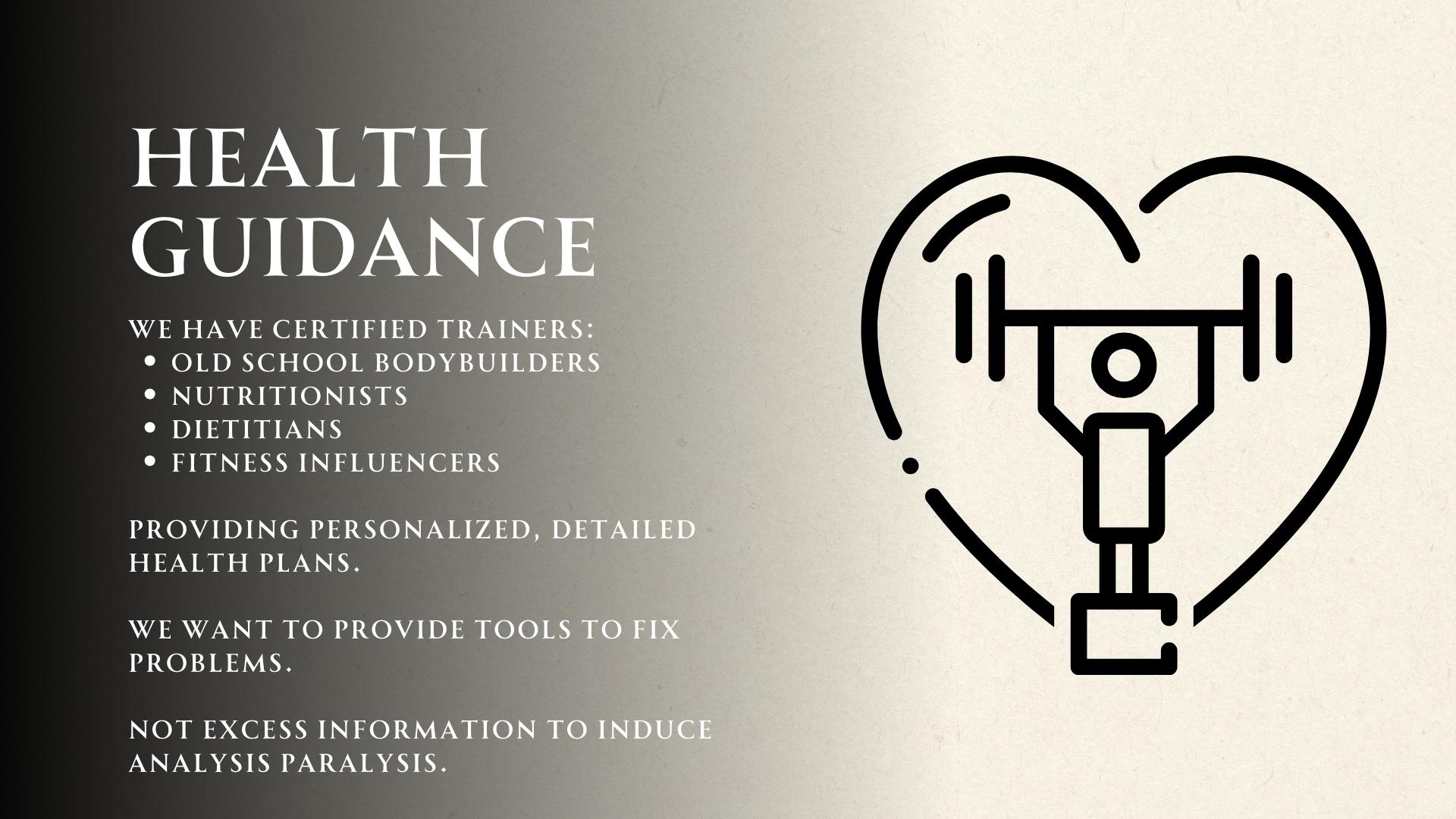
- detailed + personalized workout routines that adhere to your current equipment, fitness, and motivational state.
- detailed nutritional tips, with the overarching goal of decreasing inflammation, and increasing healthspan + vitality!
- Motivational pieces of advice from Arnold, Mike Mentzer, David Goggins, Dietitians, and more!!
- a tool for you to track calories, macronutrients, and vitamins
How we built it
We built this city on Rock & Roll In all seriousness though, we first iterated our ideas off problems we and our family members face, Considering our diverse backgrounds, we found overlap in the realm of fitness; whether that be through our troubles, lack of knowledge, or relatives with metabolic & mental issues.
We then figured out the modalities by which we wanted to make a tool to assist folks with their fitness journey, whether that be from starting, years down the line, working on lowering blood sugar or mood, or anything else!
After much trouble with the initial APIs we found, we filtered through and found some functional ones, which we implemented into the app.
We then fine-tuned several models randing from old-school body builders to dietitians on several conversations and prompts, to get our desired outputs.
Afterward, we made a code of the Mifflin-St Jeor Equation to calculate TDEE & BMR, as well as a BMI formula.
Finally, we worked on the UI/UX in order to make the app (1) more accessible (2) more enticing to... access.
Challenges we ran into
Faulty APIs. Several of the APIs we planned to use wound up not working; we found out long after we tried implementing them, big L.
Accomplishments that we're proud of
We wanted to use Computer Vision from the start, but we gave up on the second day being that none of the APIs worked. Garv then came in clutch and found one that worked!! We had to pivot from a form checker/rep counter to a food identifier and calorie input model.
What we learned
To a great extent, we learned that tools rule(s). Information and Content production are great for sharing a message, but when you want a mission to be implemented, you must provide the tools.
We all utilized the app and have learned more about our bodies, what to do, and how to improve than anytime we could've spent reading articles or watching videos.
Of course, it is great to expand your knowledge, but vanity creeps up when you have no plans or strategies to implement what is learned.
To quote Fight Club "Self-improvement is {you know what they said}. Now self-destruction {construction*} is the answer." We all now have tools to take with us in our lifelong fitness endeavors.
What's next for Open Health
We plan to continue building Open Health and running small-scale research projects where we get participants to utilize CV, Calorie Counters, and AI-generated advice to better their health, and compare them against those who tried to navigate the vast health space on their own.
Another goal is to utilize our platform to expand the field of Nutritional Psychiatry, we believe it is going to be a prevailing field 1) because of its legitimacy and efficacy. 2) because the mental health crisis isn't easy up, and we don't want to continue losing our generation to what starts as surface mental health issues and progressively compounds into a Neurogenerative disease.
Evidence-Based
** Earlier studies have shown that symptoms of depression are linked to an increased risk of Alzheimer's disease.
- Alzinfo
Many studies have found a link between anxiety-prone personality and shortened lifespan.
- VeryWellMind
What do diabetes and dementia have in common? Studies have shown that type 2 diabetes can be a risk factor for Alzheimer's disease, vascular dementia and other types of dementia. This is because the same cardiovascular problems that increase the risk of type 2 diabetes also increase the risk dementia. -Alzheimers.Ca
You may be surprised to learn that being overweight or having obesity are linked with a higher risk of getting 13 types of cancer. These cancers make up 40% of all cancers diagnosed in the United States each year. -CDC
Several small human trials have suggested a time-limited benefit of ketosis in delaying cognitive decline in older adults in various stages of dementia. The benefit seems to be particularly true in people without the apolipoprotein E4 allele.
- SagePub **
Previous works on the topic from our Hackers
Food & Depression - Exhaustive List Happiness, Depression, Nutritional Psychiatry https://ethancastro.substack.com/p/food-and-mood-exhaustive-list
A lil' Gut-Brain Axis and Suicide Parasites. https://ethancastro.substack.com/p/a-lil-gut-brain-axis-and-suicide


Log in or sign up for Devpost to join the conversation.