-
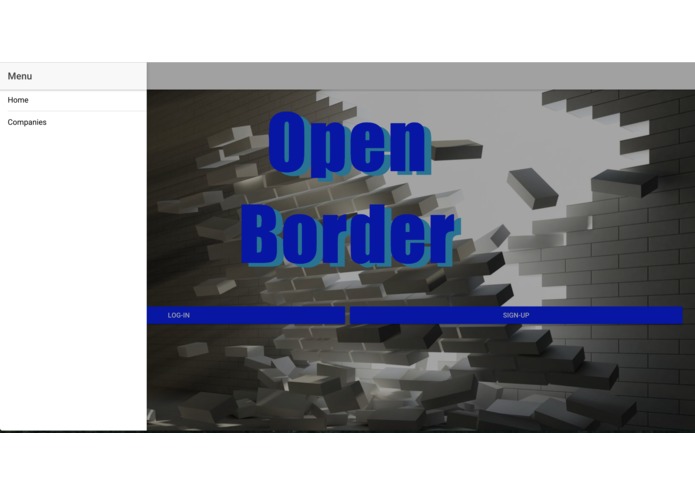
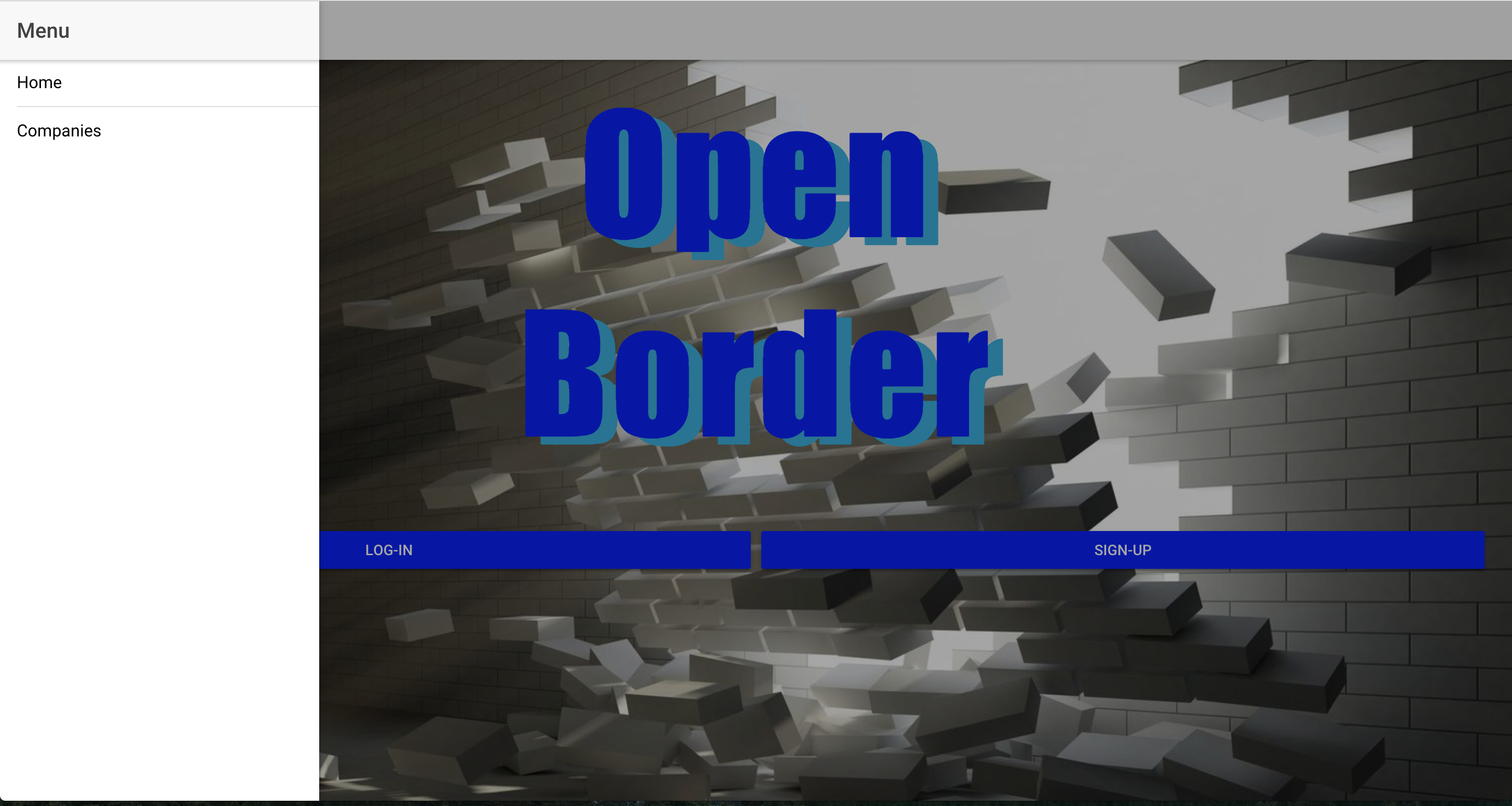
Unregistered Main + Navbar
-
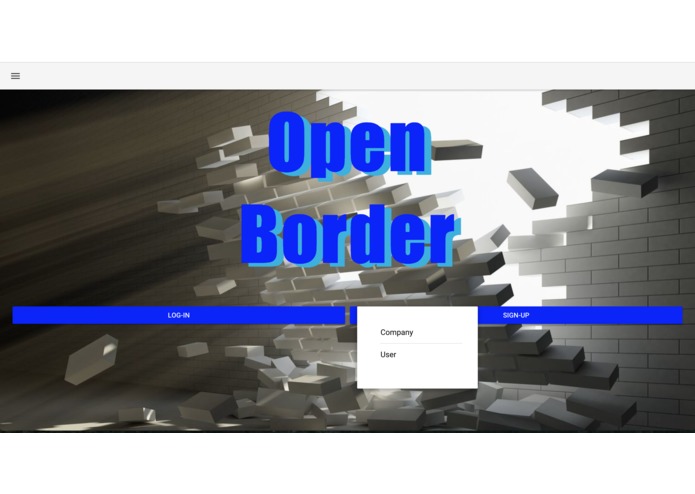
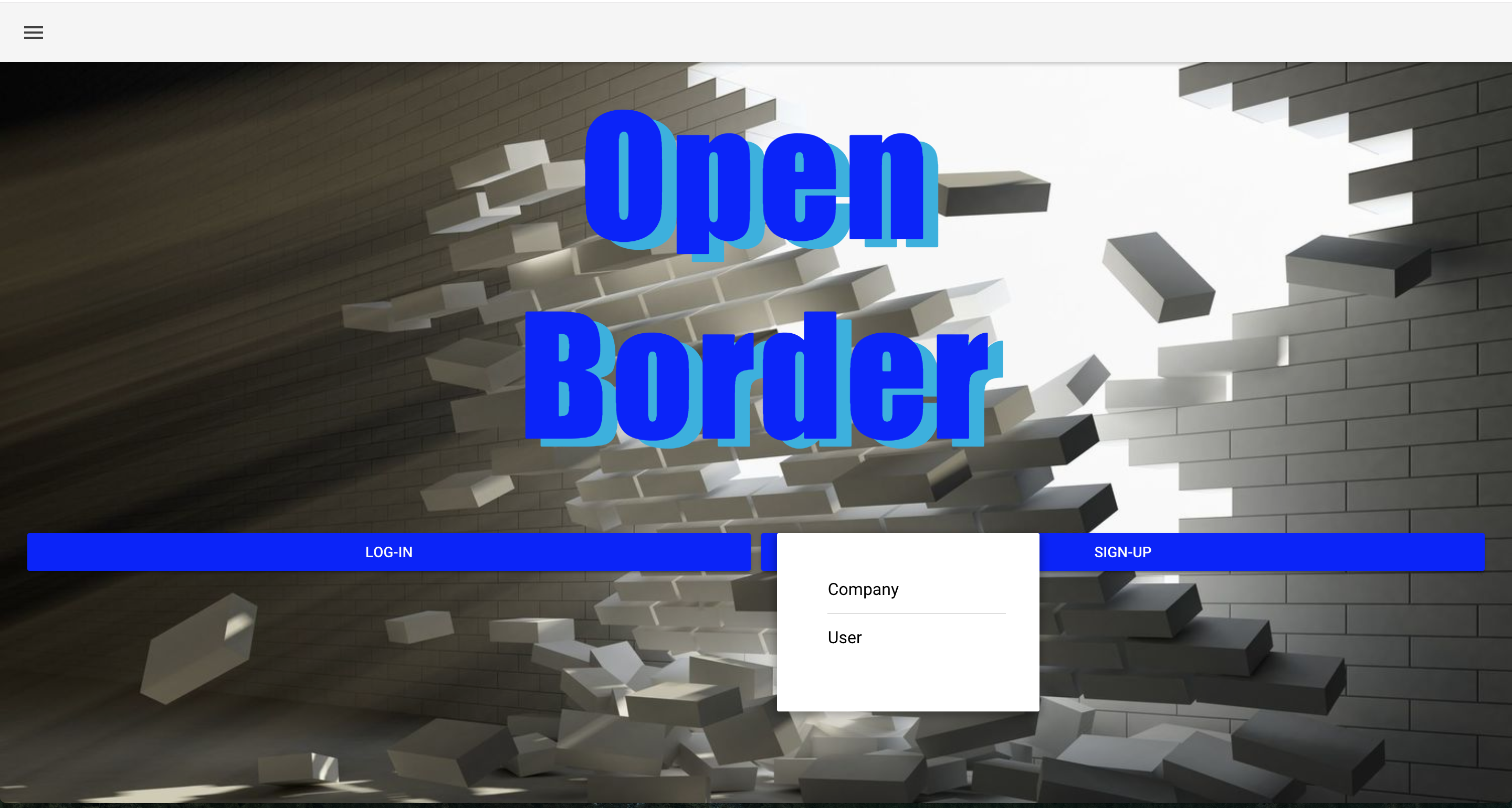
Unregistered Sign-Up Options
-
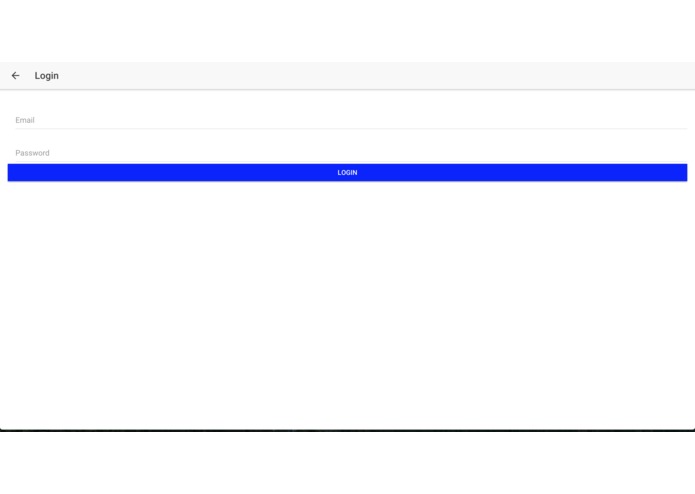
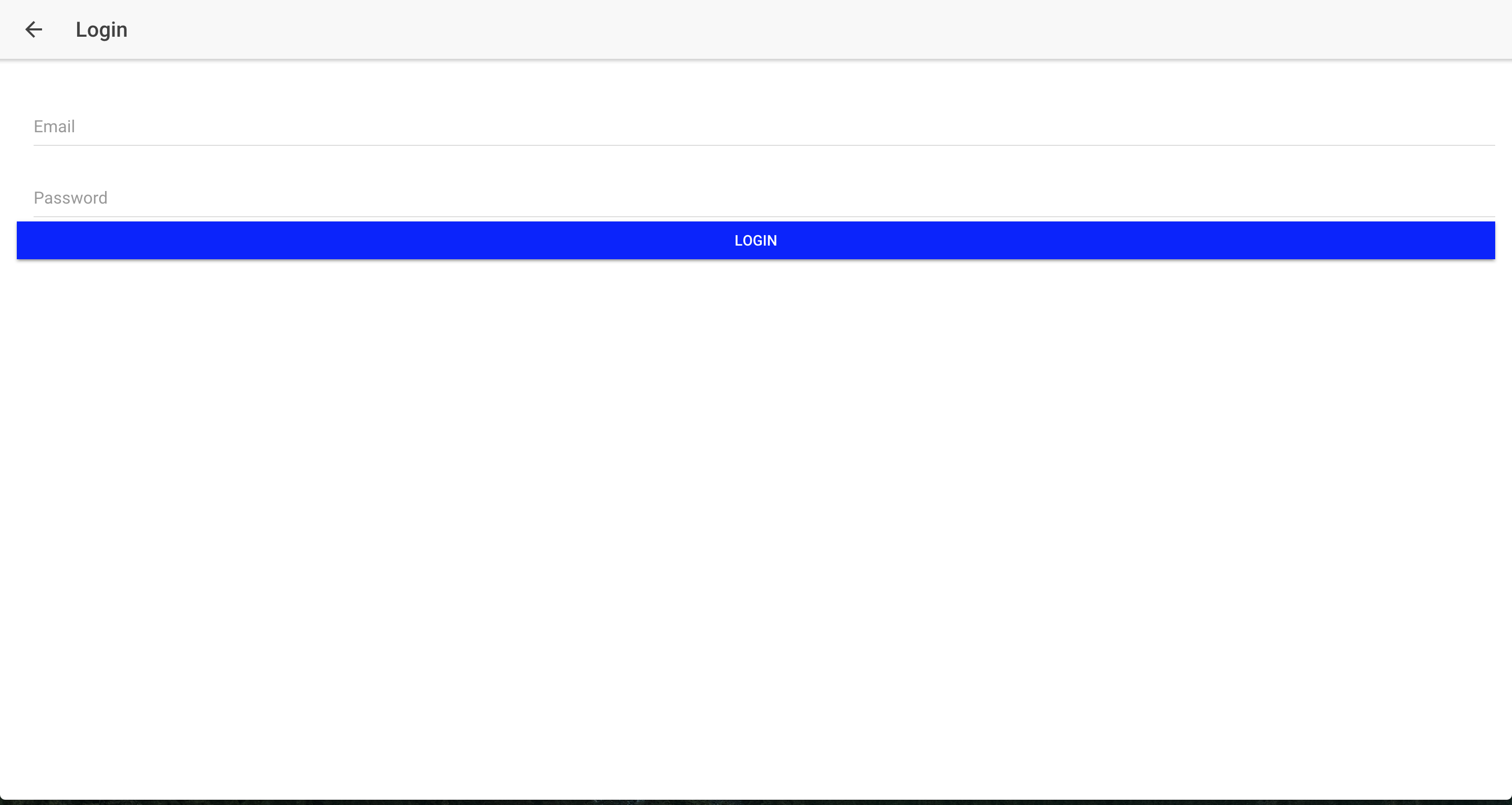
Candidate/Company LogIn
-
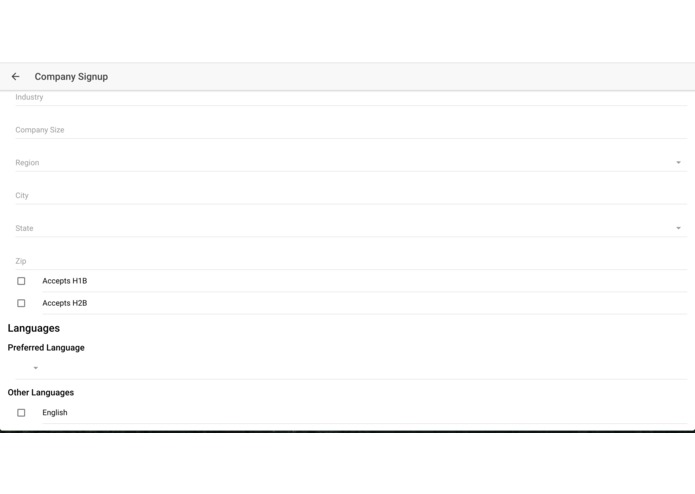
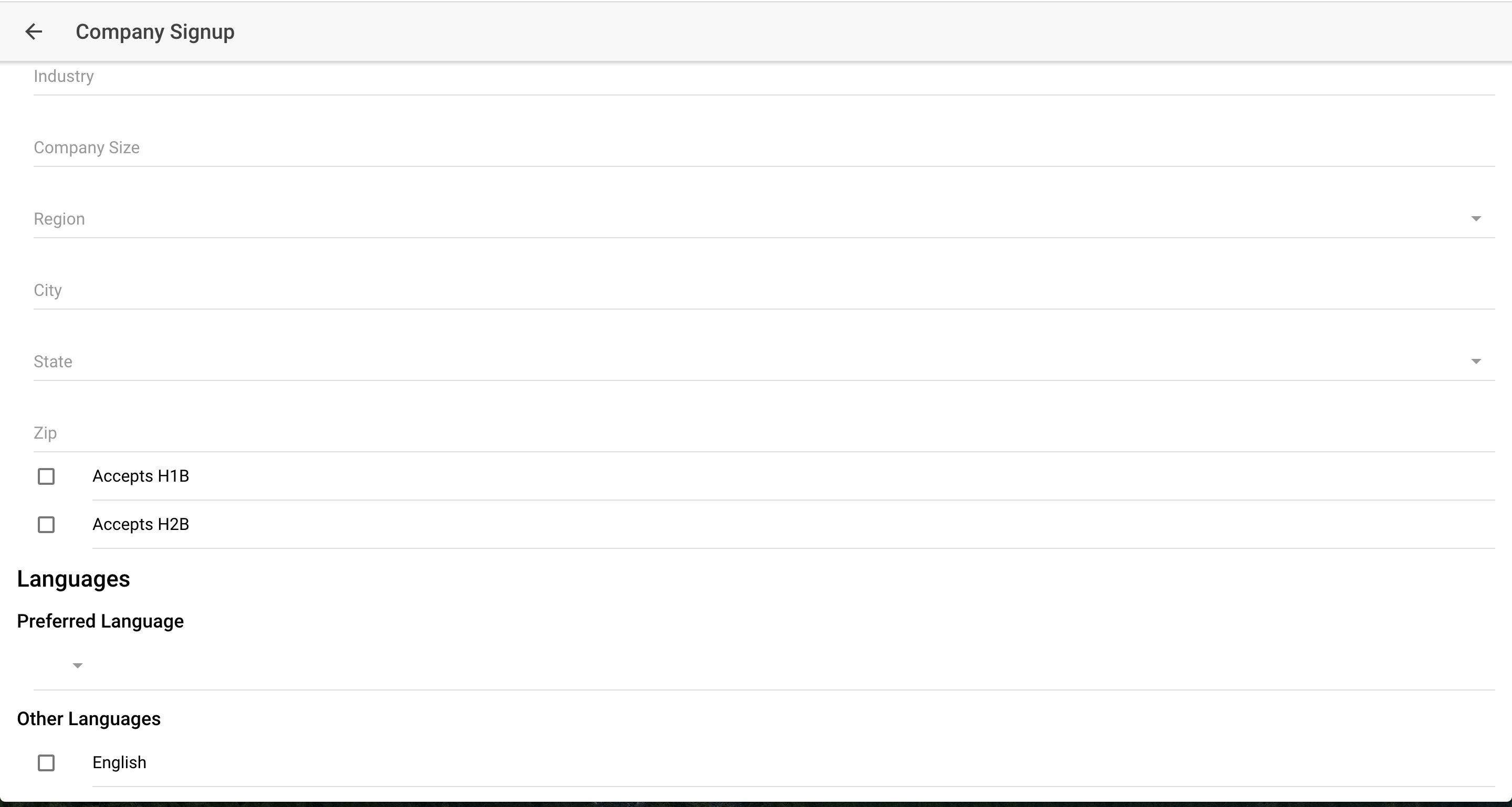
Company SignUp
-
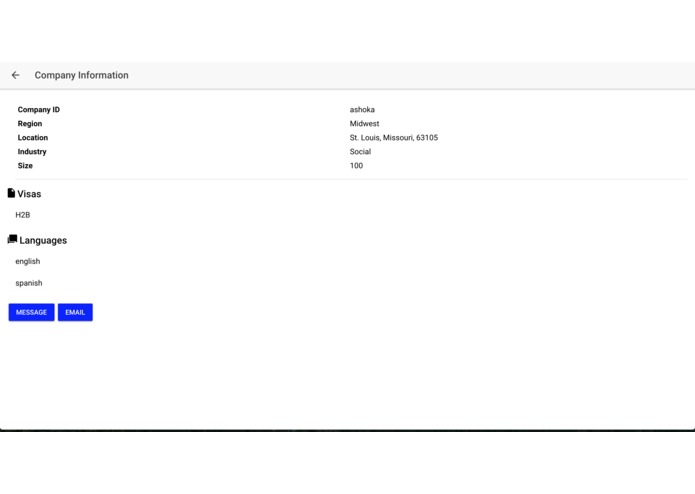
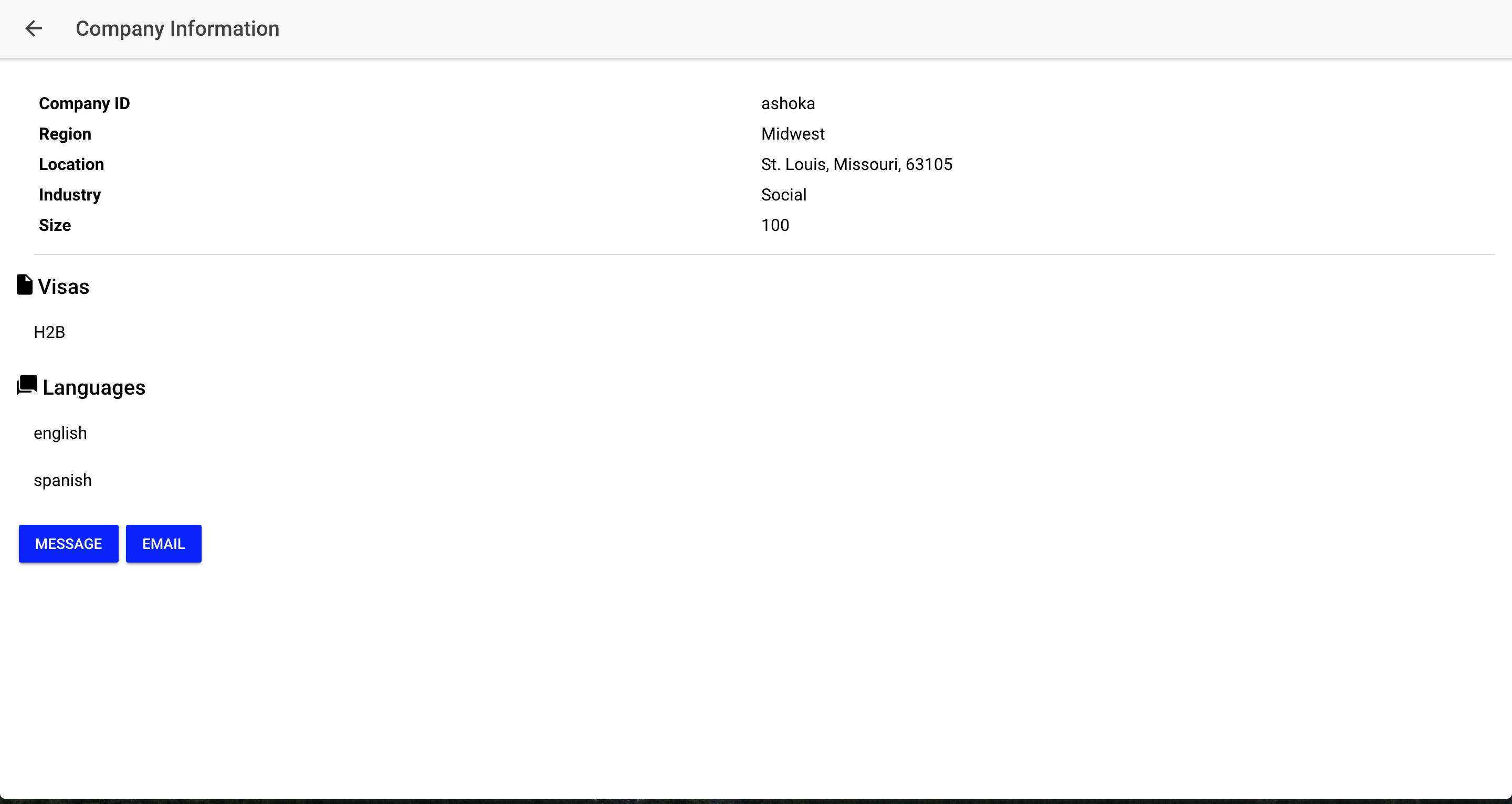
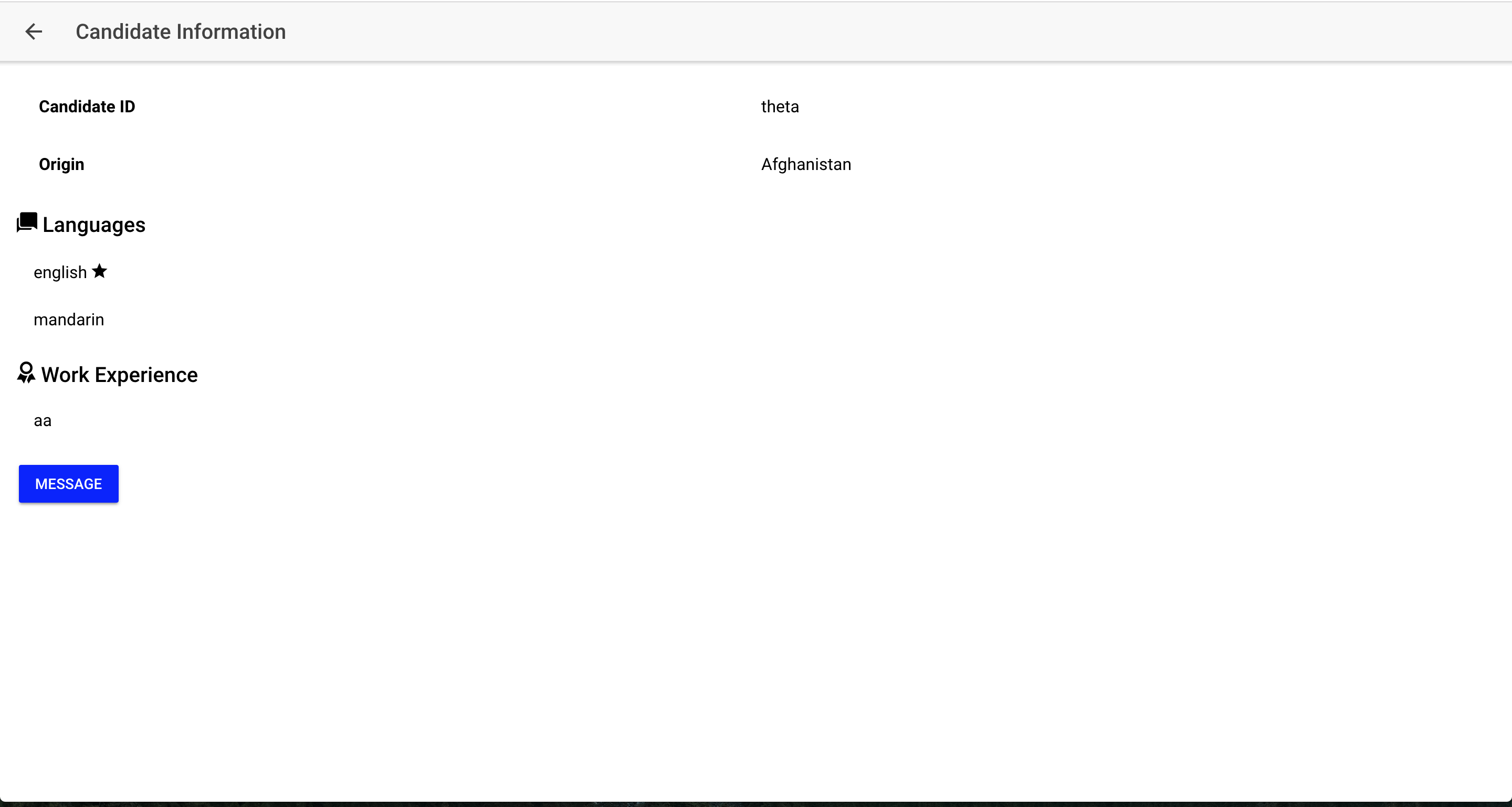
Candidate Company Info
-
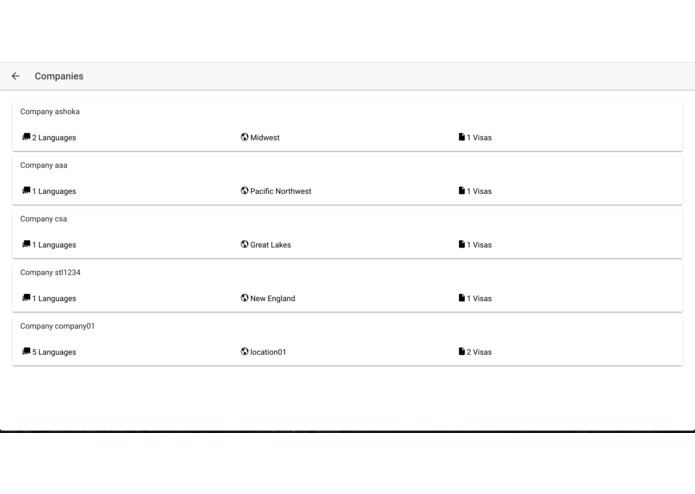
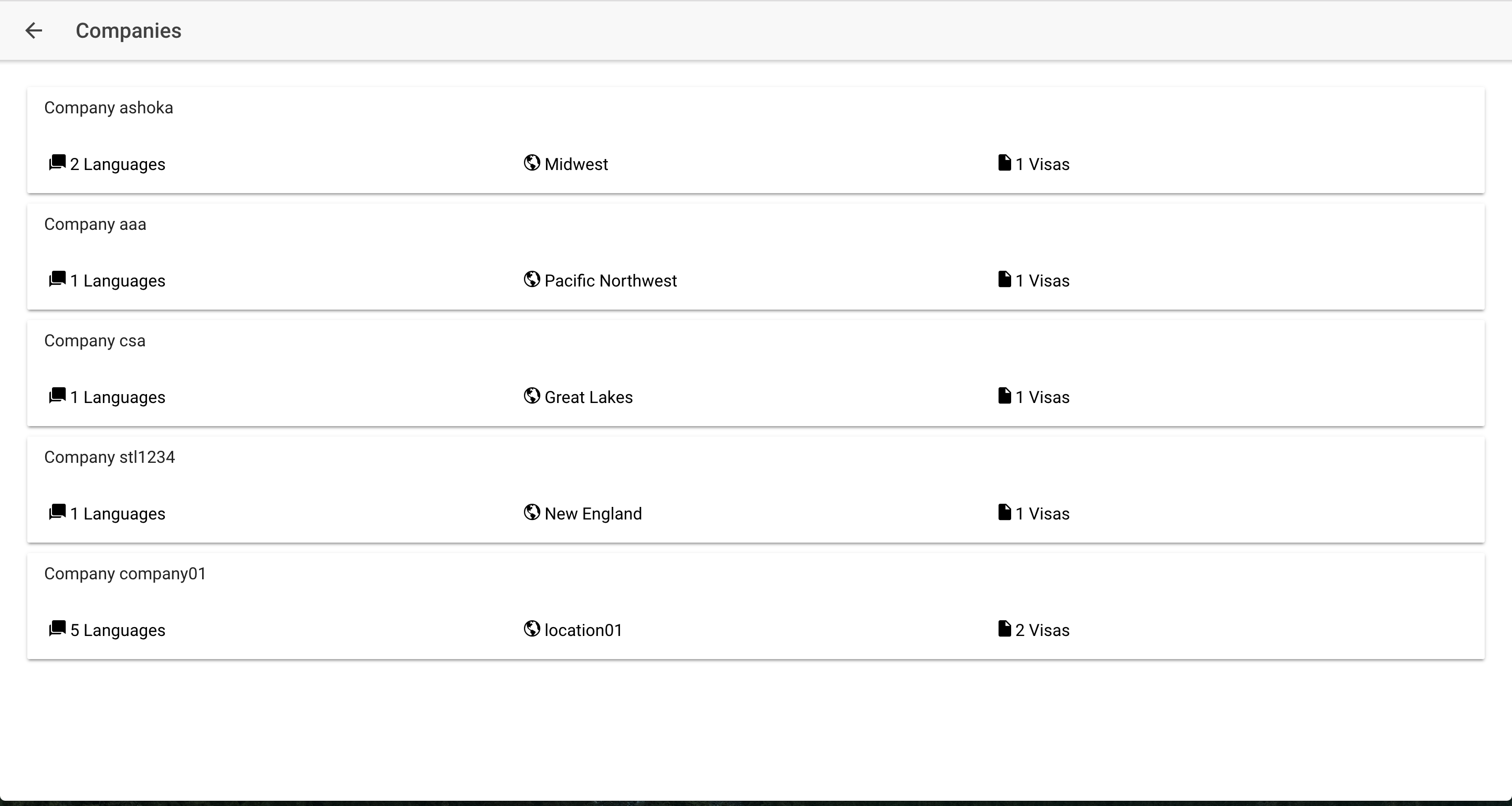
Candidate Company List
-
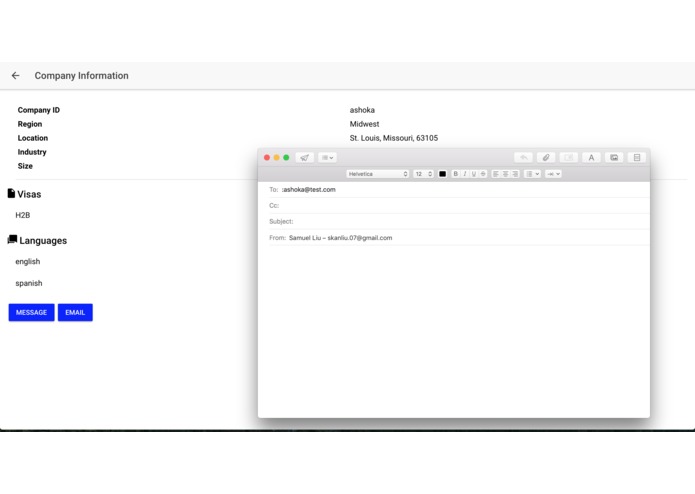
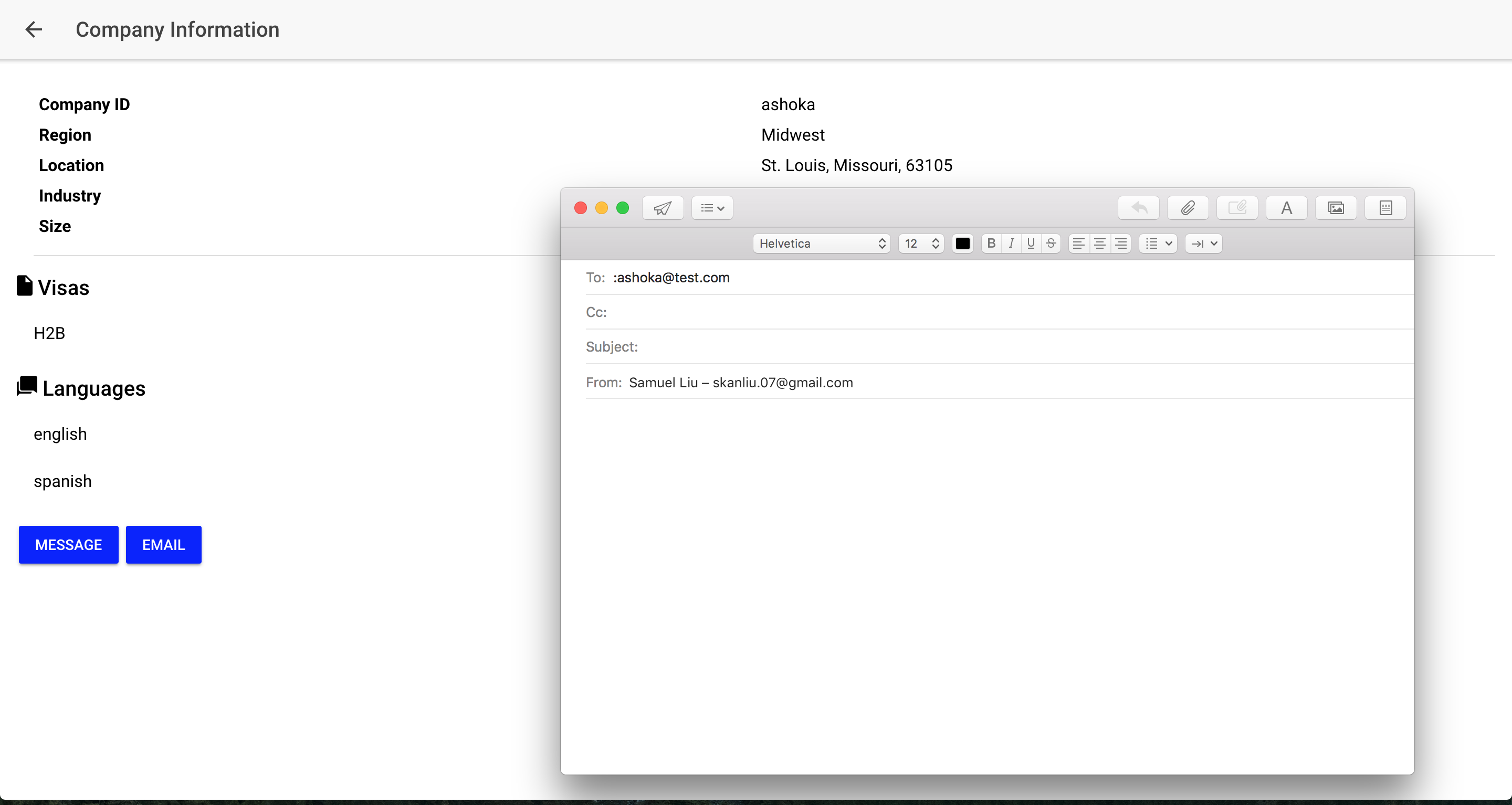
Candidate Company Email
-
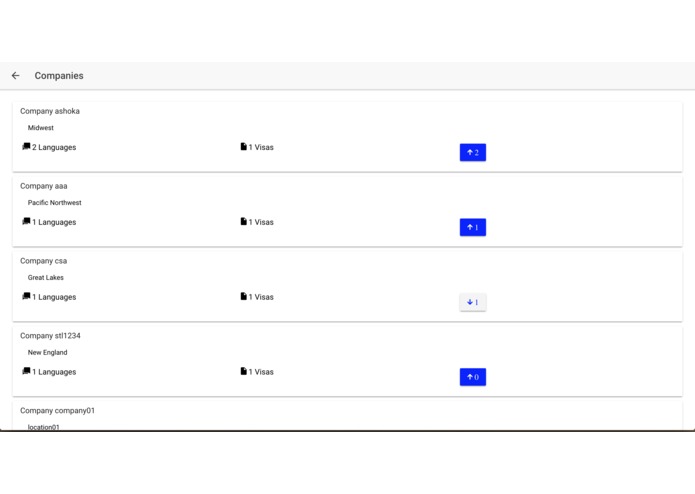
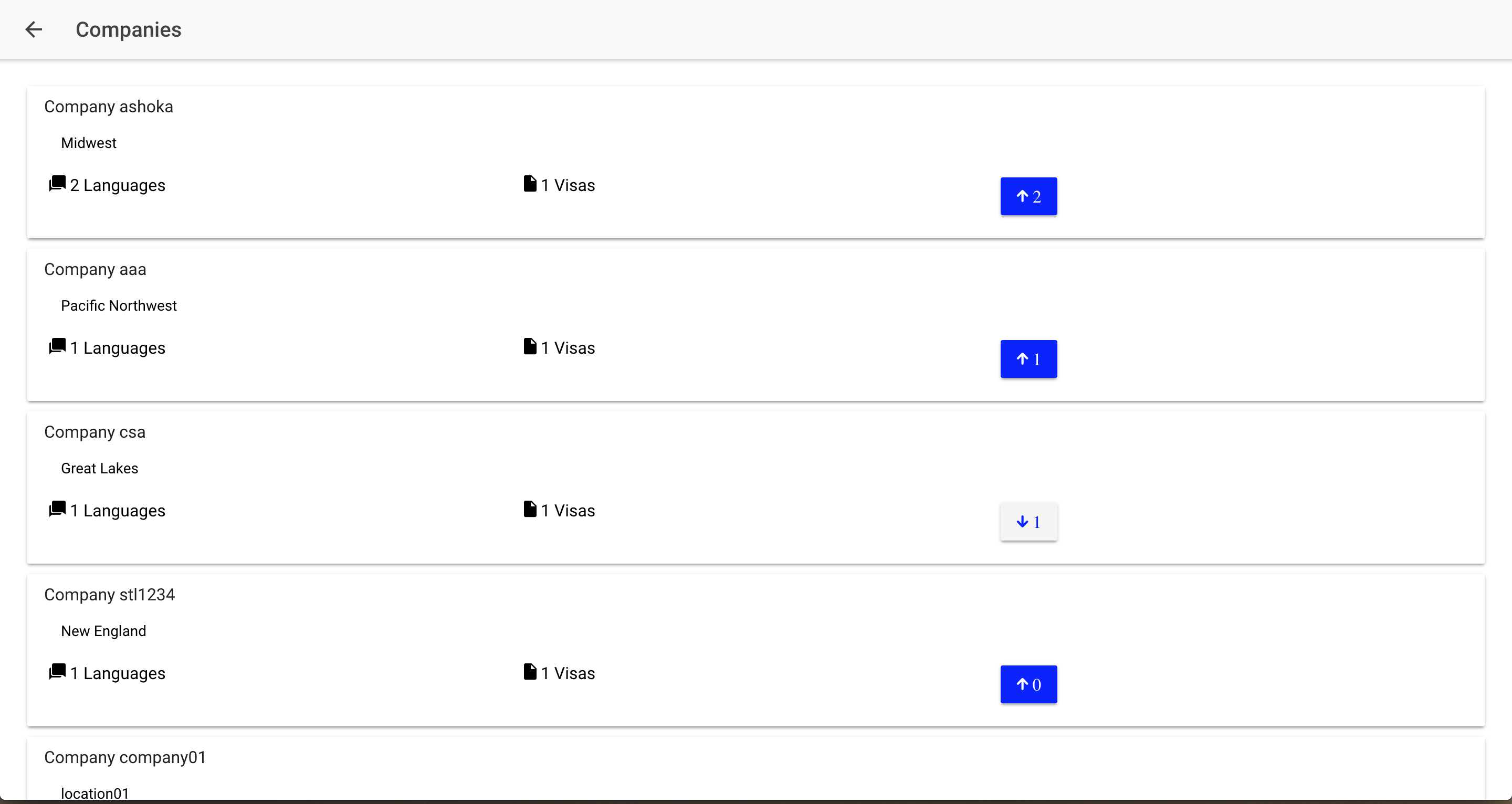
Candidate Rating
-
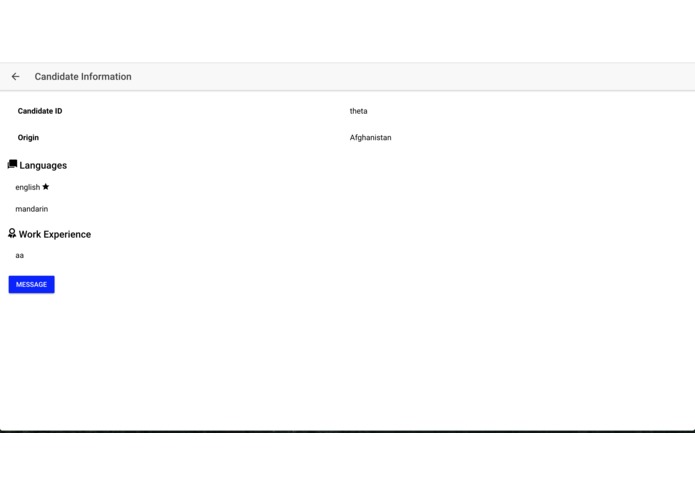
Company Candidate Info
-
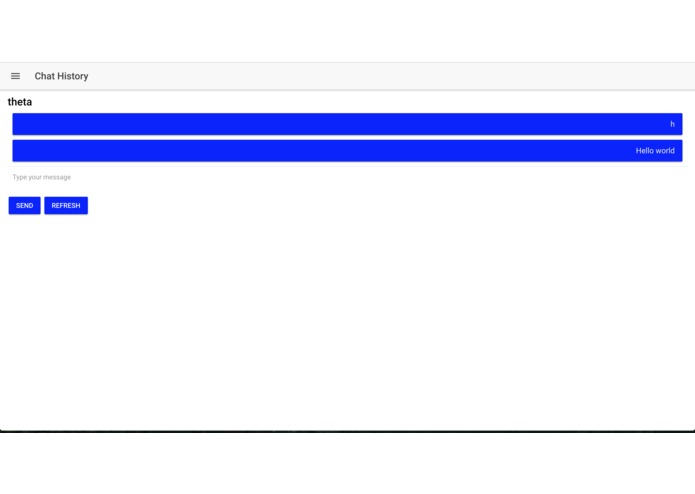
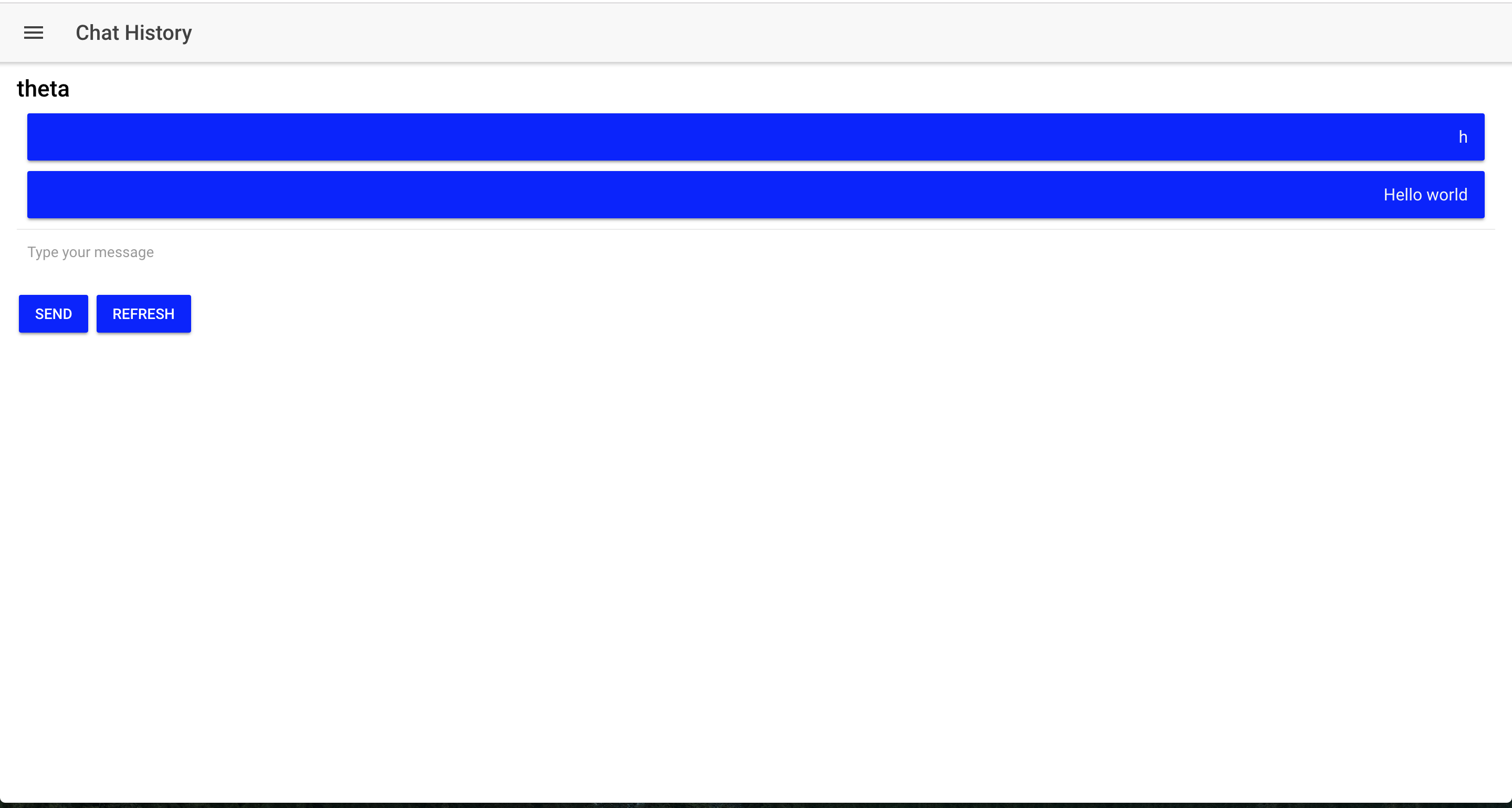
Company Chat Log
-
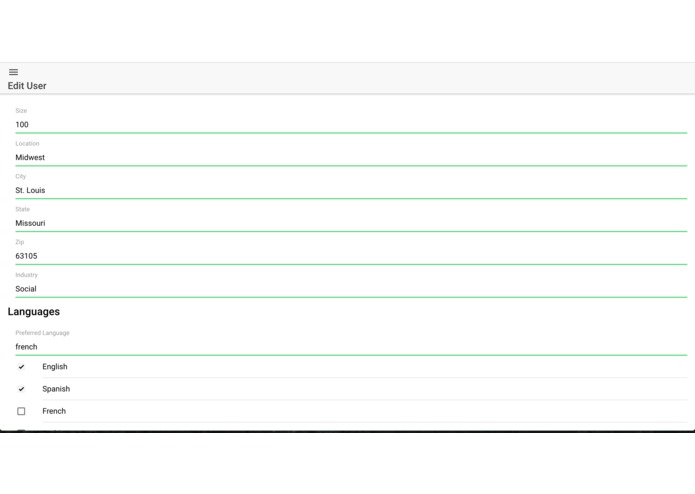
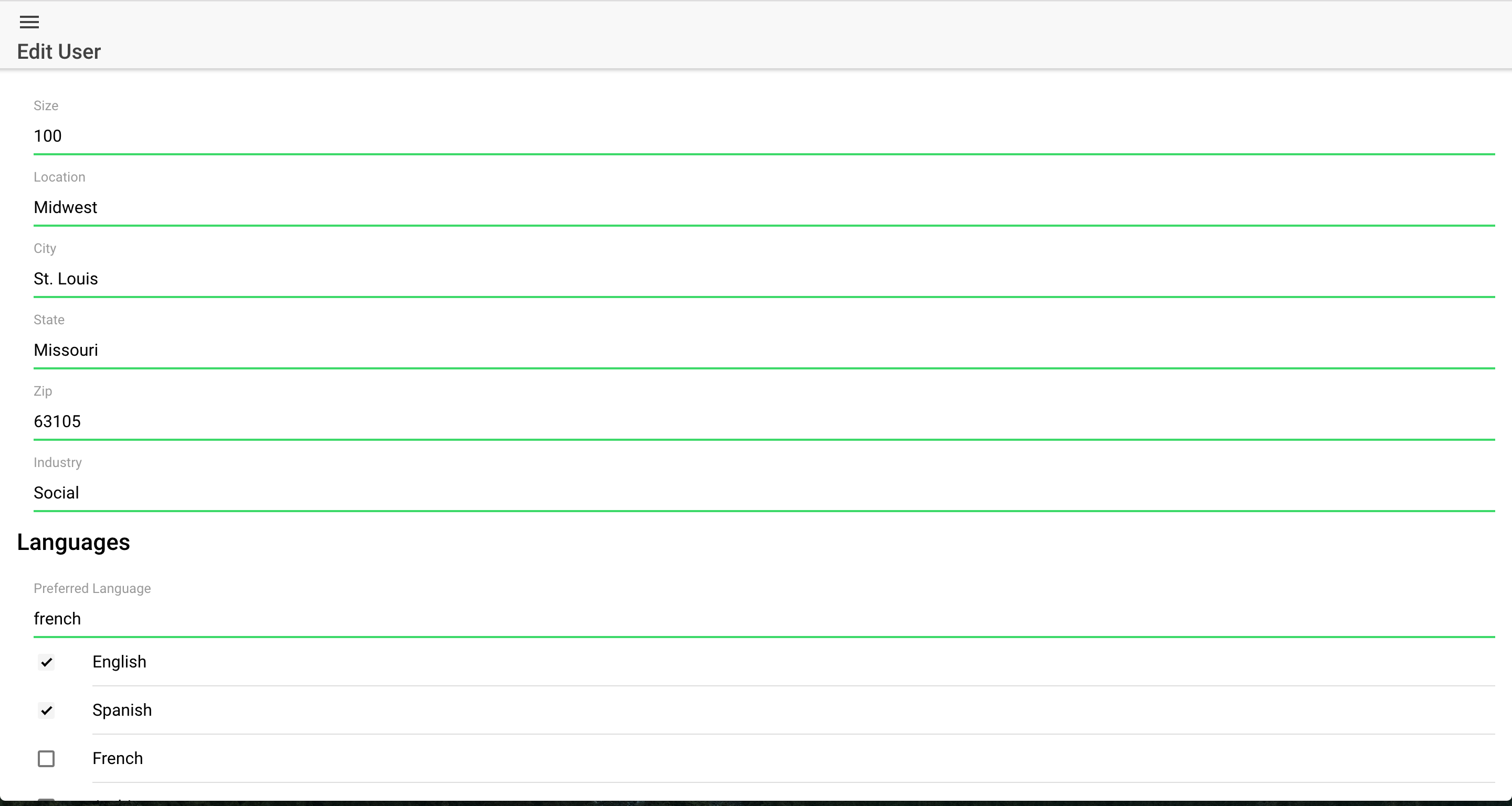
Company Edit Info
-
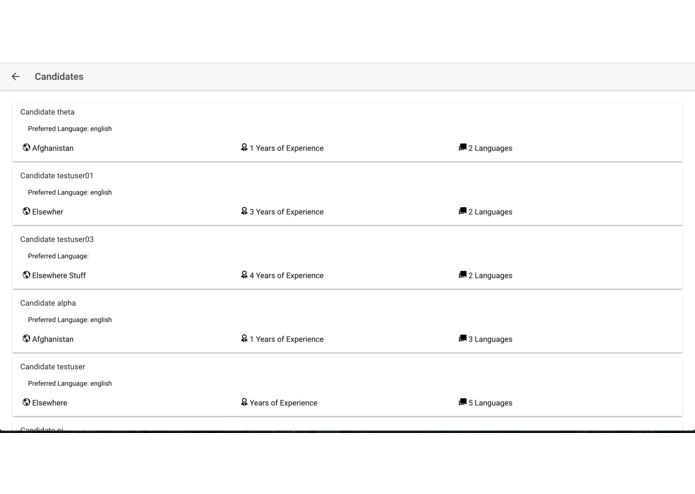
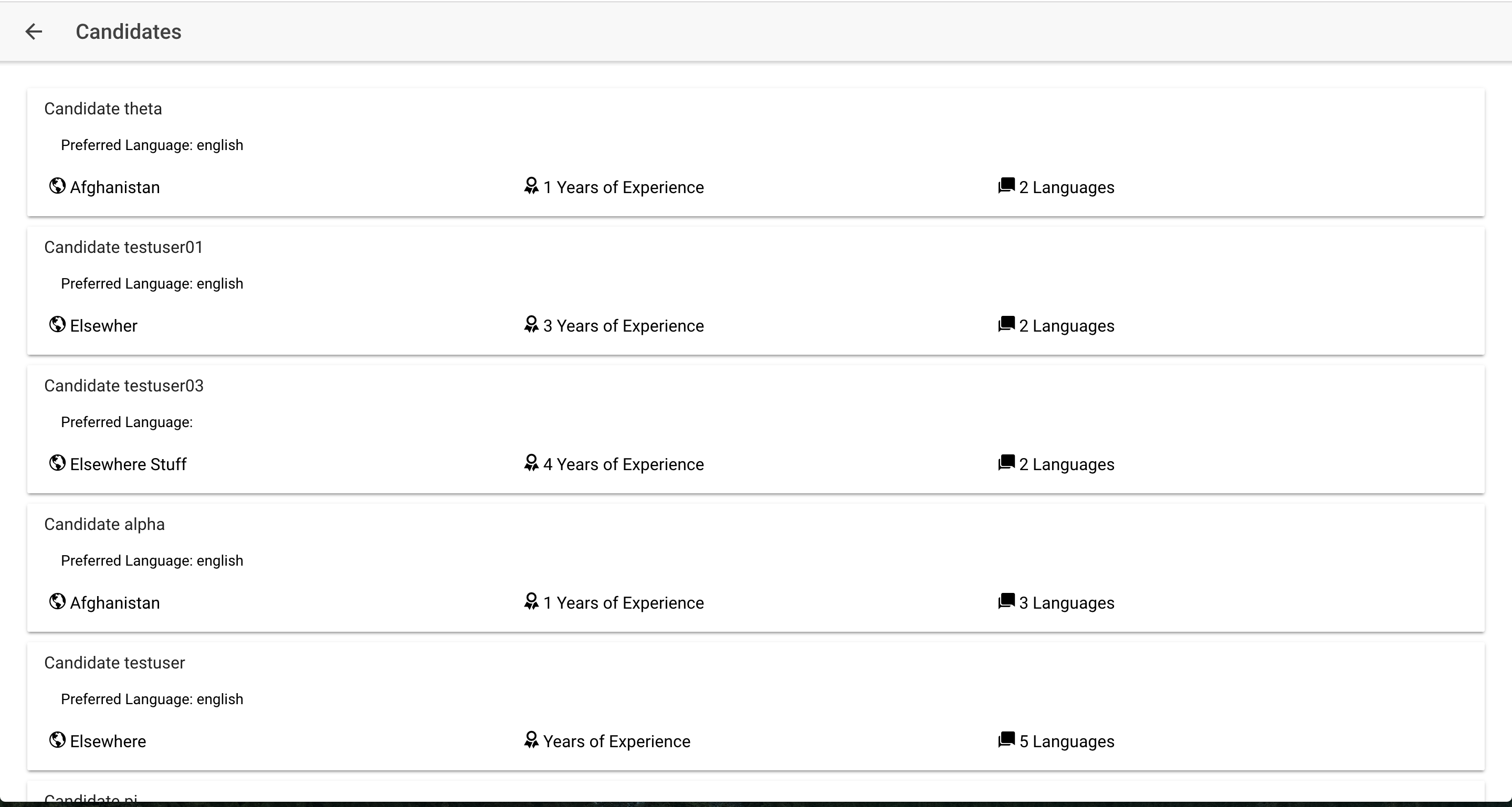
Company Candidate List
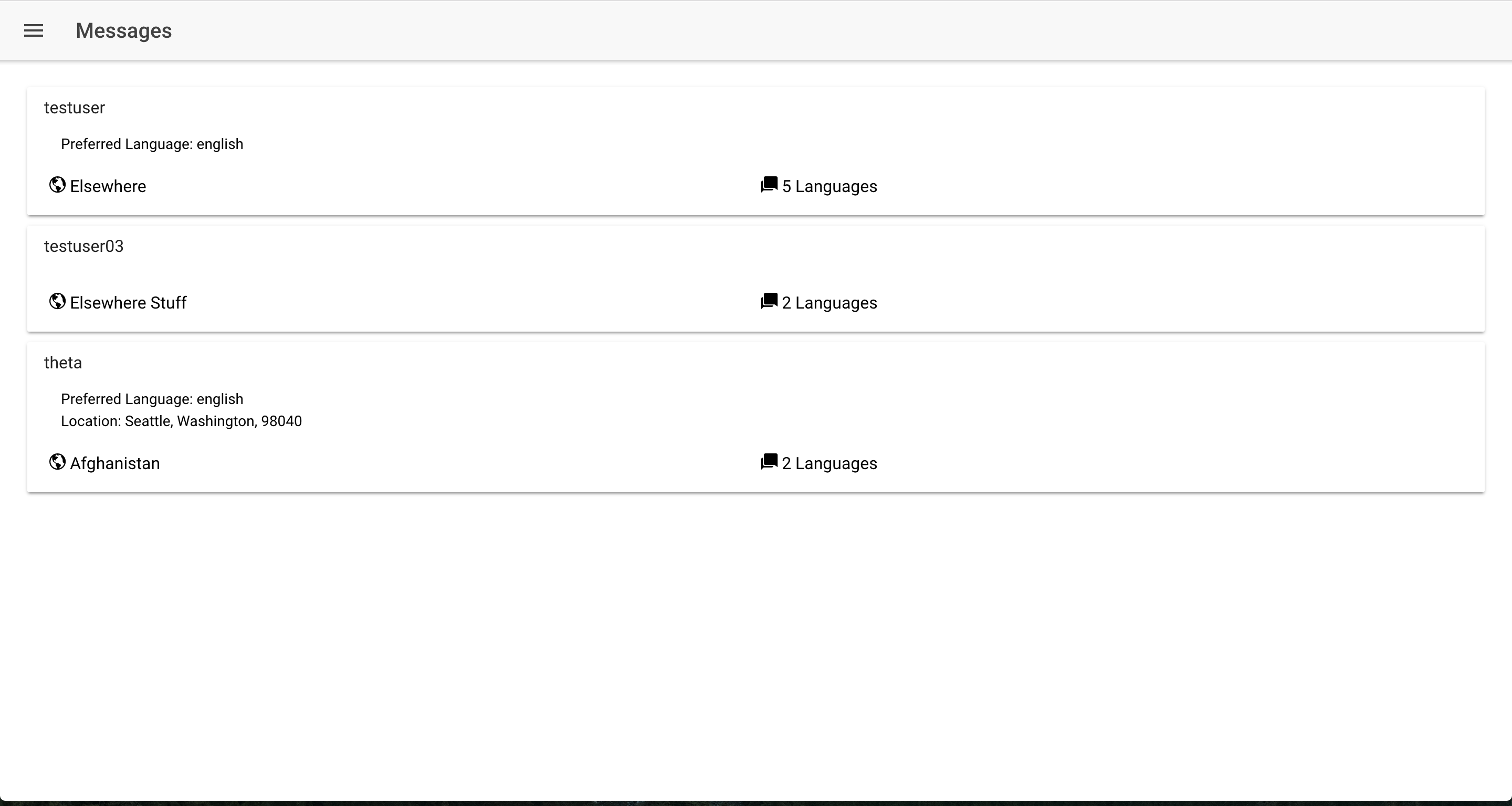
-
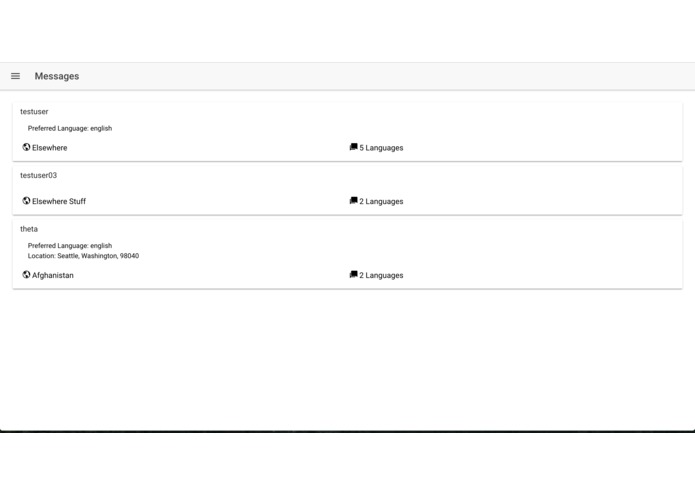
Company Message History
-
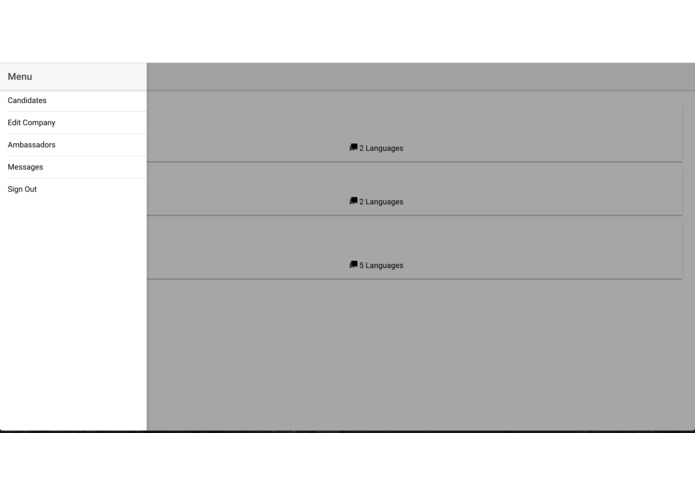
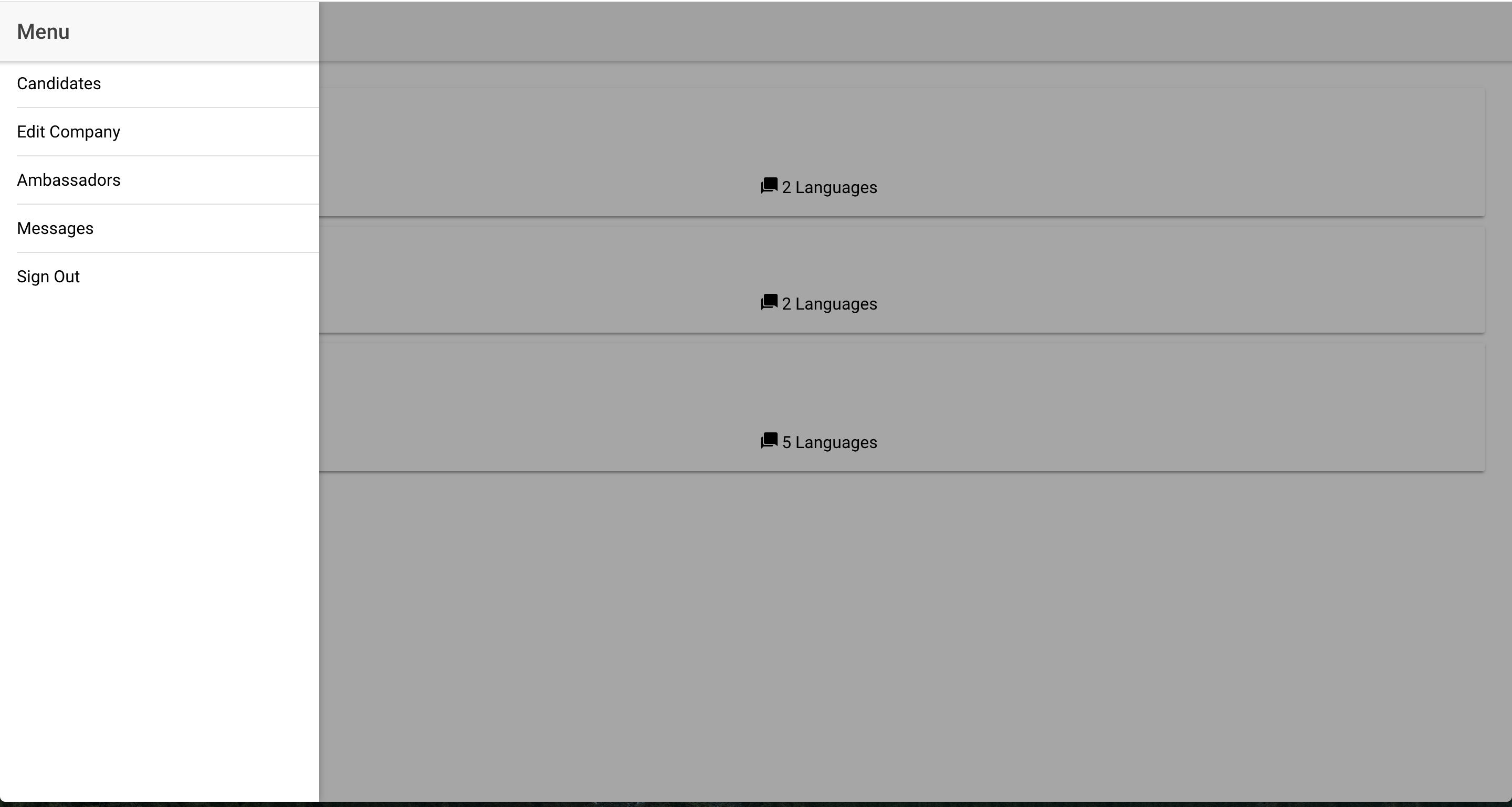
Company Navbar
-
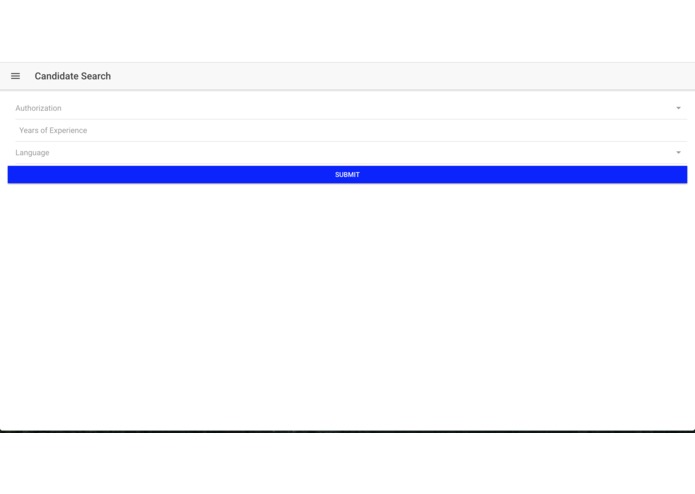
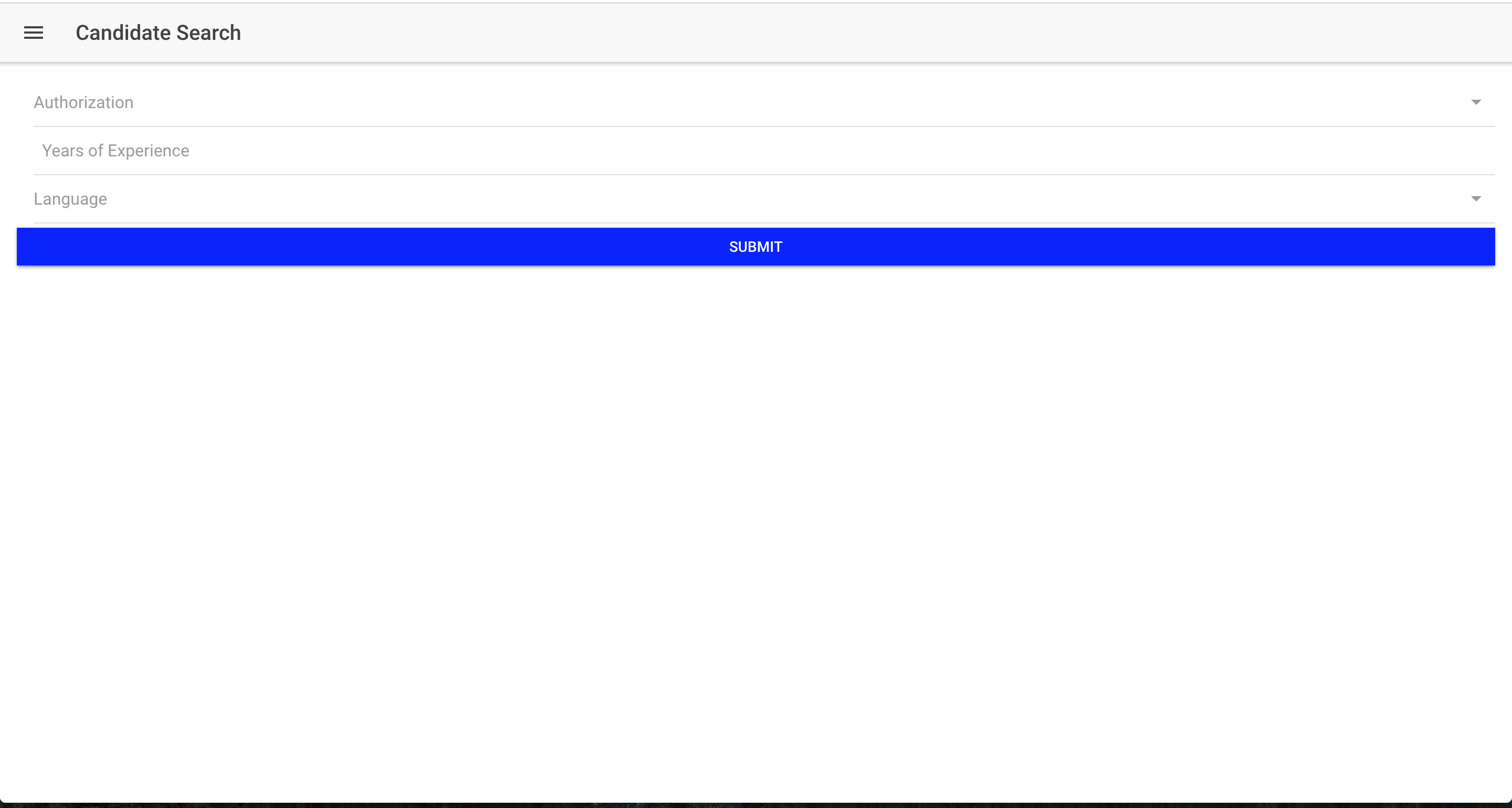
Company Candidate Filter
-
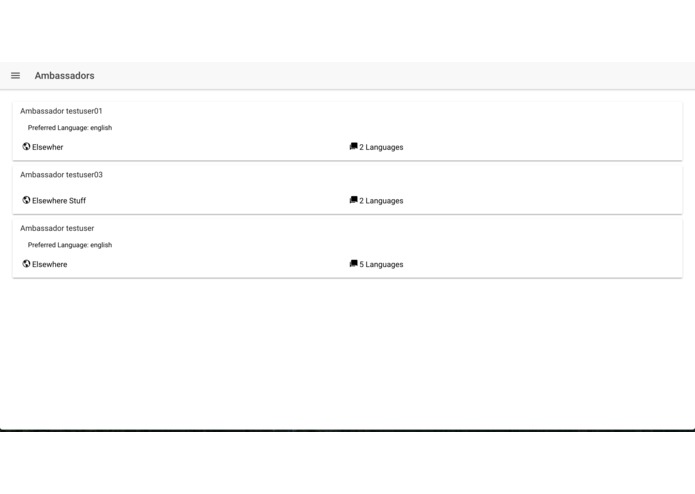
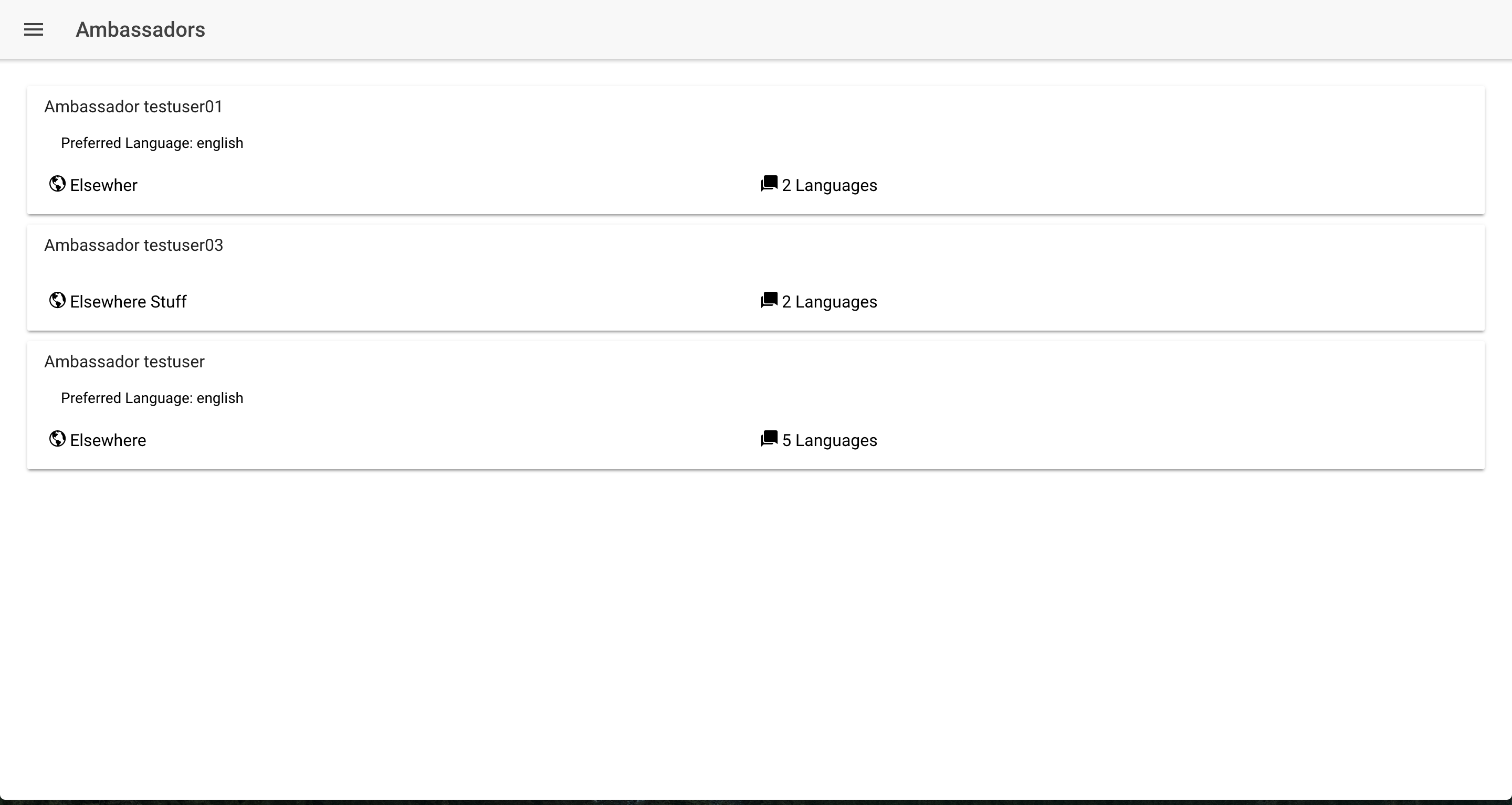
List of Community Ambassadors
Open Border
Inspiration
The inspiration for this project was from a close friend. Just recently, she had gotten a full-time offer from a company, but she had to decline because she was an international student and the company did not offer a sponsorship to her.
Why
Foreign-born individuals looking for opportunities in America often run into the issue of finding companies that can provide a sponsorship. In addition to facing difficulties when finding suitable workplaces, immigrants often lack the social network to integrate into American society and to find future opportunities.
What it does
We have created a web service that aims to connect people to different ethnic/religious/linguistic communities they may feel more comfortable with and which may help them find the resources they need in the most efficient and agreeable way. We are ultimately acting as a facilitating service that connects immigrants to ambassadors, or leaders of these trusted communities/networks that will provide resource distribution/allocation and will link them with a database of companies that are able to sponsor them. Our web service has the capability for both parties (job-seeking individuals and businesses) to upload identification and personal information in order for them to connect with each other. Individuals can access the company database without creating an account, but if they would like to connect, they need to create an account and enter personal information such as location (city, state, zip code), the languages that they are comfortable with, and supporting documents that would be asked of them by companies (passport information, I-9, W4 forms, etc) that are required of various visa sponsorships. Additionally, companies would also have to enter in their own information, such as industry sectors (required skill sets), and accepted visas (and the supporting documents that go along with it).
How we built it
We took advantage of Ionic 3 to build an efficient and device agnostic front-end. This allowed us to develop clean UI’s more quickly than if we had been working from scratch. On the other side we integrated Google’s Firebase to store application information in the cloud. Firebase offers SDK’s for easily implementing user management features and we also took advantage of its NoSQL database service.
Challenges we ran into
We faced several issues throughout the last two days, one in particular being the messaging functionality. We had a plan for our messaging feature but ultimately had to pivot in order to finish the final project on time. There were also ethical dilemmas discussed about who should be able to remain anonymous and how much responsibility we had in terms of candidate’s status as legal immigrants.
Accomplishments that we're proud of
We worked together very efficiently and learned as much about Ionic and Firebase/Angular as we could in the limited amount of time that we had, as the majority of our team was not familiar with the particular frameworks (nor were we with each other) before we started the project and many of us were also strangers to each other.
What we learned
The biggest thing that we learned was that execution of an idea is harder than one would think. Many times, we may look at ideas as more valuable than the actual work put into a project, but it is also important to consider ideas that are feasible given constraints in both time and technical resources.
What's next for Open Border
As we continue on with this project, we hope to eventually integrate a background check feature for those who wish to become ambassadors of the platform, among many others. We also hope to add an OCR scanning/translating feature for the legal documents that will need to be uploaded by the individuals. The project could also benefit from better security and account validation, whether that means more anonymity between users and companies or more efficient interfaces for finding top companies with sponsorships.


Log in or sign up for Devpost to join the conversation.