-
-
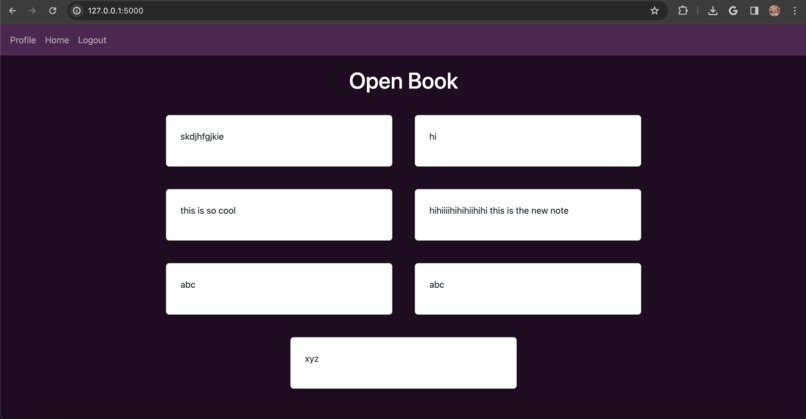
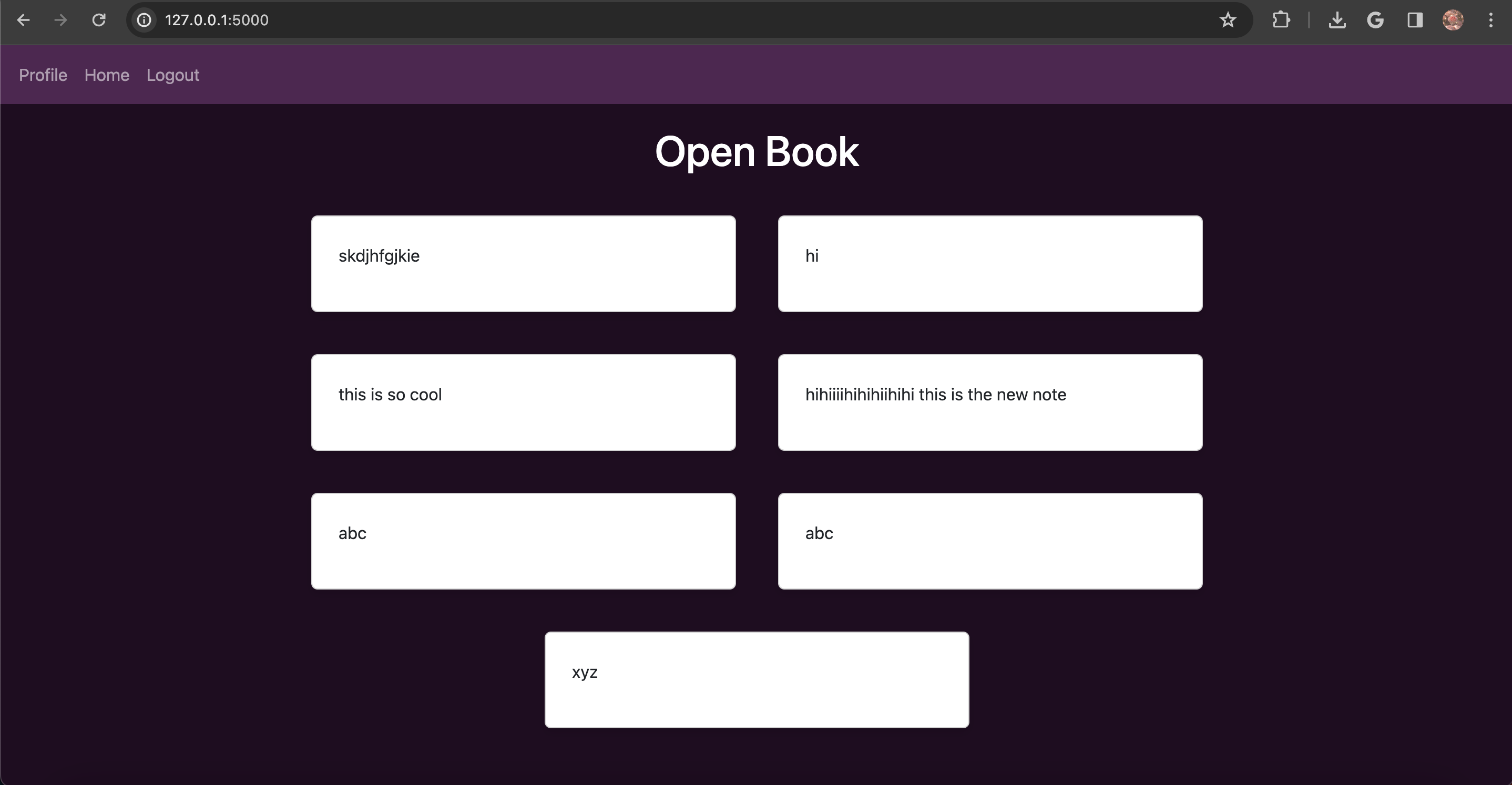
Home Page
-
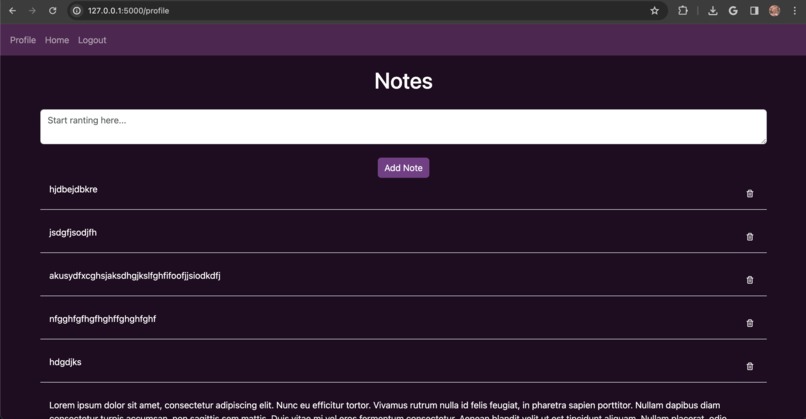
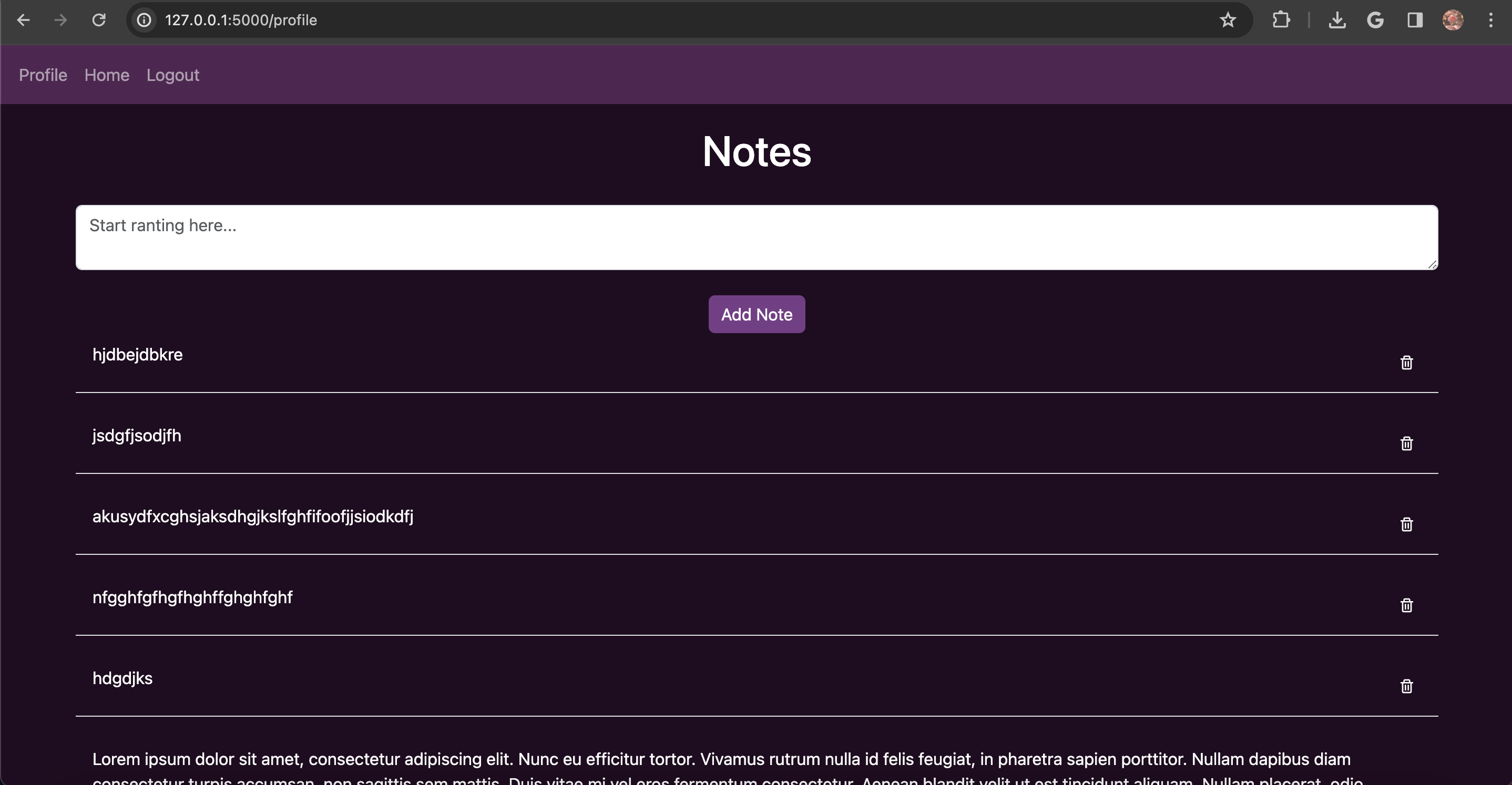
User Page
-
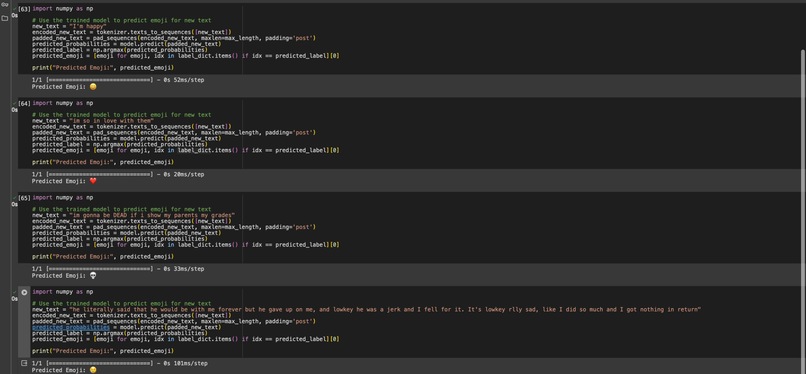
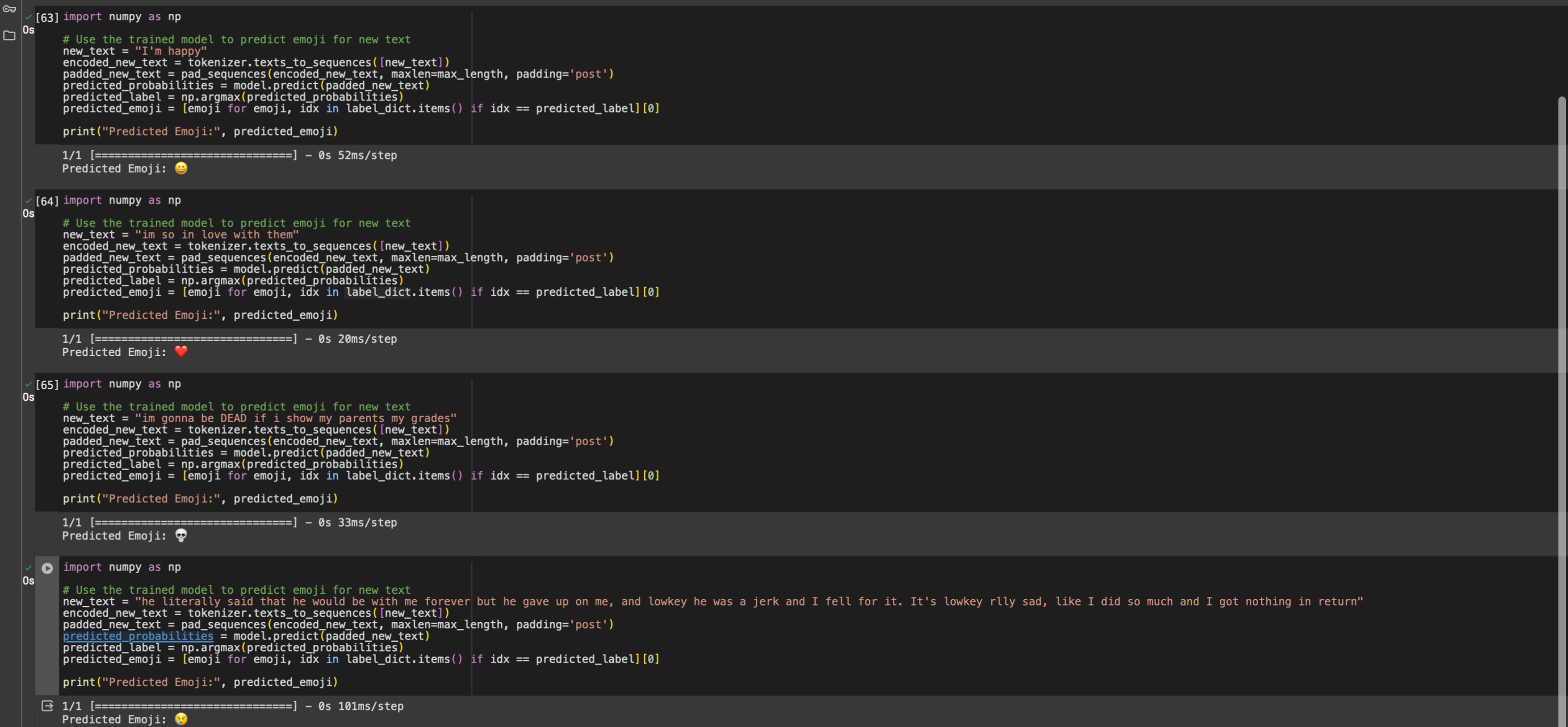
Semantic Analysis w/ Emoji Result
-
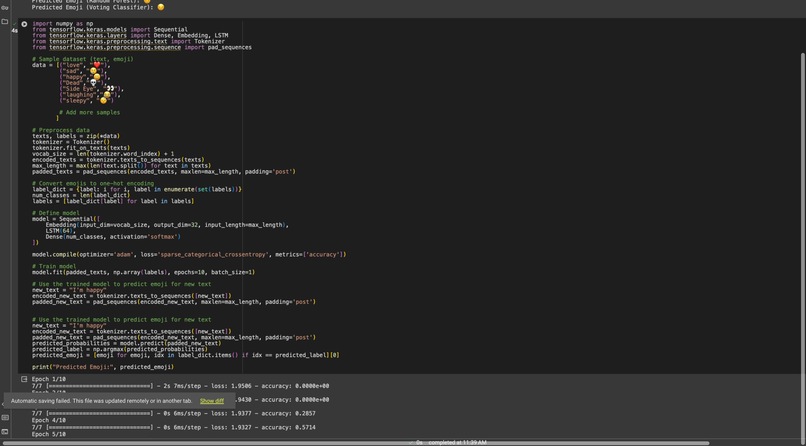
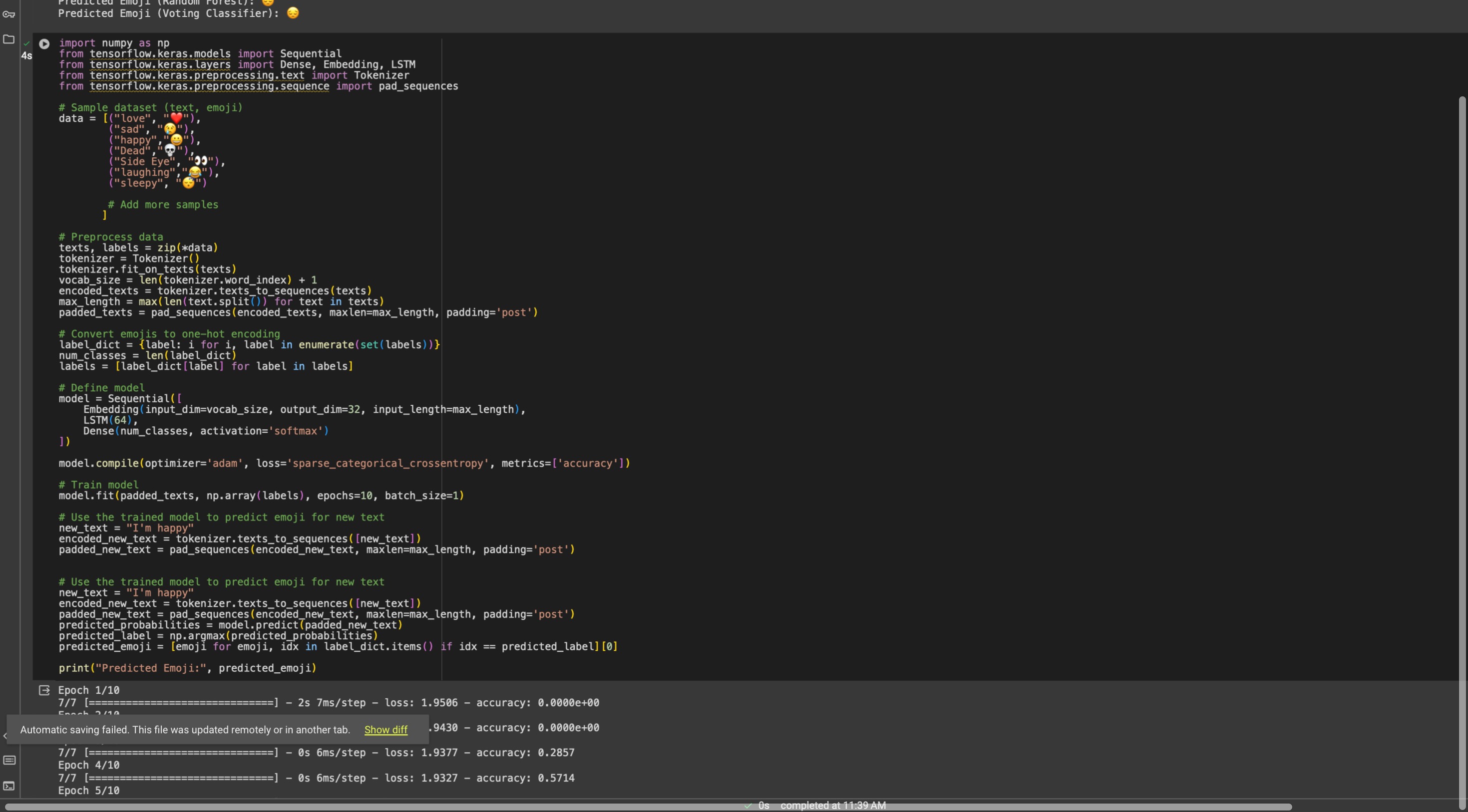
NLP model
Inspiration
Inspired by the intimate conversations and therapeutic moments shared during car rides with friends, our project was born from the realization of the profound impact of having a safe space to vent and share one's innermost thoughts. We've all experienced the cathartic feeling of unburdening ourselves, feeling lighter after pouring out our emotions in a trusted environment. Yet, we also recognize the importance of extending this sanctuary beyond our immediate circles. Our platform seeks to replicate this experience digitally, offering a space where individuals can anonymously express themselves without fear of judgment. Just as we've found solace in the understanding and validation of friends, we aim to create a supportive community where users can connect with others who empathize with their emotions, providing the validation and solidarity they seek, all while safeguarding their privacy.
What it does
Our empathetic community offers a safe and supportive space for people to share their experiences and connect with others who may be going through similar struggles. Users can share their anonymous notes, and our advanced technology analyzes the emotional content to provide a few suggested emoji reactions, fostering understanding and compassion within the community.
How we built it
Our platform leverages Flask to establish server connections and retrieve data from the database, where user inputs are securely stored. Powered by Flask, our server infrastructure ensures seamless communication between the front-end and back-end components, facilitating efficient data retrieval and management. This foundational technology, coupled with our advanced database management system powered by SQLAlchemy, enables us to safeguard user inputs while providing a responsive and reliable platform experience. With Flask at the helm of our server architecture, we prioritize user privacy and confidentiality. SQLAlchemy is pivotal in our platform, serving as the cornerstone of our data storage and retrieval processes. SQLAlchemy facilitates seamless communication, ensuring user inputs are securely stored and readily accessible when needed.
Keras and TensorFlow form the backbone of our platform's advanced NLP model, enabling us to conduct semantic analysis and recognize emotions from text inputs with unparalleled accuracy. Through the power of deep learning, Keras and TensorFlow have allowed us to train our NLP model on vast datasets and have enabled our platform to understand the intricacies of human language and accurately detect emotions in text inputs. Sequential and dense layers allows us to construct our neural network architecture layer by layer, facilitating thorough testing and optimizing our model's performance. By systematically building and refining our neural network, we've honed our model's ability to analyze text inputs and provide empathetic responses that resonate with our users' emotions.
Challenges we ran into
Going into this, we had no knowledge of flask and SQLAlchemy. Throughout the development, due to the lack of knowledge, we had to go through multiple server errors to get our database to connect with our flask modules and display it in the front-end. During the trial phase, we ran into issues in ReactJS due to the creation of components, because of which we had to switch to regular HTML and CSS to avoid issues with integration. We also have two different working models, one which is the main app, and the other being our NLP model. The integration of this is rather complicated since it has to do it for several posts. This integration has proposed a challenge which we hope to overcome.
Accomplishments that we're proud of
The accomplishments that we’re proud of is the fact that we were able to create a demo of a web app that can display other’s notes, without displaying your same notes.Creating a fullstack app from scratch without popular knowledge was the biggest accomplishment in itself.
What we learned
The whole development process was a learning experience in itself. We learned new technologies, and how to collaborate on our models together. We learned how to integrate different components and successfully build a prototype of our app. We also learned how to train and integrate keras and tensorflow. This was an extremely integral part of our design as it allows us to develop a text to emoji software. We also learned web development, frontend and backend development and the interlap of the two. We also learned how to collaborate and work with each other’s strengths and weaknesses to maximize our web app.
What's next for Open Book
Open Book has a bright future ahead. We intend to fully develop our web application and convert it into a mobile application. Further, we will enhance our interface to allow multiple long paragraphs without it disturbing the main. We also plan to include a title and a little description about what the note is about. With this, we want the user to customize the post-it note to the color of their liking. Afterwards, we plan to generate a bigger AI model that allows many other users to react to the certain sentence, allowing them to converse with the user in an anonymous way. We also plan to add sub categories allowing the users to choose their favorite niche. And, we also plan to include access to mental health services. Using generative AI and semantic analysis, we can iterate through the texts and observe the texts and if the user seems to have gone through many issues, we might recommend certain links to the user. This would keep a tab on their mental health, allowing us to give the user a way to become a much healthier person.
Built With
- back-end
- css3
- dense
- flask
- flask-login
- front-end
- html
- keras
- natural-language-processing
- numpy
- python
- random-forest
- semantic-analysis
- sequential
- sqlalchemy
- tensorflow


Log in or sign up for Devpost to join the conversation.