Inspiration
Potential inspirations for this project could include:
Blockchain and NFTs: The rising popularity of blockchain technology and NFTs has led to innovative use cases beyond cryptocurrency. NFTs, which represent unique digital assets, have been applied to various domains, including digital art, collectibles, and now, potentially, digital books.
Decentralized Publishing: The idea of allowing authors to self-publish and maintain control over their content resonates with the growing interest in decentralized publishing platforms. By removing traditional publishing gatekeepers, authors can have greater freedom and control over their work.
Smart Contracts: The implementation of smart contracts on a blockchain could enable automated royalty payments and revenue-sharing mechanisms, ensuring that all contributors receive compensation transparently and efficiently.
Direct Author-Reader Interaction: By facilitating direct transactions between authors and readers, the platform fosters a more direct relationship and communication between them. This approach can potentially benefit both parties, allowing authors to set their prices and readers to access books more affordably.
Inbuilt Ebook Reader: Offering an inbuilt native ebook reader reduces friction for readers, making the reading experience seamless and accessible without the need for external software or apps.
Renting Books: The idea of allowing readers to rent books for a lower price, while still generating revenue for authors and contributors, promotes a sharing economy and allows readers to access a wider range of books without making a full purchase.
What it does
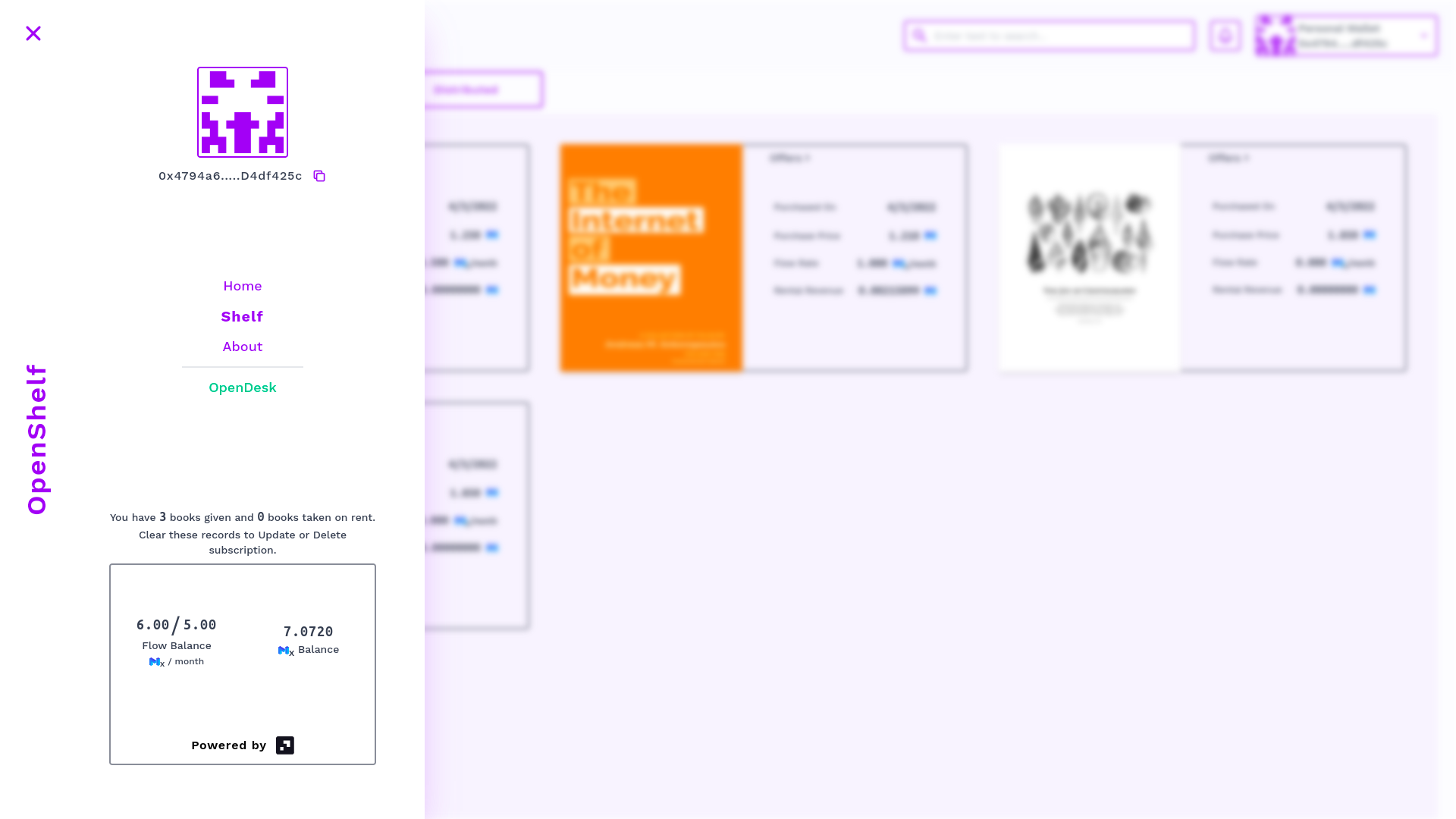
Self-Publishing: Authors can publish their books on the platform independently, without the need for traditional publishing houses or intermediaries. This empowers authors to maintain full control over their work.
Anonymity: Authors have the option to publish books anonymously, ensuring privacy and freedom of expression.
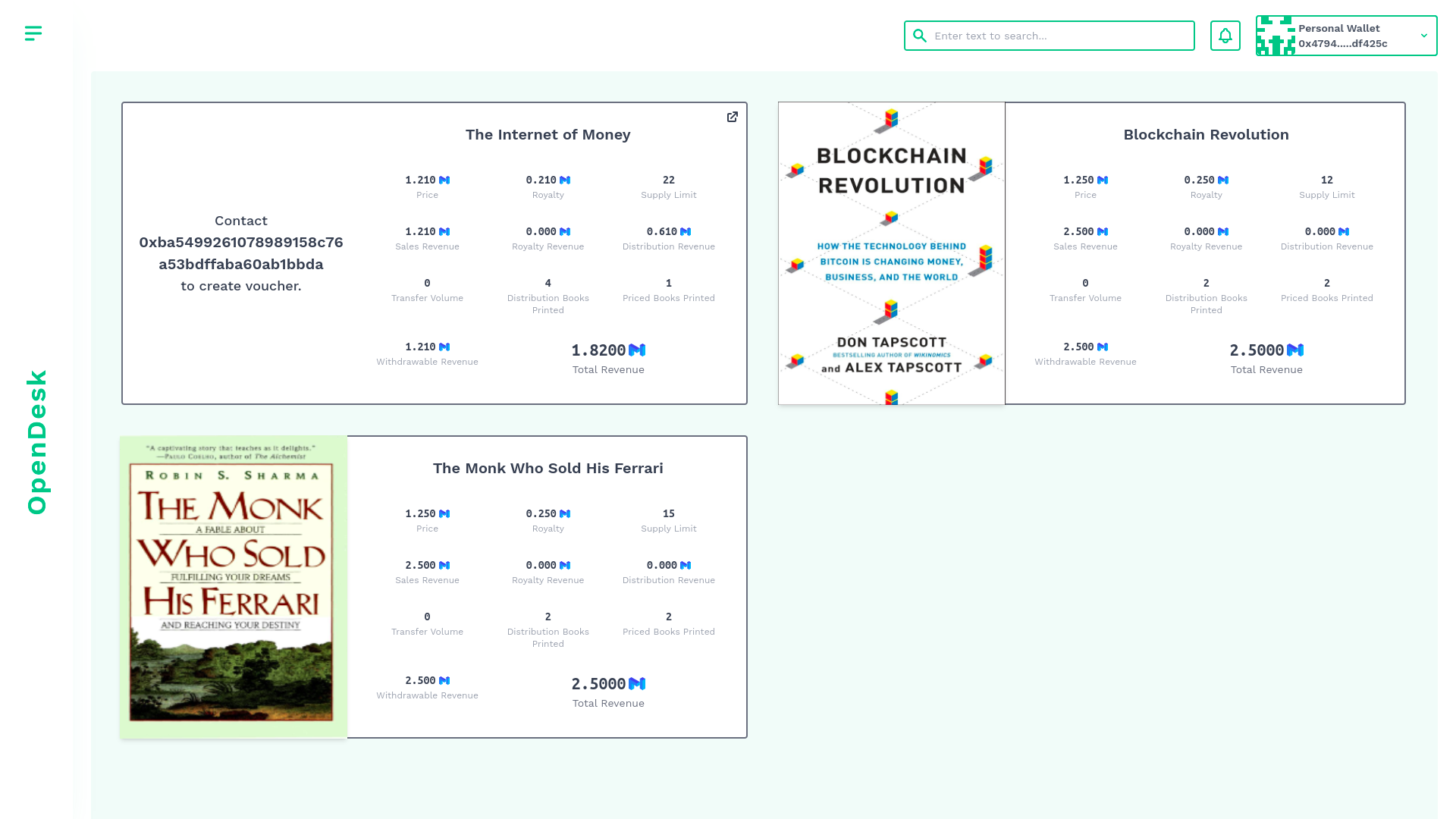
Content Control: Authors can update book prices, release sequels or new editions, and retain full control over their book's availability in the marketplace.
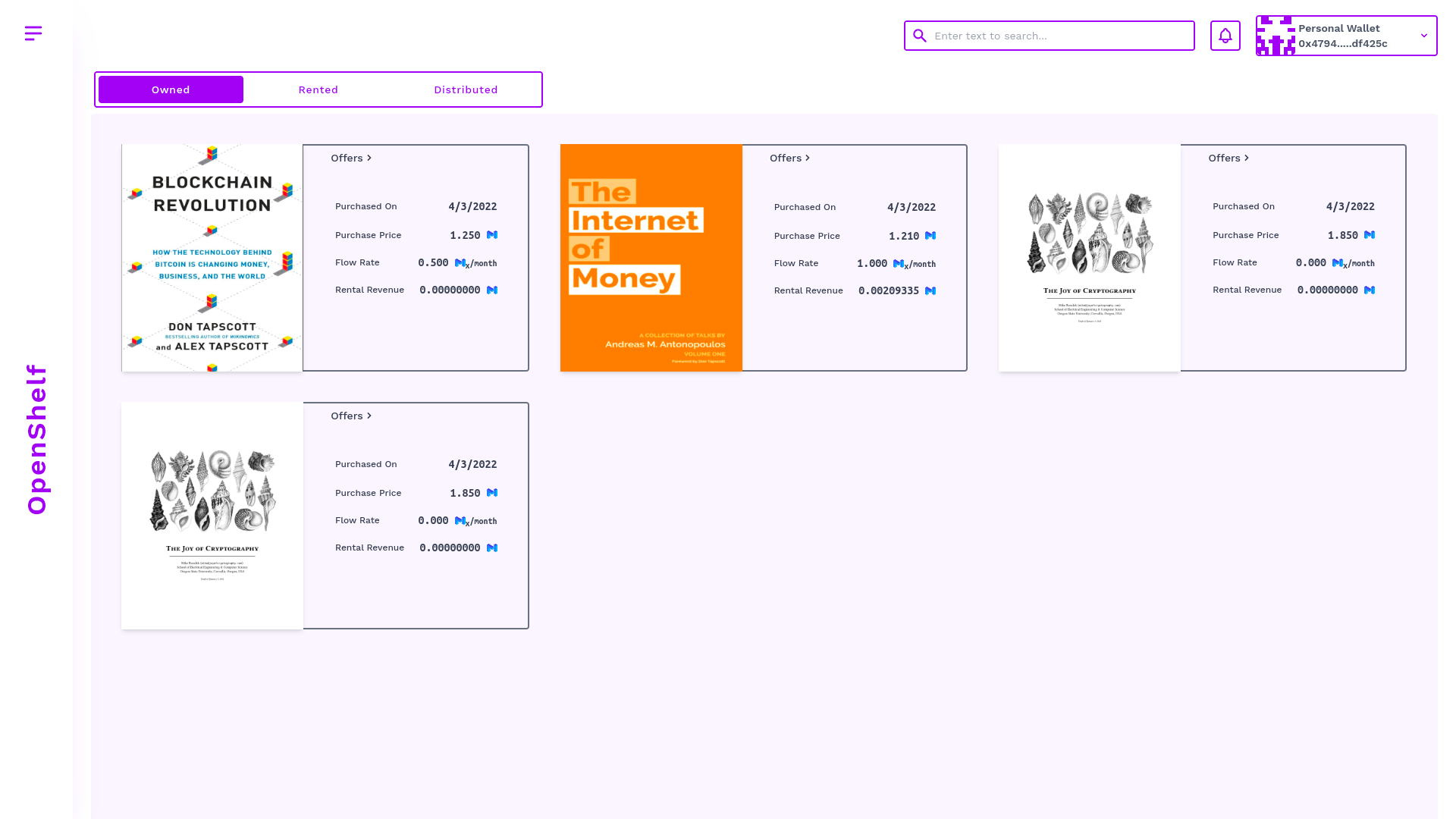
Revenue Sharing: The platform enables authors to receive payment for each book exchange. Smart contracts on the blockchain facilitate automated royalty payments and allow for revenue distribution among contributors if multiple people were involved in creating the book.
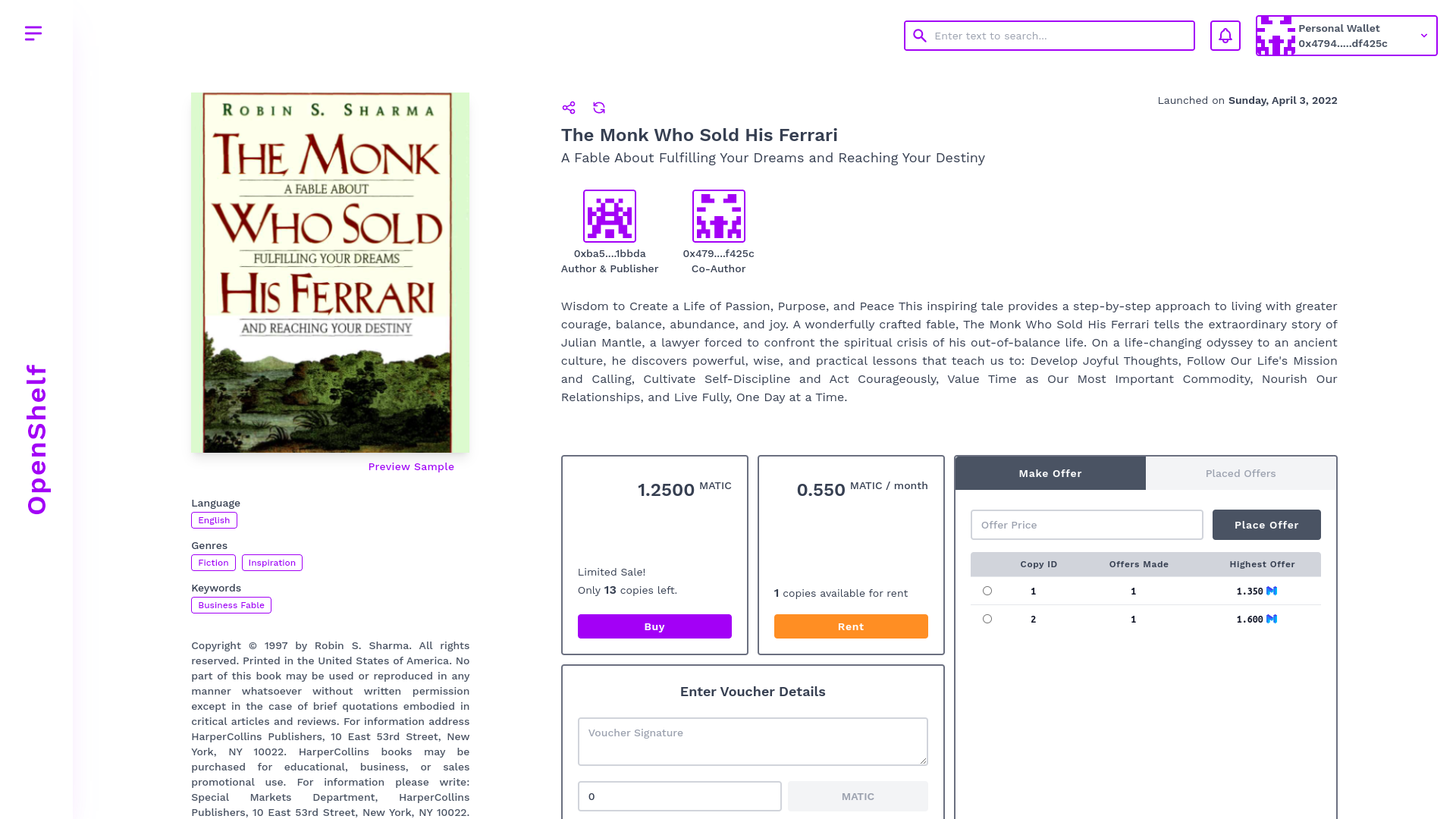
Direct Author-Reader Transactions: Readers can buy books directly from the authors, fostering a direct connection between the creators and their audience.
Variable Pricing: Since authors can set their own book prices, they have the flexibility to experiment with different pricing strategies to attract more readers and potentially earn better returns even with lower prices.
Free Distribution: Authors can choose to distribute their books for free as a way to publicize their work or as donations.
Native Ebook Reader: The platform provides an inbuilt native ebook reader, making it convenient for readers to access and read books without requiring any additional dedicated software.
Book Renting: Readers have the option to put books on rent, allowing other readers to read books at lower prices without purchasing them outright. Authors and contributors still receive revenue in real-time from book rentals.
Overall, Open Athenaeum aims to create a decentralized and author-centric marketplace for books, leveraging blockchain technology and NFTs to ensure transparency, security, and direct interaction between authors and readers. It seeks to revolutionize the publishing industry by providing a platform that empowers authors, gives readers more choices, and promotes fair compensation for creative works.
How we built it
As pioneers in the realm of web development, we embarked on a groundbreaking journey to transform our web2 application into a cutting-edge web3 platform using Linera. With a vision to revolutionize the traditional online book marketplace, we harnessed Linera's innovative tools and capabilities to usher in the era of decentralization. Through meticulous planning and rigorous development, we integrated blockchain technology, NFTs, and smart contracts into our application's framework. By leveraging Linera's seamless transition features, we empowered authors to self-publish their works anonymously, without any restrictions on content. The novel marketplace allowed readers to directly purchase books from authors, providing a direct channel for communication and support. With Linera's comprehensive suite of features, we introduced a transparent royalty system, ensuring fair compensation for all contributors involved in a book's creation. By tokenizing books into NFTs, we unleashed a new era of digital asset ownership, allowing readers to sell, purchase, or even rent books in real-time. Linera's intuitive and user-friendly native ebook reader became the cornerstone of our platform, providing a seamless reading experience for users without the need for additional software. With Linera as our trusted ally, we accomplished a remarkable transformation, pushing the boundaries of web3 technology and forever changing the landscape of online book marketplaces.
Challenges we ran into
During the process of converting our web2 application into a web3 platform using Linera, we encountered several significant challenges that demanded innovative solutions and perseverance from our team. One of the primary challenges was the integration of blockchain technology into our existing infrastructure. Blockchain is a complex and rapidly evolving domain, and adapting our application to interact with the blockchain required extensive research and development efforts.
Additionally, smart contract development posed its own set of challenges. Crafting smart contracts that could accurately represent book ownership as NFTs and efficiently handle various transactions while maintaining security and transparency demanded meticulous attention to detail.
Built With
- css3
- fastpay
- javascript
- linera
- solidity
- typescript

Log in or sign up for Devpost to join the conversation.