-
-
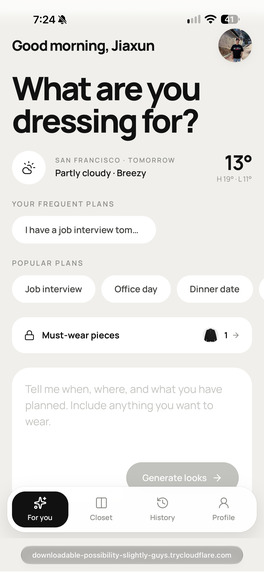
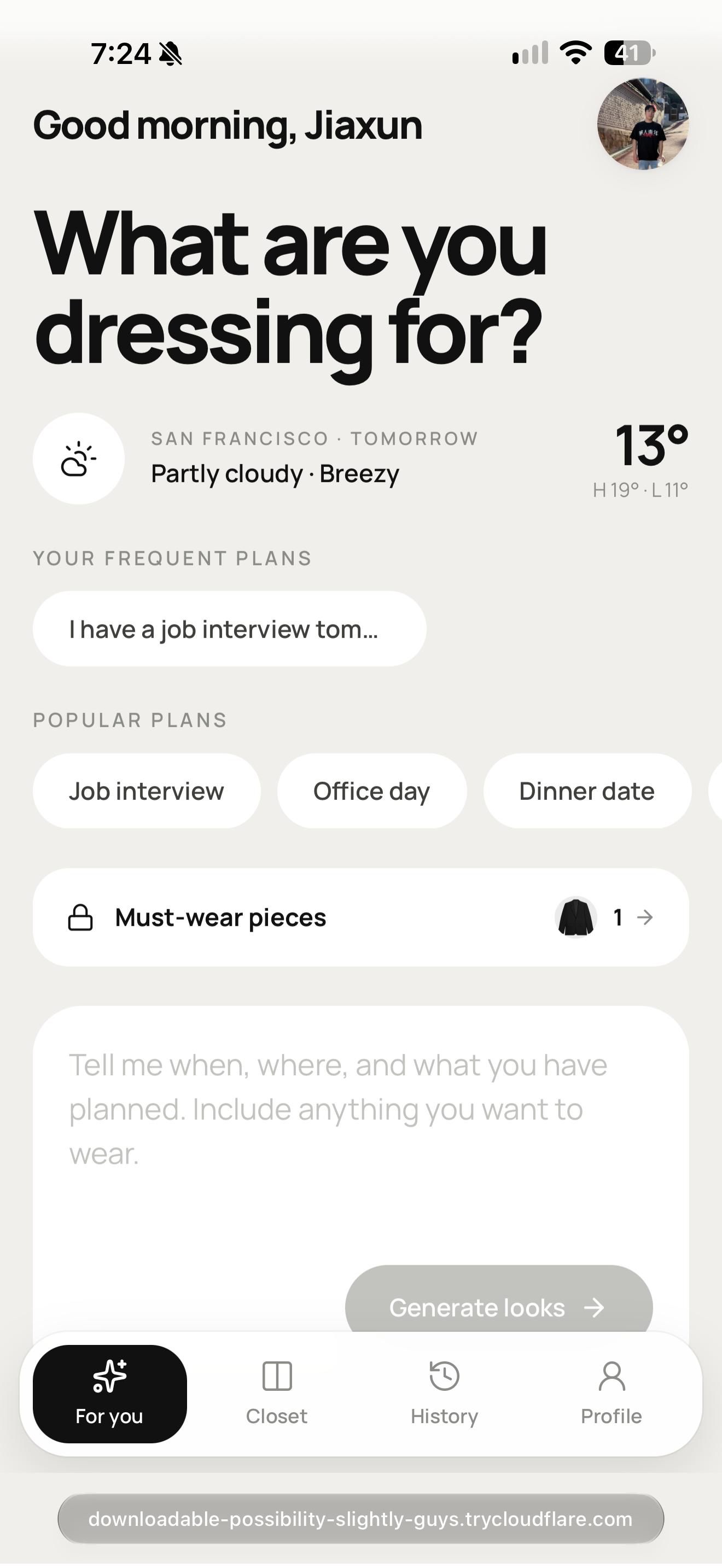
home page
-
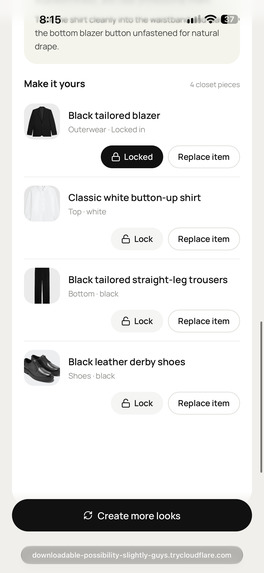
-
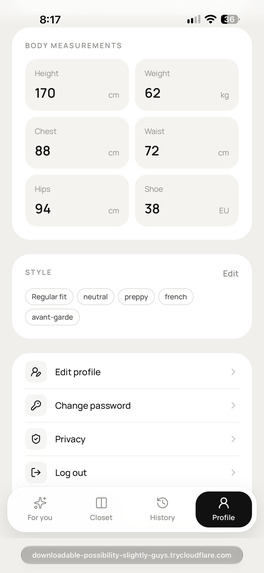
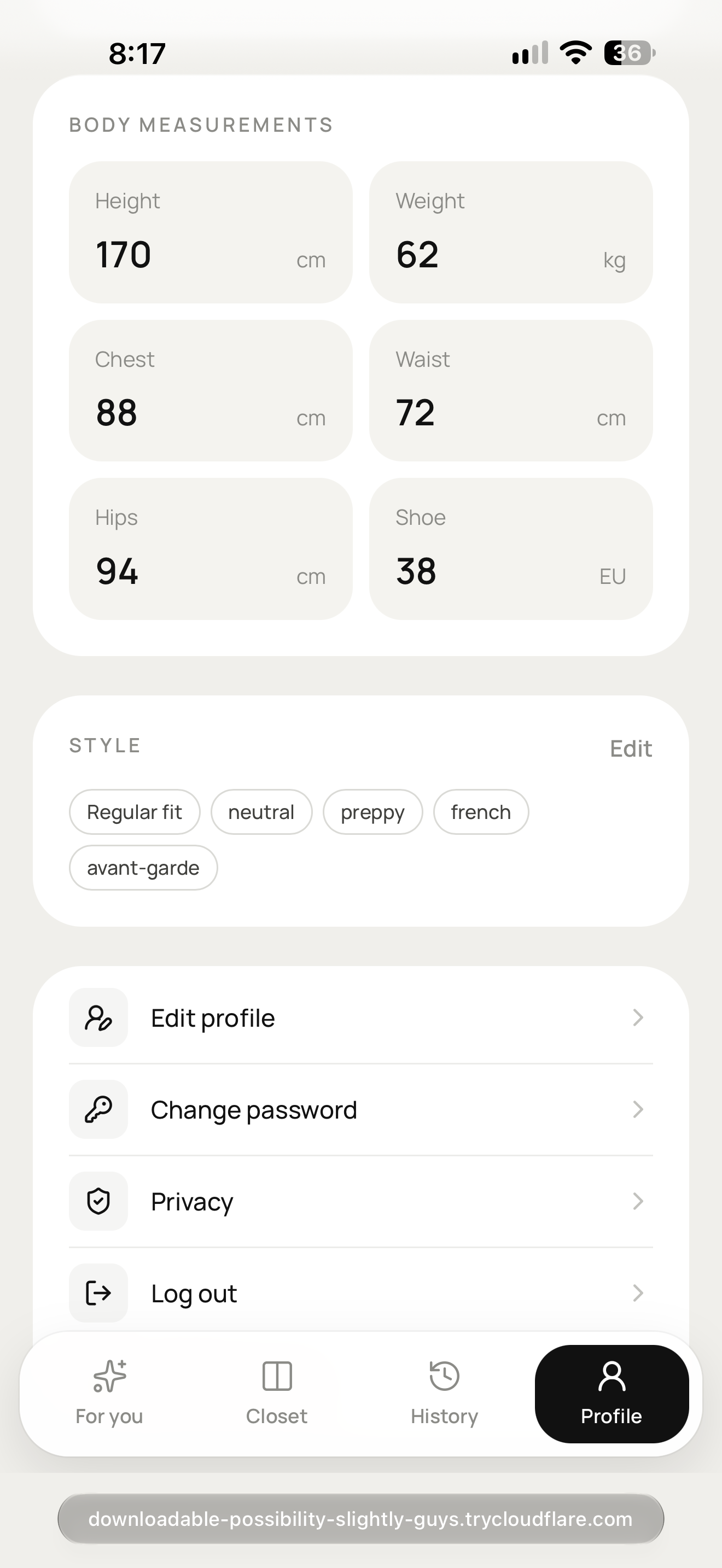
profile page
-
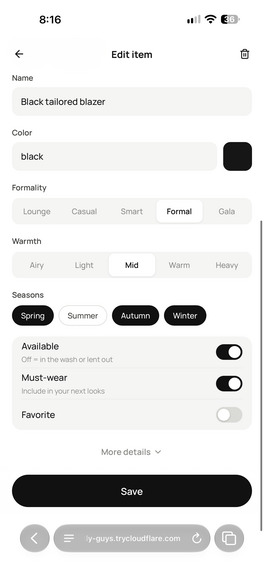
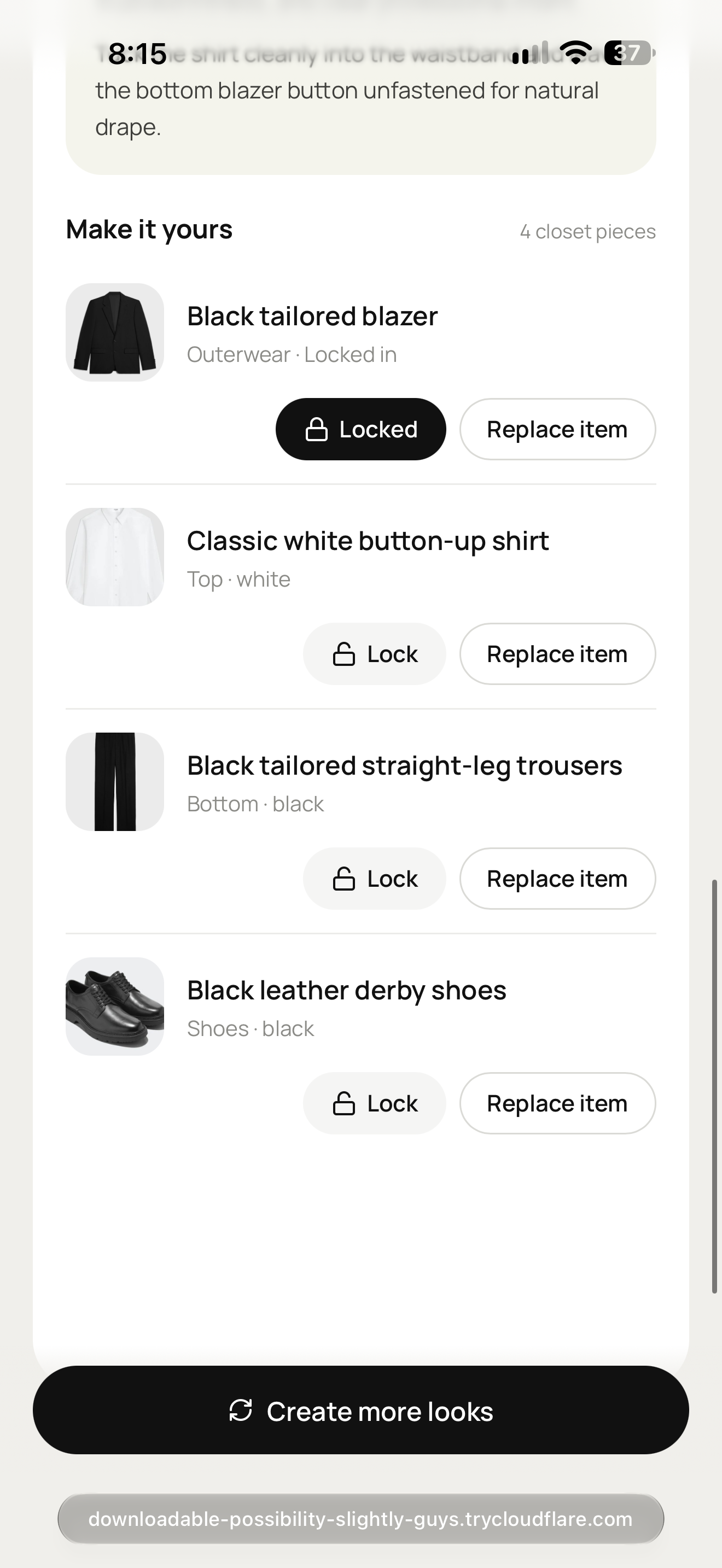
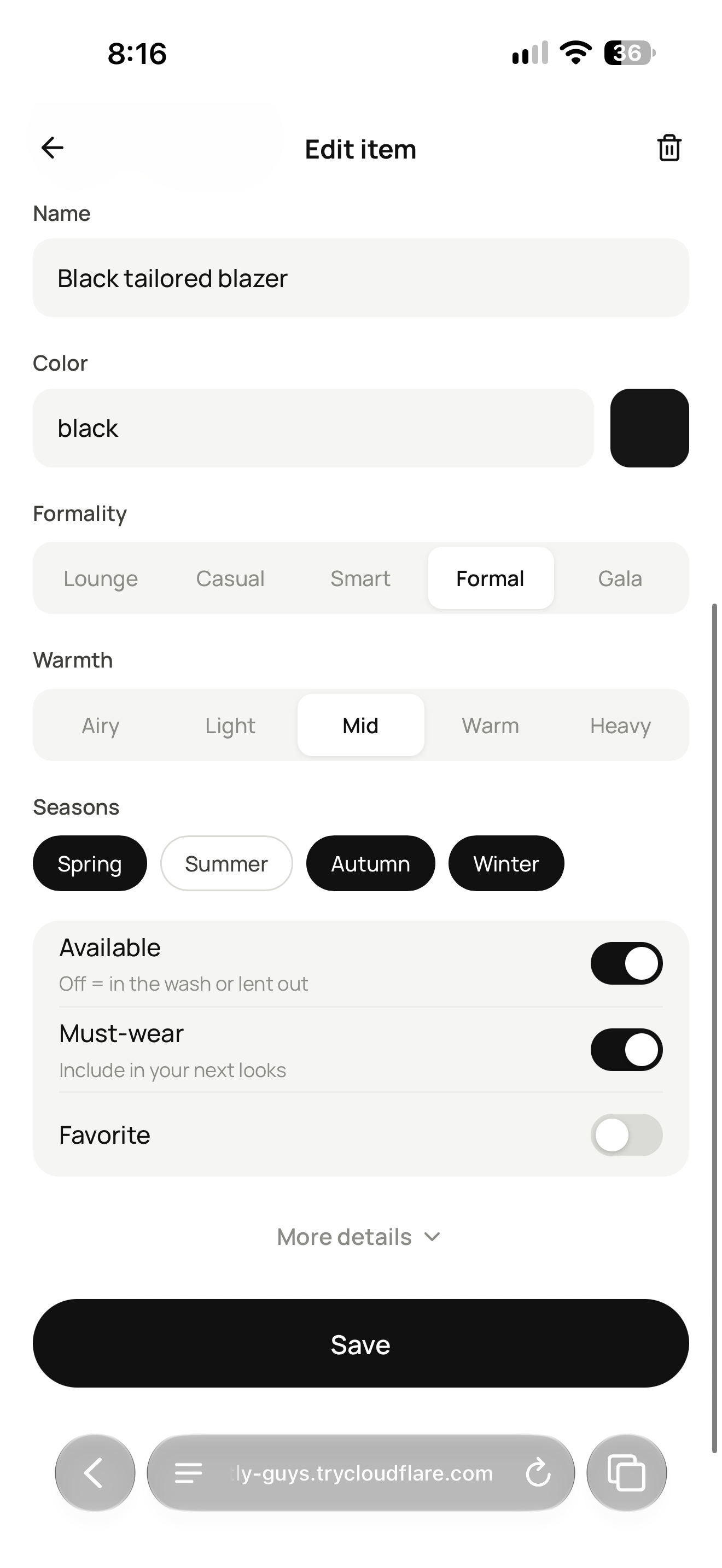
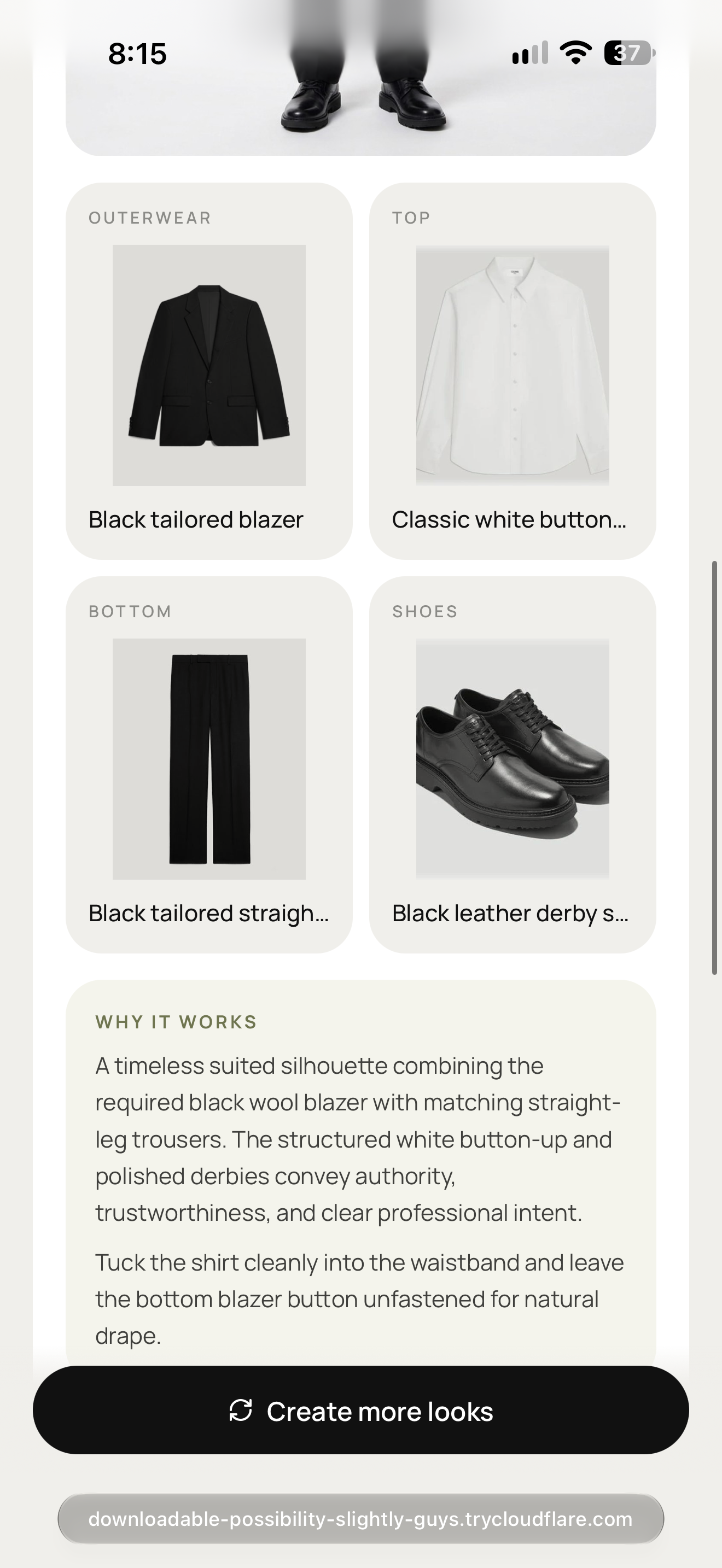
Detail of the clothes
-
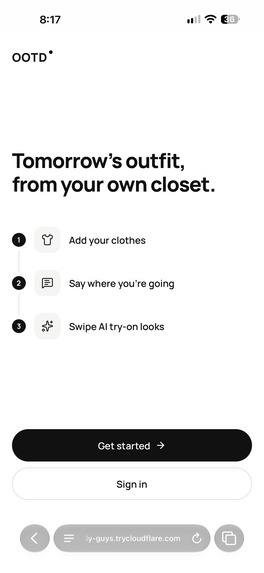
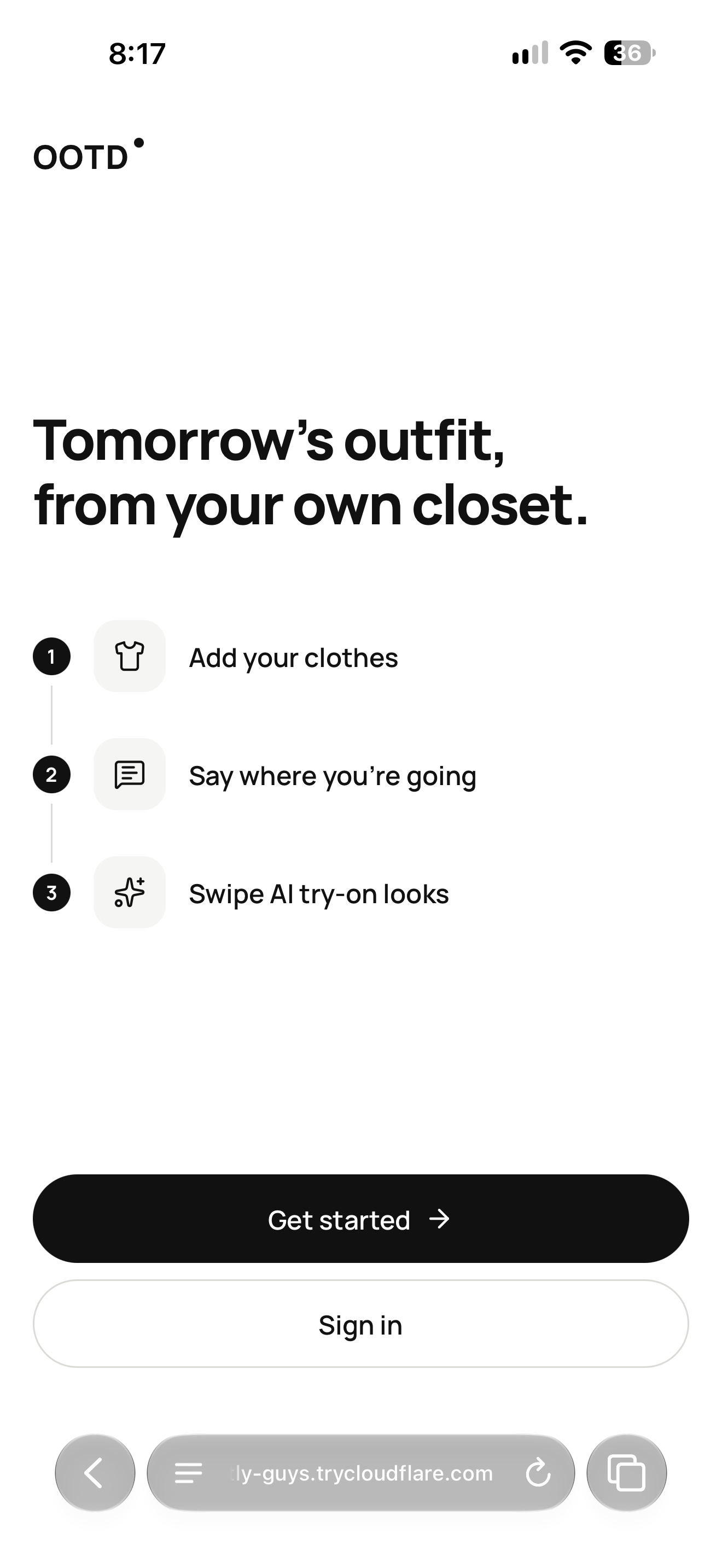
Start Page
-
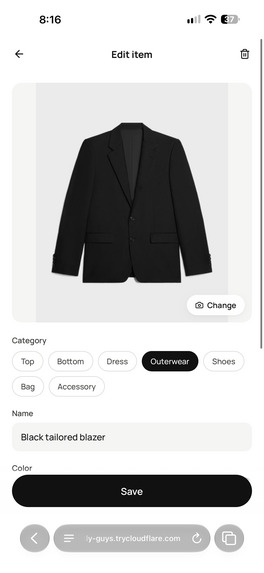
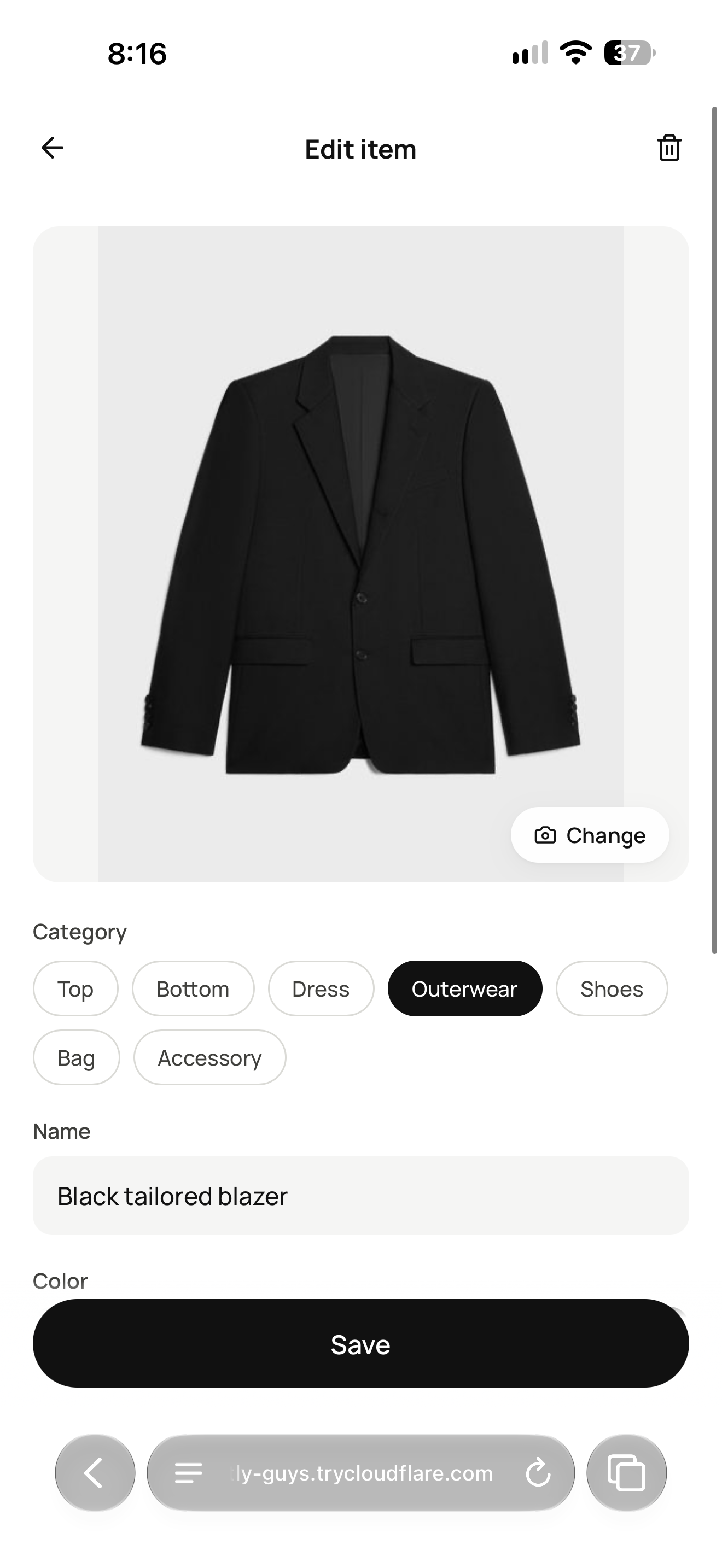
Detail of the clothes
-
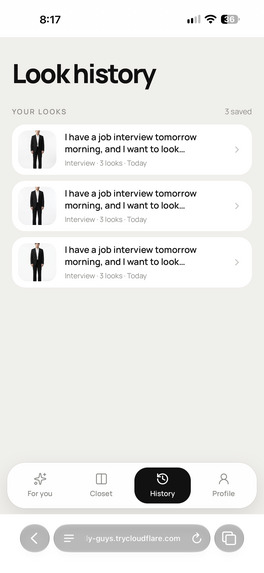
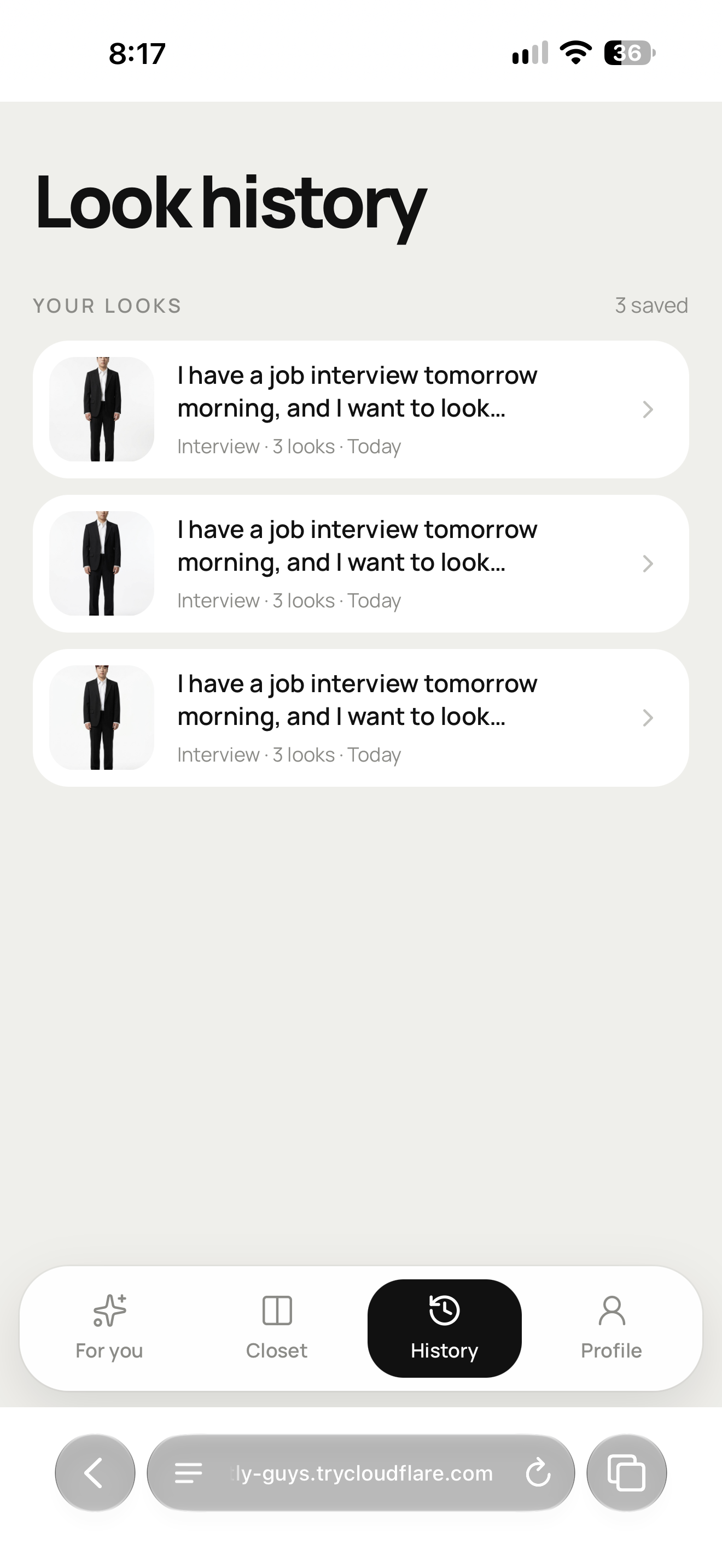
history of all the outfits
-
-
-
-
-
Inspiration
We have all had this problem before. Even though we have a lot of clothes in our closet, sometimes we still don't know what to wear.
We wanted to build an app that does more than just organize clothes. Most digital wardrobe apps help users keep track of their clothes, but we wanted to do something more. What if AI could understand where we are going, check the weather, and help us choose an outfit using the clothes we already have?
This is why we decided to build OOTD Studio.
What It Does
OOTD Studio is an AI-powered personal styling app that helps users choose what to wear based on different situations.
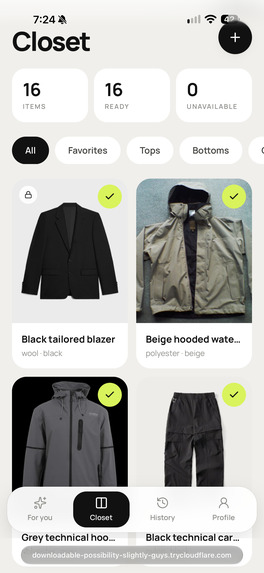
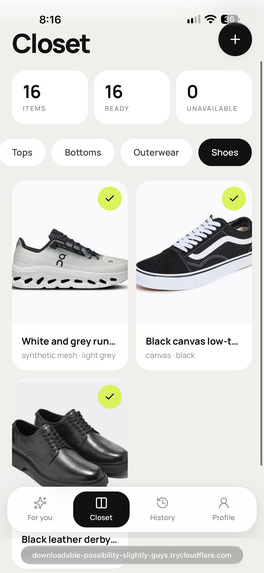
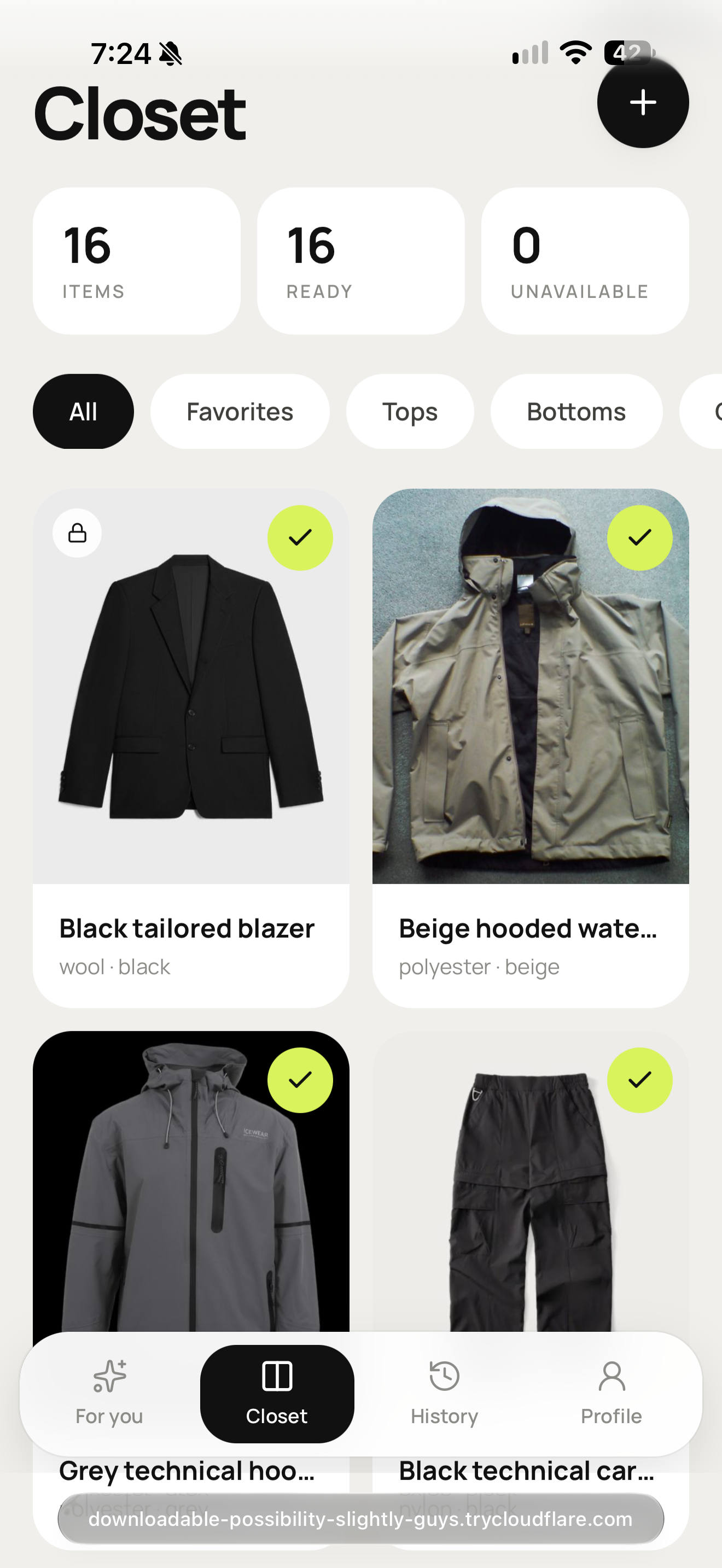
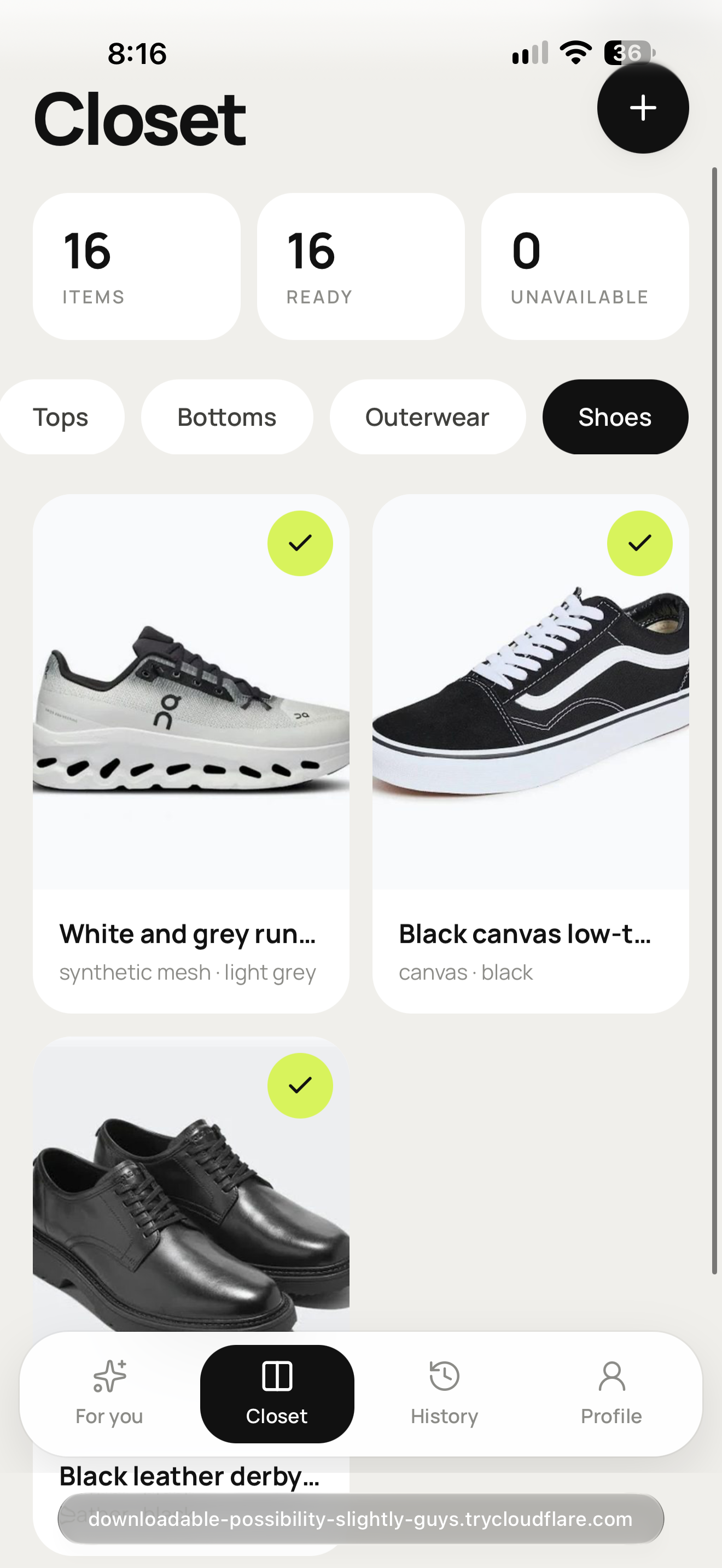
First, users create their profile by entering their height and weight, and uploading a full-body photo. After that, they can start adding their clothes to the digital wardrobe. Instead of entering all the information manually, our AI can recognize the clothes and automatically fill in details like category, color, material, and style.
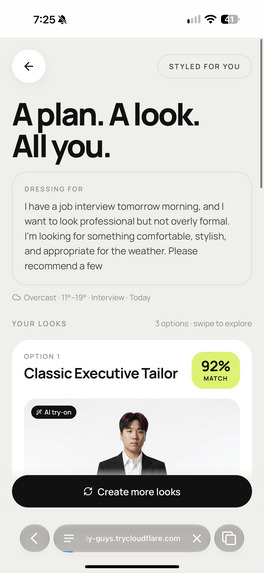
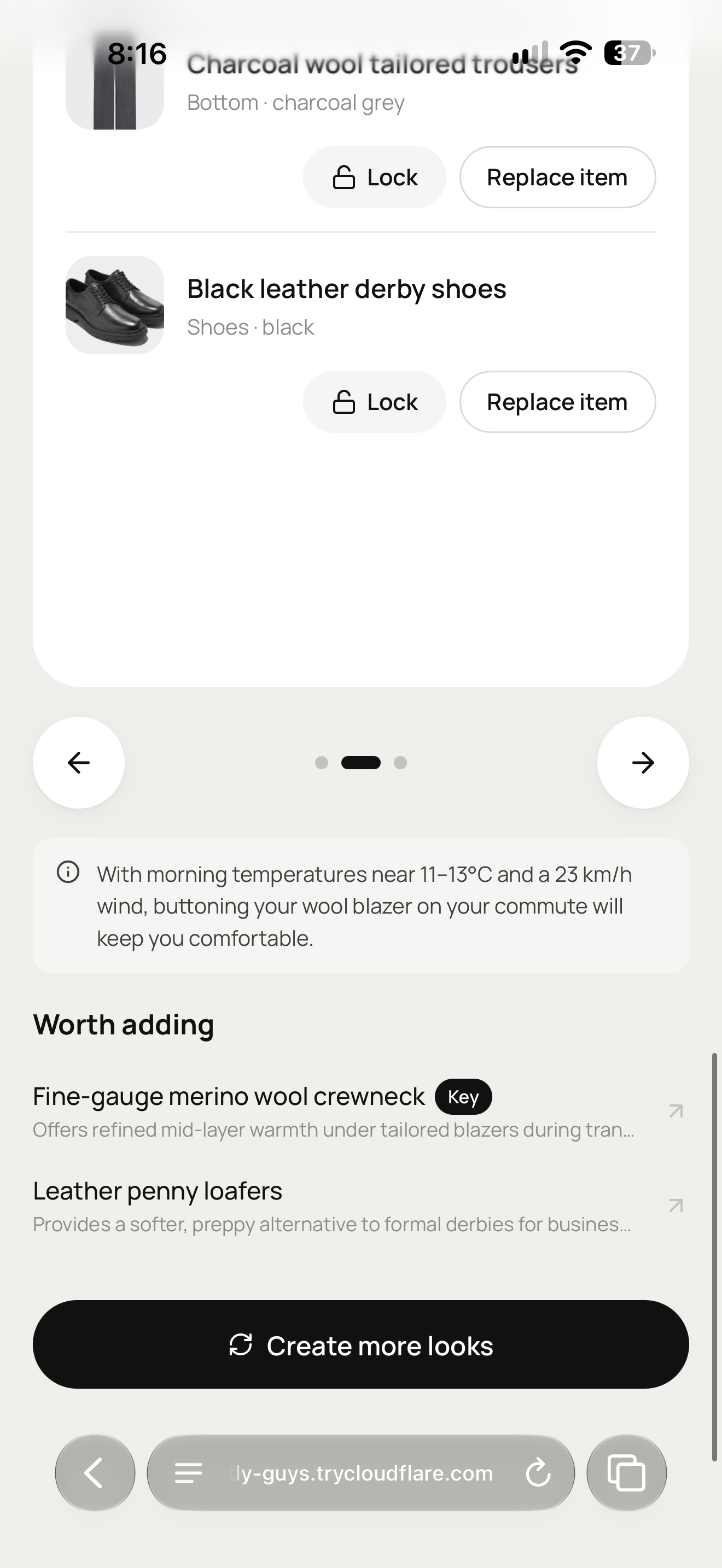
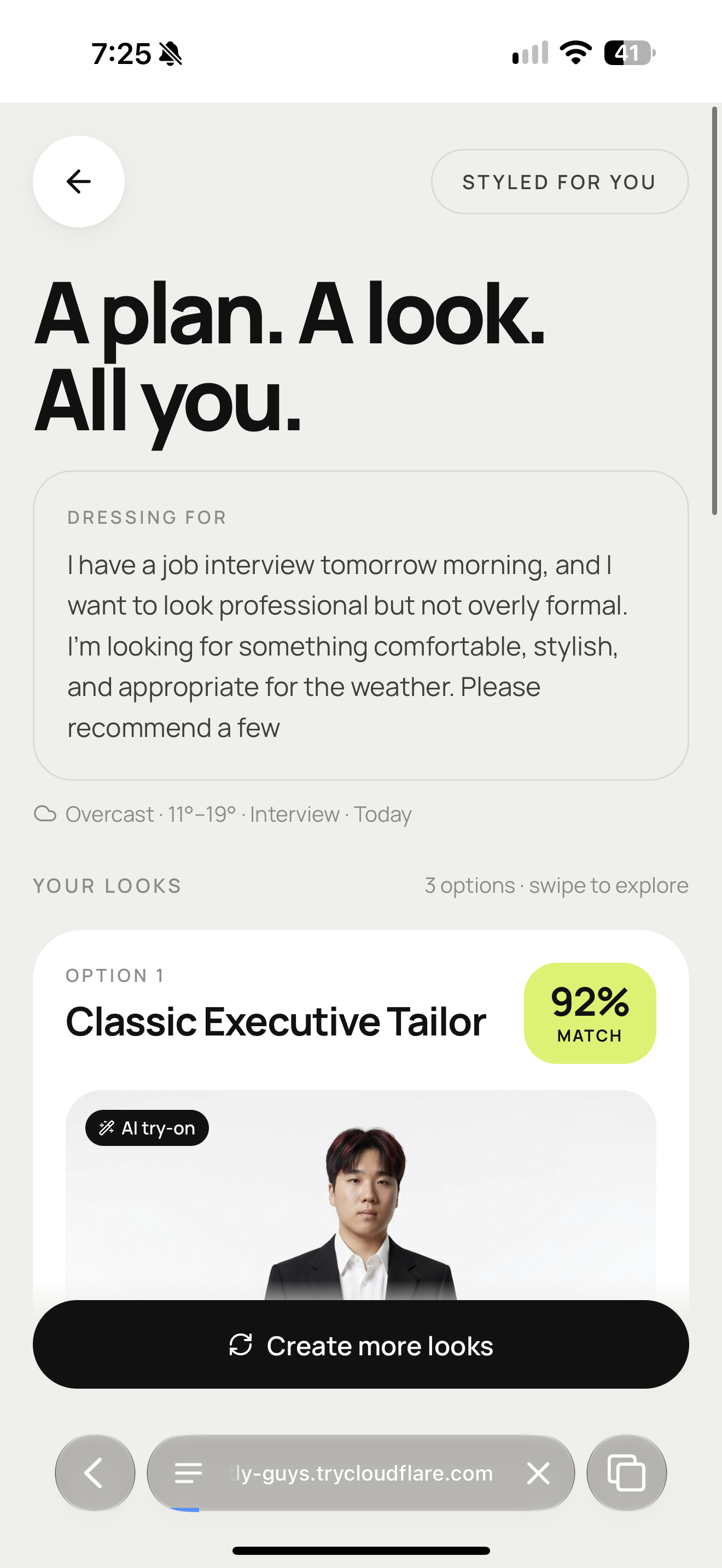
When users need an outfit, they can simply describe what they are going to do. For example, they can say they have a job interview tomorrow or are going on a date. Our AI will consider the weather, their preferences, and the clothes they already own to generate outfit recommendations.
Here are some of our main features:
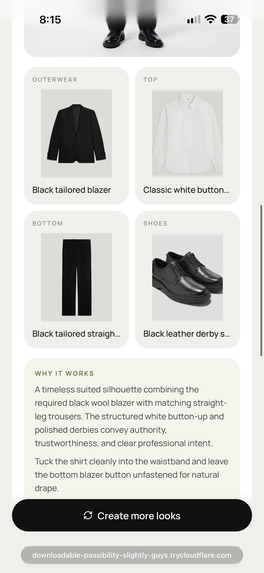
- AI Virtual Try-On: We use Google Gemini to generate images of users wearing the recommended outfits based on their full-body photos. This allows users to see how the clothes might look on them before actually wearing them.
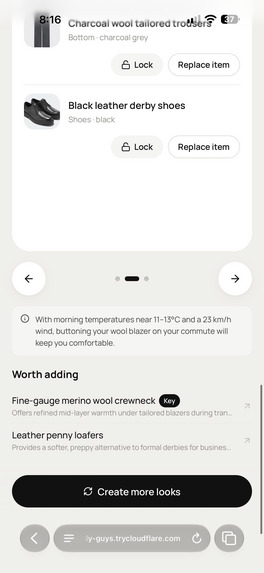
- Context-Aware Recommendations: Our AI recommends outfits based on the occasion, weather, and user's personal preferences.
- Must-Wear & Unavailable: Users can mark clothes as must-wear if they really want to wear something, or unavailable if an item is being washed or cannot be worn. They can do this directly from the AI recommendations and click Regenerate to get new outfits based on these conditions.
- Smart Warnings: If an outfit is not suitable for the weather or occasion, our AI will warn the user and explain why it might not be a good choice.
- Shopping Suggestions: If users don't have suitable clothes for a certain occasion, our AI can tell them what is missing and suggest items they might need to buy.
- Interactive Styling: Users can swipe left and right to look at different outfit recommendations. They can also customize the background of their virtual try-on images.
One of our main goals is to help people use the clothes they already own instead of always buying new ones.
How We Built It
We built OOTD Studio as a web application designed mainly for mobile users.
For the frontend, we used React, TypeScript, and Vite to build the user interface and make it work on different screen sizes.
For the backend, we used Python, FastAPI, SQLAlchemy, and SQLite to handle user accounts, wardrobe information, and outfit recommendations.
We used Google Gemini for several AI features, including recognizing clothing information, generating outfit recommendations, and creating virtual try-on images.
We also used Open-Meteo to get weather information so our AI can consider the weather when recommending outfits.
Challenges We Faced
One of the biggest challenges we faced was designing the user interface. During the hackathon, we actually redesigned our UI several times because we felt that some of our earlier versions were too complicated. We wanted to make the app easier to understand and use, so we spent a lot of time changing the layout and improving how users interact with different features.
Another challenge was managing our time. Our team only had two people, and we had very limited time to finish everything during the hackathon. Because of this, we had to plan our tasks carefully, decide which features were more important, and divide the work between us. We also needed to communicate with each other often to make sure we were making progress and could finish the project on time.
We also faced some limitations with current AI image generation technology. Although our virtual try-on feature can generate realistic images of users wearing different outfits, the facial details are not always consistent. Sometimes, the face in the generated image does not look exactly like the person in the original photo. This is something we still want to improve in the future.
What We Learned
During this hackathon, we learned a lot about how to use generative AI in a full-stack application. We also learned how to connect different technologies and services together to build an application that people can actually use.
Besides the technical part, we also learned how important teamwork and time management are. Since our team only had two members, we needed to communicate clearly, divide our tasks, and make decisions quickly because of the limited time.
We also learned a lot from redesigning our UI multiple times. At first, we focused on adding more features, but later we realized that having many features does not always mean the app is easy to use. A good user interface is also very important. This experience helped us understand that we should think more about how users will actually interact with our app instead of only focusing on what features we can build.
What's Next
In the future, we want to continue improving our AI virtual try-on feature. One of our main goals is to make the generated images more accurate, especially when it comes to keeping the user's original facial features and appearance.
We also want to keep improving our user interface to make the app easier to use. For outfit recommendations, we hope to make them more personalized by considering more of the user's preferences and feedback.
Another feature we want to work on is smarter wardrobe analysis. We want to help users find more outfit combinations using the clothes they already have, including combinations they might not have thought about before.
Our long-term goal is to make OOTD Studio a useful AI personal styling app that helps people choose their outfits more easily and feel more confident about what they wear every day.
Built With
- fastapi
- gemini-api
- google-gemini
- open-meteo
- python
- react
- sqlalchemy
- sqlite
- typescript
- vite


Log in or sign up for Devpost to join the conversation.