
Inspiration
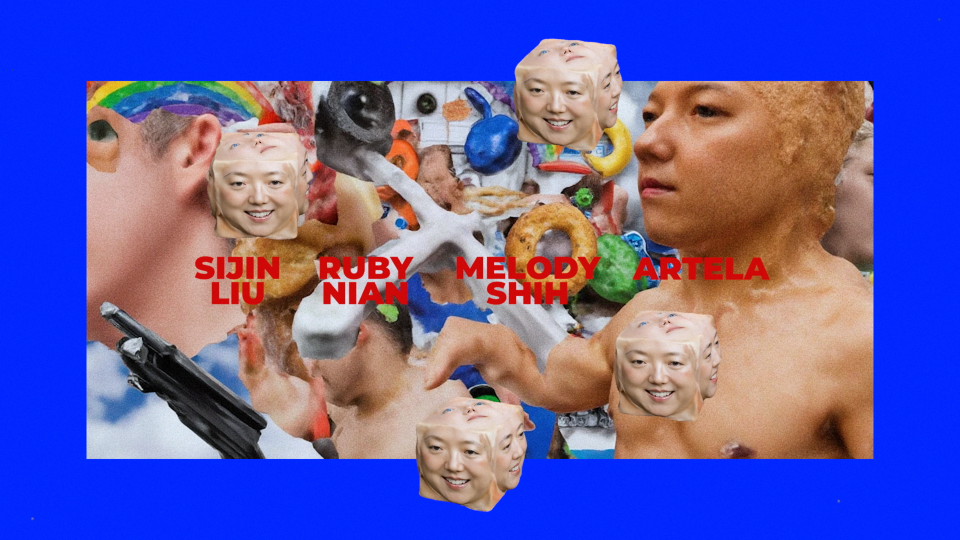
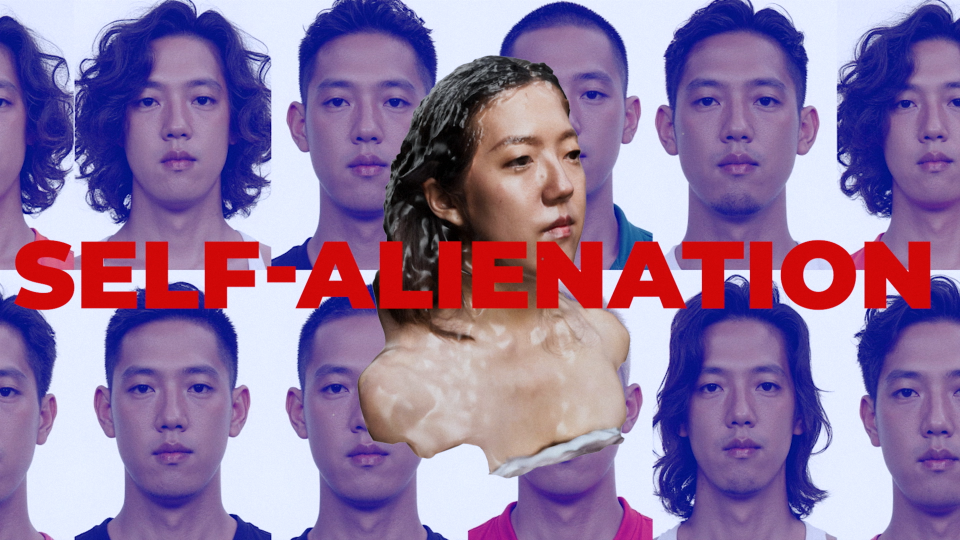
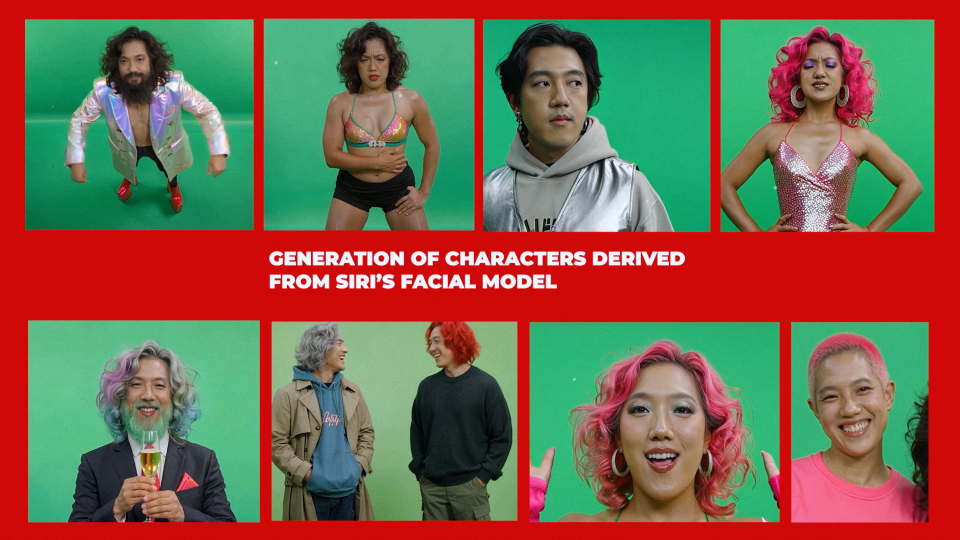
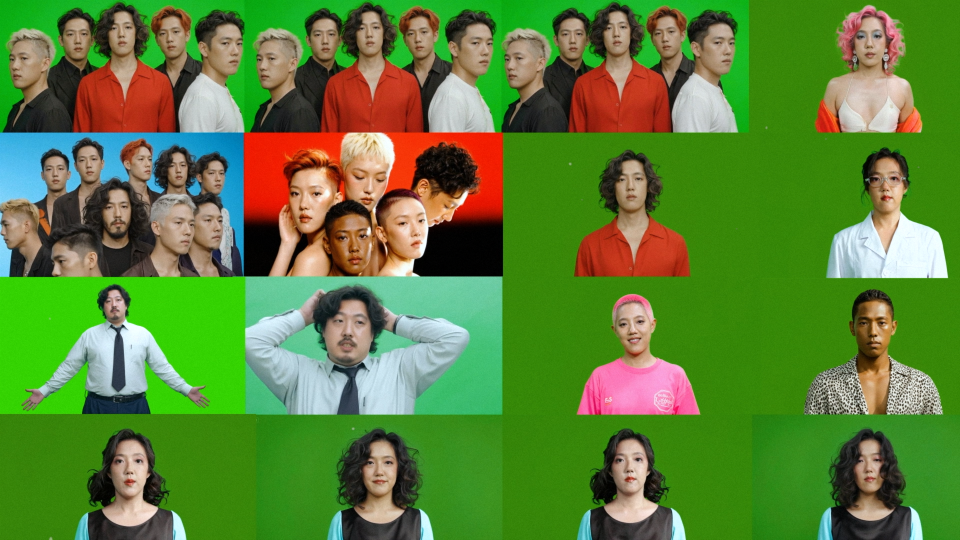
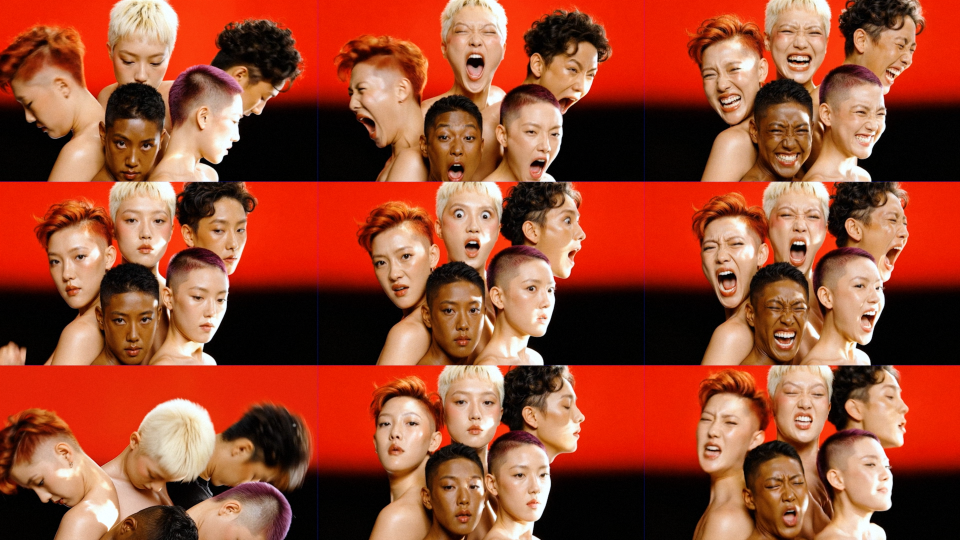
The central idea behind Oopsy! is self-alienation, the experience of seeing one’s identity shift or fragment under external expectations. From a directing standpoint, the theme required a technical method capable of reconstructing and altering a performer’s likeness in a controlled way. AI enabled us to model a face, introduce structured variations, and produce intentional deviations without losing recognisability. The technology was chosen for conceptual reasons: it allowed identity displacement to be visualised precisely and repeatably.
What it does
The project demonstrates how identity can be reshaped through structured digital processes. Using AI-assisted facial reconstruction, stylised visuals and traditional design, the film presents an organised approach to exploring self-alienation while maintaining character continuity. The BTS documents these methods clearly and transparently.
How we built it
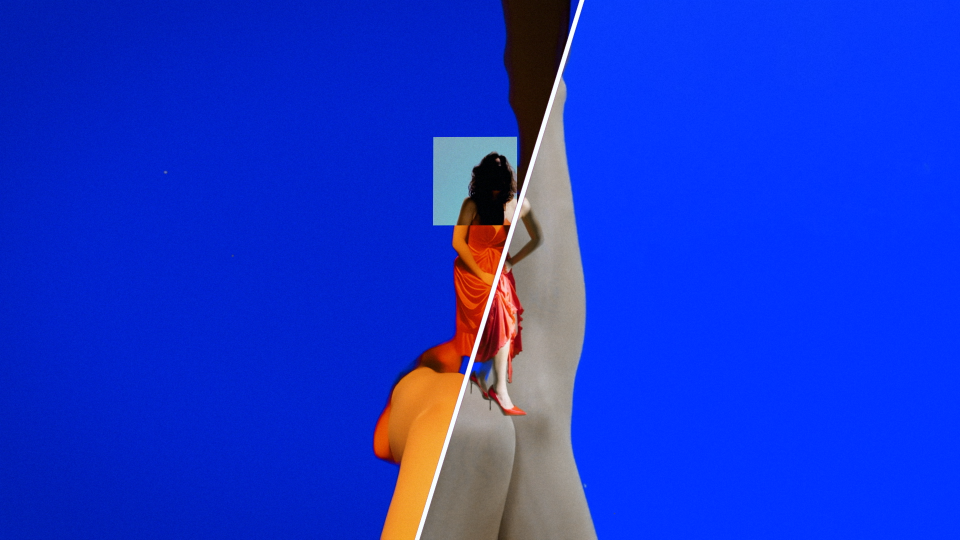
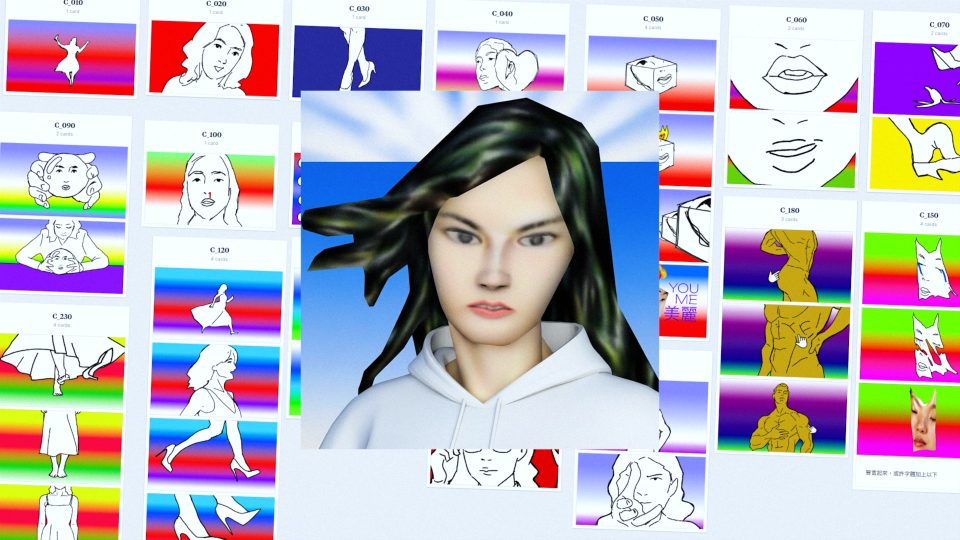
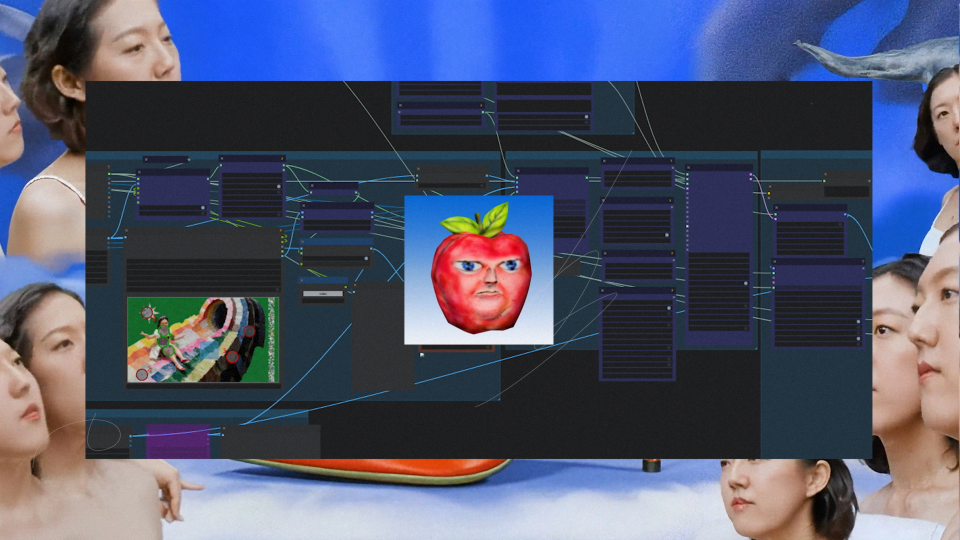
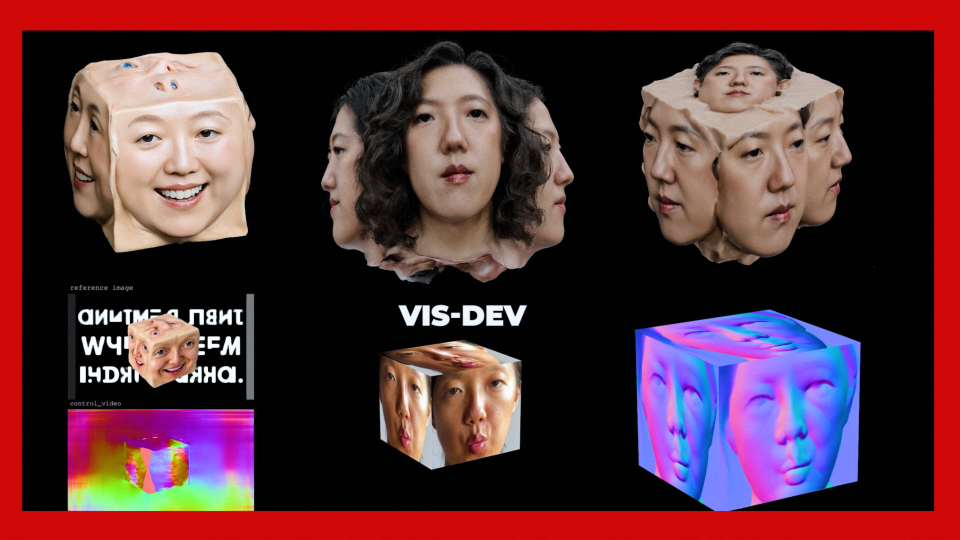
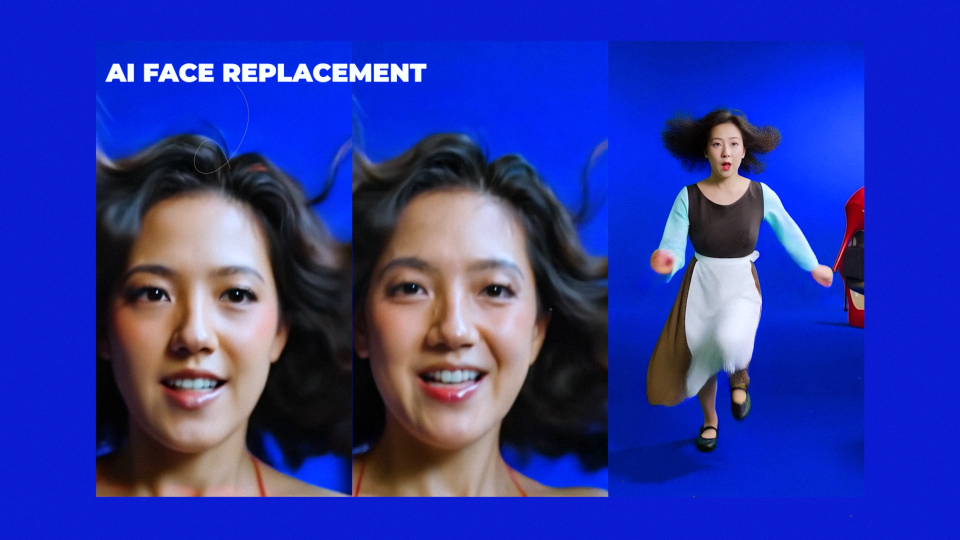
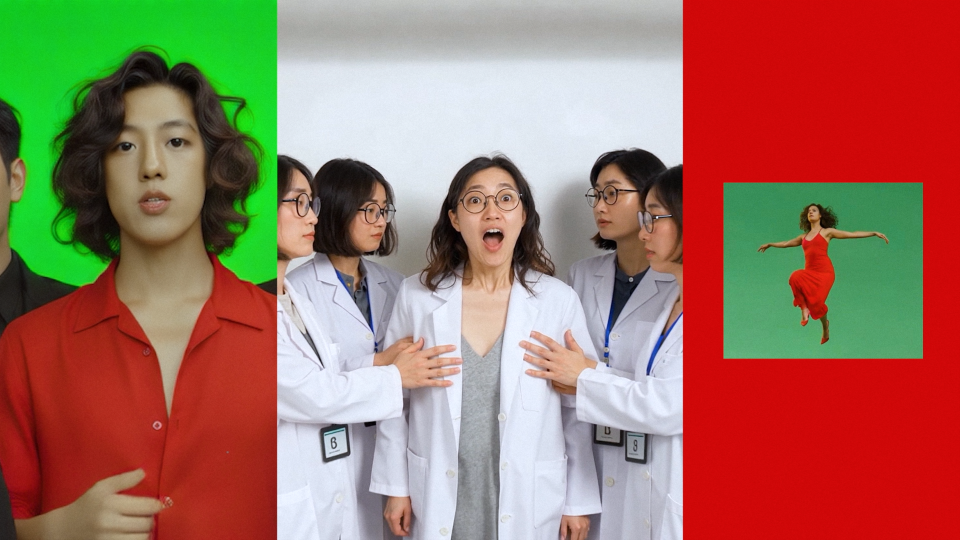
A stable facial model was developed through curated datasets and iterative refinement, enabling controlled variations that aligned with the theme. AI sequences were integrated with Cinema 4D, Redshift and After Effects to maintain lighting, motion and overall continuity. Each shot followed a consistent loop: confirm likeness, apply conceptual distortion, correct drift and composite into the narrative structure. The pipeline prioritised directorial intent first, then technical execution.
Challenges we ran into
The main challenge was achieving controlled distortion without losing the performer’s core identity. Models tended to drift or exaggerate expressions, requiring repeated dataset adjustments and prompt calibration. Maintaining lip-sync, ethnicity-accurate facial structures and shot-to-shot consistency demanded additional manual correction. Integrating AI outputs into a traditional post-production timeline introduced challenges with colour stability and motion alignment.
Accomplishments that we're proud of
We developed a workflow that enables identity manipulation in a concept-driven yet technically stable way. The project shows that generative tools can support clear directorial decisions rather than replace them. The BTS documents this approach as a practical reference for similar work.
What we learned
We refined techniques for stabilising AI-generated likenesses and identified where automation supports conceptual goals and where manual work remains essential. The process clarified how identity-based themes can be developed more effectively through a structured combination of AI and traditional craft.
What's next for Oopsy! Behind the Scenes
Future plans include formalising the identity-modelling workflow and expanding guidelines for dataset design, consistency checks and controlled variation. The next iteration may serve as a technical resource for teams exploring conceptual transformation with AI-assisted production.
Built With
- comfy
- higgsfield
- kling
- krea
- runway
- seedance
- wanai


Log in or sign up for Devpost to join the conversation.