-
-
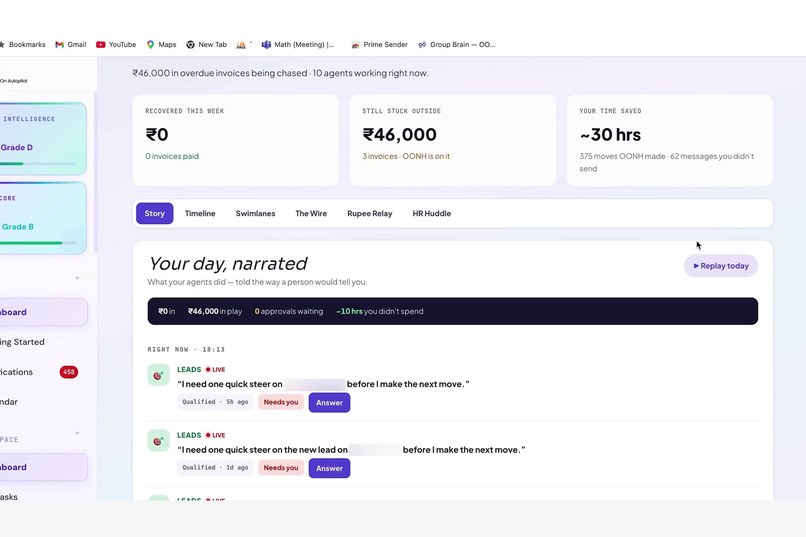
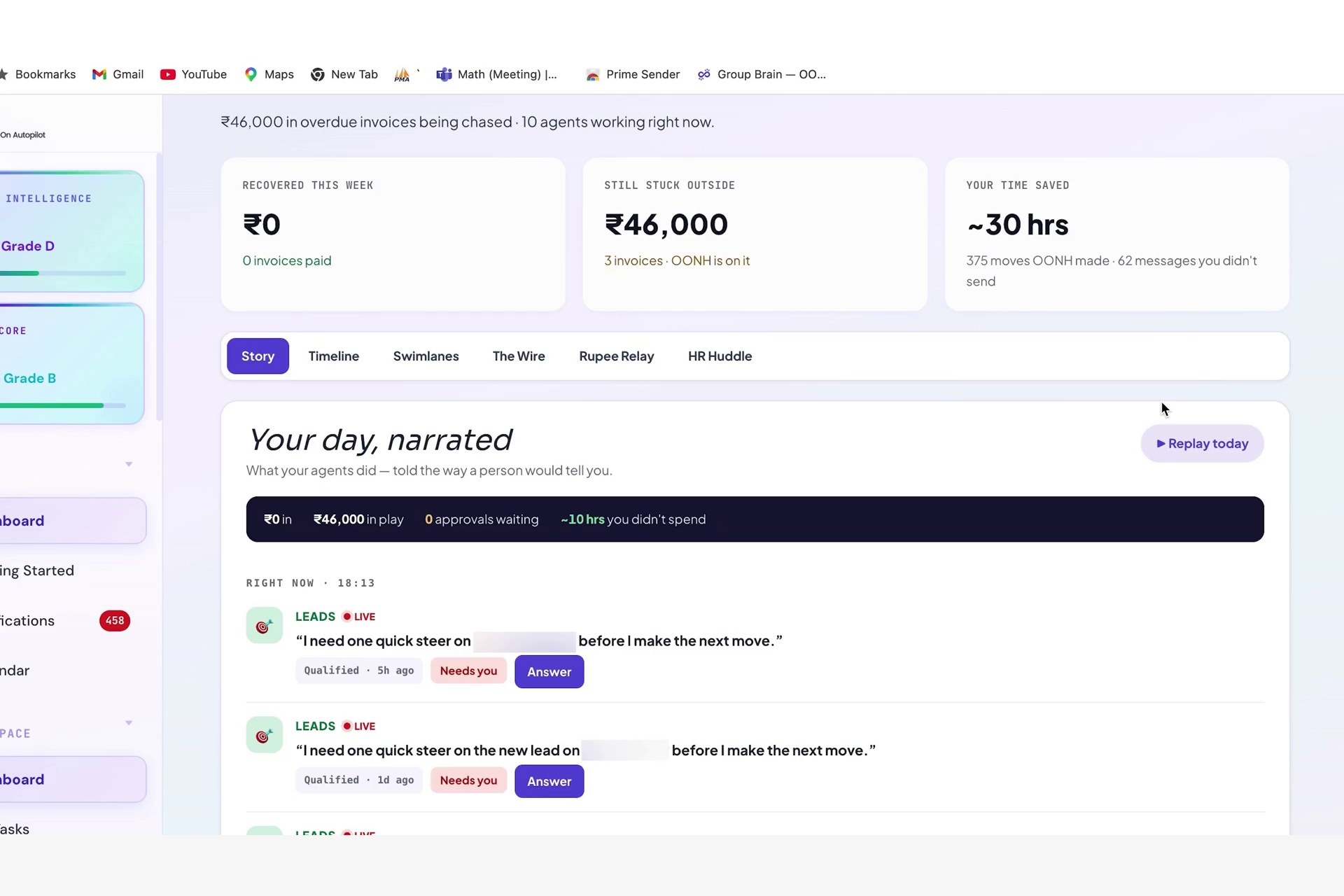
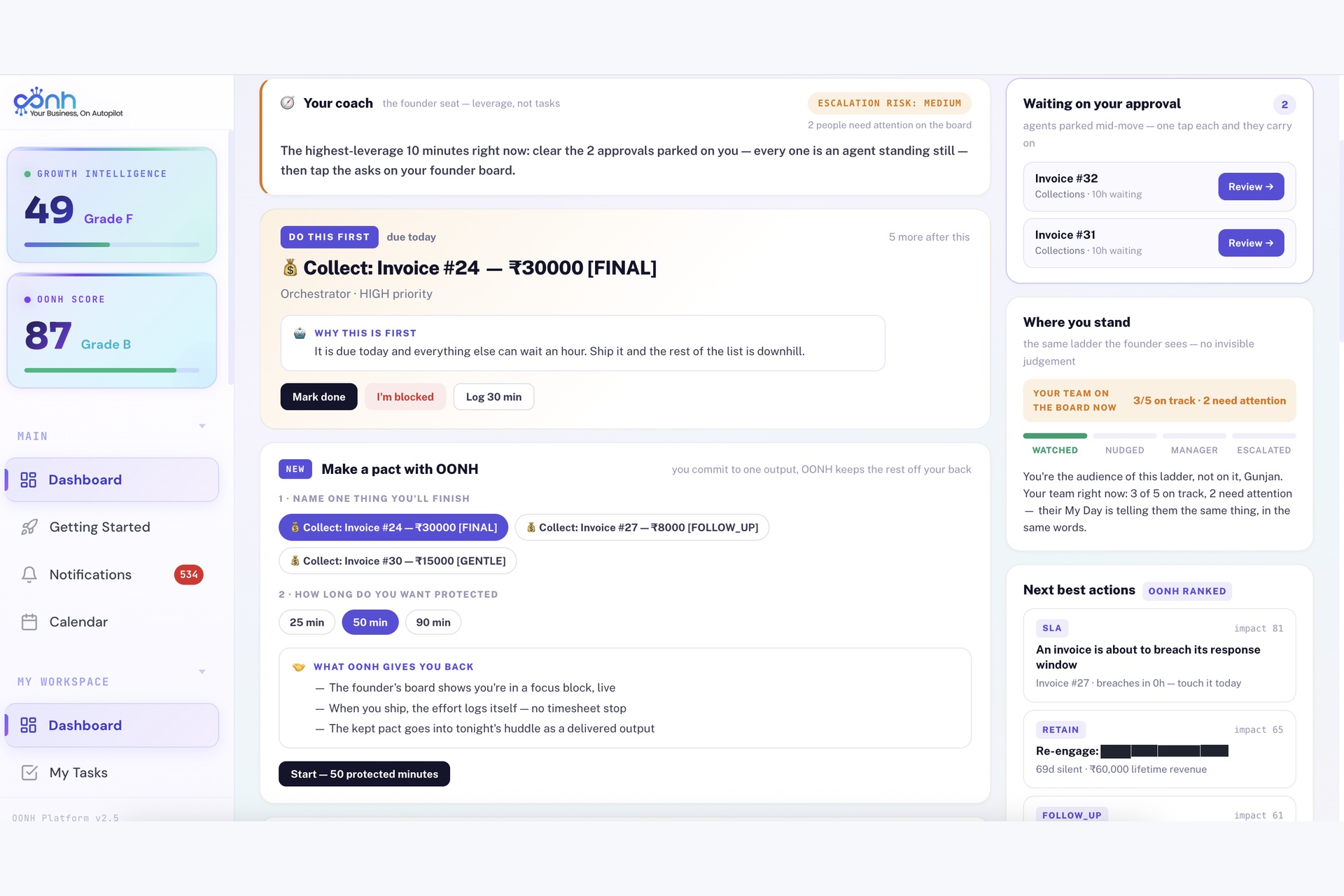
The founder dashboard. ₹46,000 chased by 10 live agents — and ₹0 recovered this week, because we report what happened, not what we tried.
-
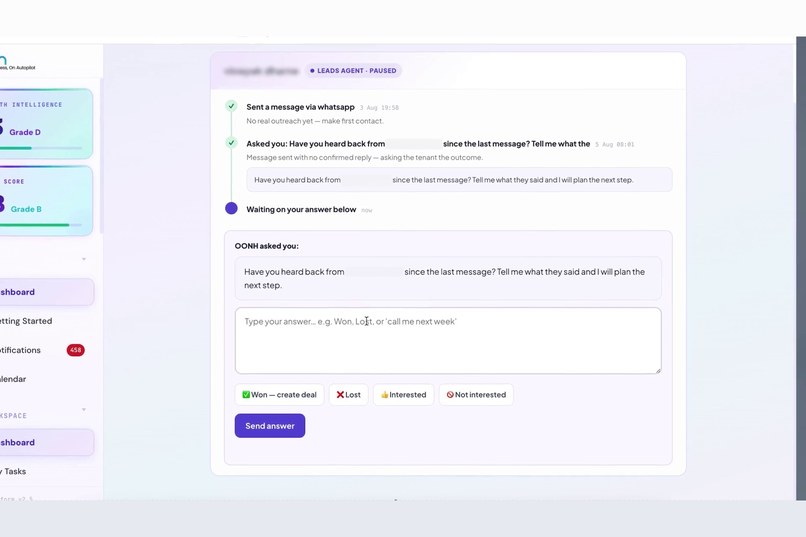
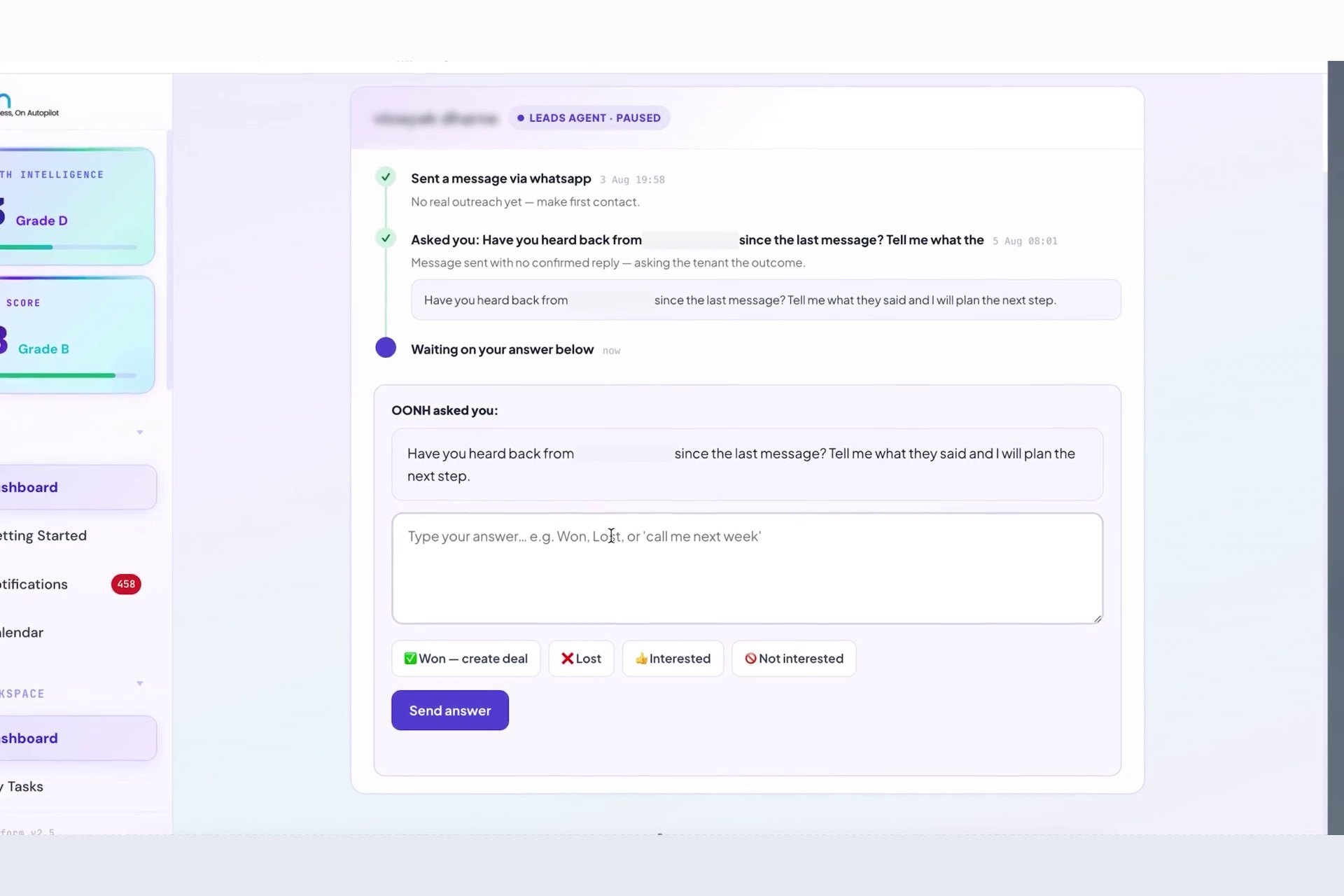
The core of it: after an unanswered follow-up the agent refuses to send another. It stops and asks the owner one question instead.
-
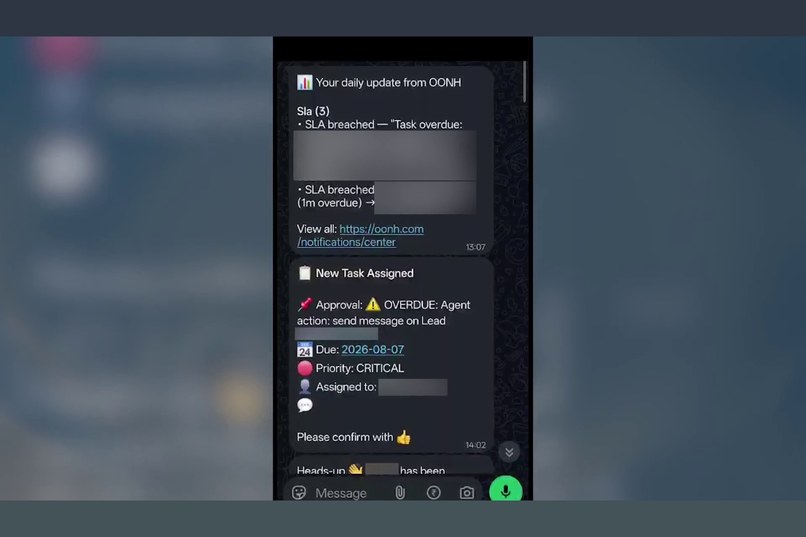
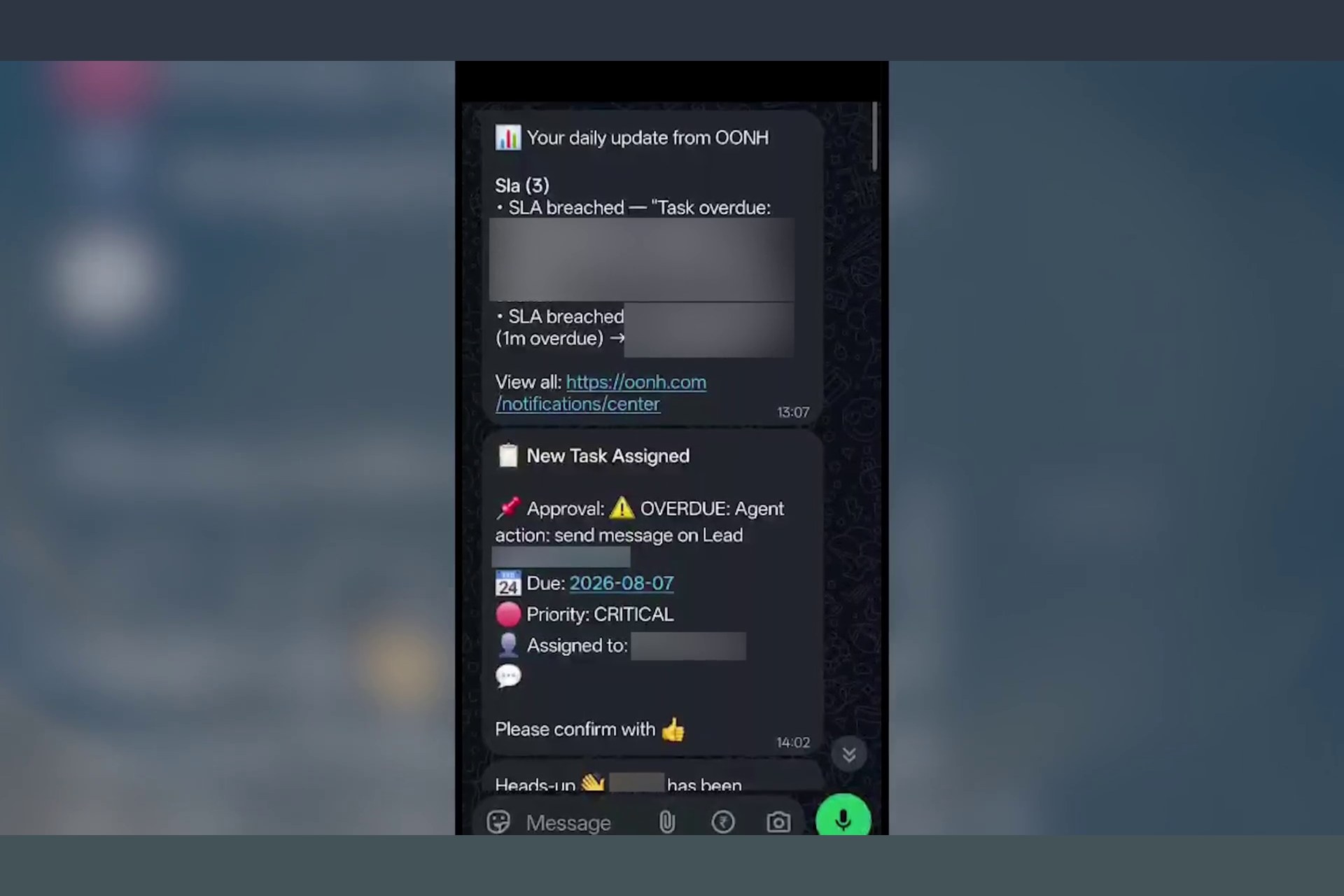
Agent messages going out on WhatsApp — SLA breaches, approvals, nudges. Nobody at the business typed any of them.
-
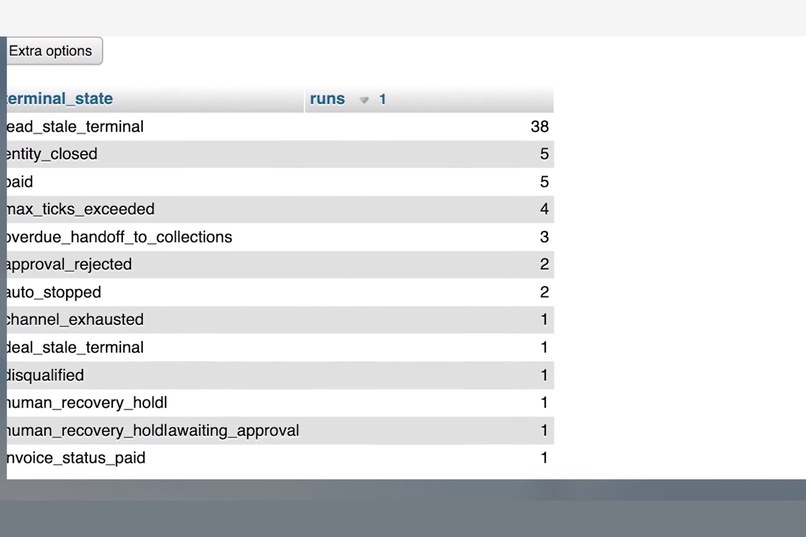
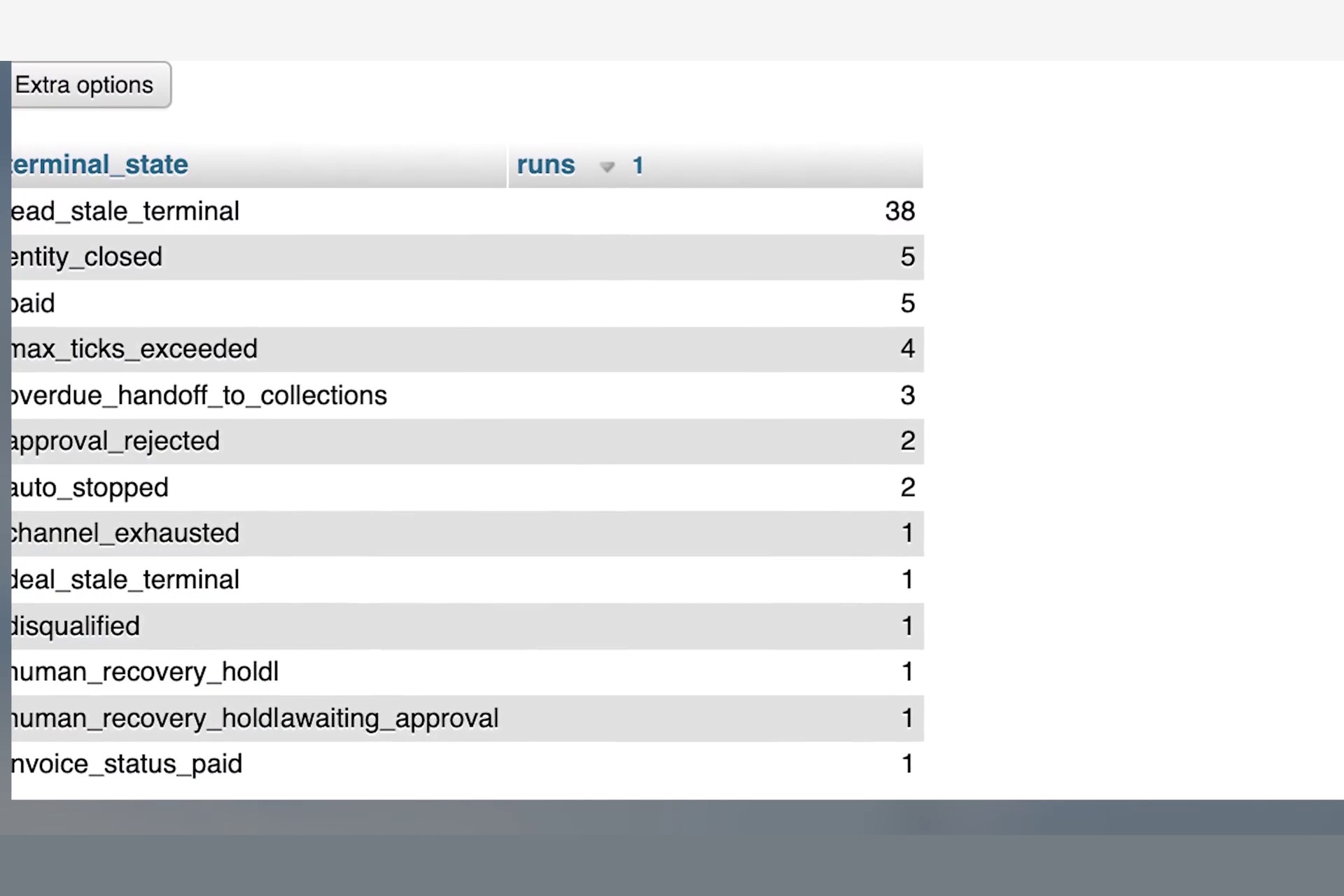
Thirteen distinct terminal states recorded in production. Every agent can say why it stopped, and the reason is queryable.
-
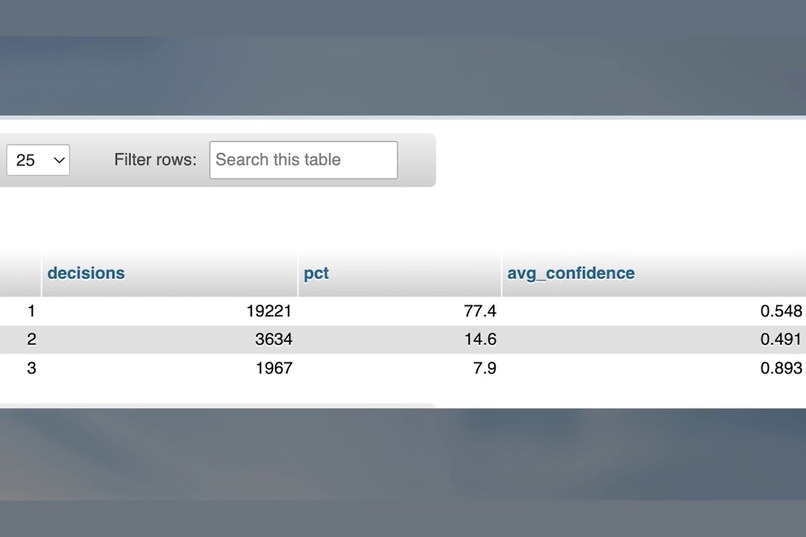
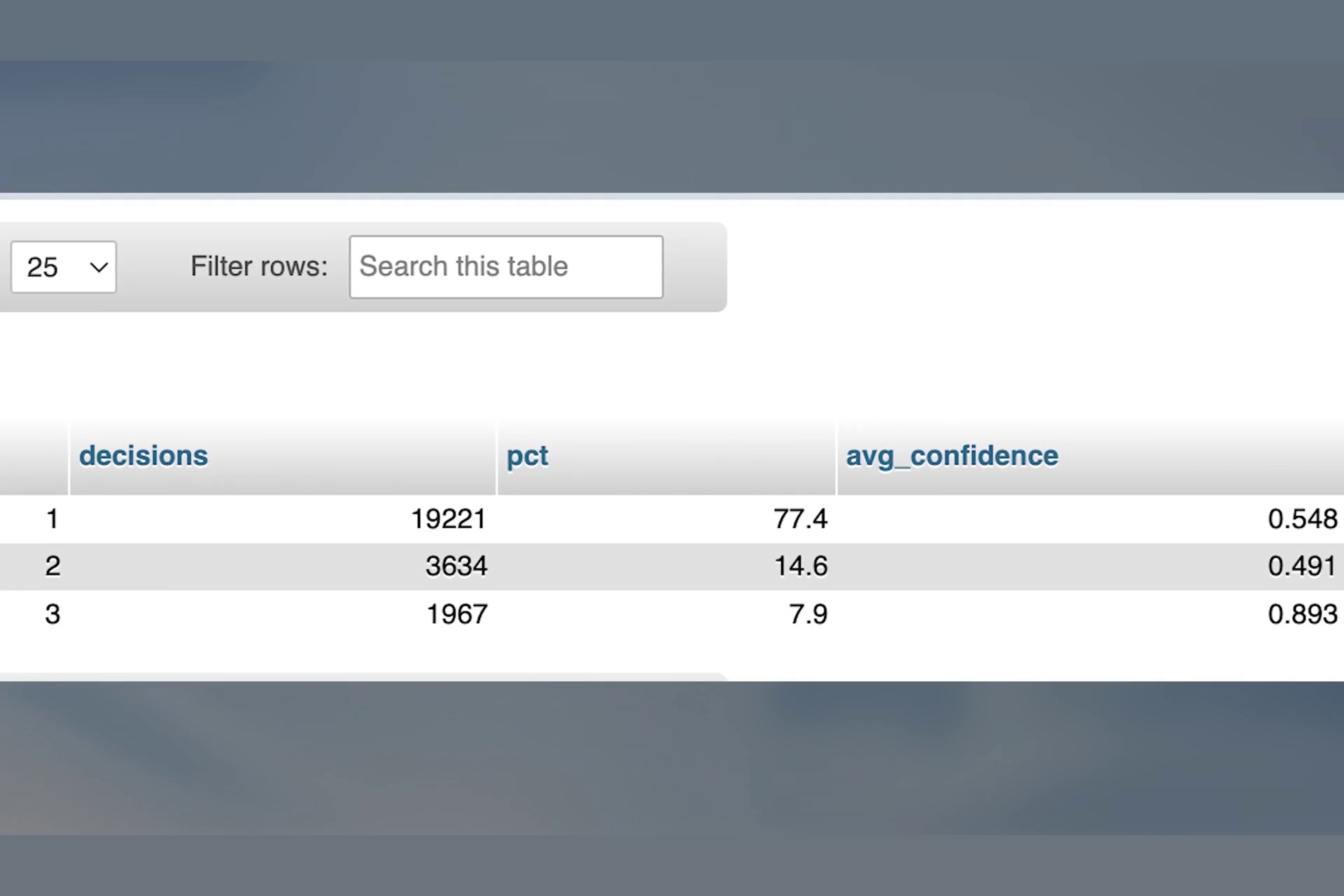
24,822 decisions in 33 days: 77.4% deterministic planners, 14.6% k-NN retrieval, 7.9% Gemini — the tier with the highest confidence.
-
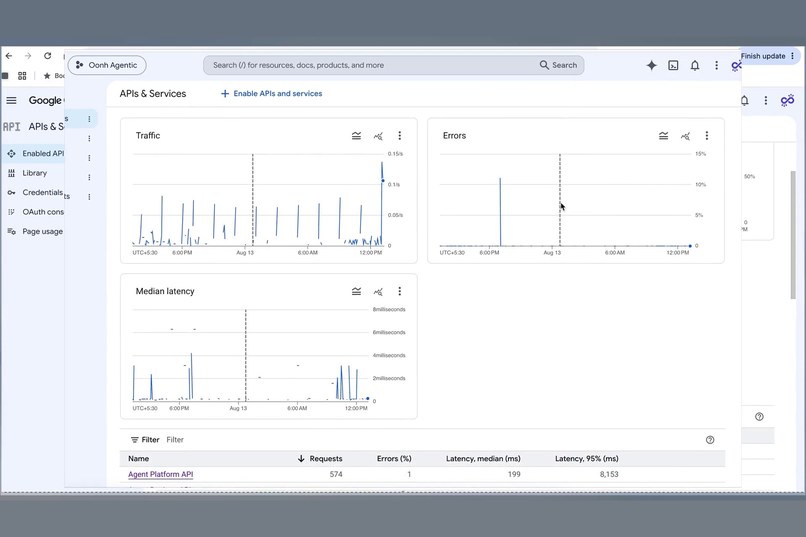
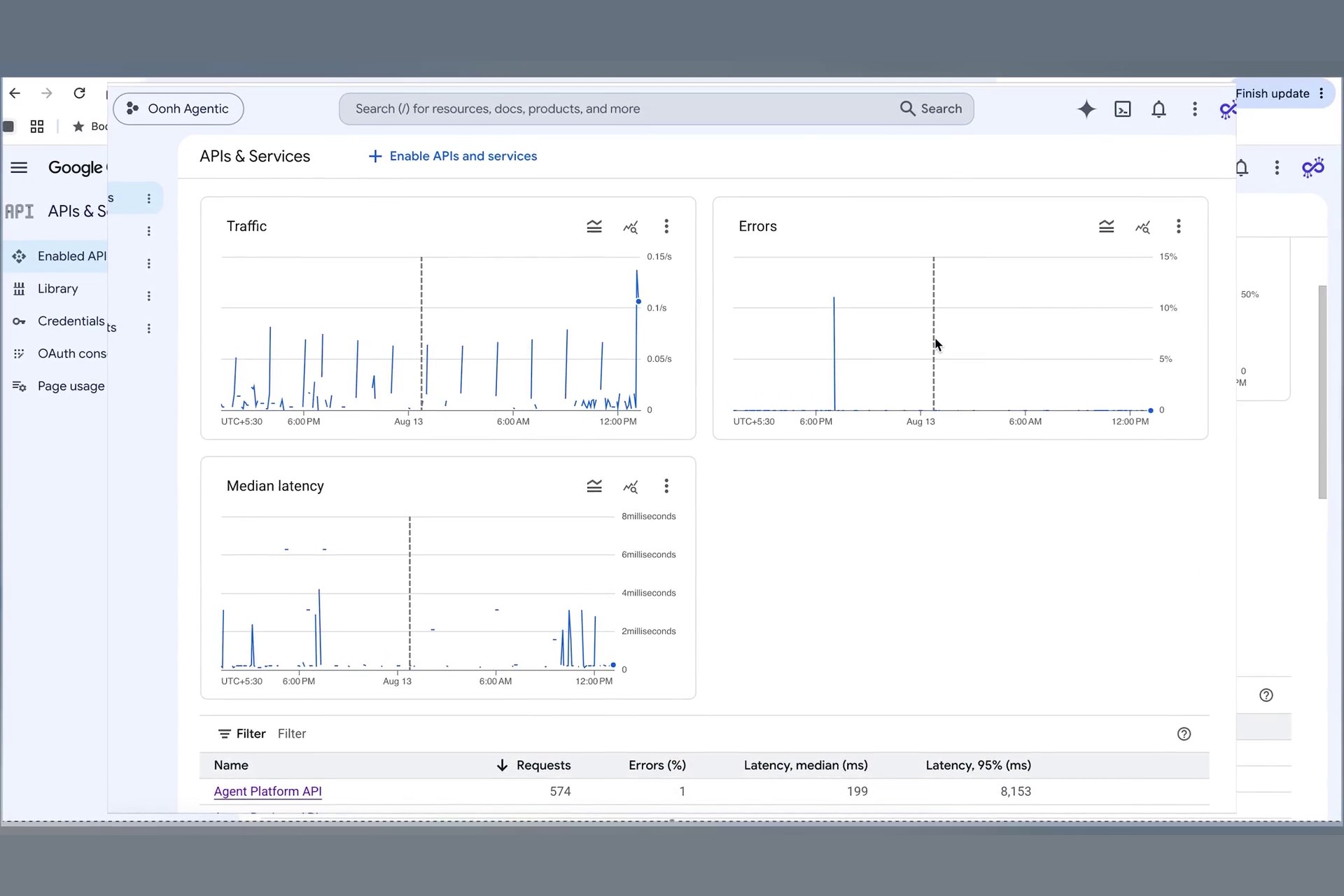
Gemini on Vertex AI, live in production. API traffic from the Google Cloud console, not a demo key.
-
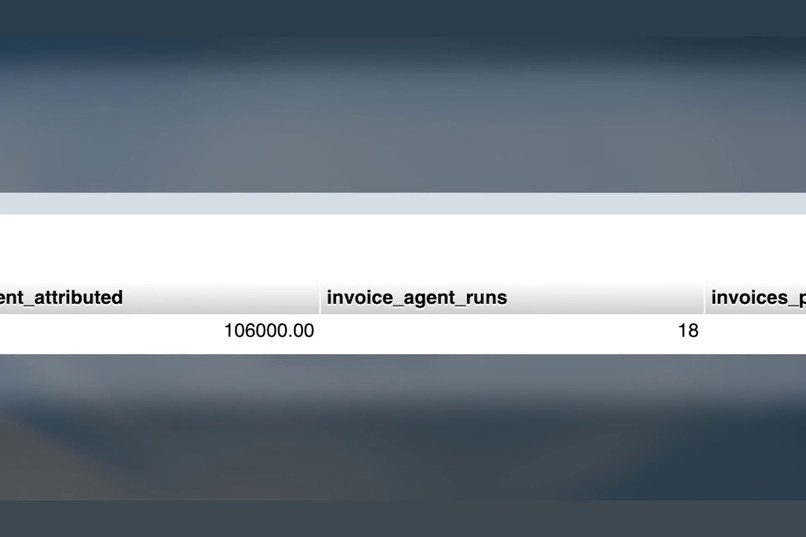
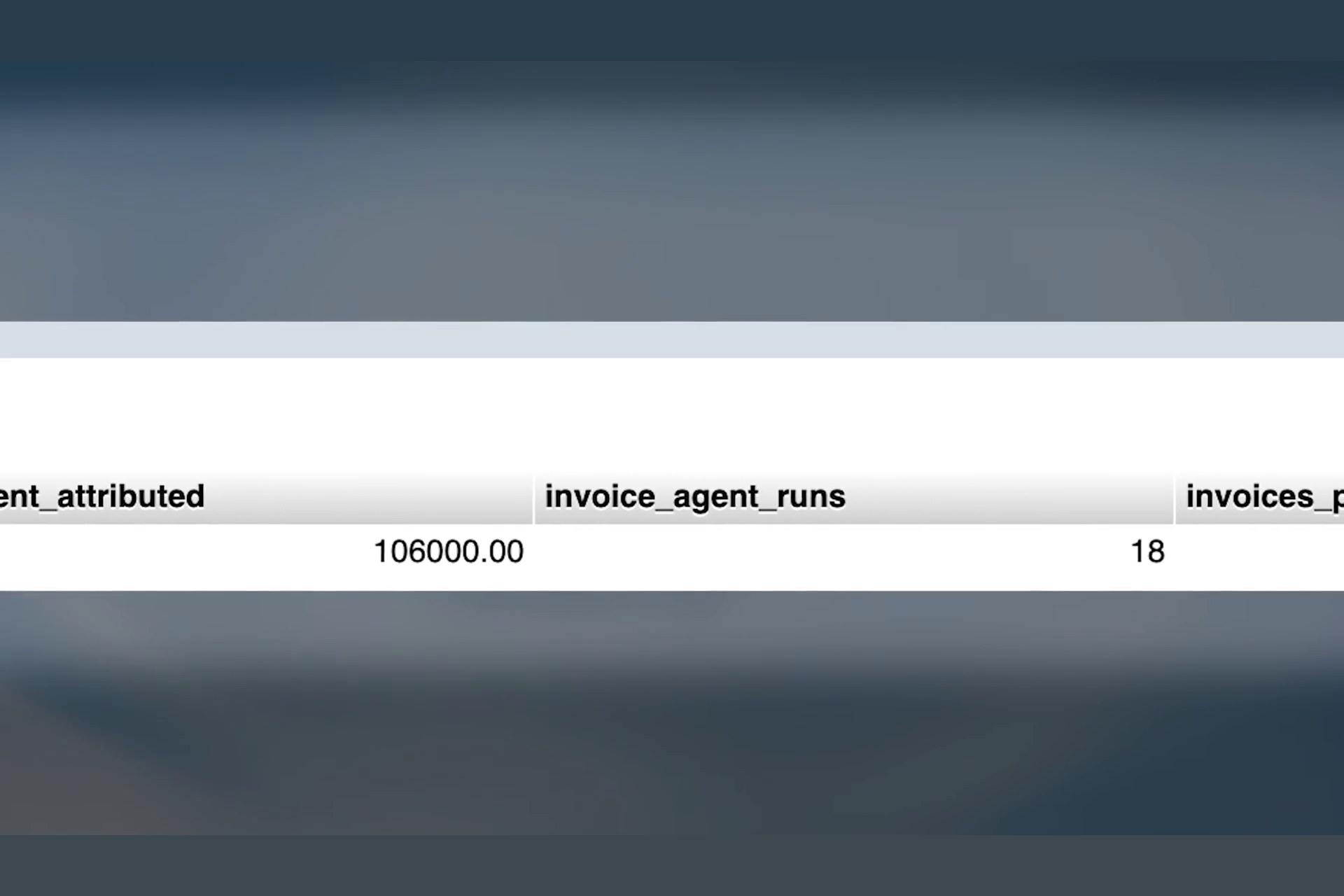
₹1,06,000 collected on invoices an agent worked, across 18 runs — joined record by record, not credited to the software by proximity.
-
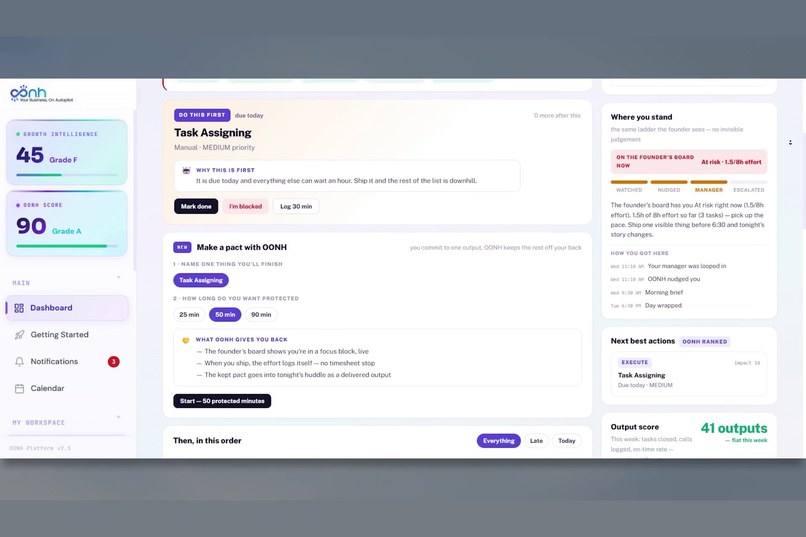
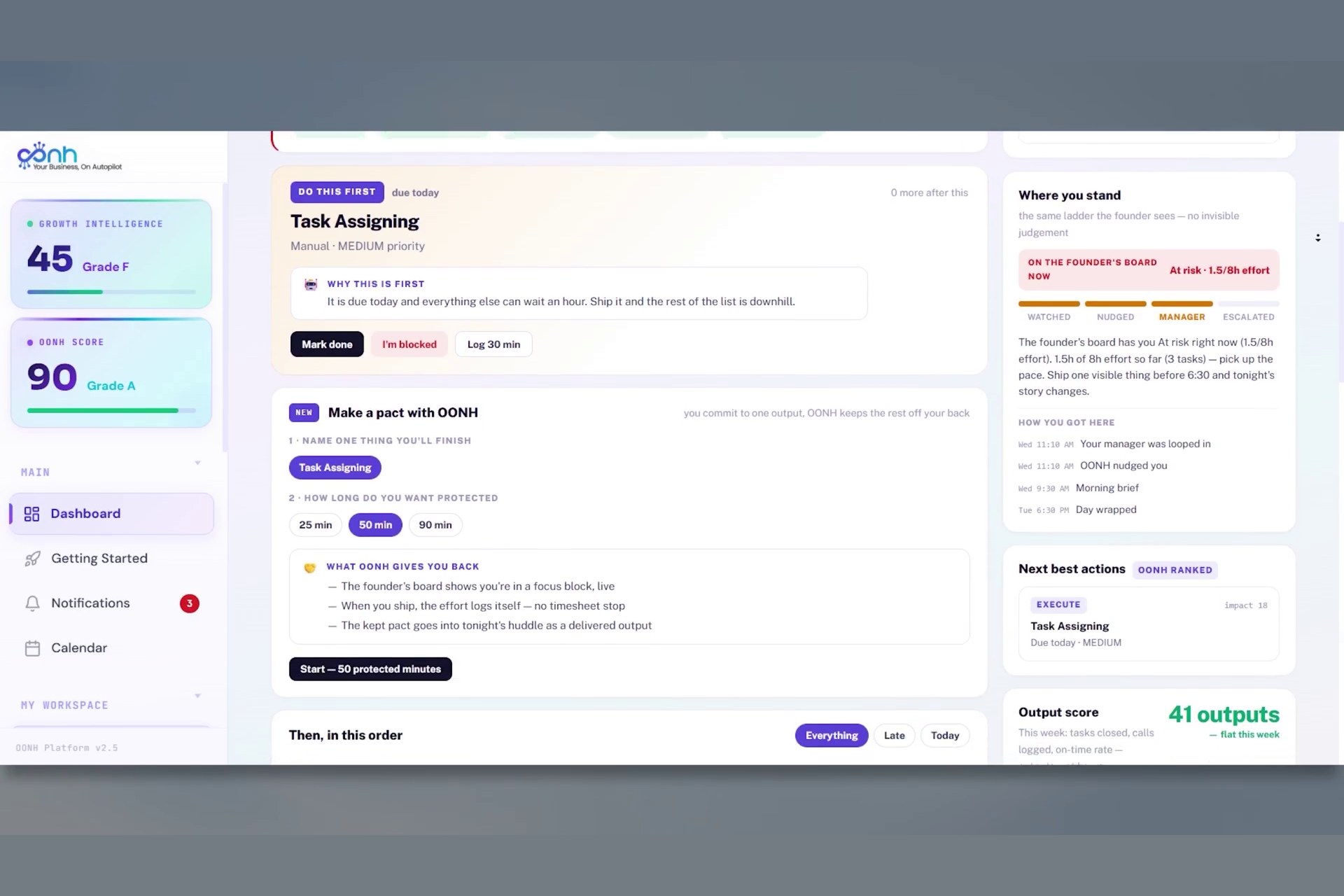
Each employee's own board. Staff see the same escalation ladder the founder sees — the agents track work, not just money.
-
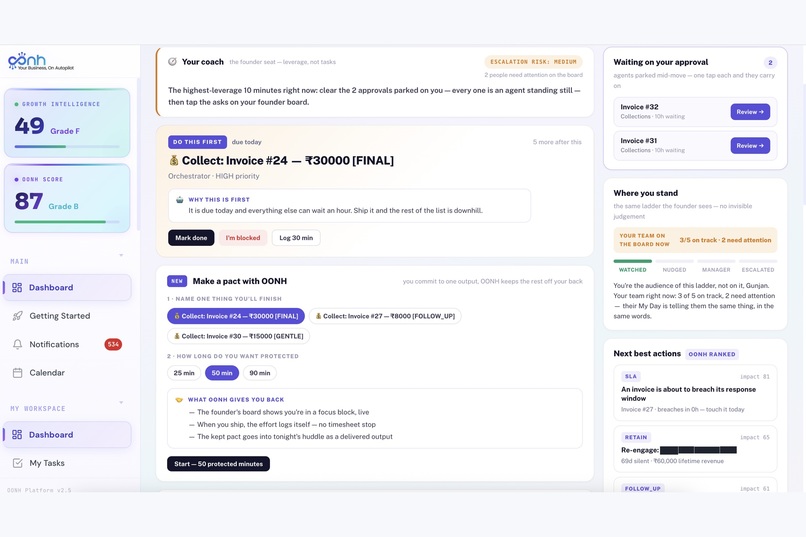
The Orchestrator ranks every open item by impact across collections, SLAs and retention, and explains its ordering to the founder.
-
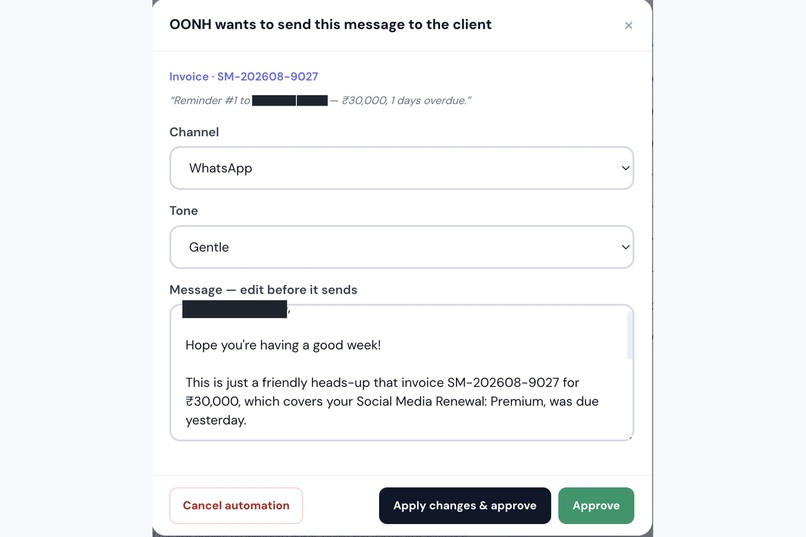
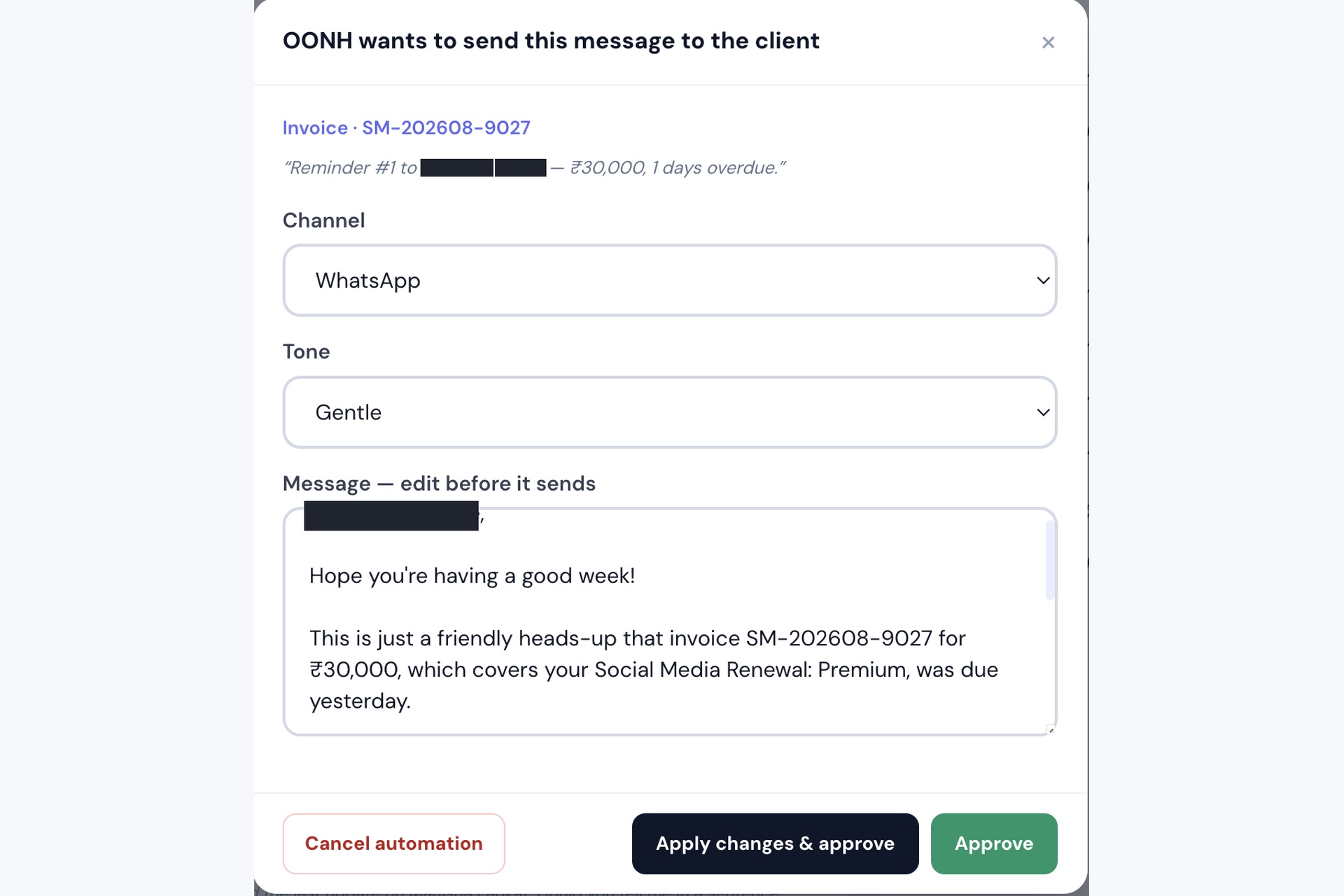
Anything irreversible stops here. Channel, tone and wording are editable; one tap and the agent resumes exactly where it paused.
-
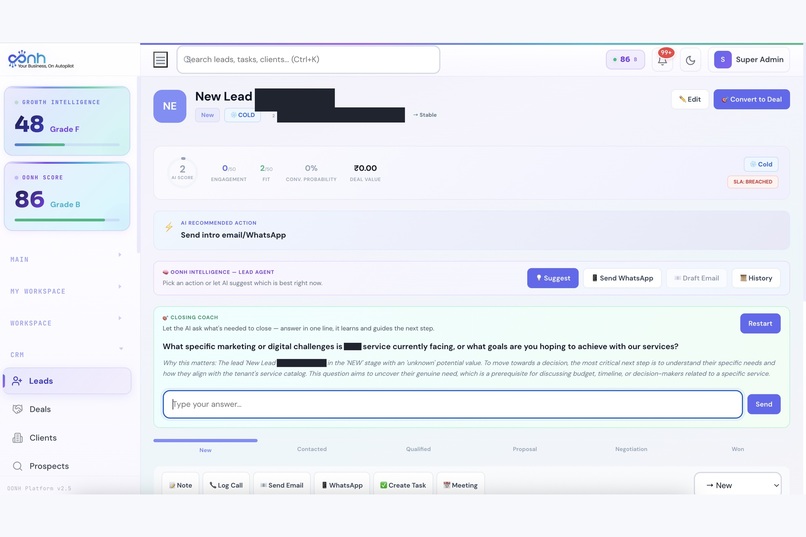
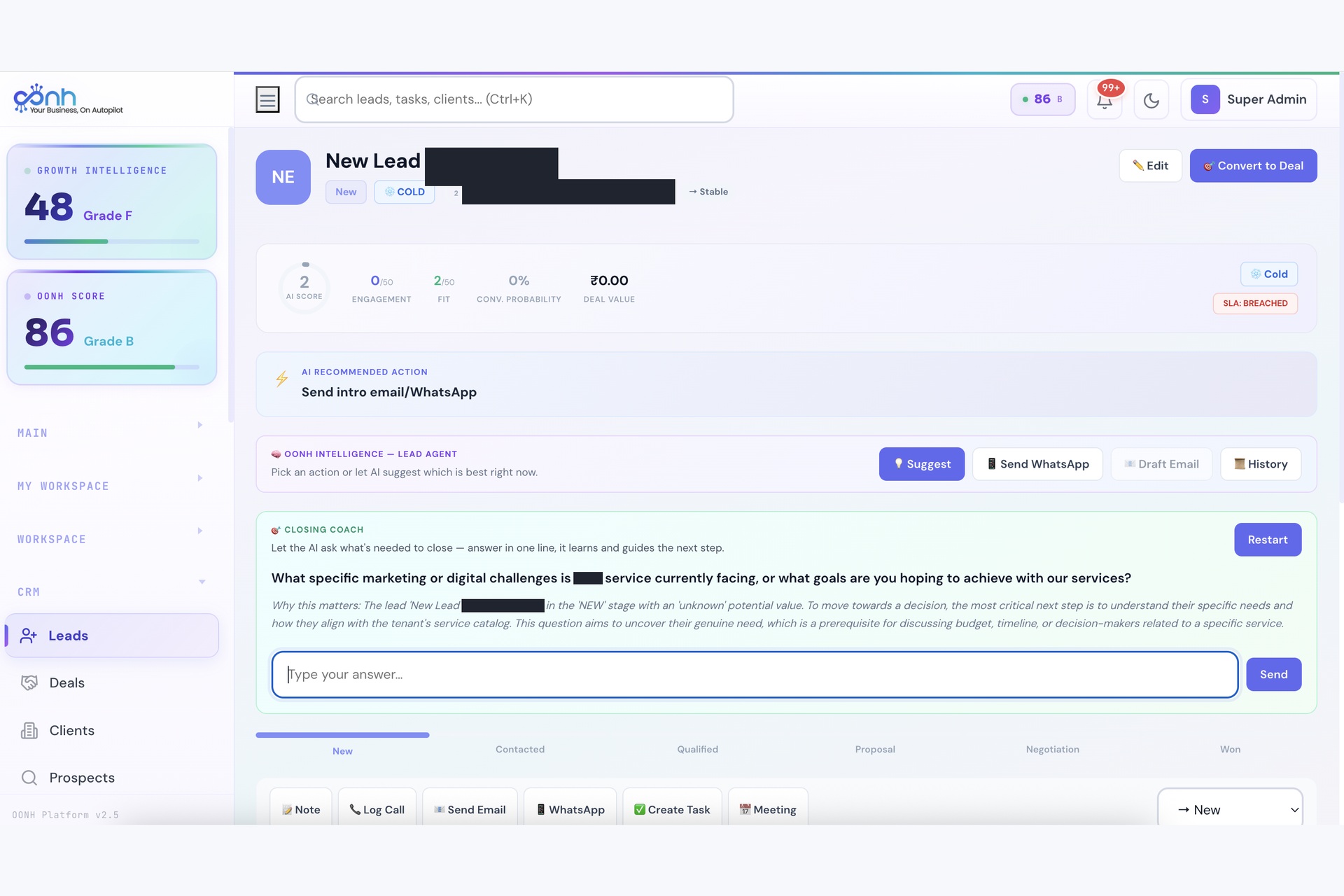
Closing Coach works out what it needs to advance the deal, asks one question, and states why that question comes first.
-
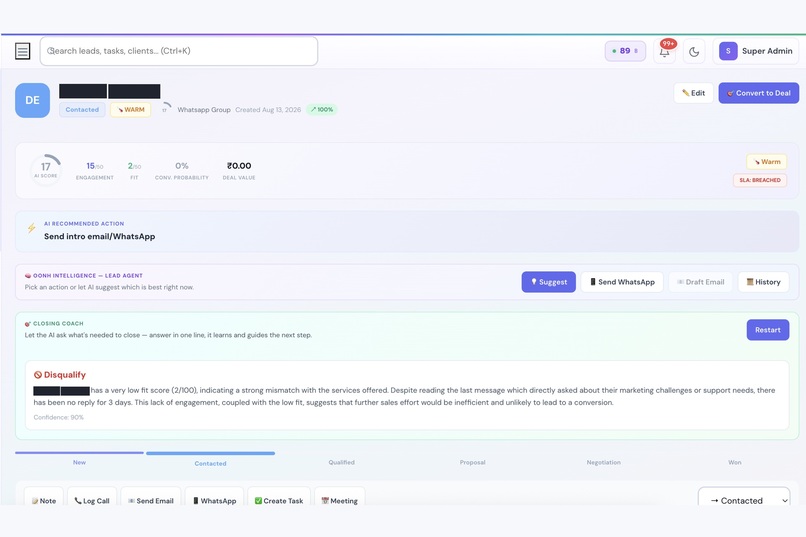
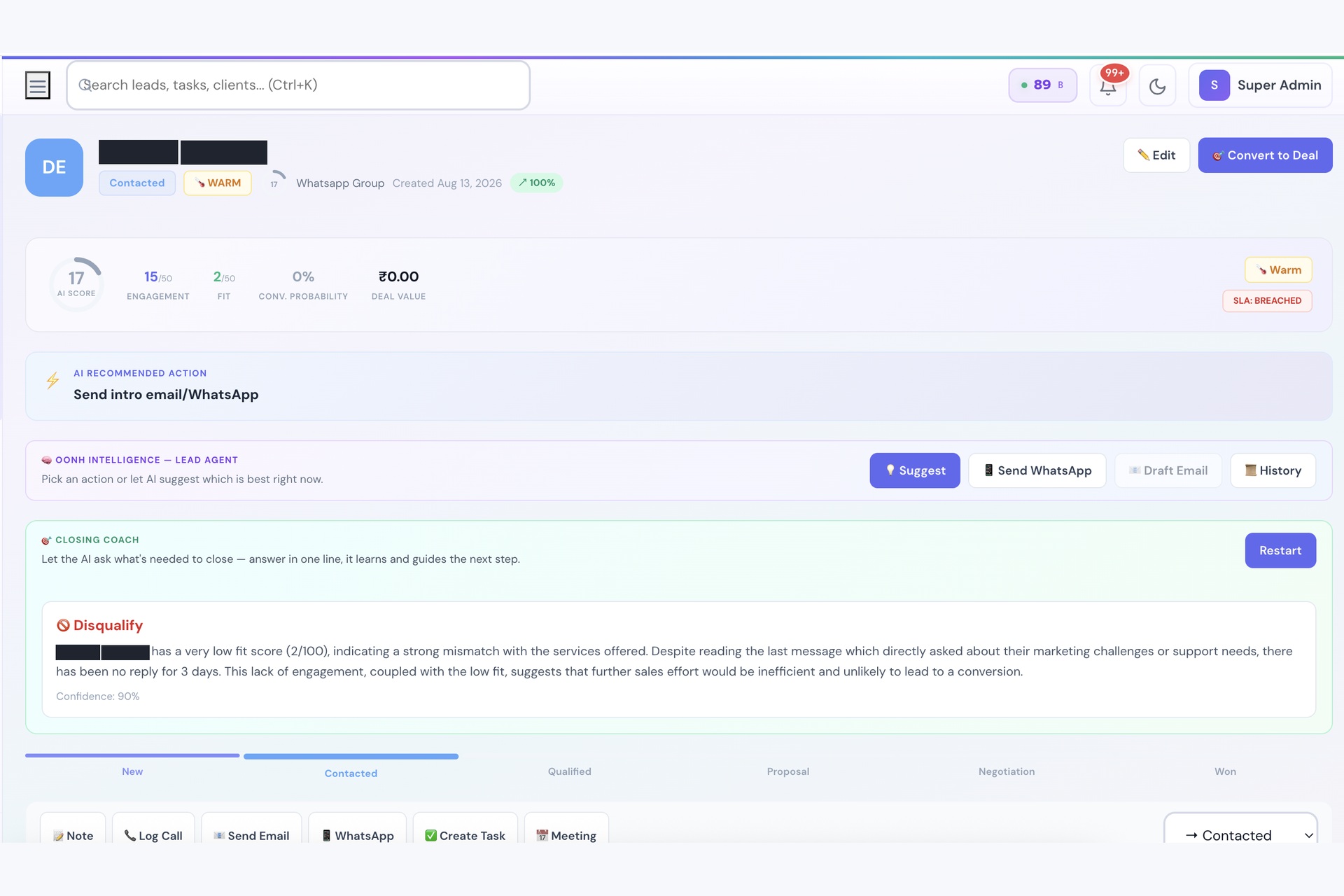
The same coach recommends disqualifying a lead — low fit, three days of silence, its full reasoning and 90% confidence.
Built during the competition window. The platform underneath OONH — logins, accounts, the invoice and the WhatsApp connection — predates 19 May 2026 and is our earlier work. What we built inside the window is the agent layer: the agents, the rules deciding what each does, the approval gates, the interruption model, and the limits on where AI may act.
Inspiration
The twelve-person Pune firm where OONH now runs was owed ₹30,000 (US$314) for 39 days. Nobody refused; chasing it wasn't anyone's job. Someone finally rang, and the client paid that week.
That is normal in India. About ₹10.7 lakh crore — US$112 billion, or 6% of GDP — is owed to small and medium businesses, unpaid. In a ten-person firm the owner is the reminder system, and chasing money loses to real work.
Their existing tools only store information. We wanted software that chases.
What it does
OONH runs the daily admin of small and medium Indian service firms — a CA practice, a small IT company, a marketing agency — inside WhatsApp, where they already are. Nobody installs an app. This is how we use AI daily:
- Deciding what matters. The system ranks everything open — collections, deadlines, leads, clients gone quiet — scores each by impact, and tells the owner what to do first and why.
- Collections. An invoice goes overdue. An agent sends a reminder, then a firmer one, then a third — spaced out, never at night. If all three go unanswered it stops and hands the owner a call plan. A fourth reminder damages the relationship, and no apology fixes it.
- Recovery. The owner calls and types back what the client said; an agent turns it into the next checkpoint and waits.
- Leads. A new enquiry gets a reply within minutes in wording the business approved. Before a deal moves, an agent works out what it does not know, asks the owner one question, and says why it comes first. When a lead is not worth more effort it says so, with reasoning and confidence.
- People. An agent watches whether work is moving and escalates through steps the employee can see, not just the boss.
- Each evening the owner gets five lines: what came in, what went out, who needs help, what needs deciding.
How we built it
In 33 days the system made 24,822 decisions, most never involving AI. 77.4% were settled by fixed rules, 14.6% by matching against what happened before in the same business, and only 7.9% needed Gemini. Gemini runs daily on Vertex AI doing two jobs: writing the words, and finding similar past cases. Every call is grounded: the agent retrieves that business's own history plus the invoice, amount and service in question, so drafts are never generic. It does not choose who is contacted, when, or how often — fixed rules do.
What the AI decides, and what people decide. Agents decide alone: who to contact, when, how often, when to push harder, when to stop. No human approves each step — if one had to, the follow-up would not happen, which is the problem.
People own three things: anything you can't take back, where a message beyond set limits waits for one tap; persuasion, because when reminders stop working a person calls; and correction.
An agent chasing an invoice is mid-conversation with a real person, over days. Stopping it is easy; restarting it is hard — restart carelessly and it re-sends a reminder the client already got. So every pause is tagged with the one thing that can restart it, and there are thirteen recorded reasons an agent stops. The owner can step in halfway, correct it, and let it carry on.
Challenges we ran into
We began by letting the model decide and watched it fail: it apologised to a real client because it had no context. Our checks tested that text existed, not that it was safe to send.
Our worst bug was invisible. A quota caps our embedding calls at five a minute while our cycle fires twenty-eight, so most searches were throttled — a log setting was discarding the warnings while a silent fallback succeeded by writing numbers of the wrong size. Making that failure loud is how we found it.
Accomplishments that we're proud of
₹1,06,000 (US$1,110) has been collected on invoices an agent worked, across 18 runs. Every rupee is joined record by record to the run that chased it, not credited to the software for being switched on. Total collections were higher, at ₹4,13,880; we report the smaller figure because it is the one we can defend line by line.
Our first paying customer onboarded and paid ₹16,500 (US$172.84), received 6 August, traceable to one bank credit. No revenue from anyone connected to us.
What we learned
Being AI-native does not mean the model decides. The agents are fully autonomous; what changed is which part decides. Every safety rule exists because something went wrong first, each with a written root cause behind it.
What's next for OONH — AI agents that run small business operations
Category impact — Small Business Services. Big companies hire someone to make sure nothing is forgotten; smaller ones can't. A ten-person practice cannot justify ₹12,000–18,000 (US$126–189) a month for a job that is mostly remembering, but can afford ₹4,999 (US$52) for software that remembers and acts. Money three weeks earlier pays suppliers and funds the next hire.
Jobs and opportunities beyond our team. That Pune firm is Nspiresoft LLP, a separate company under the same ownership as OONH LLP, using OONH free as a design partner, non-revenue. Its twelve people each get a daily board: what's due, what's late, what moved after a nudge. OONH does not replace the office administrator — it changes what that person does, and we claim no job cuts we have not seen. Growth is limited by onboarding, not compute: 10 customers to 100 roughly quadruples infrastructure while revenue rises tenfold. Growth needs people, not servers — local partners in four Maharashtra cities who onboard businesses and tune the agents for Marathi and Hindi.
Built With
- ai-agents
- codeigniter
- cron
- embeddings
- gemini
- gemini-embedding-001
- google-cloud
- javascript
- llm
- mariadb
- multi-tenant
- node.js
- php
- rag
- razorpay
- rest-api
- state-machines
- vector-search
- vertex-ai
- webhooks
- whatsapp-business-api


Log in or sign up for Devpost to join the conversation.