-
-
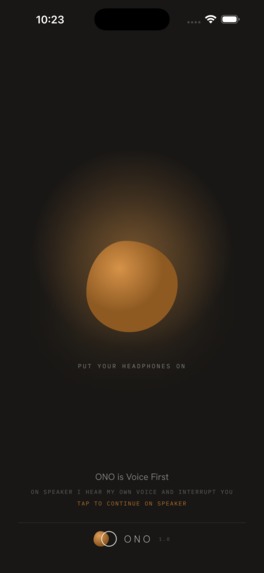
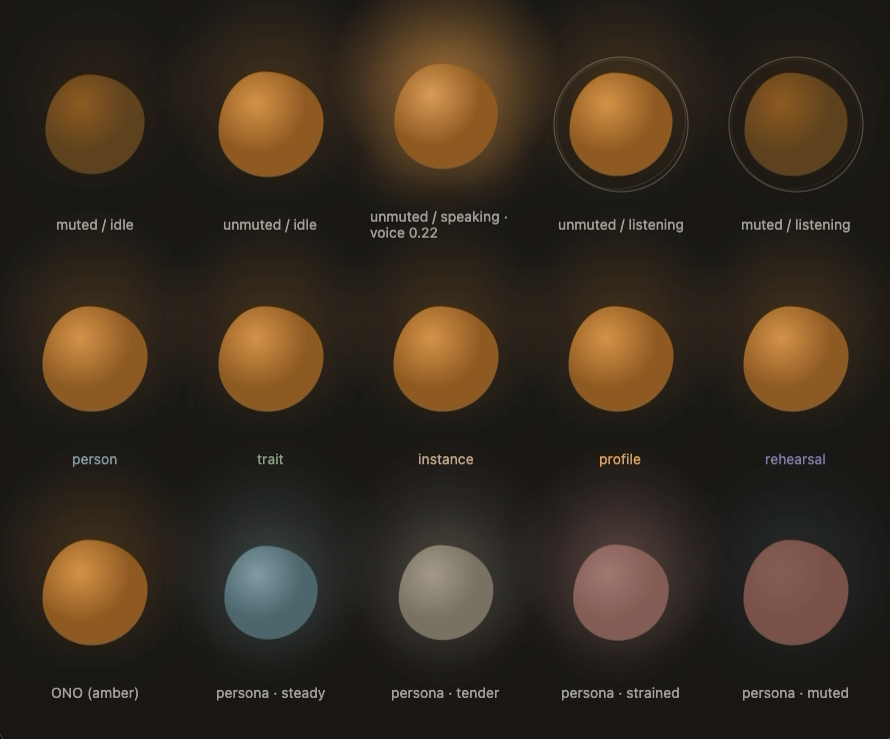
ONO the Orb, reflects the user who is not yet perfect
-
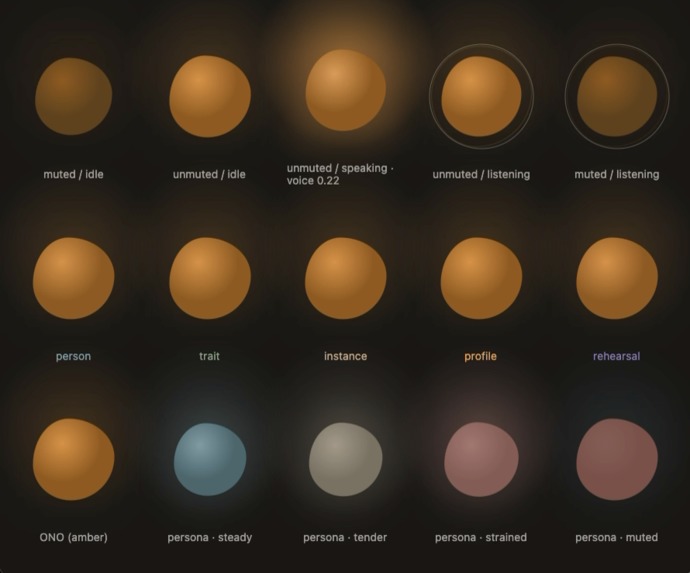
Different states of ONO orb, which makes the orb responsive and human like
-
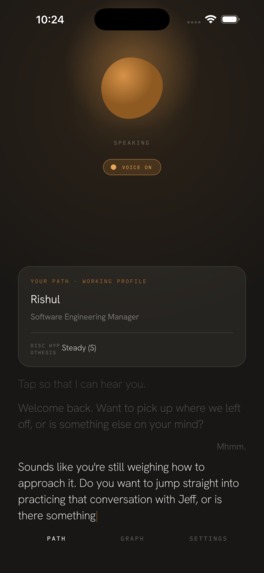
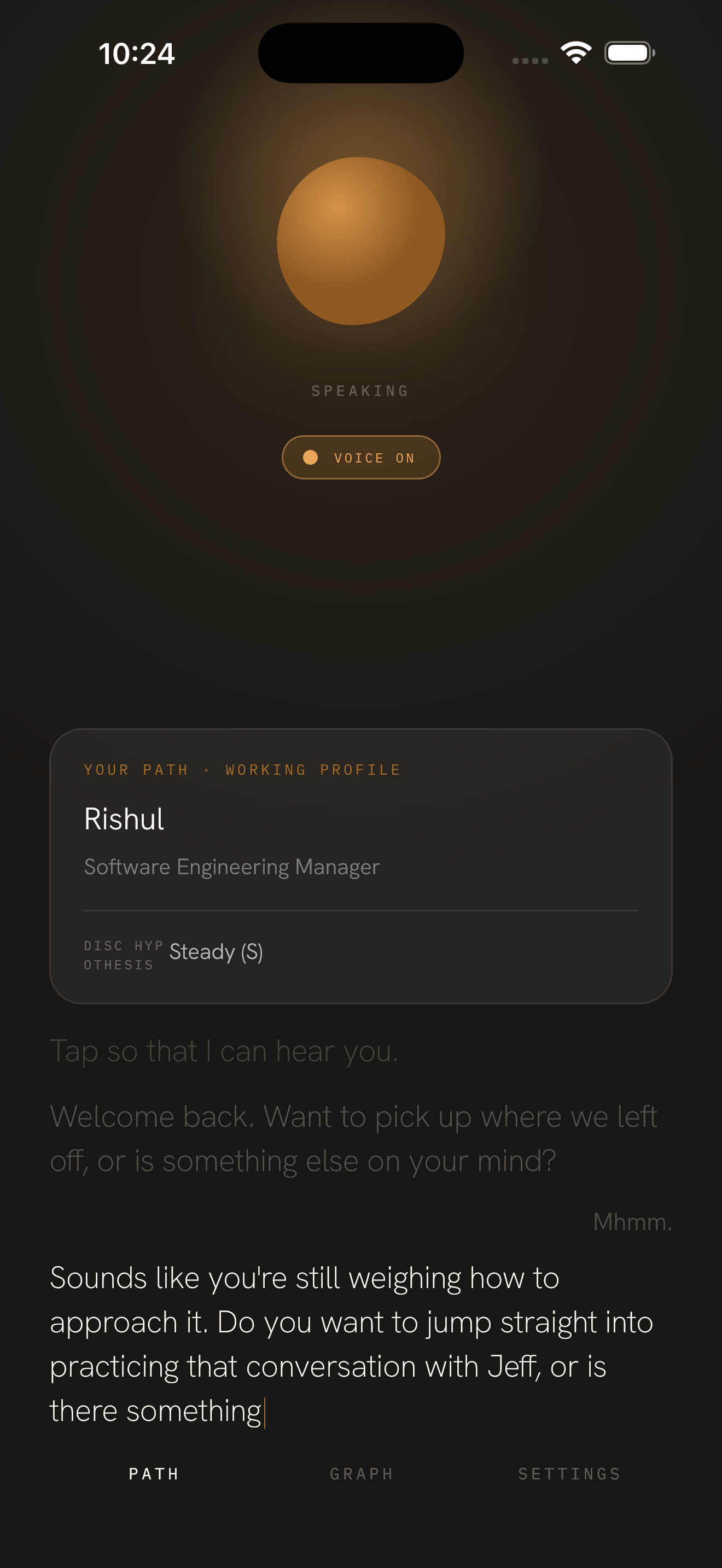
Conversation with ONO and character profiling
-
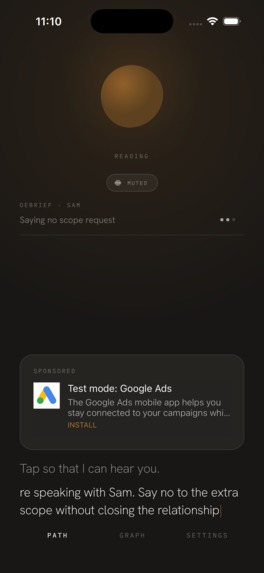
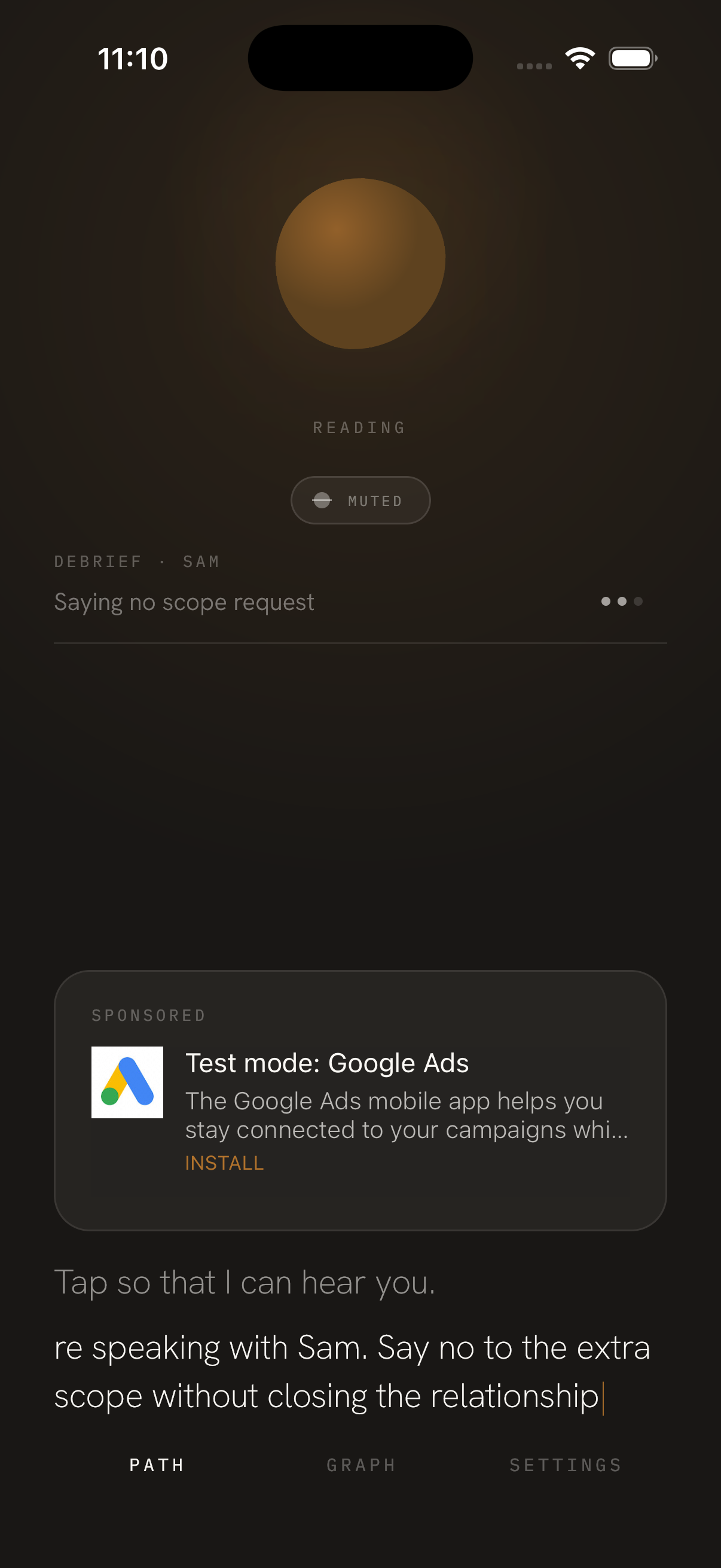
Voice First design enables us to render Ad while keeping the app fully functional.
-
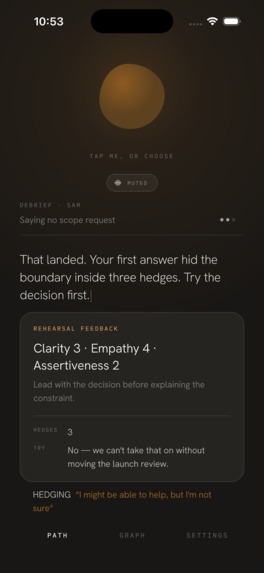
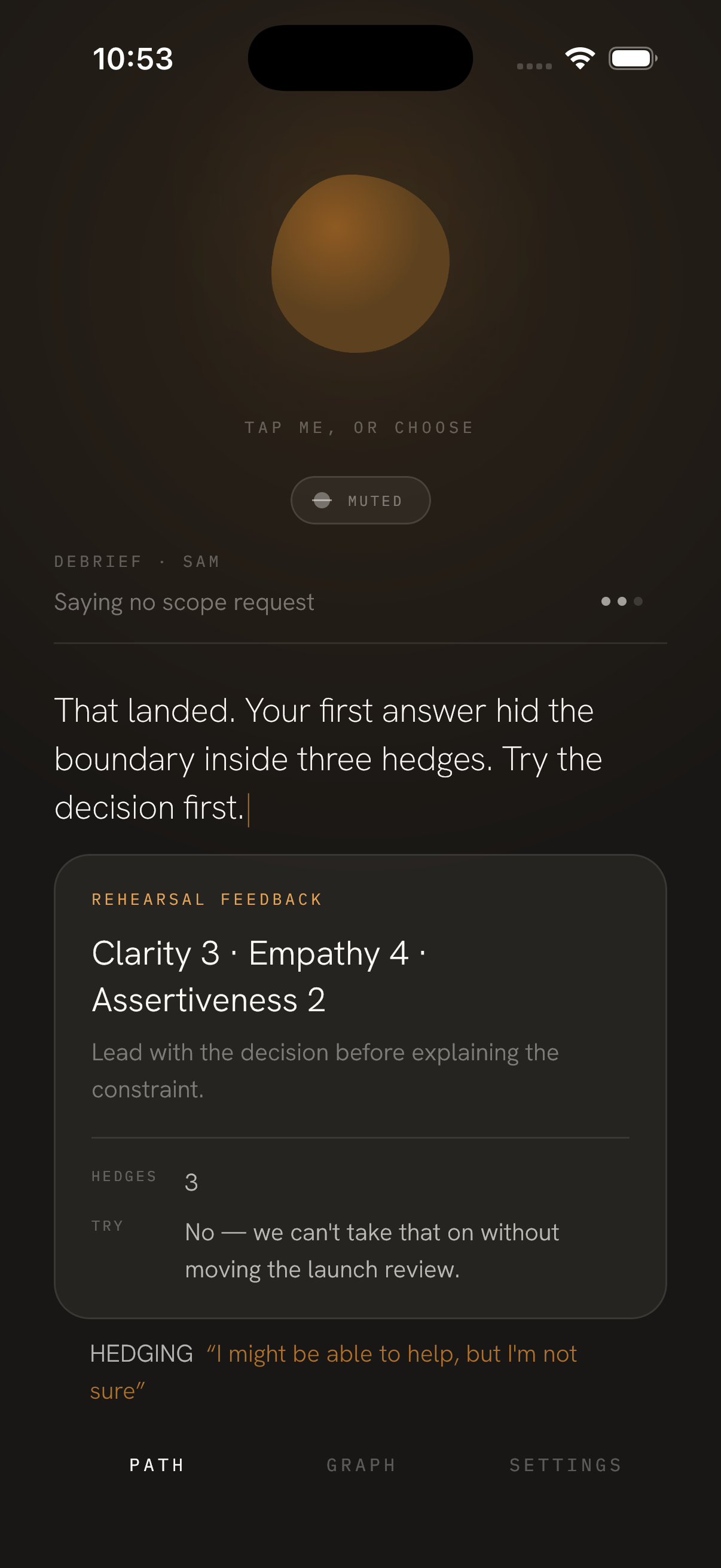
Rehersal review
-
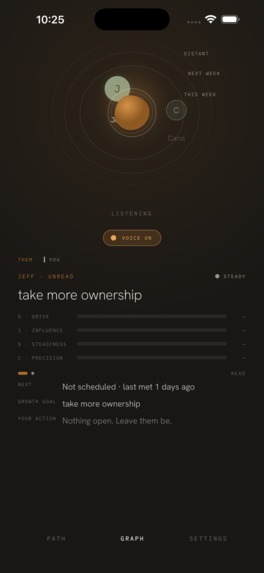
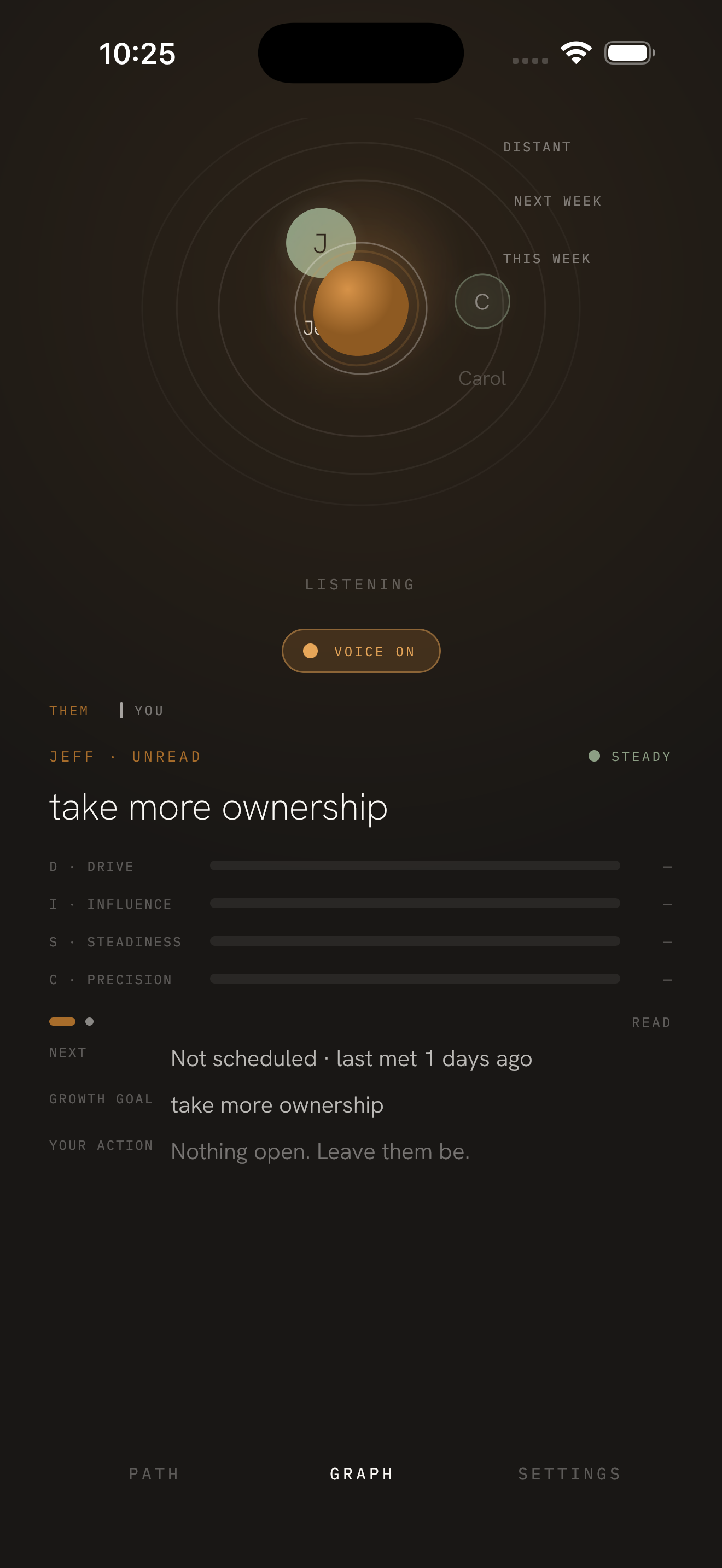
DISC profile of a reporter and the Graph view to track which 1:1 is coming up next
-
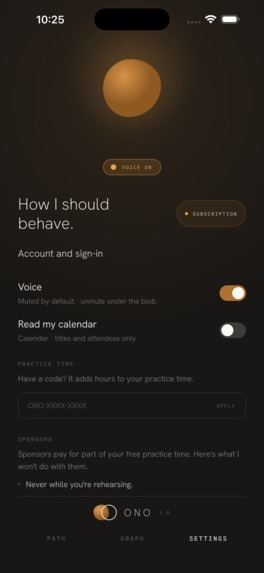
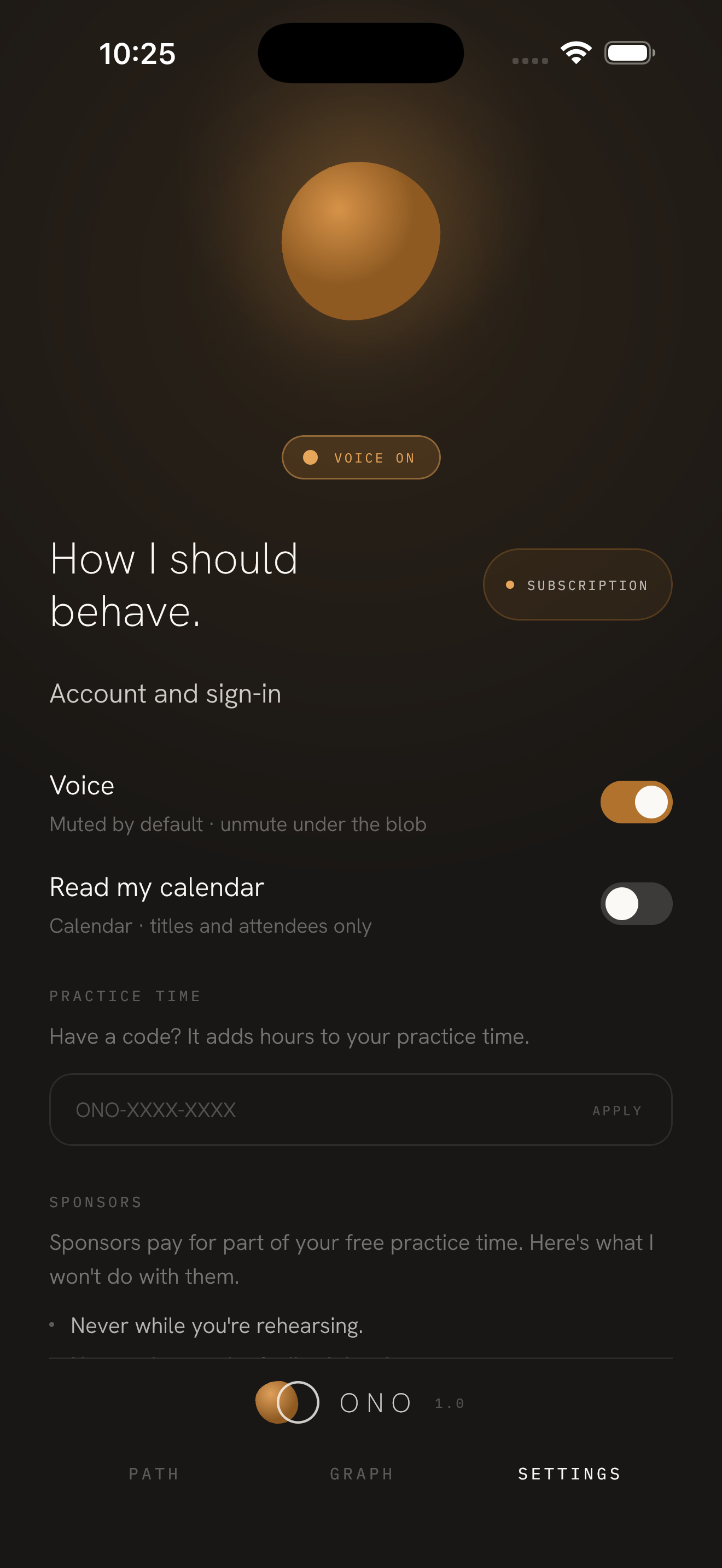
Settings
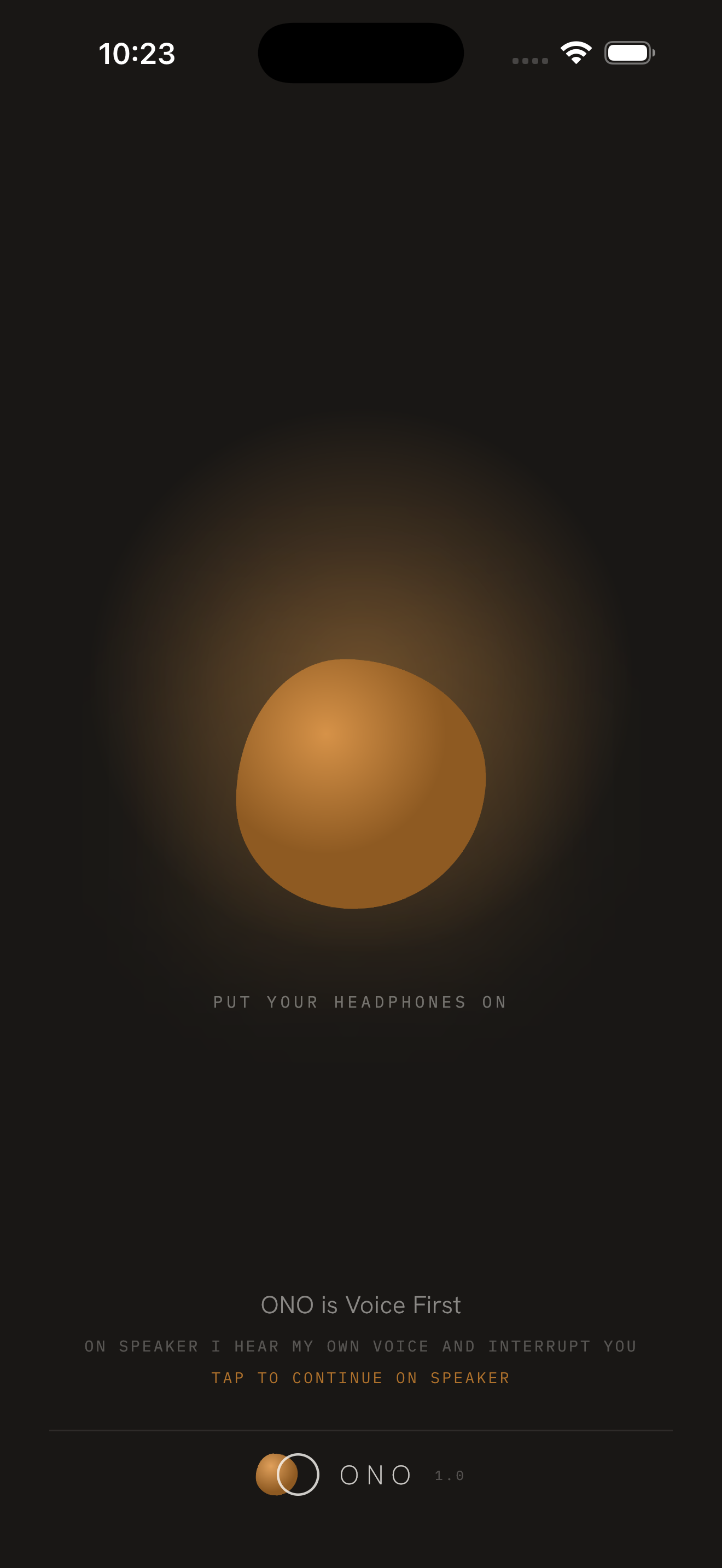
ONO is voice-first by design. Please use headphones while testing.
Inspiration
I'm an individual-contributor software developer. Recently, unplanned circumstances left my team without a manager, and I stepped in to hold regular one-on-ones with 7 developers and help keep team morale high. I realised how challenging, and how important, it is to make those conversations meaningful. Knowing what I wanted to say was one thing; finding the right words, listening well and responding in the moment was another. ONO grew out of that experience: a place to talk things through and practise before a real conversation.
The other inspiration was more unexpected. My wife and I fell in love with Rocky in the movie Project Hail Mary. It made me think about how voice and prosody, the expression of thought and emotion, reactions through colour, and visuals through animation can come together to create a strong human bond. That curiosity sent me down a rabbit hole into the basics of linguistics, speech and human psychology.
We spent the majority of our time researching and designing the elements that could help people build trust and a bond with ONO. That is why the product is voice-first by design: speaking, listening, pauses and responses are part of the interface, alongside the orb's colour, movement, halo and bloom. We wanted the experience to feel approachable enough for someone to work through a conversation they were finding difficult.
What it does
ONO is a voice-first leadership coach. You can talk through a situation, build context about the people involved, rehearse a difficult conversation and reflect on what you might say differently.
- Talk it through. Start with the situation in your own words. ONO asks questions and helps you work towards the next useful step.
- Keep the people in context. The Graph brings together the people, commitments and conversations you choose to discuss. DISC-informed working profiles show the evidence behind an interpretation so you can review and correct it.
- Rehearse out loud. With enough context, ONO can play the other person. Try an opening, respond to resistance, pause the rehearsal and work through a debrief.
- Follow through. Contextual prompts and action items help connect a conversation to what happens next.
The orb is the centre of the experience. Its state, halo and bloom give a quiet visual cue while the conversation changes. The coaching surface stays focused on the current exchange instead of presenting a long chat history.
The first 30 minutes of live voice are free, once per account, including onboarding. RevenueCat powers the subscription integration for continued use.
How I built it
ONO uses Kotlin Multiplatform and Compose Multiplatform, with shared app code targeting iOS, Android and the web. A Ktor backend handles the voice session and streams speech recognition, language-model responses and speech synthesis. Deepgram handles speech recognition, Gemini generates the coaching responses, and Cartesia provides speech synthesis. Supabase provides authentication and PostgreSQL storage. Railway hosts the backend and web service.
RevenueCat connects the subscription experience across the native and web implementations. On the web, RevenueCat Billing is connected to Stripe. Subscription access is checked by the backend, so a client-side purchase screen is not the source of truth for access.
The web version reuses the Kotlin app and existing backend. Its public site is available at ono.coach.
Research and deep dive into Spech and Linguistics
Substantial time was spent to get a deeper understanding of speech and linguistics research while building the product. That included resources from the International Society for Conversation Analysis and W3C's draft Natural Language Interface Accessibility User Requirements.
I could connect ideas from those sources to specific design questions: when should ONO take a turn, when should it leave room for a pause, how should it respond to an interruption, and how can it make a misunderstanding easier to recover from? These are the actual elements which make the app feel very natural, contextual and helps to have an element of recall.
Challenges we ran into
The app maintains a websocket open connection with Speech to Text and Text to Speech with LLM sitting in between. This jacks up the cost of operation a lot. Current vendors - Cartesia and Deepgram are less economical in the lower plans, but optimize at high paid plans. Hence, the operating cost for the app is high.
Its been extremely difficult to explain the voice first nature of the app and the reasons for the high annual subscription cost to apple store reviewers.
What we are proud of
ONO has a clear product identity: a focused voice experience for practising real workplace conversations. The interface, the conversation design and the research behind it all serve that purpose.
The execution is what makes the product stands out. It genuinely guides the users like a coach. Self corrects, builds memory and advances based on the conversation. No clicks, no taps, no typing - this is what makes it so special and organic.
We believe we have beautifully combined Tech and Humans in this app.
What I learned
For a voice-first product, the timing of a response can matter as much as its wording. Pauses, interruptions and recovery from misunderstandings deserve the same design attention as screens and buttons.
Research became much more useful when I could turn it into a specific interaction to implement and evaluate. Astra helped make that process manageable across the product.
What's next
The next priorities are broader testing of real conversations and device audio behaviour, completing purchase and account-linking validation across platforms, and refining the coaching experience through feedback from managers.
Built With
- cartesia
- compose-multiplatform
- deepgram
- gemini
- kotlin
- ktor
- postgresql
- railway
- revenuecat
- stripe
- supabase
- webassembly


Log in or sign up for Devpost to join the conversation.