-
-
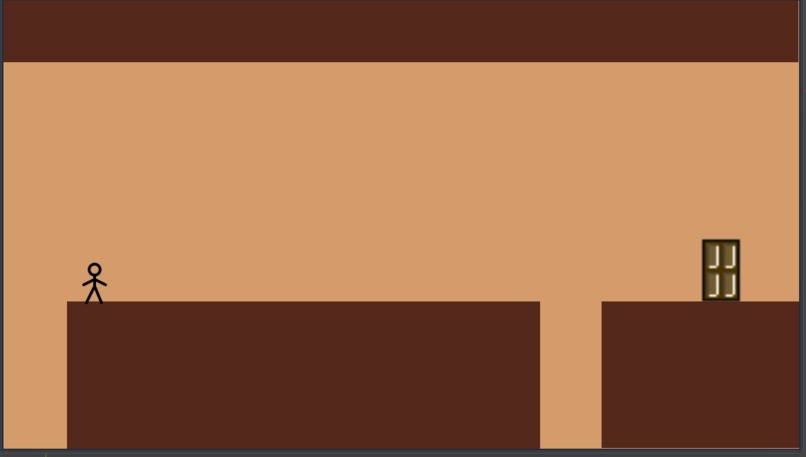
Level 1
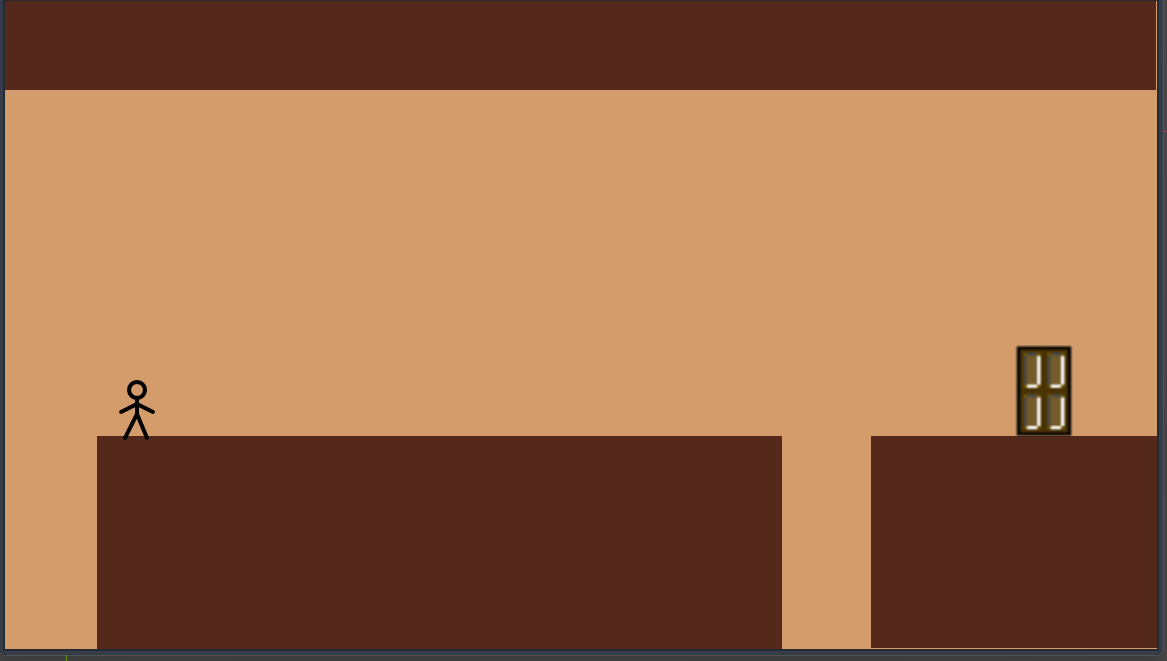
Inspiration
The idea struck me while watching adventure films where the ground gives way at any moment. I wanted to recreate that heart-in-your-throat tension in a simple 2D platformer—every step could be your last until you reach the only door out.
What it does
Only One Door challenges players to traverse a series of fragile platforms. As you approach gaps, the ground slides away; step on the wrong spot and a hidden pit opens beneath you. The goal is to reach the lone exit door in each level without falling.
How we built it
- Engine: Godot 4.x
- Scene setup: A
Node2Droot withGroundnodes,Player(CharacterBody2D), and threeArea2Dtriggers (GapTrigger,HoleTrigger,DoorTrigger). - Smooth animations: Used
SceneTreeTweento slide platforms away whenGapTriggerfires. - Precision pits: Split one
CollisionShape2Dinto three shapes (full, left, right) and swap them inHoleTriggercallback withset_deferred()to carve out a safe hole. - Respawn & transitions: Player fall-limit triggers
get_tree().reload_current_scene(), and reaching the door callschange_scene_to(next_scene).
Challenges we ran into
- Collision hiccups: Directly disabling a collision shape in the physics callback kept the player stuck in mid-air. We solved it by deferring the disable call.
- Trigger timing: Getting the gap to slide at just the right moment required iterative tweaks to trigger area positions and adding small code delays.
- Scene management: Ensuring smooth respawns and door transitions without frame drops led us to streamline scene reloads and preload the next level.
Accomplishments that we’re proud of
- A fully modular Level.gd that cleanly handles three distinct triggers (gap, hole, door).
- Robust deferred collision swapping for realistic pit openings without any physics glitches.
- Seamless scene transitions and reliable instant respawn on falls, creating a tight, responsive gameplay loop.
What we learned
- Mastery of Godot’s SceneTreeTween and chainable tween API.
- Why and how to use
set_deferred()when modifying physics properties mid-frame. - Best practices for signal-driven architecture in 2D platformers.
- Managing multiple levels via
change_scene_to()and exportablePackedSceneproperties.
What’s next for Only One Door
- Add new trap types: moving platforms, timed spikes, rotating blades.
- Implement a fade-out/fade-in transition tween for even smoother level changes.
- Design an “endless mode” with procedural level generation and a global high-score board.
- Polish mobile controls and touch-friendly UI for a wider audience.
Built With
- godot


Log in or sign up for Devpost to join the conversation.