
Title: Online Food Delivery App: Streamlining Food Ordering Process
Inspiration
The rising demand for online food delivery services and the convenience they offer inspired us to create this project. We observed the increasing reliance on technology for everyday tasks, including food ordering. We wanted to develop a platform that not only streamlines the process but also ensures a delightful user experience for customers.
What it does
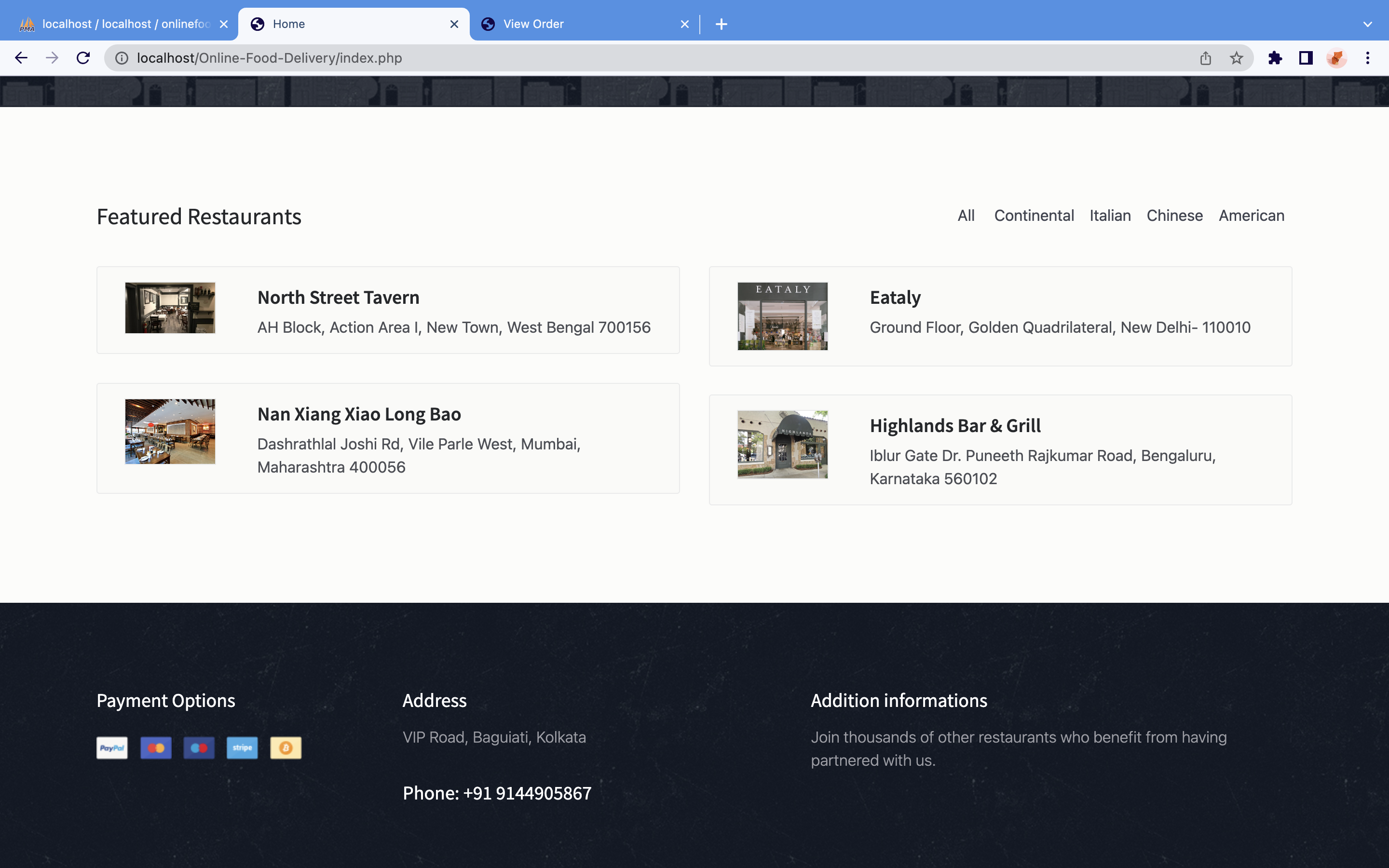
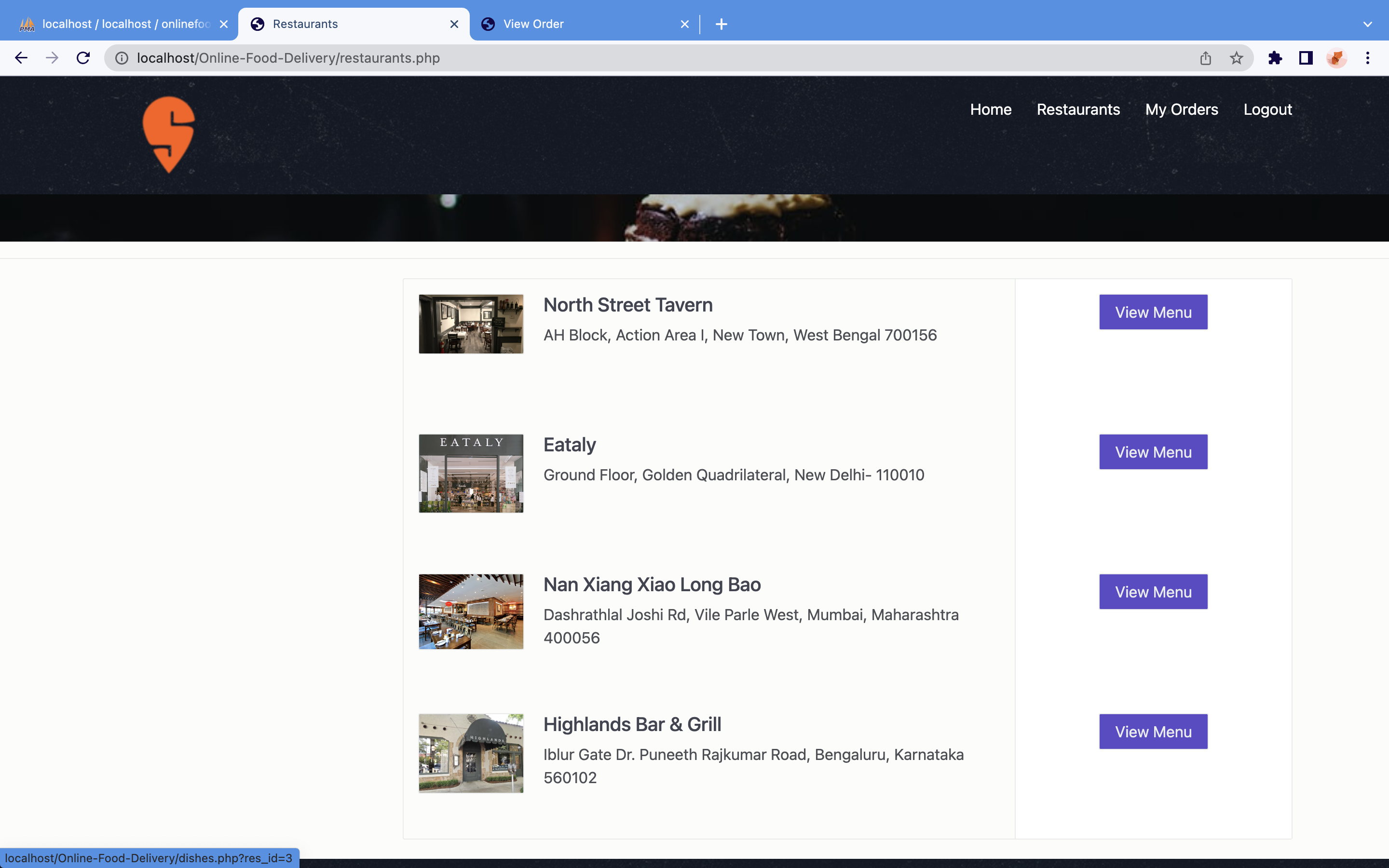
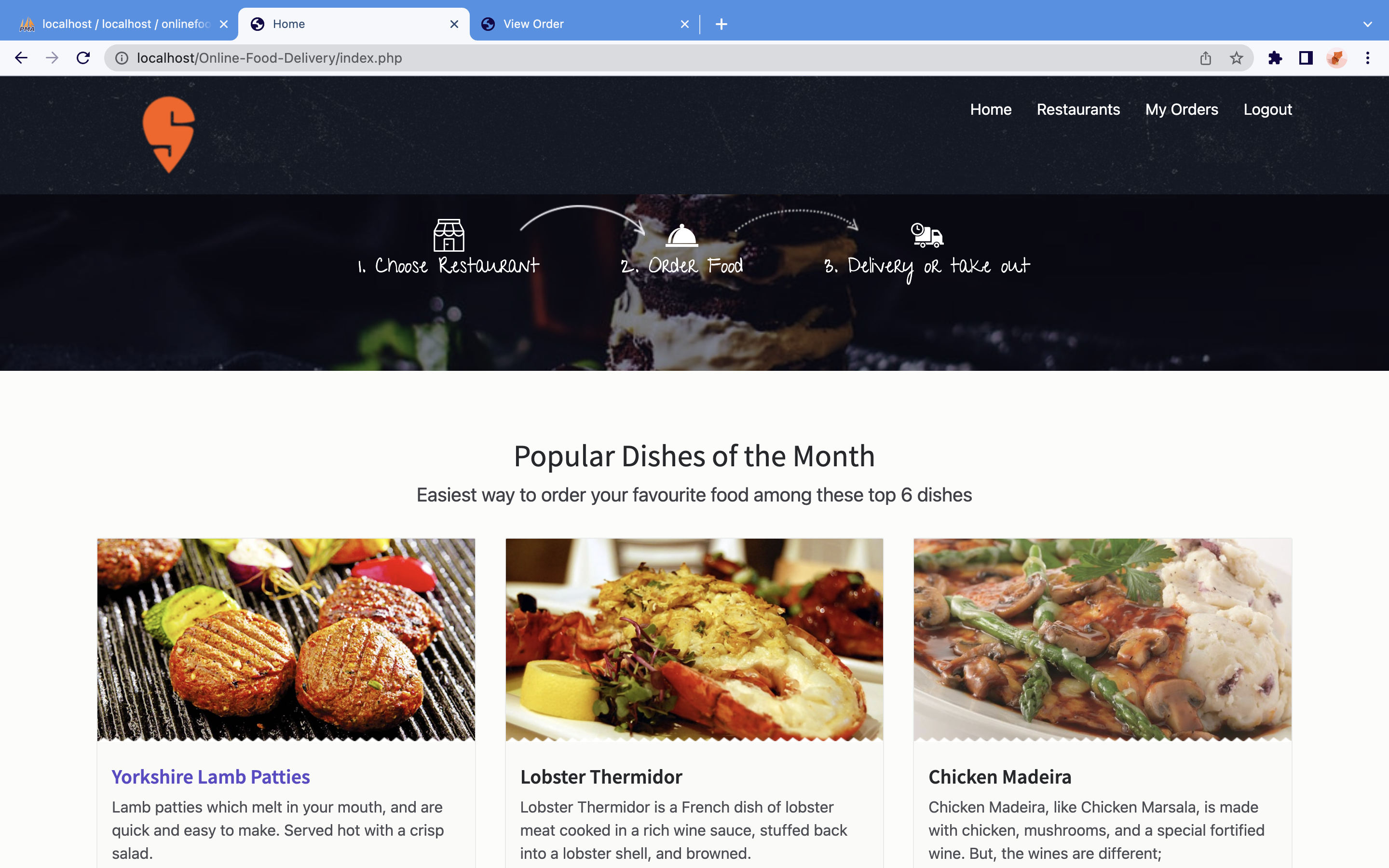
Our Online Food Delivery App is designed to simplify and enhance the process of ordering food online. Inspired by the growing trend of food delivery services and the need for a user-friendly platform, our team developed this project to provide a seamless experience for both customers and restaurant owners. Through the use of PHP, JavaScript, Redux, and a MySQL database, we built a robust system that allows customers to browse restaurants, explore food menus, place orders, and track their delivery status.
How we built it
To build the Online Food Delivery App, we followed a systematic approach that involved several stages. Here is a step-by-step overview of how we built the project:
Requirements Gathering: We started by gathering the requirements and understanding the scope of the project. We identified the core functionalities needed for the app, such as user registration, restaurant listing, menu display, order placement, and order tracking.
Database Design: Based on the requirements, we designed the database schema using MySQL. We created tables to store information related to customers, restaurants, food items, orders, and other necessary entities. The relationships between the tables were defined to establish data integrity.
UI/UX Design: We created wireframes and mockups to design the user interface (UI) and user experience (UX) of the application. We focused on creating an intuitive and visually appealing interface for customers to navigate and place orders easily.
Frontend Development: Using HTML, CSS, and JavaScript, we developed the frontend of the application. We implemented responsive web design to ensure the app is accessible on different devices. Redux was used for state management to handle data flow between components efficiently.
Backend Development: The backend logic was developed using PHP. We implemented various functionalities, such as user authentication, restaurant listing, menu display, cart management, and order processing. PHP was responsible for handling the server-side operations, validating user inputs, and interacting with the database.
Integration: We integrated the frontend and backend components to establish smooth communication between them. APIs were created to handle requests from the frontend and retrieve or update data from the database.
User Registration and Authentication: We implemented a user registration and authentication system to secure user accounts. Customers were required to register with their details and login using their credentials to access the app's features.
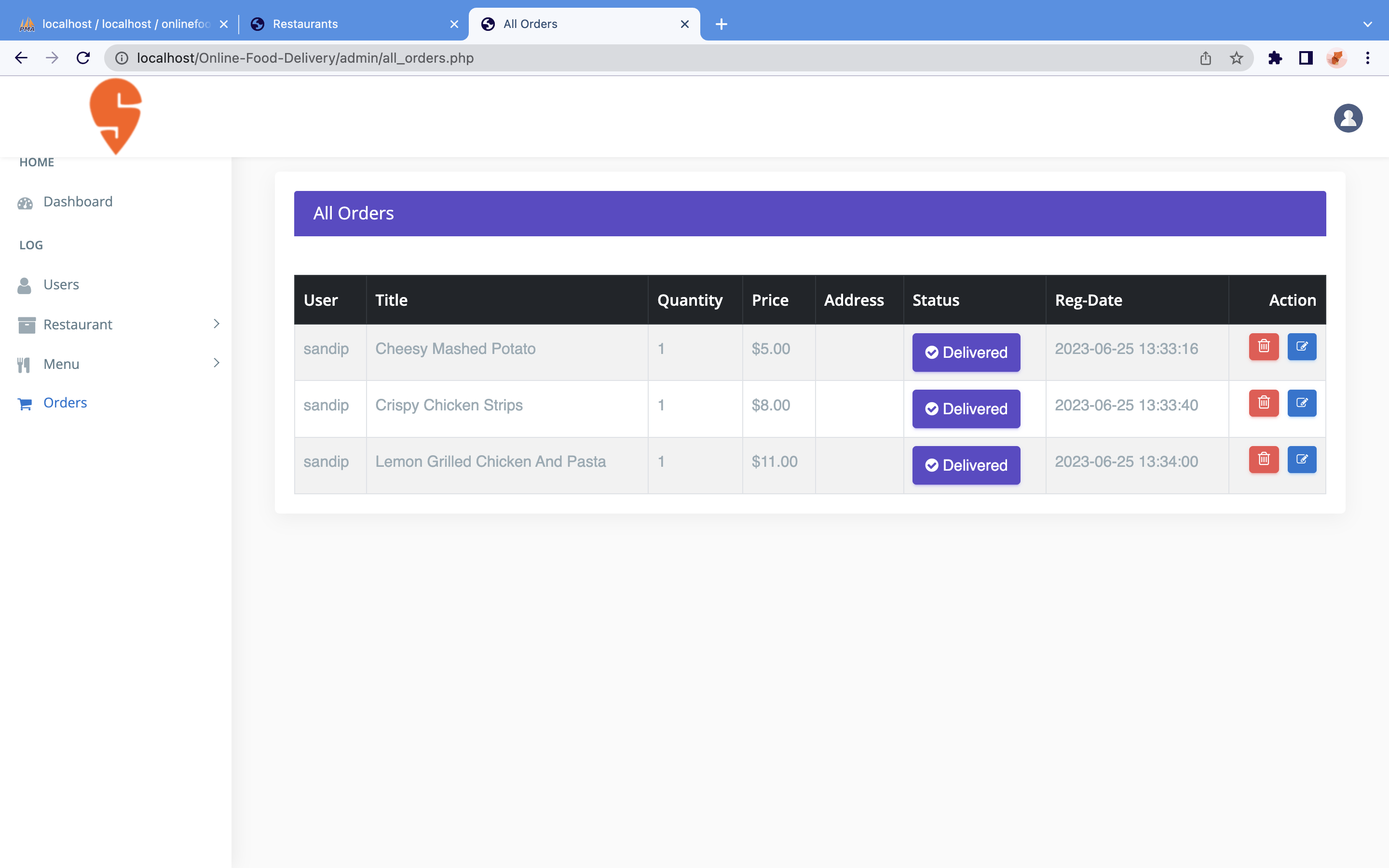
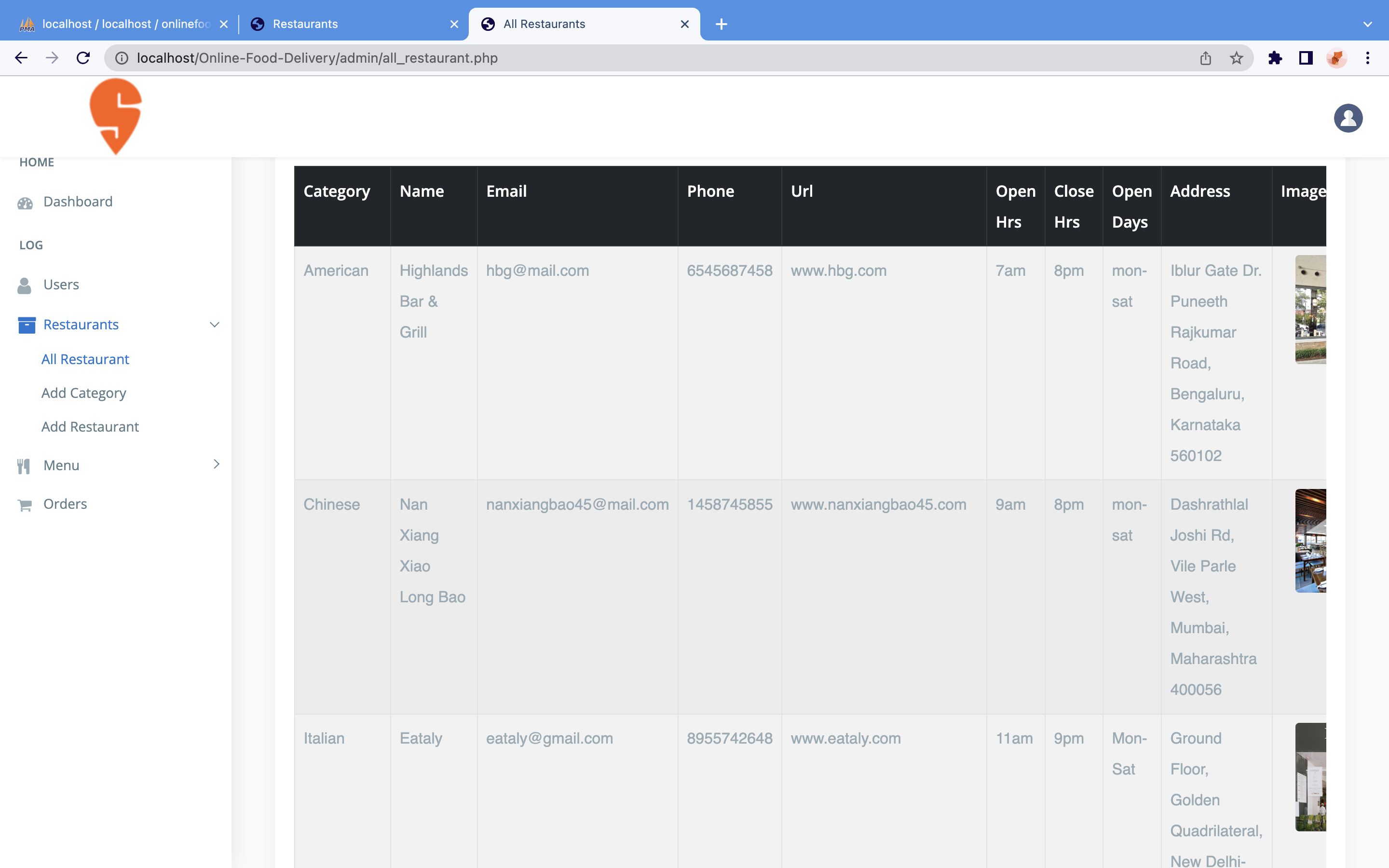
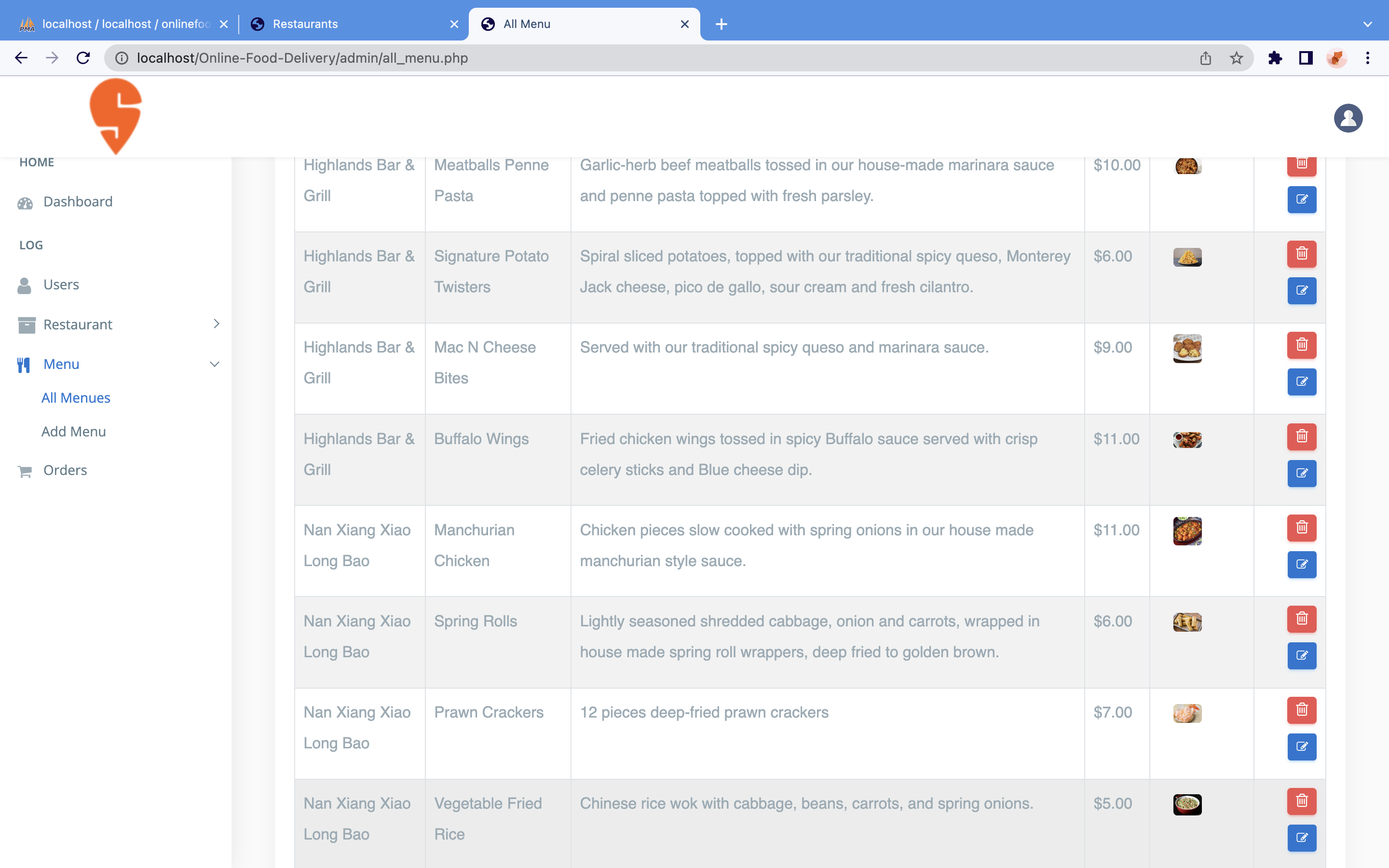
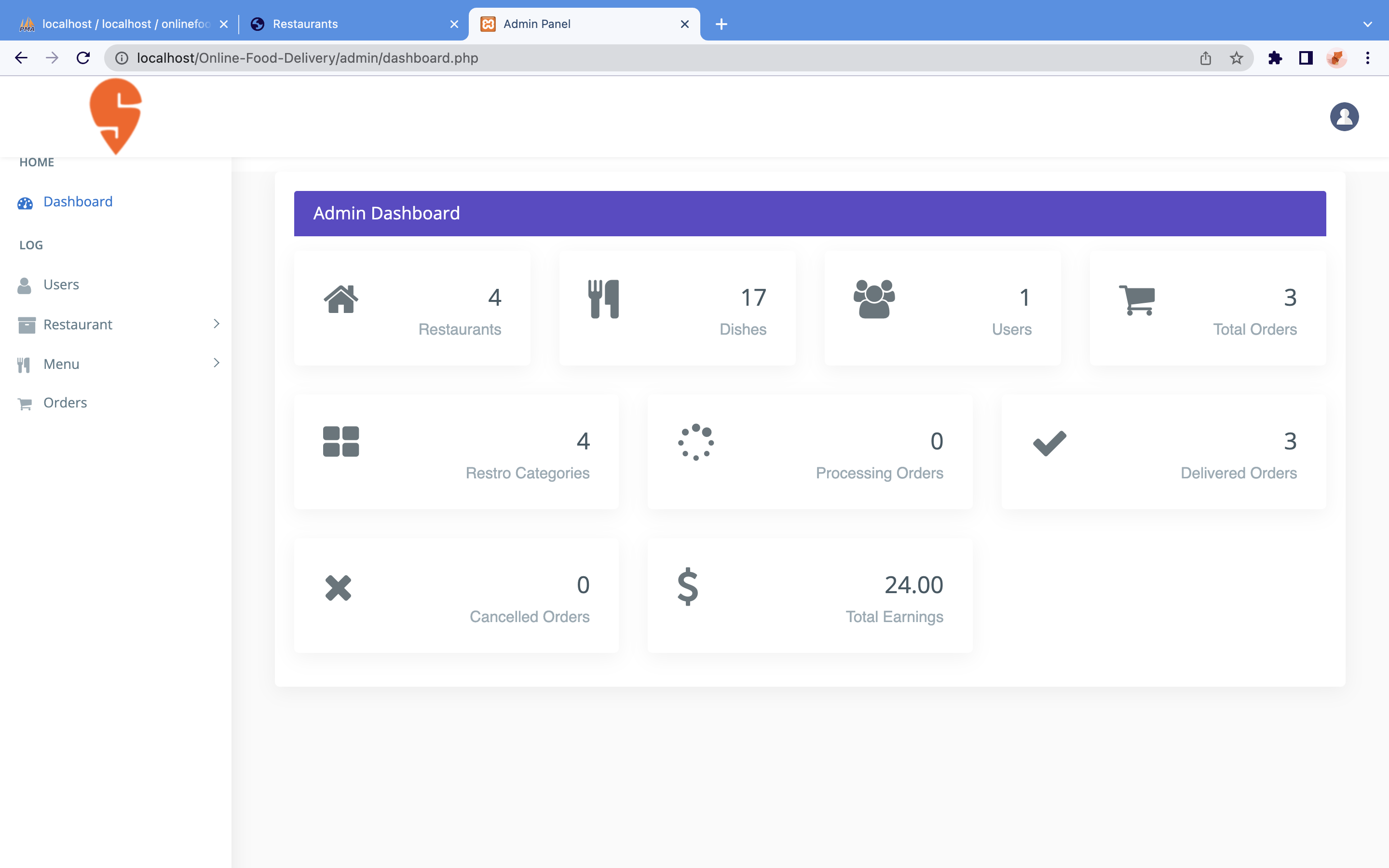
Restaurant and Menu Management: The admin panel was created to allow restaurant owners to manage their restaurants and menus. They could add, edit, or delete food items and update their availability.
Order Placement and Tracking: Customers could browse restaurants, view menus, add items to their cart, and place orders. An order tracking feature was implemented to provide real-time updates on the status of their orders, such as order confirmation, preparation, and delivery.
Testing and Debugging: Throughout the development process, we conducted thorough testing to identify and fix any bugs or issues. We performed unit testing, integration testing, and user acceptance testing to ensure the app's functionality and usability.
Deployment: Once the development and testing phases were completed, we deployed the app to a web server. We configured the server environment, including setting up the necessary software dependencies, ensuring proper security measures, and optimizing performance.
Ongoing Maintenance and Updates: After deployment, we continued to monitor the app's performance, addressed user feedback, and implemented necessary updates and enhancements based on user needs and market trends.
By following this comprehensive development process, we successfully built the Online Food Delivery App, leveraging PHP, JavaScript, Redux, and MySQL technologies to create a seamless and efficient online food ordering platform.
Challenges we ran into
Throughout the development process, we encountered several challenges. Some of the key hurdles we faced include:
Data Management: Ensuring efficient and accurate data storage and retrieval from the MySQL database required careful planning and implementation.
Security: Implementing robust security measures to protect user data, prevent unauthorized access, and secure online transactions was a significant challenge.
Integration: Integrating different components, such as frontend frameworks, backend logic, and the database, while maintaining smooth communication between them, required meticulous attention to detail.
Order Tracking: Implementing a real-time order tracking feature to keep customers informed about the status of their orders posed a technical challenge.
What we learned
During the development of this project, we gained valuable insights and honed our skills in PHP, JavaScript, Redux, and database management using MySQL. We also learned about the importance of user interface (UI) and user experience (UX) design to create an intuitive and visually appealing application. Additionally, we developed a deeper understanding of e-commerce principles and order management systems.
What's next for Online Food Ordering app
Conclusion:
The Online Food Delivery App project showcases our proficiency in PHP, JavaScript, Redux, and MySQL database management. We developed a user-friendly platform that allows customers to explore restaurants, view menus, place orders, and track their delivery status. By creating this application, we have gained valuable experience in building efficient and scalable web applications that meet the needs of the modern food delivery market.

Log in or sign up for Devpost to join the conversation.