-
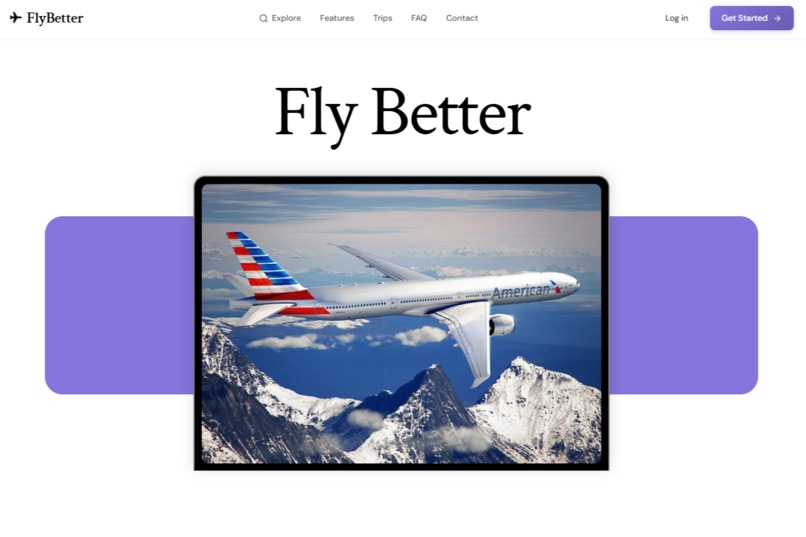
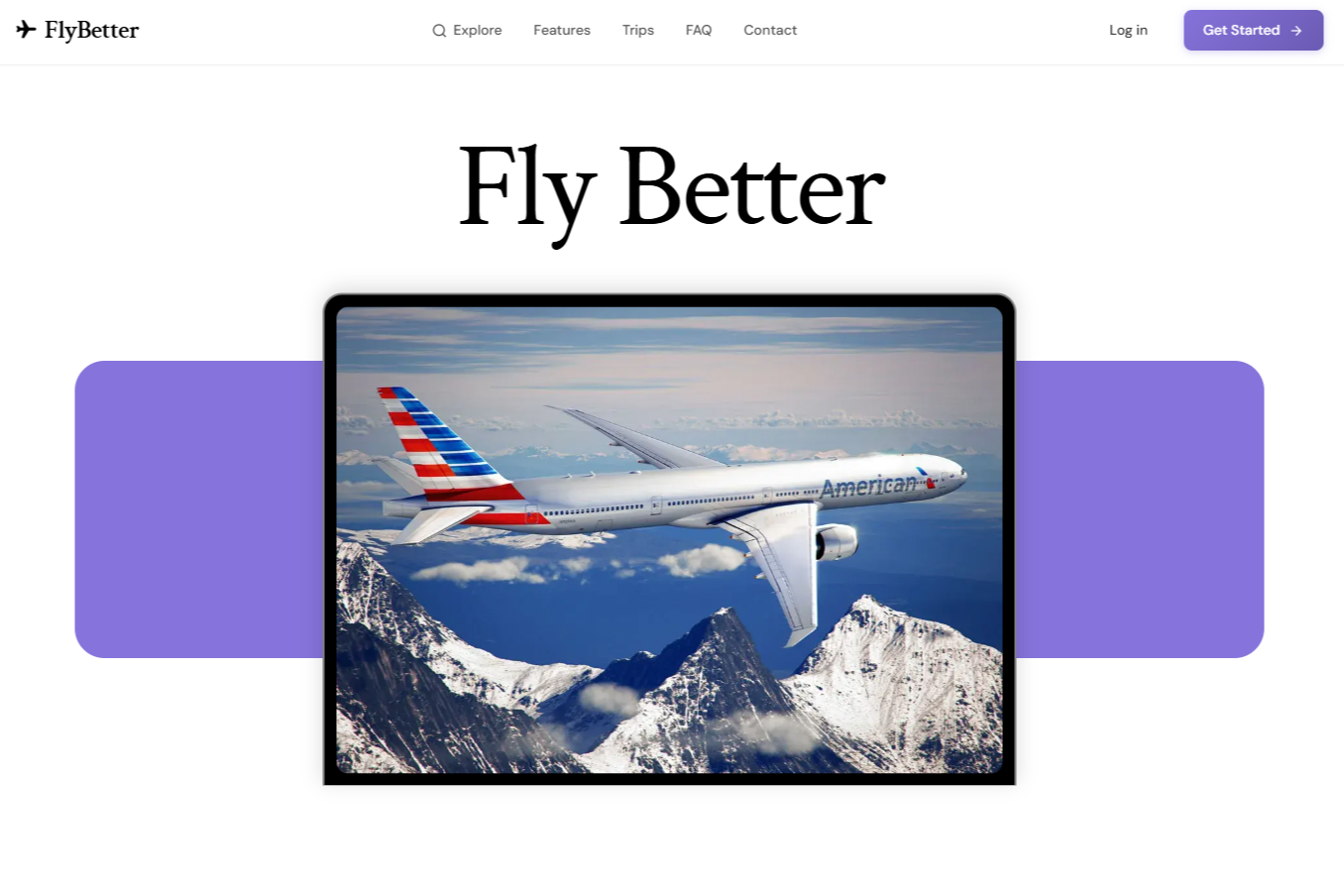
Plan your trip with one tap using Fly Better.
-
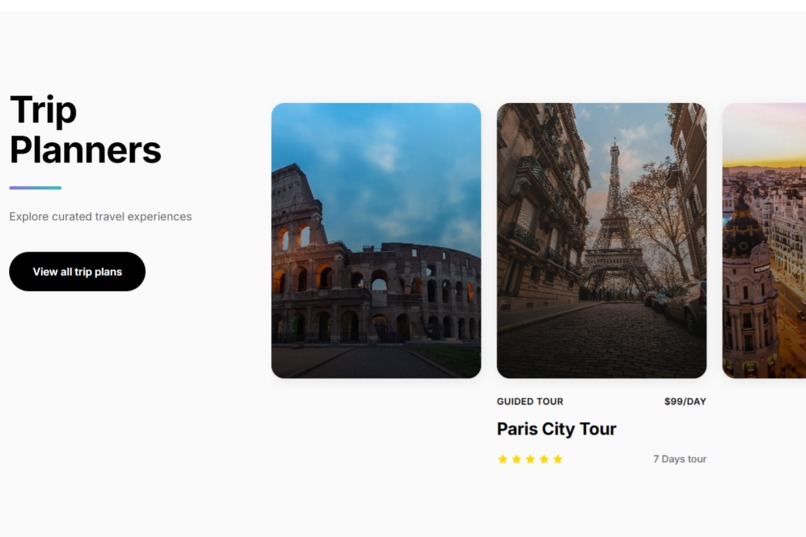
Plan your trip with one tap using Fly Better.
-
Inspiration
Planning a trip or vacation is fragmented across too many tools. Flights, hotels, transportation, restaurants, and activities all live in separate apps, forcing users to manually coordinate decisions that are tightly coupled in reality. We were inspired by how many companies today think in terms of end-to-end journeys, not isolated work like bookings, and wanted to bring that same orchestration mindset into a single intelligent system.
What it does
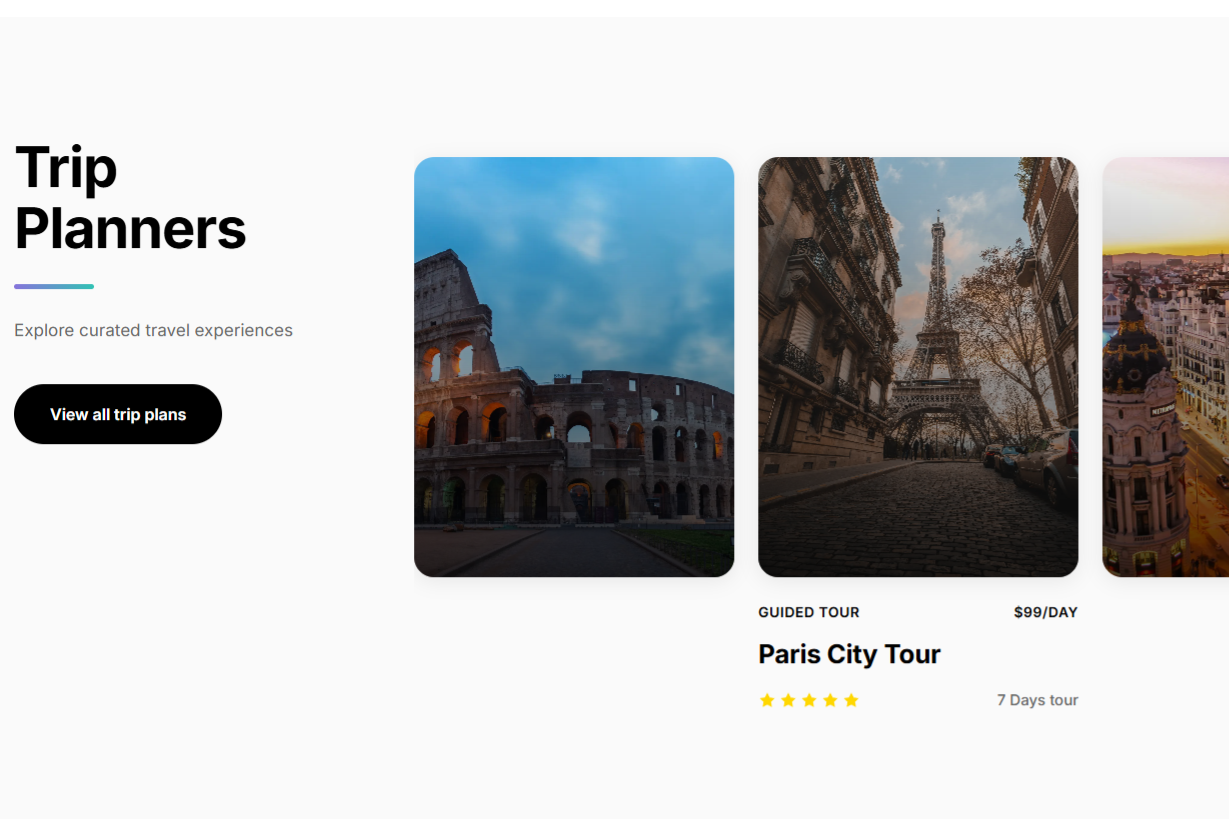
One website that orchestrates flights, stays, transport, and food into a single, bookable itinerary. Instead of needing to go on American Airlines to book a flight, then go on Trivago to find your hotel, then your restaurants, then your ride from the airport etc..We automate that. With our agentic AI systems we do the tedious work while suggesting the options that are aligned to the users preference, whether that be price, location, or time. Users can either let the AI handle decisions or manually explore and override selections. Everything is consolidated into a single cart that can be checked out in one transaction.
How we built it
We built a modular backend using Node.js, Express, and MongoDB, with a strict separation between inventory, cart state, and orchestration logic. Each domain (flights, hotels, transport, restaurants) is handled by a specialized service, coordinated by an orchestration layer. For the frontend we utilized Typescript and Next.js, with our UI's being made through Figma.
Flights are retrieved through an external mock flight engine API we hosted on Render, given by American Airlines, while other inventory is mocked locally to keep the system deterministic. Auth0 handles authentication and storing users, while MongoDB stores only commerce state (carts and selections).
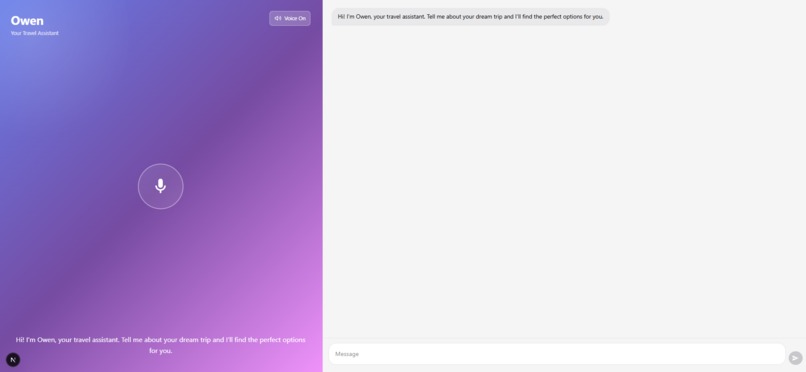
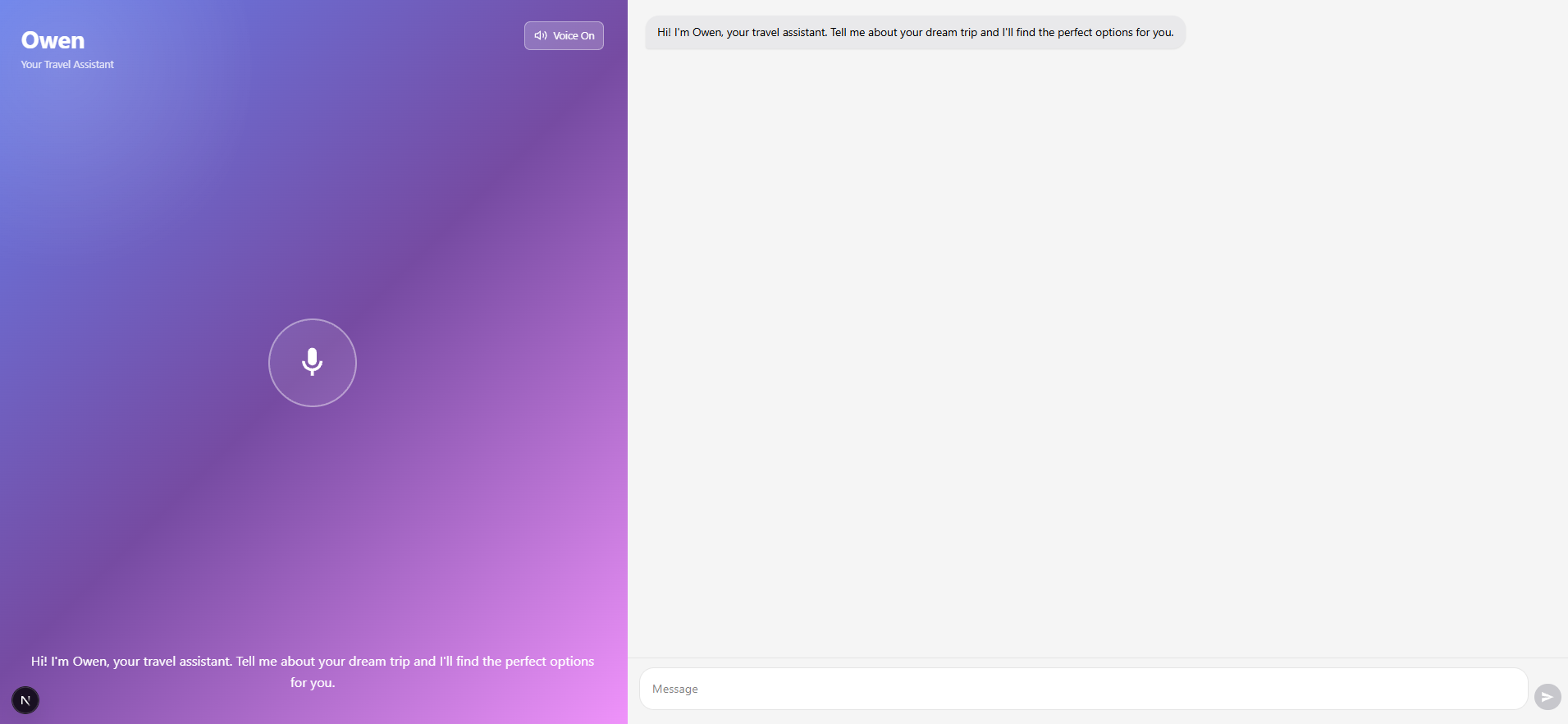
There's also a voice feature, instead of typing to chat with the AI, we used Eleven Lab's for the TTS in order to vocally communicate with the AI instead.
Challenges we ran into
The biggest challenge was coordinating prompts to allow it to be ultra context aware while keeping the system simple and reliable. Ensuring that AI-driven selections could be overridden by the user without breaking consistency required careful cart and slot management, as well as prompt engineering.
Accomplishments that we're proud of
We successfully built a working end-to-end system that goes from trip intent to checkout in one flow. The cart architecture enforces clear constraints while remaining flexible, and the agent-based design allows AI decisions and human decisions to coexist.
What we learned
We learned that separating authentication from commerce state simplifies system design and we also learned that orchestration is more important than raw recommendation quality. We found out we care less about the most perfect suggestions and more about how well different decisions fit together.
What's next for FlyBetter.ai
Next, we plan to replace mock inventory with live hotel, transportation, and restaurant APIs, expand voice-based interaction, and introduce real-time availability and pricing.
Long-term, FlyBetter.ai becomes a platform where AI continuously optimizes trips as conditions change, re-orchestrating itineraries proactively rather than reacting after something breaks.
Built With
- auth0
- elevenlabs
- express.js
- flight-engine
- javascript
- mongodb
- mongodb-atlas
- tailwind
- typescript


Log in or sign up for Devpost to join the conversation.