OneStep started with a simple question:
What if the hardest part of doing something isn't actually doing it, but finding the strength to begin?
While learning more about ADHD and executive dysfunction, I came across something that stayed with me: sometimes a task can be completely ordinary, yet feel impossibly overwhelming. It isn't necessarily a lack of motivation or a lack of caring. Sometimes, the distance between “I need to do this” and “I can start” can feel enormous.
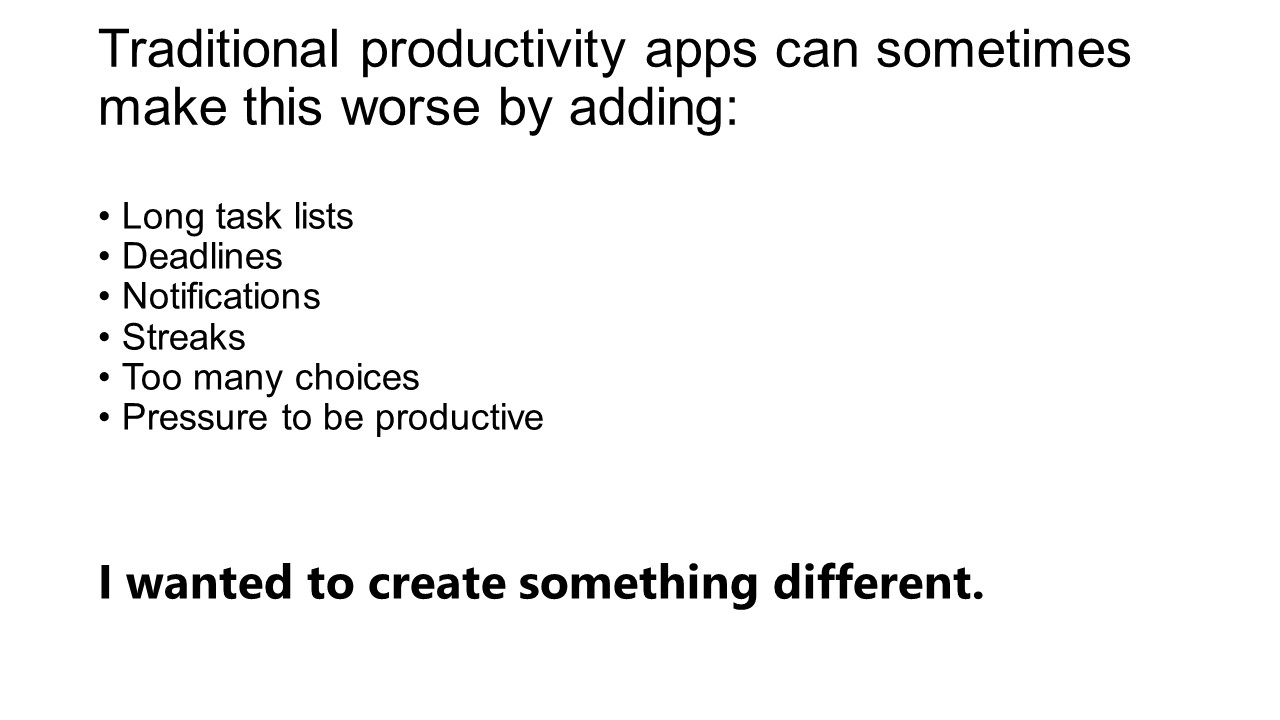
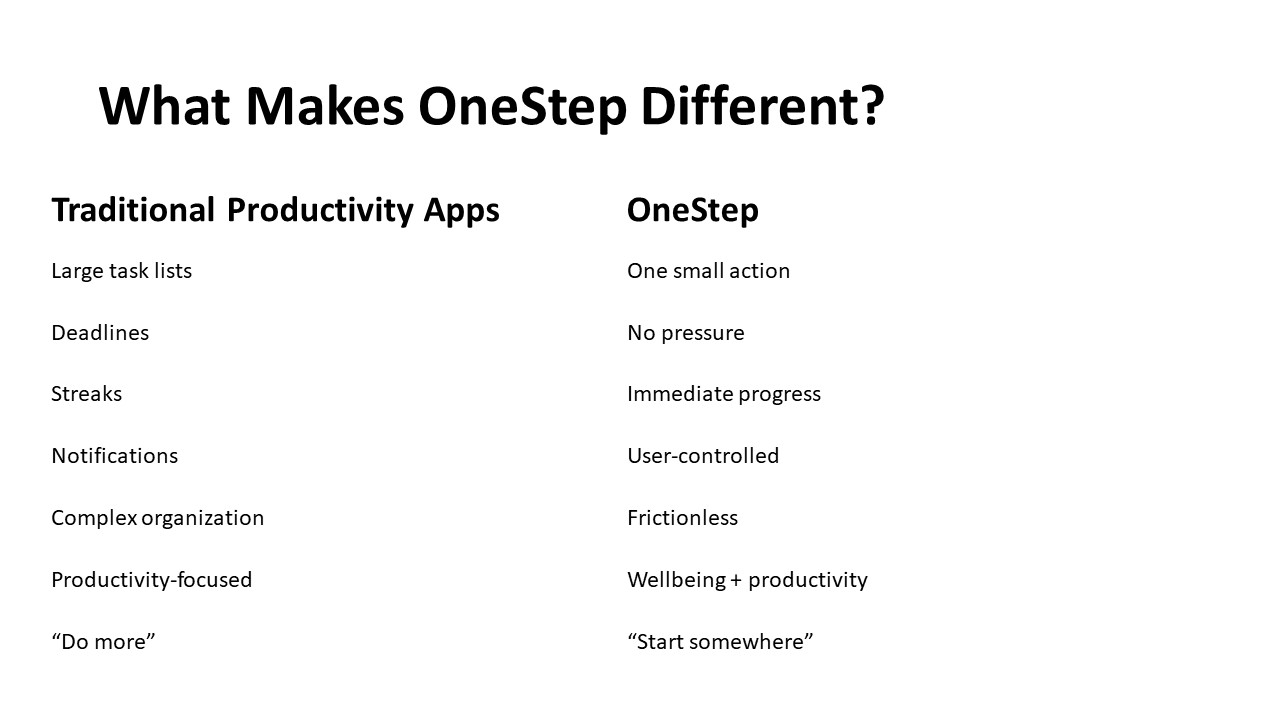
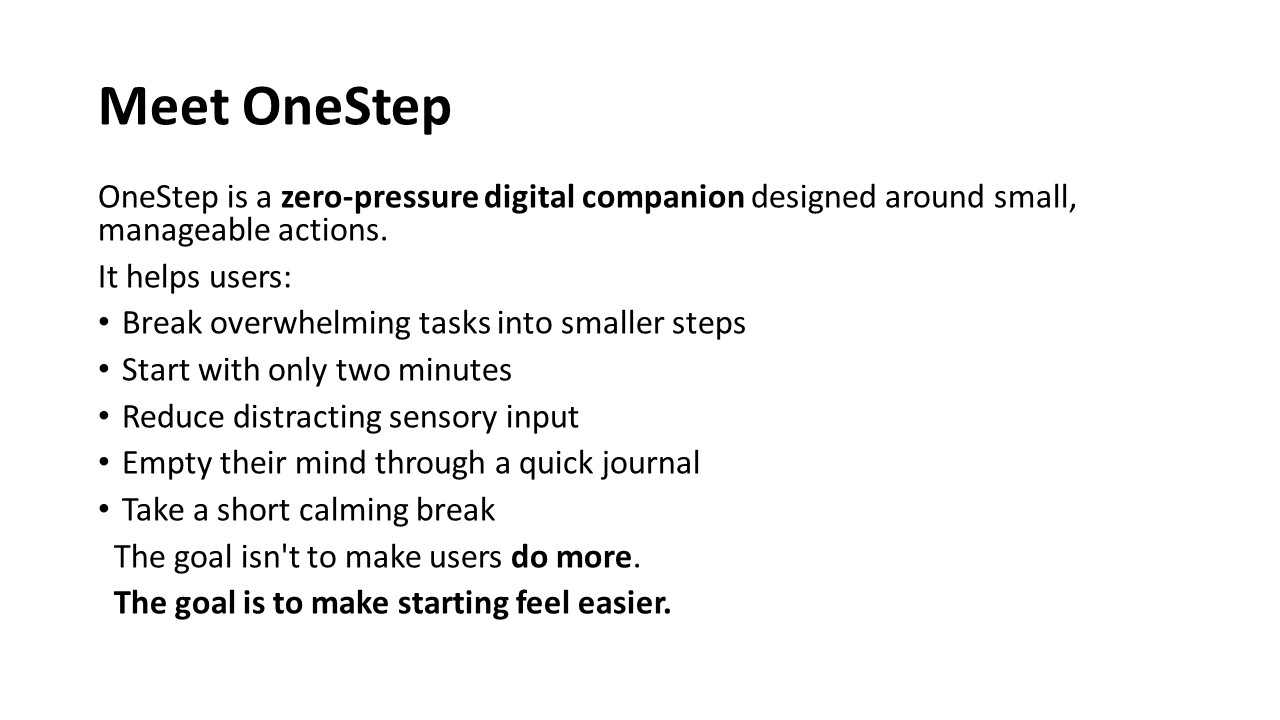
That made me think about the way many productivity tools are designed. They often rely on schedules, reminders, deadlines, streaks, and pressure. For someone already overwhelmed, another notification saying “you haven't done this yet” isn't always helpful. Sometimes, it just adds another thing to feel guilty about.
I wanted to build something different.
That became OneStep.
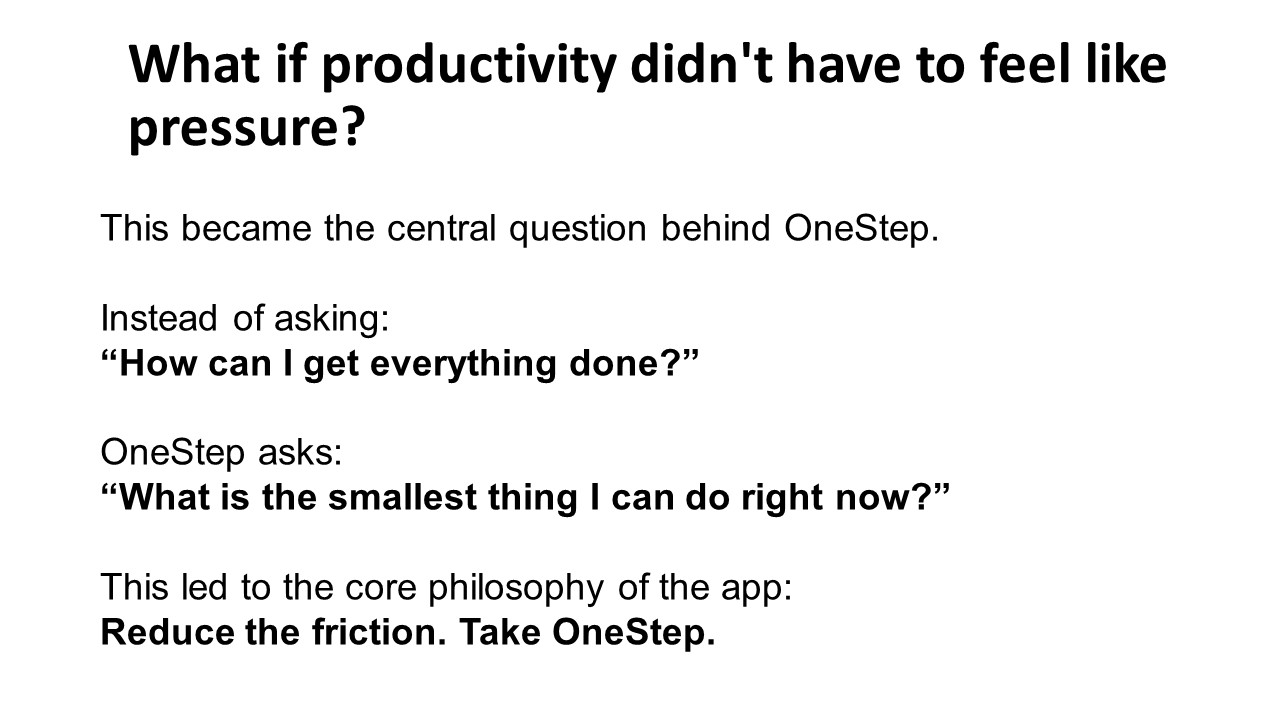
Instead of asking someone to organize their entire life, OneStep asks a much smaller question:
What is one thing you can do right now?
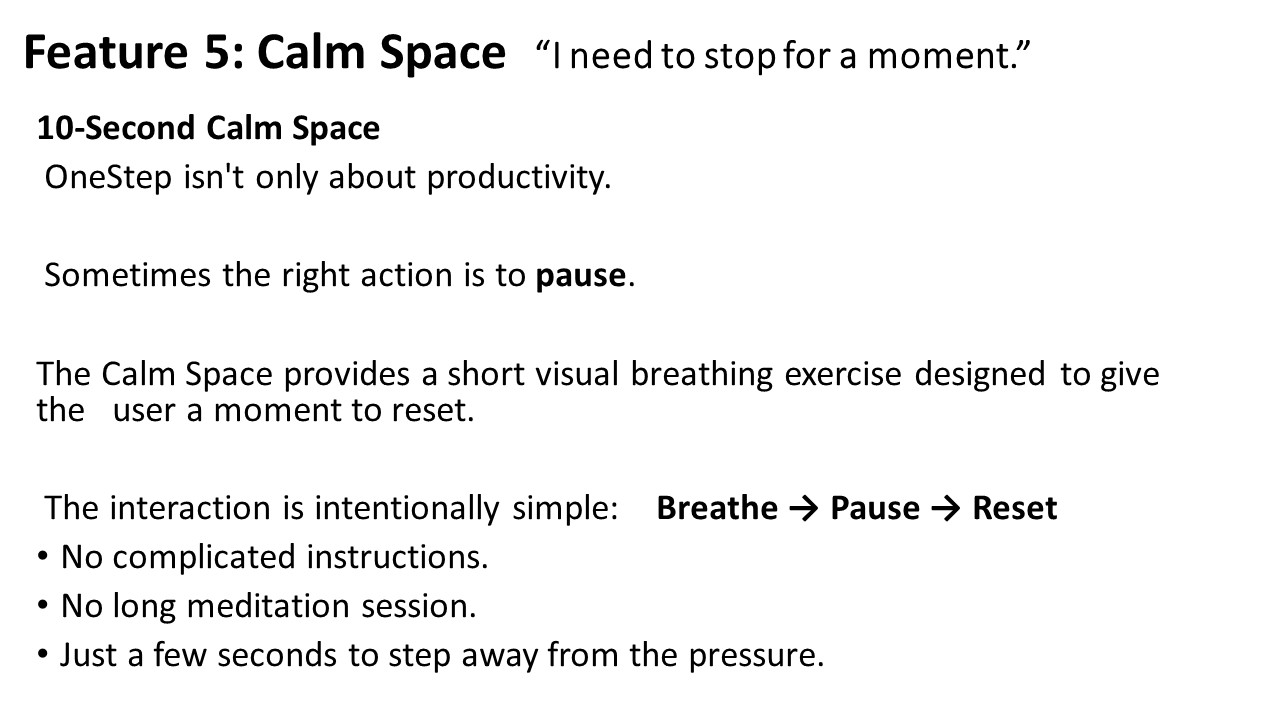
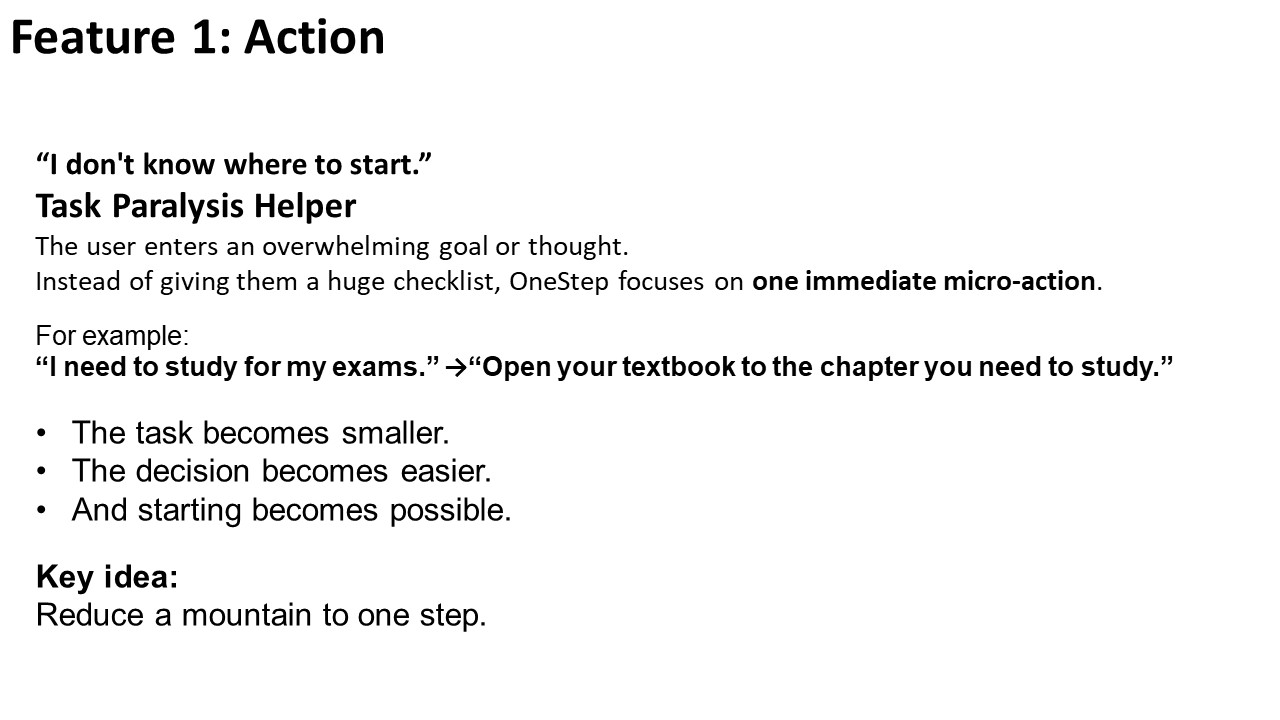
I designed the app around small, realistic actions rather than rigid schedules. It includes tools such as a Task Paralysis Helper, a 2-Minute Task Shredder, and Calm Mode, which help turn an overwhelming situation into something that feels possible to approach.
Building OneStep taught me that creating technology isn't only about making something that works. It is about understanding the person on the other side of the screen.
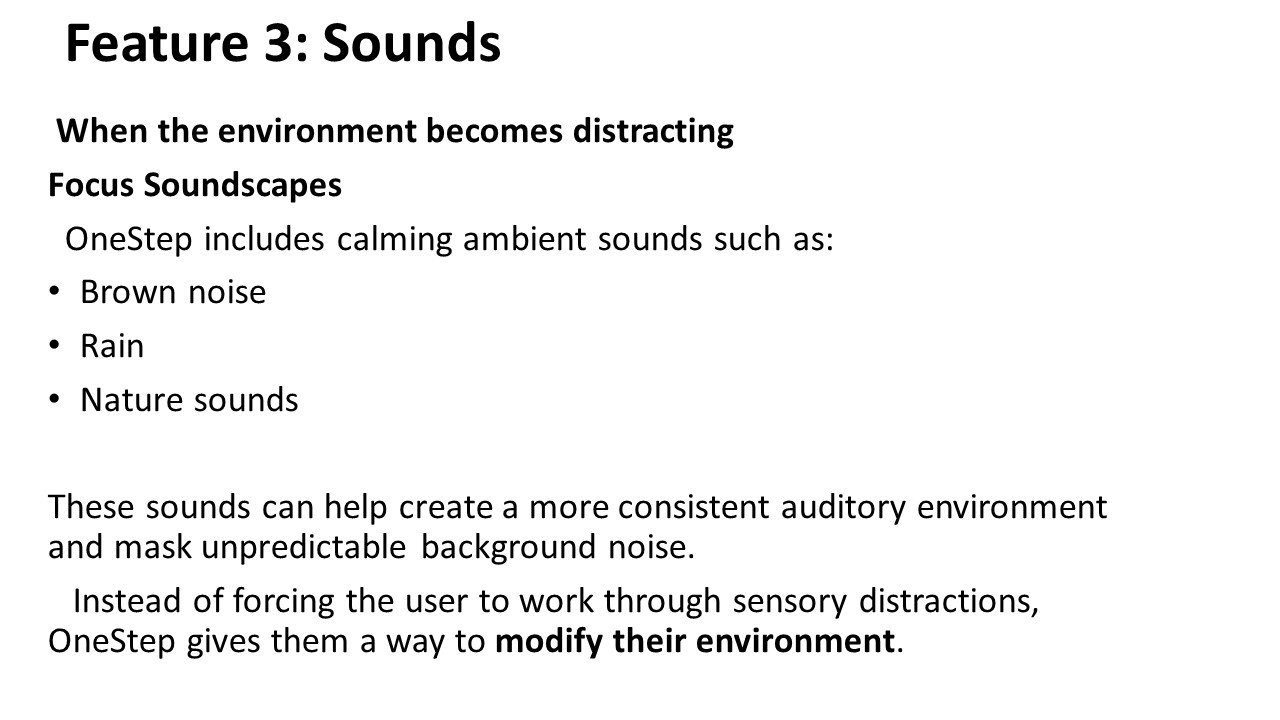
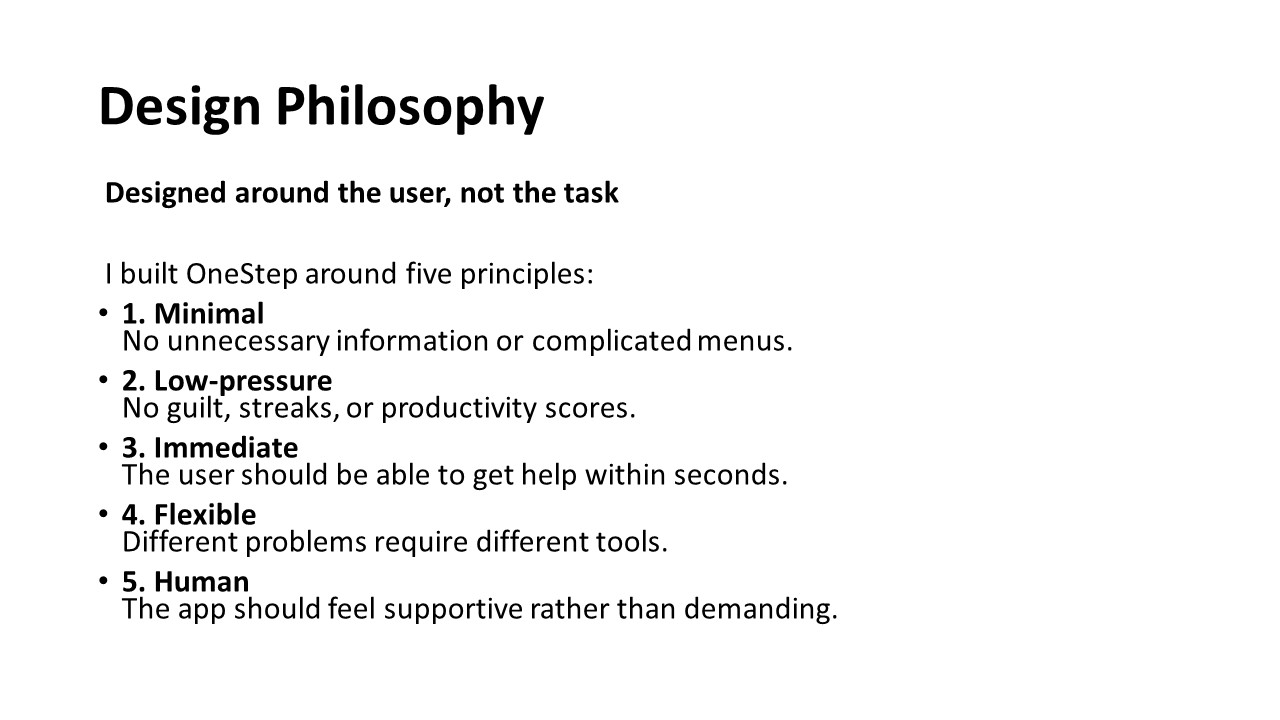
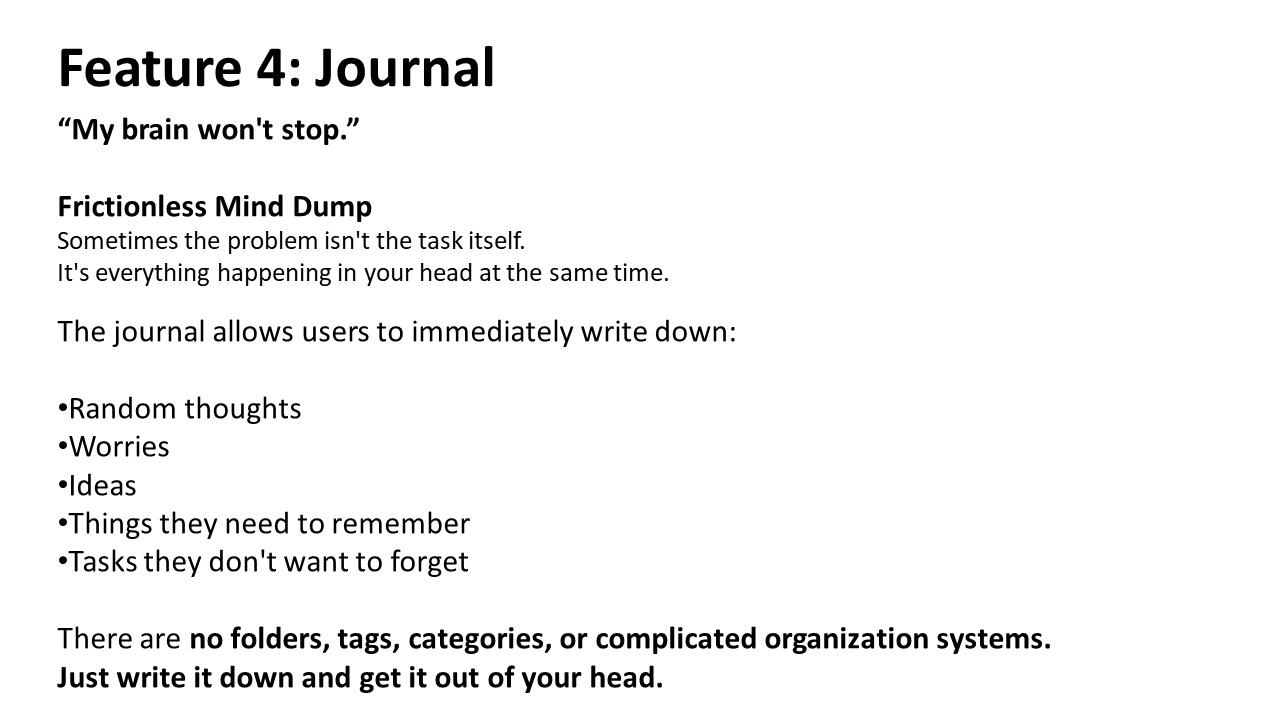
I learned how important language, simplicity, accessibility, and even the emotional feeling of an interface can be. I deliberately avoided guilt-based streaks and overwhelming productivity systems because I didn't want OneStep to become another source of pressure. I wanted it to feel like a small, quiet place to begin.
The hardest part was translating something as complicated as executive dysfunction into a simple digital experience. I had to constantly ask myself: Is this actually helping, or am I just adding another layer of complexity?
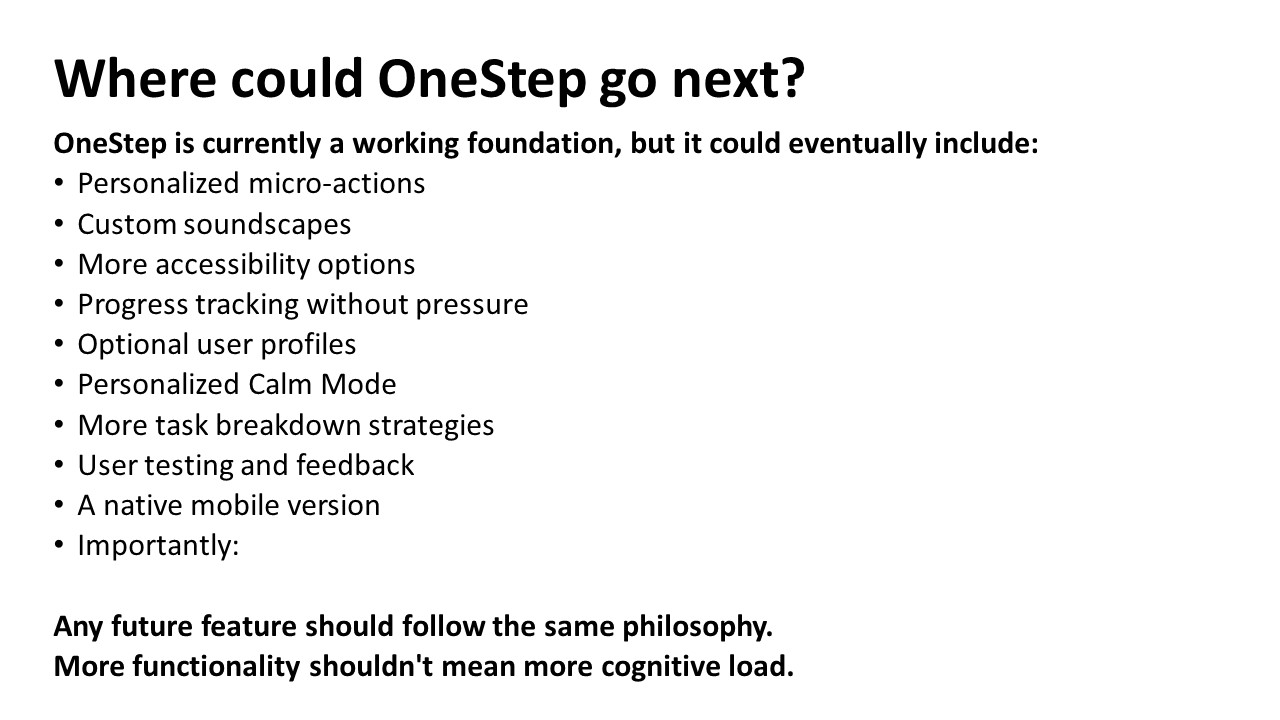
I also learned through building that the first version of an idea is rarely the final one. I experimented, redesigned, simplified, and reconsidered features. Some ideas sounded useful in theory but didn't fit the feeling I wanted OneStep to have. Every change brought me closer to the same goal: less pressure, more possibility.
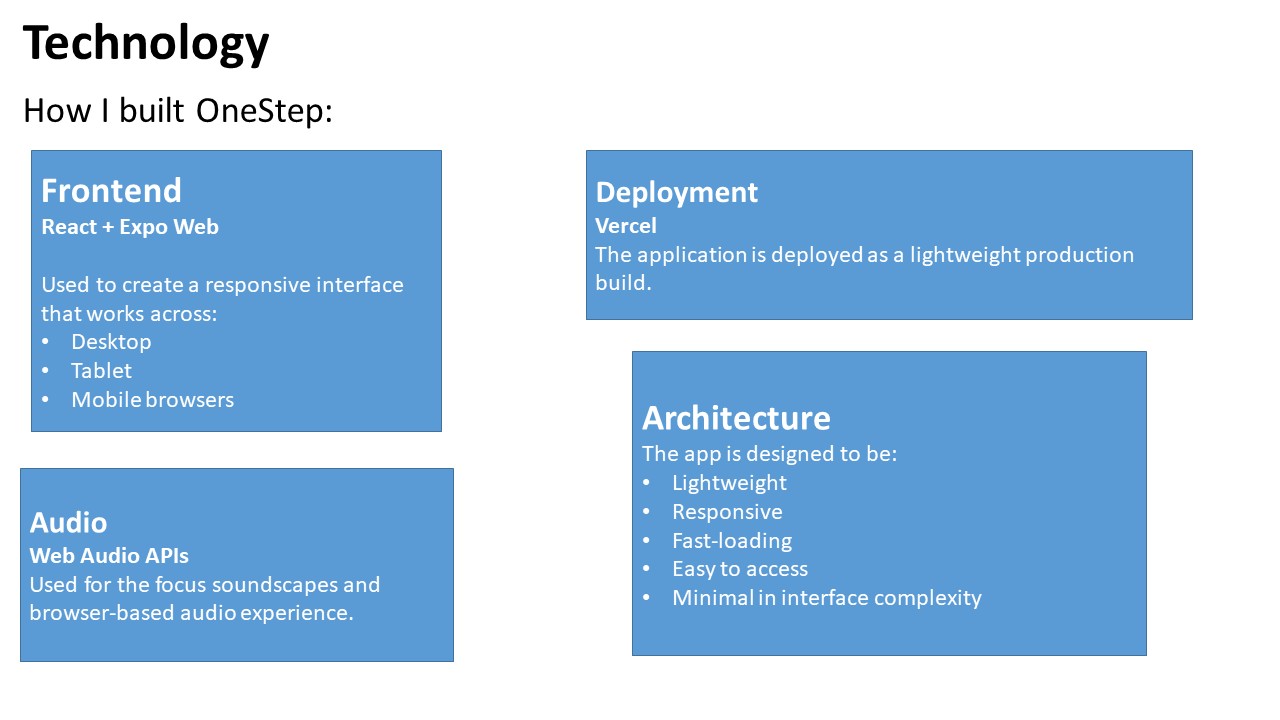
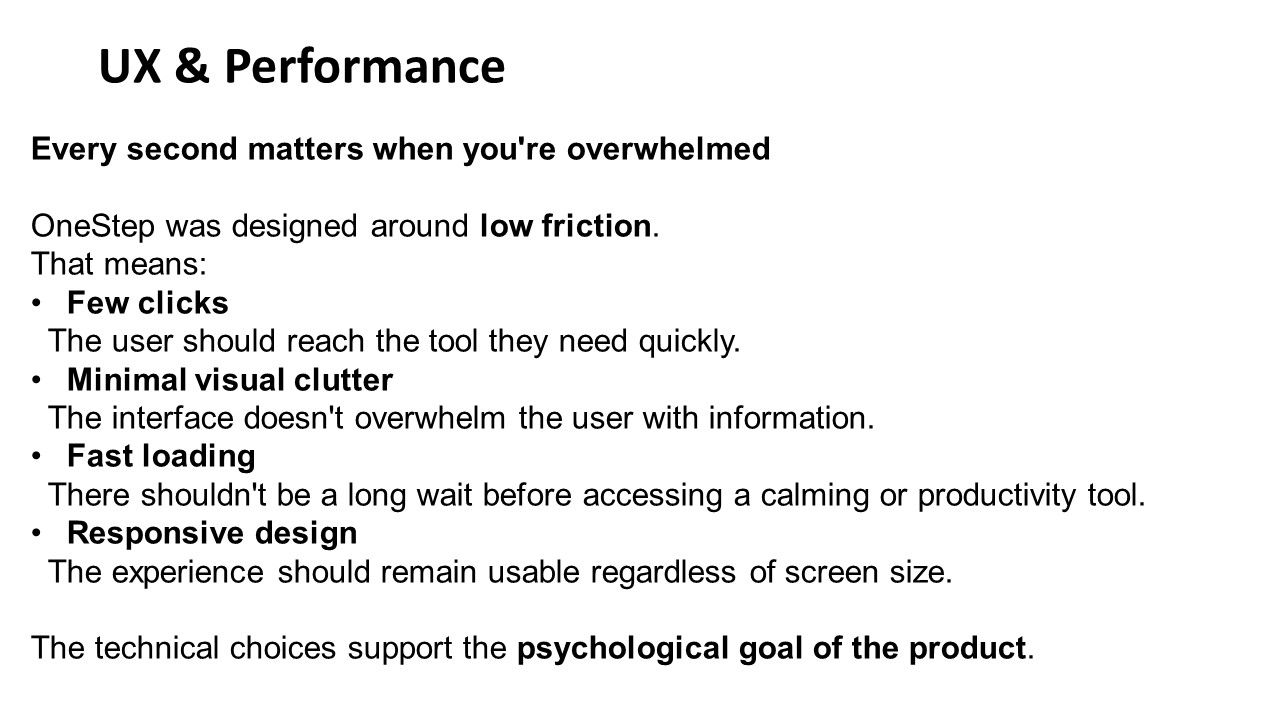
Technically, I built OneStep as a web application and focused on creating a simple, accessible interface around these tools. But perhaps the biggest thing I built wasn't the interface itself.
It was a different way of thinking about productivity.
OneStep isn't about becoming more productive at any cost.
It is about making the first step feel possible.
Because sometimes, one step really is enough to begin.


Log in or sign up for Devpost to join the conversation.