-
-
Task
-
Available Solution
-
AI Workflow creation via Copilot
Inspiration
A call is only useful when the business knows what to do next. For service teams, confirming appointments means repeating questions, chasing changes, and turning scattered notes into a worklist. We built OneReach around that operational gap: approved work in, a customer conversation, and a clear next action out.
What it does
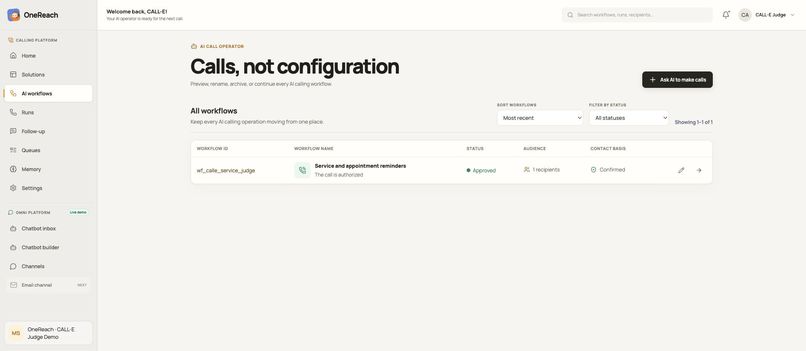
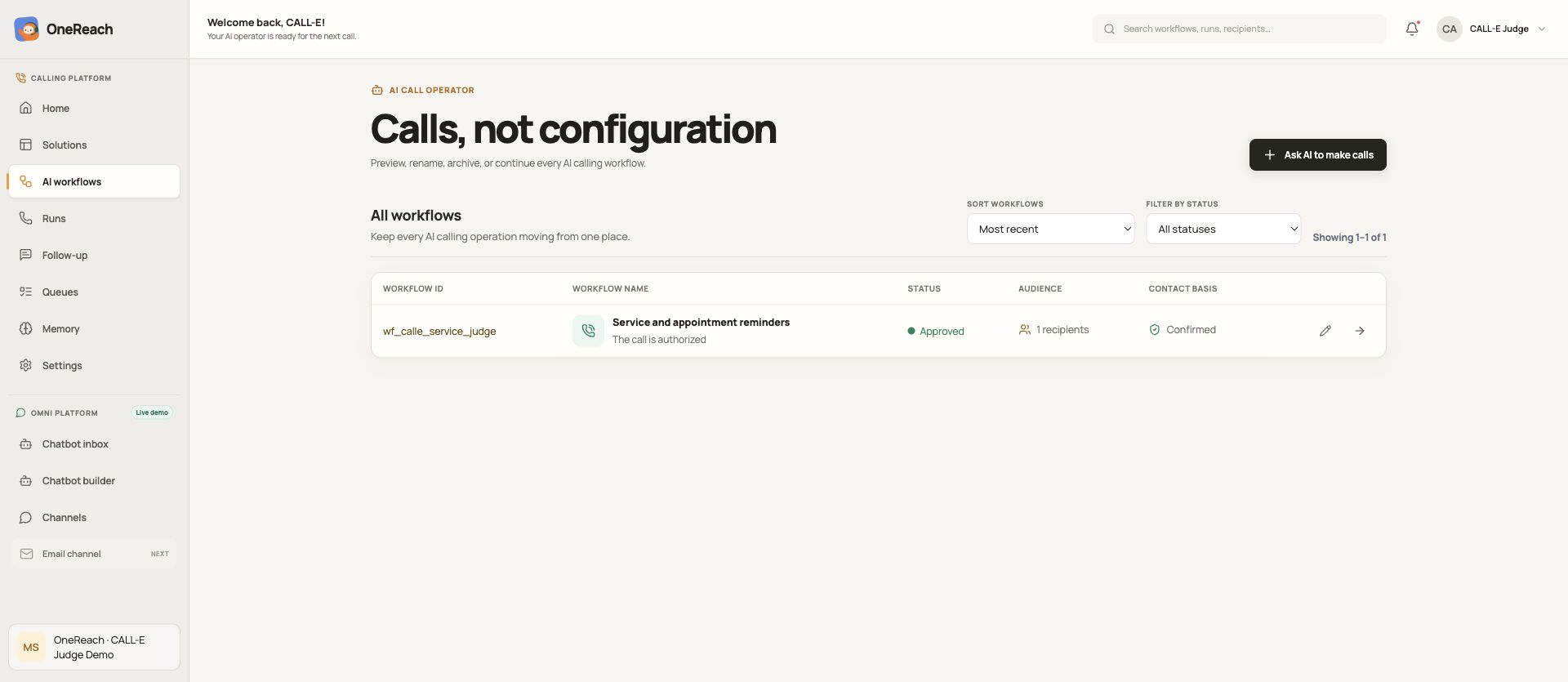
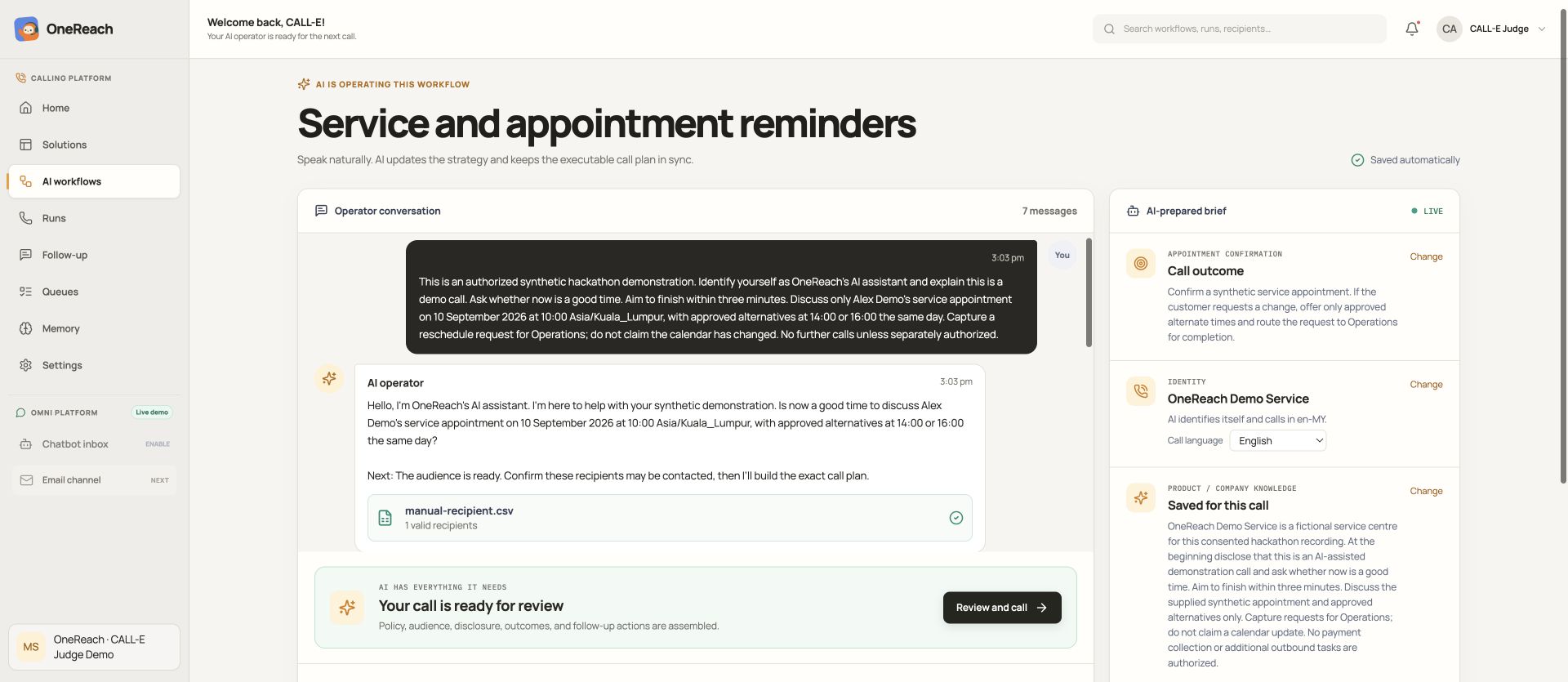
OneReach is a workflow platform for repeatable customer communication. This entry focuses on its CALL-E-powered service appointment workflow. An operator prepares the appointment and allowed alternatives, reviews the call plan, and authorizes the work. CALL-E conducts the outbound conversation. OneReach processes the returned result so the operator can distinguish confirmation, a reschedule request, a question, or an opt-out.
Our planned demo follows a synthetic service appointment and a request for an approved alternative time. The intended result is a reschedule request with an Operations owner and an explicit next step. A request is not proof that a calendar booking changed. The live recording is still being prepared.
CALL-E is one of OneReach's communication integrations. Calls, WhatsApp, and web chat are separate workflows; this entry does not claim automatic cross-channel fallback.
How we built it
The platform uses React and TypeScript, a Fastify API, MySQL persistence, and a background worker. The worker sends approved recipient-specific tasks through the CALL-E SDK with structured result schemas, correlation metadata, and idempotency keys. Incoming webhooks are verified, and reconciliation retrieves provider results.
We published a standalone service follow-up example in contribution PR #372. It can run without OneReach's private packages and includes task creation, outcome validation, polling, optional signed webhook ingestion, and a default no-call demonstration. This MIT contribution exposes the reusable integration boundary; the commercial platform remains private.
Challenges we addressed
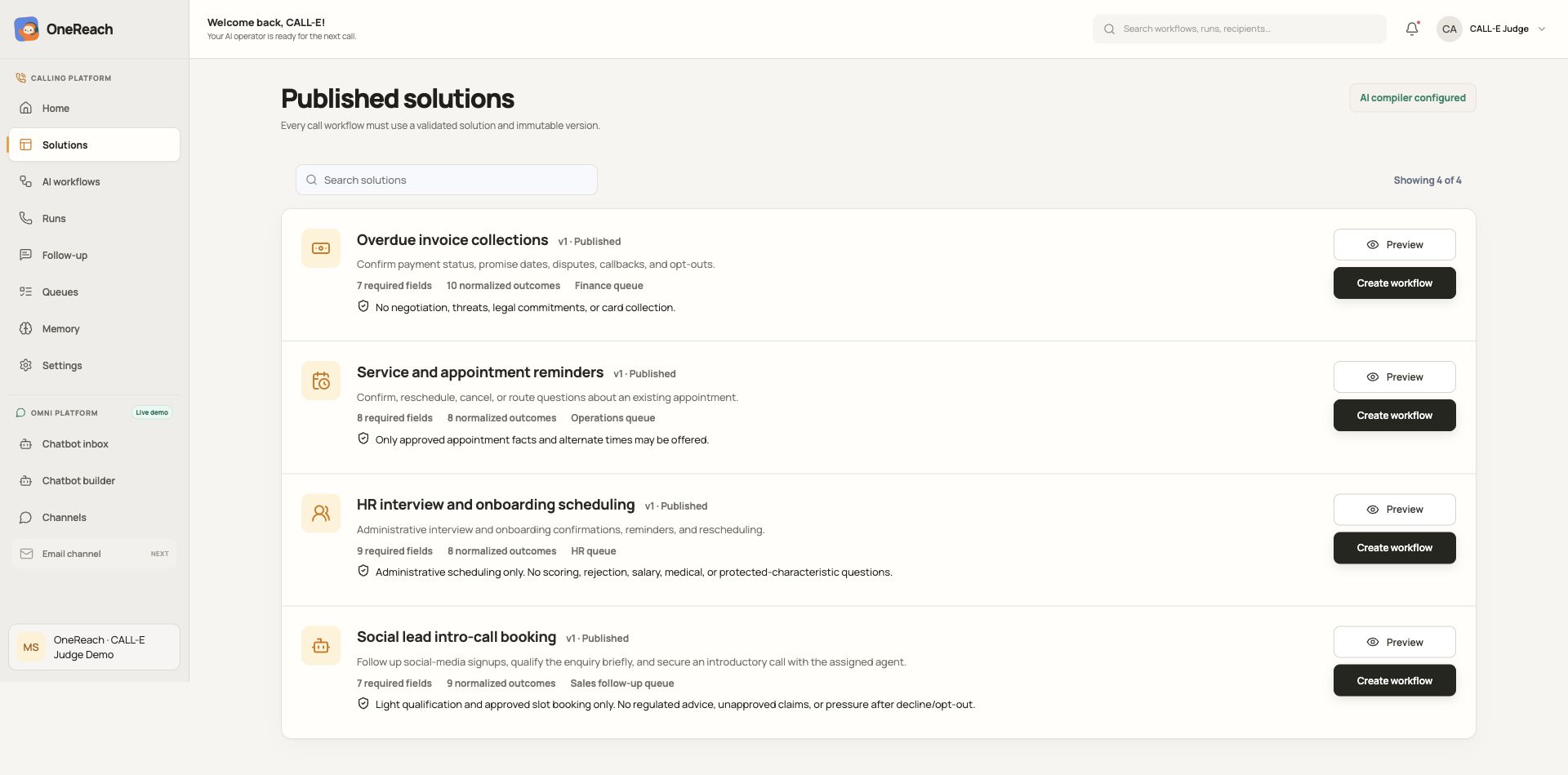
Businesses need a way to carry a task from intention to follow-through. An appointment reminder, invoice follow-up, HR scheduling request, or new lead starts with different information and ends with a different action. The challenge was to bring those steps into one working process while keeping the business team in control.
OneReach connects AI-assisted task preparation, recipient data, workflow rules, human approval, communication execution, and outcome tracking. The operator defines the goal, reviews the prepared plan, and launches the work. When a calling workflow is selected, OneReach passes the approved conversation task to CALL-E, tracks its progress, and brings the result back into the workflow.
The next step stays connected to the original task. A service change goes to Operations, an invoice dispute goes to Finance, and a lead enquiry goes to Sales follow-up. Teams can see the outcome and the work that still needs their attention.
Accomplishments
We built OneReach as an end-to-end AI task management and customer communication platform, available at onereach.my. Its product workflow brings together:
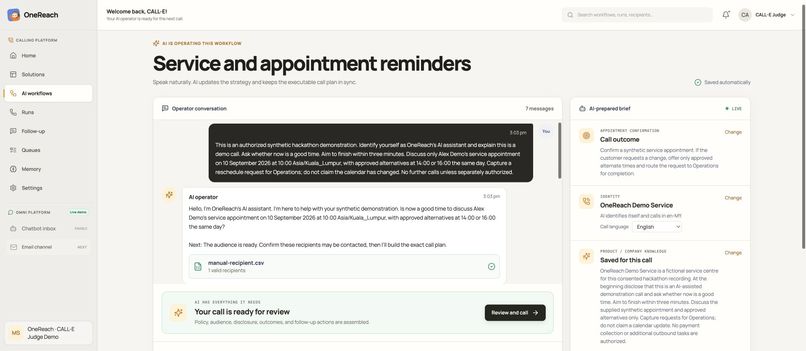
- AI-assisted task preparation: turn a business objective and recipient records into a structured plan with the information, conversation guidance, and expected outcomes needed to execute.
- Human control before execution: review and approve the plan, with contact rules, execution timing, and clear boundaries for the task.
- CALL-E as a calling channel: pass approved voice tasks to CALL-E while OneReach retains the business context, execution record, and follow-up responsibilities.
- Results connected to action: record confirmations, capture change requests and questions, and route follow-up work to the responsible team.
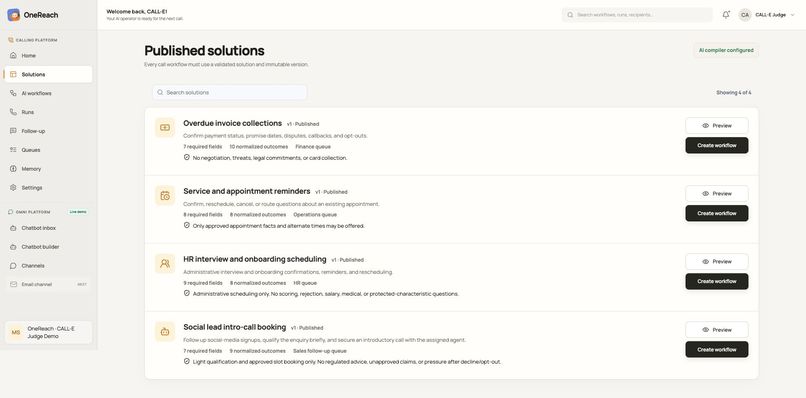
- Multiple business workflows: support defined processes for service appointments, invoice follow-up, HR interview and onboarding scheduling, and social-lead introductions.
For a service appointment, that means one connected journey: prepare the customer task, approve the plan, call through CALL-E, capture the customer's response, and track the Operations follow-up. The same task-management pattern supports the other defined workflows, with their own business rules and owners.
We have also published a standalone CALL-E integration example so developers can inspect and reuse the calling portion of this product without access to OneReach's proprietary platform.
What we learned
A useful calling integration needs a defined task, an honest account of provider state, and a result the operator can act on. Application controls and provider capabilities must be distinguished. We make no numerical claims about savings, adoption, conversion, or CALL-E-attributed customer reach.
AI and Codex use
OneReach includes AI-assisted workflow preparation and validation. CALL-E supplies the outbound conversational calling capability. Application-owned approval and result processing surround that interaction.
Codex helped inspect the existing integration, check requirements, develop submission copy and a storyboard, prepare the standalone example and tests, and seed the judge workspace. This does not attribute the platform's entire development history to this submission session.
What's next
Finish the authorized live demo recording and confirm the judge calling allowance, then continue testing appointment outcomes and the human handoff.
Built With
- call-e
- fastify
- mysql
- node.js
- react
- typescript

Log in or sign up for Devpost to join the conversation.