Inspiration
OneHealth came from seeing medication lists split between what people take at home and what clinics have on file, and how risky combinations often show up too late. We wanted one shared workflow where patients can capture medicines from photos and doctors work from the same record, with automated safety prompts that support, not replace, professional judgment.
What it does
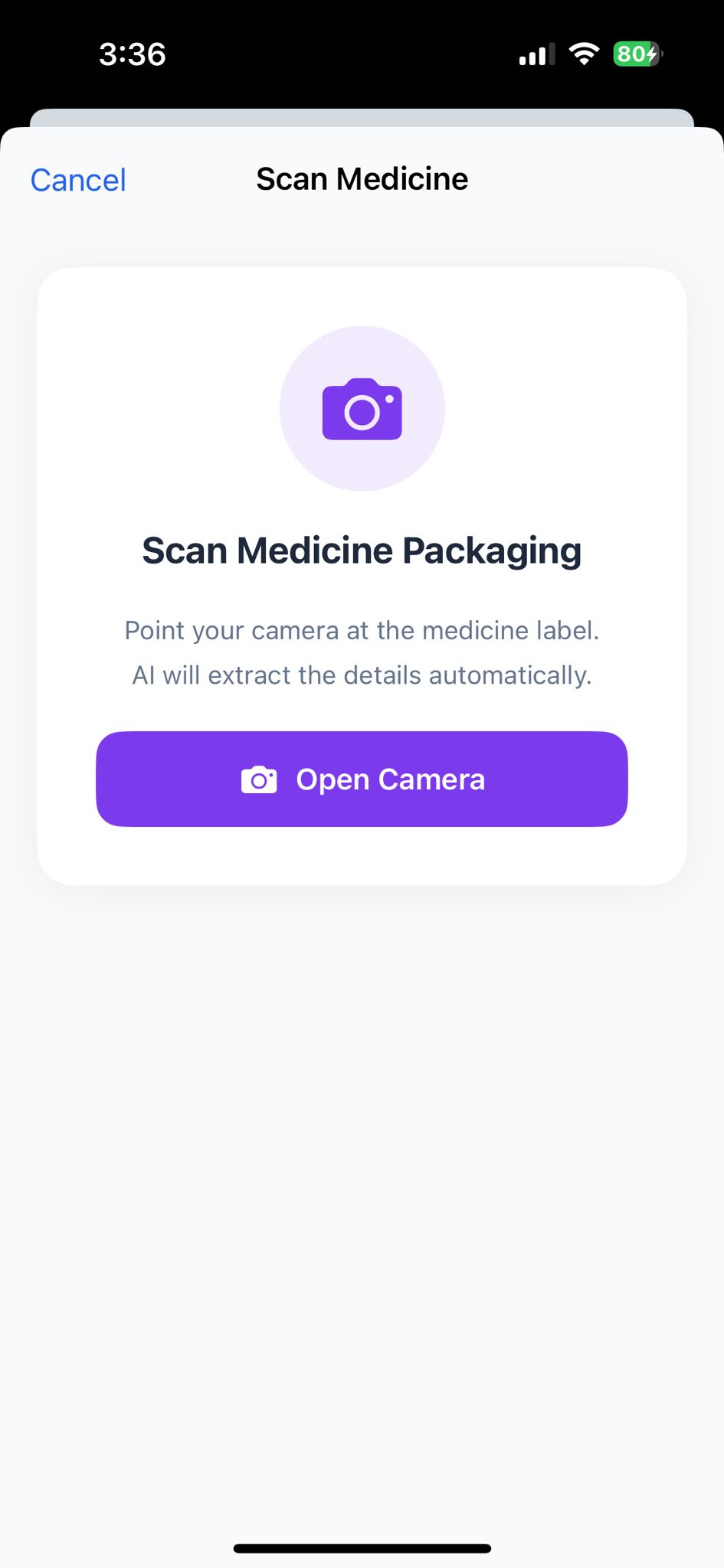
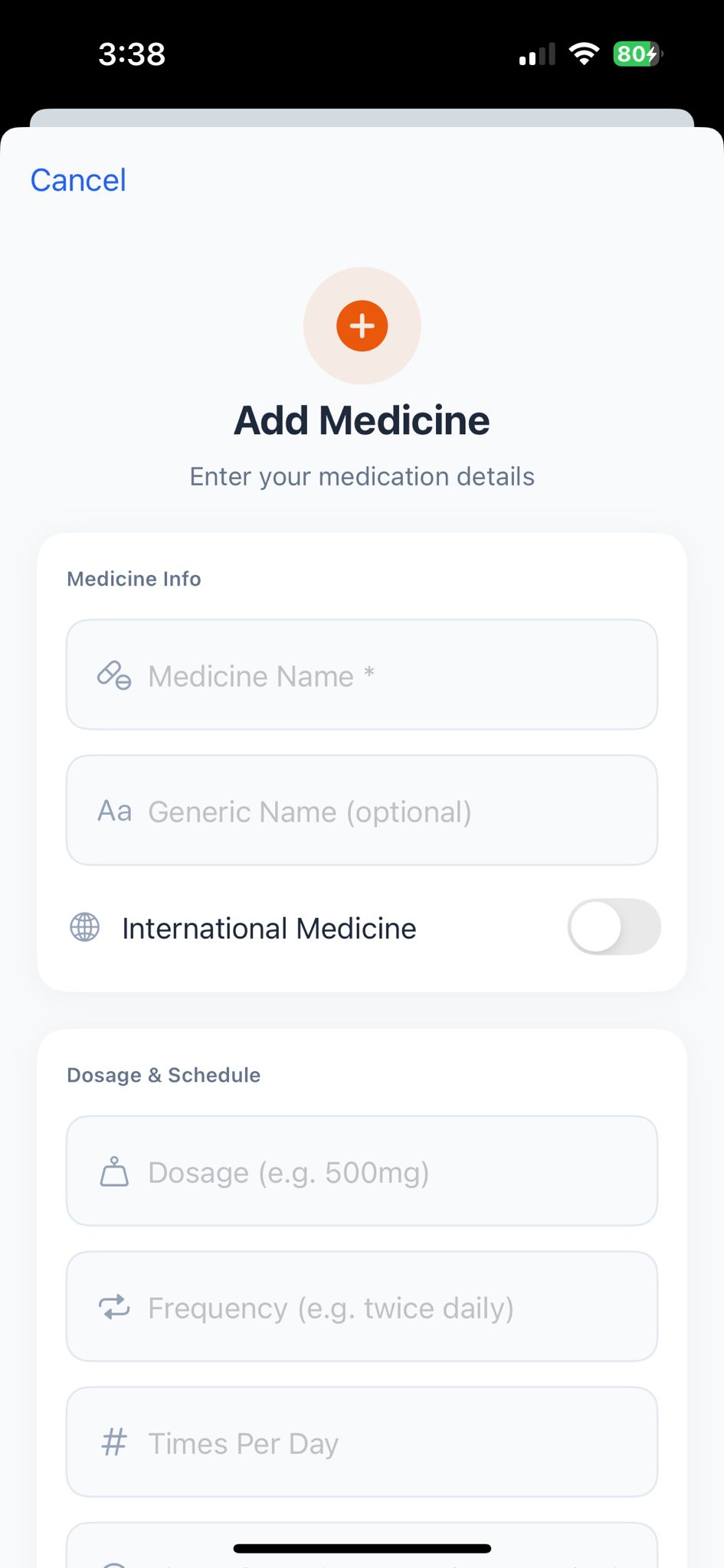
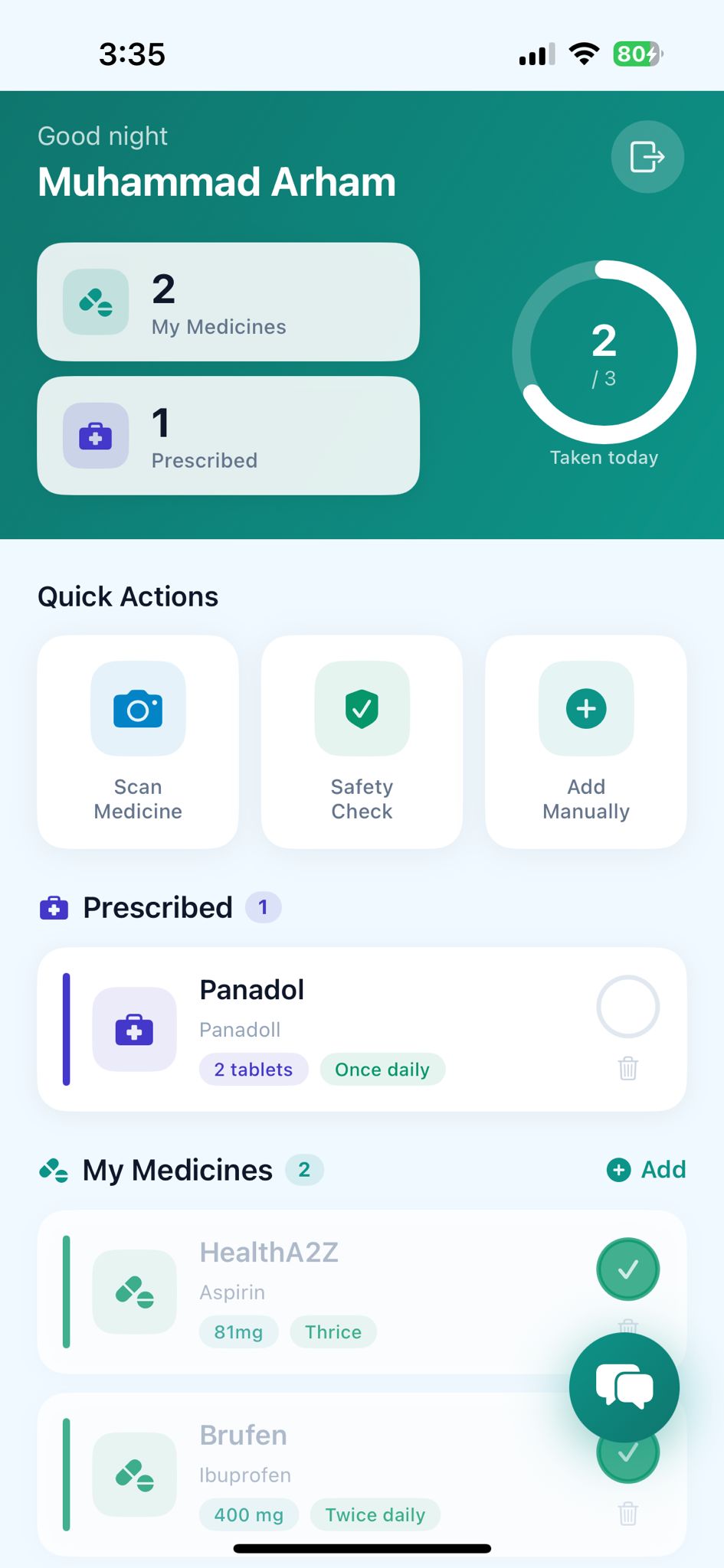
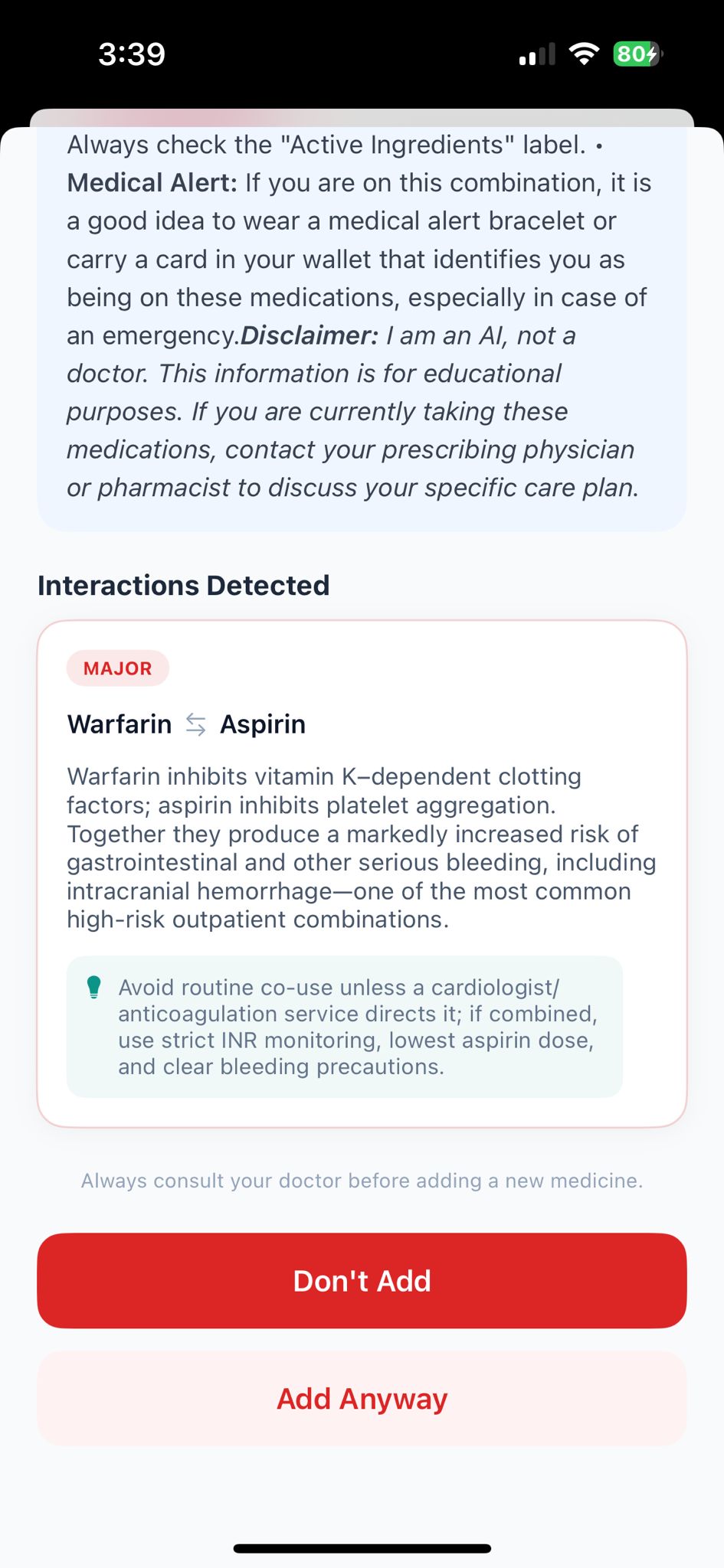
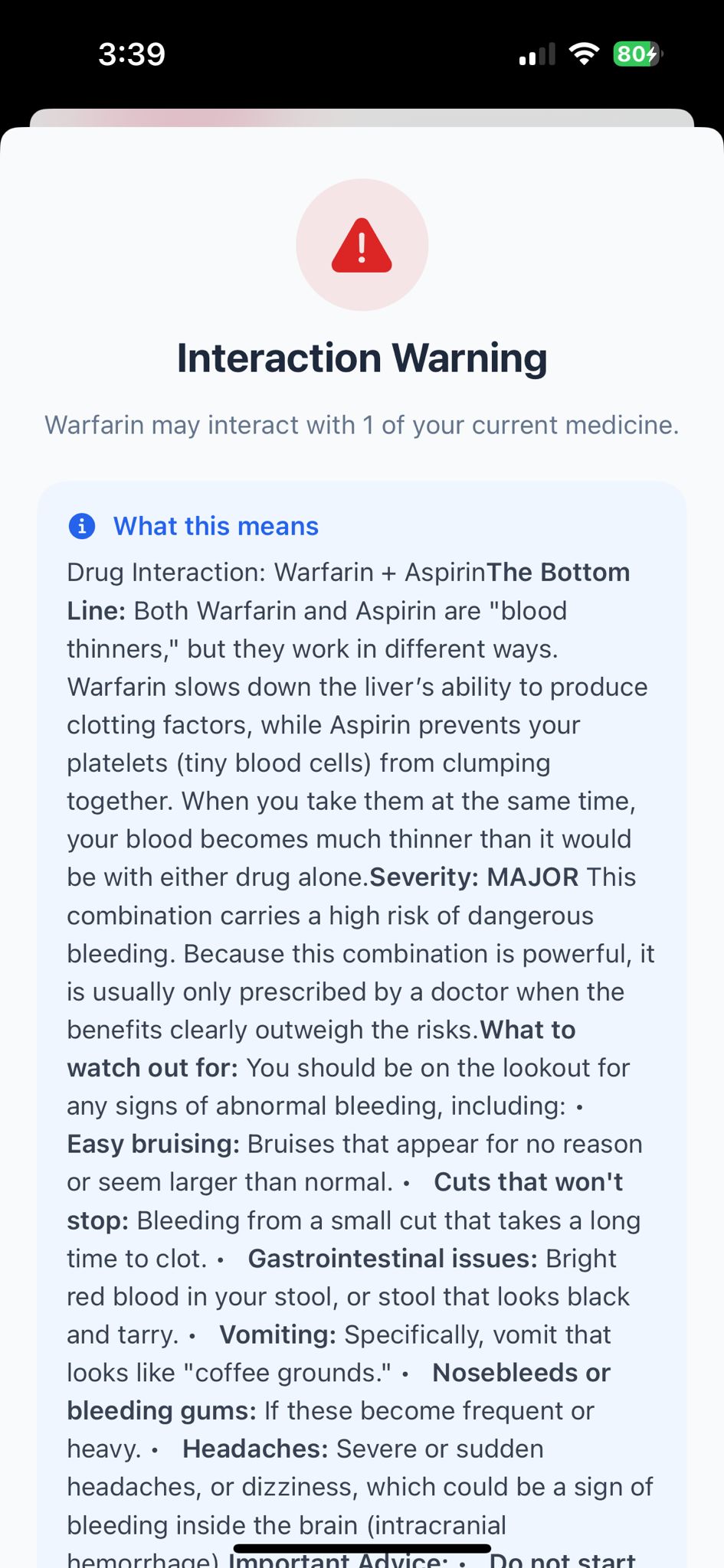
- Patient iOS app: photograph packaging; an LLM extracts brand, generic, dosage, and frequency hints to prefill forms.
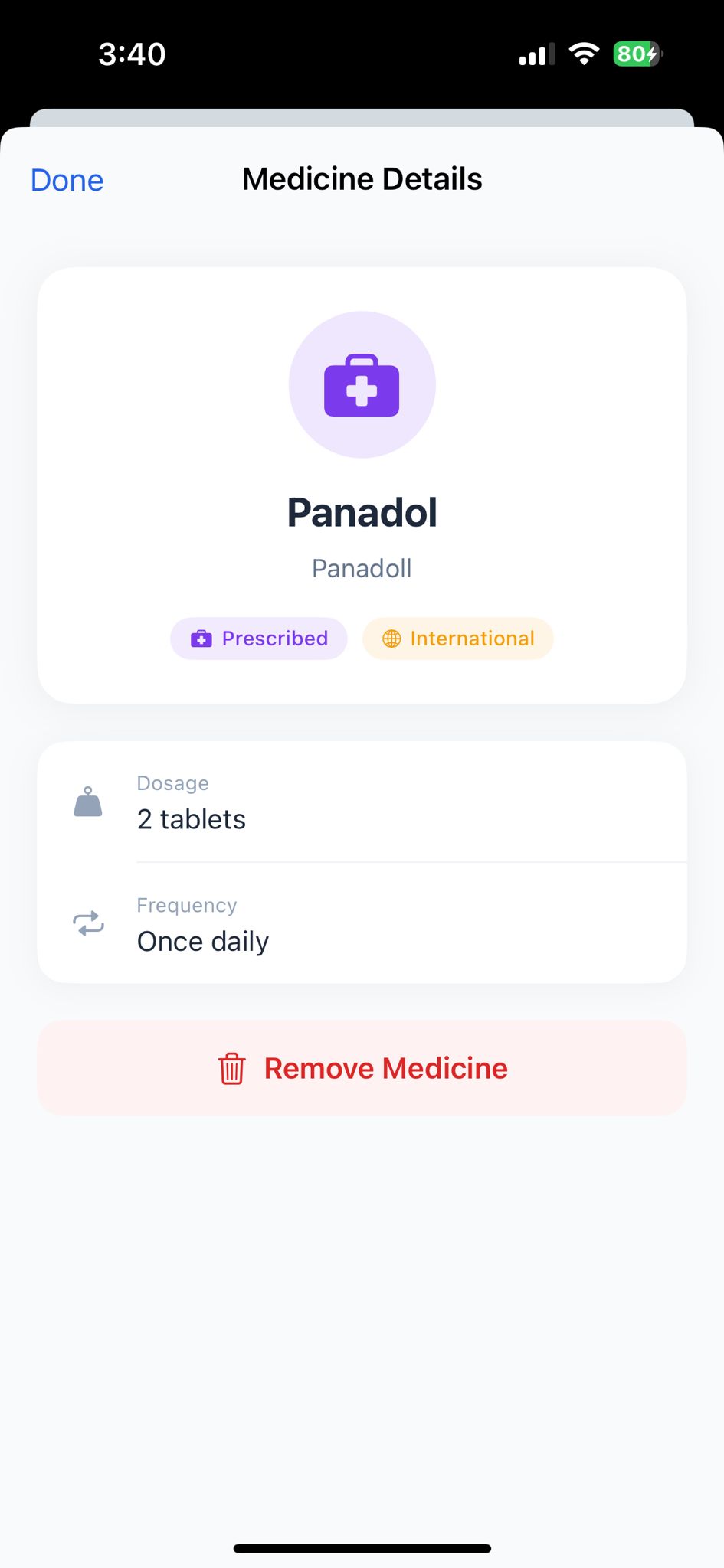
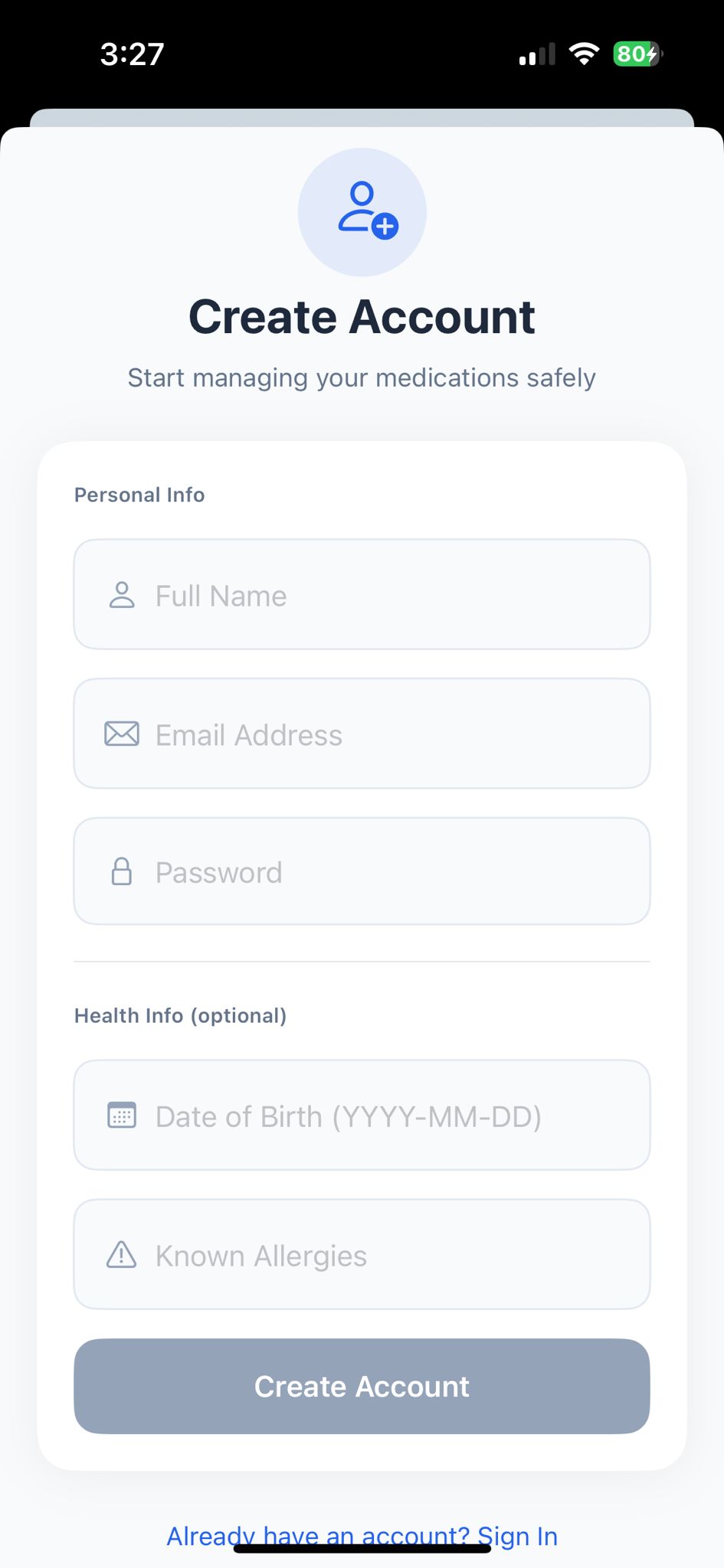
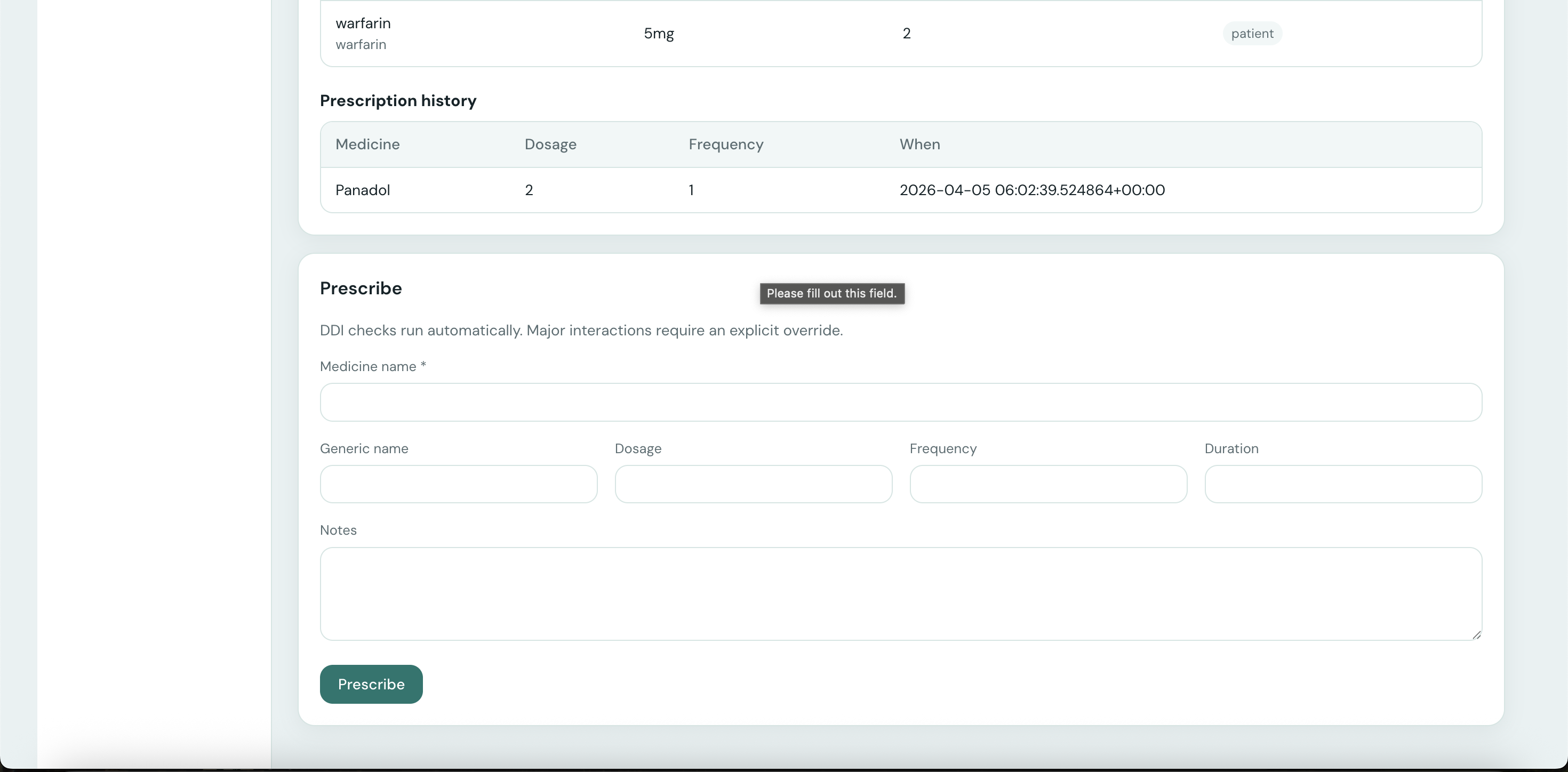
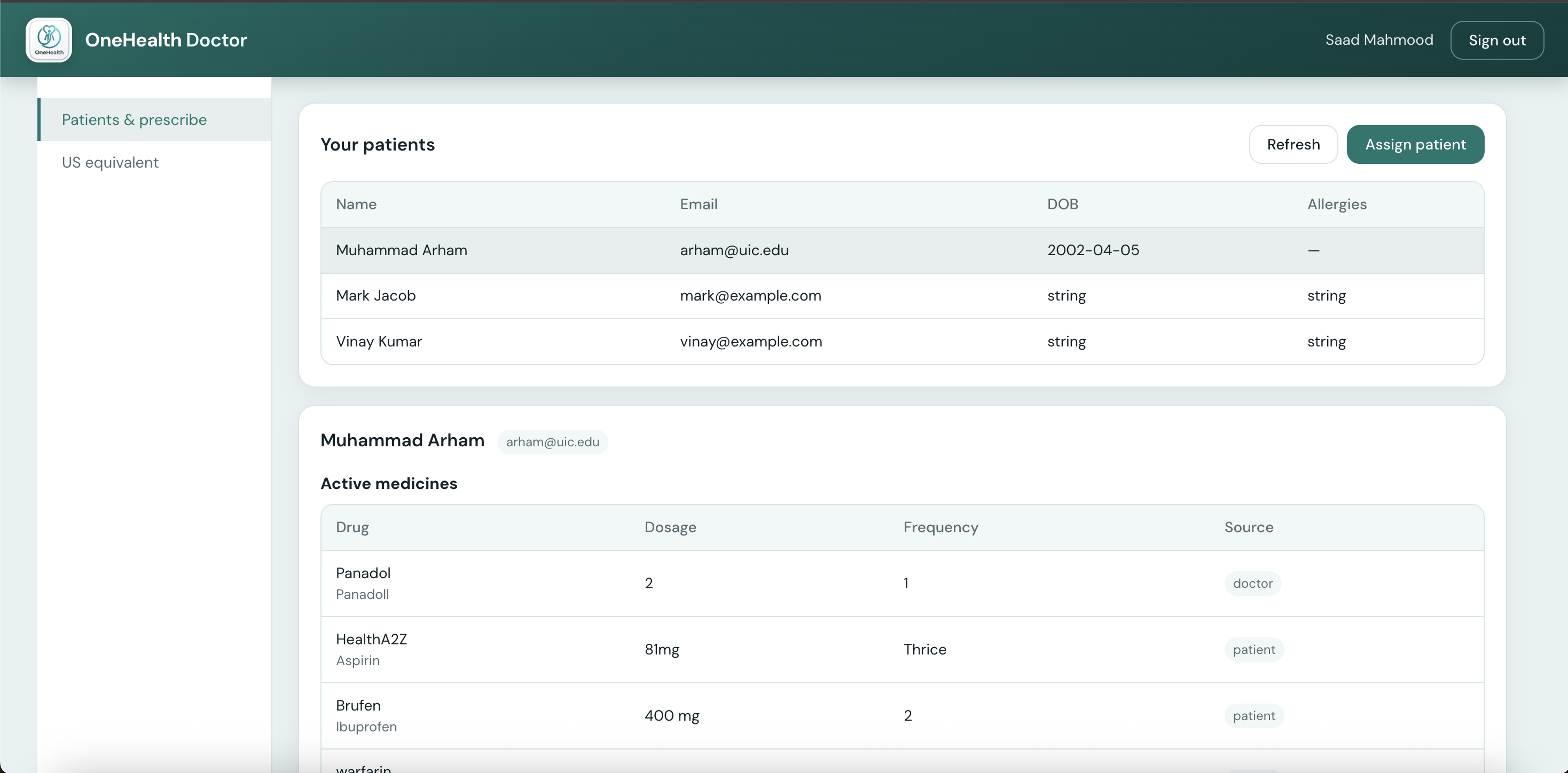
- Shared record for assigned patients and doctors: active medicines and prescription history.
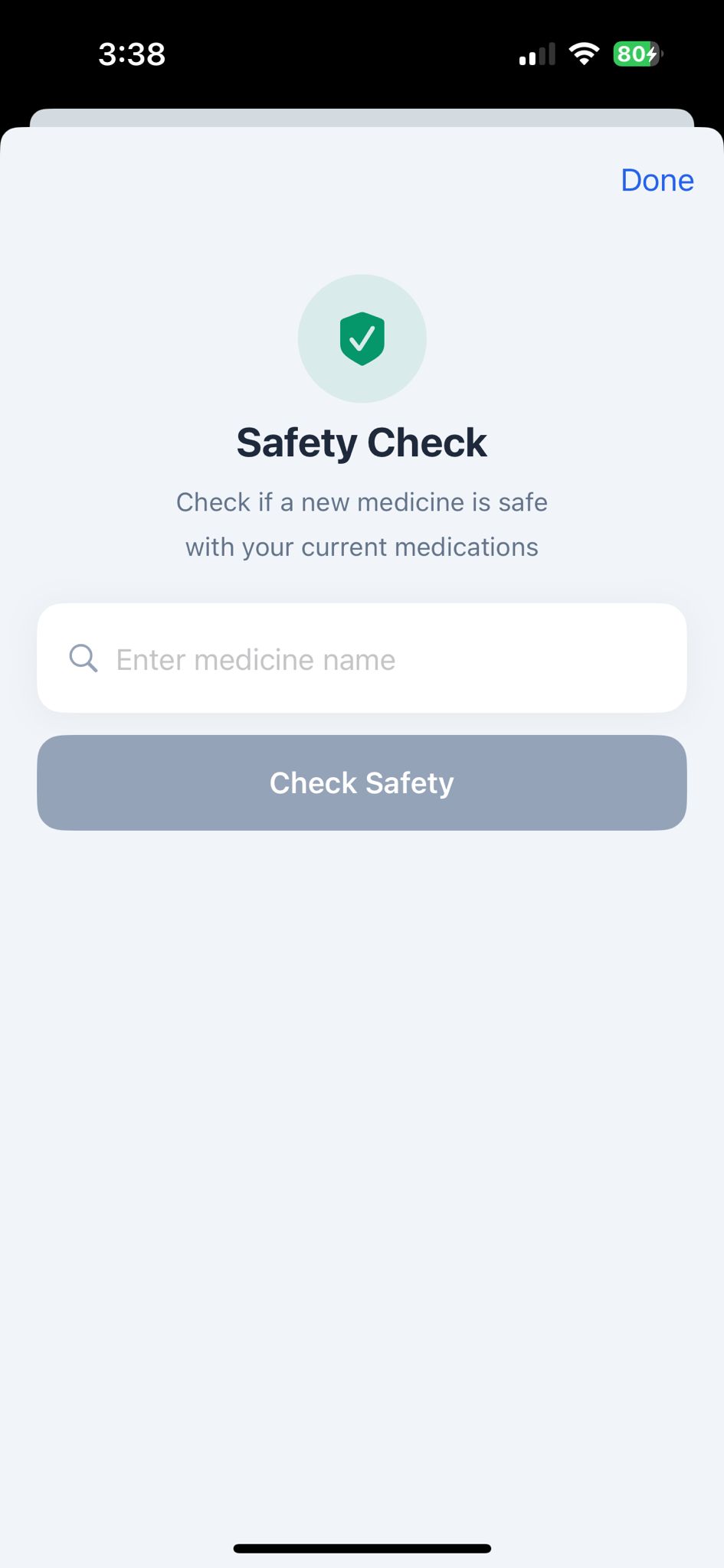
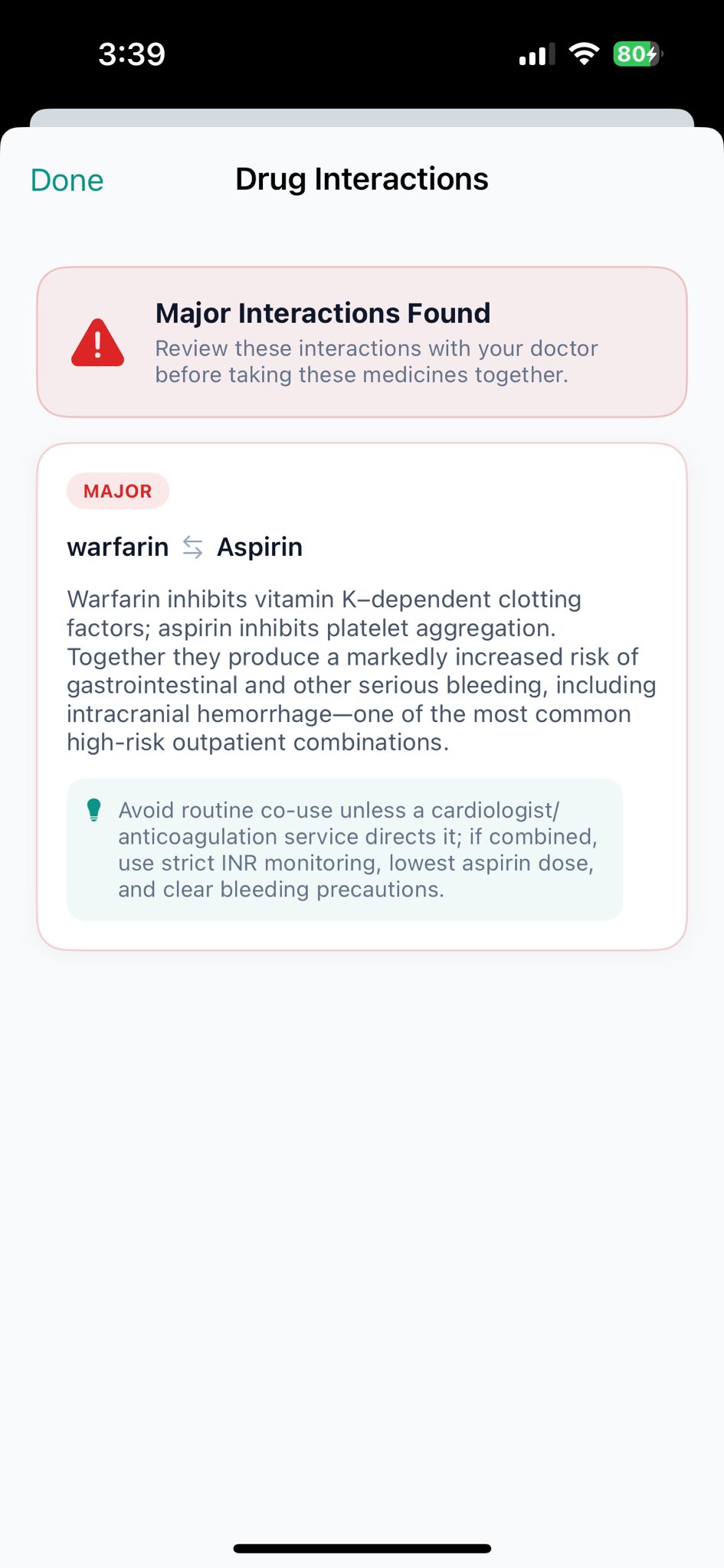
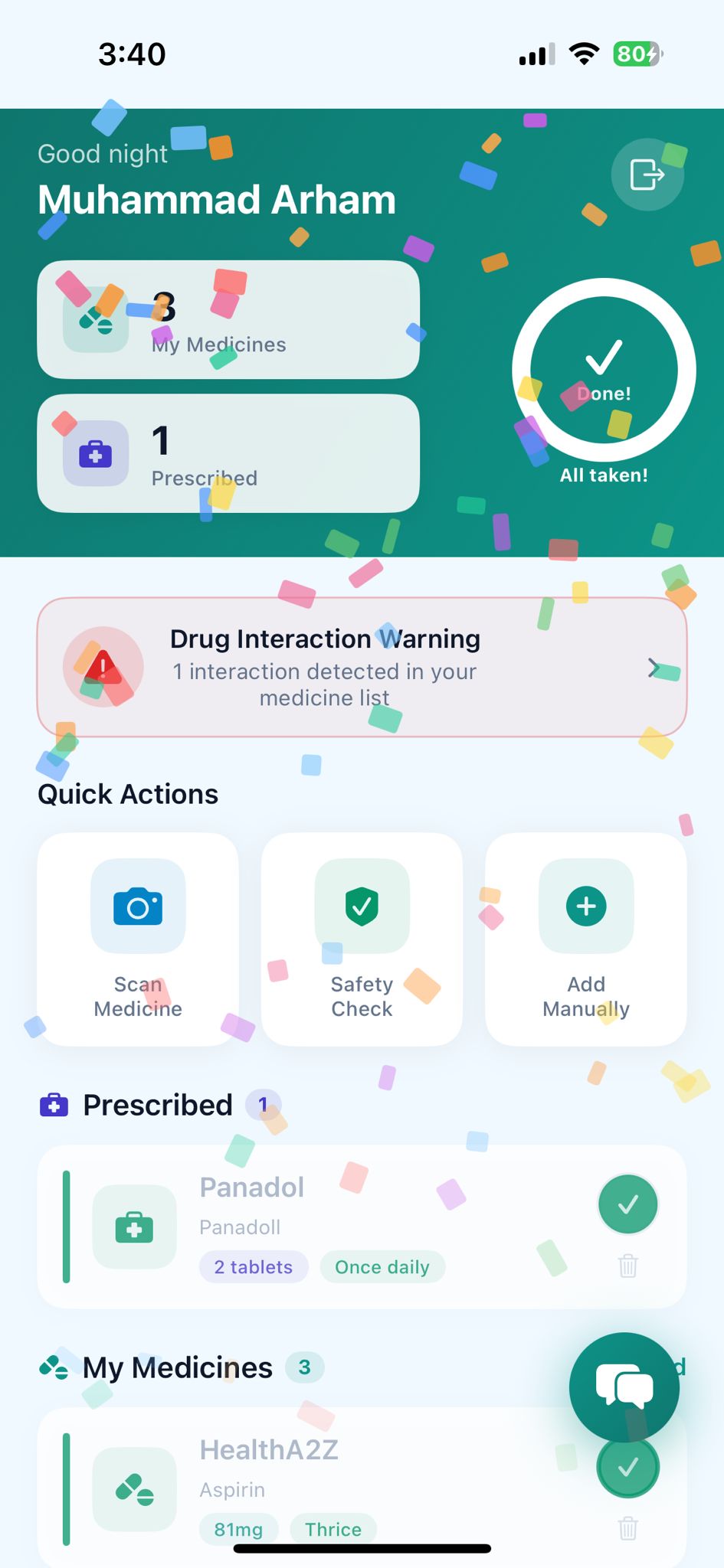
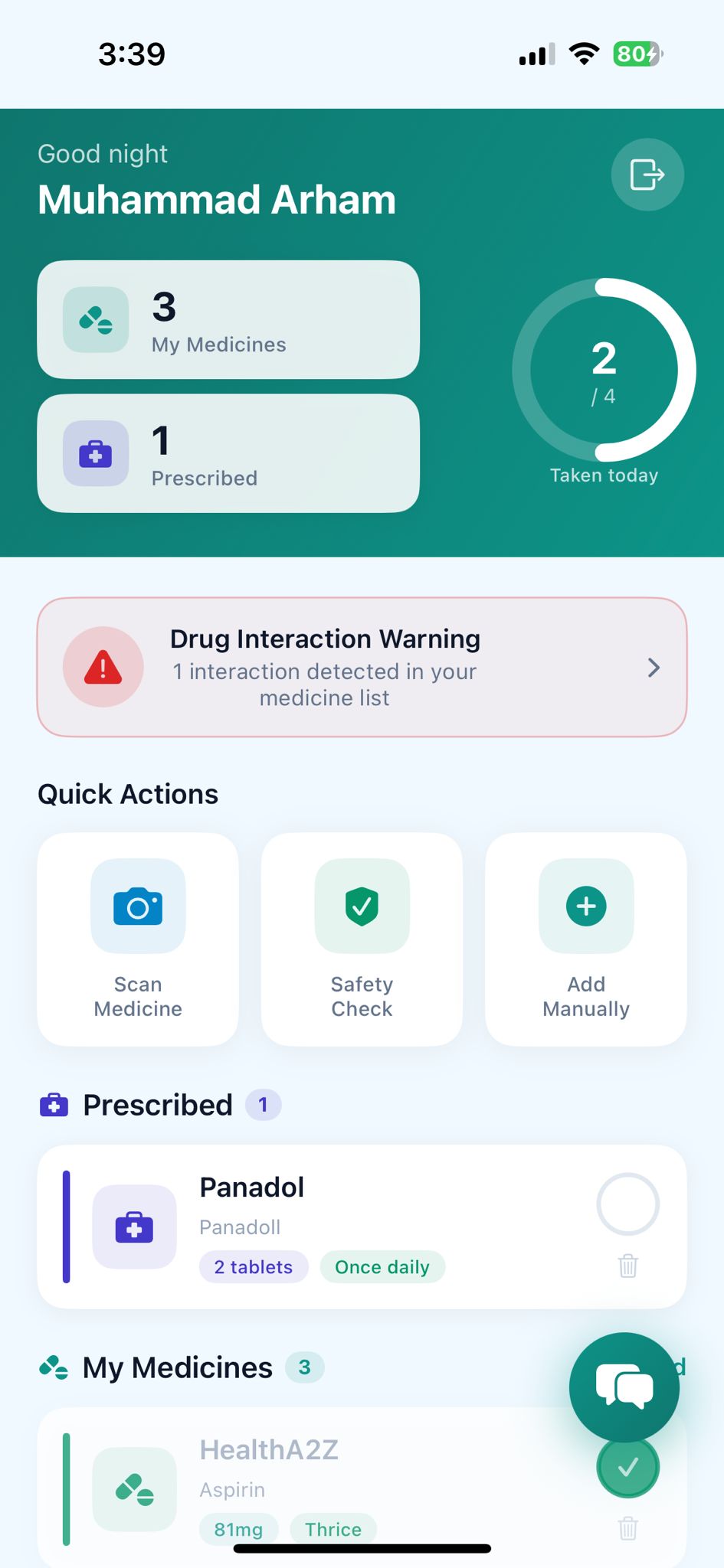
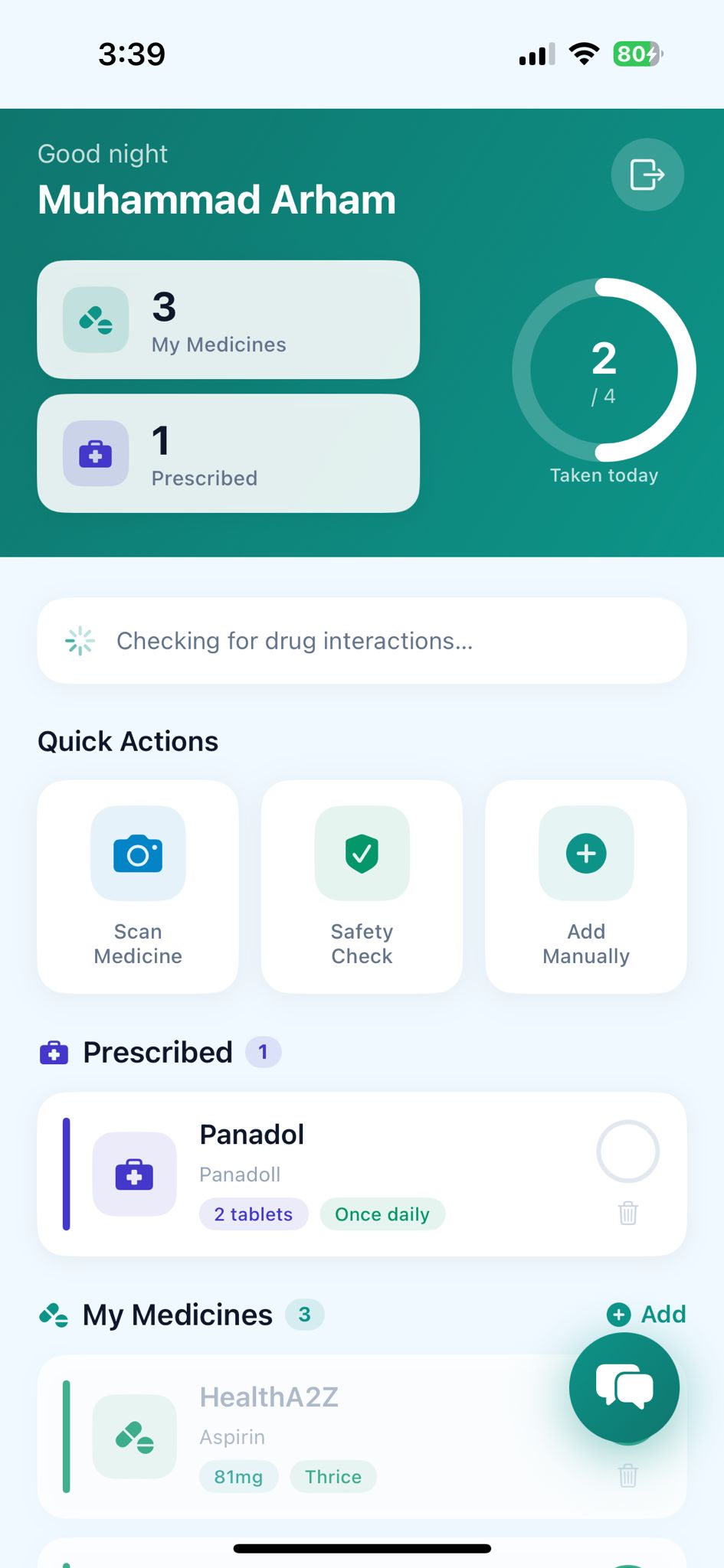
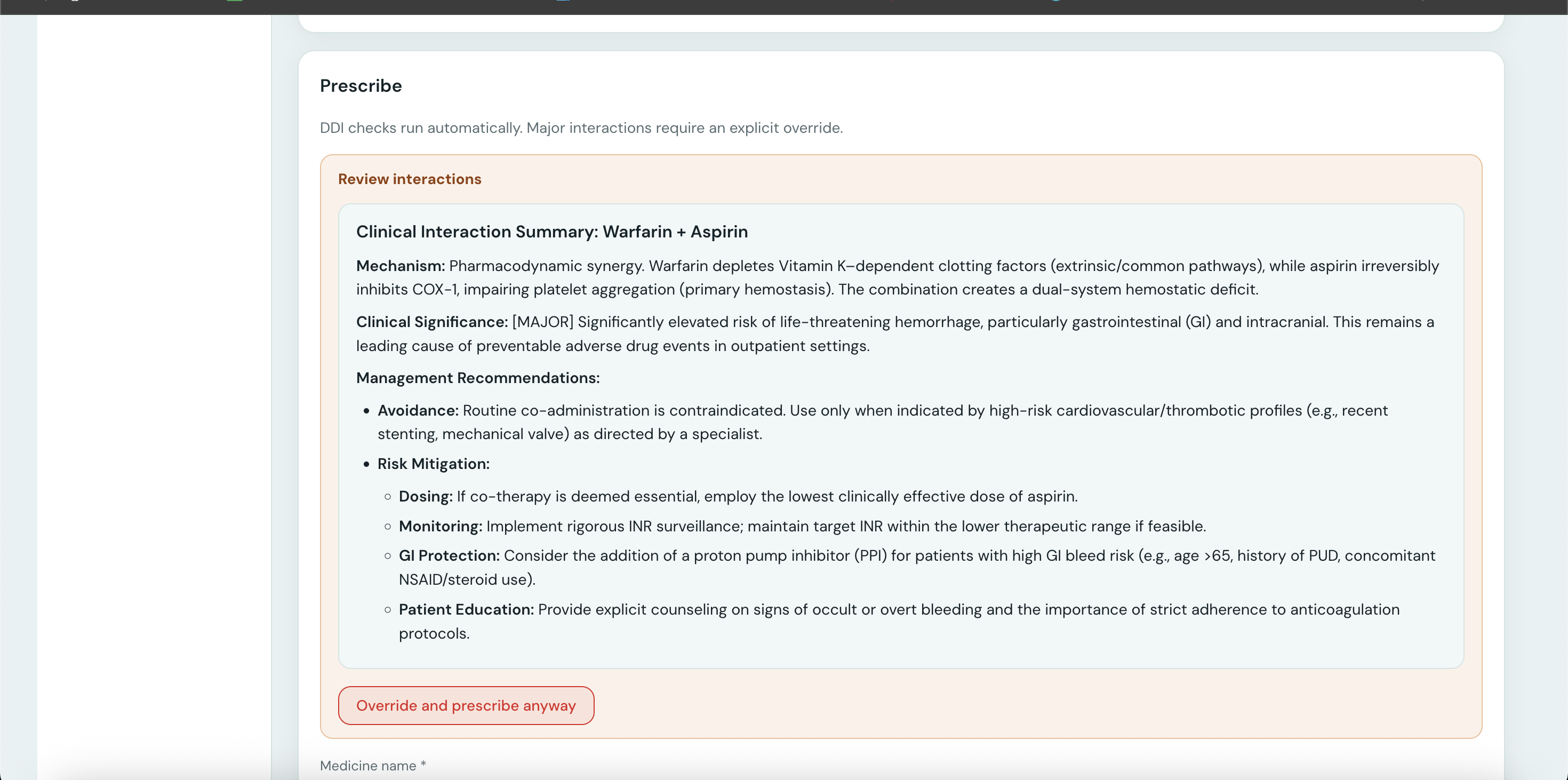
- Prescribing with automatic drug–drug interaction screening and an explicit doctor override when needed.
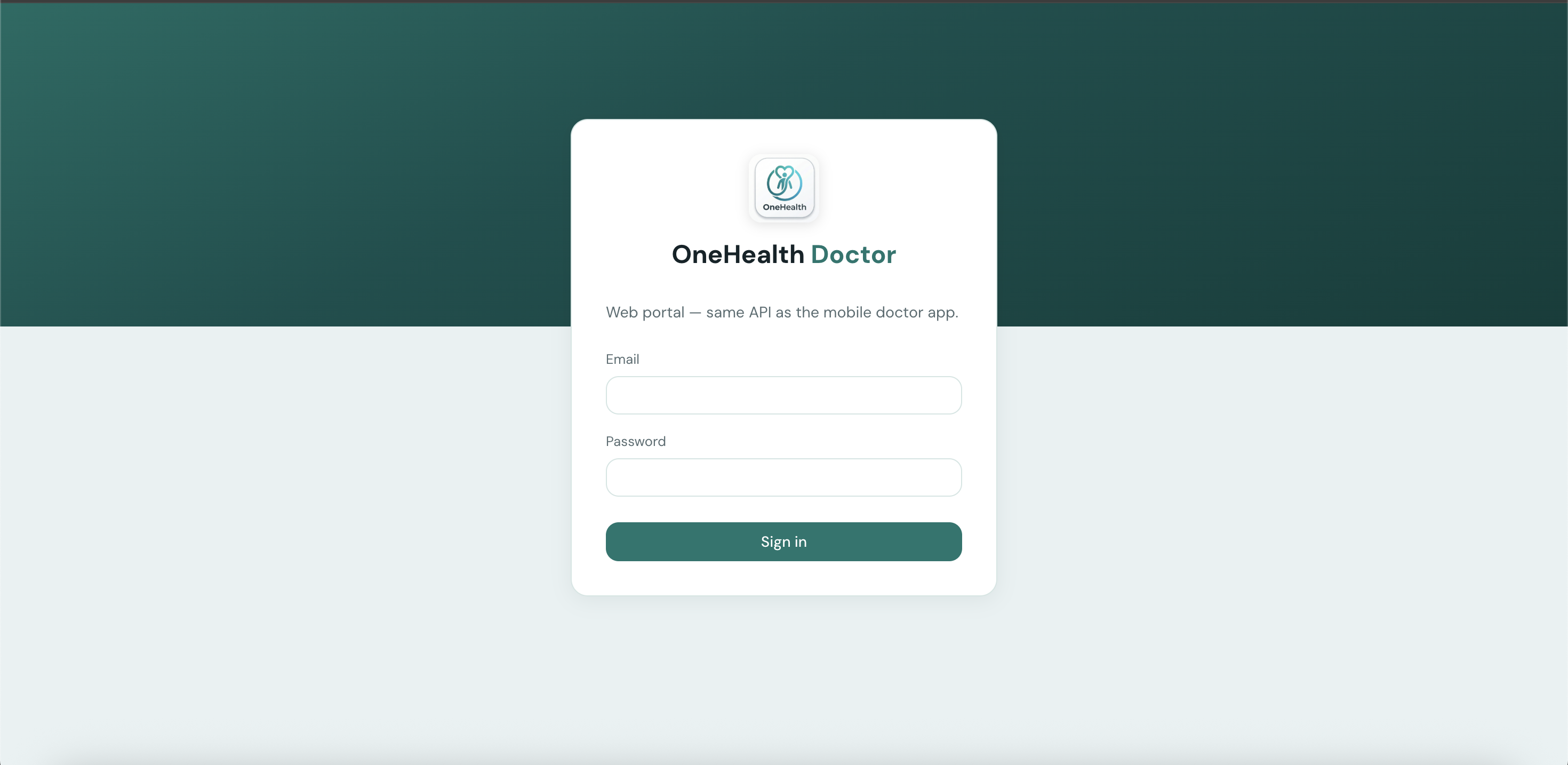
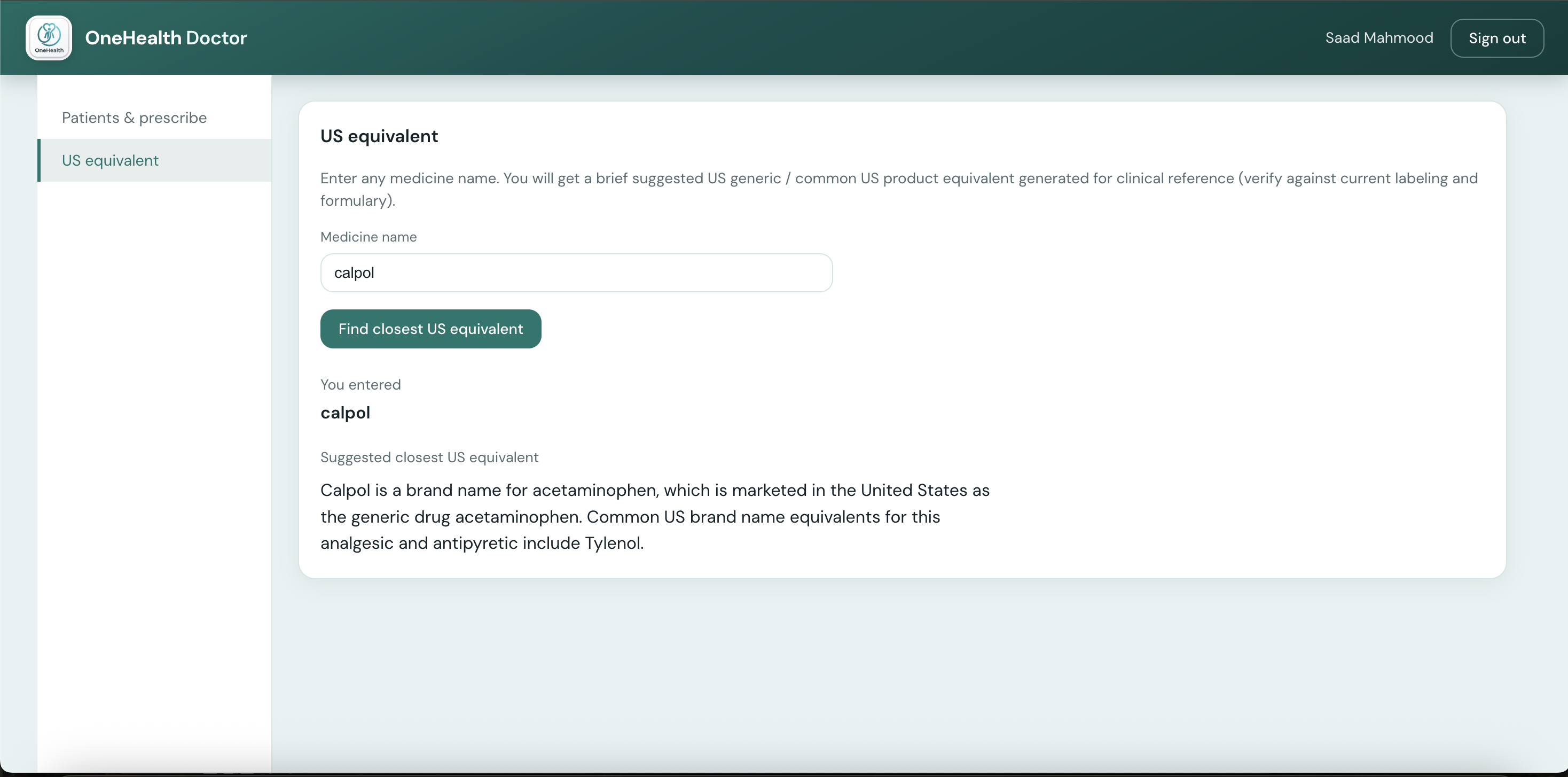
- Doctor web portal (React/Vite): patient list, prescribe, and AI US-equivalent lookup.
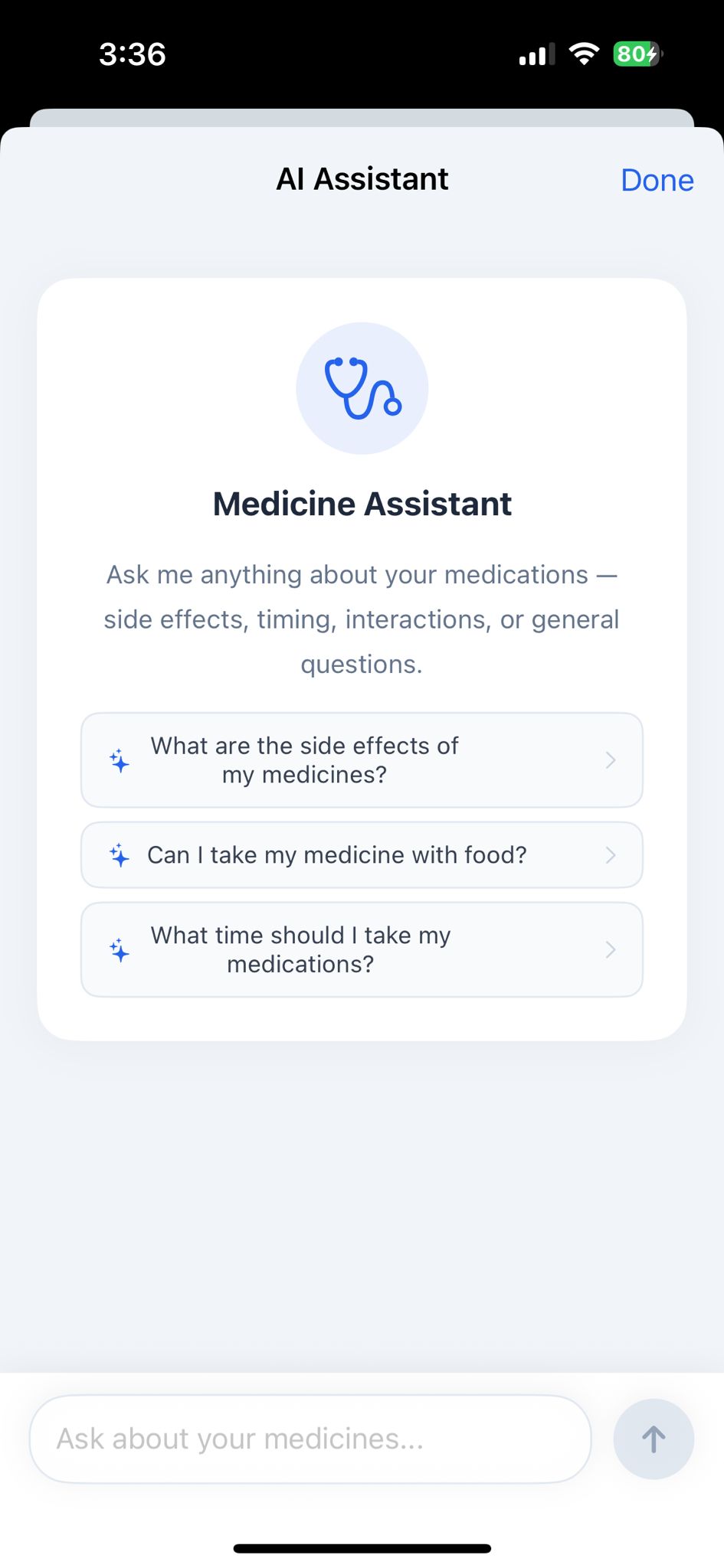
- Backend: FastAPI, PostgreSQL (Docker), JWT auth, Google Gemini for vision and text.
How we built it, challenges, accomplishments, learnings, what’s next
We built REST APIs backed by a PostgreSQL schema for users, patient profiles, medicines, and prescriptions, with role-based access for patients vs doctors. The hardest parts were getting stable structured data from vision models and matching interactions on messy free-text drug names without a full commercial drug database. We’re proud of the scan → extracted fields → chart path end to end. We learned how much prompt design and UX matter for tools that touch clinical workflows. Next: tighter vocabulary normalization (e.g. RxNorm), richer interaction data, and production deployment polish.

Log in or sign up for Devpost to join the conversation.