
🌍 OneEarth
Inspiration
OneEarth was inspired by the urgent need to address wildlife conservation and promote cruelty-free consumer choices.
Many people want to make ethical decisions but lack accessible information about:
- The impact of their shopping choices on wildlife and animals
- How to find cruelty-free alternatives to harmful products
- Conservation actions and their effectiveness
- The current status of wildlife populations and threats they face
Our team wanted to bridge the gap between conservation science and everyday consumer decisions.
✨ What It Does
🌿 Wildlife Conservation Hub
- Real-time access to IUCN Red List data for endangered species
- Interactive exploration of conservation actions
- Detailed species assessments with threat levels & conservation status
- Search functionality for specific animals and conservation needs
🛍️ Cruelty-Free Shopping Assistant
- AI-powered chatbot for vegan & cruelty-free alternatives
- Database of 350+ luxury products with alternatives
- Educational content about animal cruelty in fashion
- Smart product filtering by category, price, and material
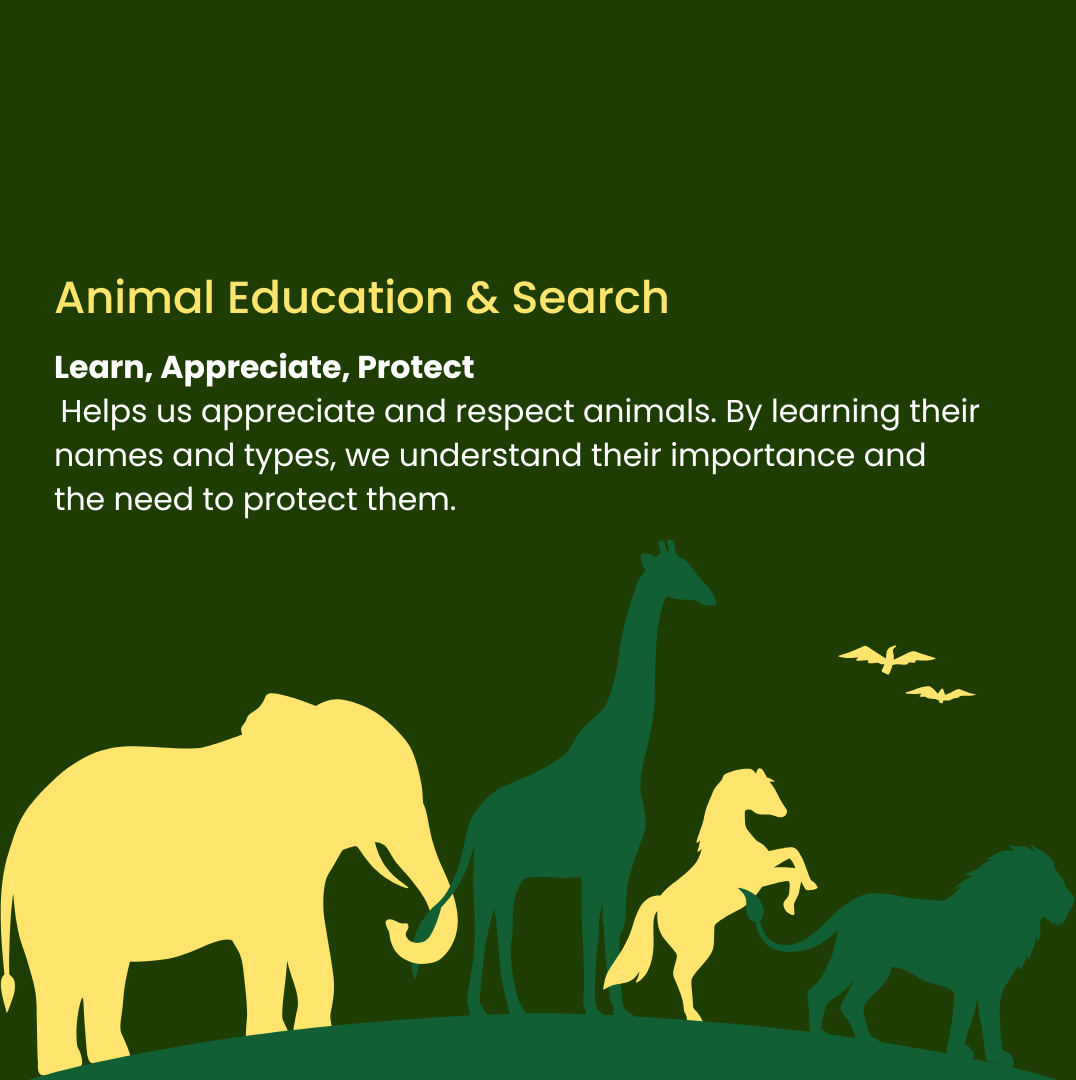
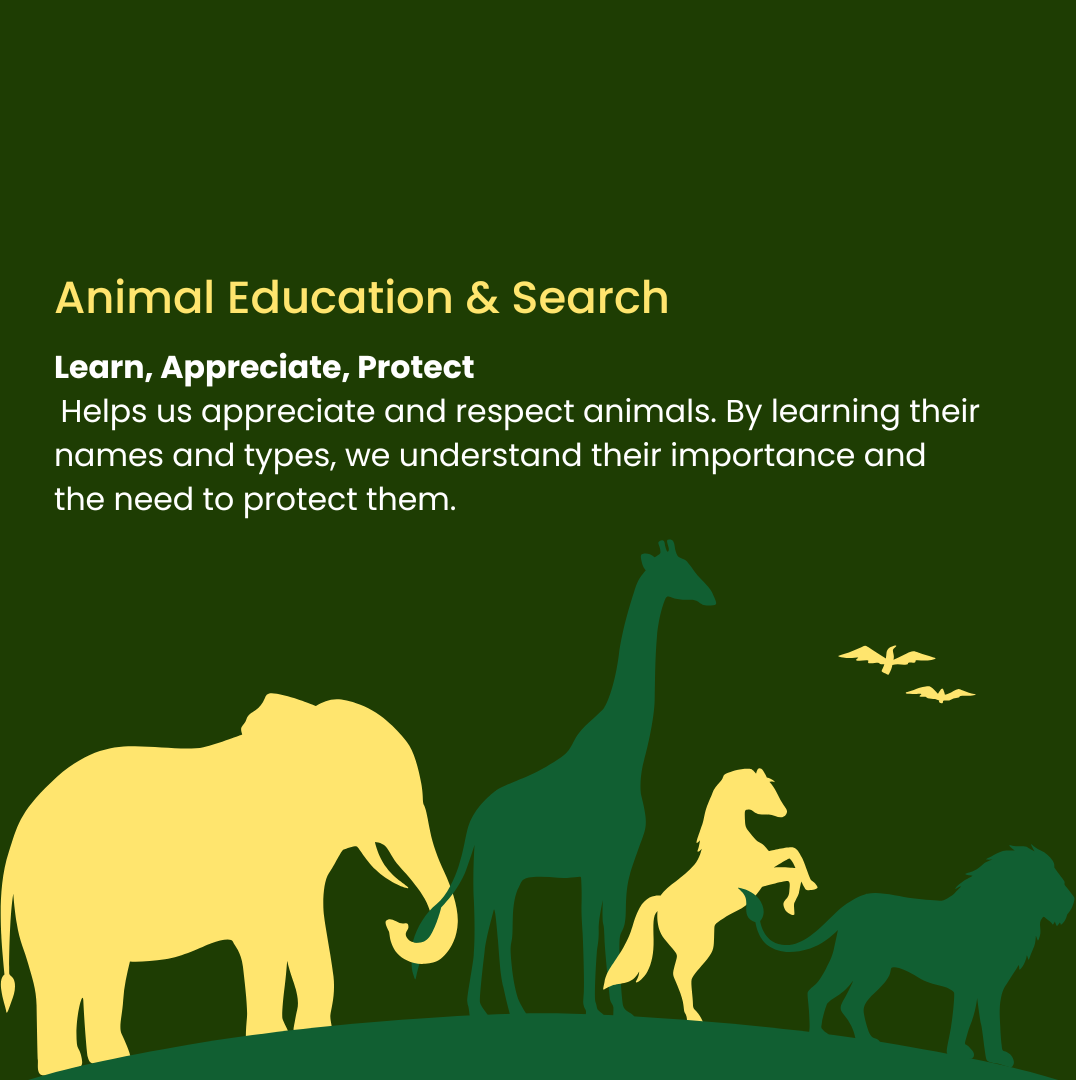
📊 Conservation Education
- Visual representation of threats to wildlife
- Focus areas highlighting critical conservation priorities
- Interactive maps & data visualizations
- Sustainable practice education
🛠️ How We Built It
Backend
- FastAPI server providing RESTful APIs
- IUCN Red List API integration with secure proxy
- RAG system using Google Gemini API
- FAISS vector database for semantic product search
- Python with dependency management
Frontend
- Next.js 14 with React
- TypeScript for type safety
- Tailwind CSS for modern UI
- Component-based architecture
AI & Data Integration
- Google Gemini 2.0 Flash for chatbot responses
- Sentence Transformers for semantic understanding
- FAISS indexing for fast similarity search
- Real-time IUCN data
🚧 Challenges
- API Integration: Rate limits, complex data, secure proxy handling
- AI Model: Balancing speed vs. quality, API costs, RAG optimization
- Data Management: Curating accurate cruelty-free alternatives
- Performance: Optimizing vector search & caching
- Cross-Platform: Responsive design & browser compatibility
🏆 Accomplishments
- Comprehensive Solution: Bridged scientific data with consumer education
- Advanced AI: RAG-based chatbot + semantic search
- Real-Time Data: Live IUCN integration
- Technical Excellence: Scalable, tested, and well-documented architecture
- User Experience: Intuitive design with engaging visuals
📚 What We Learned
- Technical: Balancing retrieval vs. generation in RAG, FAISS indexing
- Conservation: Complexity of IUCN data, mapping conservation hierarchies
- UX: People need actionable insights, not just raw data
- Project Management: Separation of concerns, testing, documentation
- AI: Prompt engineering + fallback mechanisms improve reliability
🚀 What’s Next
- Enhanced AI: Context awareness, multilingual support, image recognition
- Mobile App: iOS/Android apps with offline capabilities & push updates
- Global Expansion: Local databases, regional product recommendations
- Advanced Analytics: User behavior insights, conservation impact tracking
- Community Features: Reviews, challenges, social sharing
- Scientific Integration: Partnerships & citizen science integration
- Education: Gamified courses, certifications on sustainable practices
- Sustainability Focus: Carbon footprint tracking, lifecycle analysis
⚡ Tech Stack
- Frontend: Next.js 14, React, TypeScript, Tailwind CSS
- Backend: FastAPI, Python
- AI: Google Gemini API, Sentence Transformers, FAISS
- Data: IUCN Red List API, custom product database
Built With
- faiss
- fastapi
- python
- react
- typescript


Log in or sign up for Devpost to join the conversation.