-
-
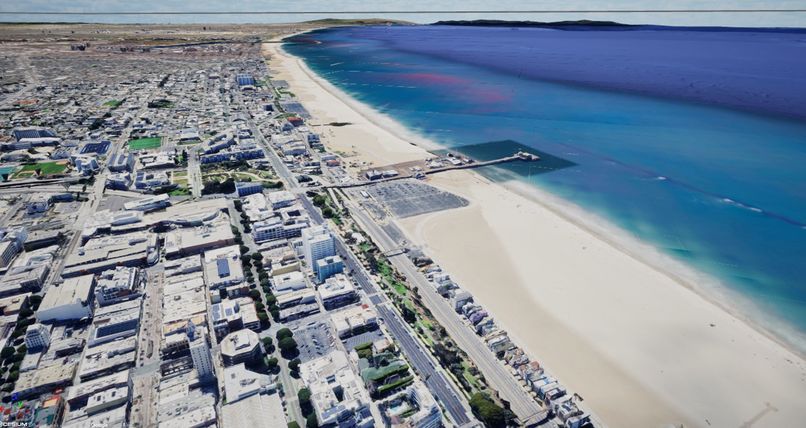
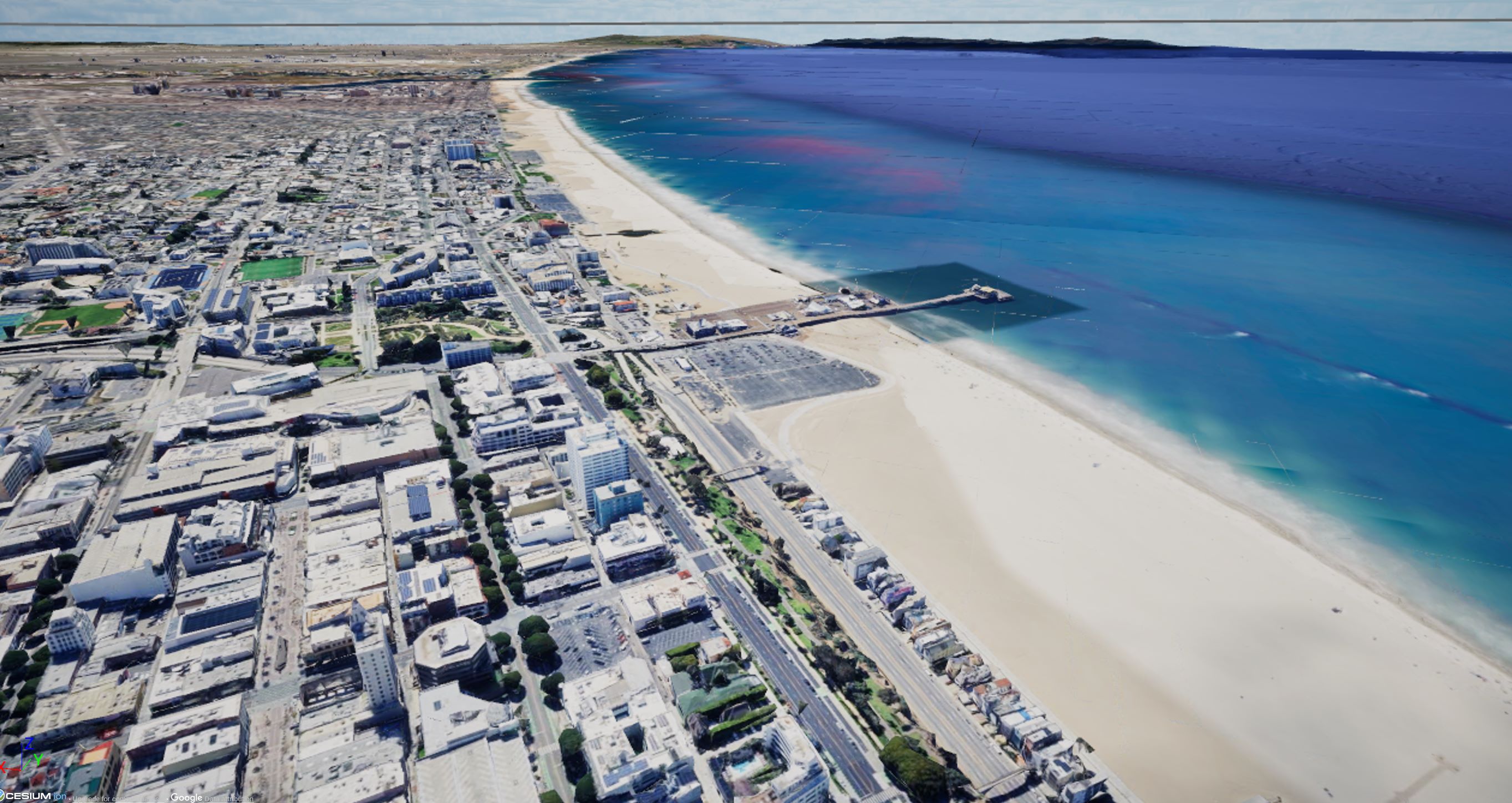
Screenshot from inside the VR experience (right above the hackathon building) looking at Santa Monica Pier
-
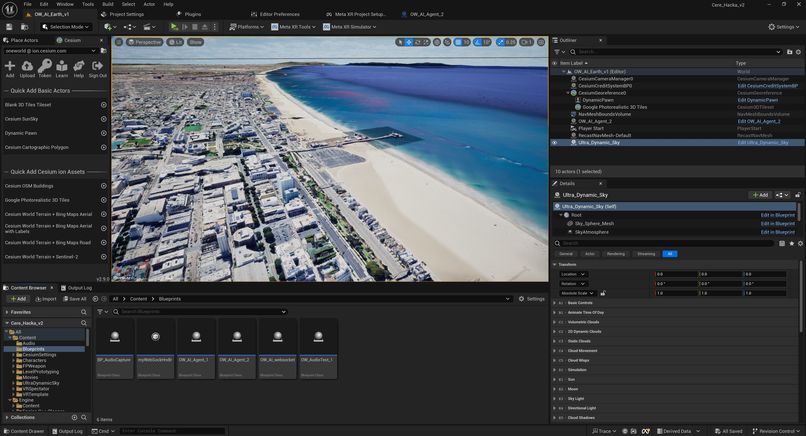
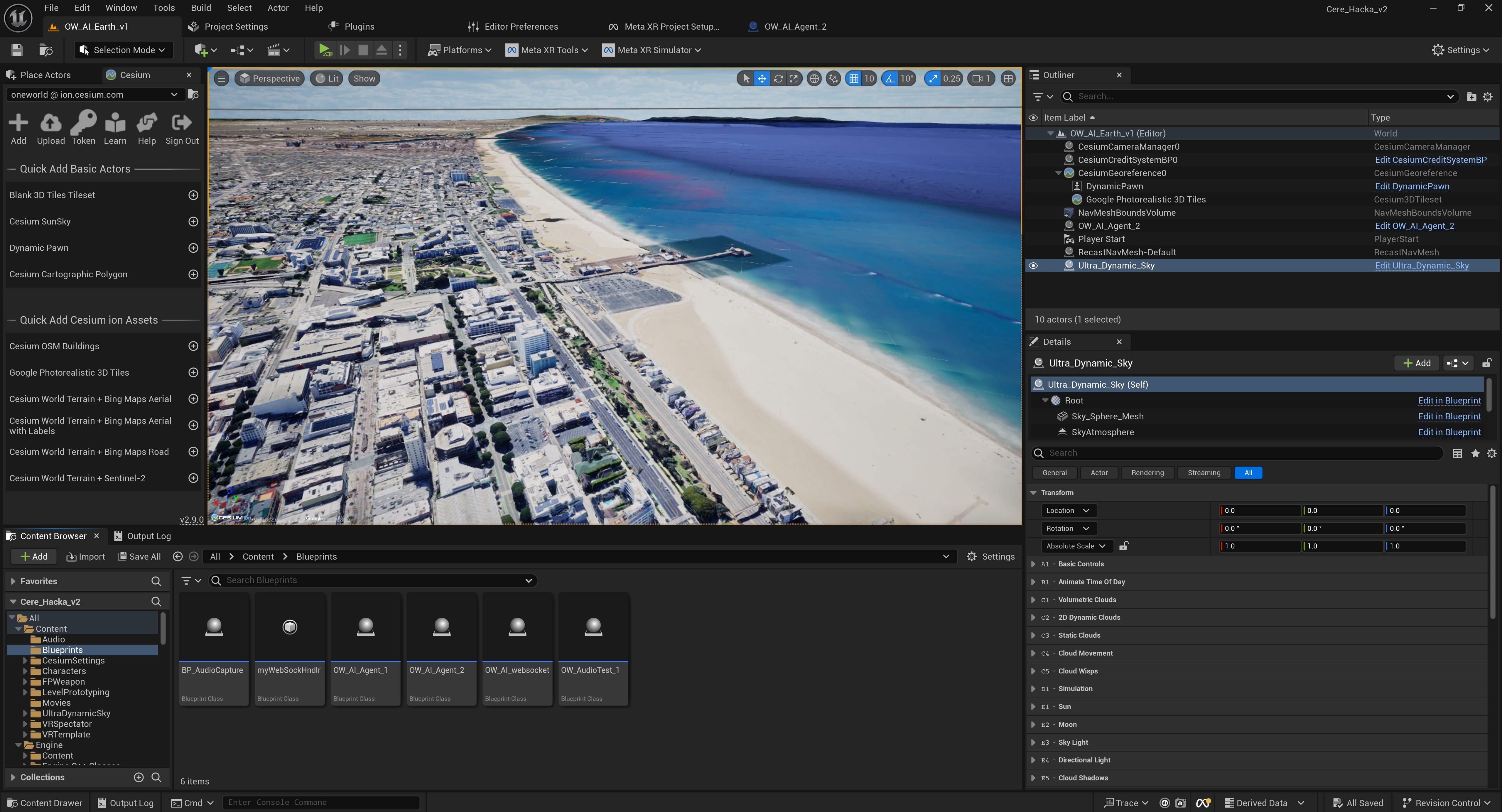
Screenshot of the Unreal Engine 5 development environment
-
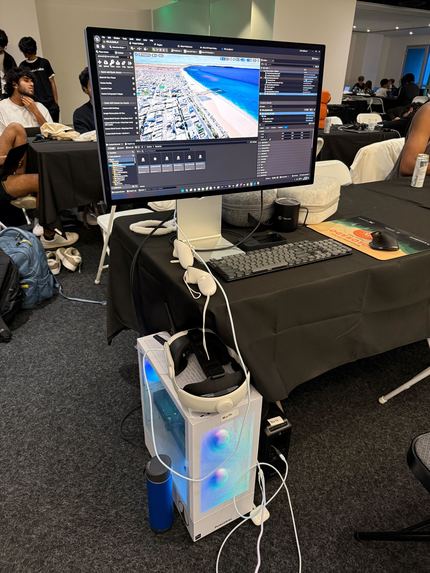
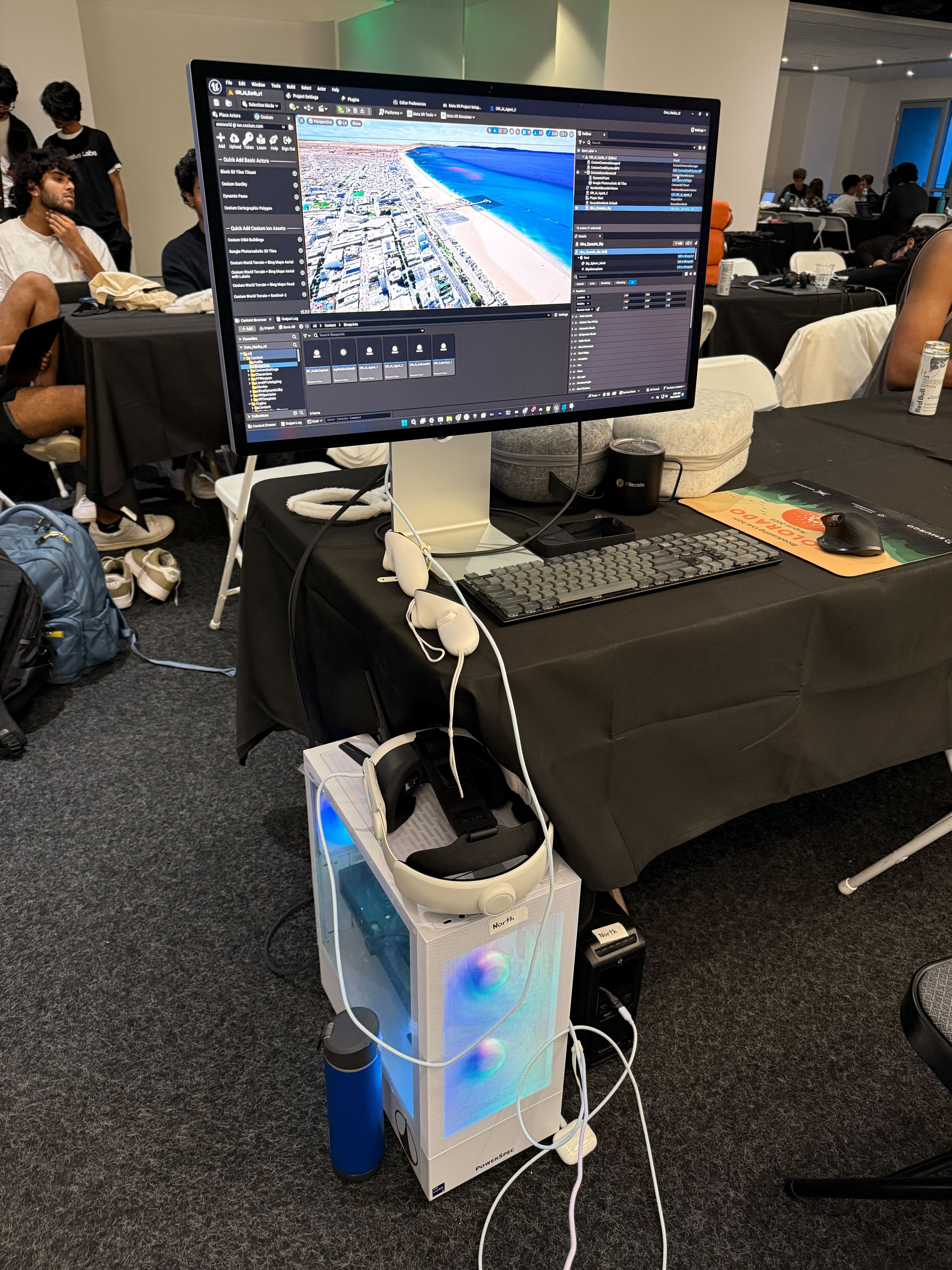
The development rig
-
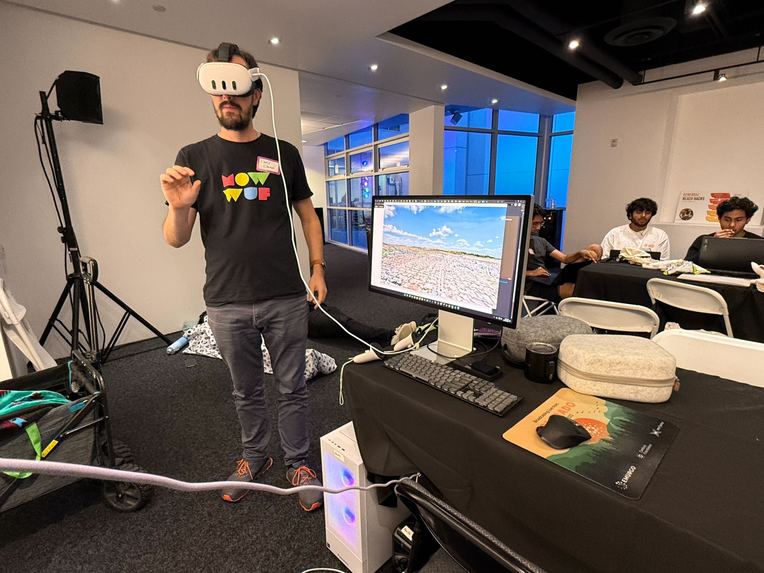
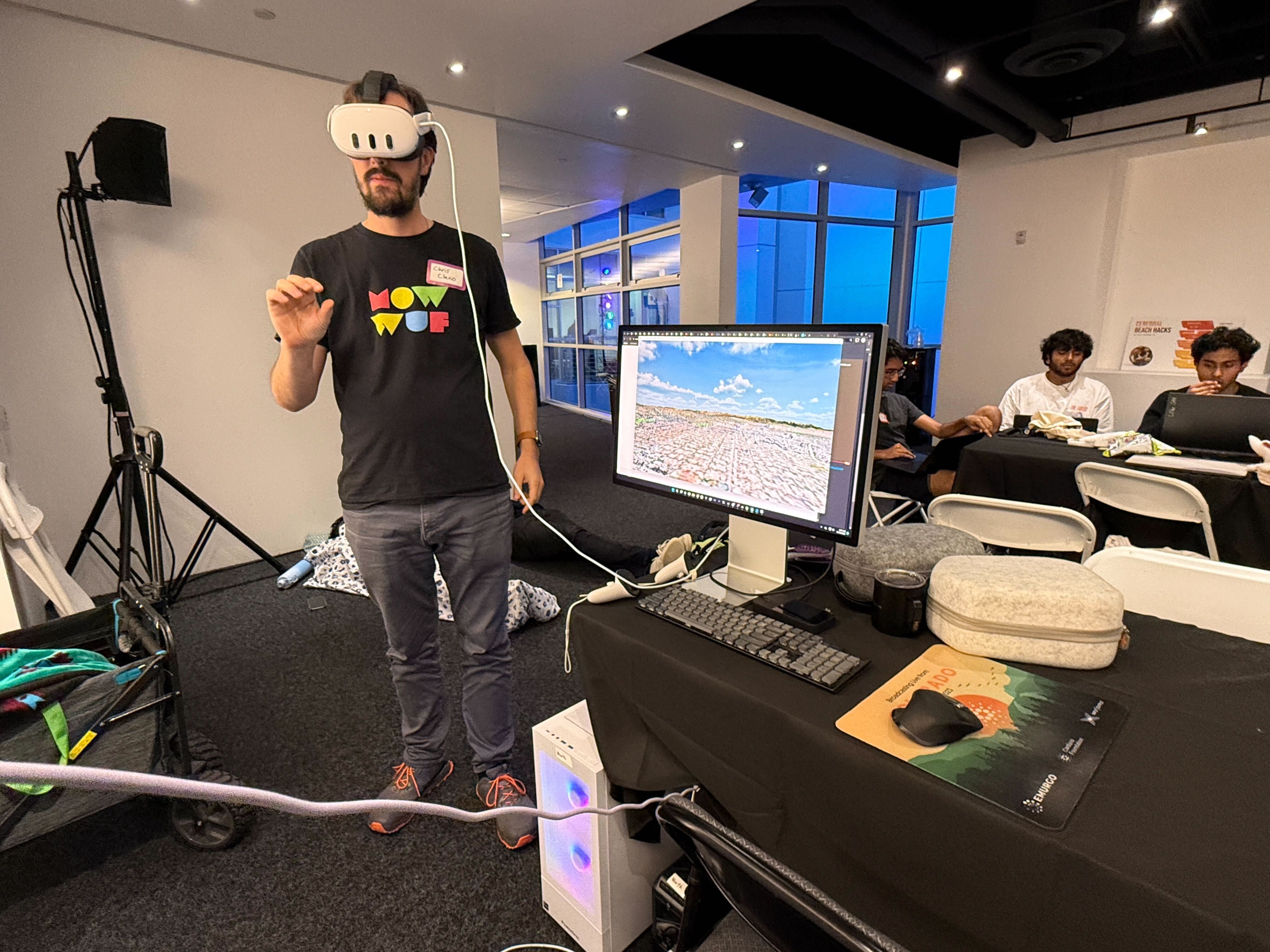
Me running the application live
-
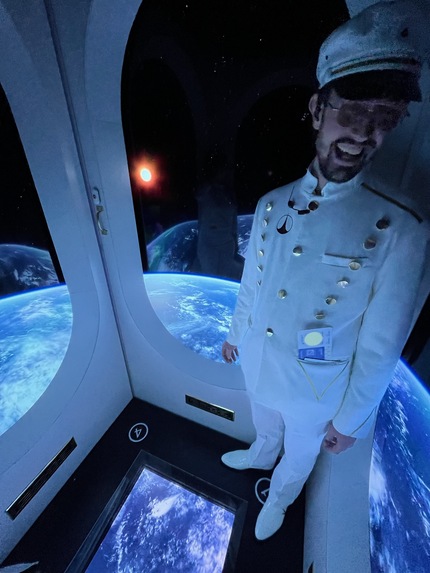
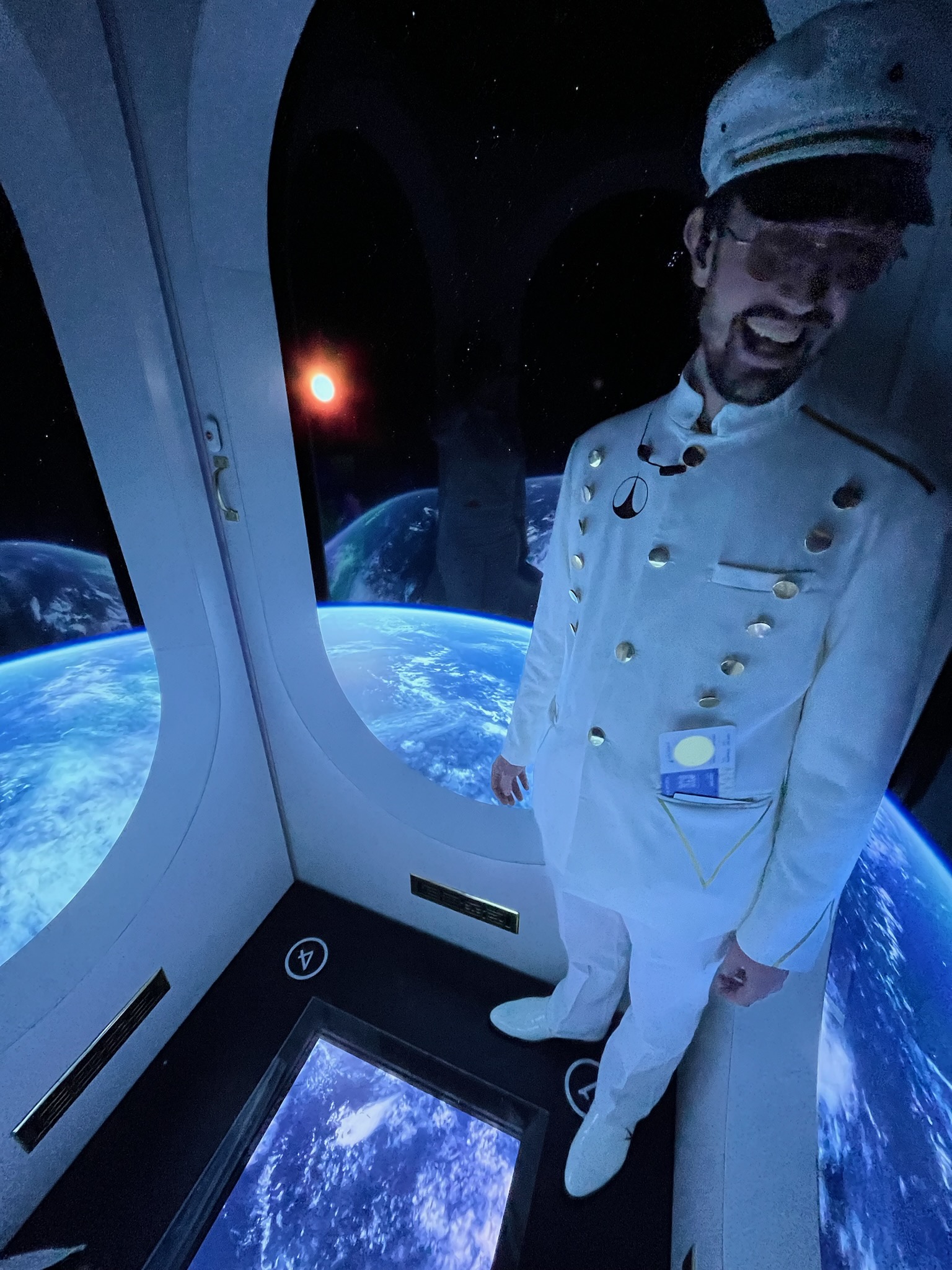
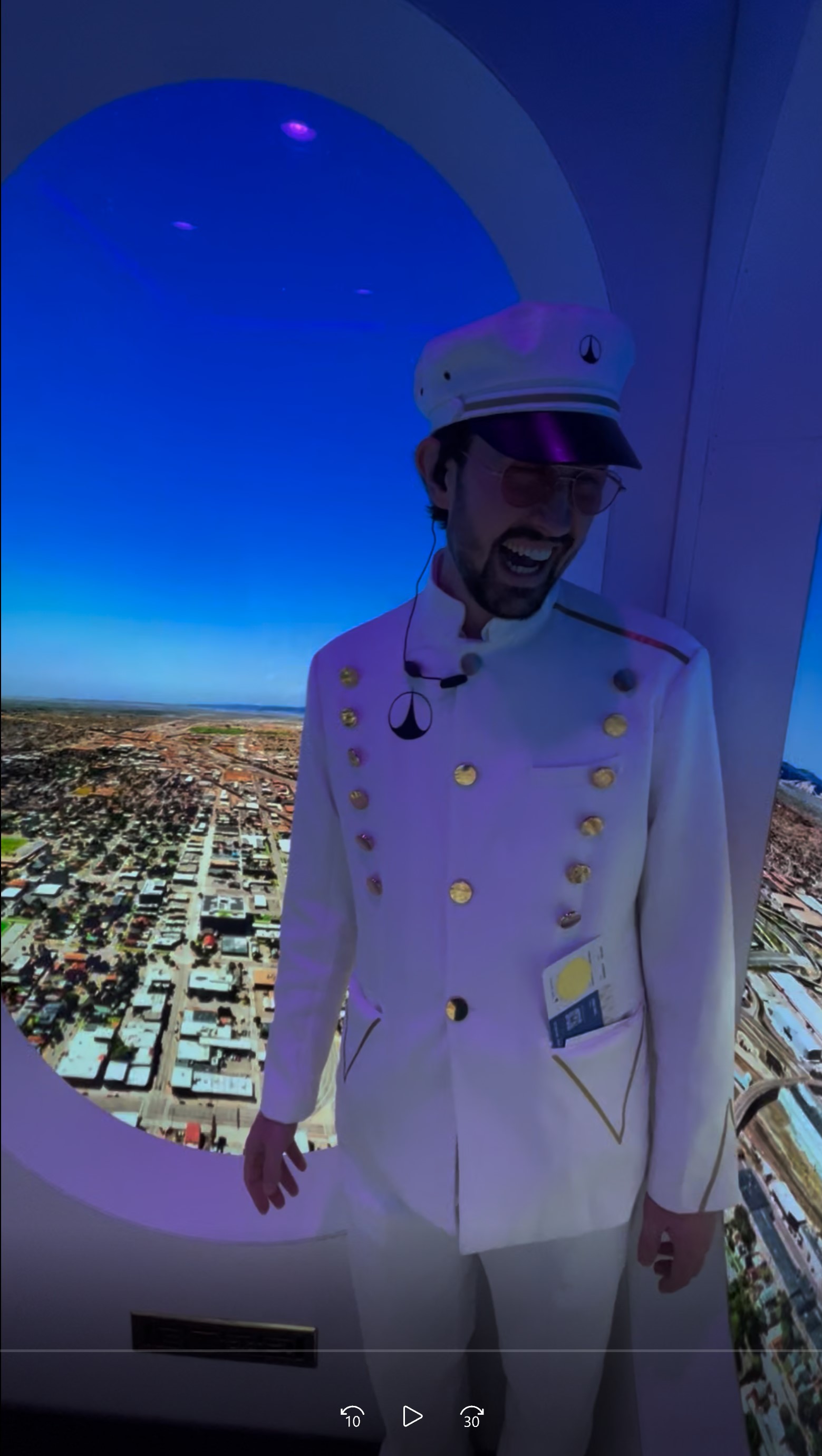
Me in my captain's uniform in orbit in our Space Elevator ride system
-
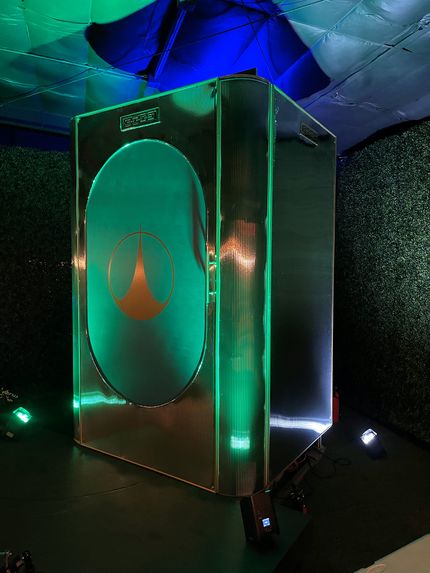
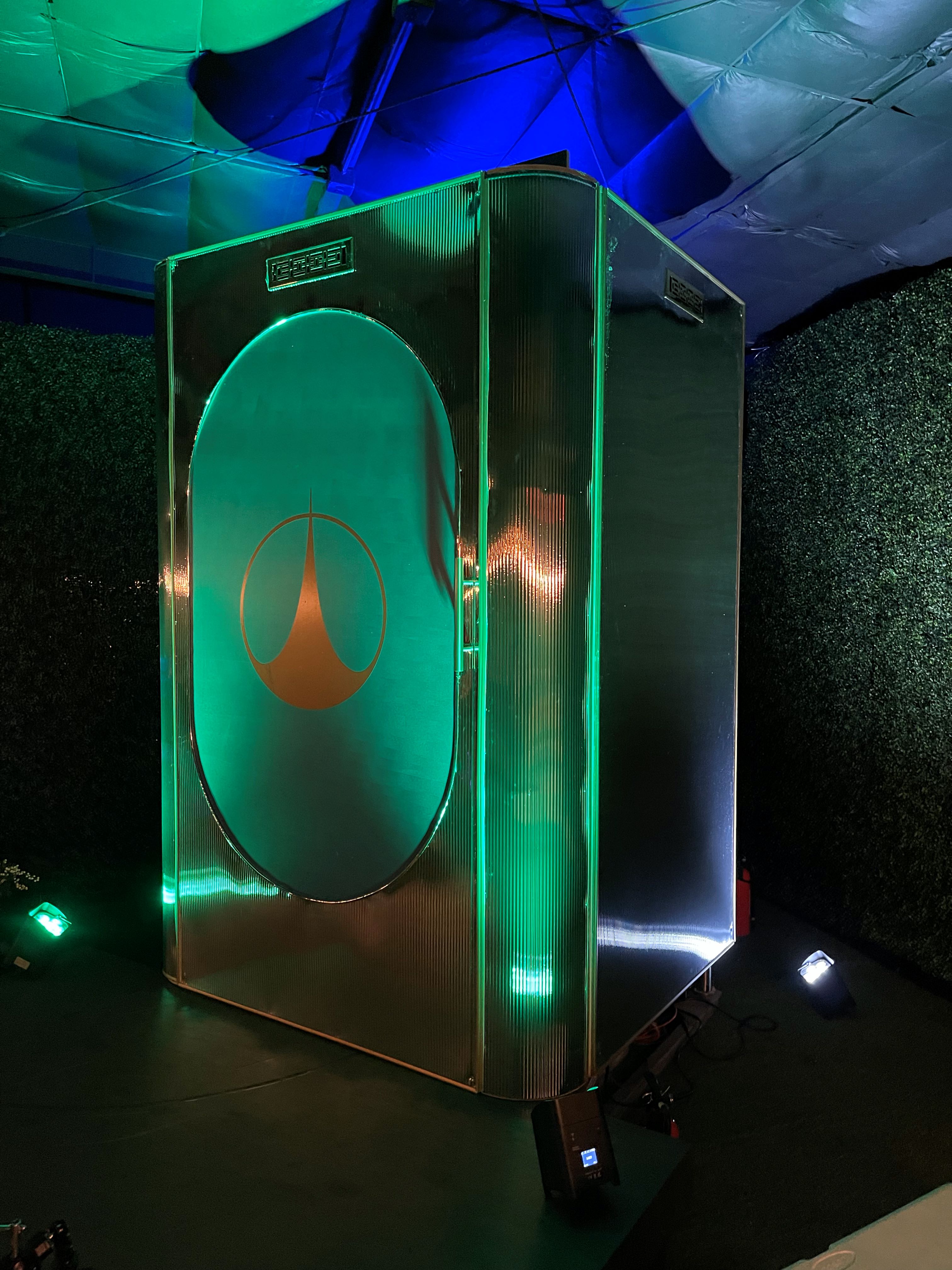
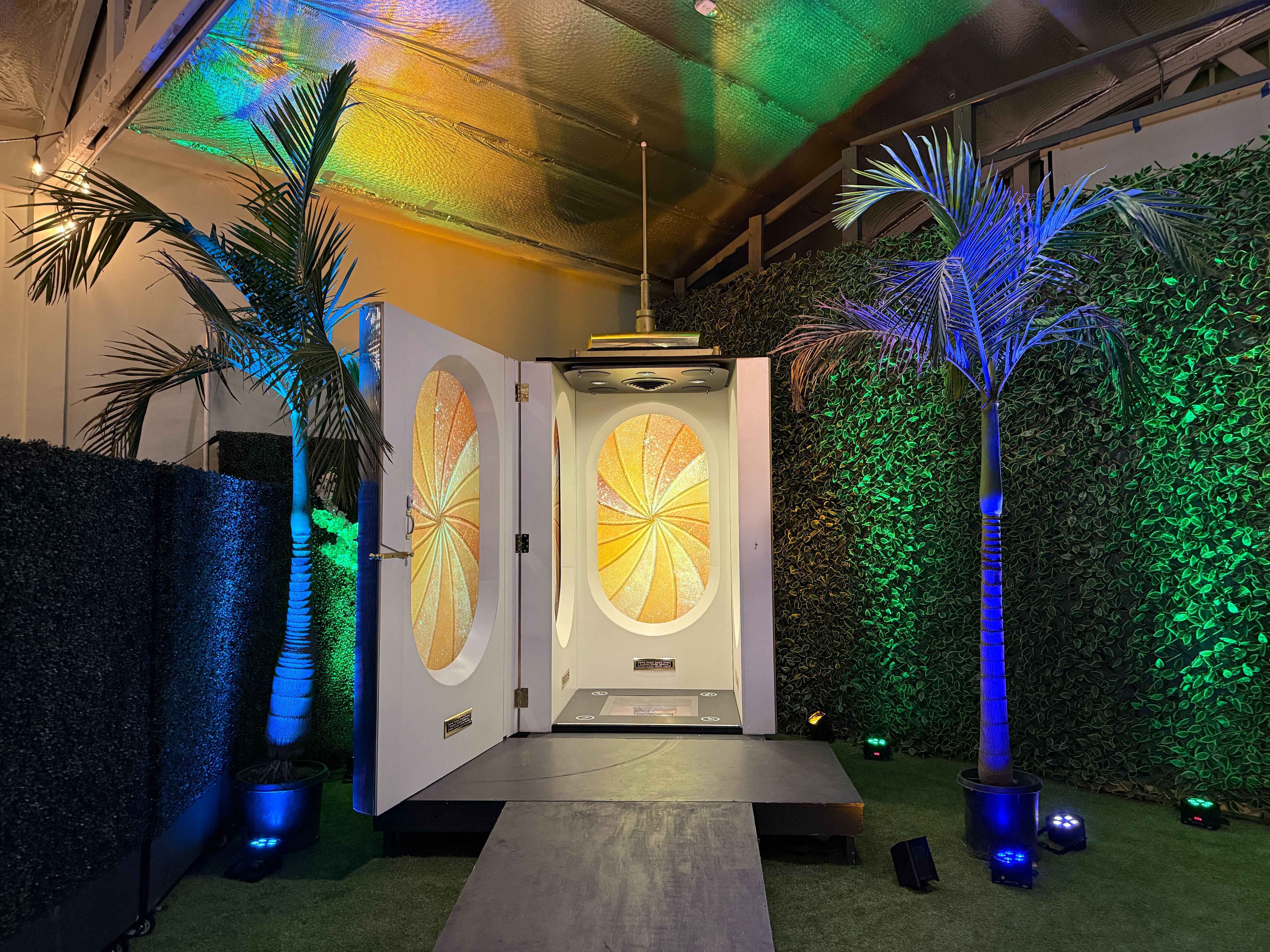
The Space Elevator exterior
-
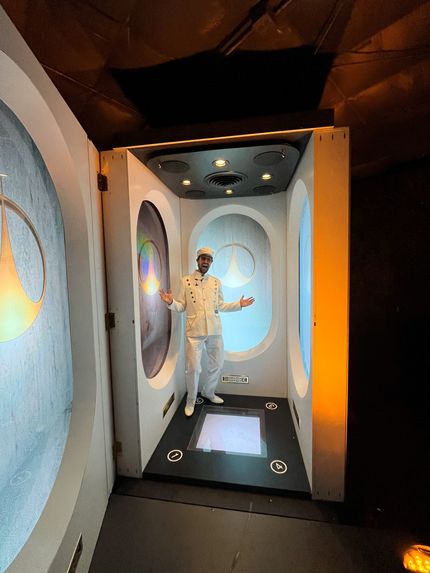
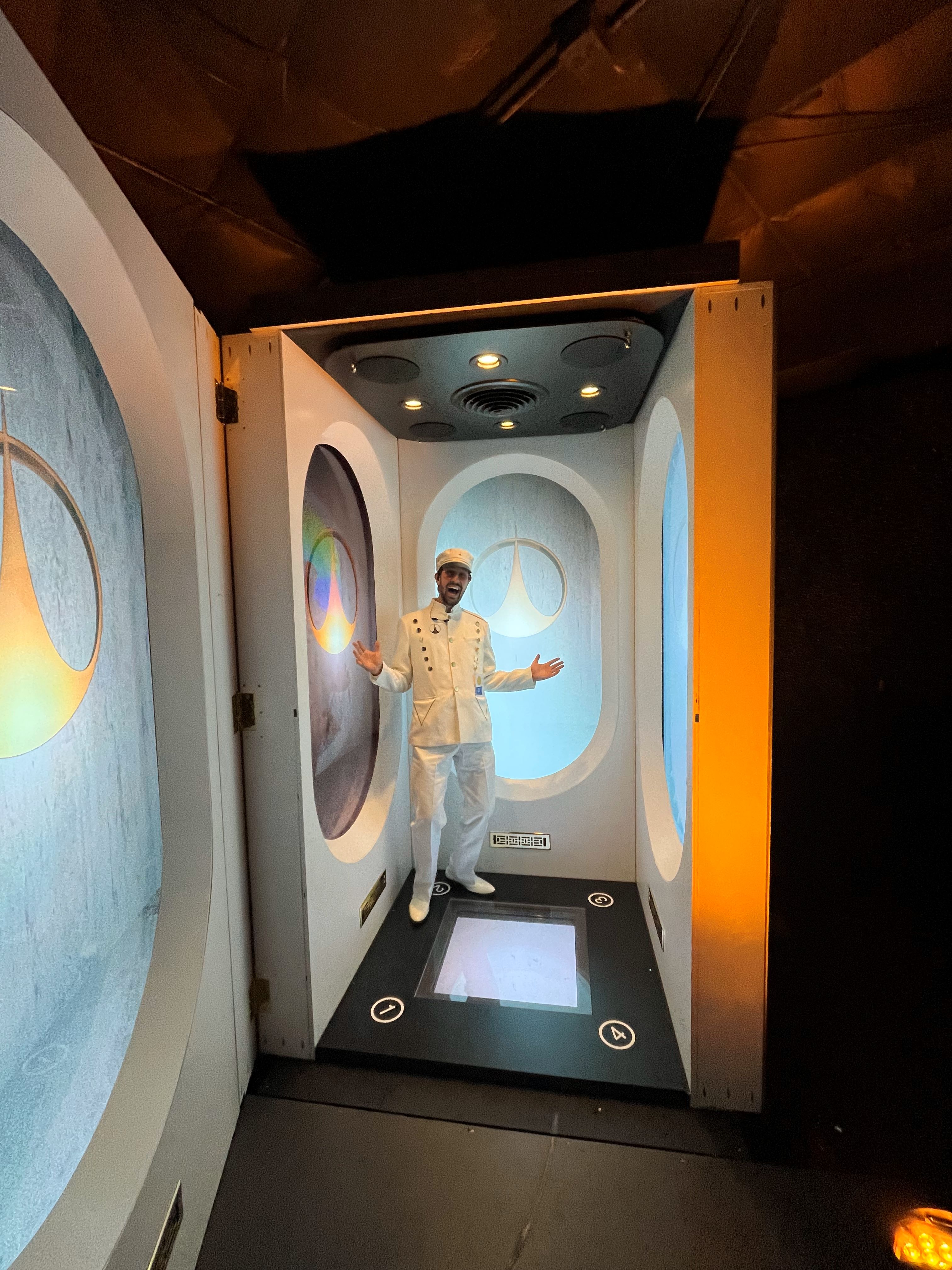
A view of the inside
-
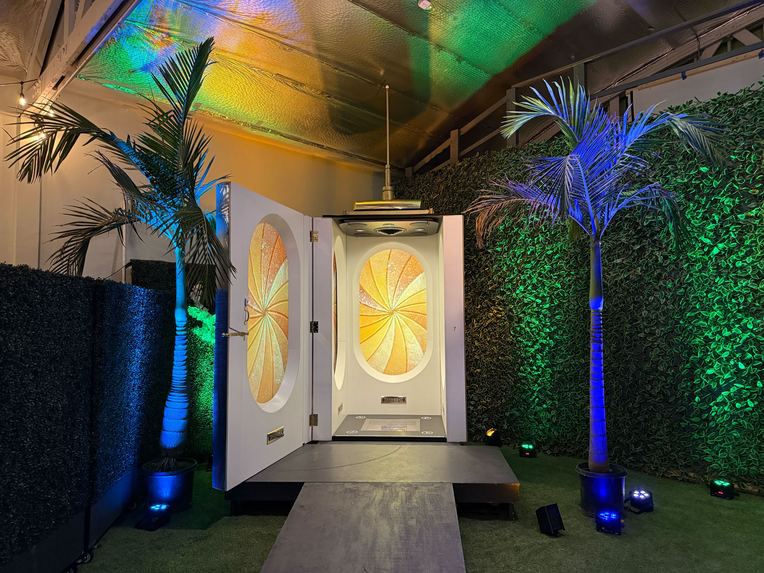
Come take an ride!
-
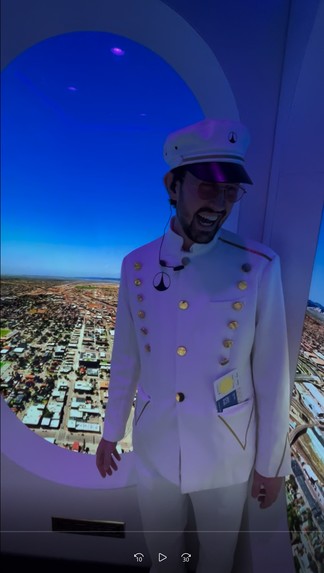
Rising up from Denver at our January event
Inspiration
I want to give people the opportunity to explore and learn about the world (and beyond) with the most natural interaction possible - our spoken word - where curiosity can drive people's experience. I wanted to build an experience with no interfaces to get in the way.
What it does
It allows users to travel anywhere in the world and learn about the places they travel in full natural language, just like talking to a friend.
How I built it
I built the project in Unreal Engine 5 for the Meta Quest 3 VR headset with OpenAI's API for ChatGPT.
Challenges I ran into
Websockets, when trying to implement OpenAI's realtime beta. Trying to get the the project to run natively on the headset for too long. So many other bugs.
Accomplishments that I'm proud of
I'm super proud that I got it to work just like I imagined it in less than 24hrs, even if it's rough.
What I learned
I should have been more proactive finding a team before the hackathon. I would have really like to share the workload.
What's next for One World Aetherstream
I'd like to implement OpenAI's realtime API which will make the experience even more conversational and fine tune the interaction so the AI can help lead visitors while not stifling curiosity or exploration. I'd like to get it running fully stand-alone on the Quest 3 headset and then port it over to the immersive ride system my company built which let's people have the experience without a headset (pictures below.)
To be clear, although we have used Unreal Engine and Google's 3D Photorealistic Tiles in our ride system software prior to the hackathon, the entire VR app was developed during the 24 hours of the hackathon which focused on integrating Google's 3D Photorealistic Tiles and OpenAI's API for ChatGPT to enable a unique user interface for a stand-alone VR app.
Built With
- cesium
- cesium-for-unreal
- chatgpt
- chatgpt-4o
- google-maps-3d-photorealistic-tiles
- meta-quest-3
- openai
- unreal-engine
- unreal-engine-5.4

Log in or sign up for Devpost to join the conversation.