-
-
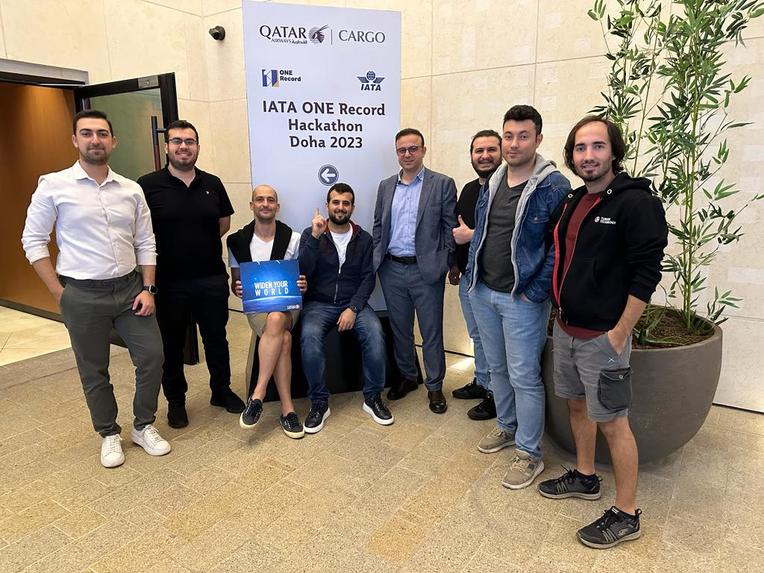
Team One Piece 2
-

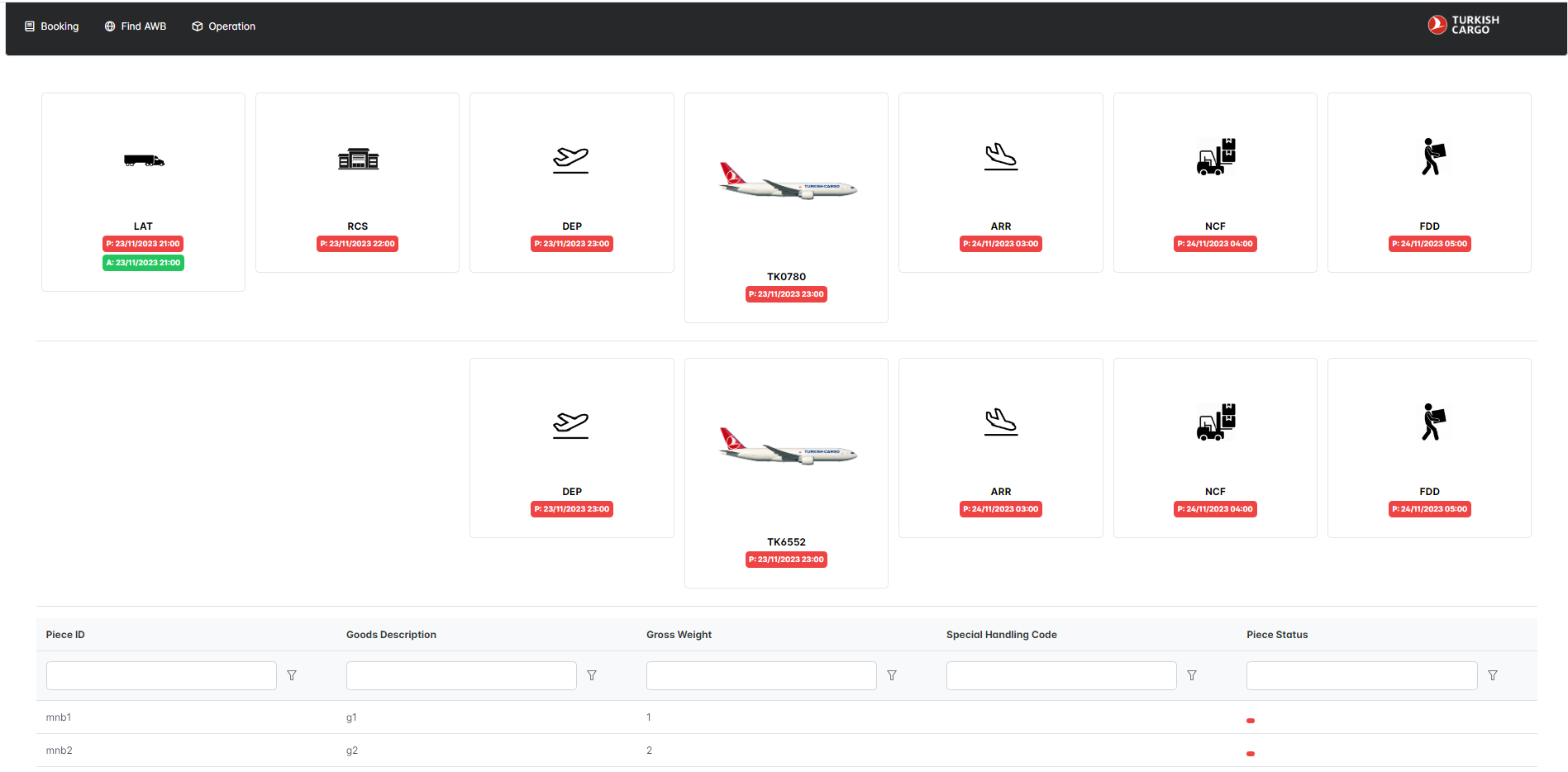
APP Interface
-
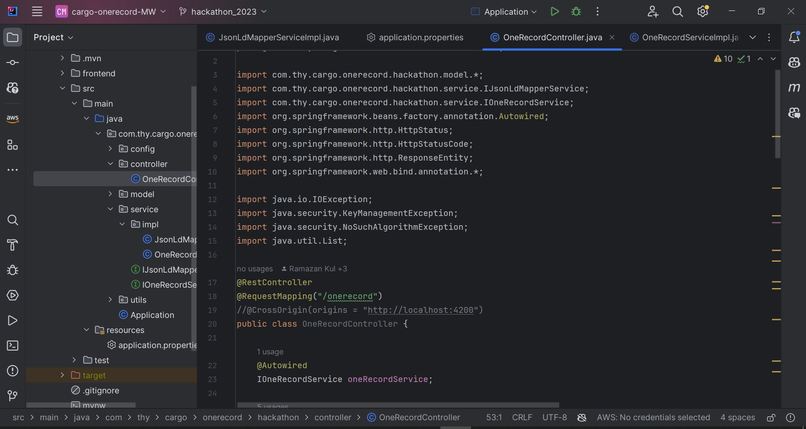
MiddleWare SS
-
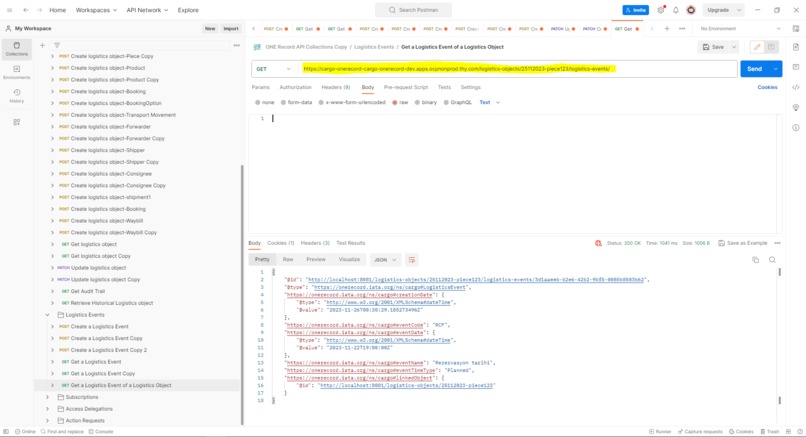
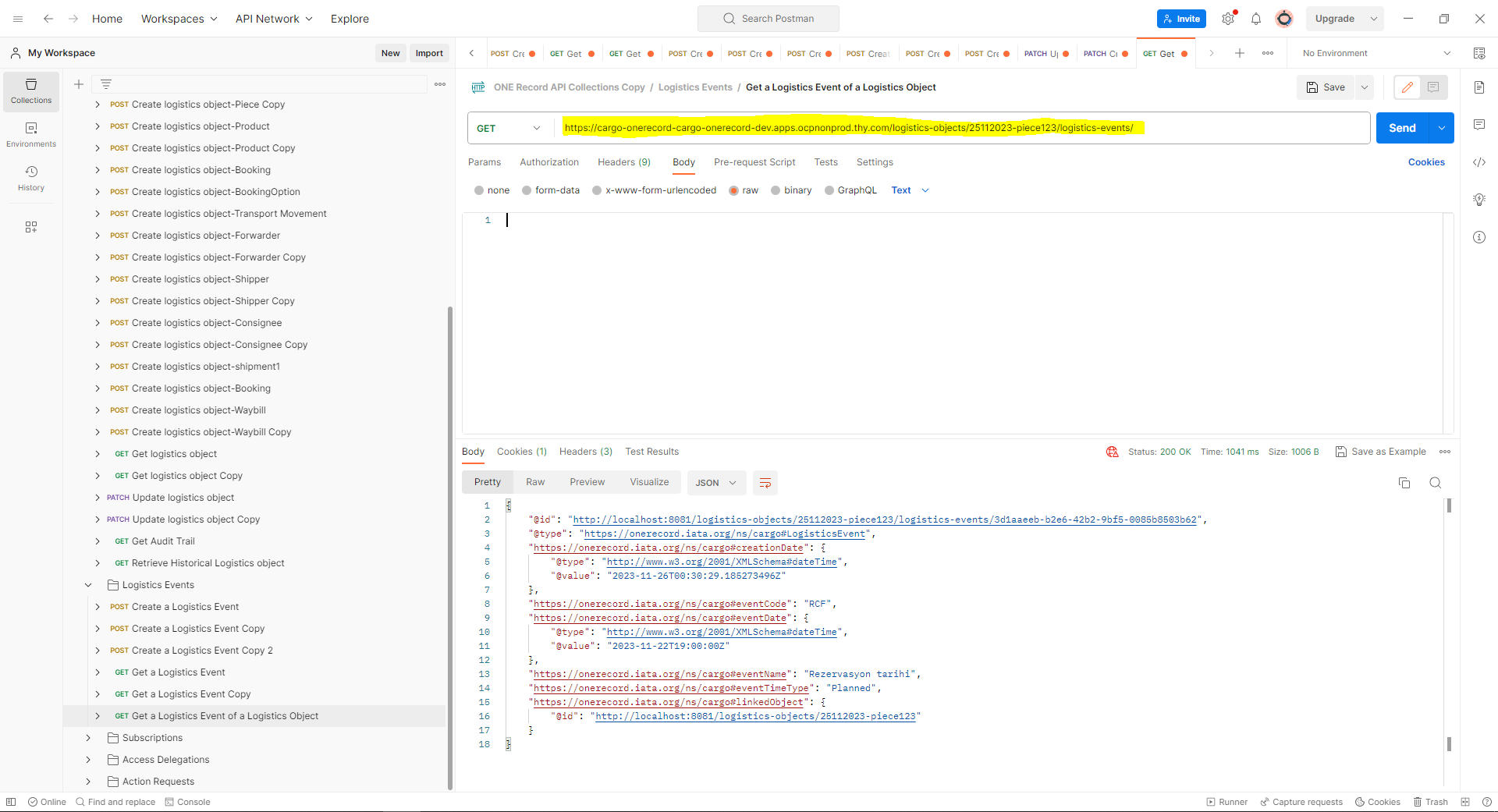
Logistics Event Sample
-
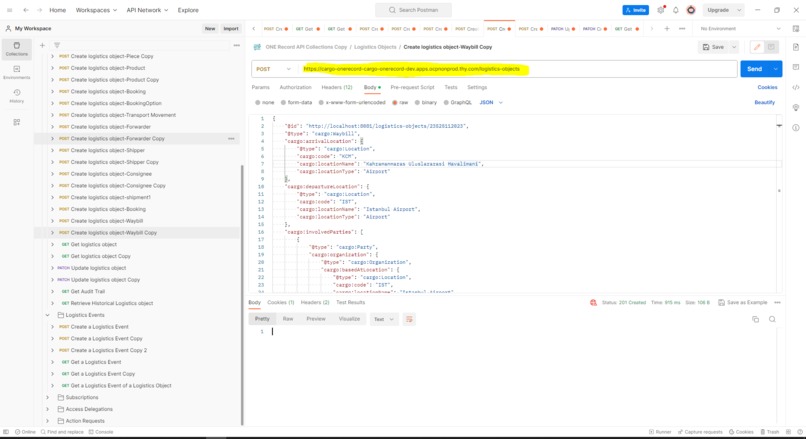
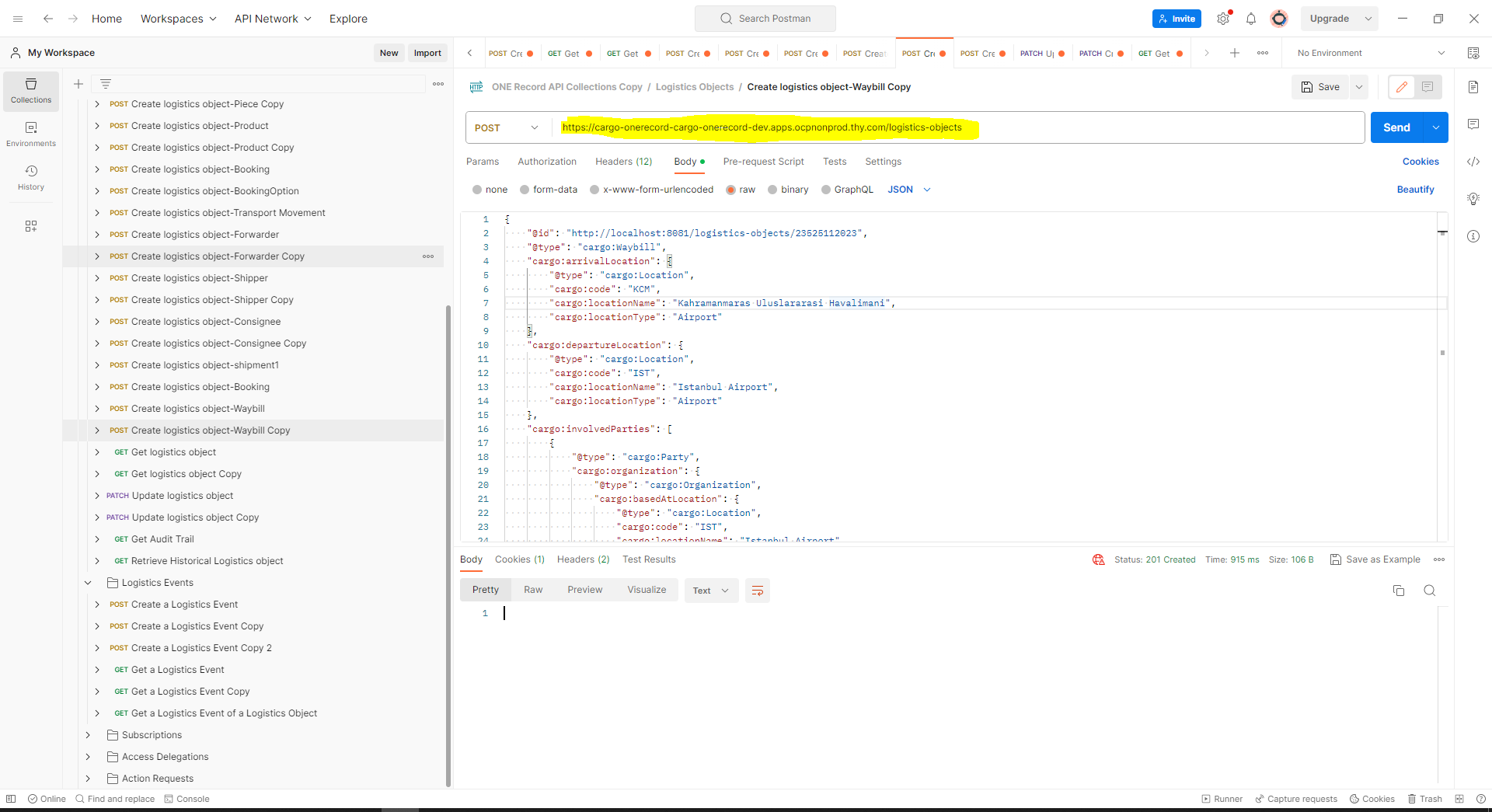
Waybill Sample
-
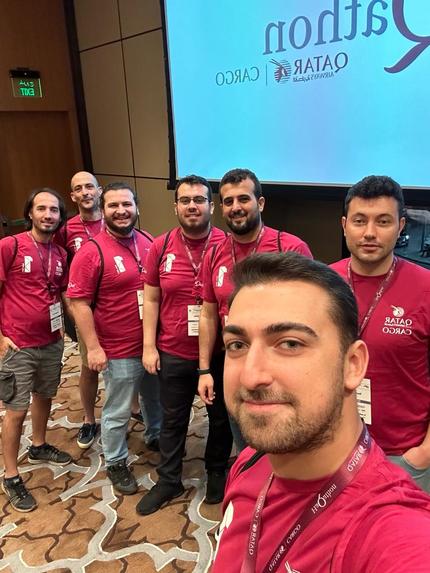
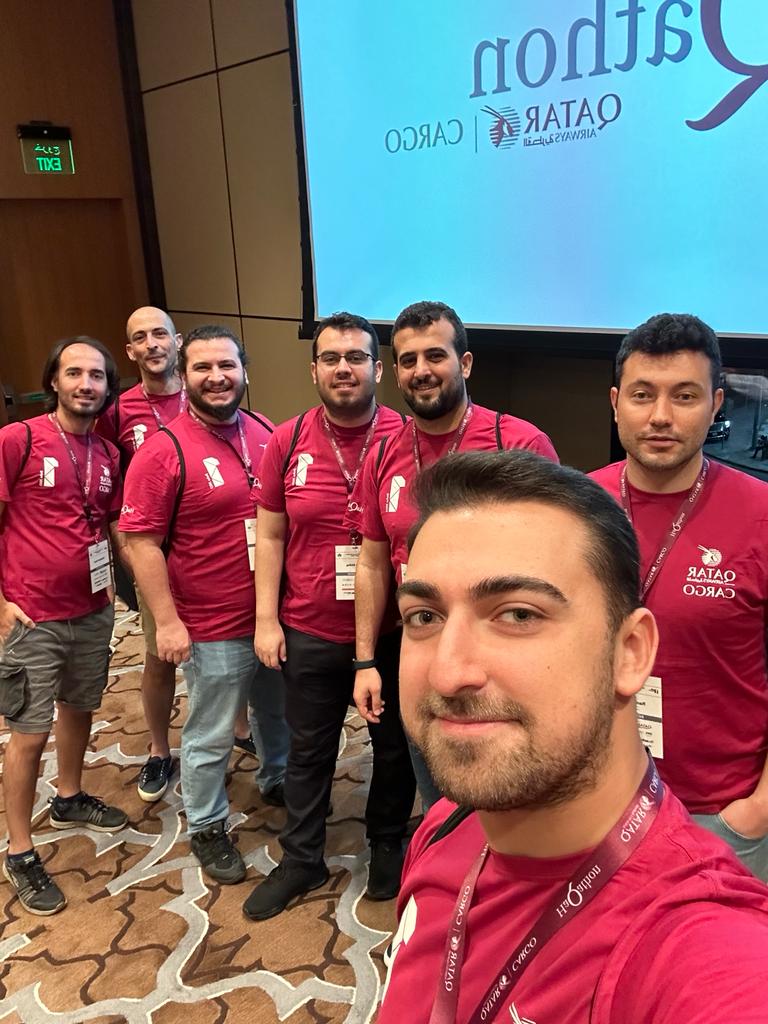
Team One Piece
-
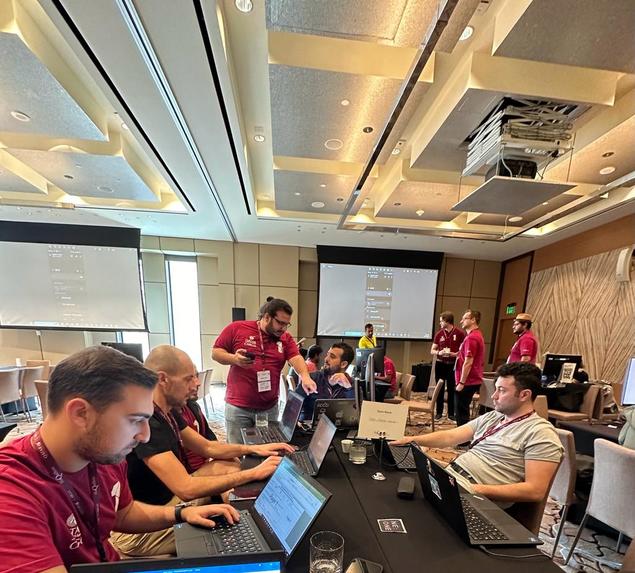
Team One Piece 3
-
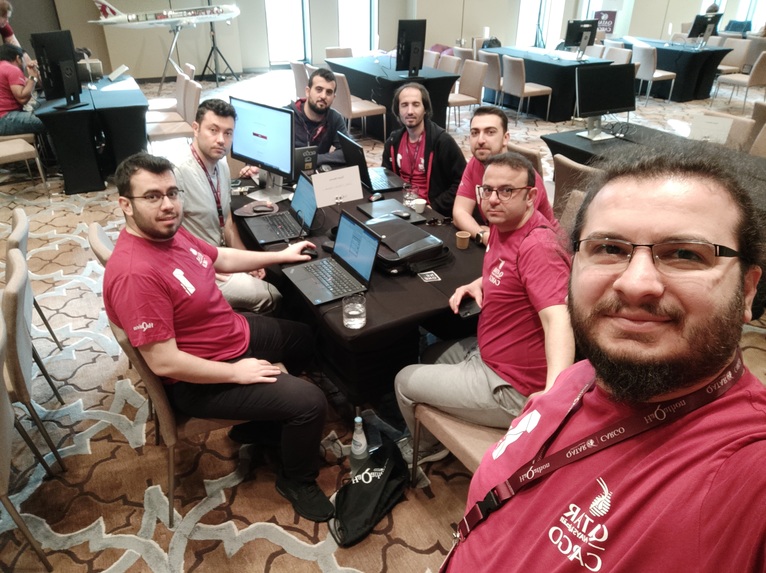
Team One Piece 4

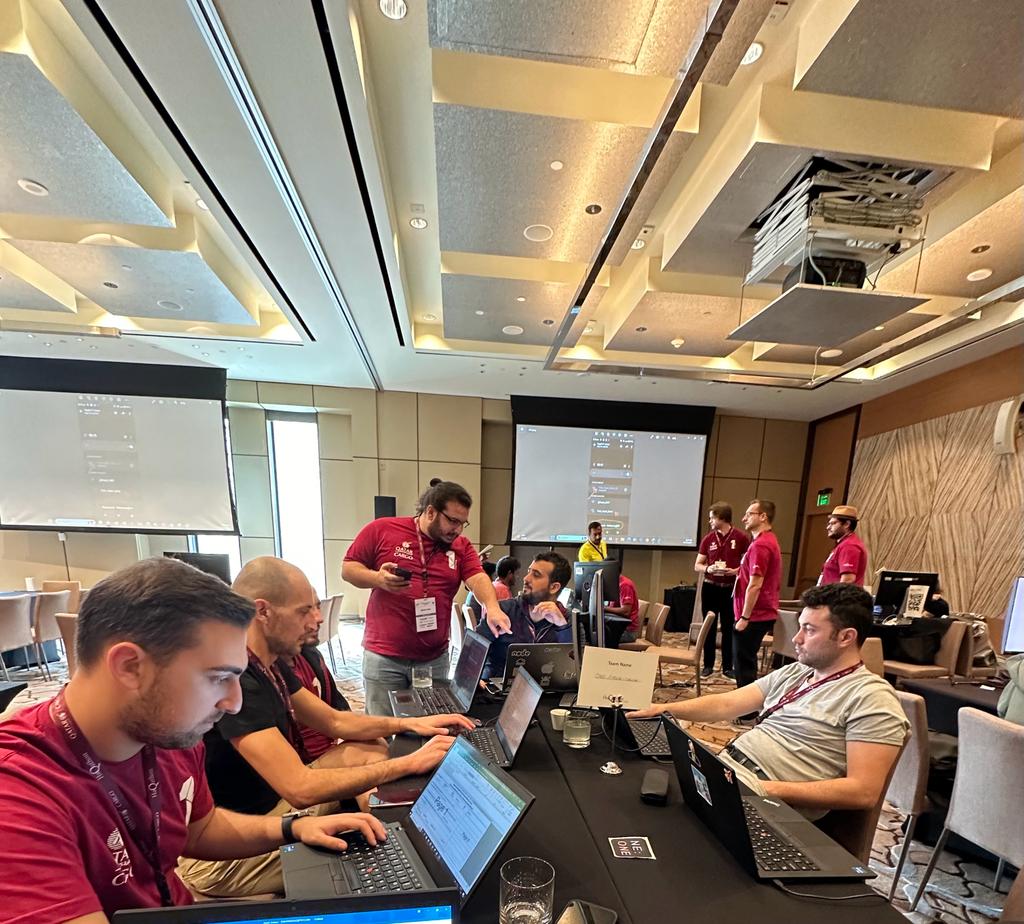
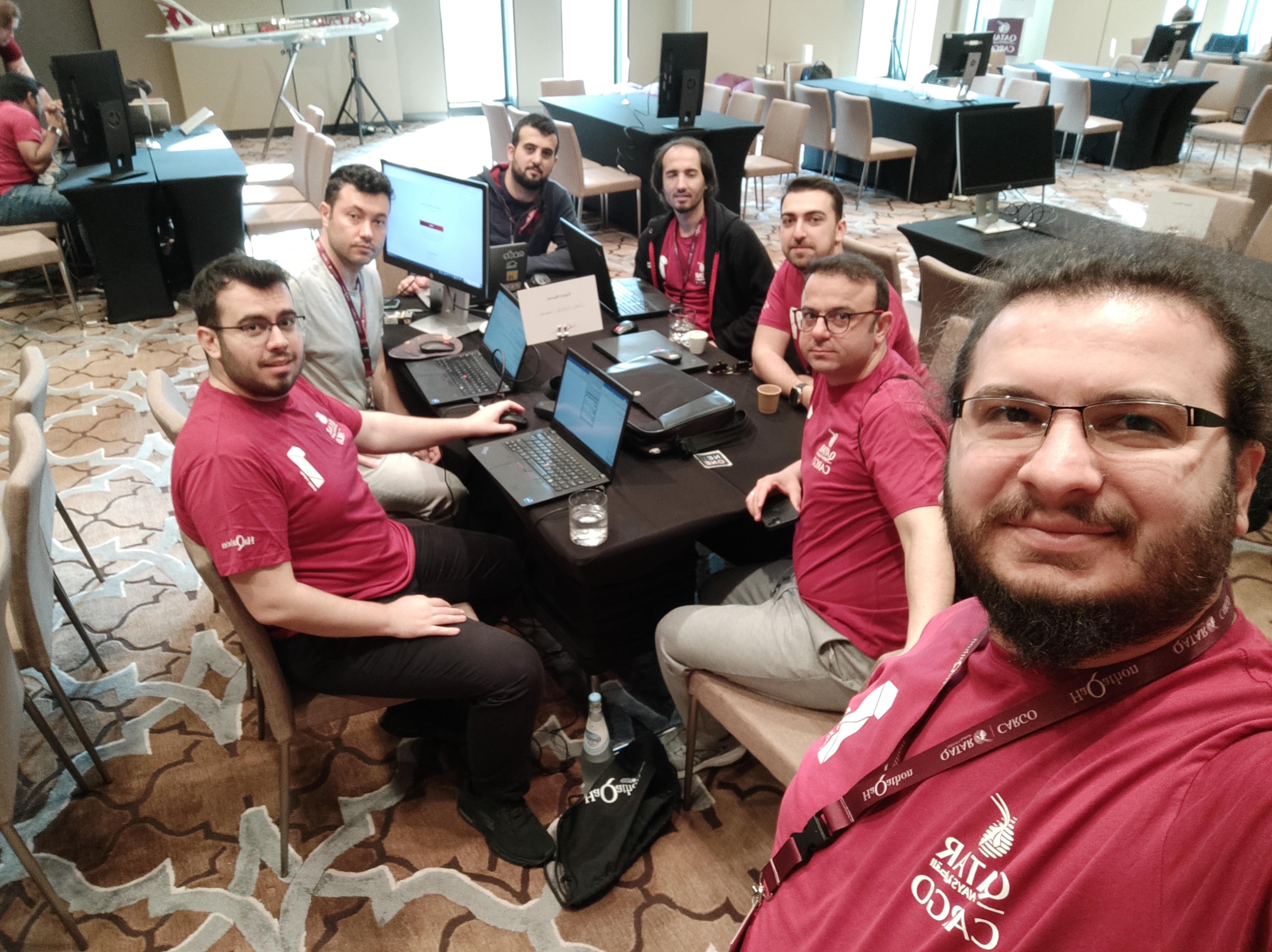
Inspiration
The inspiration for a project on "Piece Level Planning of Air Cargo" stems from the need to optimize and enhance the efficiency of managing individual pieces of cargo during air transportation. This could involve improving logistics, tracking, and overall planning for the diverse items shipped by air, aiming for greater precision and cost-effectiveness in the process. As a real-life example that inspired our project is the earthquake that occurred in the southern region of Turkey on February 2023. After the earthquake, aid supplies have been sent to the region from many countries and organizations. These shipments contained many different types of aid materials such as pharmaceutical, power generator, blankets etc. Unfortunately, the planning of these shipments had to be done on an AWB/shipment level. If piece level planning and tracking could have been done at that time, these aids could have been delivered to the earthquake victims sooner, more quickly and effectively. Although this situation is sad, it also shows how crucial, important and necessary that the piece level planning and operation is in real life.
What it does
Our project gives ability to air cargo industry stakeholders that they can plan and execute piece level shipments. Our solution has various benefits and therefore we can streamline air cargo logistics in various ways and these are;
- Real-time tracking: It provides detailed, real-time tracking of each pieces of the shipment, enhancing visibility and communicate when there are exceptions for each piece where issues take place.
- Communication and collaboration: It facilitate communication and collaboration among stakeholders (forwarders, GHAs, customs etc) involved in the transportation process.
- It optimizes the cargo capacity: We can efficiently arrange the individual pieces to maximize use of cargo space and weight capacity in the flights based on the correct data which has been received on piece level not on AWB/ULD level. Overall, our project provides to enhance the communication of the stakeholders, increases the visibility and efficiency of air cargo transportation at the individual piece level.
How we built it
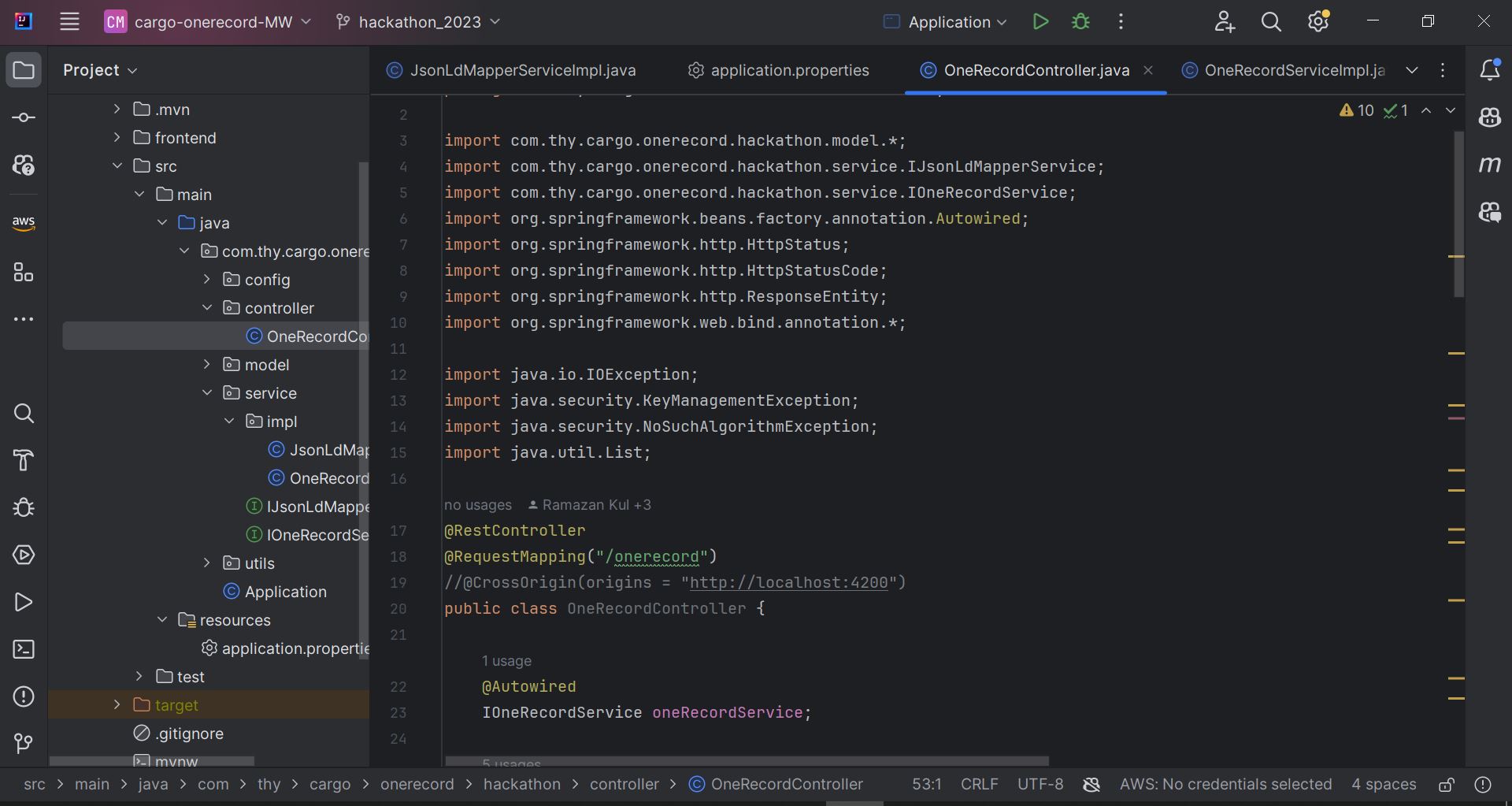
We’ve used our on prem OneRecord server. We’ve developed middleware system to provide communication between server and interface. FrontEnd and middleware run at same application. We had to provide piece level operation so we’ve design all system regarding, even the middleware modifications.
Challenges we ran into
We had a problem with patch method that caused us couple hours to fix. Davide helped us to fix the issue. (Special thanks to him)
Accomplishments that we're proud of
We have taken the first step to enable the realization of piece level planning and operation processes, which have not been truly achieved in the air cargo industry so far. In a very short time, we implemented a project that complies with Cargo iQ standards and can be used as a solution in many important areas of the air cargo industry such as e-commerce, time sensitive shipment, pharmaceuticals and medical supplies etc. Also, we have proven that the current gap between operations and data is going to be removed by the One Record standards.
What we learned
We’ve learned that planning should be much stricter. We had to change our data model couple times and that costed us too much time. Completing a piece-level planning and tracking project provided us a holistic learning experience, combining technical skills with a deep understanding of the complexities involved in managing individual items within the air cargo ecosystem.
What's next for One Piece-CargoIQ Piece Level Tracking Challenge
After the project, the next steps mostly depend on the organizational targets, industry trends, and the specific outcomes of our project. Here are several potential directions for the next project: We will focus on supply Chain Visibility Enhancement. We can extend the focus on visibility by working on our projects that enhance overall supply chain visibility. This could involve integrating with other modes of transportation, warehouses, or suppliers to create a more comprehensive view. Also, Green Logistics Initiatives can be considered as another part of the targets. We may shift the focus toward sustainability by working on projects that reduce the environmental impact of logistics operations. This might involve optimizing transportation routes for fuel efficiency or incorporating eco-friendly packaging solutions. Additional to above items, we can enhance the customer experience by the solution. This is mainly related with direct efforts toward improving the end-user experience. This could involve developing customer-facing applications, implementing order tracking systems, or enhancing communication channels for customers.
Built With
- angular.js
- graphql
- java17
- javastreams
- jboss
- json
- json-ld
- openshift
- primeng
- quarkus
- springboot
- typescript


Log in or sign up for Devpost to join the conversation.