-
-
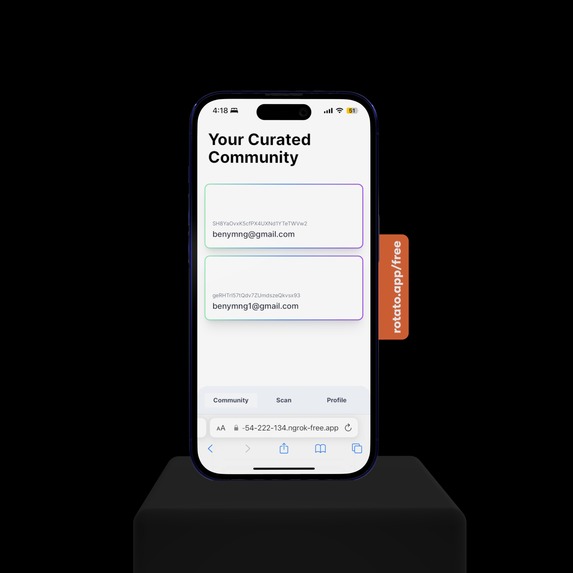
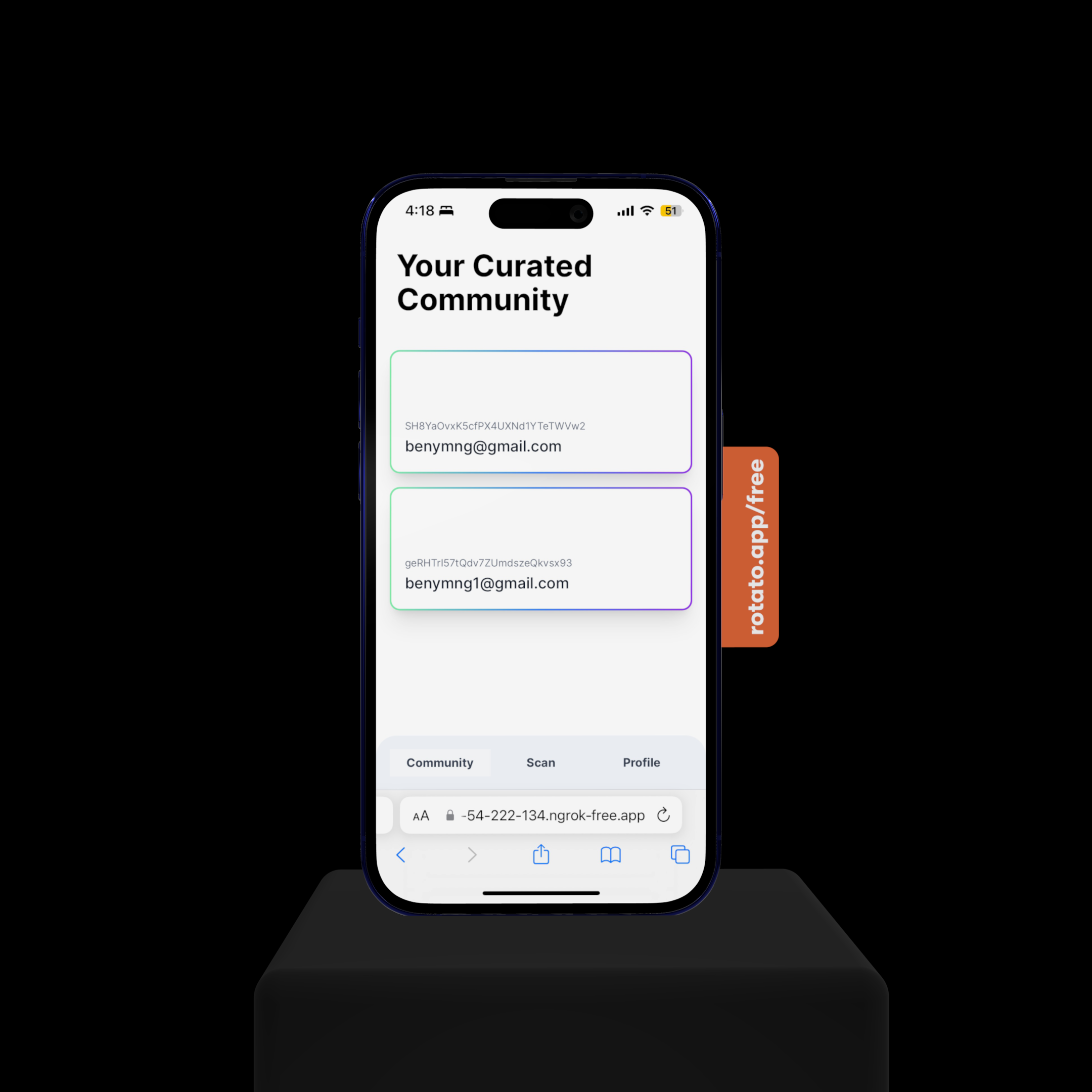
Your Community Page
-
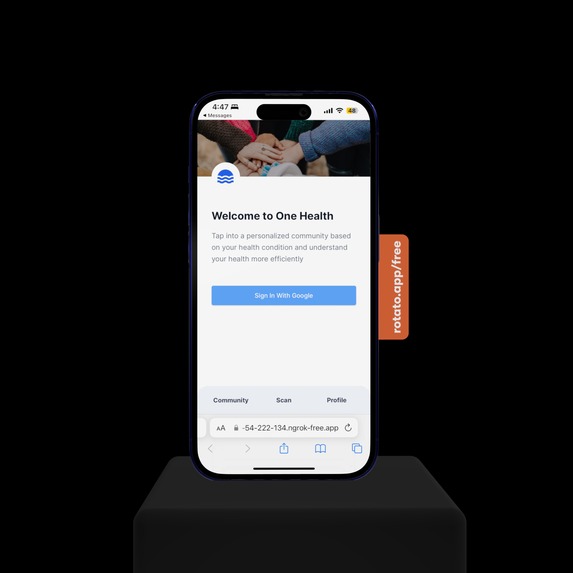
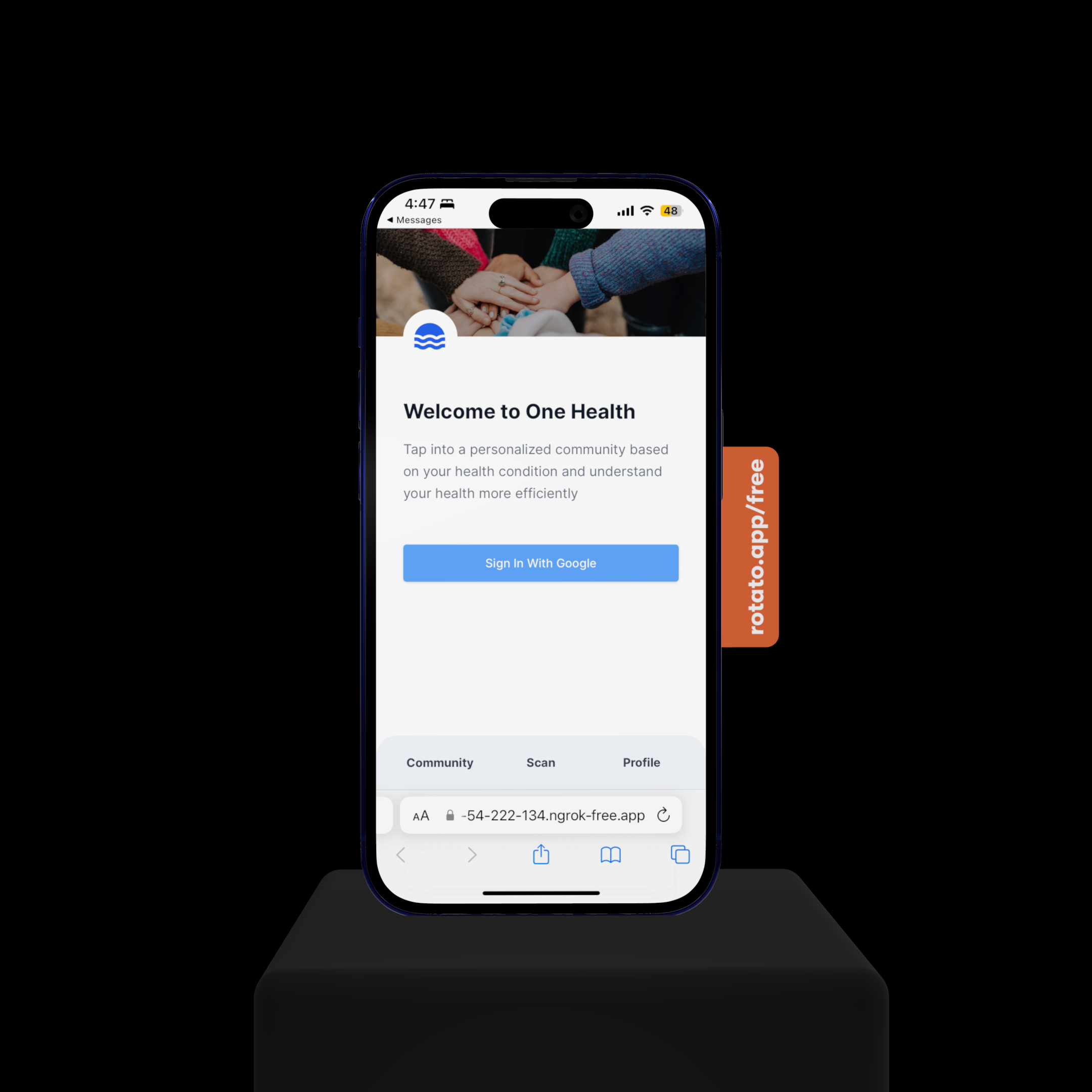
Sign Up Page
-
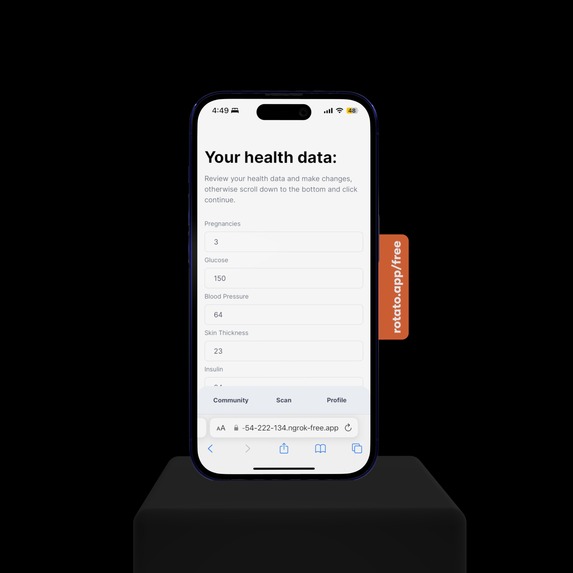
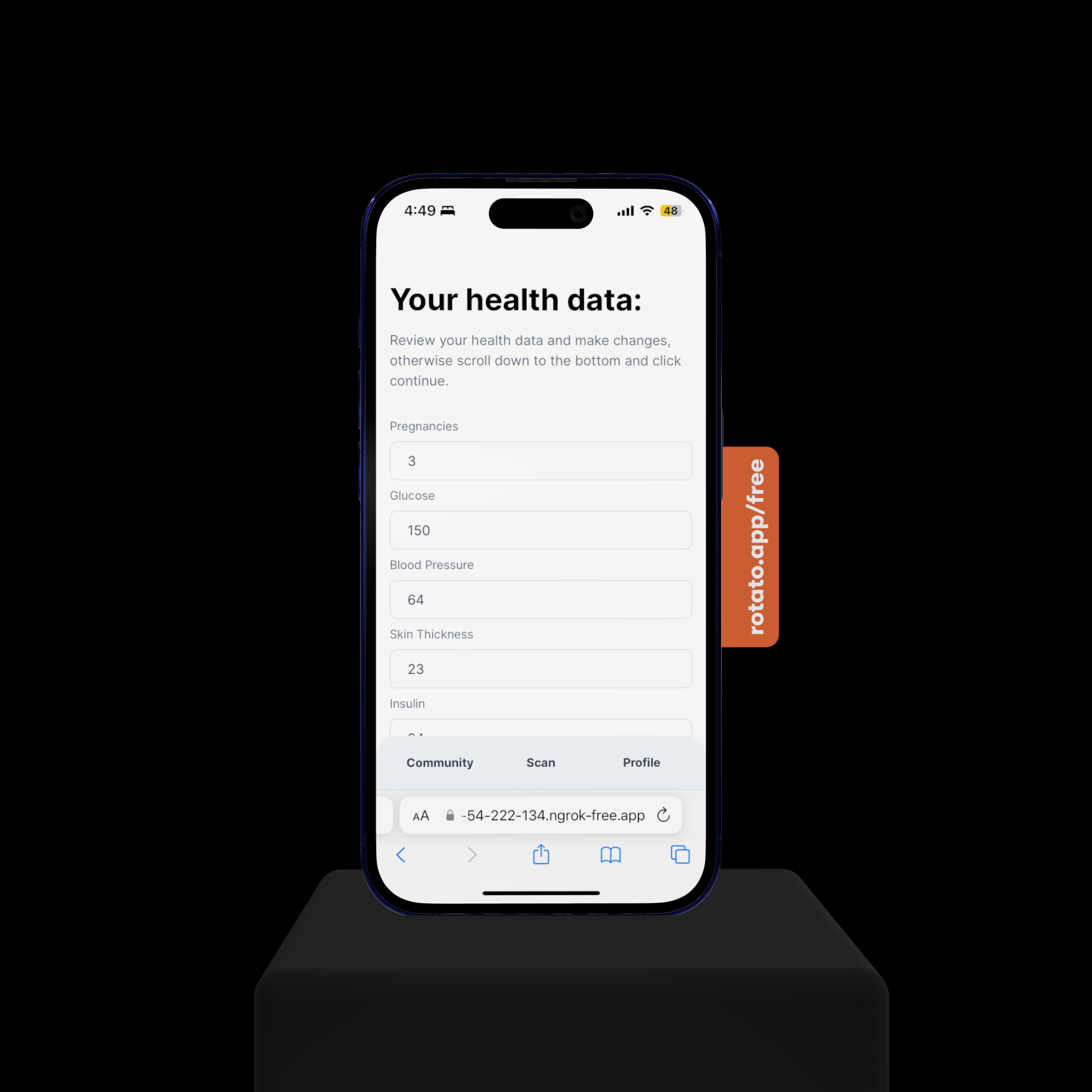
Health Data Page
-
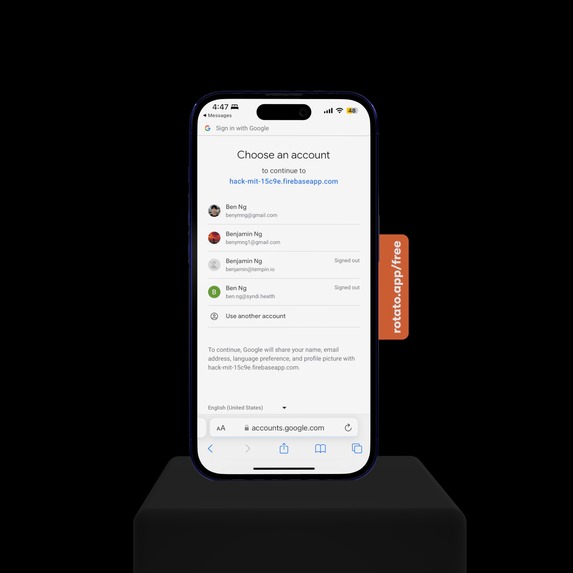
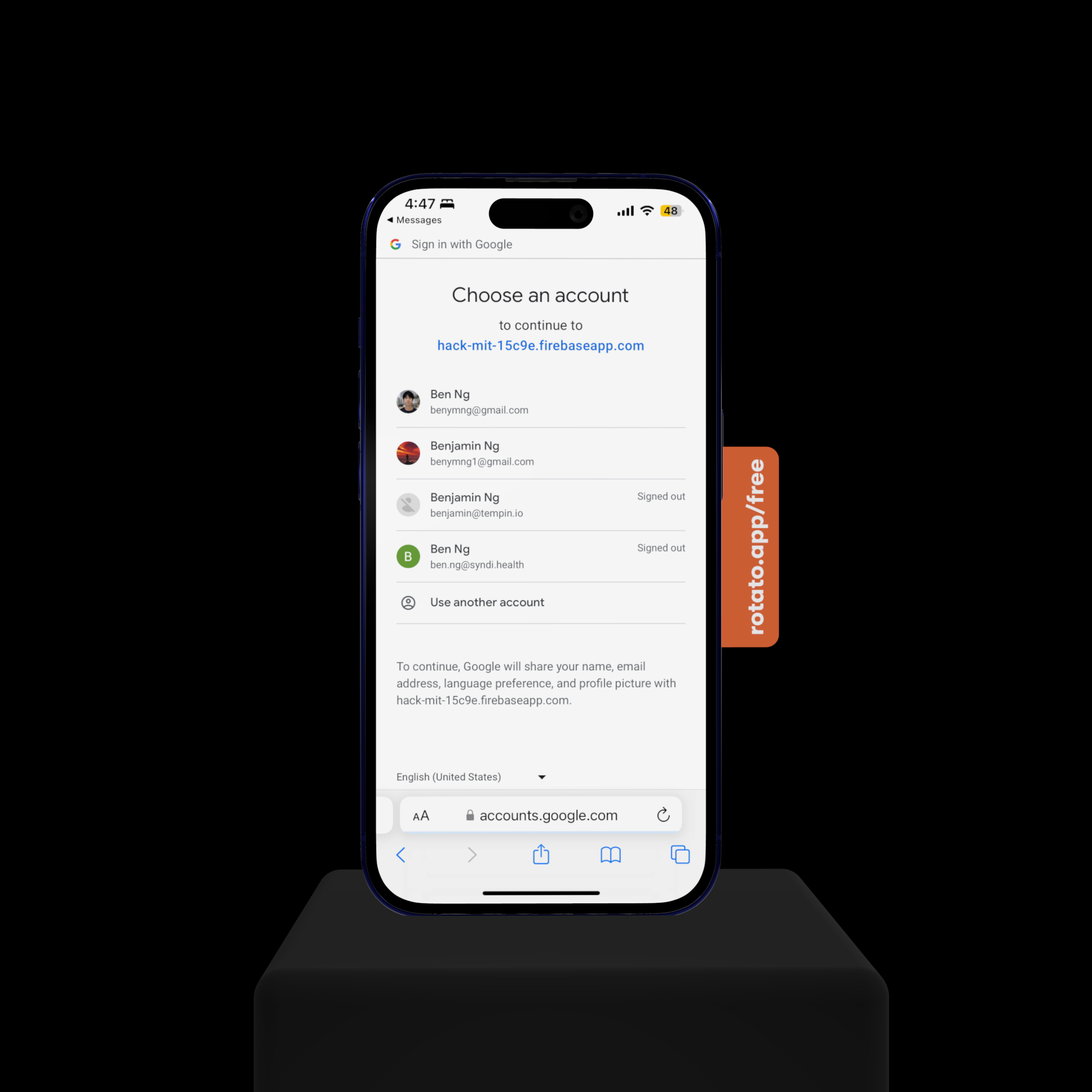
Authentification Page
-
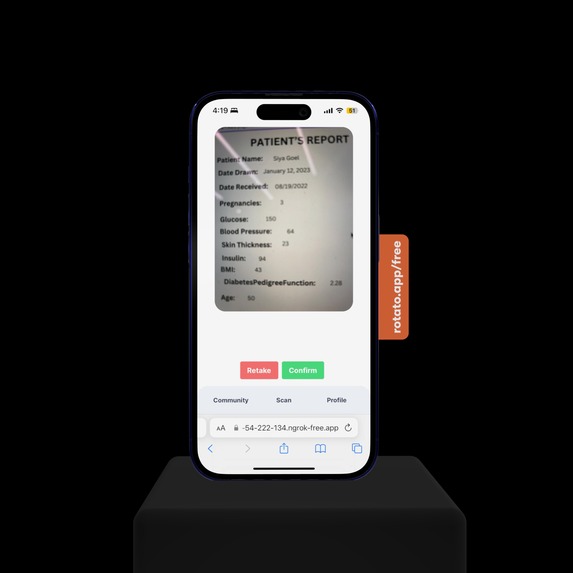
Data Visualization Page
Inspiration:
Our inspiration stems from the identification of two critical problems in the health industry for patients: information overload and inadequate support for patients post-diagnosis resulting in isolationism. We saw an opportunity to leverage computer vision, machine learning, and user-friendly interfaces to simplify the way diabetes patients interact with their health information and connect individuals with similar health conditions and severity.
What it does:
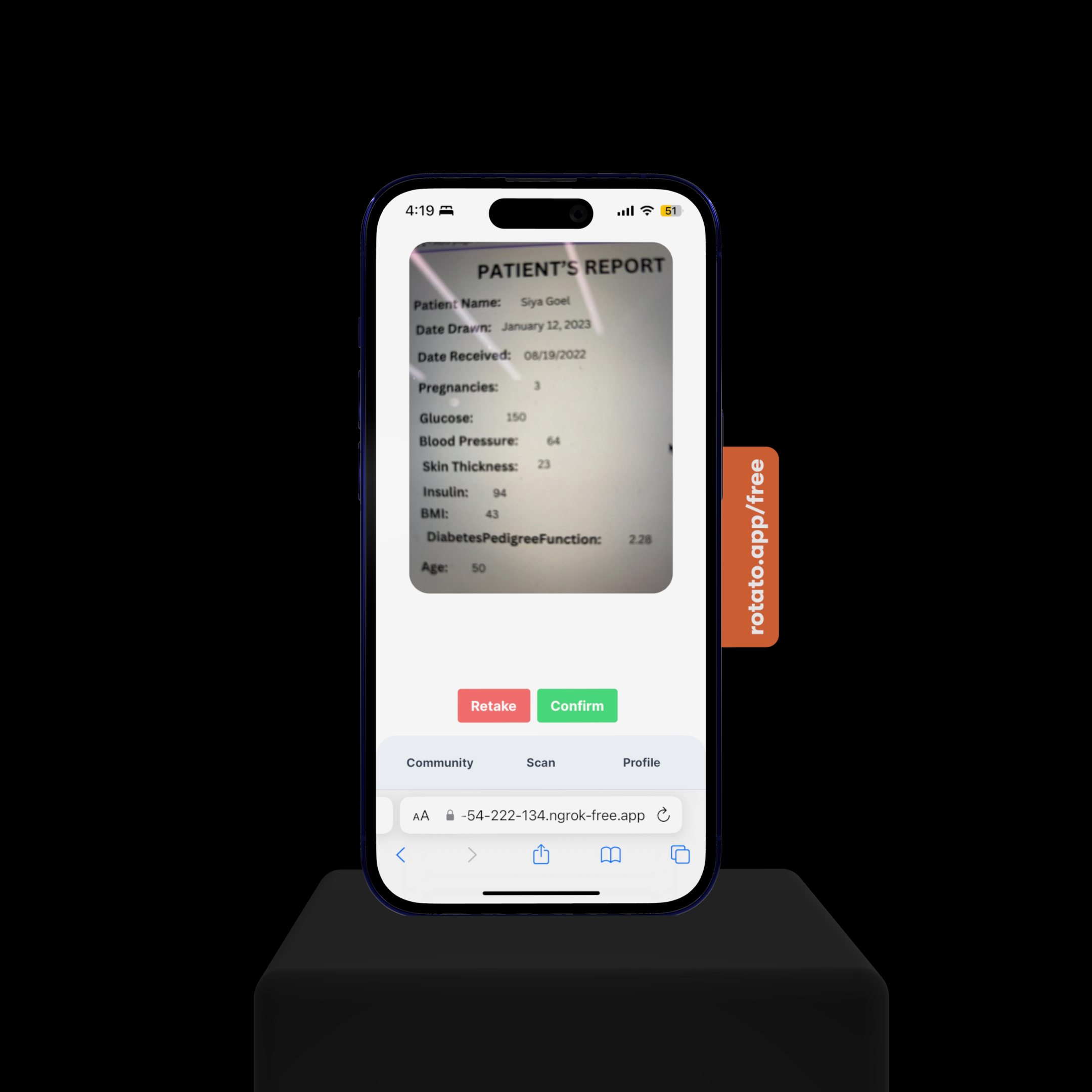
Our project is a web app that fosters personalized diabetes communities while alleviating information overload to enhance the well-being of at-risk individuals. Users can scan health documents, receive health predictions, and find communities that resonate with their health experiences. It streamlines the entire process, making it accessible and impactful.
How we built it:
We built this project collaboratively, combining our expertise in various domains. Frontend development was done using Next.js, React, and Tailwind CSS. We leveraged components from https://www.hyperui.dev to ensure scalability and flexibility in our project. Our backend relied on Firebase for authentication and user management, PineconeDB for the creation of curated communities, and TensorFlow for the predictive model. For the image recognition, we used React-webcam and Tesseract for the optical character recognition and data parsing. We also used tools like Figma, Canva, and Google Slides for design, prototyping and presentation. Finally, we used the Discord.py API to automatically generate the user communication channels
Challenges we ran into:
We encountered several challenges throughout the development process. These included integrating computer vision models effectively, managing the flow of data between the frontend and backend, and ensuring the accuracy of health predictions. Additionally, coordinating a diverse team with different responsibilities was another challenge.
Accomplishments that we're proud of:
We're immensely proud of successfully integrating computer vision into our project, enabling efficient document scanning and data extraction. Additionally, building a cohesive frontend and backend infrastructure, despite the complexity, was a significant accomplishment. Finally, we take pride in successfully completing our project goal, effectively processing user blood report data, generating health predictions, and automatically placing our product users into personalized Discord channels based on common groupings.
What we learned:
Throughout this project, we learned the value of teamwork and collaboration. We also deepened our understanding of computer vision, machine learning, and front-end development. Furthermore, we honed our skills in project management, time allocation, and presentation.
What's next for One Health | Your Health, One Community.:
In the future, we plan to expand the platform's capabilities. This includes refining predictive models, adding more health conditions, enhancing community features, and further streamlining document scanning. We also aim to integrate more advanced machine-learning techniques and improve the user experience. Our goal is to make health data management and community connection even more accessible and effective.


Log in or sign up for Devpost to join the conversation.