-
-
OneEarth
-
img1
-
img2
-
img3
-
img4
🌍 Inspiration
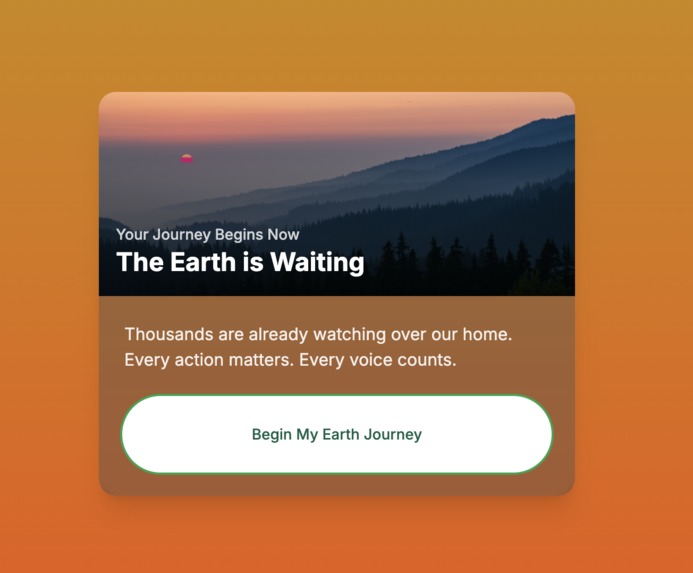
In a world facing escalating climate challenges, most people care — but feel helpless or disconnected from meaningful environmental action. Meanwhile, local pollution, illegal dumping, and deforestation often go unnoticed or unreported. We asked:
“What if everyday people could easily report environmental issues, learn about global sustainability, and take part in real campaigns — all in one beautiful, empowering space?”
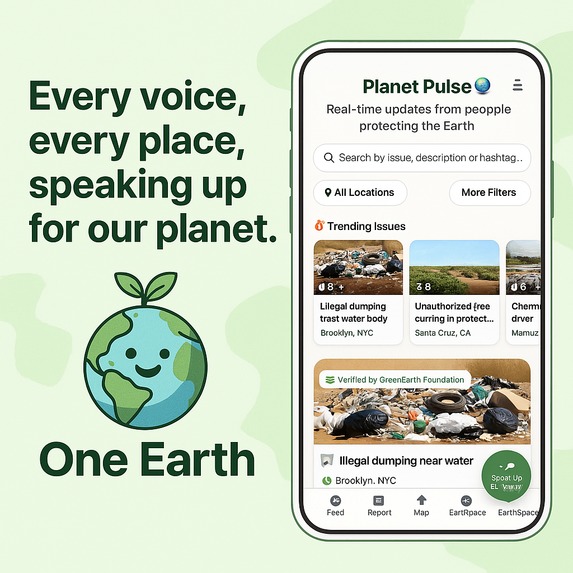
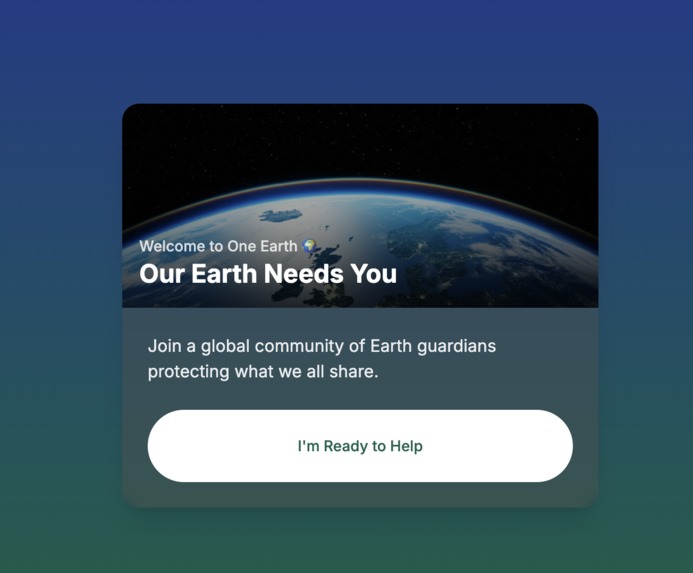
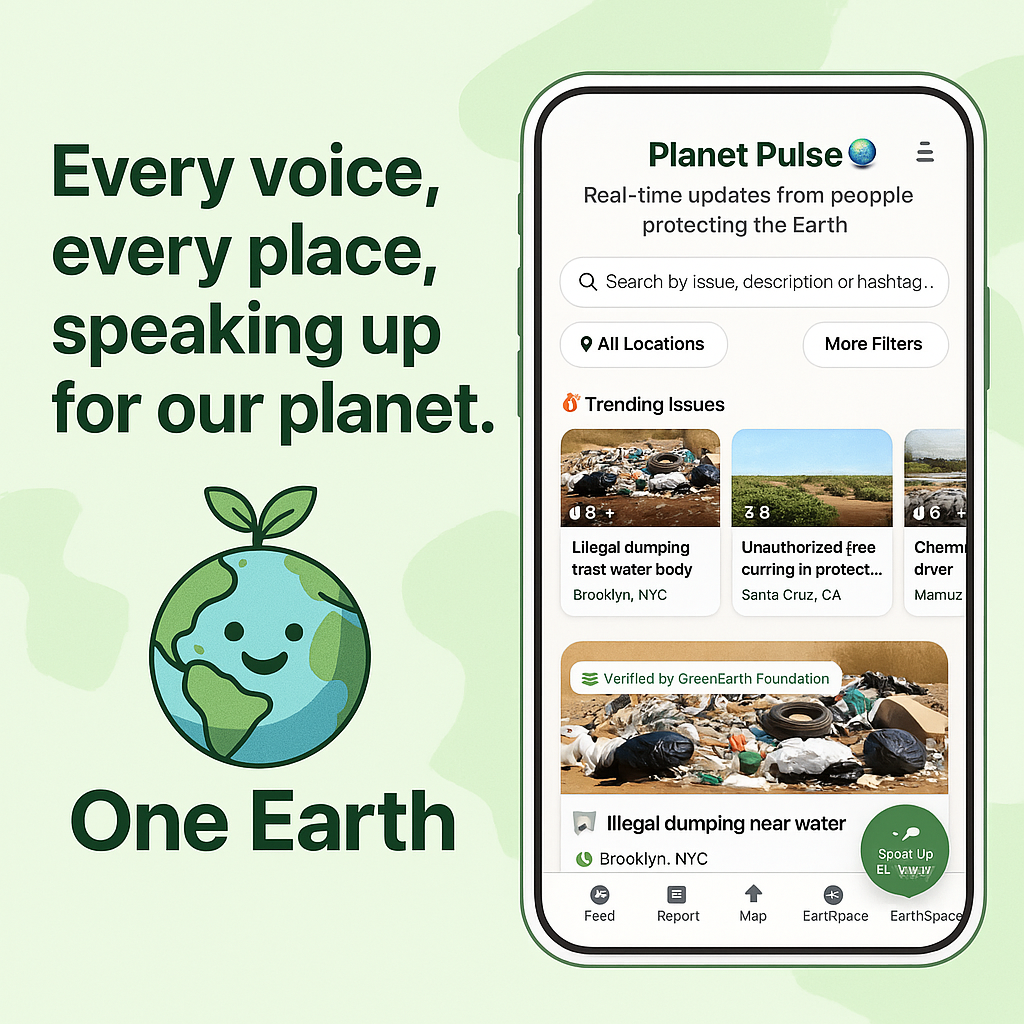
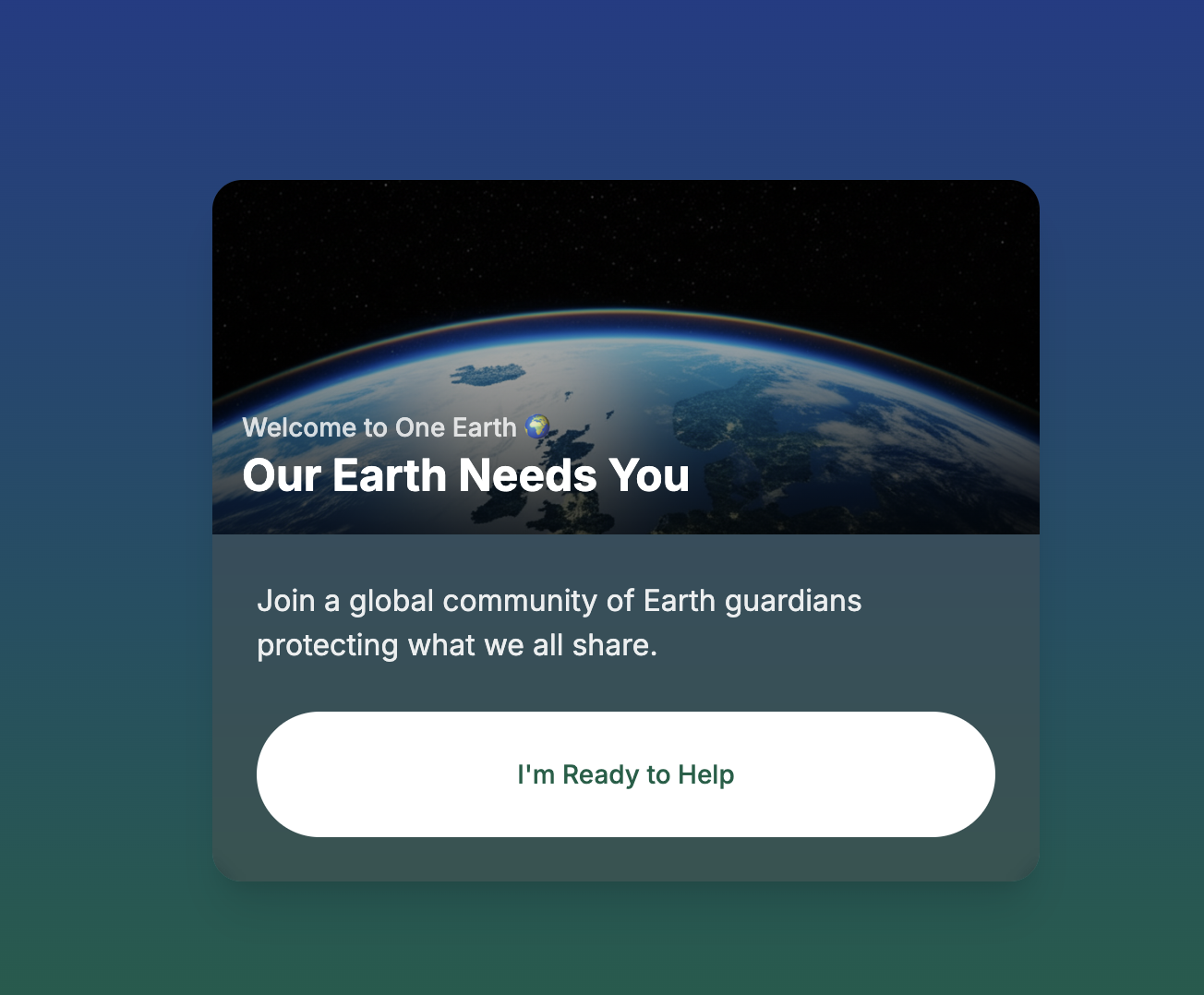
One Earth is our answer — a platform that transforms awareness into action, built around the idea that every voice, every place, speaks for our shared planet.
💡 What it does
One Earth is a mobile-friendly web app where users can:
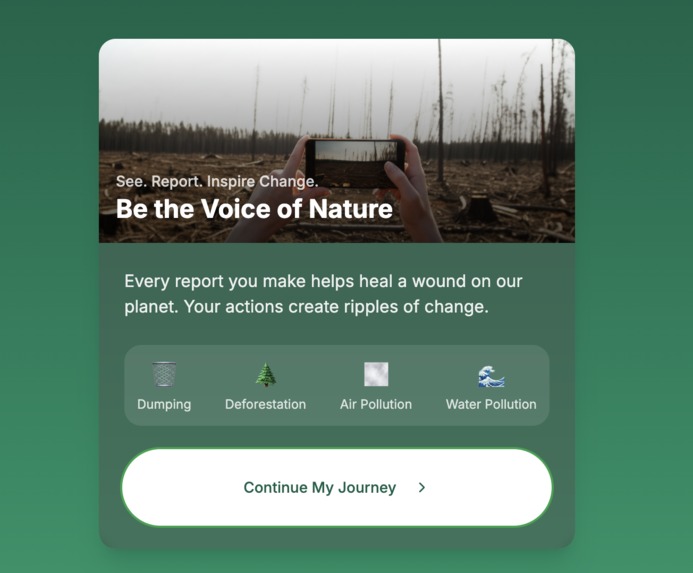
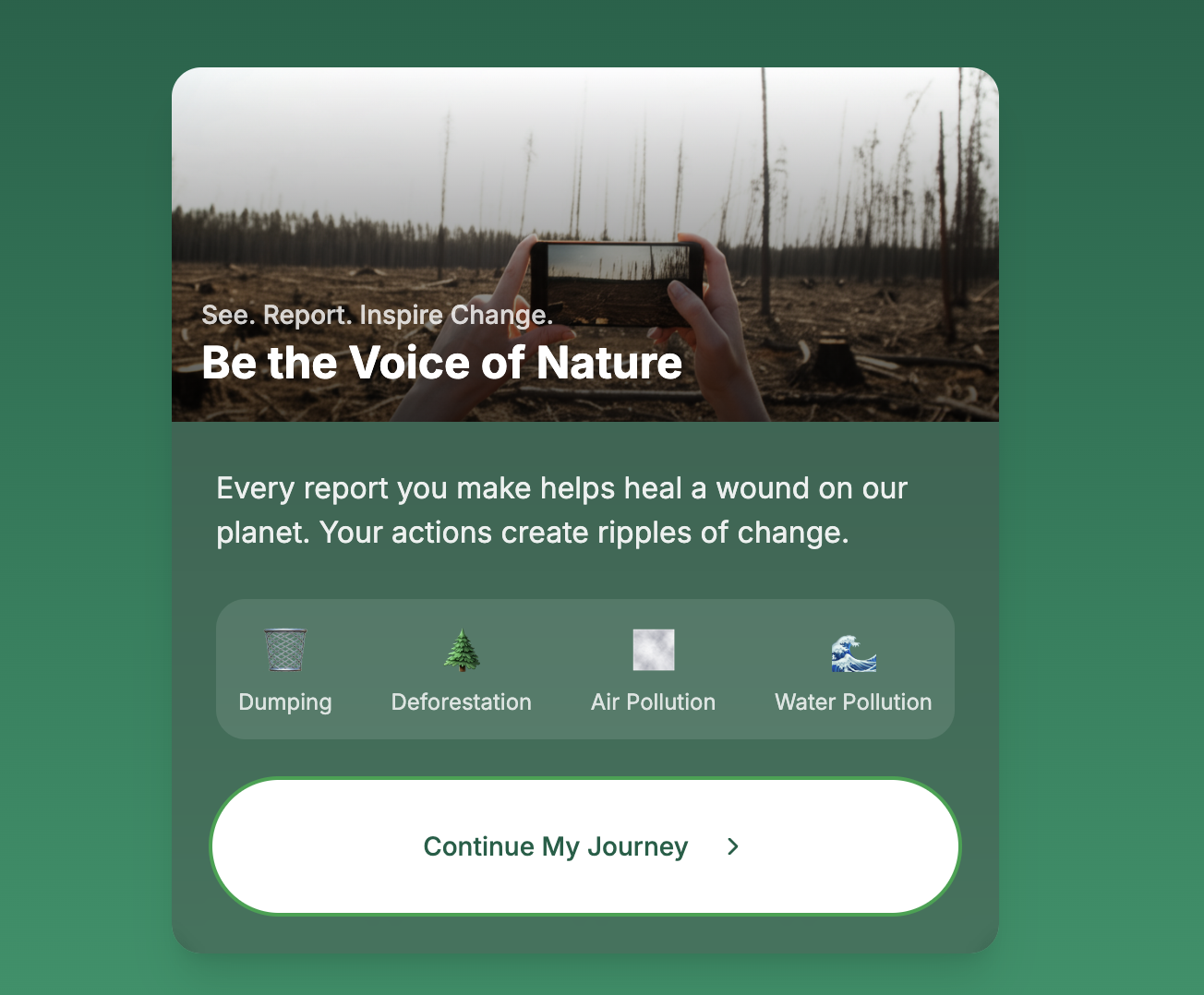
- 📸 Report local environmental issues with images, tags, and optional geolocation
- 🌐 Explore global sustainability events, climate news, and campaigns through our curated EarthSpace tab
- 🧠 Learn about climate concepts via interactive bite-sized modules
- ✅ Auto-generate tags and issue types using Gemini image analysis
- 📍 Enrich reports with context like environmental impact zones or nearby regulations
It’s not just about reporting — it’s about reflection, learning, and activating real climate action from the ground up.
🛠️ How we built it
- Frontend: React + Tailwind CSS with clean UX and tabbed layout for navigation (Feed | Report | Map | EarthSpace)
- Database: MongoDB Atlas for storing user reports, campaign data, and Learn tab interactions
- AI Integration:
- Google Gemini API for:
- Generating image descriptions and initial tags
- Categorizing issues into types (Air Pollution, Dumping, etc.)
- Severity scoring on a 1–5 scale
- Future-proofing for before/after comparisons and hazardous material detection
- Contextual enrichment: Gemini is also used to identify local environmental sensitivity (e.g., protected wetland, nearby water sources) and potential applicable regulations
- Design Tools: Vercel v0 for frontend prototyping and iteration
🧱 Challenges we ran into
- Designing a non-generic interaction flow that makes people want to come back even if there’s “nothing to report”
- Making AI integration feel native and valuable, not bolted on
- Balancing scope — we had more ambitious features like co-observation, Earth journals, and gamified climate quests, but prioritized core use cases for clarity
- Sourcing localized environmental data with enough richness for Gemini to contextualize intelligently
🏆 Accomplishments that we're proud of
- Built a fully working frontend with 4 functional tabs (Report, Feed, Map, EarthSpace)
- Seamlessly integrated Gemini API in a value-driven way — auto-generating tags and enhancing each report with real-time intelligence
- Used MongoDB effectively to store and manage real report data
- Created a platform that feels more like a movement than just an app — deeply human, engaging, and accessible to anyone
📚 What we learned
- AI tools like Gemini shine when you align them with real user friction, like: “I don’t know how to describe this photo” or “Where do I even start?”
- Simplicity of tab-based design with emotionally grounded copy makes people want to engage longer
- Sustainability tech should focus not just on awareness, but action, community, and continuity
- Reporting alone isn’t enough — you need reflection + education + activation
🌱 What’s next for One Earth
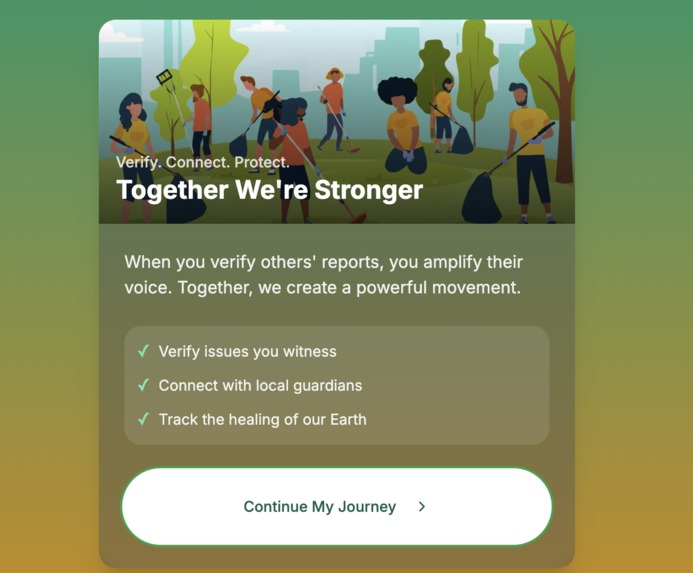
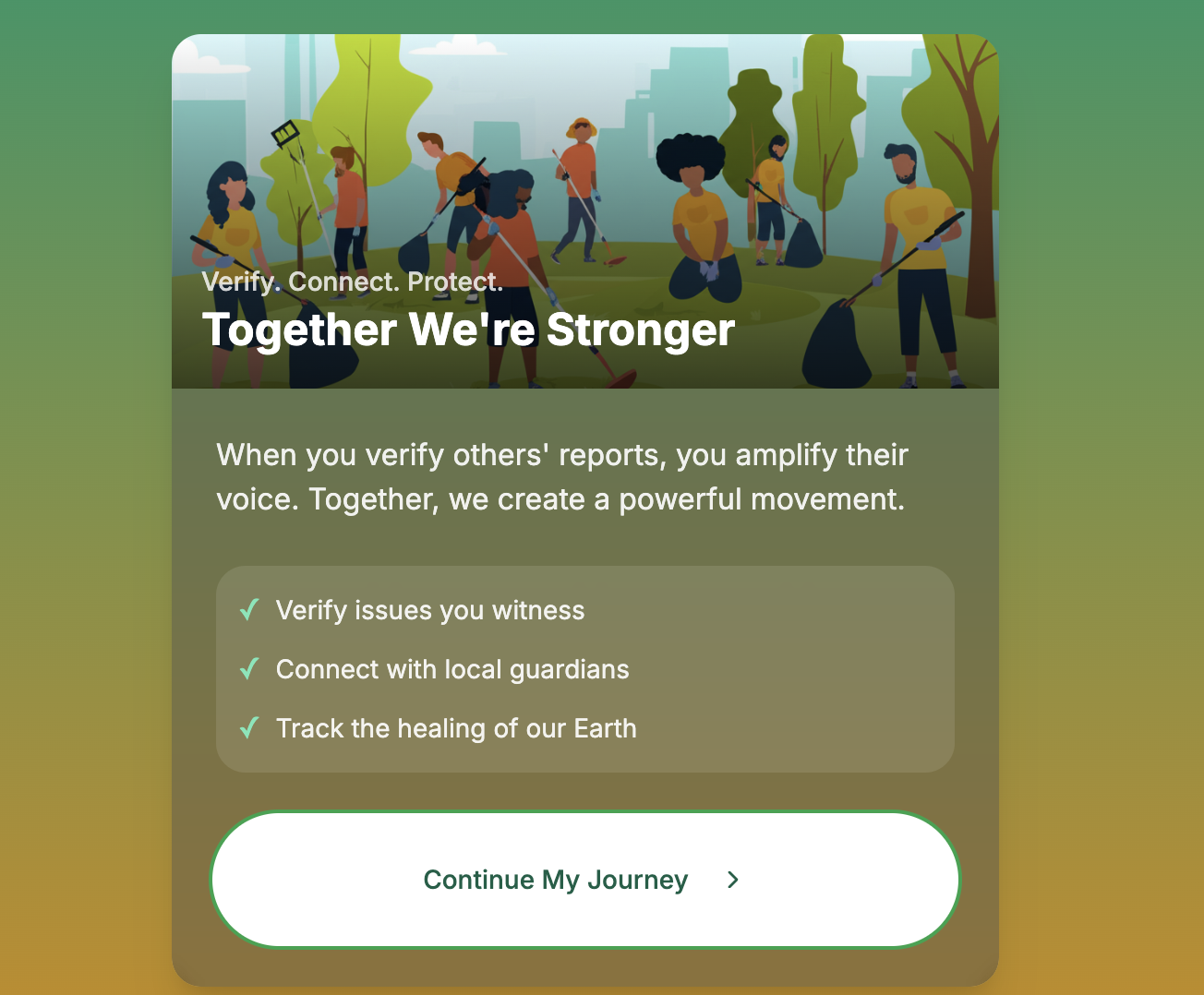
- 🧠 Crowd verification: Let others confirm or dispute reports (like "I’ve seen this too")
- 📊 Severity aggregation: Auto-prioritize issues getting more validation or severe scores
- 🧠 Vectara integration: Semantic search across Learn + EarthSpace content
- 🌍 Global Feed with region filters and environmental health overlays
- 🧑🤝🧑 Partner with NGOs to allow real-time volunteer & donation opportunities inside the Campaigns tab
- 📦 Offline-first reporting for regions with poor connectivity
Built With
- gemini
- mongodb
- nextjs
- typescript


Log in or sign up for Devpost to join the conversation.