-
-
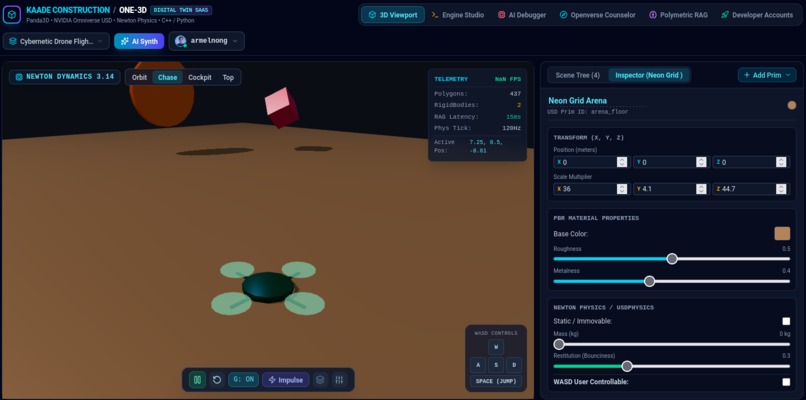
Quadrocopter
-
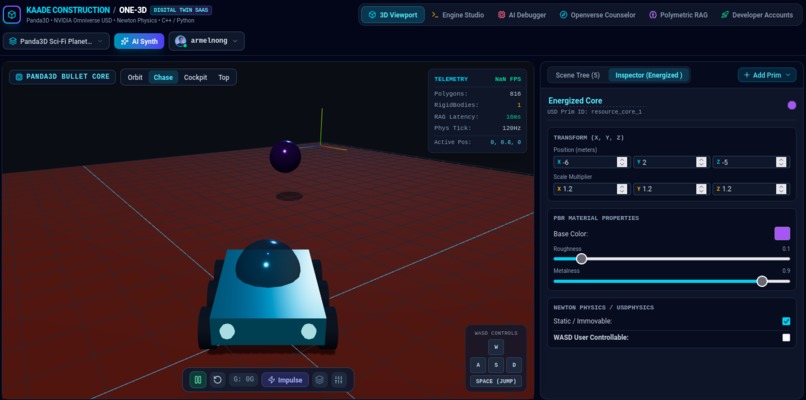
Controllable Rover
-
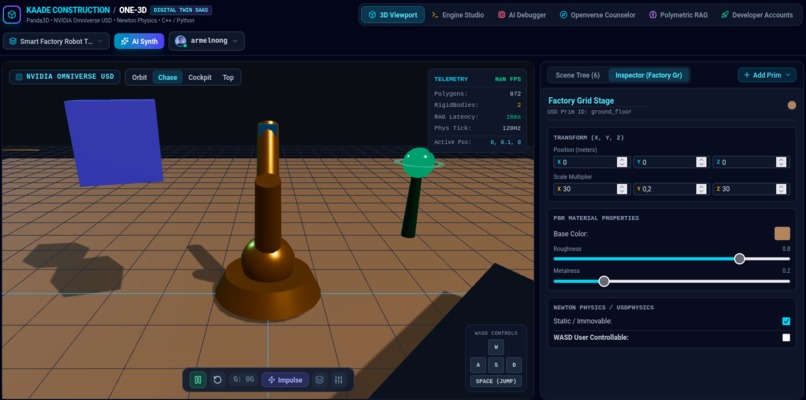
Smart-Factory-Edge-LOT
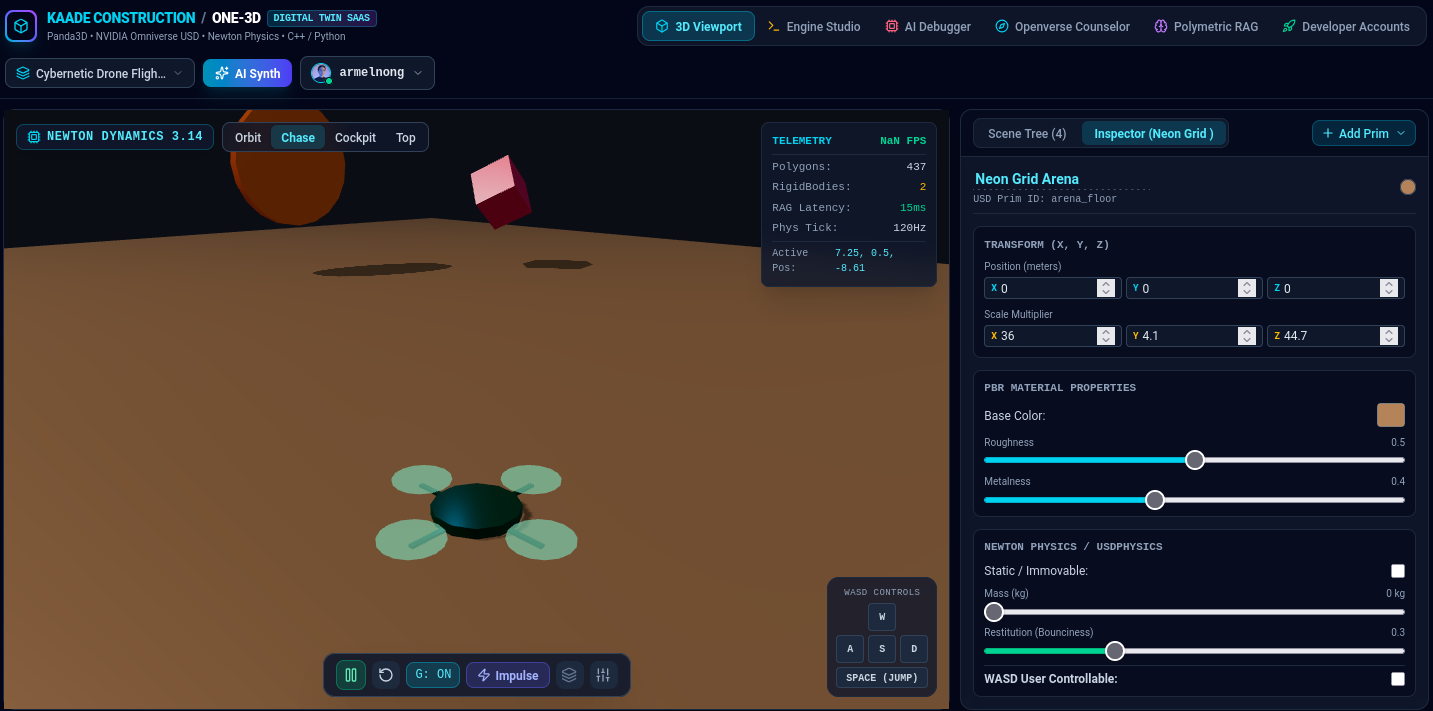
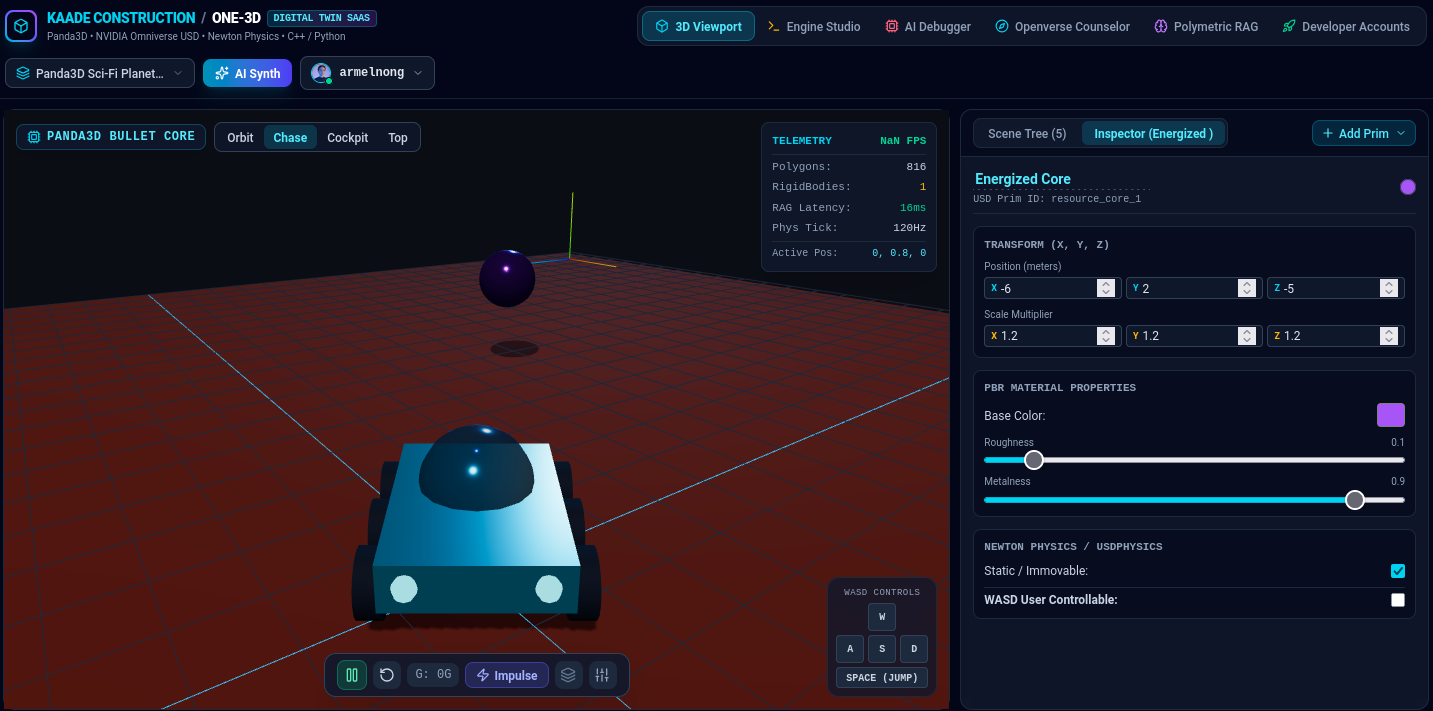
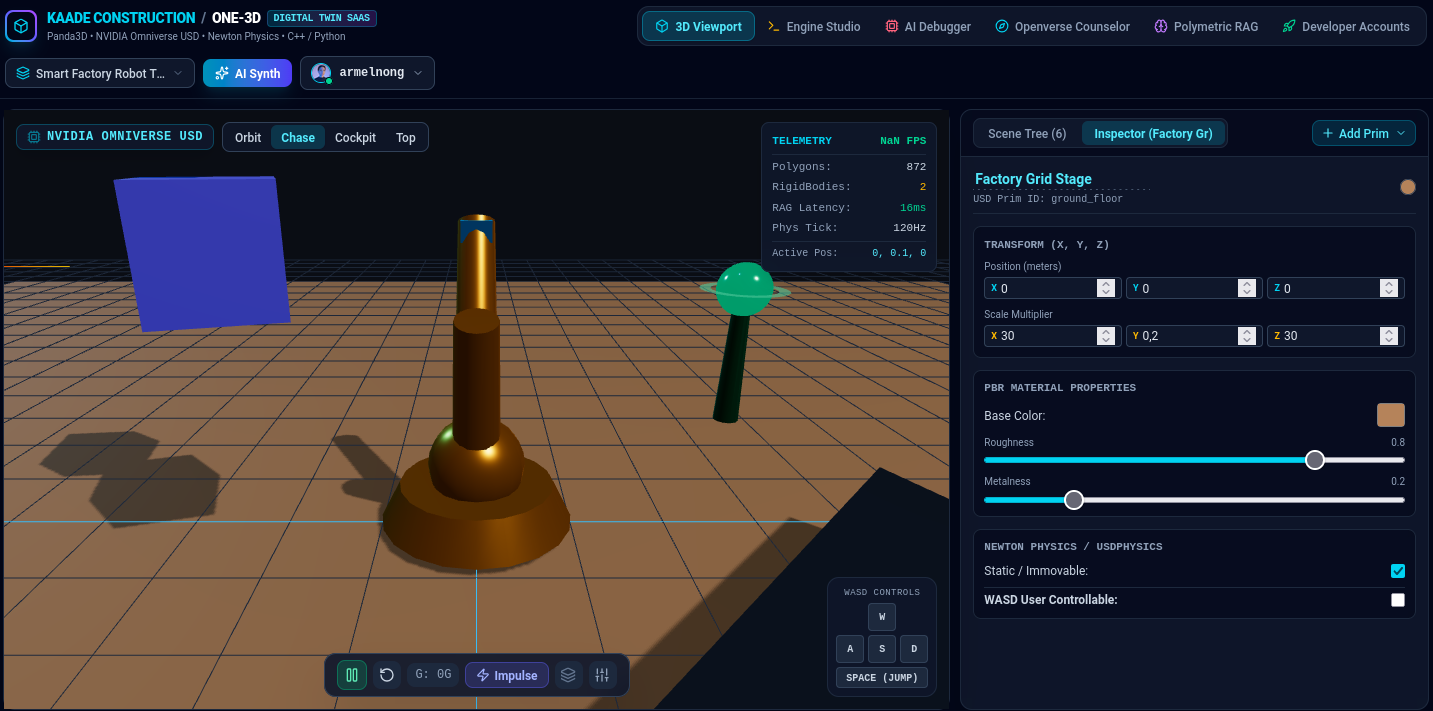
The AI Digital Twin Polymetric RAG platform is a Al-edge project that combines Digital twin with artificial intelligence, computer graphics, and simulation technologies to create an innovative tool for game development. The platform enables users to set up complex game scenes using Panda3D, Python/C++/Openverse and Omniverse simulations with engine generation, and real-time physics interactions.
Inspiration
As I delved into the world of Engineering Development, I realized that creating realistic environments requires a Deep Learning understanding of physics, mathematics, and computer graphics. The idea for this project was born out of my experience with AI-powered simulations and their potential to revolutionize the Aerospatiale Learning and Cybernetic industry. Also, I aimed to create a platform that would enable developers to focus on cybernetic creative aspects while leaving the heavy lifting to Digital Twin Artificial Intelligence.
What I Learned
Throughout this project, I gained valuable insights into development with:
- AI-powered simulation: Understanding how to integrate machine learning algorithms with physics engines and computer graphics.
- Computer Graphics: Mastering techniques for realtime engine 3D modeling, texturing, lighting, and rendering in Panda3D and Omniverse simulations.
- Python/C++ programming: Developing skills in scripting languages used for Edge-LOT development, including Python, C and C++.
- GitHub pipeline integration: Automating the build process using GitHub Actions to ensure seamless collaboration.
How I Built My Project
To bring this project to life, I use:
Set up Panda3D and Omniverse simulations: Configured both engines to create complex 3D scenes with realistic physics interactions. Developed Digital Twin Artificial Intelligence-powered simulation algorithms: Implemented machine Deep learning models using Twin with language Python/C++ to simulate Spatial aeronautical real-world phenomena in the Omniverse environment. Generated engine code: Utilized Space templates and scripts to build, generate and optimized Language code for the platform, ensuring efficient performance. Integrated Repertory pipeline: Set up automated builds, tests and run using Repertory Actions to ensure continuous integration and deployment.
Challenges Faced
Some of the challenges I encountered during this project include:
- Balancing Digital Twin Artificial Intelligence complexity with engine performance: Ensuring that AL-powered simulations did not compromise engineplay speed and stability.
- Integrating multiple technologies in Space: Coordinating code Language and Aerospace pipeline integration required careful planning and testing with Controllable Rovers, Digital Twin sensors, Quadrocopter Drone in Astronomical space with Aeronautical activity.
- Optimizing code for real-time physics and UsdPhysics interactions: Spatial Planetary Fine-tuning engine code to ensure seamless rendering of complex scenes.
Built With
- 3.7
- gemini

Log in or sign up for Devpost to join the conversation.