Inspiration
Cancer remains one of the world’s leading causes of death, and early detection is often the key to improving outcomes. I was inspired by the idea of building an accessible AI tool that could assist pathologists by flagging suspicious tissue regions in histopathology slides. The recent growth of explainable AI in healthcare motivated me to combine computer vision with medical imaging to create a project that is both technically exciting and socially impactful.
What it does
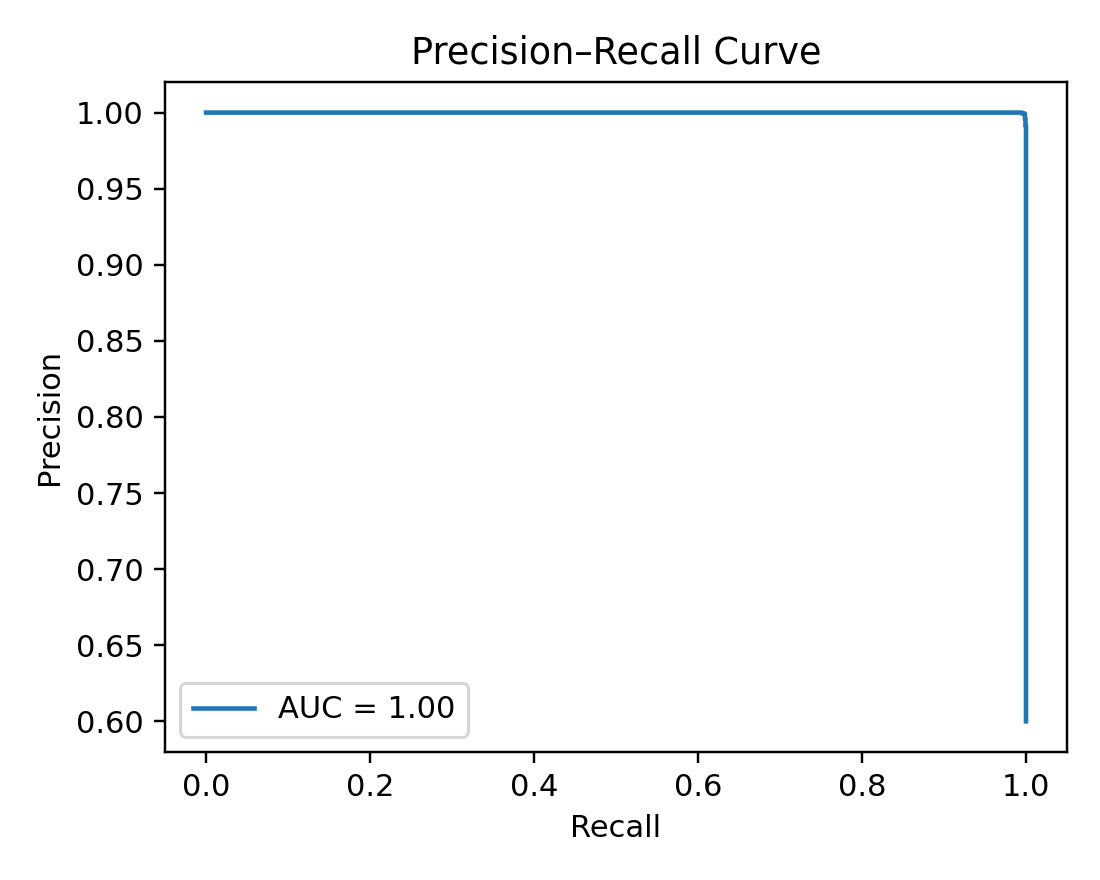
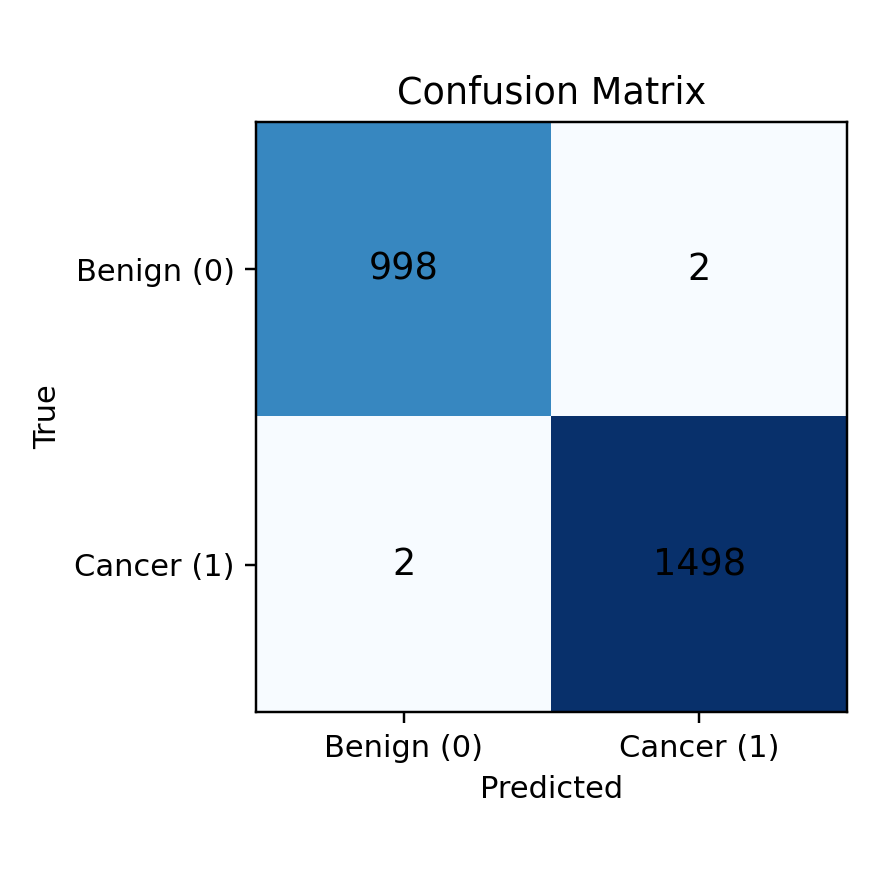
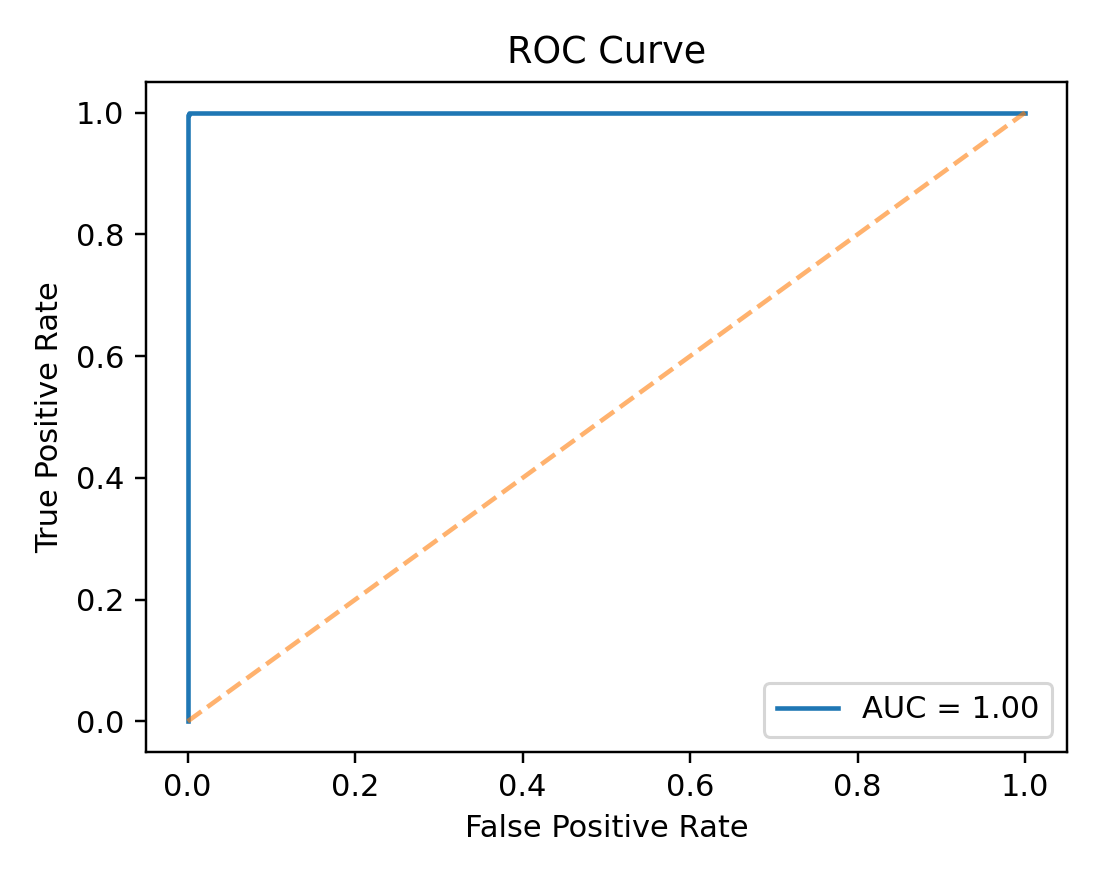
OncoVision analyzes uploaded histopathology images, predicts the likelihood of cancer, and generates a heatmap overlay that shows the areas most responsible for the prediction.
How we built it
OncoVision analyzes uploaded histopathology images, predicts the likelihood of cancer, and generates a heatmap overlay that shows the areas most responsible for the prediction.
Challenges we ran into
Handling extremely large pathology images was difficult, so I scoped down to patches, and limited training time pushed us to rely heavily on transfer learning.
Accomplishments that we're proud of
I built an end-to-end pipeline that can process an image, run inference, and generate explainable heatmaps within seconds.
What we learned
I learned how to balance model performance with speed, and how crucial explainability is for AI in healthcare.
What's next for OncoVision
I plan to expand to multi-cancer datasets, improve accuracy with larger models, and deploy OncoVision as a mobile tool for students and researchers.

Log in or sign up for Devpost to join the conversation.