Inspiration
Every student knows the feeling: you have a two-hour break, and half of it goes to opening up every screenshot of your friends' schedules and texting every one of them to not eat lunch alone. Meanwhile, the escalator or elevator has been broken for a week, and everyone assumes someone else already reported it. We wanted one app that fixes both: wasted free time and campus problems nobody follows up on.
What it does
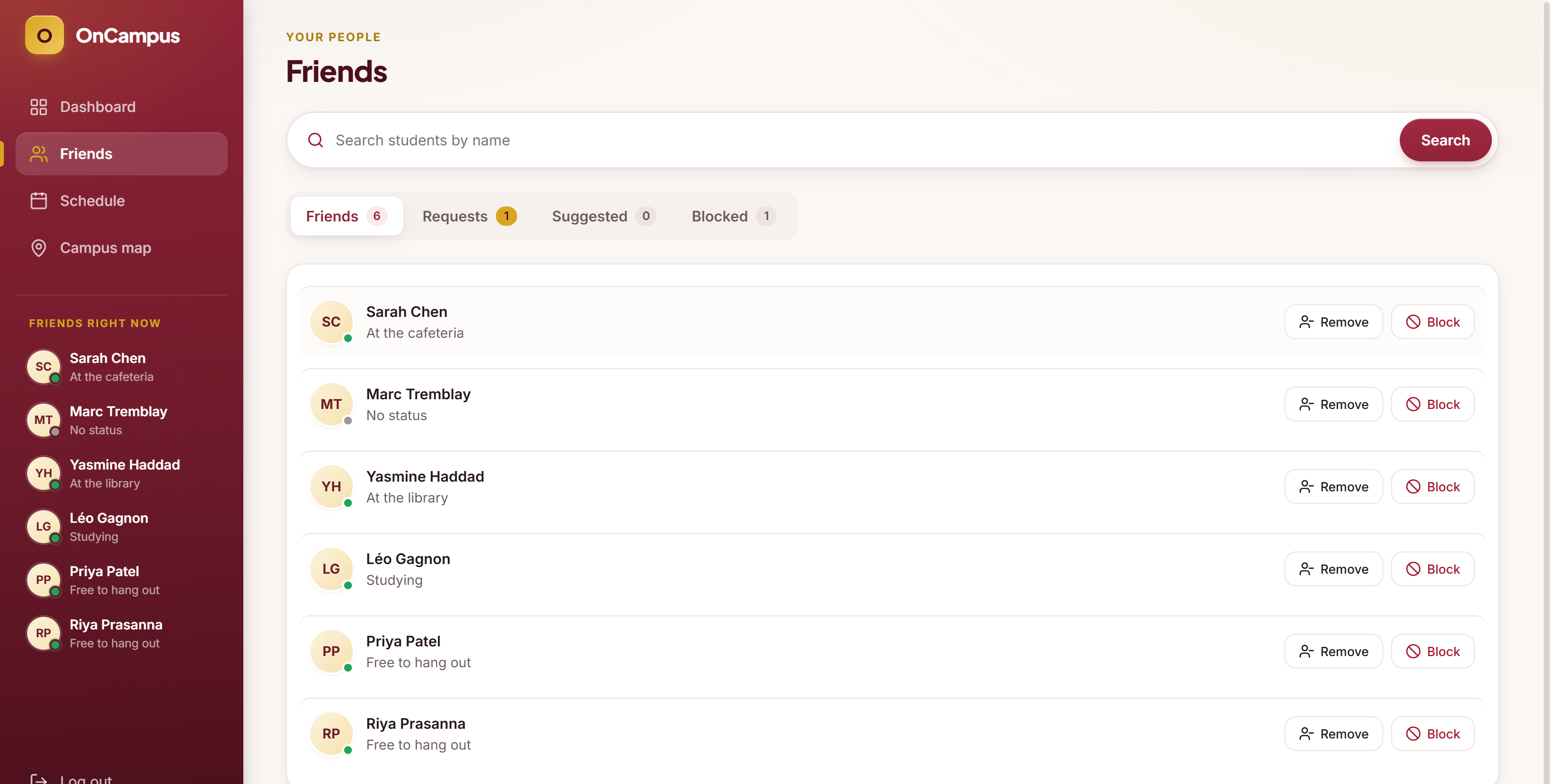
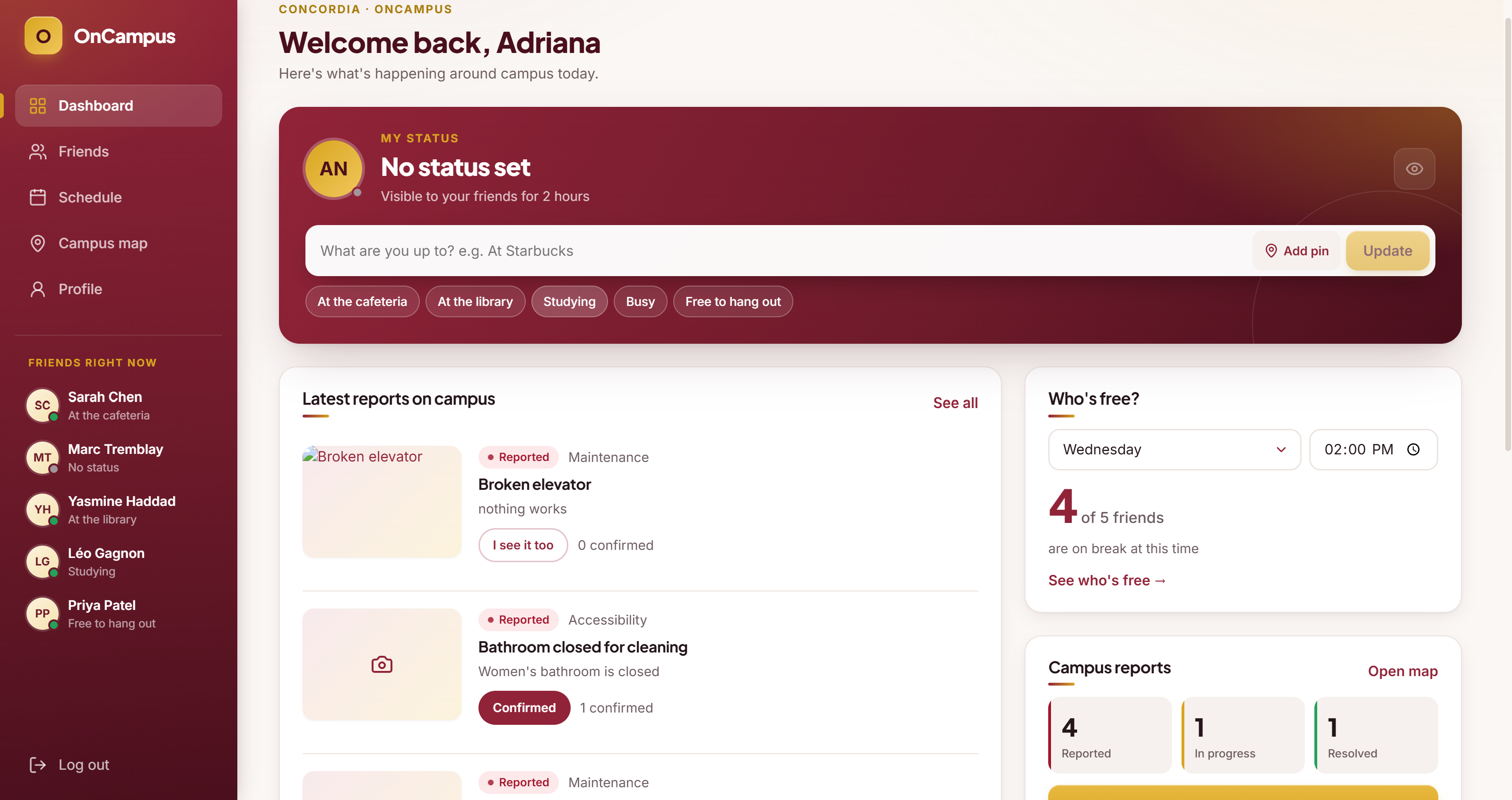
- Add friends, share statuses like "At the library". Statuses expire after 2 hours, and use the eye icon if you want to turn into a ghost :O
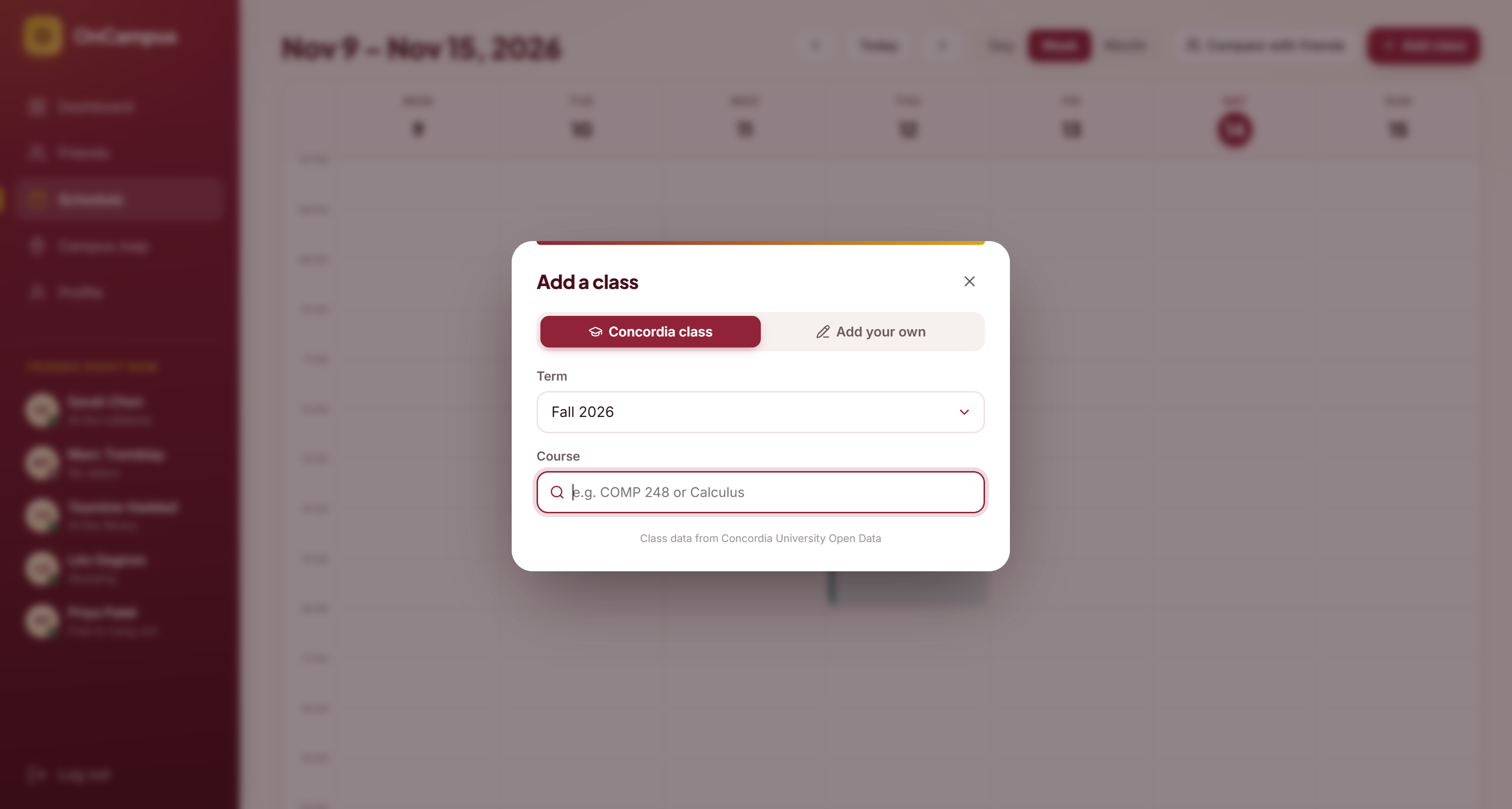
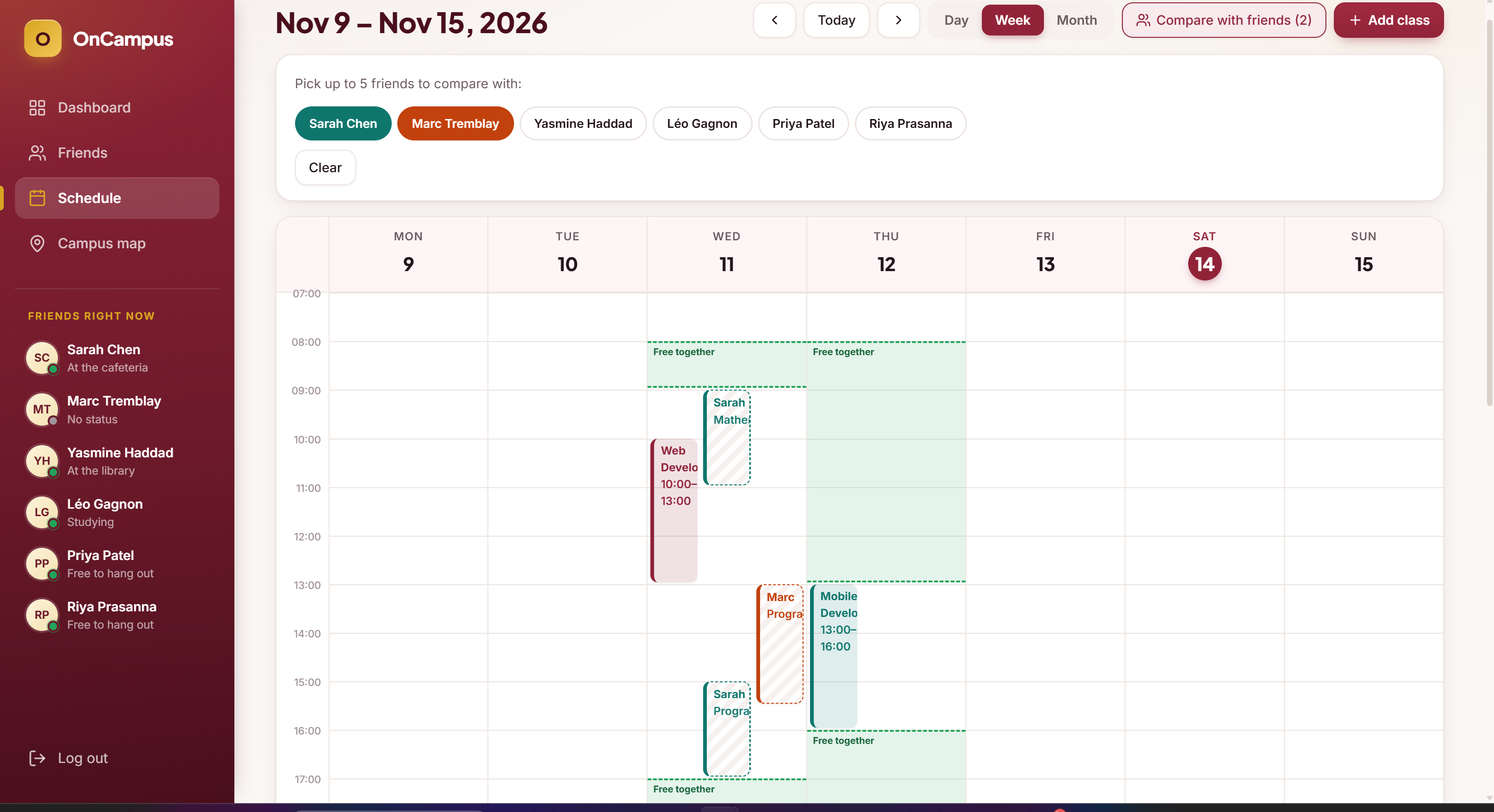
- Compare schedules with your friends and find which time slots are shared between the both of you.
- Get suggested friends based on mutual friends, shared classes and overlapping breaks.
- Report a problem with a photo and location, other students can confirm the incident with a tap "I see it too" so the biggest problems rise to the top and staff can mark reports as in progress or resolved.
- Only accepted friends can see your status or availability, which means your full timetable isn't shown.
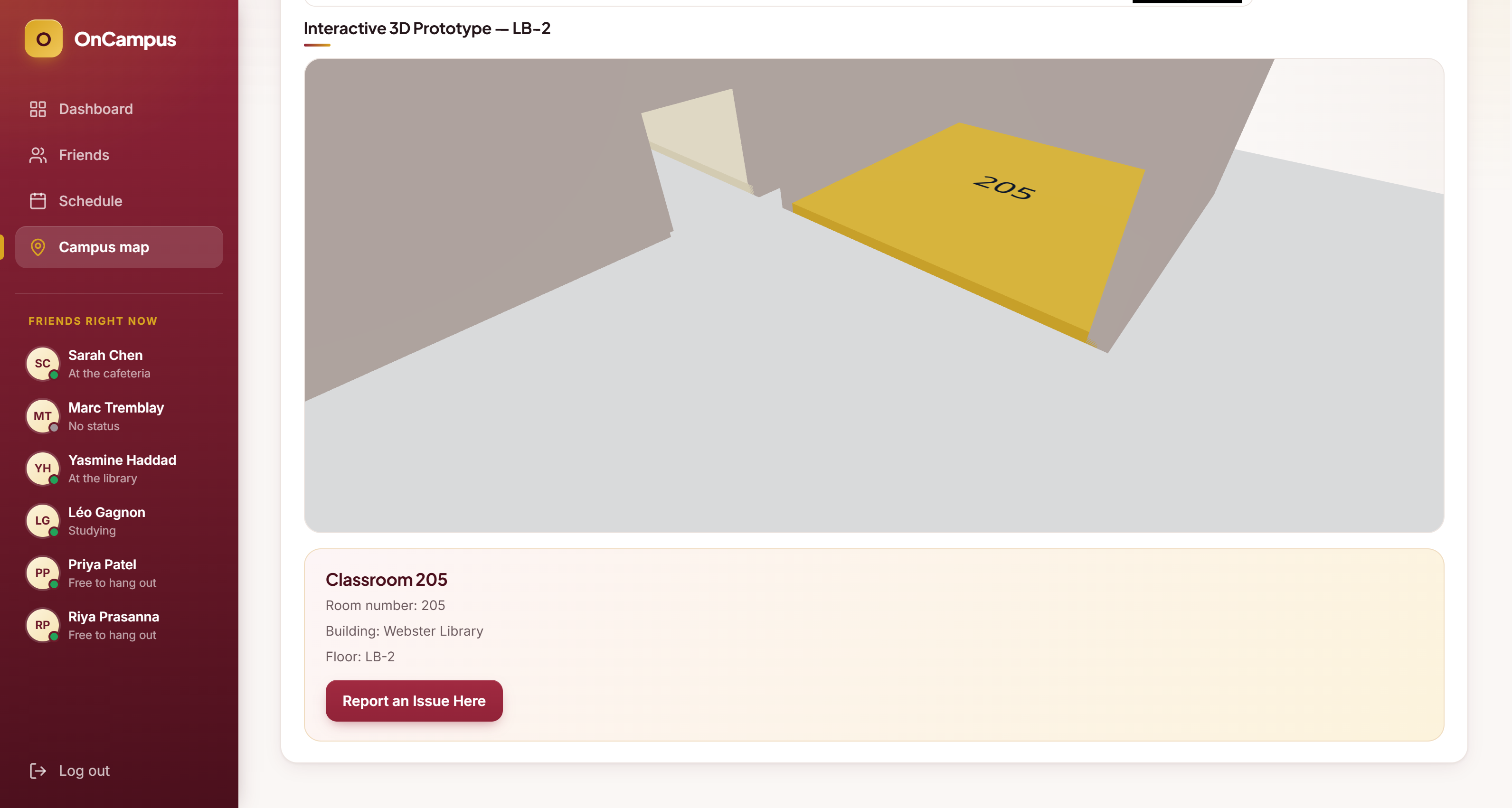
- 3D beta map to show the library to create a user interactive way to pinpoint problematic areas.
- Campus Map to show nearby places
- Create your schedule and compare it with up to 5 students
How we built it
- Frontend: React and Vite, with React Router for pages and Lucide for icons, using a shared CSS design system so all three modules look the same.
- Backend: Node.js and Express, with one shared REST API. Login uses JWT tokens, and passwords are hashed with bcrypt.
- Data: JSON files with a small read/write helper, plus a seed script that creates demo users, friendships, schedules and reports.
- Deployment: Render, connected to our GitLab repo. Express serves both the API and the built React app, so the whole project runs from one link.
Accomplishments that we're proud of
- A working, deployed app with real login, friends, statuses, reports and photo uploads, built in one day by a team of three.
- A friend-suggestion system that combines mutual friends, shared classes and overlapping breaks into a score, and explains why each person is suggested.
- Building privacy in from the start instead of adding it at the end.
- Keeping the API stable while changing the whole storage layer underneath it.
What's next for OnCampus
- Real-time updates with WebSockets instead of refreshing every 10 seconds.
- A real database (MongoDB Atlas), so data stays saved when the server restarts.
- Importing schedules directly from Omnivox.
- Notifications when a friend goes on break.
- A staff dashboard for facilities teams to manage reports.
- A mobile app.
Built With
- express.js
- json
- leaflet.js
- node.js
- react
- render
- restapi
- vite

