-
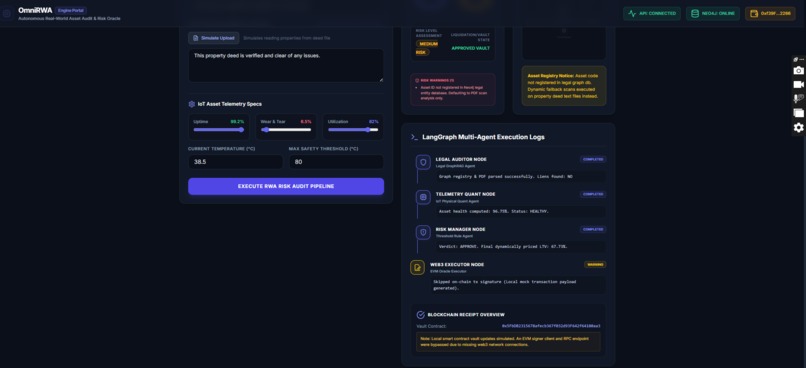
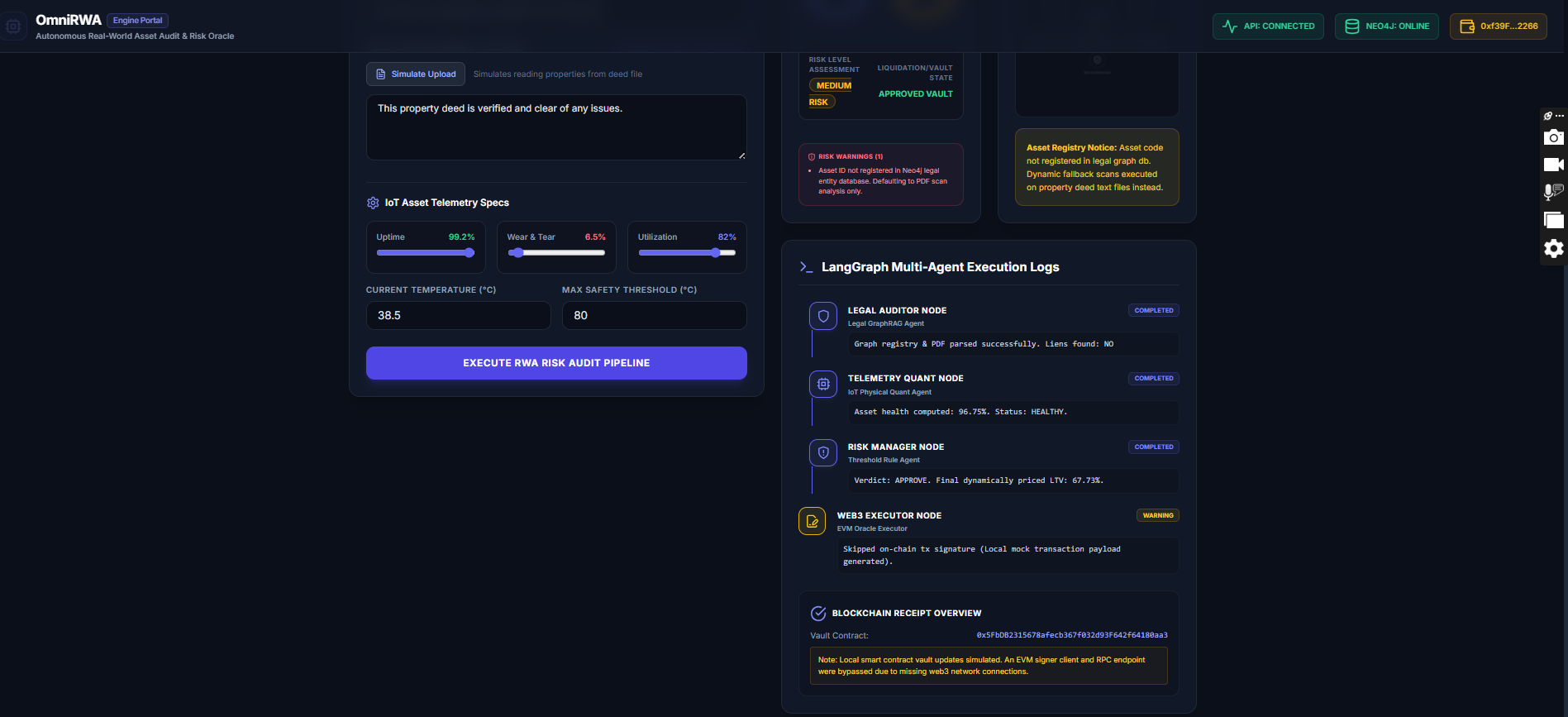
Figure 1: OmniRWA Governance Dashboard displaying real-time asset telemetry analytics, compliance status, and dynamic LTV risk metrics.
-
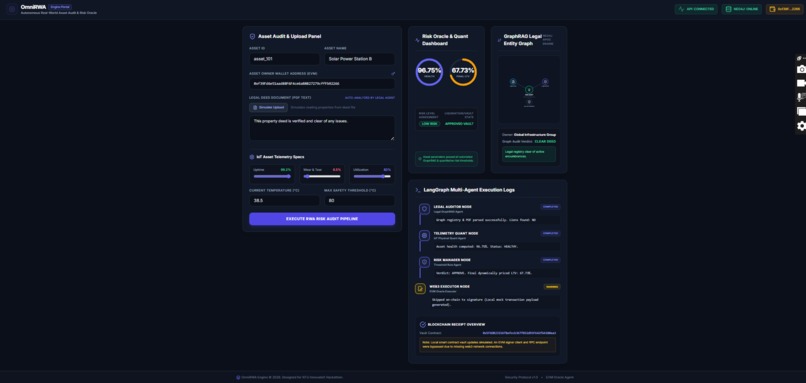
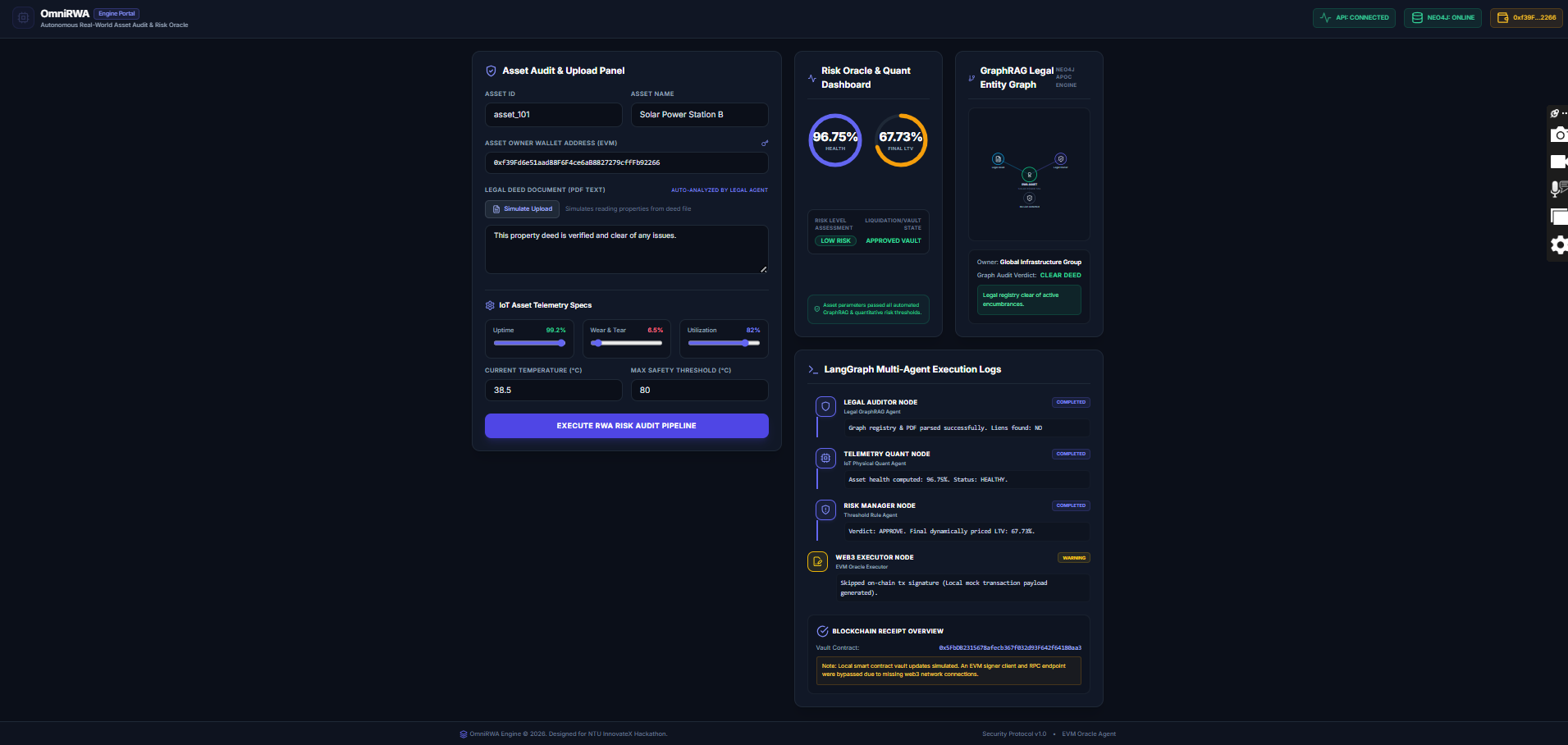
Figure 2: LangGraph Multi-Agent Pipeline output, synthesizing GraphRAG legal insights with IoT telemetry for automated asset auditing.
-
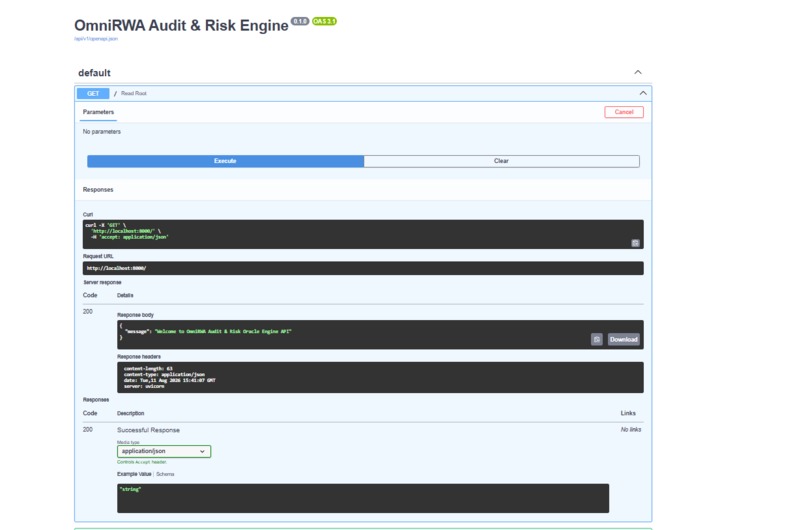
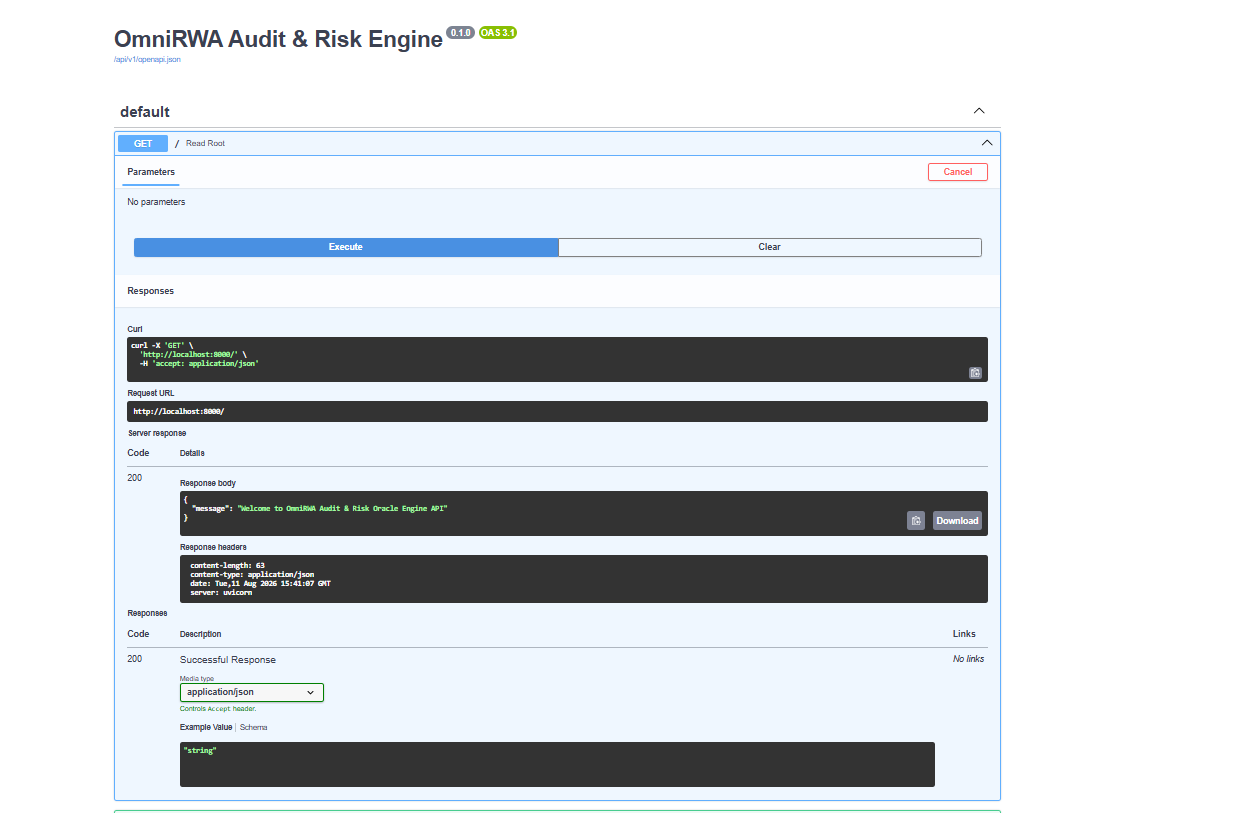
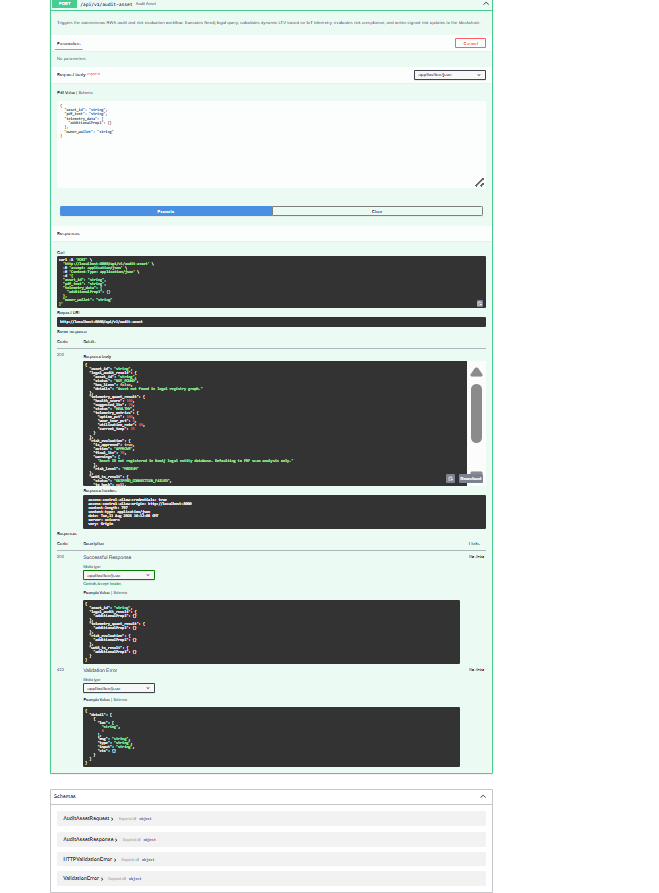
Figure 3: Interactive OpenAPI specification detailing deterministic request endpoints, schemas, and API audit protocol definitions.
-
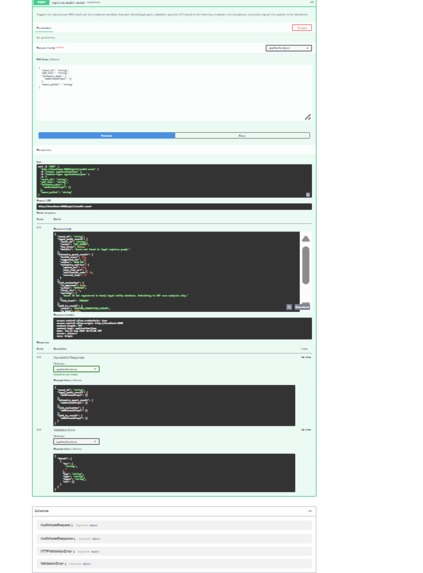
Figure 4: Audit endpoint execution response exhibiting HTTP 200 OK status with cryptographically signed Web3 settlement payloads.
-
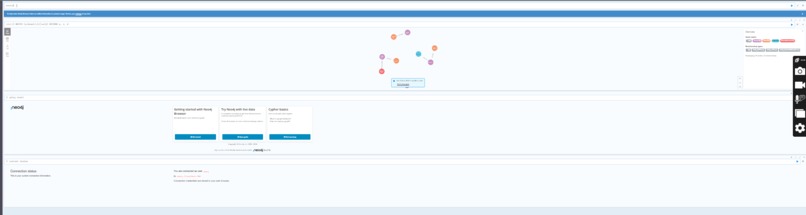
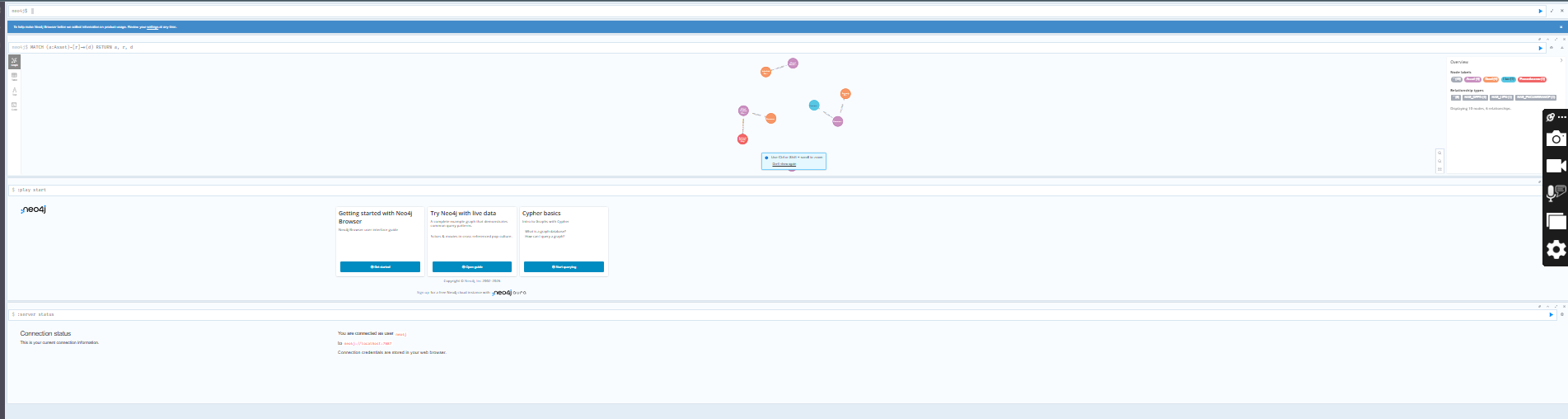
Figure 5: Neo4j Topological Knowledge Graph mapping multi-entity ownership structures, deeds, liens, and encumbrance relationships.
Inspiration
What it does
How we built it
Challenges we ran into
Accomplishments that we're proud of
Inspiration
Real-World Assets (RWAs) represent the next frontier in Web3, but current auditing process relies on manual, slow, and opaque legal and compliance verification. We built OmniRWA to create an autonomous, transparent bridge between physical asset telemetry, legal ownership registries, and on-chain DeFi vaults.
What it does
OmniRWA is an autonomous RWA audit engine and risk pricing oracle:
- GraphRAG Legal Auditing: Connects to Neo4j to verify corporate ownership structures, deeds, active liens, and encumbrances.
- IoT Telemetry Analytics: Evaluates asset operational health (wear, temperature, uptime) to adjust borrowing capacity in real time.
- Automated Risk Scoring: Computes risk tiers and Loan-to-Value (LTV) ratios without manual intermediaries.
- On-Chain Settlement: Executes smart contract state updates directly on EVM lending vaults (
RWAVault.sol).
How we built it
- Backend: FastAPI with Python 3.11 orchestrating a multi-agent workflow via LangGraph state machine.
- Knowledge Graph: Neo4j database using Cypher queries for encumbrance detection.
- Frontend: React dashboard showing real-time audit progress and risk telemetry.
- Smart Contracts: Solidity ERC-20 compliant RWA lending vault.
Challenges we ran into
Integrating real-time IoT metric bounds with Neo4j graph traversal while keeping latency under control for automated state machine transitions.
What's next for OmniRWA
- Cross-chain state synchronization via CCIP.
- Zero-Knowledge (ZK) proofs for private asset valuation docs. ## What we learned

Log in or sign up for Devpost to join the conversation.